
Level 1 sweep and inspection to the NFPA 211 annual standard - flue, crown, cap, and flashing checked and photographed
Chimney sweep logs do not sweep chimneys. They loosen some creosote - which then falls where a brush and vacuum still have to collect it.
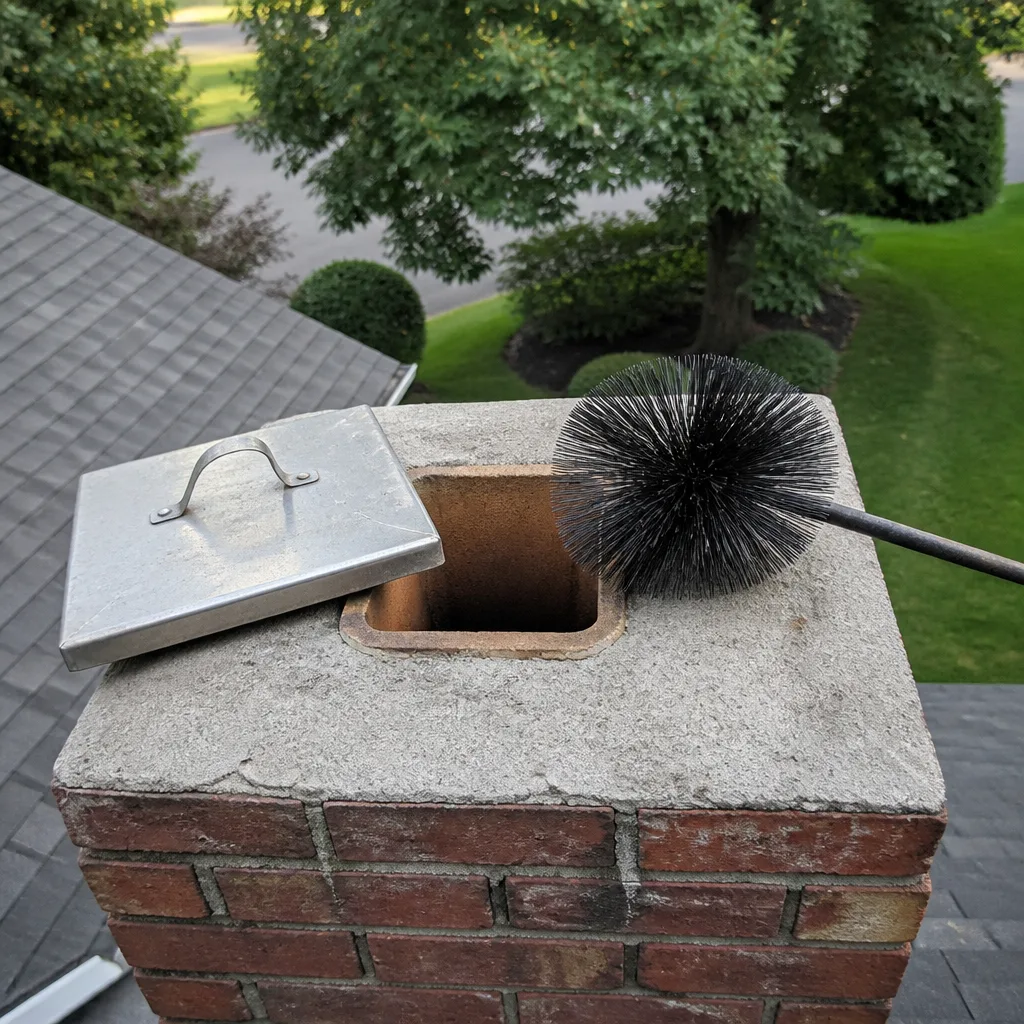
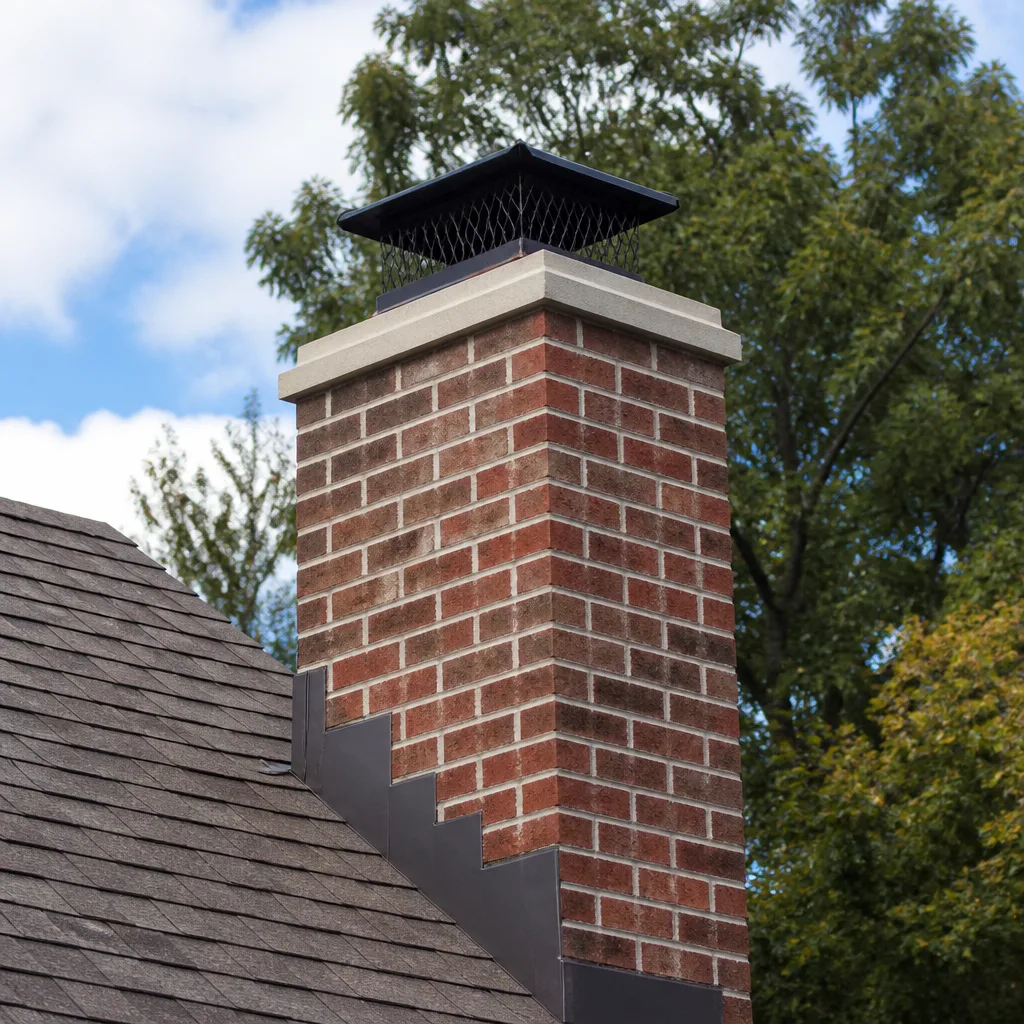
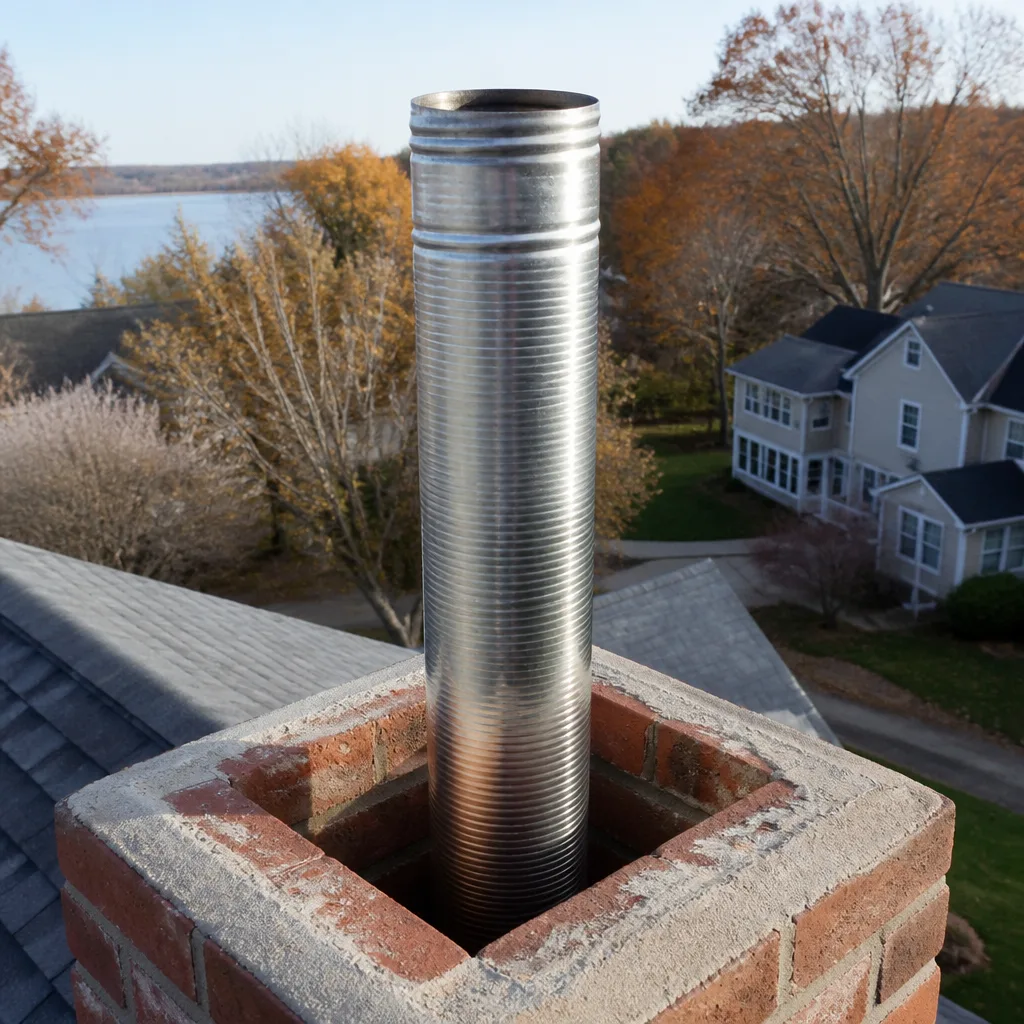
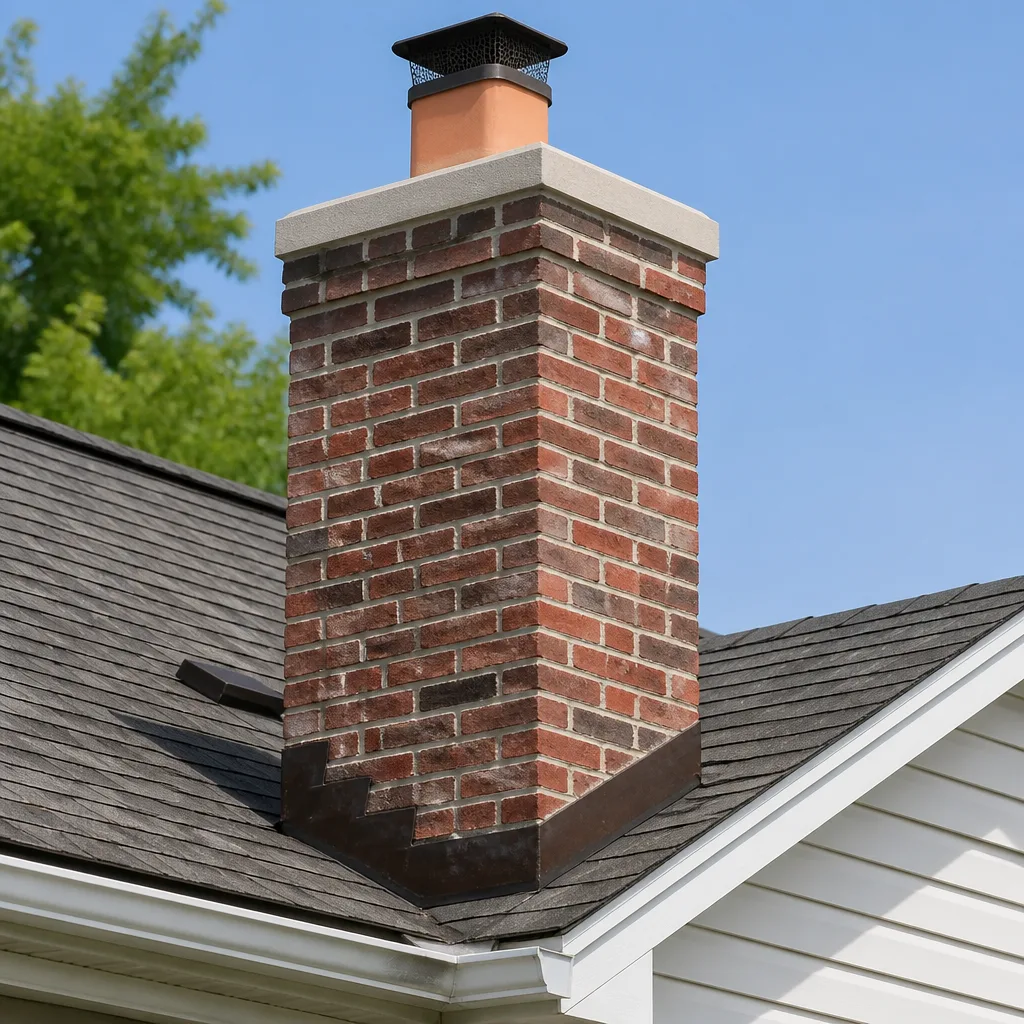
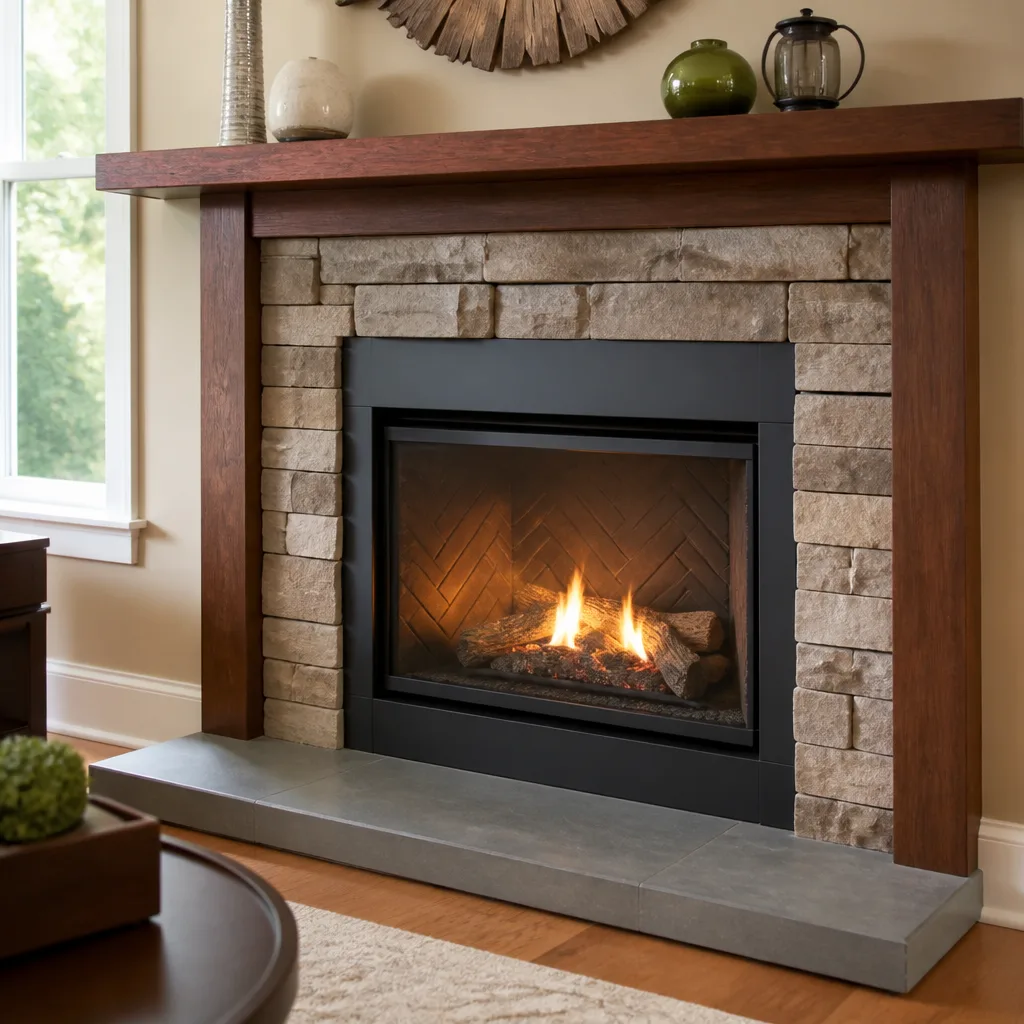
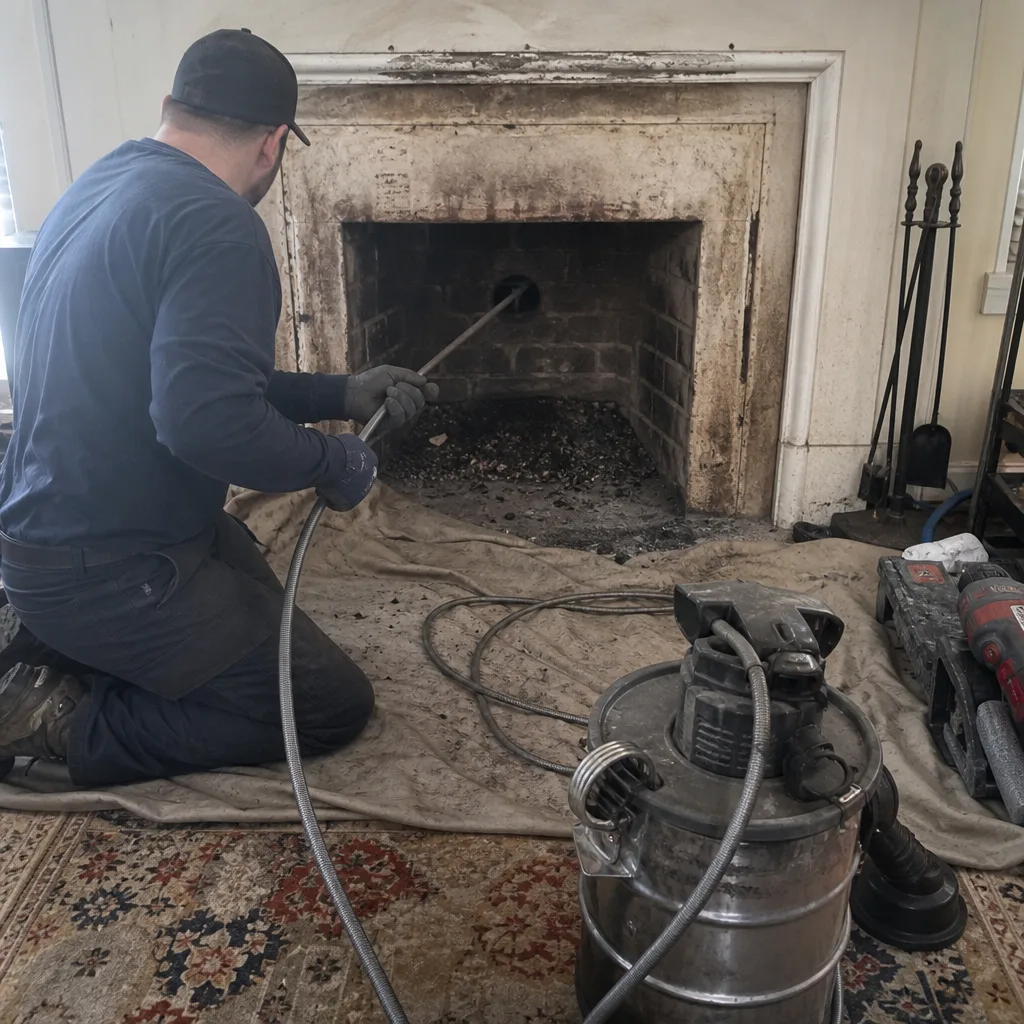 Before
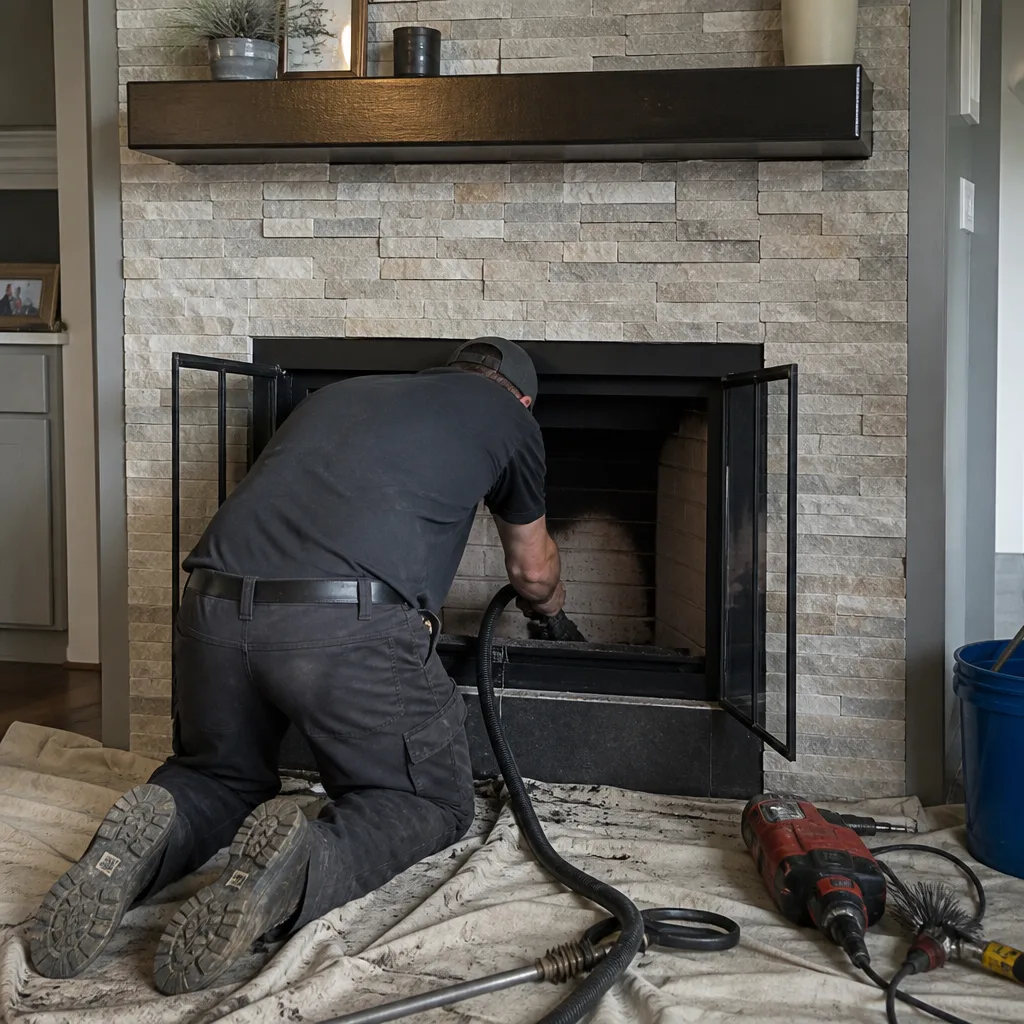 After
After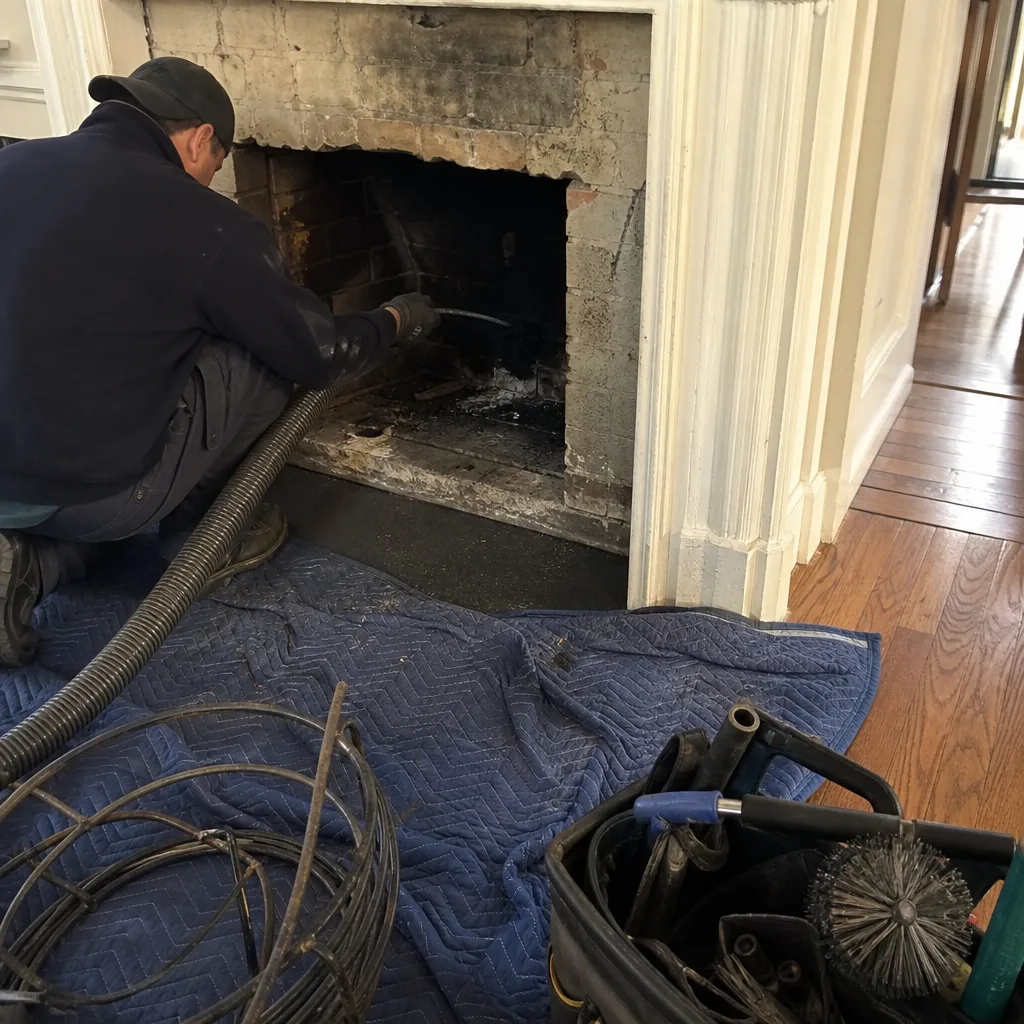 Before
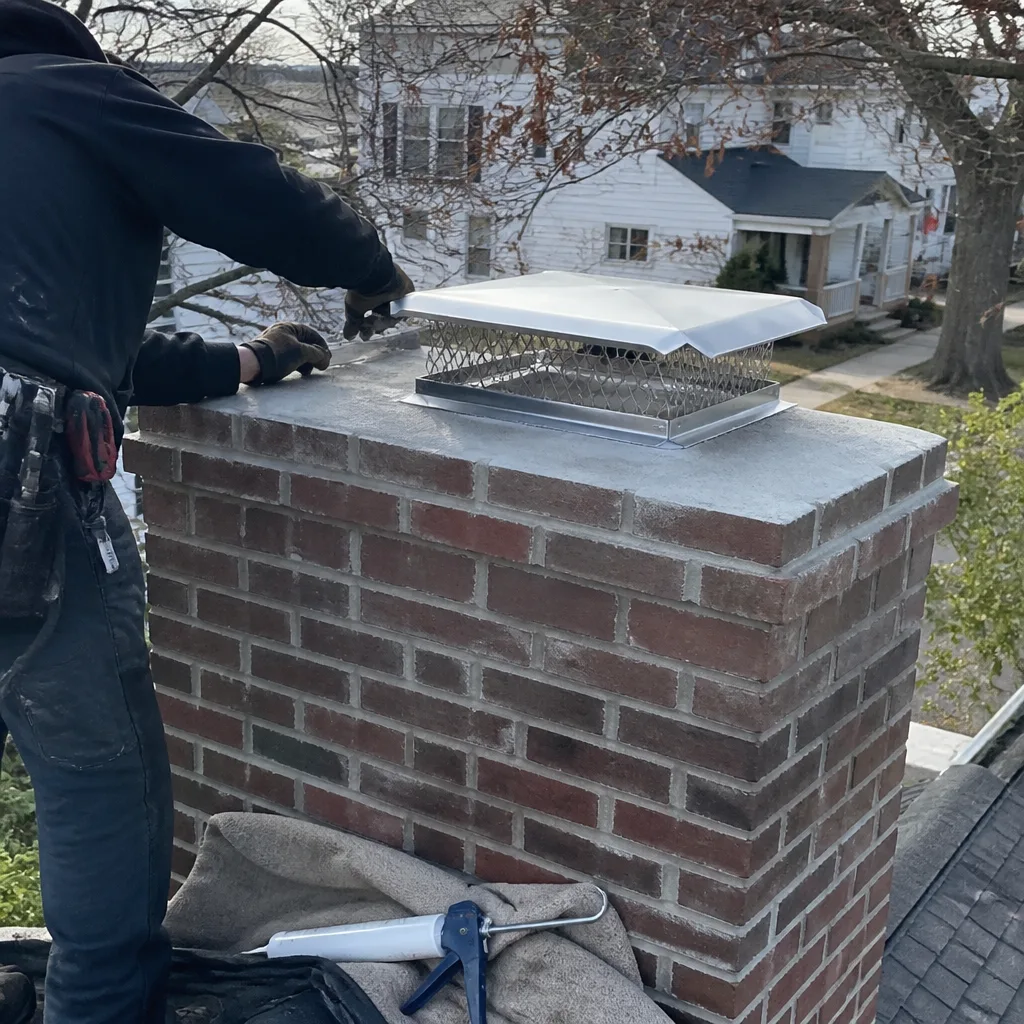 After
After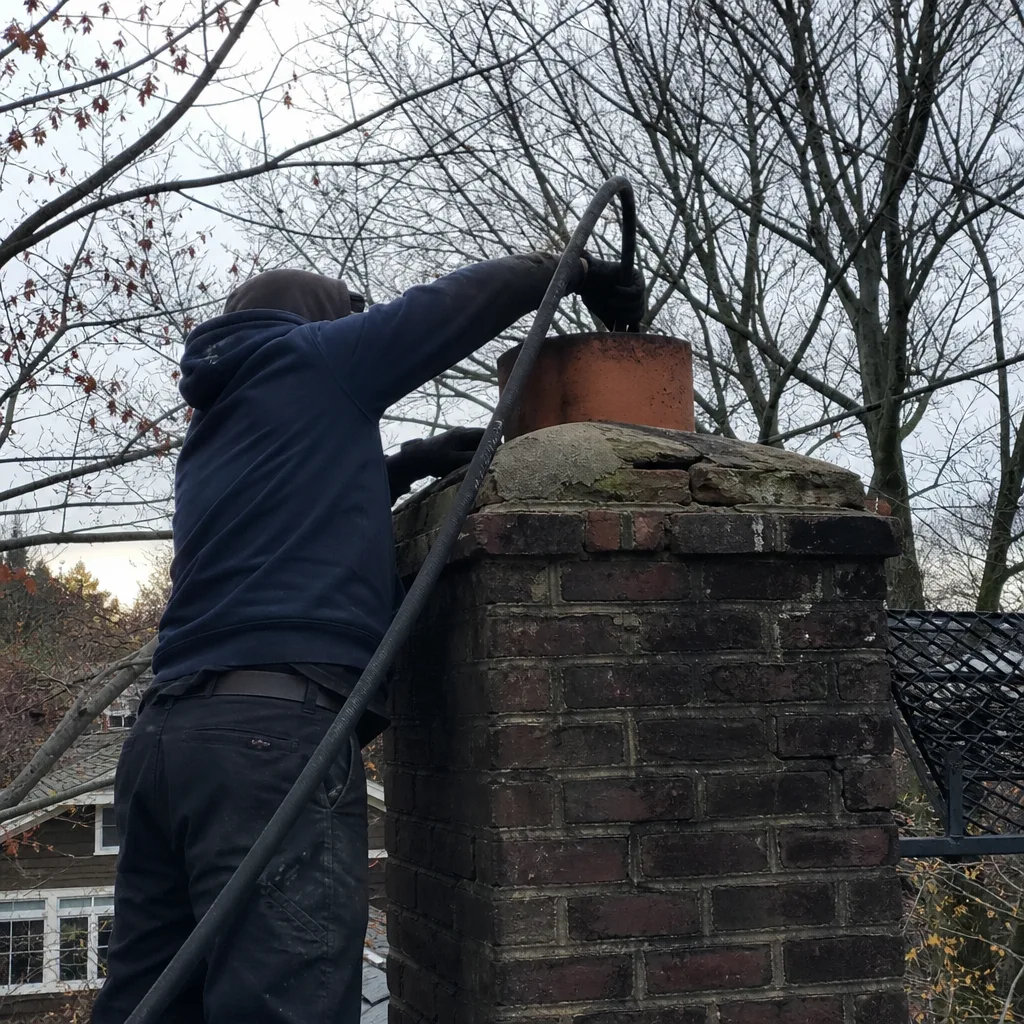 Before
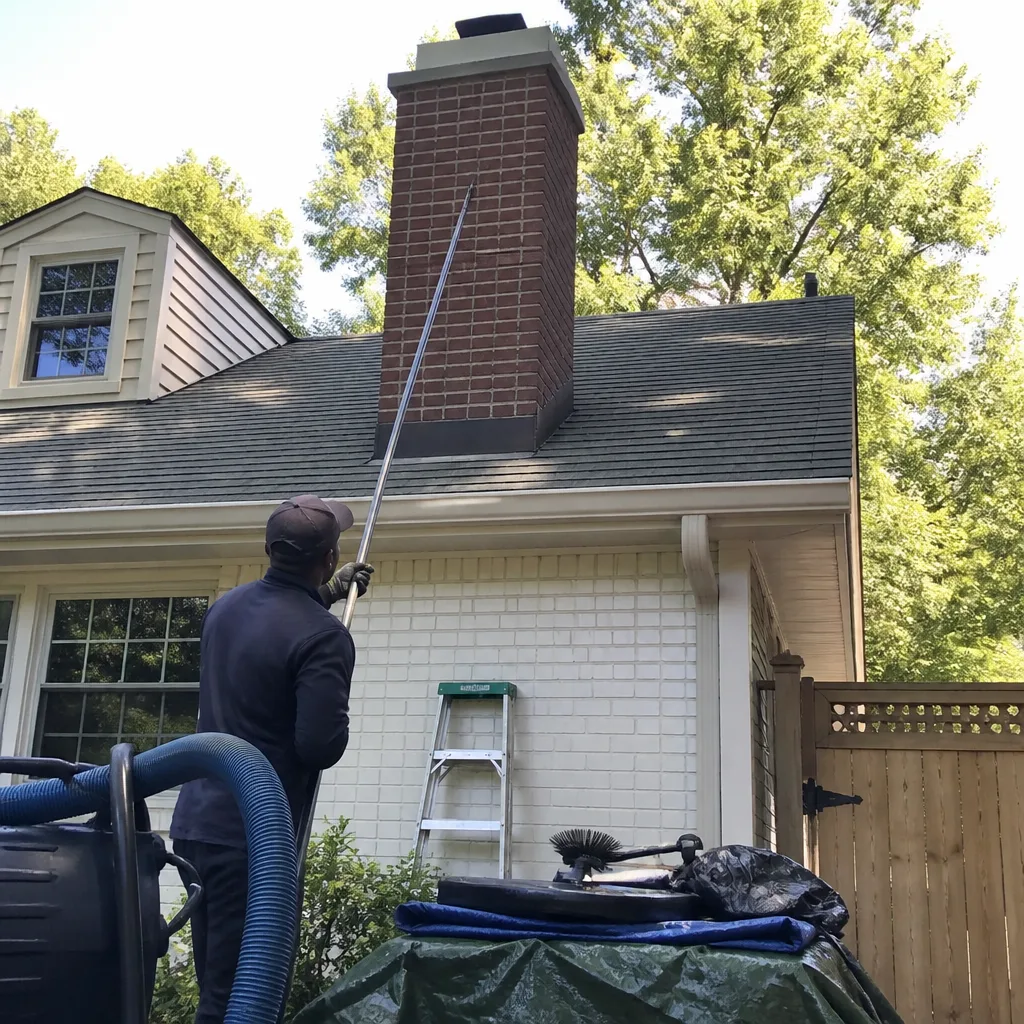 After
AfterLevel 1 Inspection in Washington, DC
A Level 1 chimney inspection in Washington, DC covers every accessible portion of your chimney’s interior and exterior – the flue liner, smoke chamber, firebox, crown, and cap – using direct visual examination to confirm the system is structurally sound and free of blockages. Most Washington homeowners need one annually, or any time they’ve used the fireplace regularly through a heating season. At Level Two Chimney Washington, a Level 1 inspection includes a camera scan of the flue and a documented photo record as standard, not as an upgrade you negotiate for after the tech is already at your door.
If you’d rather speak to someone before booking, call us at (240) 621-1264 – a live person picks up, around the clock. And if you want the full picture on what a professional sweep involves before scheduling an inspection, the Chimney Cleaning & Sweep in Washington page lays it out clearly.
We’ve completed more than 38,000 chimney inspections and cleanings across the metro area since 2009, and every single one came with a written price before work started and a documented record when it was done. That’s not a selling point we added later – it’s been the operating standard since we opened.
When You Need a Level 1 Inspection
NFPA 211 – the National Fire Protection Association standard that governs chimney inspection classifications – calls for a Level 1 inspection at least once per year for any chimney in routine use. But several specific situations make one more urgent than the calendar.
- You’ve burned wood through the DC winter. Washington’s heating season runs hard from November through March. A full season of use deposits creosote – a tar-like combustion byproduct – inside the flue liner. An inspection confirms whether what’s there is Class I (light, brushable deposits) or Class II/III (heavier glazed material that requires different removal methods). Finding Class III creosote early is the difference between a cleaning and a significantly more involved job.
- You’re moving into a home built before 2000. A large share of Washington’s row houses and detached homes in neighborhoods like Petworth, Capitol Hill, and Brookland were built with terra cotta tile liners that crack as they age. A visual inspection often catches spalling – the flaking and separation of tile sections – before it becomes a fire path issue.
- You haven’t used the fireplace in two or more years. Idle chimneys attract birds and squirrels looking for nesting sites. Starlings in particular will build substantial nests in unprotected flues. A Famco or Copperfield chimney cap stops them; an inspection tells you whether one is already in there.
- You noticed smoke in the room instead of up the flue. Smoke rollout during a fire points to a draft problem – a blockage, a deteriorated smoke shelf, or negative pressure from the home’s HVAC configuration. DC row houses with tight building envelopes are especially prone to this after weatherization upgrades.
- Your home insurance carrier asked for documentation. Several carriers writing policies in DC’s higher-value zip codes – Ward 3, Georgetown, parts of Capitol Hill – now ask for written inspection records before binding coverage on homes with working fireplaces. A Level 1 inspection with a documented photo record satisfies that requirement.
- The chimney crown looks cracked from the ground. Washington’s freeze-thaw cycle hits crowns hard. Water gets into hairline cracks in late fall, freezes, expands, and by February the crack is wide enough to let water into the chase. An inspection documents current crown condition so you know whether a sealant application handles it or whether full crown repair is the right call.
Our Level 1 Inspection Process
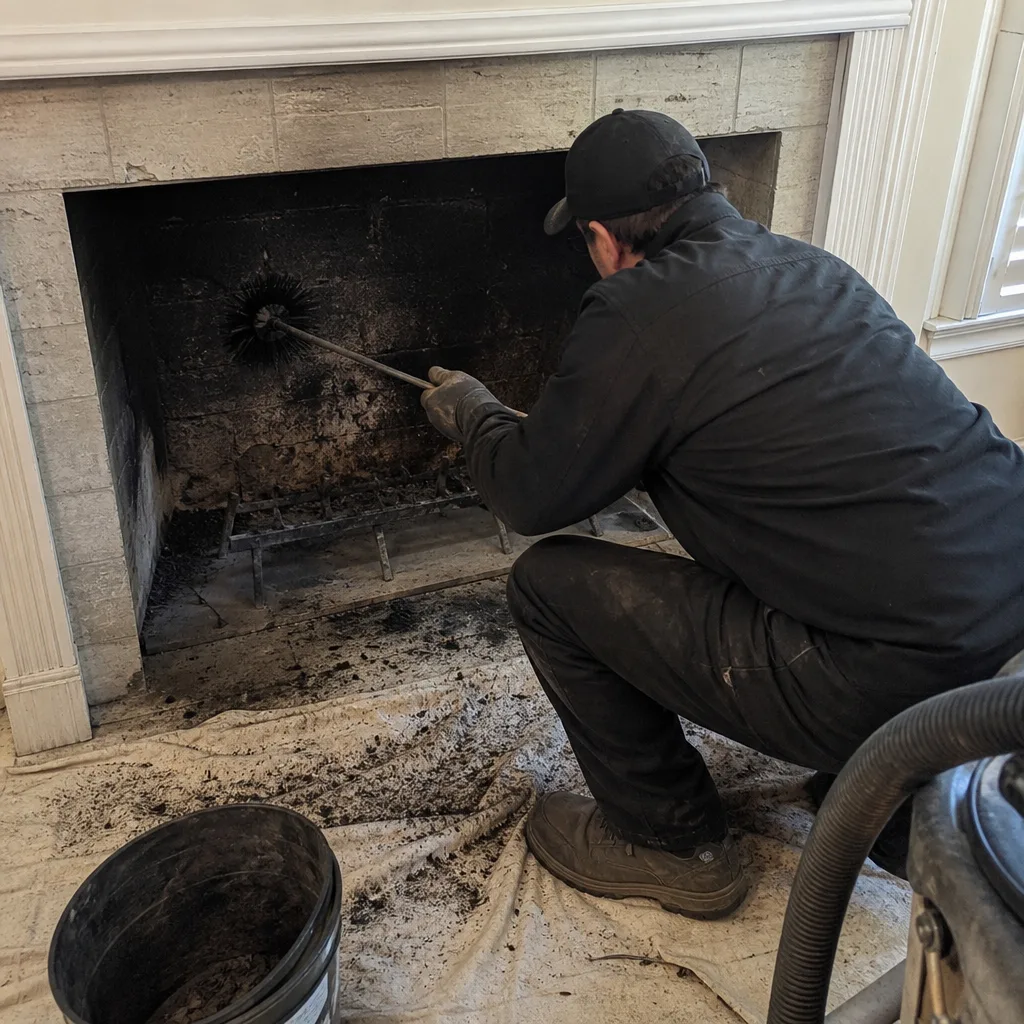
Here’s exactly what happens when a Level Two tech arrives at your Washington address. No surprises, no scope creep, no finding a bigger problem after we’ve already started.
- Written price, written scope – before we begin. The tech hands you a written price and a written description of what the inspection covers before touching anything. This is Haven Standard Clause 1 – “Have it in writing.” You know the number before work starts. If the inspection reveals a condition that warrants a separate repair quote, that quote is also written before any additional work begins.
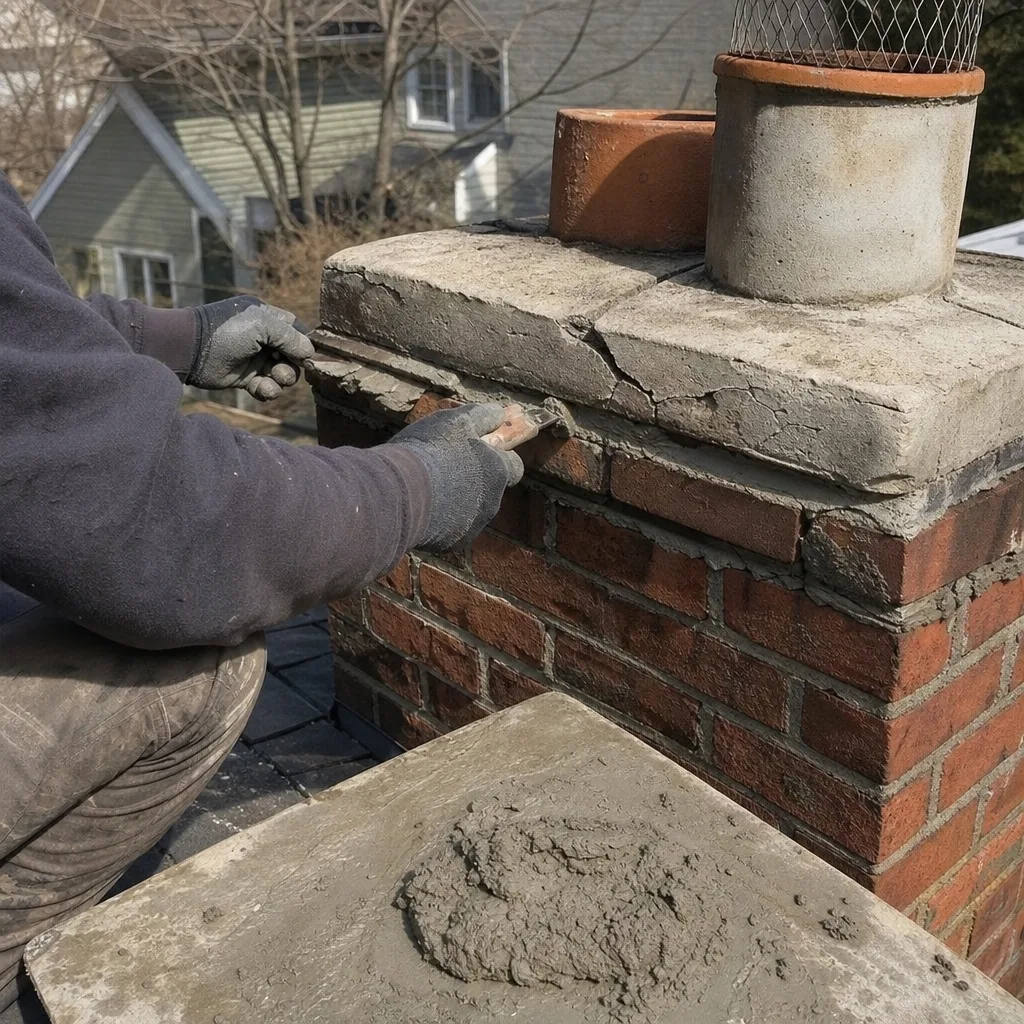
- Exterior assessment – cap, crown, flashing, and masonry. We check the chimney cap (looking for damaged or missing caps that let water and animals in), the crown (concrete or mortar cap at the top of the chimney stack, checked for cracking and erosion), and the step flashing where the chimney meets the roofline. DC’s brick chimneys show mortar joint deterioration – spalling – that’s easy to miss from street level but visible up close. We photograph everything found.
- Firebox and smoke chamber inspection. Inside, the tech examines the firebox floor and walls for cracks, the damper for proper operation (a stuck or corroded damper is a common finding in older Capitol Hill and Columbia Heights homes), and the smoke chamber – the tapered section above the firebox that funnels combustion gases into the flue. Parging, the mortar coating on smoke chamber walls, deteriorates over time; we note its condition specifically.
- Camera scan of the flue liner. A camera goes down the flue. This isn’t optional or an upgrade – it’s the default on every Level Two inspection because a flashlight look from the firebox or the top of the chimney stack does not give you a reliable picture of liner condition. The camera captures the full length of the flue liner – typically 15 to 25 feet in a DC row house – and records what’s there: creosote class, liner cracks, joint separations, or obstructions.
- Documented photo record delivered to you. Under Haven Standard Clause 4, you get a documented photo record of what was found – not a verbal summary, a written record with photographs. This is the archive you keep for your own records, for your insurer, or for future buyers. We’ve been building this record into every inspection since 2009, years before most DC-area carriers started asking for it.
- Plain-language findings and, if needed, a written repair estimate. If the inspection finds something that needs attention – a cracked liner section, a deteriorated crown, a missing cap – the tech explains what was found in plain terms and delivers a written repair estimate before leaving. You don’t get a callback two days later. If the system is clean and clear, that’s what the record says, and that’s where it ends.
BeforeAfterLevel 1 Inspection Pricing in Washington, DC
A Level 1 chimney inspection at Level Two Chimney Washington runs $129 to $229 for most single-flue systems in DC. That range reflects the variables below – not a bait-and-switch structure where a low number gets us in the door.
| Inspection Type | Typical Price Range |
|---|---|
| Single flue, standard height (one-story to three-story row house) | $129 – $169 |
| Single flue with camera scan documentation (standard on all Level Two visits) | Included – not an add-on |
| Inspection bundled with chimney cleaning (same visit) | $199 – $299 combined |
| Multi-flue system (some larger Capitol Hill and Georgetown homes have two or three flues) | $179 – $229 per additional flue |
| Free Second Opinion on a written competitor estimate | $0 |
What moves the price inside that range: flue height (a taller chimney takes longer to scan and photograph), access difficulty (some DC alley-facing properties require additional setup), and whether the system has been inspected recently or not at all for several years. The written quote you receive before work starts will show the line items, not just a total.
If you’ve already received a written estimate from another company, bring it to us. We’ll give you a free second opinion – in writing – at no charge. That offer is open-ended, no expiration.
Call (240) 621-1264 to get a written estimate. Calls are answered live, any hour.
What Sets a Level 1 Apart From a Level 2 Inspection
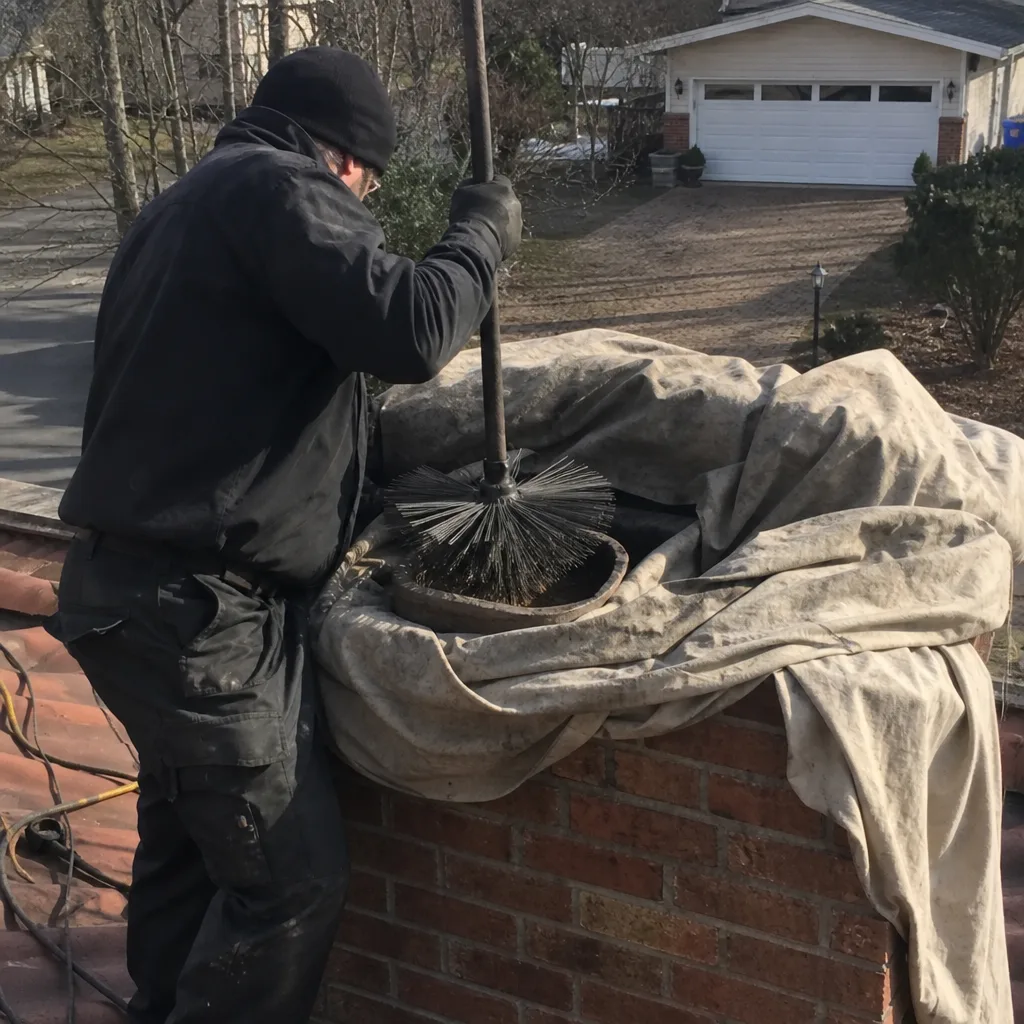
This question comes up often, and it’s worth answering plainly. A Level 1 inspection covers all accessible portions of the chimney without any special tools or removal of components. It’s the right scope for a chimney that’s been in regular use without a change in fuel type, appliance, or ownership, and where there’s no specific reason to suspect hidden damage.
A Level 2 Inspection – the NFPA 211 Level 2 that is, literally, our company’s name – goes further. It includes attic, basement, and crawlspace access where the chimney passes through the structure, and it’s required when a home changes hands, when an appliance or fuel type changes, or when an event like a chimney fire or a seismic event has occurred. Level Two Chimney Washington’s camera documentation practice was built around Level 2 standards from day one; we apply that same documentation discipline to Level 1 work because the photo record has value regardless of which inspection tier applies.
If you’re buying a home in Washington – particularly in neighborhoods like Chevy Chase DC, Shepherd Park, or Takoma, where older homes with active fireplaces are common – a Level 2 is the inspection to ask for. If you’re the current owner maintaining a system you know well, Level 1 done annually covers you.
The Documentation You Walk Away With
After every Level Two inspection, you receive:
- A written inspection record noting findings by system component – liner condition, crown condition, cap condition, damper operation, firebox integrity, and creosote class if applicable
- Camera footage and photographs of the flue liner interior, archived under Clause 4 of the Haven Standard
- A written warranty scope, noting what is covered and for how long under the 365-Day Done Right Promise
- A written repair estimate if any condition requiring follow-up was found – priced before you decide anything
That documentation is yours to keep. Some Washington homeowners use it during the sale of their home. Some submit it to their insurer. Some simply keep it in a home maintenance folder because they want a record of what their chimney looked like this year versus last year. All of those are good reasons. The record exists either way.
Why Washington Chimneys Deserve Specific Attention
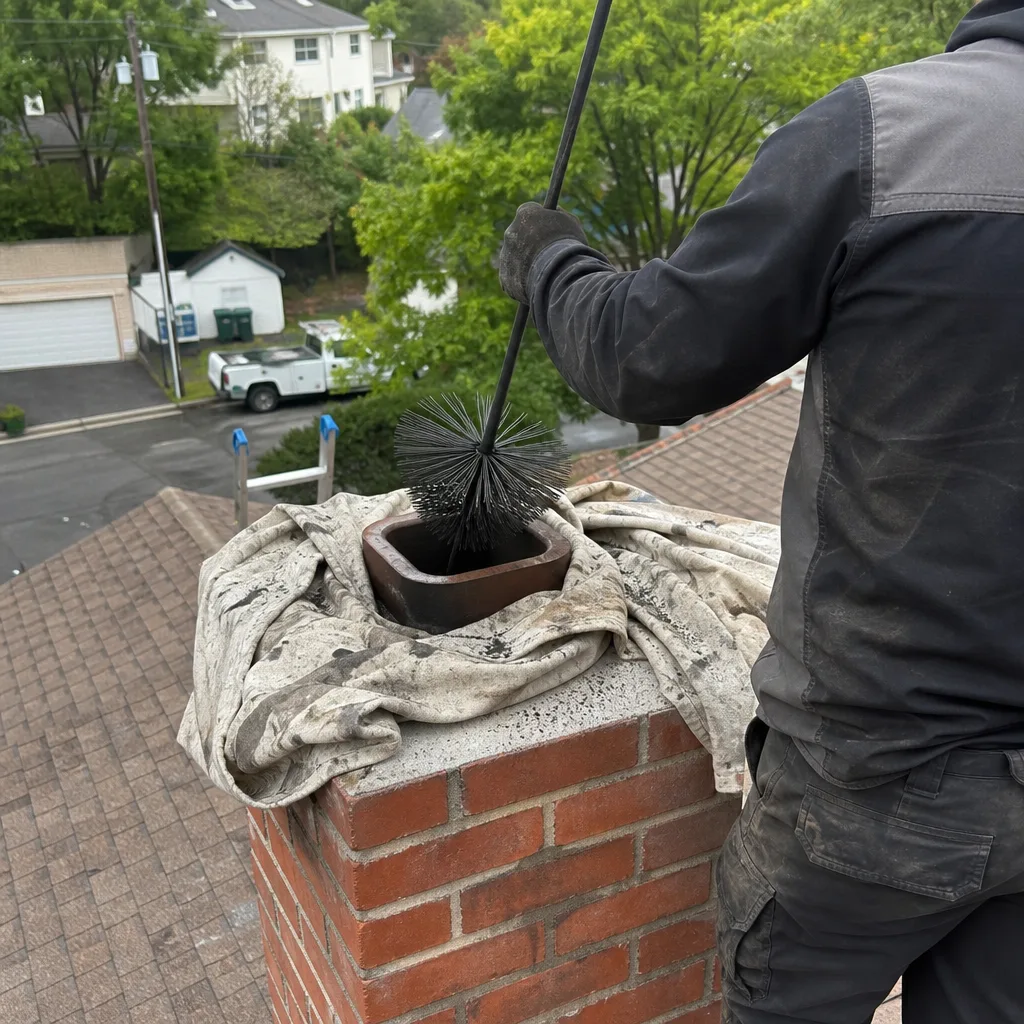
DC’s housing stock presents a specific set of chimney maintenance patterns that don’t show up the same way in newer suburban construction. A few things we see regularly across Washington:
Row house chimneys – especially in blocks built between 1900 and 1940 in neighborhoods like LeDroit Park, Bloomingdale, and the H Street corridor – often share party walls. That means a single chimney stack may serve two adjacent homes, each with its own flue inside the stack. Damage to the crown or exterior masonry affects both properties, but each homeowner only sees their own firebox. A camera inspection that shows a joint separation between the two flues is information both homeowners need.
Washington’s combination of clay soil and freeze-thaw cycling produces more foundation movement than homeowners expect. That movement translates into mortar joint cracking in chimneys, particularly where the stack rises above the roofline and is exposed on all sides. We see this in Georgetown’s Federal-style homes and in the larger detached houses in American University Park. A Level 1 inspection documents current mortar joint condition; if you schedule an Annual Sweep, you can watch a developing issue before it becomes a repair job measured in thousands rather than hundreds.
Lastly, DC’s tree canopy – one of the densest of any major US city – means leaf and debris accumulation on chimneys is a real issue, particularly for homes with shallow chimney caps or no cap at all. Autumn leaf fall from the oak and tulip poplar trees common in upper Northwest can put organic debris into an uncapped flue within a single season. An inspection catches it; a properly fitted cap prevents it.
FAQs – Level 1 Inspection in Washington, DC
How much does a Level 1 chimney inspection cost in Washington, DC?
A Level 1 chimney inspection in Washington, DC costs between $129 and $229 at Level Two Chimney Washington, depending on flue height, system configuration, and whether Chimney Cleaning & Sweep is bundled in the same visit. The camera scan and documented photo record are included at every price point – not added to the quote later. Call (240) 621-1264 for a written estimate before anyone comes to your door.
How long does a Level 1 inspection take?
For a single-flue system in a typical DC row house or detached home, plan on 45 minutes to 90 minutes. That includes the exterior check, firebox and smoke chamber examination, full camera scan of the flue, and the written findings review with the tech at the end. Multi-flue systems take proportionally longer. The tech sends a text when on the way, so you’re not waiting in a window.
Do I need an inspection if the chimney looks fine from the outside?
Exterior appearance tells you almost nothing about flue liner condition. The most common findings on DC chimneys – Class II creosote deposits requiring Soot Removal, tile liner cracks at mid-flue, and joint separations – are invisible without a camera in the flue. A chimney that looks clean from the firebox and structurally fine from the street can have a liner condition that creates a real fire path. That’s why the camera scan is standard on every Level Two visit, not an optional add-on.
Is a Level 1 inspection required before I sell my home in Washington, DC?
DC does not have a municipal ordinance requiring a chimney inspection as a condition of sale, but buyers’ home inspectors frequently flag active fireplaces and recommend a professional chimney evaluation. Several title companies and insurers writing policies on DC properties with working fireplaces now ask for documented inspection records. A Level 1 inspection with the written photo record we provide satisfies those requests and gives the buyer’s side something concrete – which typically moves the sale forward rather than creating a renegotiation. Call (240) 621-1264 to get one scheduled.
Schedule a Level 1 Inspection in Washington, DC
If your chimney is due for its annual check, or if something you’ve seen or smelled recently gave you a reason to look closer, the next step is a written quote – not a phone estimate that changes when the tech arrives. Call (240) 621-1264 and a live person will take your address, describe what the inspection covers, and give you a price in writing before anyone is dispatched. That’s how every job starts here, from the first call to the final photo in your documented record.
The 365-Day Done Right Promise backs every inspection we complete. If something isn’t right, we make it right – and that commitment is in writing before work begins, not offered as a verbal reassurance after.
Written by Corrine Halstead, Owner at Level Two Chimney Washington, serving Washington.