
Last updated September 20, 2026
Level 1 sweep and inspection to the NFPA 211 annual standard - flue, crown, cap, and flashing checked and photographed
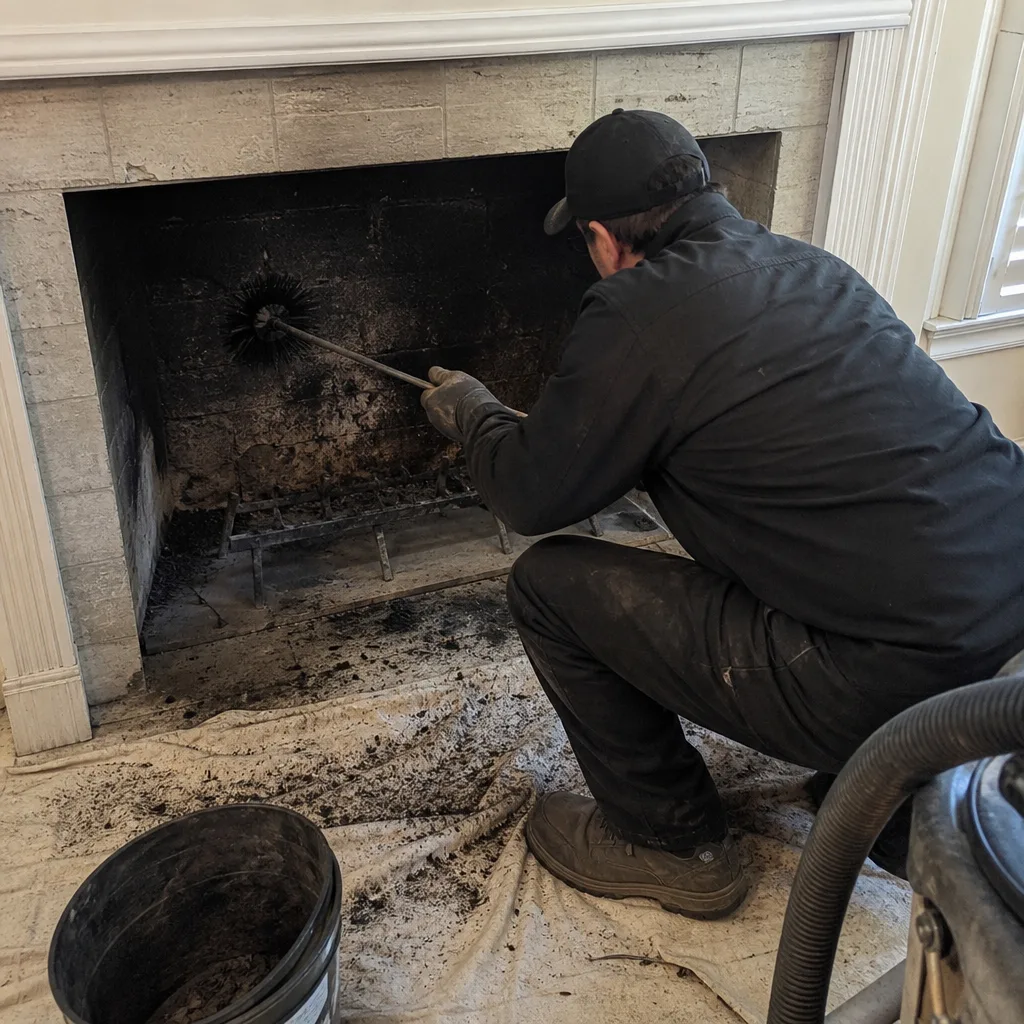
Chimney sweep logs do not sweep chimneys. They loosen some creosote - which then falls where a brush and vacuum still have to collect it.
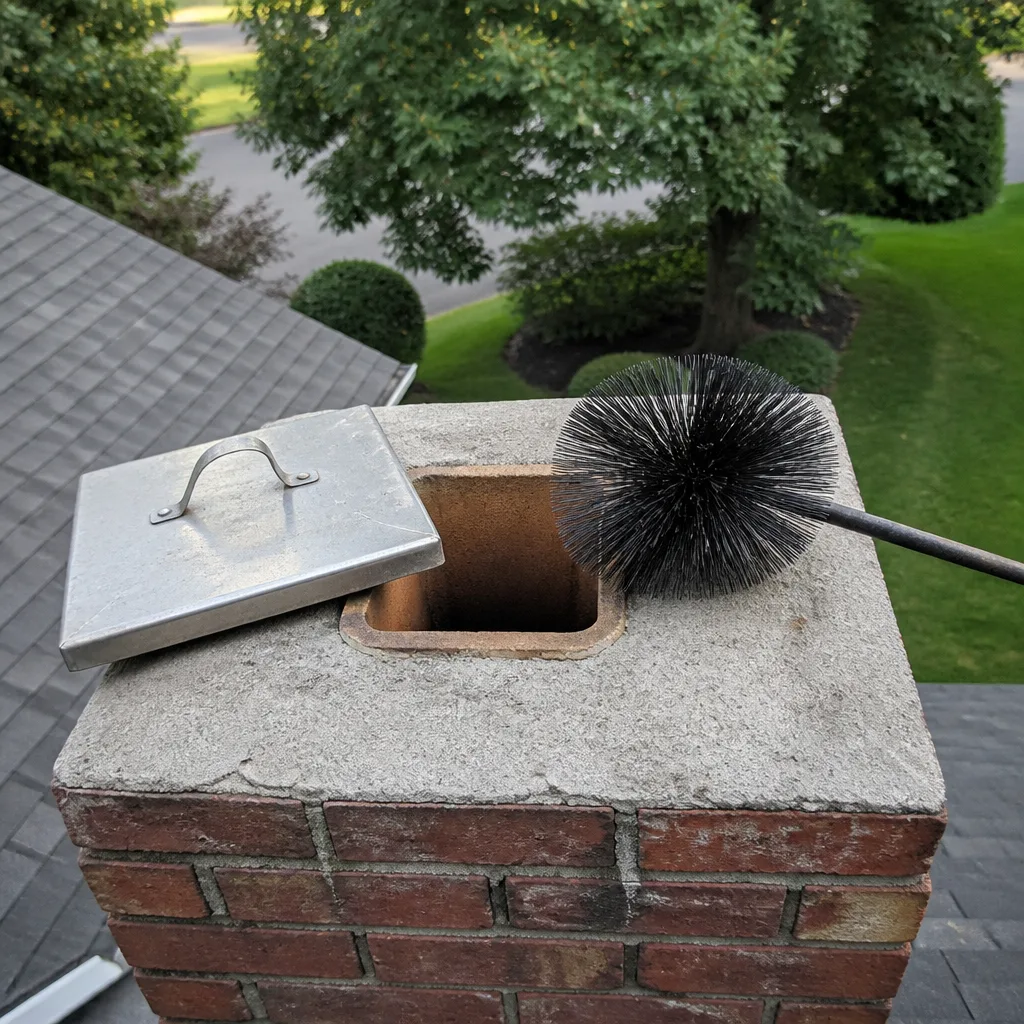
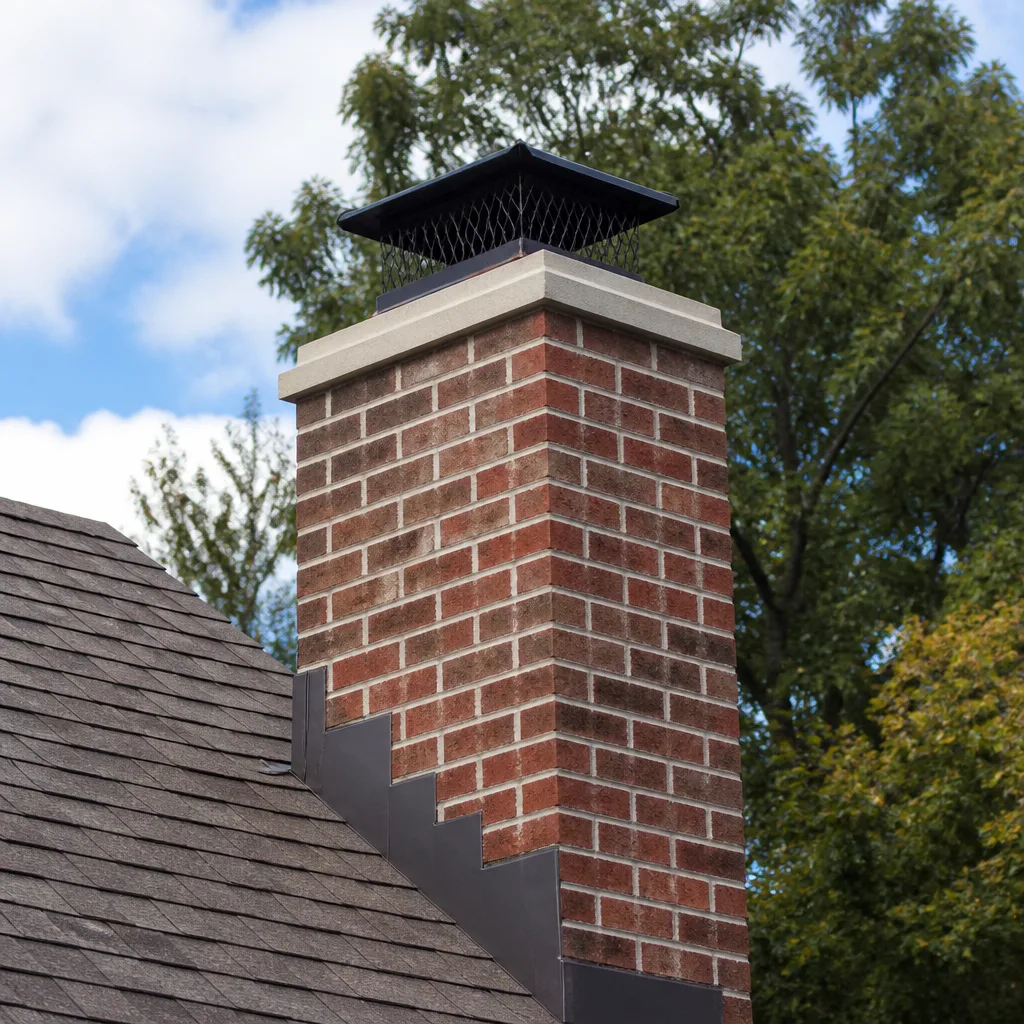
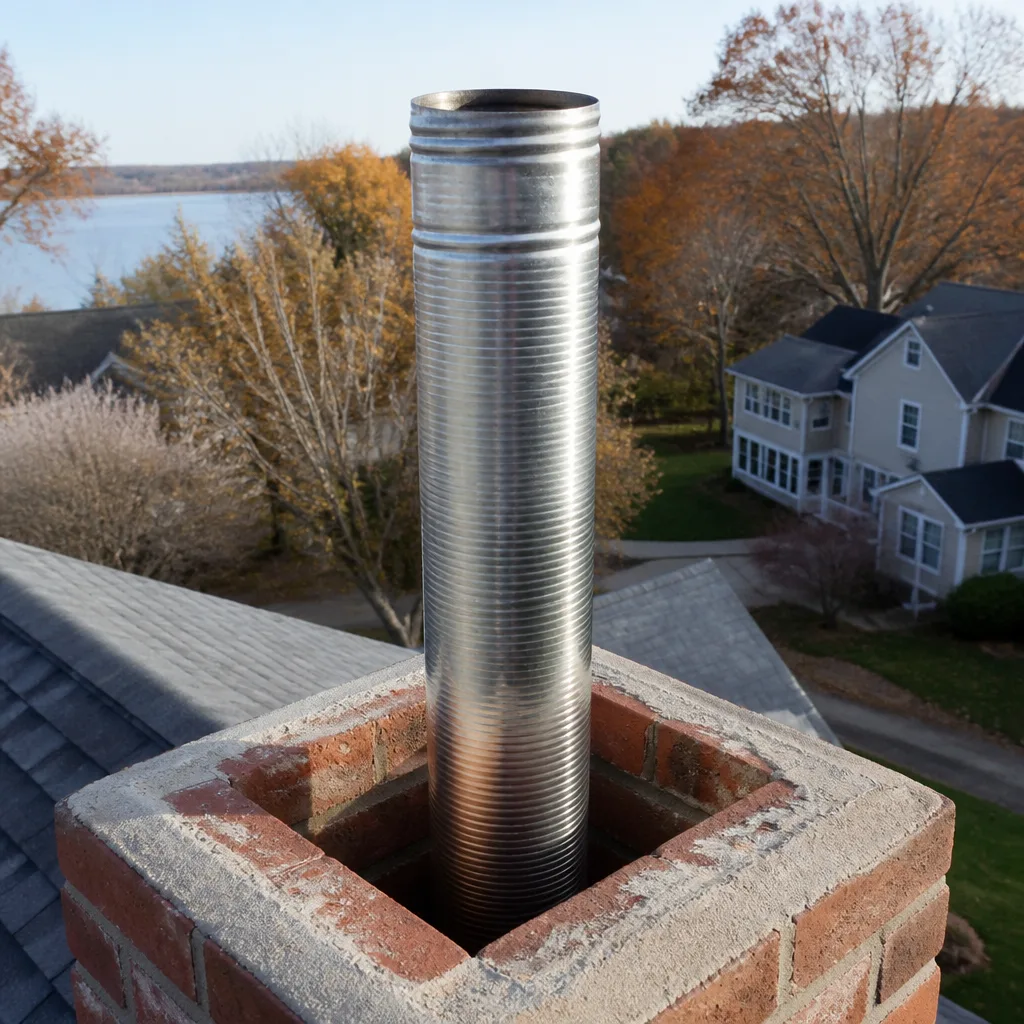
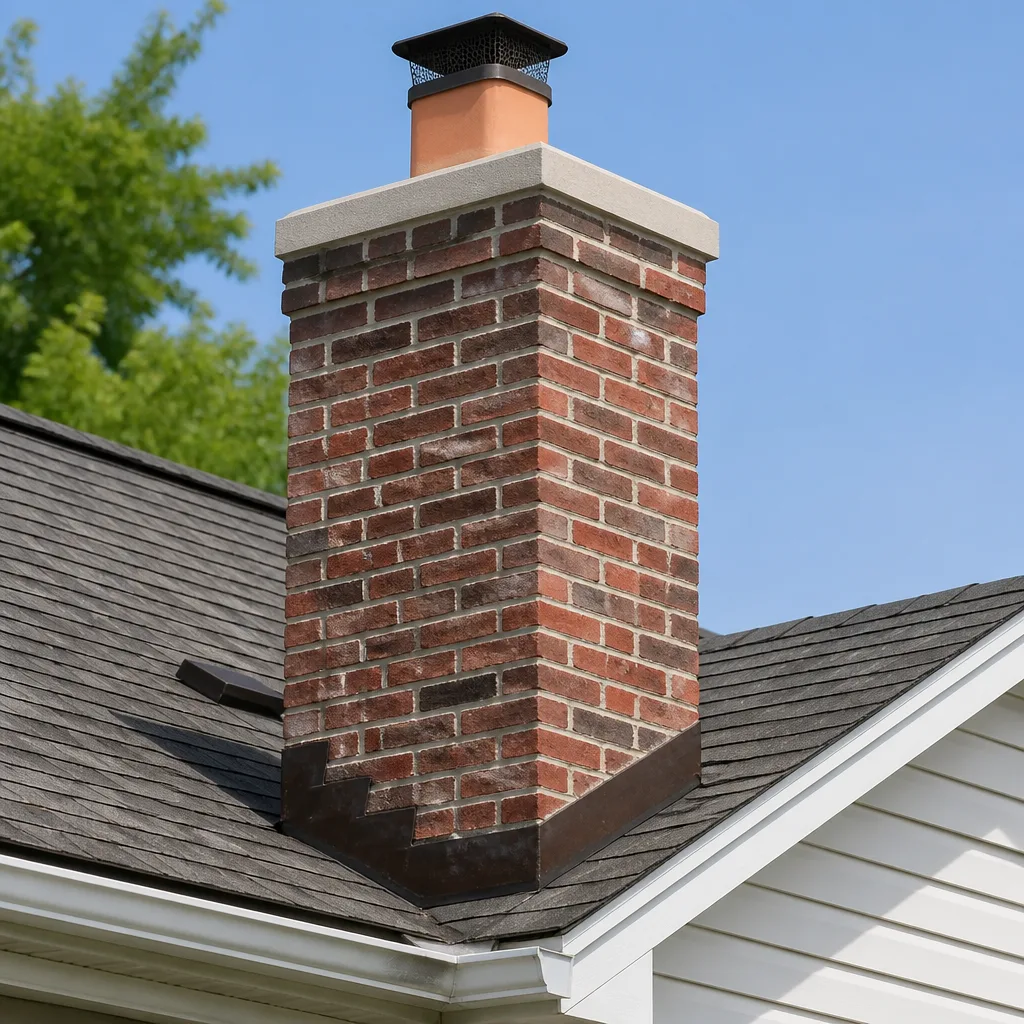
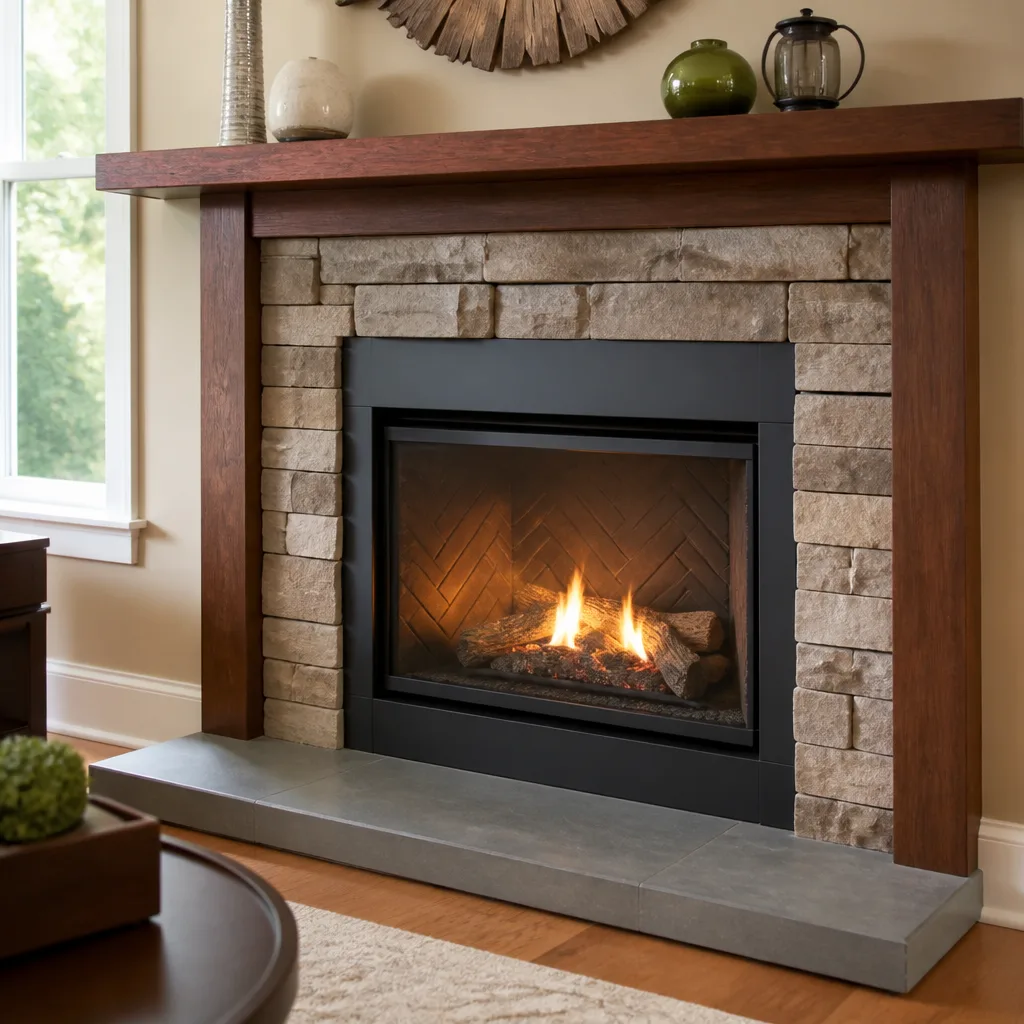
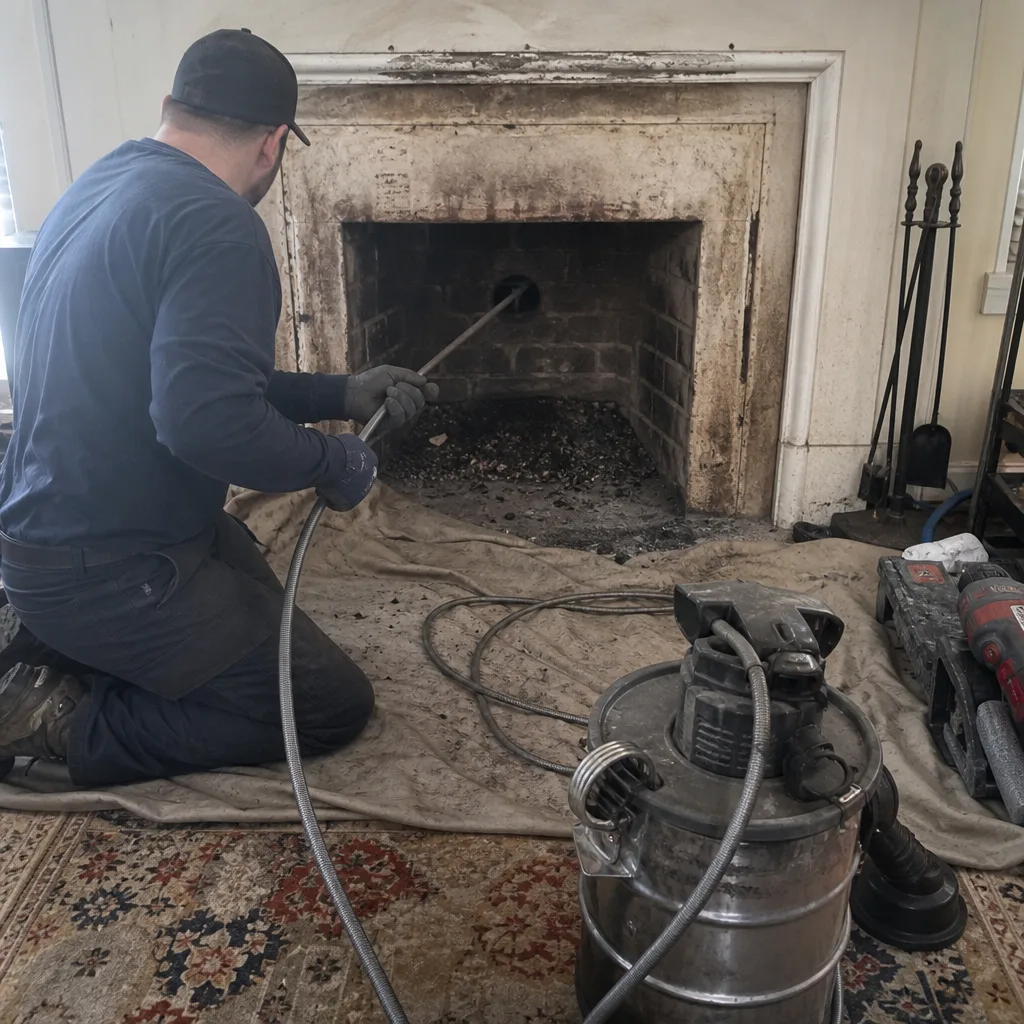 Before
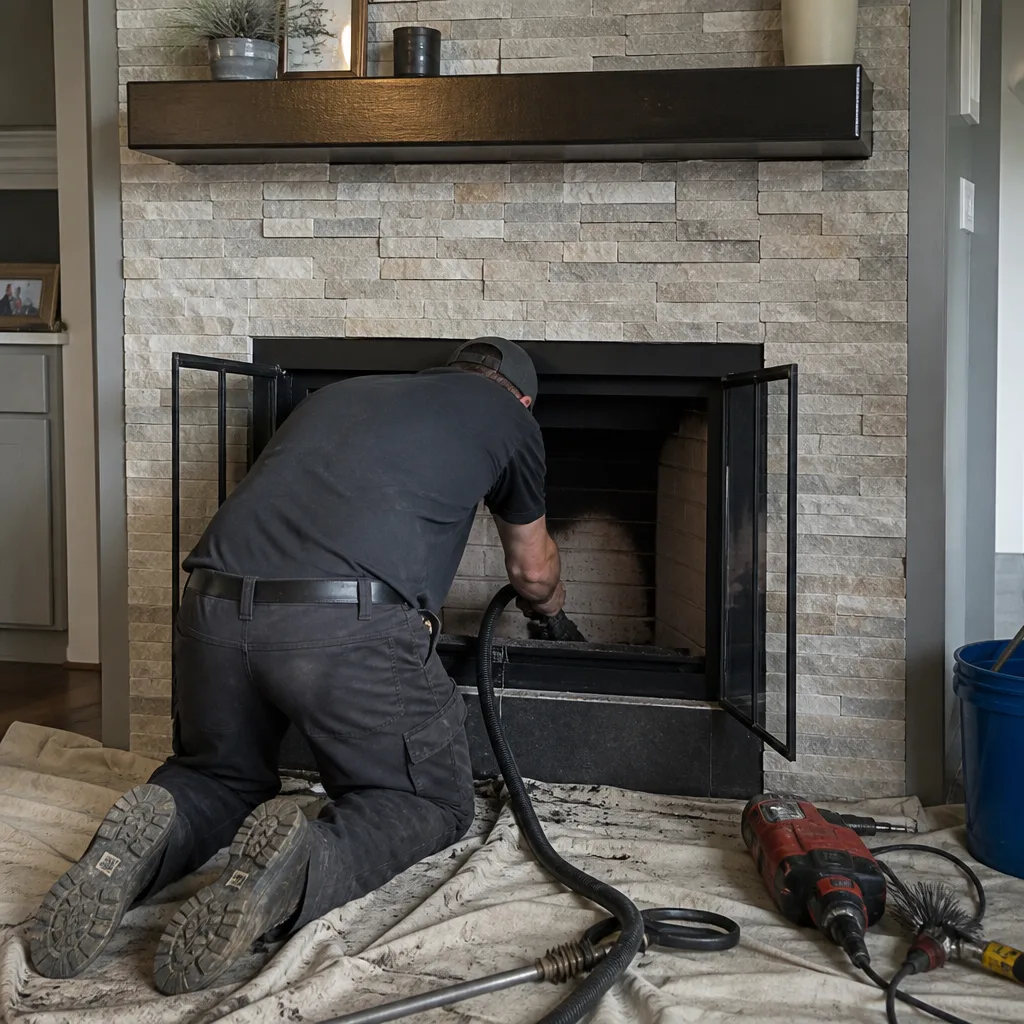 After
After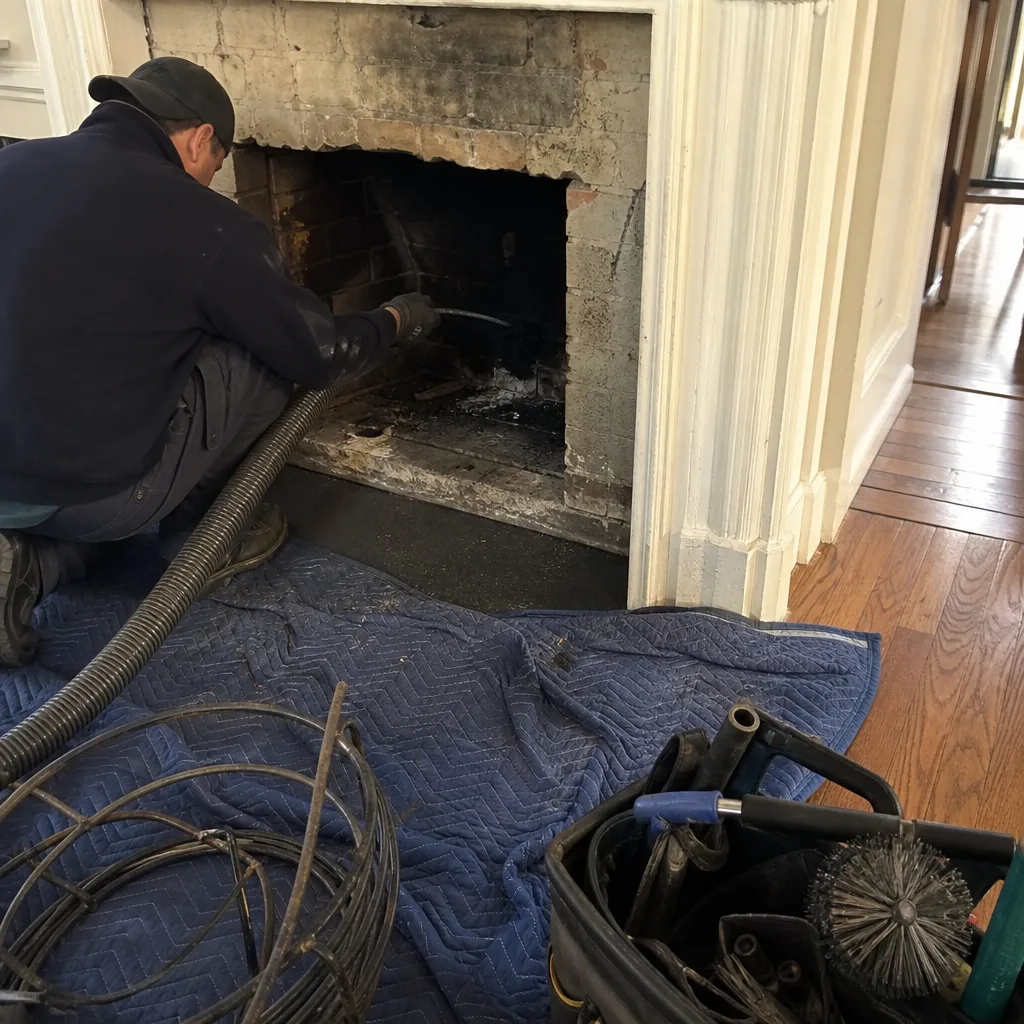 Before
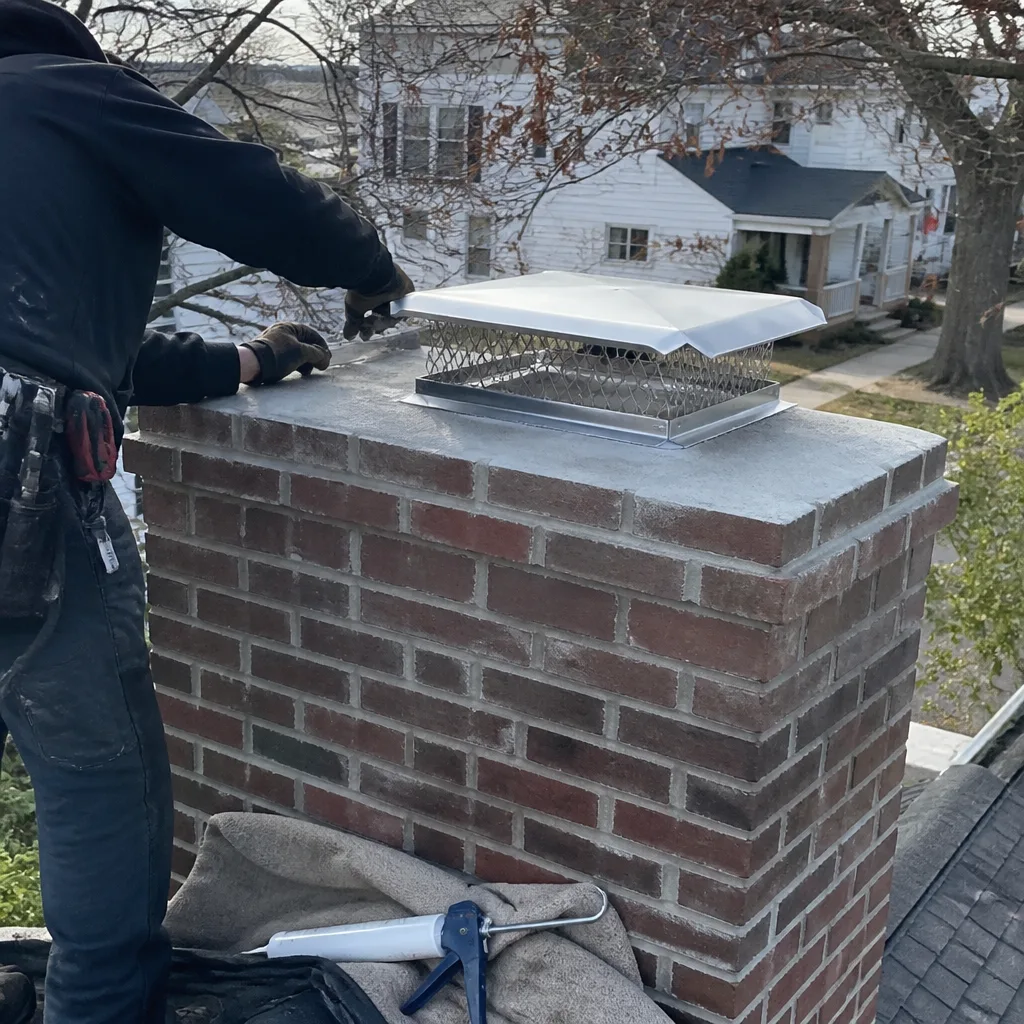 After
After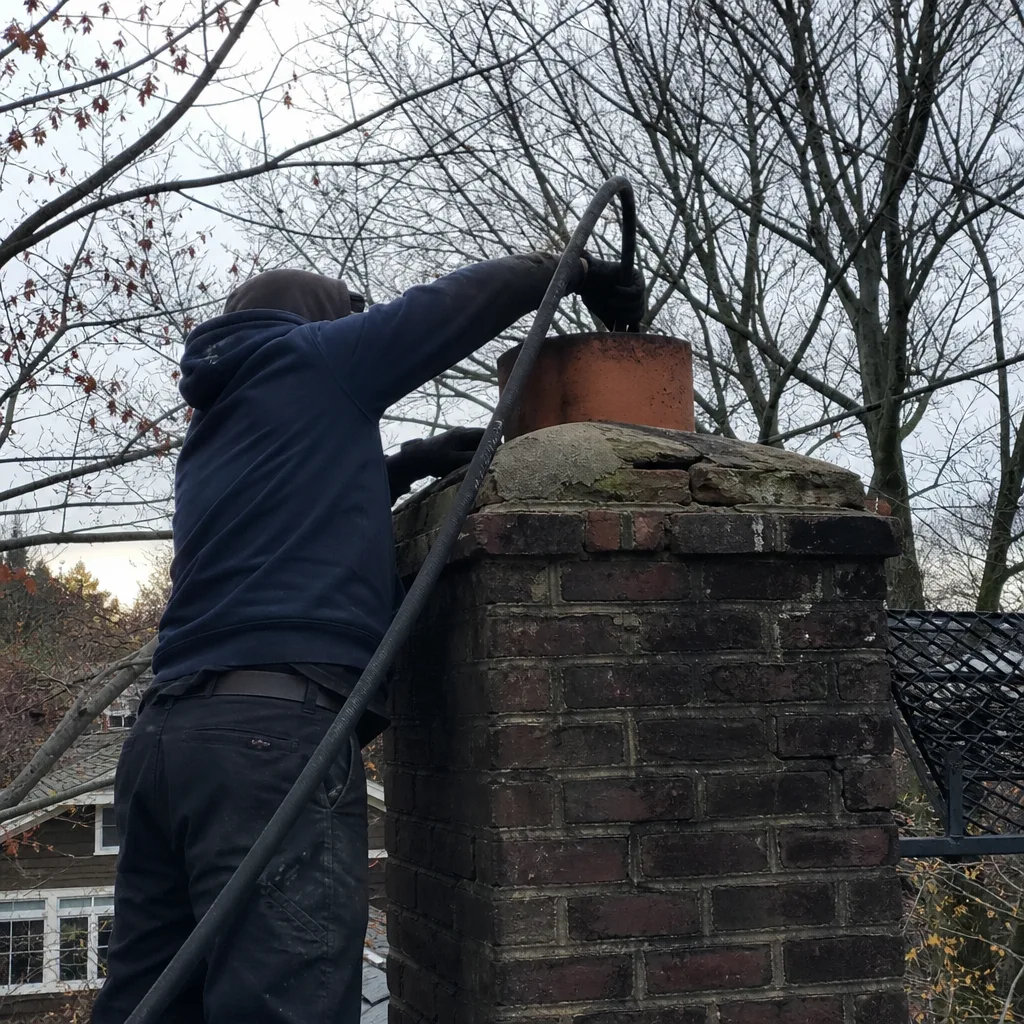 Before
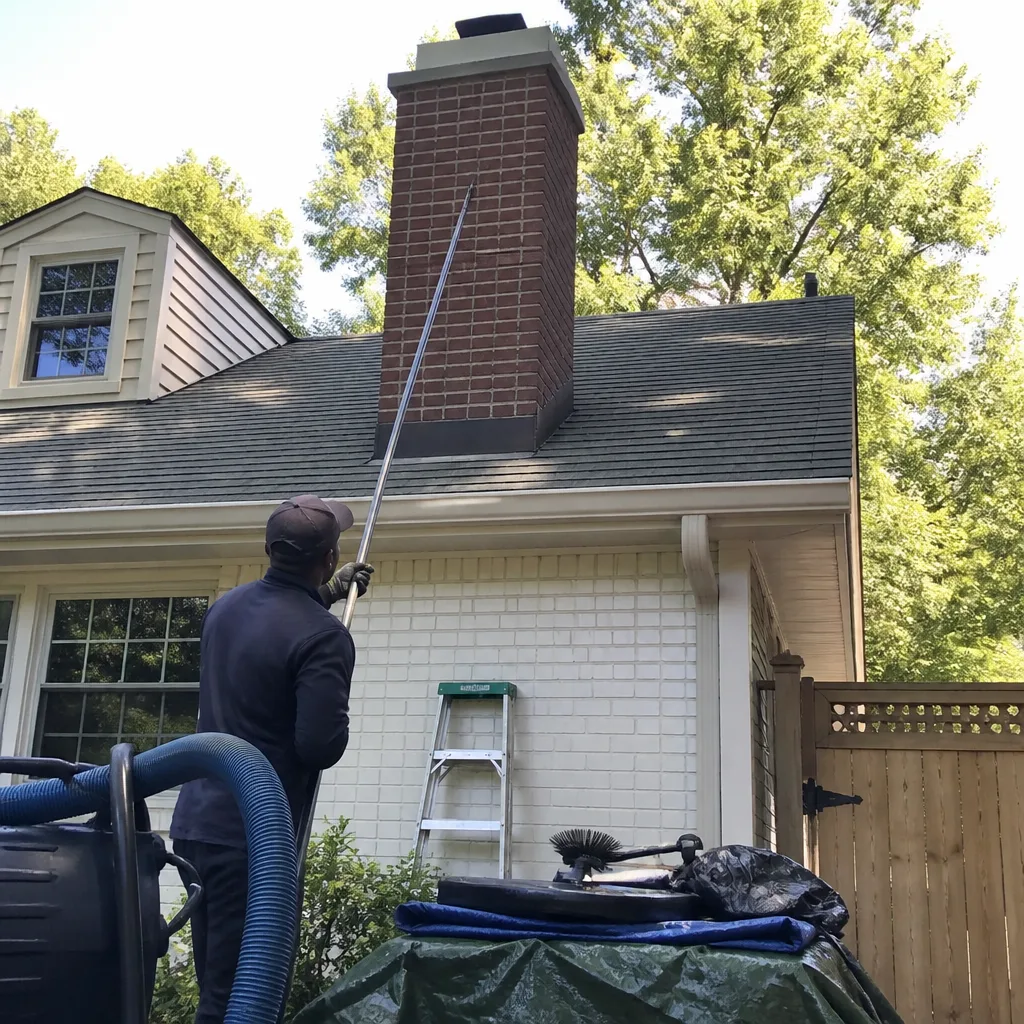 After
AfterChimney Cleaning Warning Signs: A Washington Homeowner’s Reference Guide
A white stain on the outside of your chimney looks like a cosmetic problem. It is not. In Washington, DC, that stain is a moisture infiltration signal, and in our freeze-thaw winters it will crack masonry from the inside out within two to three seasons if left alone. Most homeowners dismiss the early warning signs because they mimic normal fireplace behavior: a faint smoky smell after the fire dies down, a fire that takes an extra minute to catch, a little rust on the damper handle. This guide decodes what each of those signs is actually telling you, which ones require shutting the fireplace down immediately, and how to document what you see before you call a sweep so the first visit is a diagnosis, not a second observation.
Quick Answer
The most common chimney warning signs in Washington, DC are a smoky smell in the house after fires, white staining (efflorescence) on exterior brick, a tar-like odor in warm weather, rust on the damper or firebox, and spalling brick or flaking mortar on the chimney crown. Any of these should trigger a camera-scan inspection: a Level 2 inspection per NFPA 211 puts a camera down the flue and photographs what the eye cannot see. Warning signs that involve carbon monoxide readings or visible liner fracture require immediate shutdown of the fireplace until a professional repair is completed.
Table of Contents
- The Symptom-to-Cause Map: What Each Sign Is Actually Telling You
- Why DC Rowhouse Chimneys Generate False Positives
- Immediate Shutdown vs. Monitored Use: How to Tell the Difference
- How to Document a Warning Sign Before Calling a Sweep
- Warning Signs That Appear After a Recent Cleaning or Repair
- The Cost Consequence of Ignoring Each Warning Sign
- Common Mistakes to Avoid
- When to Call a Professional
- Frequently Asked Questions
- The Bottom Line
BeforeAfterThe Symptom-to-Cause Map: What Each Sign Is Actually Telling You
Every chimney warning sign maps to a specific mechanical failure point. When you know what each symptom points to, you also know what kind of documentation confirms the diagnosis, and roughly what a repair costs before you even make the call. Here is the map, drawn from what we have documented across more than 38,000 chimney inspections and cleanings in the Washington area since 2009.
Smoke in the room when the fire is burning
A smoky fire is never about the wood. It is about draft, and draft fails for only a handful of reasons: a flue that is partially blocked with creosote or debris, a flue that is too cold to draw (common in exterior-chimney rowhouses here), negative air pressure inside a tightly sealed Washington home, or a flue that is undersized for the fireplace opening. A camera scan shows the blockage if one exists. If the flue is clear, the problem is usually air pressure or sizing, and the fix might be a chimney cap with a larger draft opening or a smoke guard, not an expensive rebuild. The wrong diagnosis here costs thousands. The right one sometimes costs a few hundred dollars.
White staining (efflorescence) on exterior brick
Efflorescence is dissolved salt left behind when water migrates through masonry and evaporates. The water is coming from somewhere: a cracked crown, failed mortar joints, a missing or damaged chimney cap, or a liner that is sending moisture into the brick from inside. In Washington’s freeze-thaw cycle, trapped water expands when it freezes and spalls the brick face off in sheets. The stain is the first visible sign; the spalling comes next. The diagnostic evidence here is moisture readings taken at multiple points on the chimney, plus a camera record of the crown and cap condition from above.
Tar-like odor in warm weather, or a strong smell after rain
This is the smell of creosote, and it means the flue has a significant buildup, or that water is getting into the flue and reacting with creosote deposits. The odor is strongest in summer because humidity and heat volatilize the creosote compounds. This is the time to look at the flue with a camera: if the buildup is glossy, tar-like Class III creosote, it is a fire hazard that cannot be brushed out and requires chemical treatment or removal. Rain-related odor points to a crown or cap problem. The two causes look similar to the nose but are very different to the checkbook, and only a camera distinguishes them.
Rust on the damper, firebox, or throat
Rust means water is entering the flue regularly and standing long enough to oxidize metal. The water is almost always coming from above: a failed crown, missing cap, or flashing failure where the chimney meets the roof. In a Washington rowhouse with a shared chimney party wall, water can also be migrating from the neighbor’s side if the crown is a single pour across both flues. The documented evidence here is a photo of the rust, plus a camera view of the crown and flashing from the roof. Ignoring rust means the damper eventually seizes, and on a gas fireplace, a rusted damper is a carbon monoxide backdraft risk when the damper fails to open fully.
Spalling brick or flaking mortar on the crown
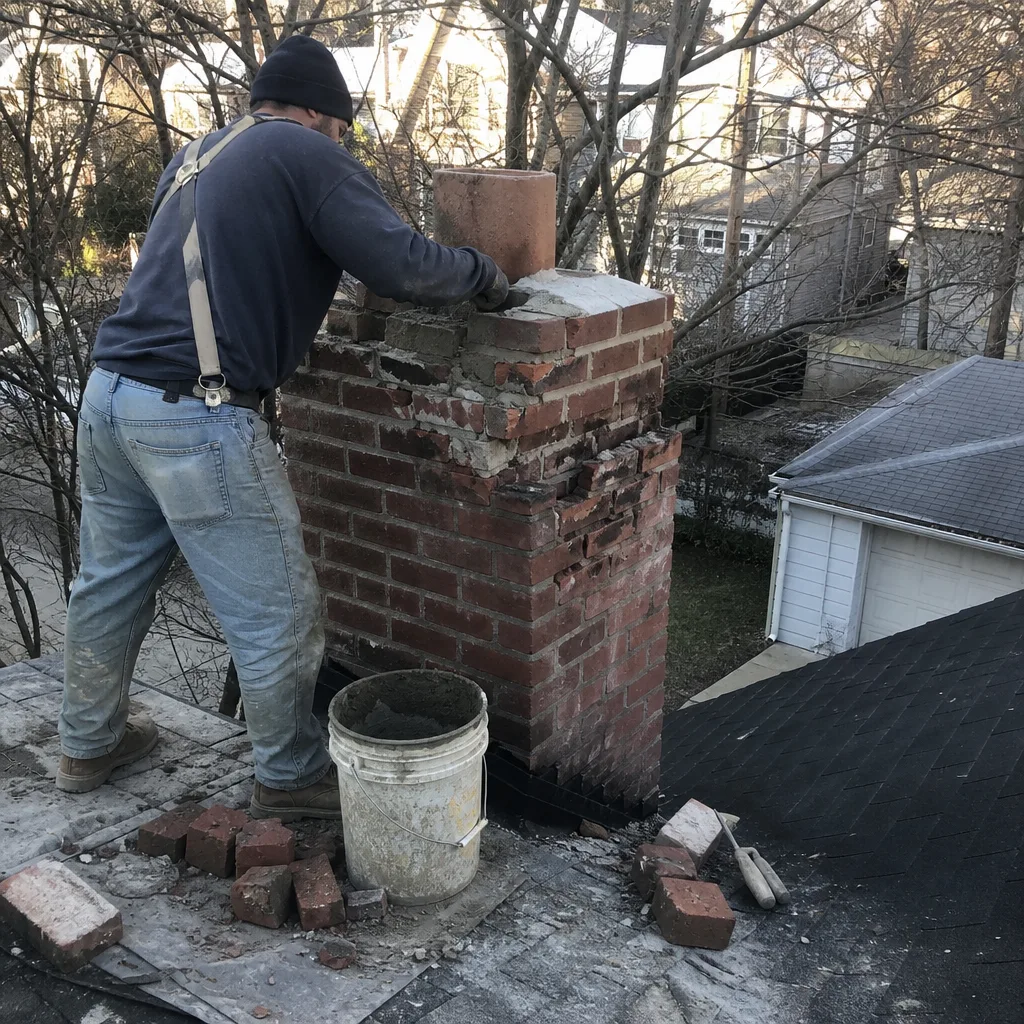
Spalling means the masonry is already being destroyed by freeze-thaw, and it has been happening for years before the first visible chip falls. By the time you see brick faces popping off, moisture has penetrated deep into the masonry mass, and the structural integrity of the chimney above the roofline is compromised. This is not a caulk-and-paint fix. It is a rebuild of the affected section using new brick and a properly pitched crown. In DC, scaffolding and roof access add cost, but the alternative is a chimney that drops bricks onto a row of townhouses. The diagnosis is straightforward: a visual record of the spalled area, moisture readings, and a determination of whether the damage extends into the flue tile itself.
Why DC Rowhouse Chimneys Generate False Positives
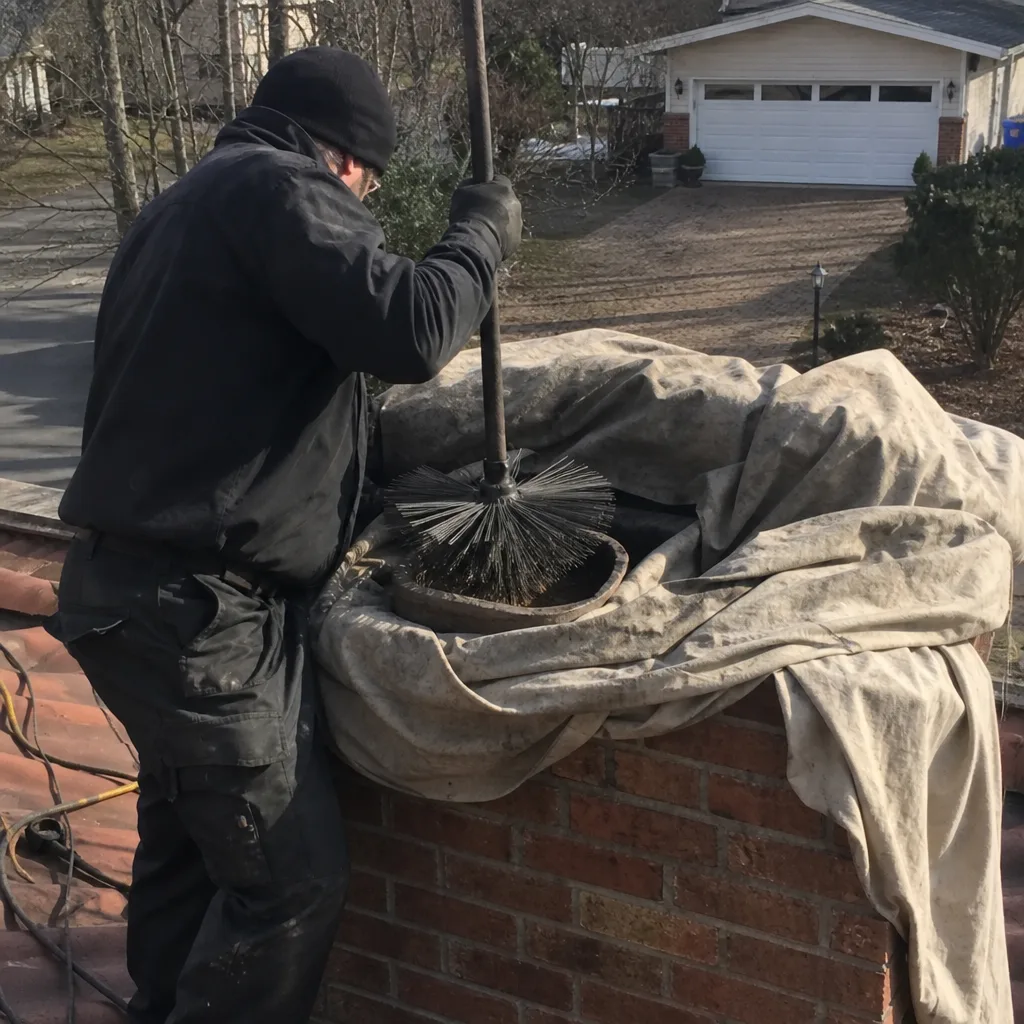
Washington rowhouses are the hardest chimneys to diagnose, and it is not because they are old. It is because they share flues, offset flues, and sometimes entire chimney masses with the neighbor on either side. That shared construction generates symptoms that look like blockages or failures but are not, and it masks real failures that the homeowner assumes are “just how old chimneys behave.” Here is what we see in Washington neighborhoods from Capitol Hill to Petworth to Georgetown, and how we separate false positives from real findings.
Shared flues and the neighbor effect
Many DC rowhome chimneys were built with multiple flues in a single masonry mass. Your flue and your neighbor’s flue run parallel inside the same brick stack, sometimes with a single crown poured across both openings. If your neighbor’s flue is cracked and sending moisture into the shared masonry, your flue can show staining or dampness even when your side is sound. The smoke smell or dampness is real, but the cause is next door. A camera scan of your own flue will show a clean liner and no buildup. The diagnostic next step is a crown inspection from above, looking at whether the crown is a shared pour and whether the neighbor’s cap is missing. This is a Washington-specific situation that a generic national chimney guide will never mention, and it is the most common source of “I just had my chimney fixed and the smell came back” calls we get from rowhome owners.
Offset flues and cold-start sluggishness
An offset flue is a flue that changes direction as it rises, usually to route around a structural beam or to line up with a chimney opening on the floor above. Rowhouses from the 1880s through the 1920s often have flues that jog sideways above the smoke chamber, and every jog is a cold spot where draft stalls. A fire that is slow to catch, that puffs smoke on startup, or that takes ten minutes to “warm up” is usually an offset-flue draft problem, not a blockage. The camera will show a clear flue. The fix might be as simple as preheating the flue by burning a rolled-up newspaper at the damper before lighting the fire, or installing a draft-inducing cap. We have watched countless Washington homeowners pay for a “full sweep and inspection” only to be told the flue needs a liner replacement when the real issue was draft, and the camera record would have shown it clearly.
Negative air pressure in renovated homes
Washington’s renovation boom means more homes with new double-pane windows, spray-foam insulation, and range hoods that evacuate 400 cubic feet per minute. A fire needs makeup air. In a tightly sealed home, the fireplace becomes the path of least resistance for air the house is trying to draw in, which reverses the draft and pushes smoke into the room. This is not a chimney problem, and no amount of chimney repair will fix it. The diagnostic is simple: crack a window near the fireplace. If the smoke clears, the issue is negative air pressure. The permanent fix is a makeup-air vent, not a chimney rebuild. This is the kind of finding a camera-scan inspection plus a few targeted questions will identify in minutes.
Immediate Shutdown vs. Monitored Use: How to Tell the Difference
Most warning signs do not require an emergency call. Some do. Knowing which is which prevents both danger and overreaction, and it helps you communicate clearly with a sweep when you do call. Here is the dividing line.
Warning signs that require immediate shutdown
- Visible flue-tile fractures. A cracked liner is an open channel for heat and gases into the surrounding masonry and, in a rowhouse, into shared walls. If you can see cracks in the flue tile from the top or through the damper, stop burning until a Level 2 inspection documents the full extent and a repair is in place. The repair for most liners in Washington homes is a stainless steel liner install, and it is a defined-scope job with a written price, not an open-ended masonry project.
- Carbon monoxide readings inside the home during or after a fire. Any CO alarm that goes off during fire use is a shutdown signal, period. It means combustion gases are entering the living space. Ventilate, leave the fireplace cold, and call for an inspection before the next burn. We test liners with a camera and can identify the leak path quickly.
- A chimney fire, even a small one. A loud rumble or a hot, glowing flue is a chimney fire. If it happens, call 911, get everyone out, and do not use the fireplace again until a full camera inspection clears the structure. The flue may look fine from the outside after the fire is out, but the mortar joints can be compromised, and the next fire can be the one that spreads into the house.
Warning signs that allow monitored use while scheduling inspection
- Mild smoky odor after the fire is out. This often means a small creosote deposit or a draft that reverses as the fire dies. Schedule a sweep, use the fireplace cautiously, and note when the smell occurs so you can tell the technician.
- Rust on the damper without any other symptom. Rust means water entry, but if the firebox is dry and the flue draws fine, you can burn while waiting for the inspection. The rust itself is evidence, not an emergency, and a photo plus a camera scan will locate the water source.
- Efflorescence that is not yet spalling. The white stain is a warning, not a failure. You can continue to use the fireplace while you document the staining and schedule an inspection. Waiting a few weeks will not turn a repairable crown into a rebuild, though waiting a few years will.
How to Document a Warning Sign Before Calling a Sweep
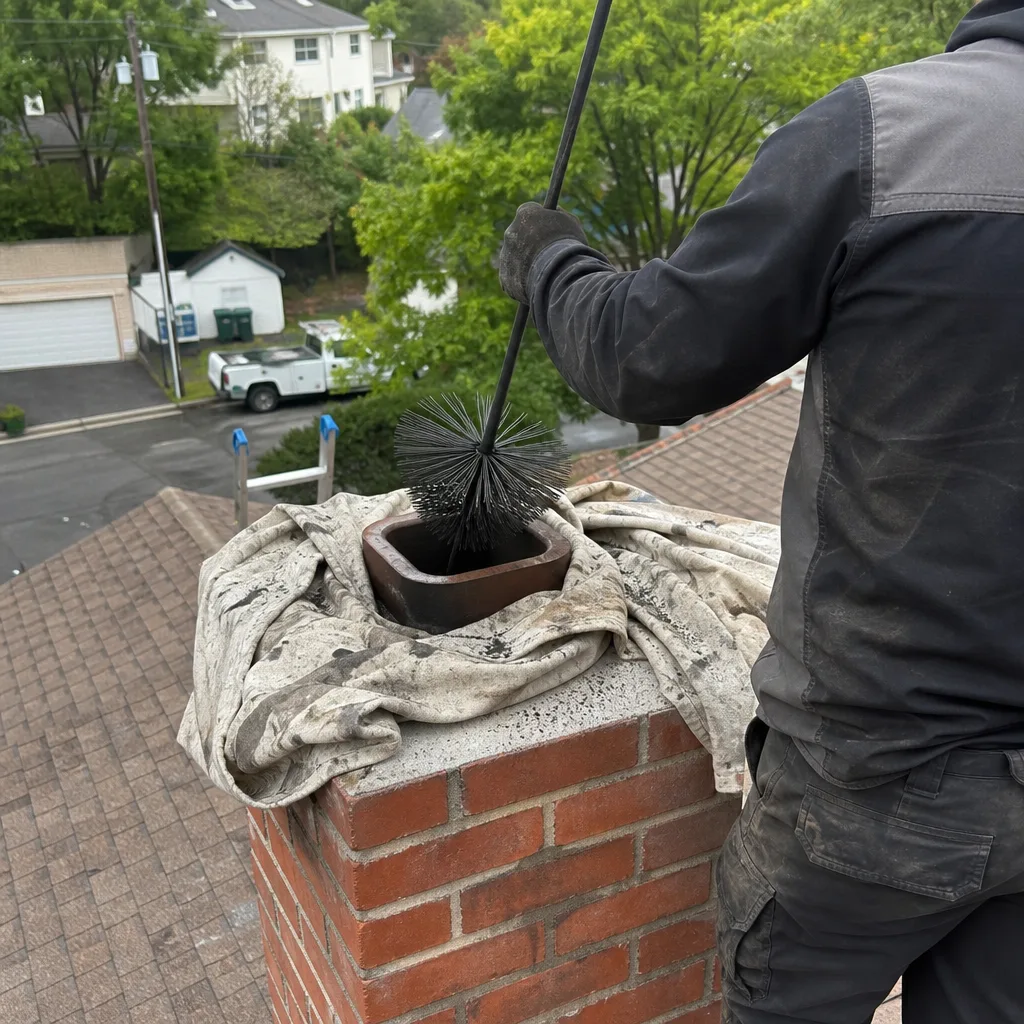
When you can document what you are seeing before the first phone call, the sweep who comes out is diagnosing, not observing. You save a visit, and you get a written price faster. Here is the documentation routine we recommend for any Washington homeowner who spots a warning sign.
- Photograph the sign in good light. Use your phone. Get a wide shot showing where the sign is on the chimney, then a close shot showing texture: the crust of efflorescence, the flaking crown mortar, the rust bloom on the damper. Wide plus close is the difference between a photo that helps and a photo that just takes up space.
- Note the timing and conditions. Was the smell present during the fire, after it, or both? Was it raining? Cold and windy? Was the neighbor’s fireplace in use? Each of these variables narrows the cause, and writing them down is more reliable than trying to remember them on the phone.
- Record your fuel type. Seasoned wood, unseasoned wood, gas logs, or a wood-burning fireplace with a gas starter. The warning sign means something different for each.
- Check the exterior from the ground with binoculars if possible. Look at the crown, the cap, and the flashing. If you can see missing mortar from the ground, the problem is already advanced.
- Bring all of this to the call. When you call a sweep, you can describe the sign, the timing, and the photos. A company that documents its own work, with a camera and a photo record delivered on every visit, will know exactly what to do with yours.
Warning Signs That Appear After a Recent Cleaning or Repair
Some of the most concerning calls we take in Washington begin the same way: “We just had the chimney cleaned last month, and now the smell is worse.” Or, “We had a new cap installed, and the first rain still leaked.” A new or returning warning sign after recent work usually means the previous job was incomplete or incorrectly scoped. Here is what those signs look like and what they are actually telling you.
A smoky smell that did not exist before the sweep
If a sweep dislodged creosote but did not fully remove it, or did not clean the smoke chamber, the loosened deposits can off-gas more strongly than they did when compacted. A proper cleaning removes the deposits and documents the flue after the work with a camera. If the previous sweep cannot show you a photo record of the clean flue after the job, the work is unverified. This is why we made the documented photo record standard on every visit under Clause 4 of the Haven Standard: the record is the proof of the work, and it runs continuously on every chimney cleaning and sweep in Washington we perform.
Water still entering after a cap or crown repair
A new cap only fixes the opening it covers. If water is still coming in, the entry point was not the original opening: it was the crown, the flashing, or a cracked flue tile above the roofline. A repair that only addressed the cap was not scoped to the actual leak. The correct repair sequence is a camera inspection from the top down, a moisture reading, and a written scope that names every entry point before work starts. If your last repair did not include a written scope, you have no way to know what was actually done, which is exactly why Clause 1 of the Haven Standard requires a written price, a written scope, and a written warranty before work begins.
Rust on the damper returning within a season of a liner replacement
If a new liner was installed and the damper is rusting again, either the liner was not the water source in the first place, or the top plate and cap were not sealed correctly at the flue opening. The fix depends on the camera evidence, not the original diagnosis. A second opinion on a written estimate, which we offer free of charge, will either confirm the original scope or show what was missed.
The Cost Consequence of Ignoring Each Warning Sign
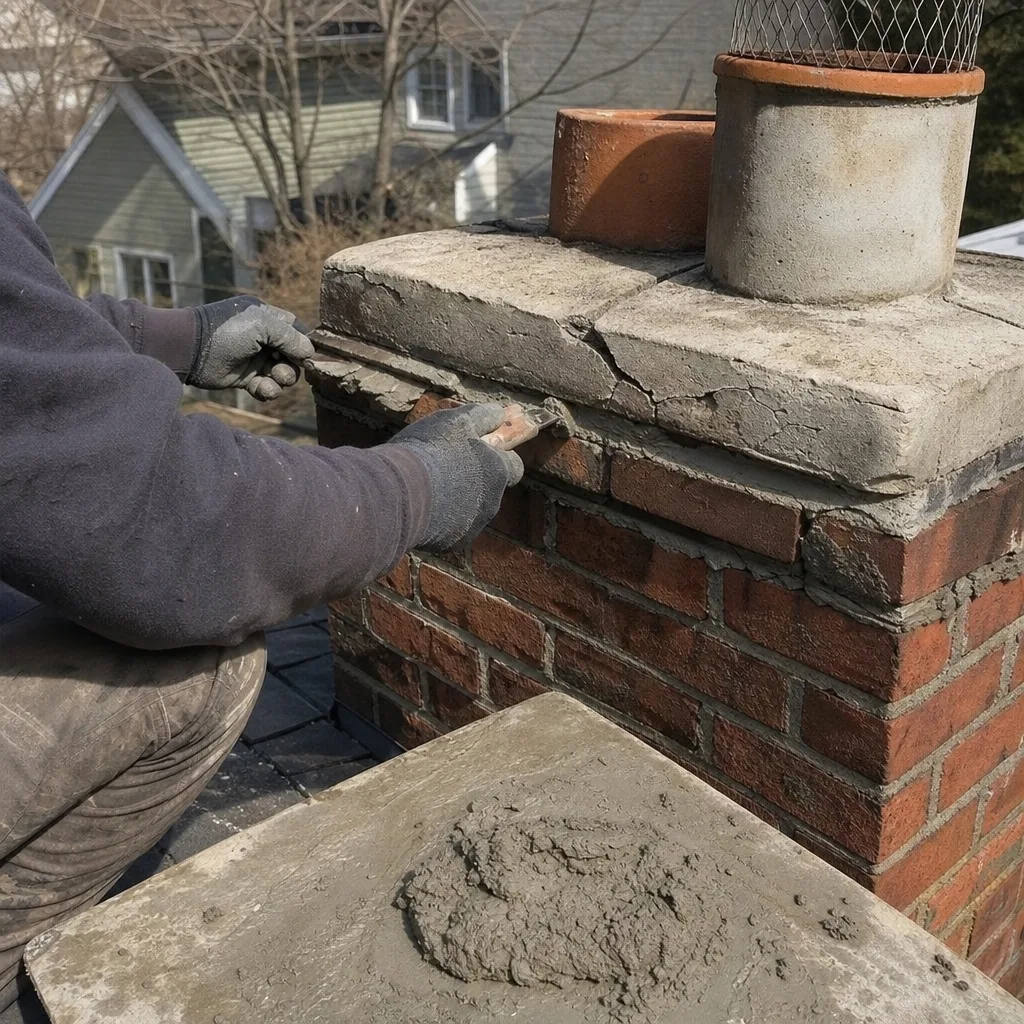
Every warning sign has a price when ignored, and the price rises on a schedule. Here are the realistic ranges for Washington, DC, where access, scaffolding, and masonry costs run higher than the national average.
| Warning Sign | Cost if Addressed Early | Cost if Ignored 2-3 Seasons |
|---|---|---|
| Efflorescence / minor water entry | Crown repair or cap replacement: $400-$900 | Full crown rebuild plus brick replacement: $2,500-$5,000+ |
| Tar odor / Class III creosote | Chemical treatment plus sweep: $350-$700 | Chimney fire risk; possible liner replacement: $3,000-$7,000 |
| Rust on damper, no other symptoms | Damper replacement: $300-$600 | Damper plus firebox repair after rust-through: $1,500-$3,000 |
| Slow draft / cold-start smoke | Draft cap or smoke guard: $250-$500 | Often misdiagnosed as liner failure; unnecessary liner replacement: $3,000-$6,000 |
| Spalling brick / crown failure | Localized crown repair: $600-$1,200 | Full crown and masonry rebuild with scaffolding: $4,000-$9,000 |
| Visible liner fracture | Stainless liner installation: $3,000-$6,000 | Fire spread into structure; structural repair: $15,000+ |
These are not “call for a quote” figures. They are the ranges we see consistently in Washington work, written plainly. A written price before work starts is the entire point of how Level Two Chimney Washington operates, and every job we quote includes the scope and warranty in writing before a tool comes off the truck.
Common Mistakes to Avoid
- Caulking a spalling crown. Caulk is a cosmetic seal, not a structural repair. Water behind the seal continues to freeze and thaw, and the crown fails faster than it would have with no intervention at all.
- Burning unseasoned wood in a DC rowhouse with an offset flue. Wet wood produces heavy, cool smoke that condenses into creosote quickly. In a flue that already drafts poorly, it is a recipe for a chimney fire.
- Replacing the cap when the crown is cracked. The cap covers one opening. A cracked crown lets water through every other part of the top surface, and the new cap just narrows the possible entry points without fixing the actual one.
- Accepting a sweep and inspection without a photo record. If no one puts a camera down the flue and shows you what they saw, you have paid for an observation, not a diagnosis. A documented record is the only evidence the work was done and the flue was actually inspected.
- Ignoring a smoky smell because the glass doors are closed. Smoke you cannot see is still present in the air, and it is still carrying combustion byproducts into the house. Closed doors hide the symptom, not the cause.
- Assuming a shared-wall rowhome chimney is “just like that.” The neighbor effect is real, but it is diagnosable. Write down what you are seeing, take photos, and let a camera inspection tell you whether the problem is yours, your neighbor’s, or both.
When to Call a Professional
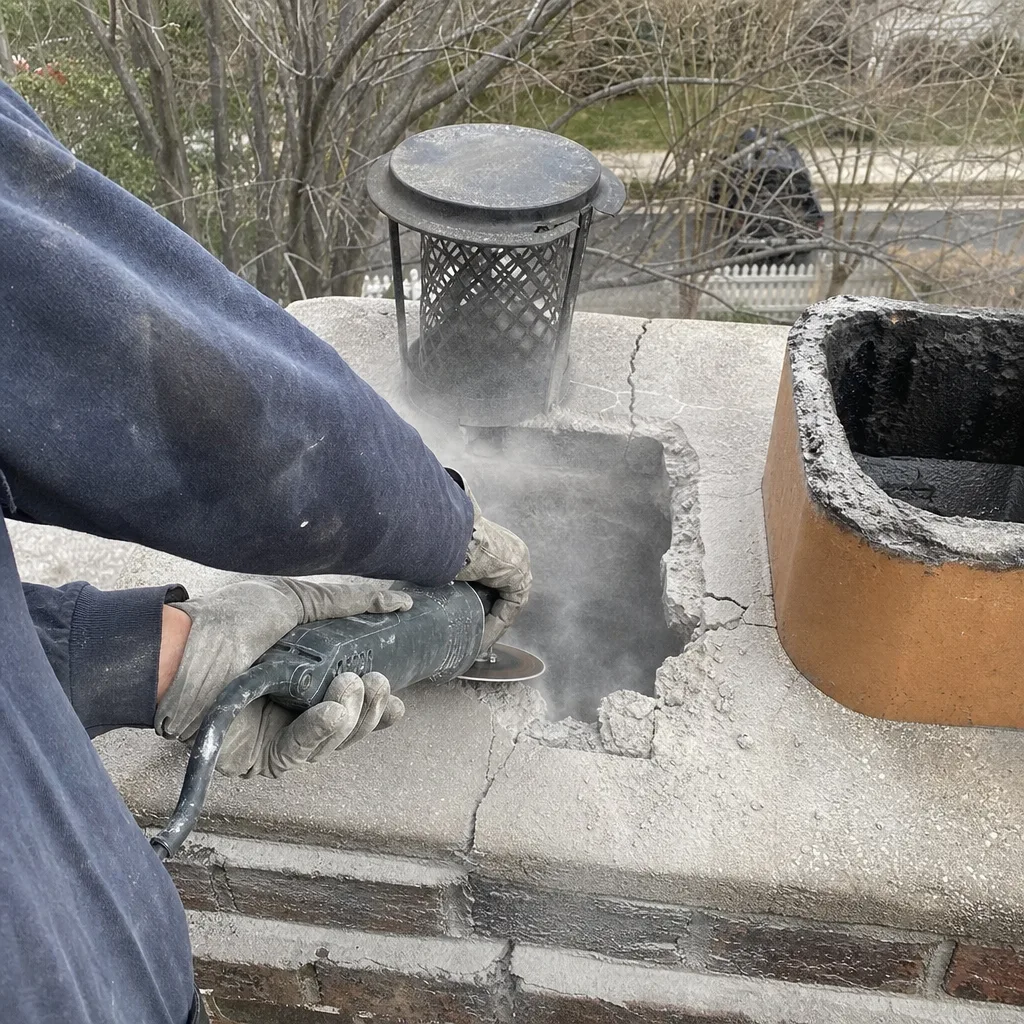
Call a professional when any of the documented signs appear: smoke in the room, white staining, tar odor, rust on the damper or firebox, spalling brick, or a CO alarm during fire use. If you see a visible liner fracture or experience a chimney fire, stop burning immediately and call. If the sign is mild and you plan to keep using the fireplace while waiting, document what you see and note the timing so the first visit is diagnostic. For help choosing the right company, see How to Hire a Chimney Cleaning Contractor in Washington: A Step-by-Step Guide. Level Two Chimney Washington offers free estimates in Washington. Call (240) 621-1264 to schedule a camera-scan inspection, and we will show you the evidence, in writing, before any work begins.
Frequently Asked Questions
A standard chimney sweep and inspection in Washington typically runs $200 to $400, depending on the flue type and condition. A Level 2 camera-scan inspection, which is what we perform on every chimney cleaning and sweep, adds detail and documentation to that visit. A heavy creosote removal or a chemical treatment can bring the total to $350 to $700. Call (240) 621-1264 for an exact price in writing before anyone starts.
The National Fire Protection Association says a chimney should be swept when there is 1/8 inch or more of creosote buildup. For a wood-burning fireplace used regularly in a Washington winter, that often means one sweep per burning season. For a gas fireplace, an annual check is sufficient, and for a rarely used fireplace, a camera inspection every couple of years is the minimum.
You need a new liner if the existing flue tile is cracked, separated, or otherwise no longer containing heat and gases safely. That diagnosis should be documented with camera footage. If the recommendation is made without a camera, you have not been shown the evidence, and you should get a second opinion. We offer a Free Second Opinion on any written estimate, and we will show you the liner condition on camera before recommending any replacement.
Creosote accumulates with every fire, and when it ignites, the resulting chimney fire can reach temperatures that crack flue tiles and spread into the structure. A chimney fire in a Washington rowhouse can be catastrophic, because the masonry is shared and the structure is old. The cost of a sweep is a fraction of a liner replacement, and the record of the cleaning is your proof it was done. For detailed maintenance schedules and techniques, see The Complete Guide to Chimney Cleaning in Washington.
By itself, efflorescence is not dangerous, but it is evidence of water that will freeze and thaw in Washington winters and eventually spall the brick. The water source needs to be identified and corrected before the damage progresses. A camera inspection and moisture reading will name the source, and the fix is often a crown or cap repair, not a rebuild, if caught early.
Most rowhouse chimney problems are repairable. A cracked crown can be repoured, a missing cap replaced, a damaged liner relined with stainless steel, and spalled brick sections pointed or replaced. Full rebuilds are rare and usually follow decades of deferred maintenance. The first step is always the same: a camera-scan inspection that documents what is actually there, which is the standard inspection under NFPA 211 and the only type we perform on every fireplace service in Washington and every cleaning visit.
The Bottom Line
Chimney warning signs are specific, decodable, and priced accordingly. A white stain is not cosmetic, a tar smell is not normal, and rust on a damper is not “just age.” Each sign maps to a failure point: a cracked crown, a creosote deposit, a leaking liner, a draft problem mistaken for a blockage. Washington makes the diagnosis harder with shared rowhouse flues, offset drafting, and tightly sealed renovations, but a camera-scan inspection cuts through all of it and gives you the evidence in hand. Document what you see, photograph it, know which signs shut the fireplace down, and get a written price before any work starts. That is the standard, and it is the only one we have ever worked to since 2009. For more guides & resources on keeping your chimney safe, visit our blog.
Written by Corrine Halstead, Owner at Level Two Chimney Washington, serving Washington since 2009.