
Last updated September 20, 2026
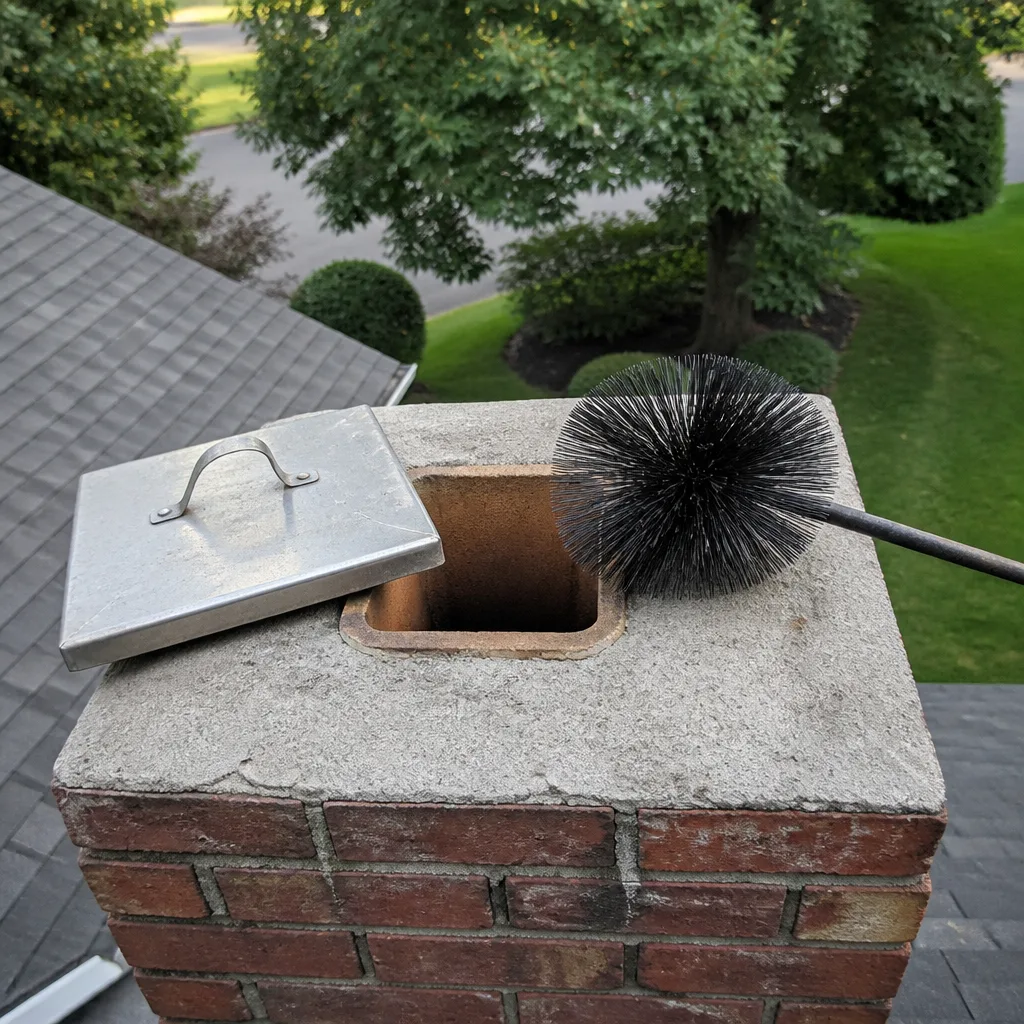
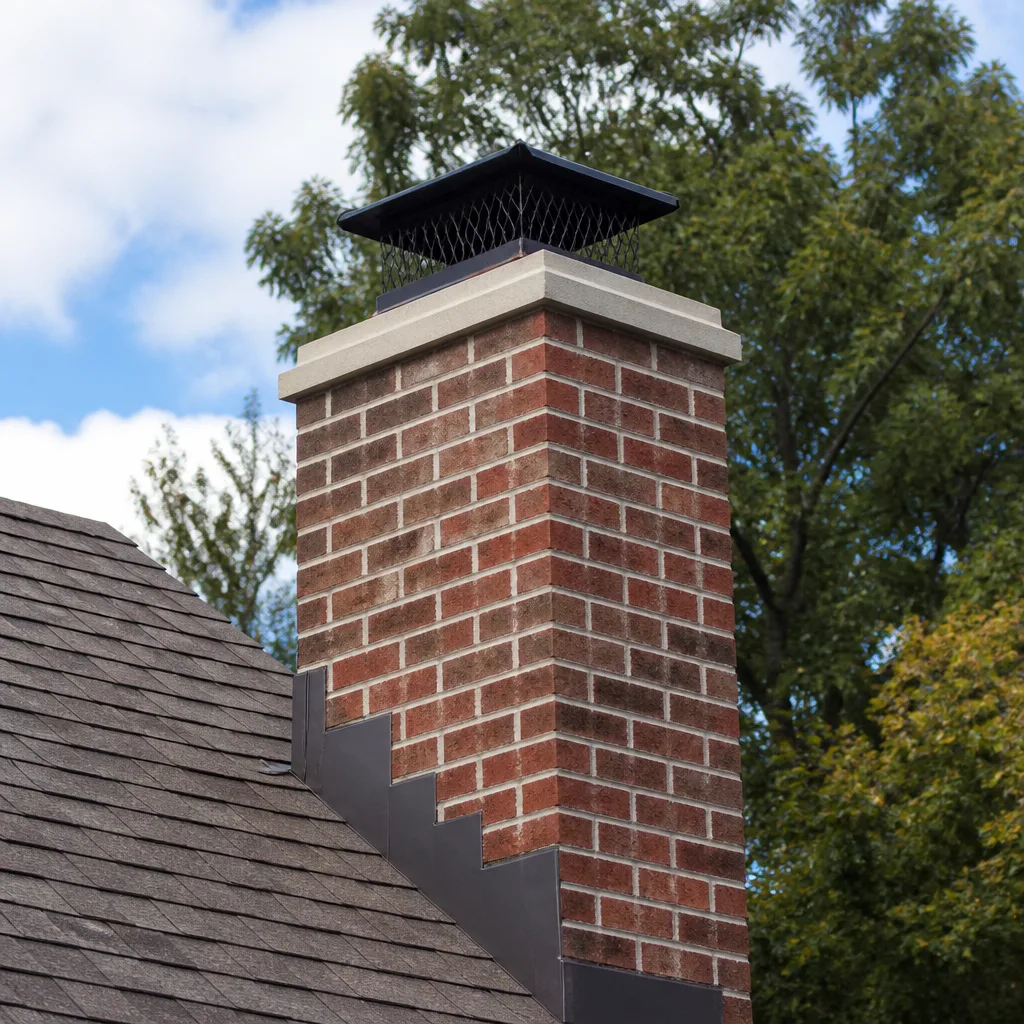
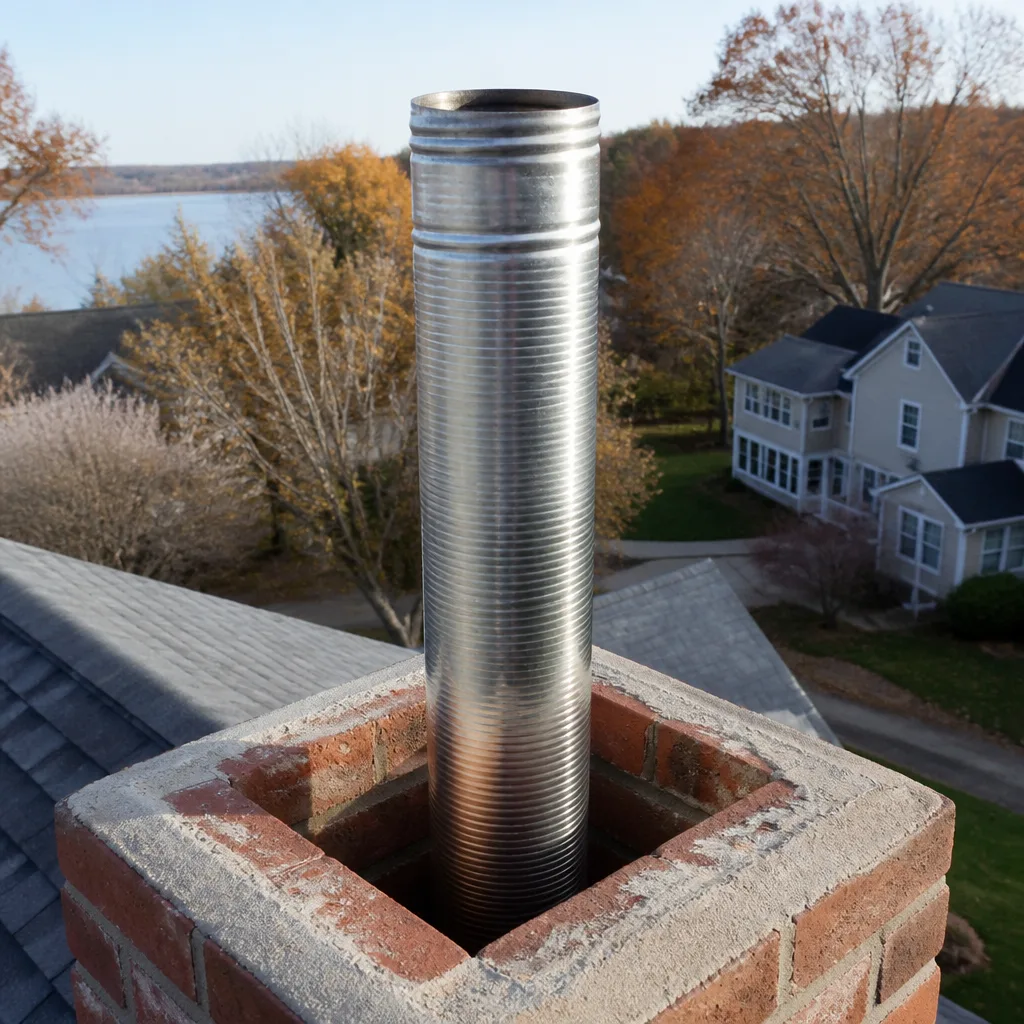
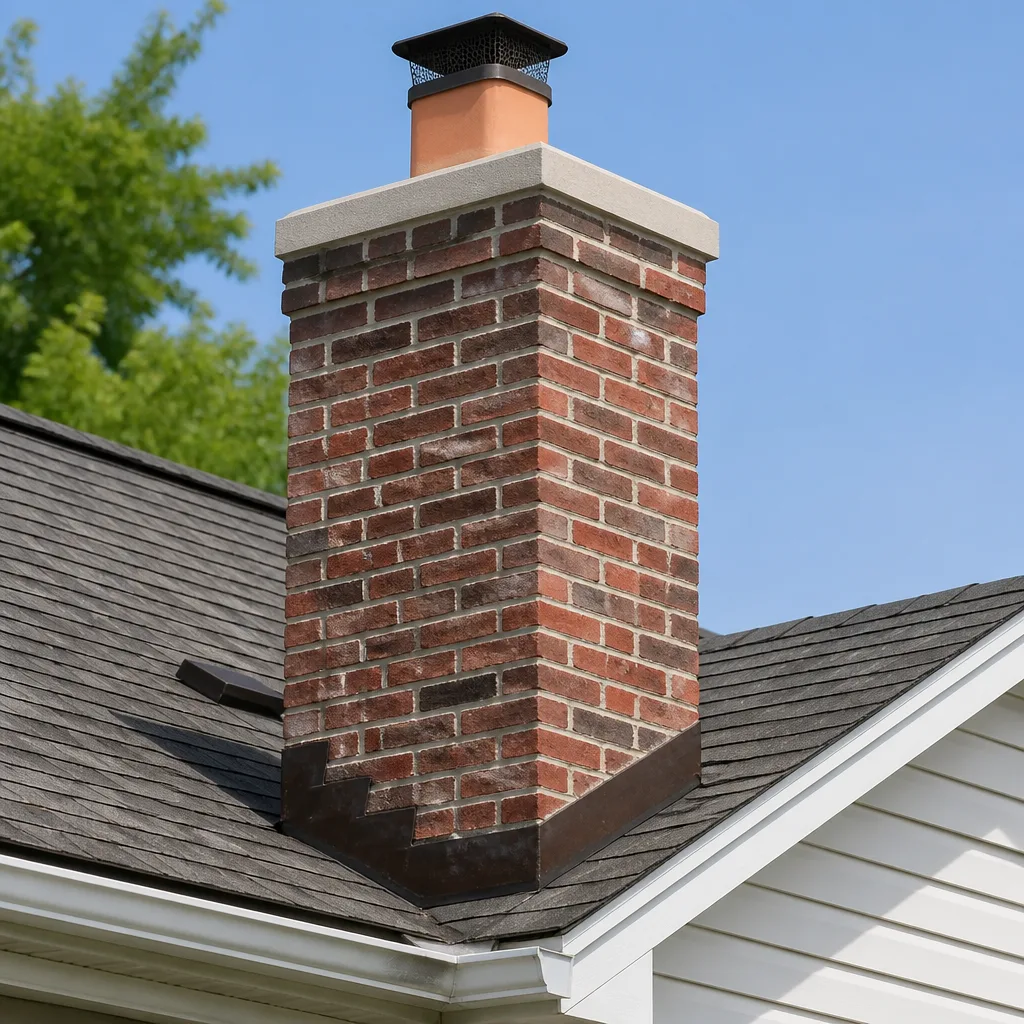
Level 1 sweep and inspection to the NFPA 211 annual standard - flue, crown, cap, and flashing checked and photographed
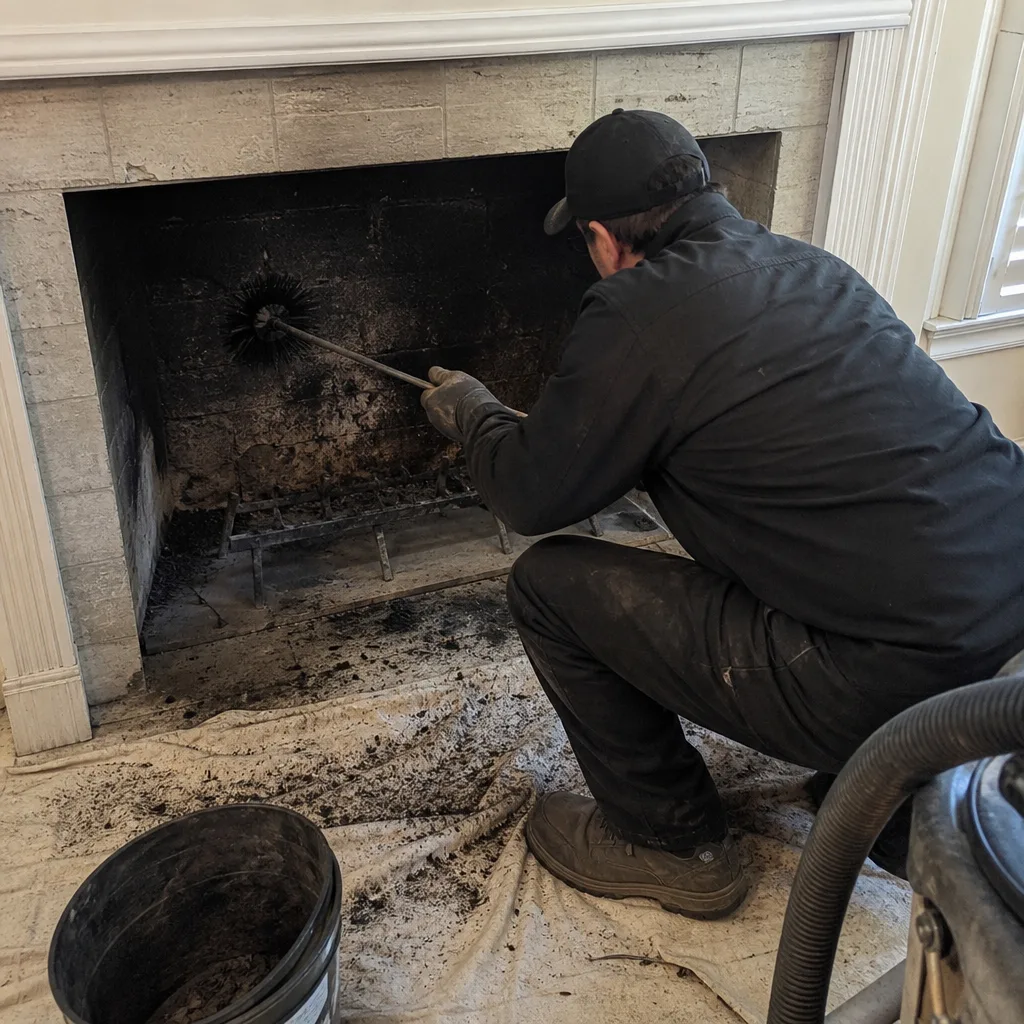
Chimney sweep logs do not sweep chimneys. They loosen some creosote - which then falls where a brush and vacuum still have to collect it.
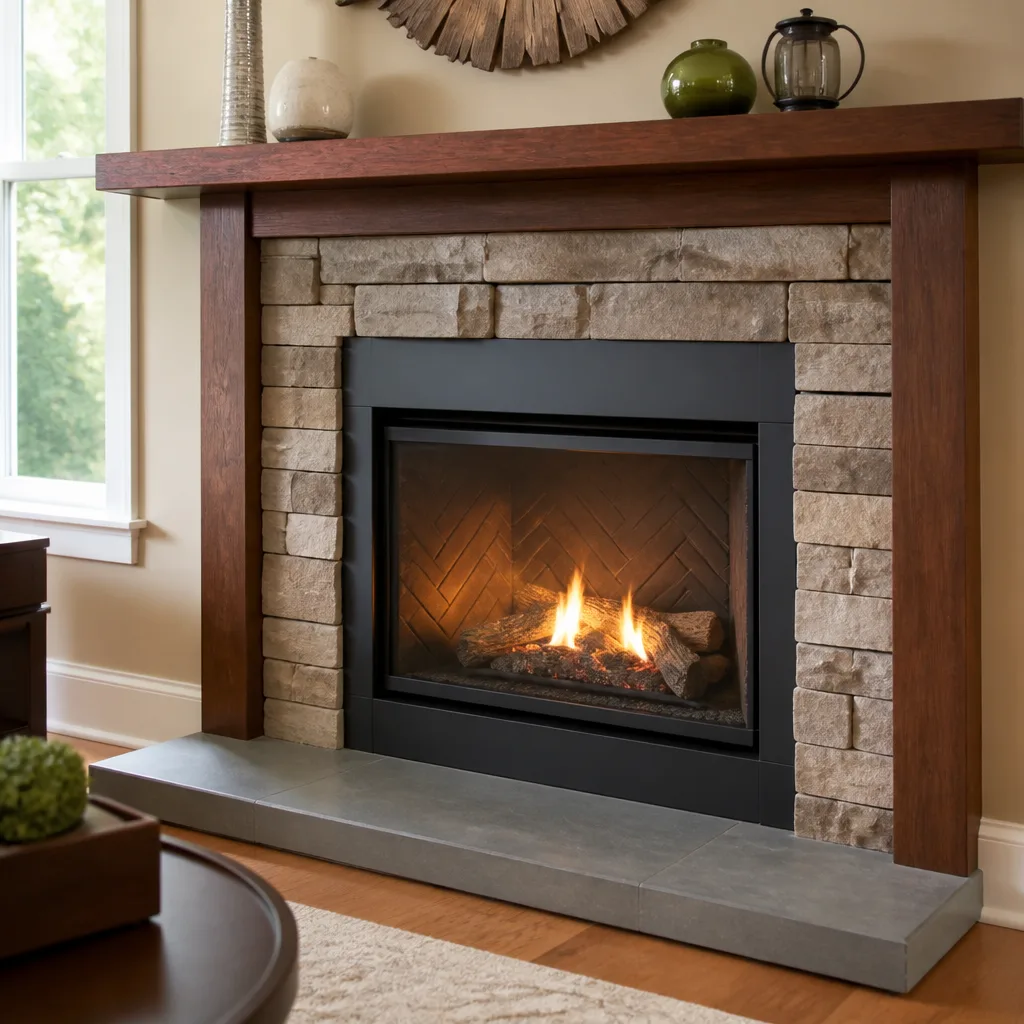
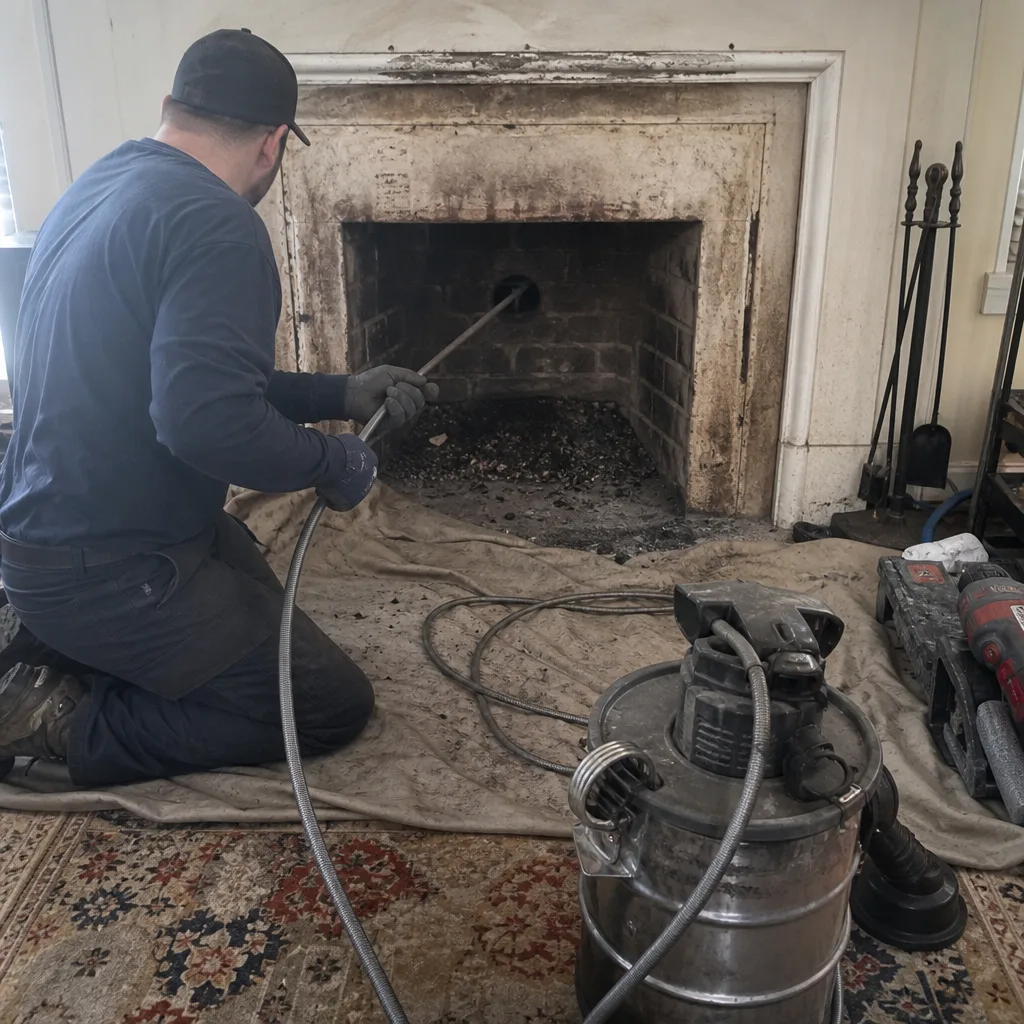 Before
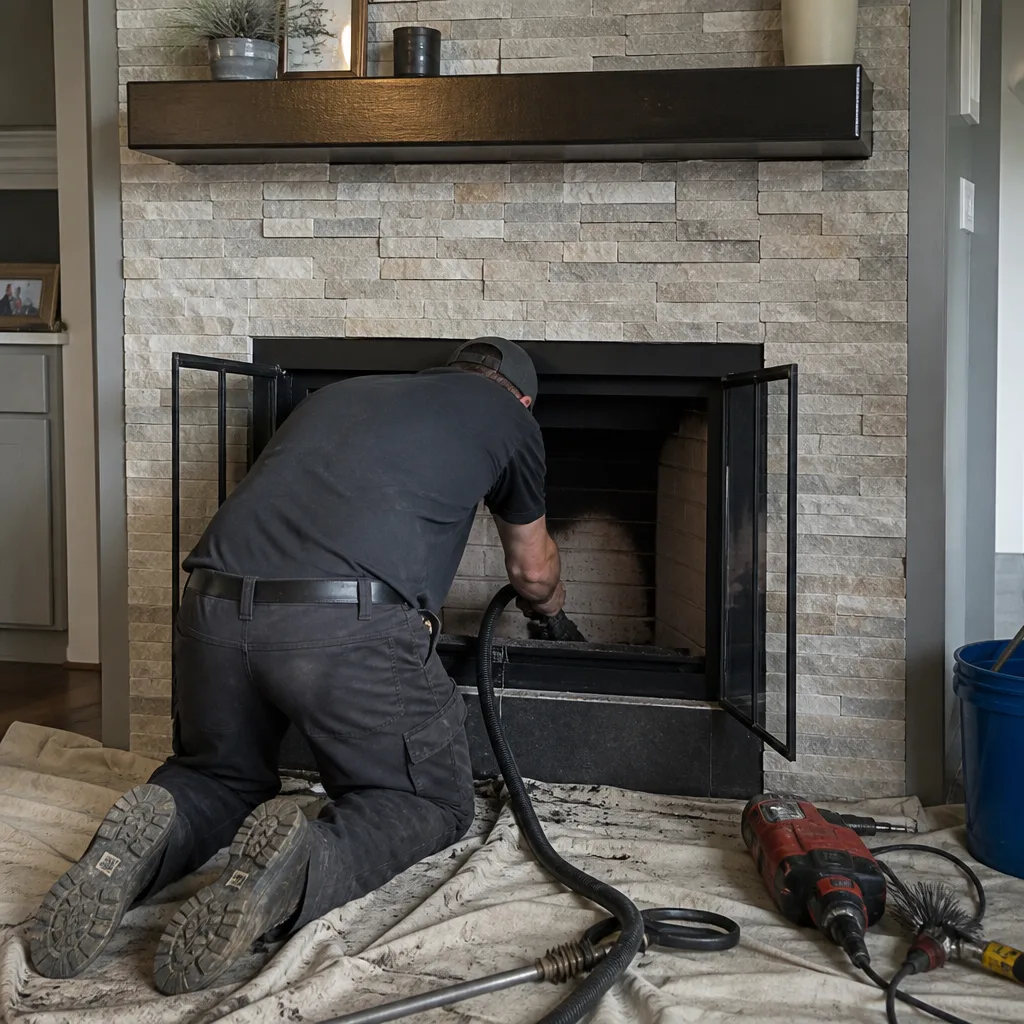 After
After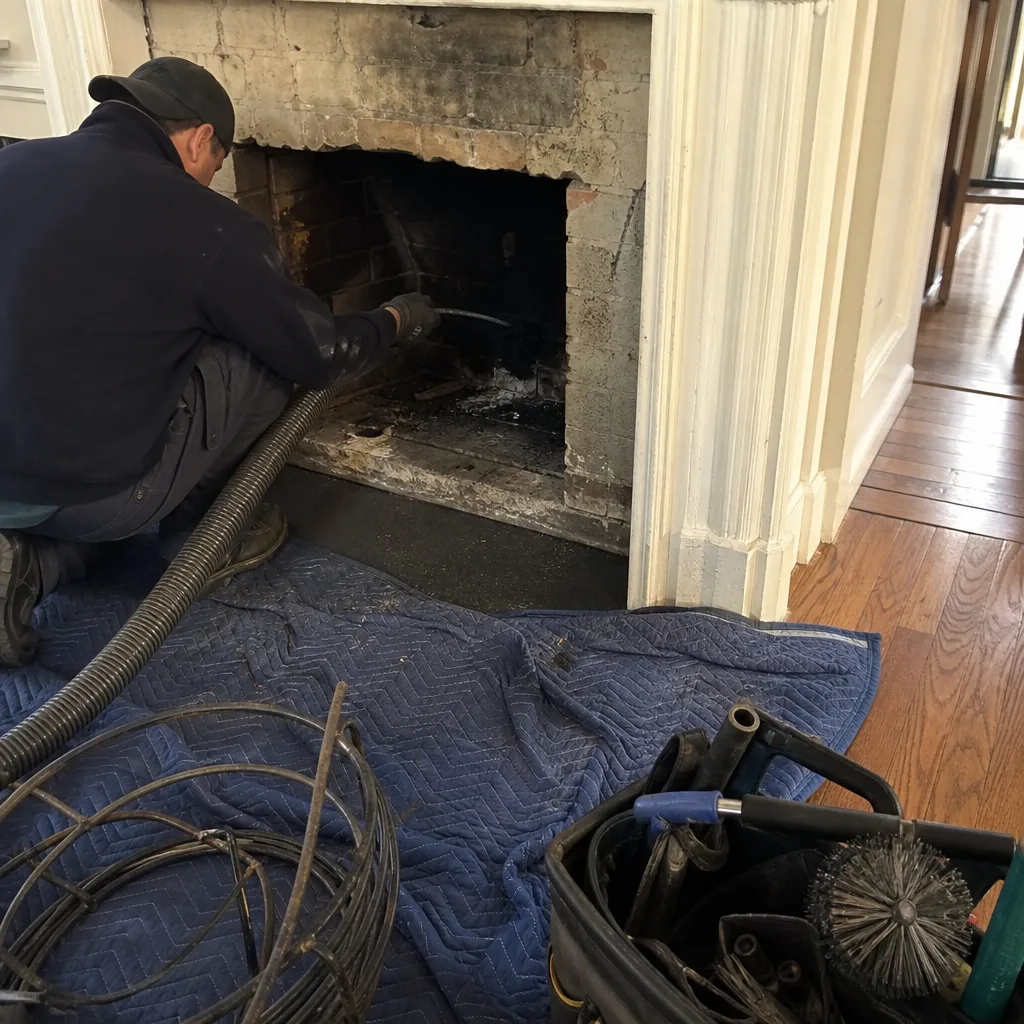 Before
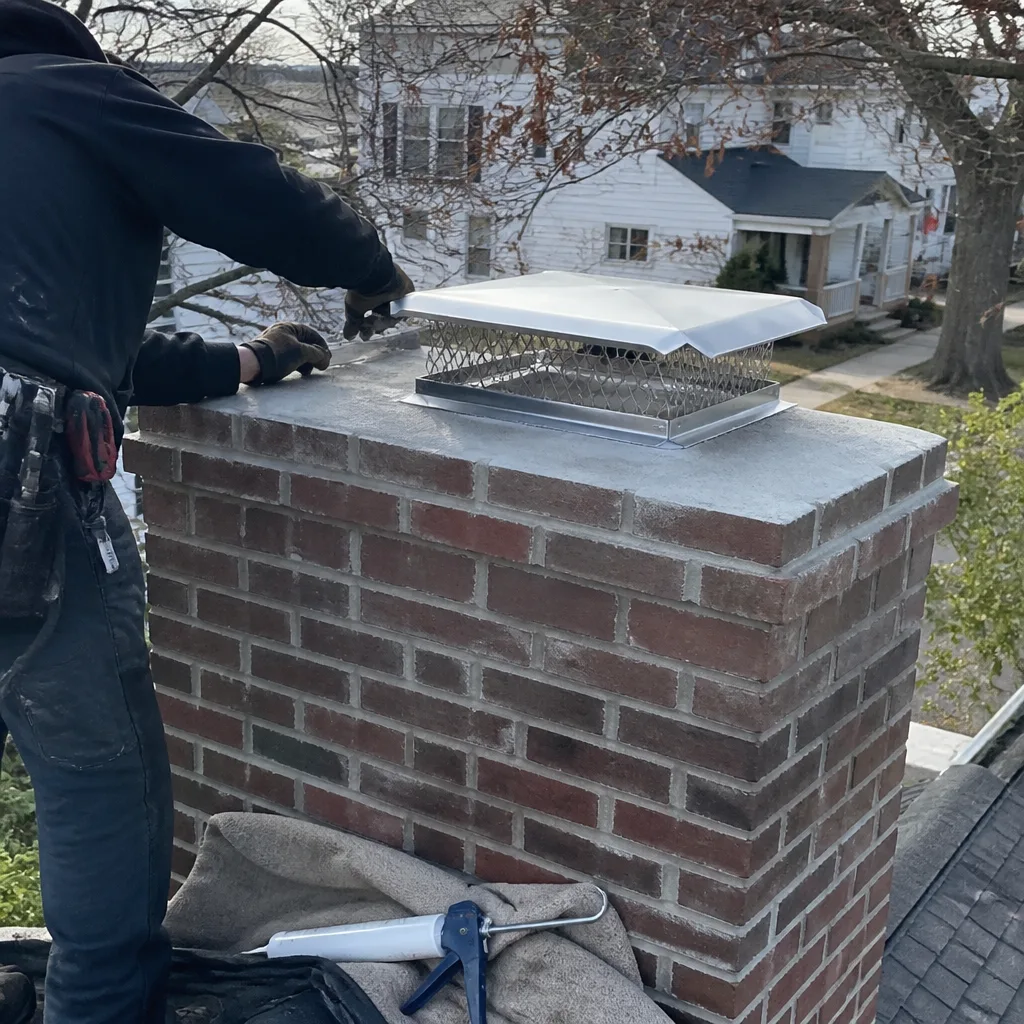 After
After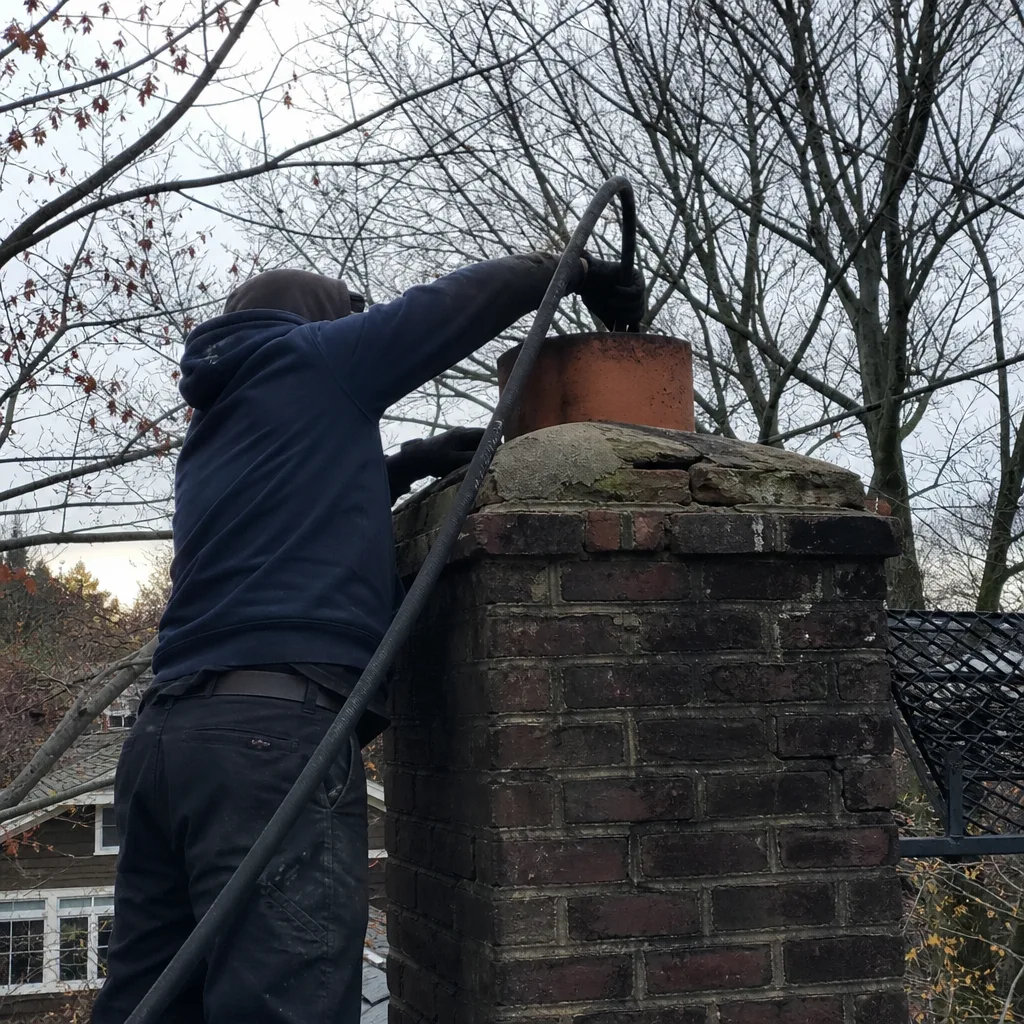 Before
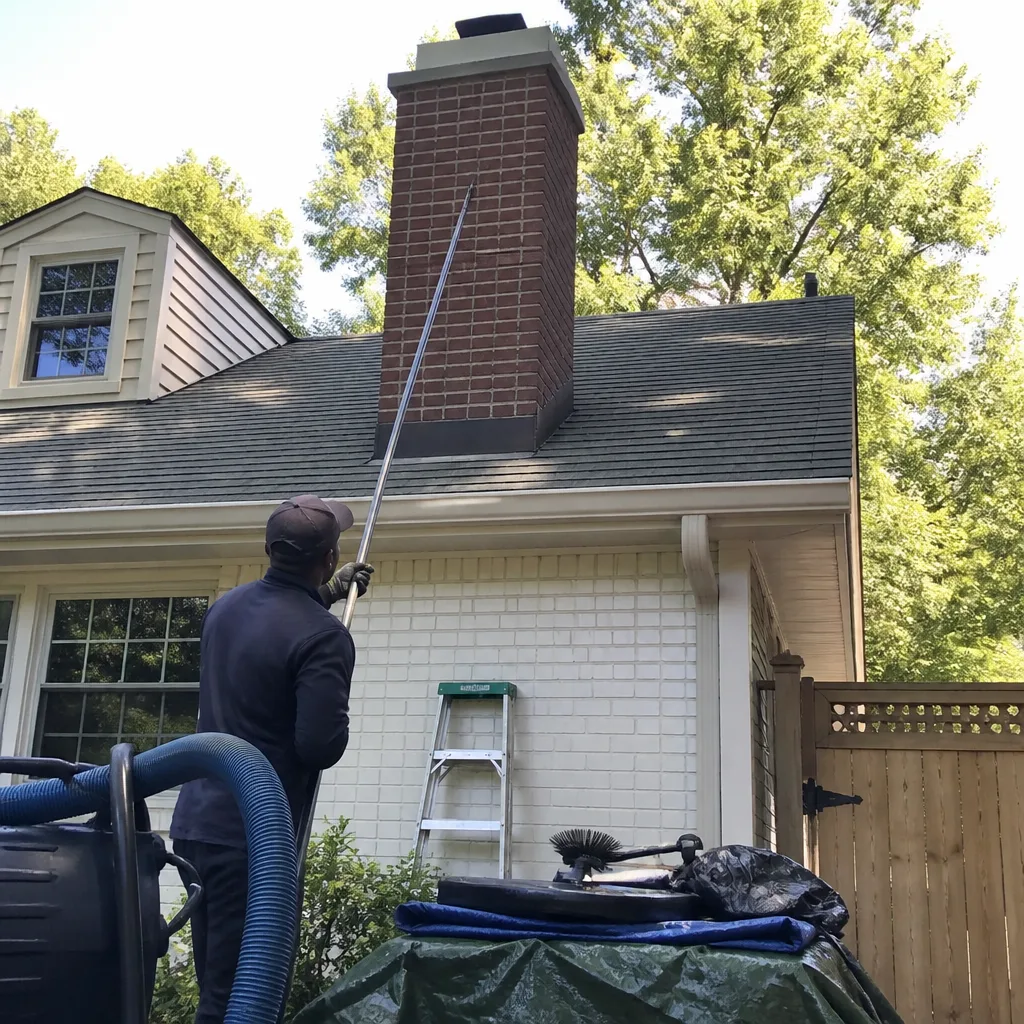 After
AfterHow to Hire a Chimney Cleaning Contractor in Washington: A Step-by-Step Guide
CSIA certification is a knowledge test, not a documentation standard. A certified sweep can still hand you a verbal “looks good” and meet every requirement of their credential. In Washington, where pre-war rowhouses sit next to 2018 flips and a single chimney fire can total a $900,000 home, that distinction matters more than most homeowners realize. This guide walks through the four questions that separate documentation-standard contractors from flashlight-and-invoice operations, what a legitimate written price document actually contains, and the red flags specific to Washington’s contractor market. By the end, you’ll know exactly what to ask before anyone steps foot in your home.
Quick Answer
To hire a chimney cleaning contractor in Washington, ask four questions before booking: Can they send you a sample written inspection report? Will they provide a written price and scope before any work starts? Do they carry a camera for a Level Two Chimney Washington home inspection, not just a flashlight? And will they put their warranty terms in writing? A contractor who answers yes to all four, lists their license on their page, and documents everything with photos is the one to hire. Expect to pay $180-$340 for a sweep with a Level 2 camera inspection in Washington.
Table of Contents
- Why CSIA Certification Isn’t Enough
- The Four Questions That Reveal Documentation Practice
- What a Legitimate Written Price Document Contains
- Insurance: The Five-Minute Verification
- Red Flags Specific to Washington’s Contractor Market
- How to Read a Chimney Company’s Contract
- Common Mistakes to Avoid
- When to Call a Professional
- Frequently Asked Questions
- The Bottom Line
BeforeAfterWhy CSIA Certification Isn’t Enough
The Chimney Safety Institute of America certification is a meaningful credential. It requires passing a written exam on codes, clearances, and combustion principles. It does not require a contractor to document anything. We’ve inspected thousands of chimneys in Washington since 2009, and we’ve seen CSIA-certified sweeps write “swept and inspected” on an invoice with no photos, no liner condition notes, no creosote classification, and no record of what the flue looked like before or after the work. That’s not fraud. It’s just thin. And thin documentation creates a dispute problem the day something goes wrong.
What you need is a documentation standard, not a knowledge test. Ask for a sample written report before you book. Not a verbal description of what they’ll tell you. An actual redacted report from a previous job. If they can’t produce one, that tells you what your own record will look like. If they can, read it. Does it name the flue liner material? Does it classify creosote by stage? Does it note the condition of the crown, the smoke chamber, the damper? Or does it say “chimney in good condition” and stop? The report is the product. Everything else is labor.
The Four Questions That Reveal Documentation Practice
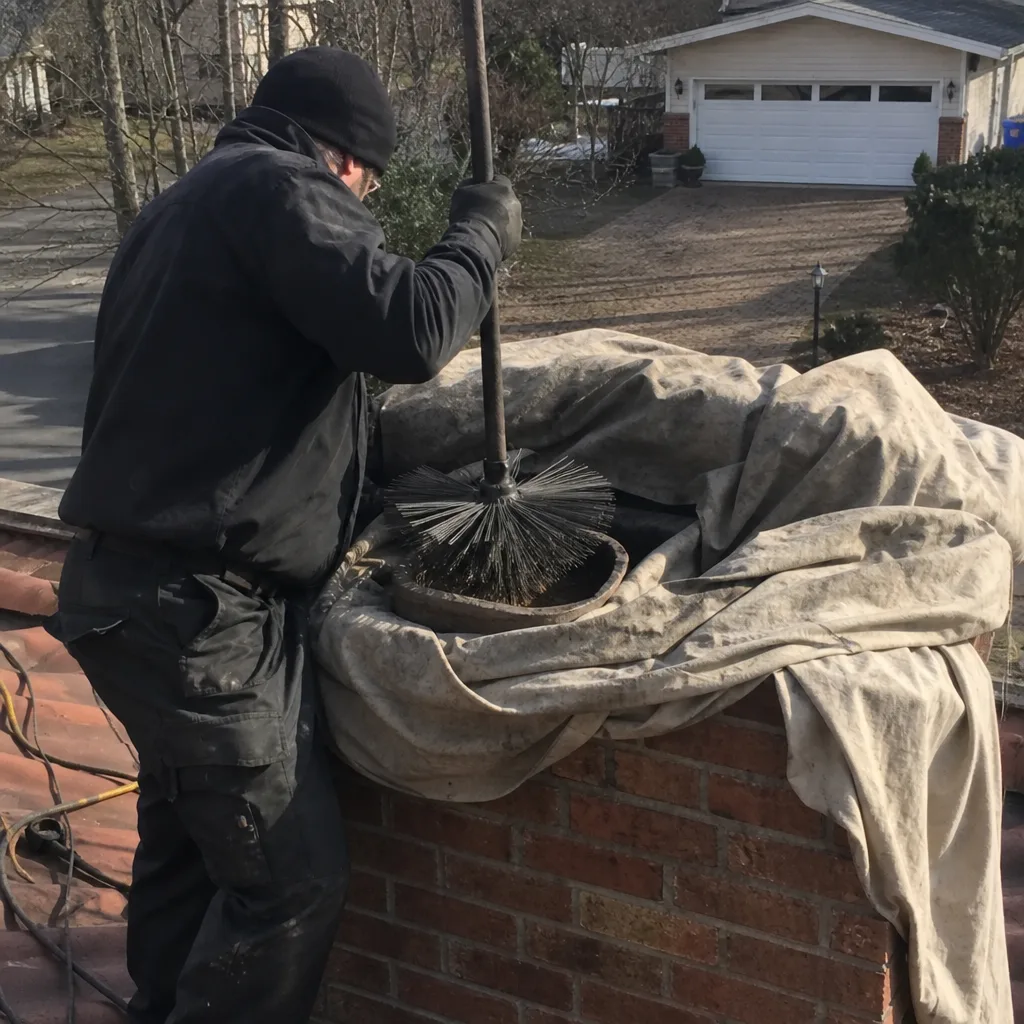
Before you book any chimney cleaning contractor in Washington, ask these four questions. They take five minutes to ask and save you from the single most common homeowner outcome: paying for a service you cannot verify happened.
1. Can you send me a sample written inspection report from a past job?
A documentation-standard contractor will have one. It will be redacted for customer privacy but complete in structure. It will show flue condition, creosote class, crown status, damper function, and photo references. A verbal-report contractor will hesitate. They’ll say they explain everything on site. That’s your answer. On-site explanations evaporate. Written reports are evidence you can show a home inspector two years later, file with an insurance claim, or use when you sell the house.
2. Will you put the price and scope in writing before any work starts?
This is the single highest-signal question. A contractor who will not write the price before they open the door is a contractor who wants the option to raise it after the tech is already in your home. In Washington, we see this pattern constantly. The listed price is $129. The final invoice is $1,700. The delta was authorized verbally, in the moment, by a homeowner who didn’t want to be difficult. Clause 1 of the Haven Standard, the documentation framework we’ve operated under since 2009, requires a written price, written scope, and written warranty delivered before anyone starts. Not after. If a contractor can’t meet that, keep looking.
3. What camera equipment do you carry, and will I see the footage?
A chimney is a vertical shaft. You cannot see into it from the ground. A flashlight shows you the first six feet. A camera shows you the flue liner, the smoke chamber, the damper seat, and any gaps, cracks, or blockages. In our experience, roughly one in five Washington chimneys we inspect has a condition that a visual-only sweep would miss: a cracked terra cotta liner, a deteriorating parge coat, a bird nest four feet down, a disconnected flue section. Ask what they carry. If the answer is “a flashlight and a mirror,” that’s not an inspection. That’s a glance. Camera-scan documentation has been our default since 2009, and it became Clause 4 of the Haven Standard: a photo record on every visit, not an optional add-on.
4. Can I see your warranty terms in writing before I book?
“Satisfaction guaranteed” is a marketing phrase. A written warranty names what is covered, for how long, and what happens if it fails. Ask for the document. Our 365-Day Done Right Promise is stamped on every job under the Haven Standard: if it’s not done right, we make it right. That sentence means something because it’s written, not spoken. If a contractor’s warranty exists only as a salesperson’s assurance, it doesn’t exist.
What a Legitimate Written Price Document Contains
A written price document is not a number on a business card. It’s a line-item scope. In Washington, where housing stock ranges from 1890s Victorians in Capitol Hill to 2010s condos in NoMa, the scope of chimney work varies wildly. A legitimate written price document reflects that variation. Here’s what it contains:
- Line-item scope: sweep, Level 1 or Level 2 inspection, camera scan, creosote removal classification, damper assessment, crown visual. Each line has a dollar amount. Not a single total.
- What triggers additional charges: The document names the conditions that would move the job outside the quoted scope: a cracked liner discovered during inspection, animal removal, masonry repair. It also states how those additional charges are authorized. In writing, before the work proceeds. Not a phone call from the tech saying “we found something, it’ll be another four hundred.”
- What’s excluded: Cap replacement, crown resurfacing, liner installation, chase cover replacement. If it’s not on the page, it’s not in the price. A good document says so explicitly.
- Materials named: If the scope includes repair components, the document names them. We list HeatShield for liner resurfacing, Olympia Chimney for caps and dampers, and other named manufacturers sourced through our buying network. “Quality materials” is not a specification. A brand name is.
Read the document before you sign. If it’s a single line that says “chimney service: $250,” that’s not a scope. That’s a placeholder. It protects the contractor, not you.
Insurance: The Five-Minute Verification
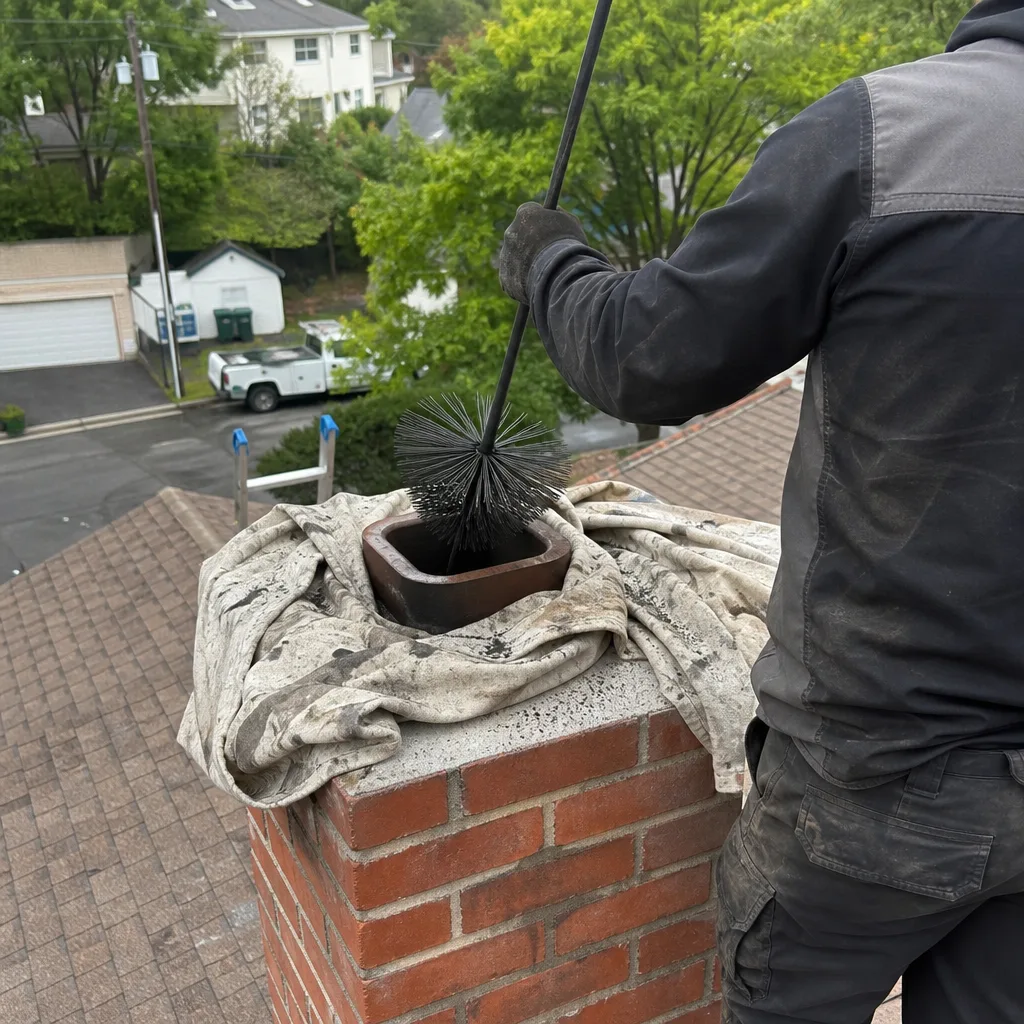
Every chimney contractor in Washington will tell you they’re insured. Most of them are. That’s not the question. The question is whether their insurance covers chimney work specifically. General liability policies have exclusions. Chimney work involves heights, masonry, and combustion systems. A contractor with a general handyman policy may not be covered for damage caused by a falling chimney crown or a flue fire traced to an improper installation.
Here’s the five-minute verification:
- Ask for the certificate of insurance directly. Not a summary. The certificate.
- Check the policy type. Look for “chimney services,” “masonry,” or “fuel-burning appliance service” listed as covered operations. If it says “general contracting” or “handyman services,” that’s a different risk profile.
- Call the insurance agent listed on the certificate. Confirm the policy is active. This call takes four minutes. We’ve never had a legitimate contractor object to it.
- Ask whether the policy covers damage to the home caused by chimney work, not just injury to the worker. Both matter. The second one protects the contractor. The first one protects you.
We are insured and bonded for chimney work specifically. Our license information is on the page, not hidden behind a request form. That’s the baseline. If a contractor hesitates to produce a certificate, that’s a decision point, not a negotiation.
Red Flags Specific to Washington’s Contractor Market
Washington has a particular contractor ecosystem. High housing density, a steady churn of homebuyers, severe weather events, and a market where demand outstrips qualified supply. That creates predictable patterns. Here are the red flags we see repeatedly:
- Door-to-door discount offers after storms: After high winds or heavy rain, crews appear in neighborhoods like Petworth and Brookland offering “storm damage chimney inspections” at a discount. Legitimate chimney companies in Washington do not go door to door. The damage assessment they’re offering is a sales funnel.
- Verbal-only estimates: A Washington contractor who will not write the price is calculating what they can charge after they see your house, your car, and your kitchen renovation. The price is not based on the chimney. It’s based on you. Written before work starts is not a preference. It’s the difference between a contractor and a bidder.
- “Inspection included” with no level defined: NFPA 211 defines three inspection levels. Level 1 is a visual check of accessible portions. Level 2 adds camera scanning and is required for property transfer, after chimney fires, and after seismic events. If a contractor advertises “inspection included” but won’t say which level, assume it’s Level 1, which won’t show you the inside of your flue liner. The homeowners who need a Chimney Cleaning & Sweep in Washington with a Level 2 camera scan are usually the ones being told they don’t need it.
- Pressure to decide the same day: A legitimate chimney repair is rarely an emergency unless you have an active chimney fire. A contractor who insists you sign today “before the price changes” is manufacturing urgency. In Washington, you have options. Exercise them.
- No license number on the page: Washington requires chimney contractors to be licensed. If the license number isn’t displayed on their website, their truck, or their invoice, ask why. Then verify it with the DC Department of Consumer and Regulatory Affairs. This takes ten minutes.
How to Read a Chimney Company’s Contract
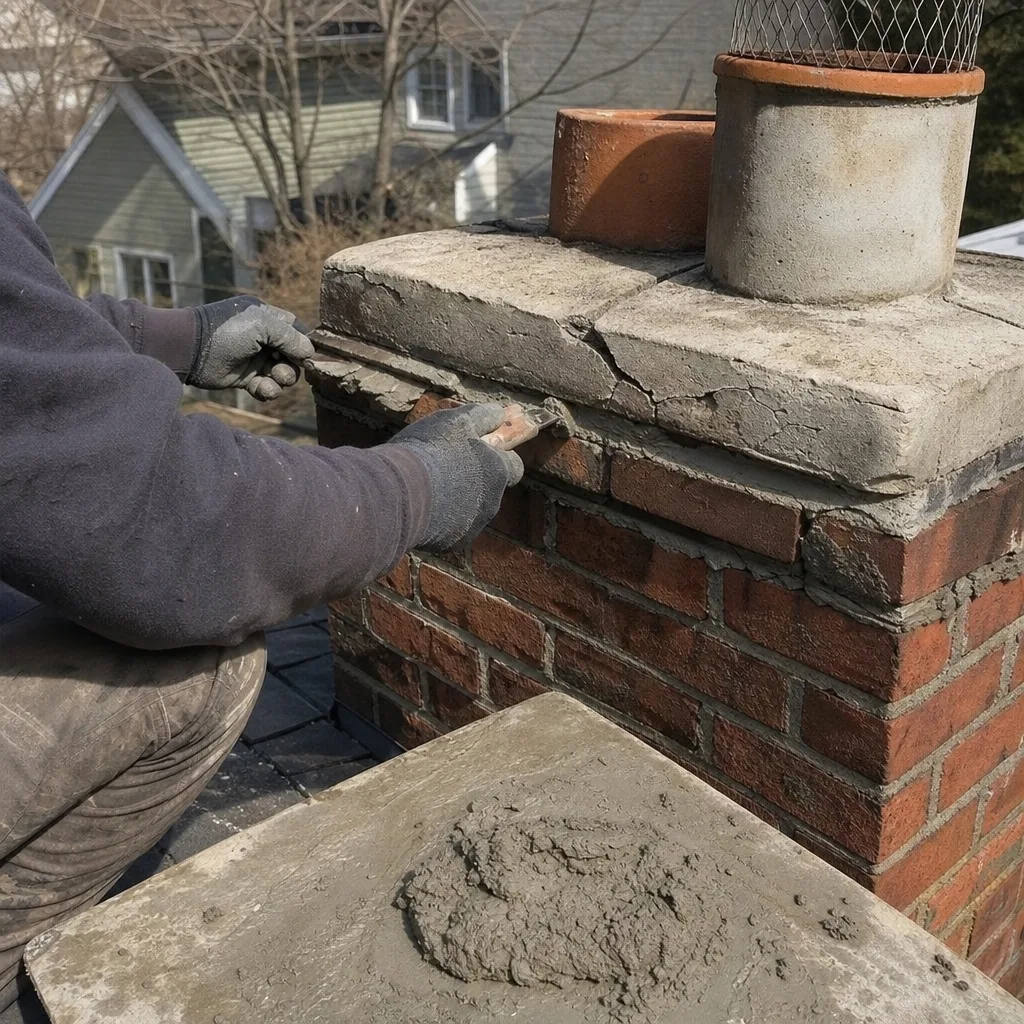
The contract is where documentation practice meets enforcement. Here’s what to look for, clause by clause.
Clauses that protect you
- Written scope of work: The contract references the written estimate and incorporates it. Not “as discussed.” The line items attach.
- Change order procedure: The contract states that any additional work requires a written change order signed by you before the work proceeds. No verbal additions. No “we found it while we were up there” surprises.
- Warranty terms in writing: The warranty is a clause in the contract, not a promise in conversation. It names duration, coverage, and remedy. Our 365-Day Done Right Promise is stamped on every job, and the contract says what that means: if it’s not done right, we make it right.
- Documentation deliverable: The contract states that you will receive a written report with photos. Not “we’ll tell you what we found.” A deliverable. Something you can hold.
Omissions that create disputes
- No definition of “inspection”: If the contract says inspection but doesn’t name the level or the method, you’re buying a concept. Ask for “NFPA 211 Level 2 with camera scan” in writing.
- No payment schedule: A contractor who wants 100% upfront is managing their cash flow on your deposit. Standard is a deposit with balance on completion, or payment in full only for small jobs. Get the schedule in writing.
- No lien waiver language: In Washington, contractors can file mechanics liens. A contract that doesn’t address lien waivers from subcontractors leaves you exposed. Ask for a partial lien waiver with every payment. This is standard in the industry and should not be a negotiation.
Common Mistakes to Avoid
- Hiring on price alone: The cheapest chimney sweep in Washington is often the most expensive by the time the “additional work” gets added. A $99 sweep that becomes a $1,200 liner recommendation you can’t verify is not a deal. It’s a sales call with a brush.
- Assuming certification means documentation: CSIA certification tests knowledge. It does not require the contractor to hand you a written report with photos. Ask for a sample report, not a certificate.
- Skipping the Level 2 scan because the sweep says it’s not needed: If you bought your Washington home in the last decade and have no record of the chimney’s service history, NFPA 211 Level 2 is the correct inspection level. It’s also what most home insurance companies will ask for after a claim. “It looks fine from here” is not a defensible position when the liner fails.
- Accepting a verbal warranty: A spoken “we stand behind our work” is worth exactly what it costs. Get the warranty clause in the contract, in writing, before you sign.
- Not verifying insurance for chimney work specifically: General liability policies exclude risks. Confirm the certificate of insurance names chimney services as a covered operation.
- Booking the first company that answers the phone: Washington has dozens of Chimney Repair in Washington contractors. The one who answers fastest is not necessarily the one who documents best. Call three. Ask the four questions. Compare the written documents, not the phone manner.
When to Call a Professional
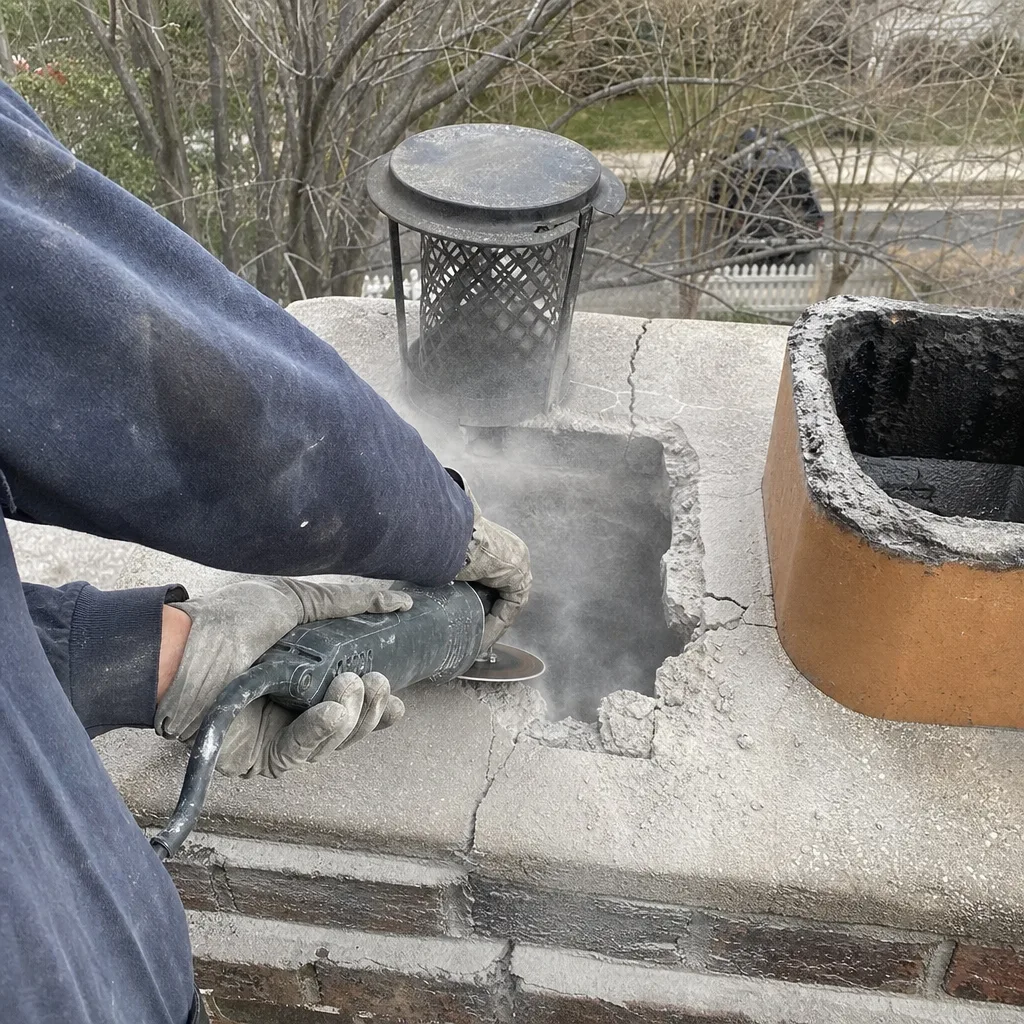
Call a professional when any of these are true: You have no record of the chimney’s last service. You smell smoke in the house after the fire is out. You see white staining or spalling on the exterior brick, which signals moisture intrusion. You hear animals in the flue. You’re buying or selling a Washington home and the inspection flagged the fireplace. Or you simply haven’t had the flue camera-scanned in the last five years. Chimney fires burn hot and fast, and the conditions that cause them are nearly always invisible from the ground. Level Two Chimney Washington offers free estimates in Washington. Call (240) 621-1264 and we’ll walk you through what a documented inspection looks like before you book anything.
Frequently Asked Questions
Chimney sweeping in Washington DC typically costs $180-$340 for a standard sweep with a Level 1 inspection; see our Chimney Cleaning Cost Breakdown for Washington homeowners for full 2026 pricing details. A Level 2 camera inspection, which we include on every visit, adds detail most companies charge extra for. Avoid the $99 door hanger specials. The price gets made up in “additional work” you have no way to verify. Call (240) 621-1264 and we’ll give you a written estimate before you decide anything.
The National Fire Protection Association says chimneys should be inspected annually and cleaned when creosote reaches 1/8 inch of accumulation. In Washington, where older homes with smaller flues burn wood more aggressively, we typically recommend annual cleaning for wood-burning fireplaces and every two to three years for gas. Your photo record from the previous visit will tell you exactly where you stand.
A Level 2 inspection is an NFPA 211 standard that includes everything in Level 1 plus a camera scan of the flue interior, the smoke chamber, and the damper. You need Level 2 when you buy a home, after a chimney fire, after an earthquake or severe storm, or when you make any change to the system. It’s the only way to see a cracked terra cotta liner or a failing smoke chamber before they become a Fireplace Services in Washington emergency. We include a Level 2 camera scan with every visit, and have done so since 2009.
Cracked or spalling bricks on the exterior, a rusted damper that won’t open, white staining around the crown, smoke backing up into the room, or a firebox that fills with water after rain all signal a repair issue. Most of these show up on a camera scan before they show up as visible damage. In Washington, where freeze-thaw cycles punish masonry all winter, small crown cracks turn into big liner problems within a season or two.
Ask for the certificate of insurance, confirm the policy type names chimney services as a covered operation, then call the agent on the certificate to verify it’s active. The whole process takes five minutes. Any contractor who objects is telling you something about how they handle risk. Don’t book them.
A legitimate report includes the flue liner material and condition, creosote classification by stage, crown condition, smoke chamber assessment, damper function, and photo references tied to each finding. It also includes a written price for any recommended work, with scope and warranty in writing. A report that says “chimney in good condition” with no supporting detail is not a report. It’s a sentence. Ask for the document before you pay.
The Bottom Line
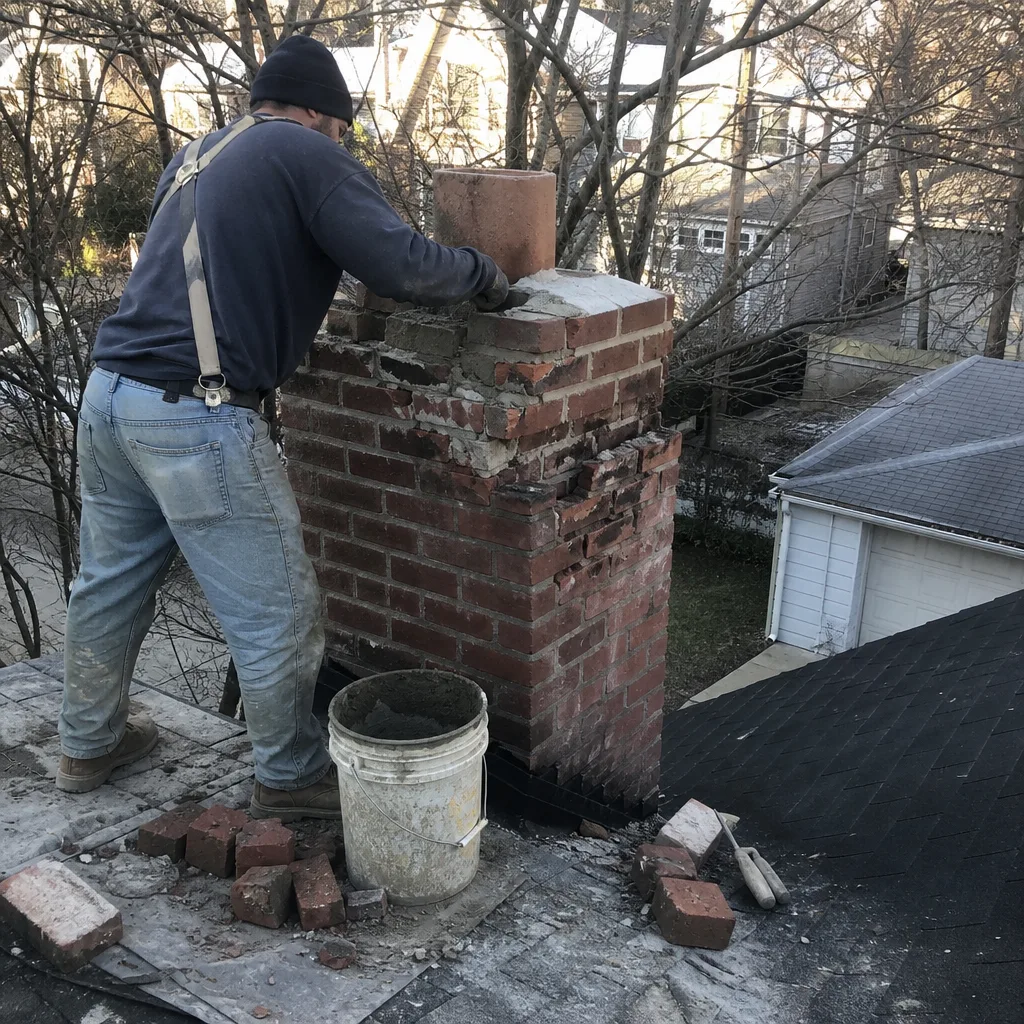
The difference between a chimney cleaning contractor who documents and one who doesn’t is the difference between a service you can verify and a bill you can’t. Ask for a sample written report. Require a written price and scope before work starts. Confirm the camera comes out of the truck, not just the brush. Get the warranty in writing. Verify the insurance covers chimney work, not just general contracting. These four questions, asked in advance, eliminate most of the risk in hiring. And in Washington, where a chimney fire can move through a rowhouse block faster than the fire department can arrive, that risk is not theoretical. Ask for the documentation. If they can’t produce it, call someone who can. Level Two Chimney Washington has documented every job since 2009. Call (240) 621-1264 and see what a real report looks like before you sign anything.
Written by Corrine Halstead, Owner at Level Two Chimney Washington, serving Washington since 2009.