
Last updated September 20, 2026
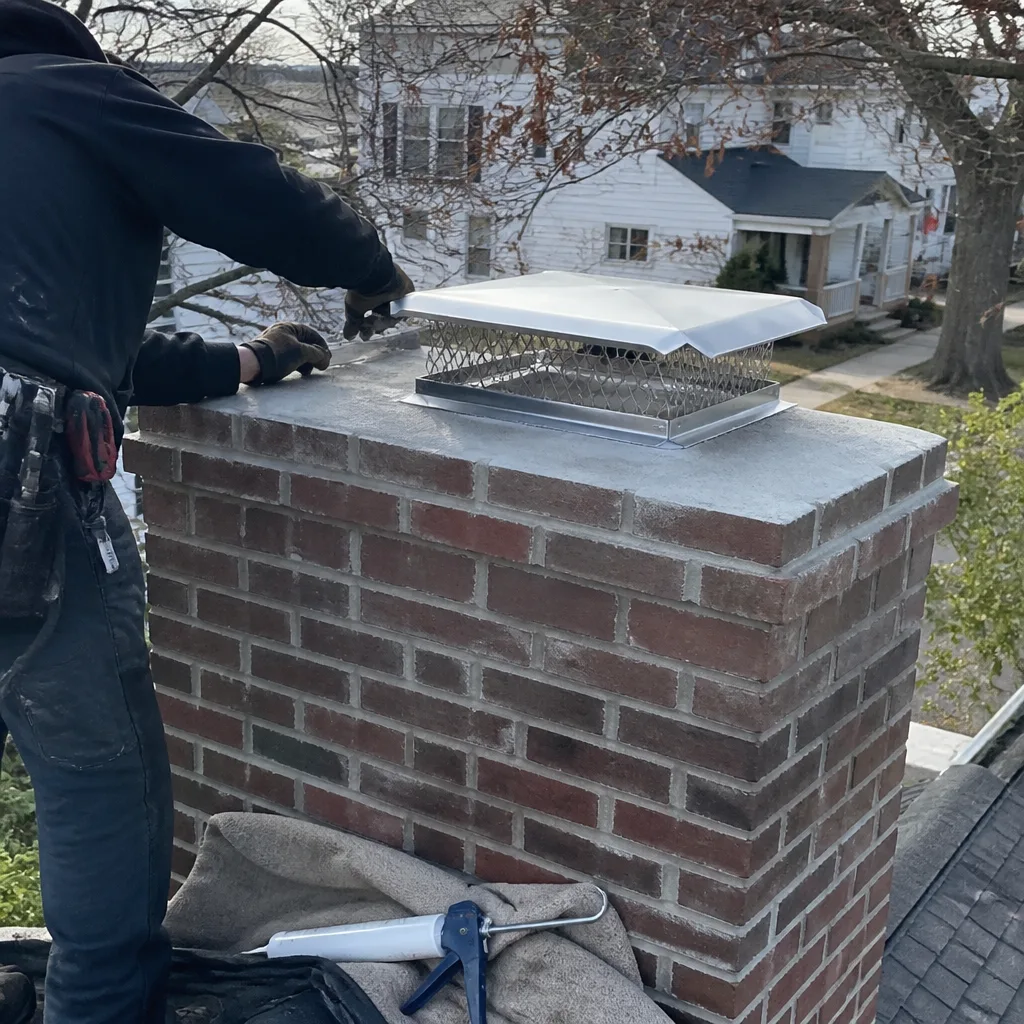
Level 1 sweep and inspection to the NFPA 211 annual standard - flue, crown, cap, and flashing checked and photographed
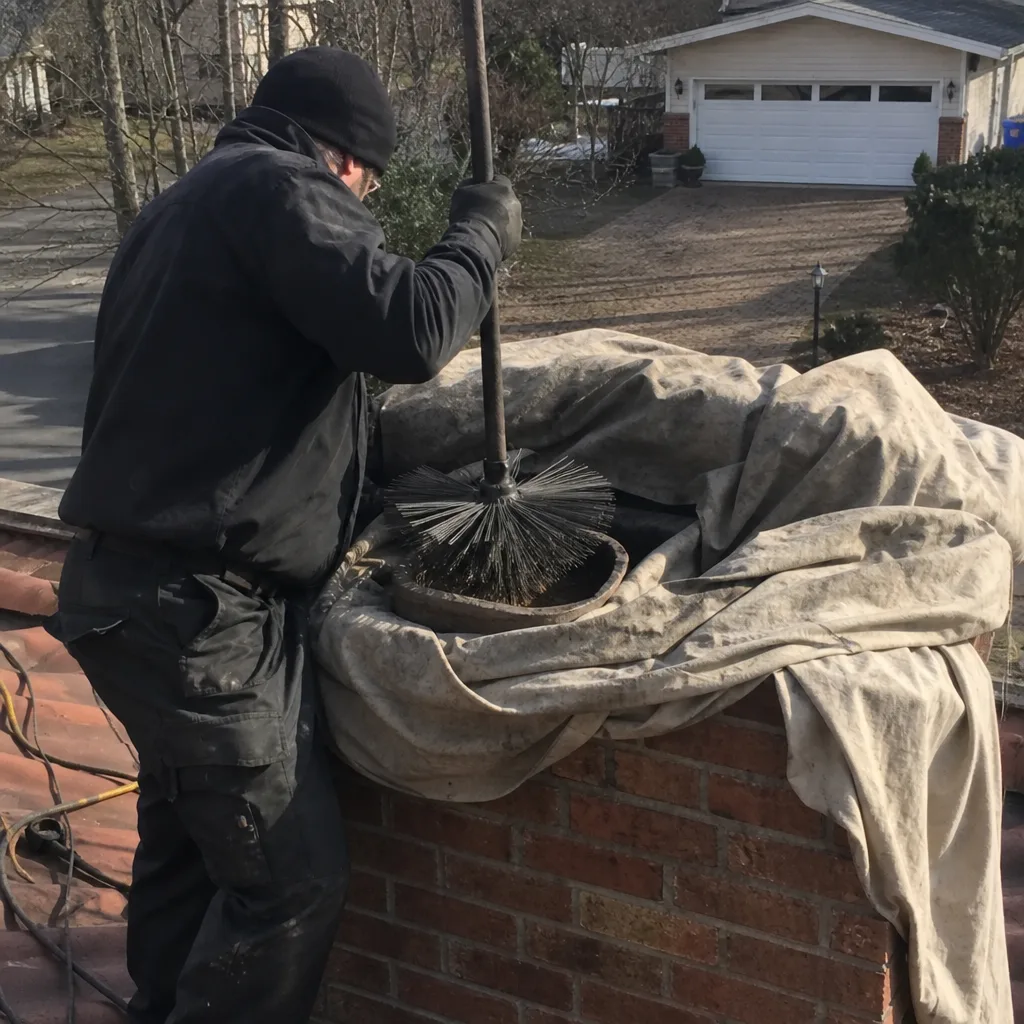
Chimney sweep logs do not sweep chimneys. They loosen some creosote - which then falls where a brush and vacuum still have to collect it.
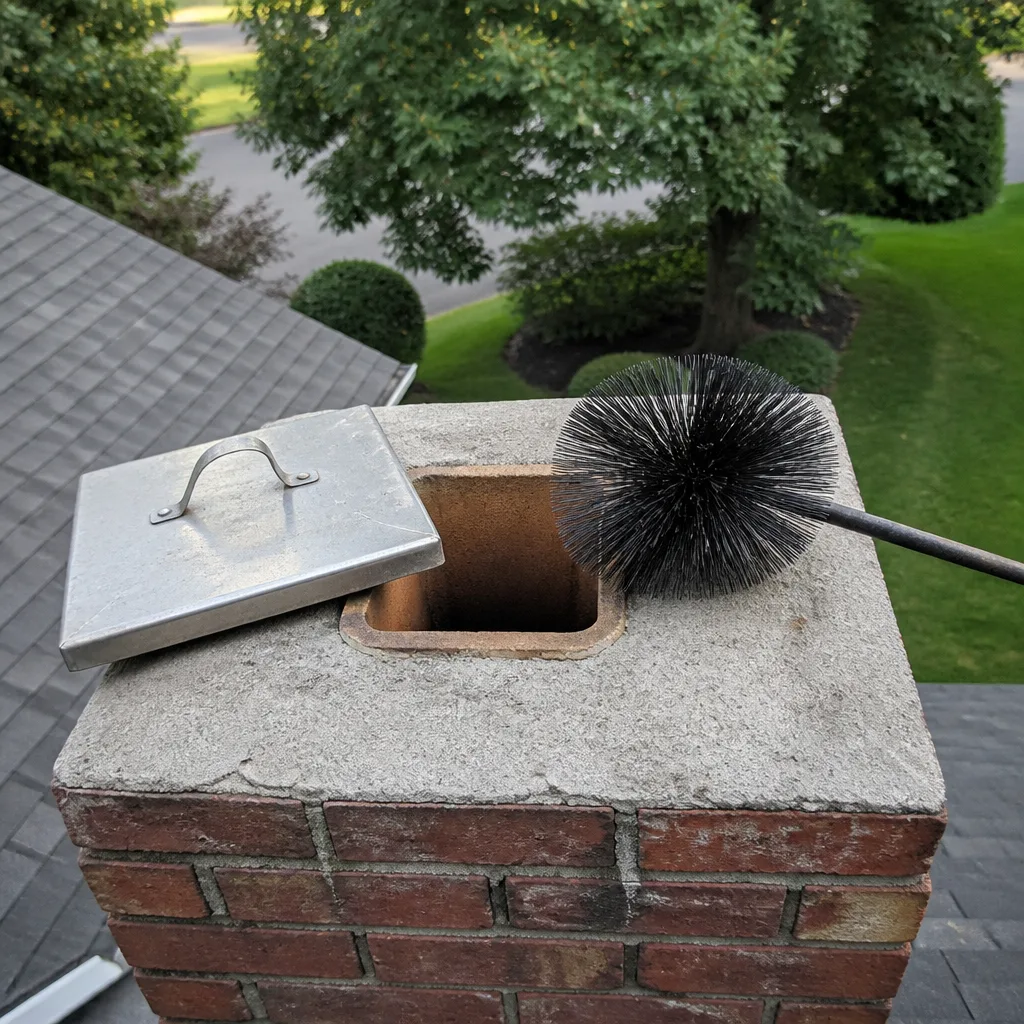
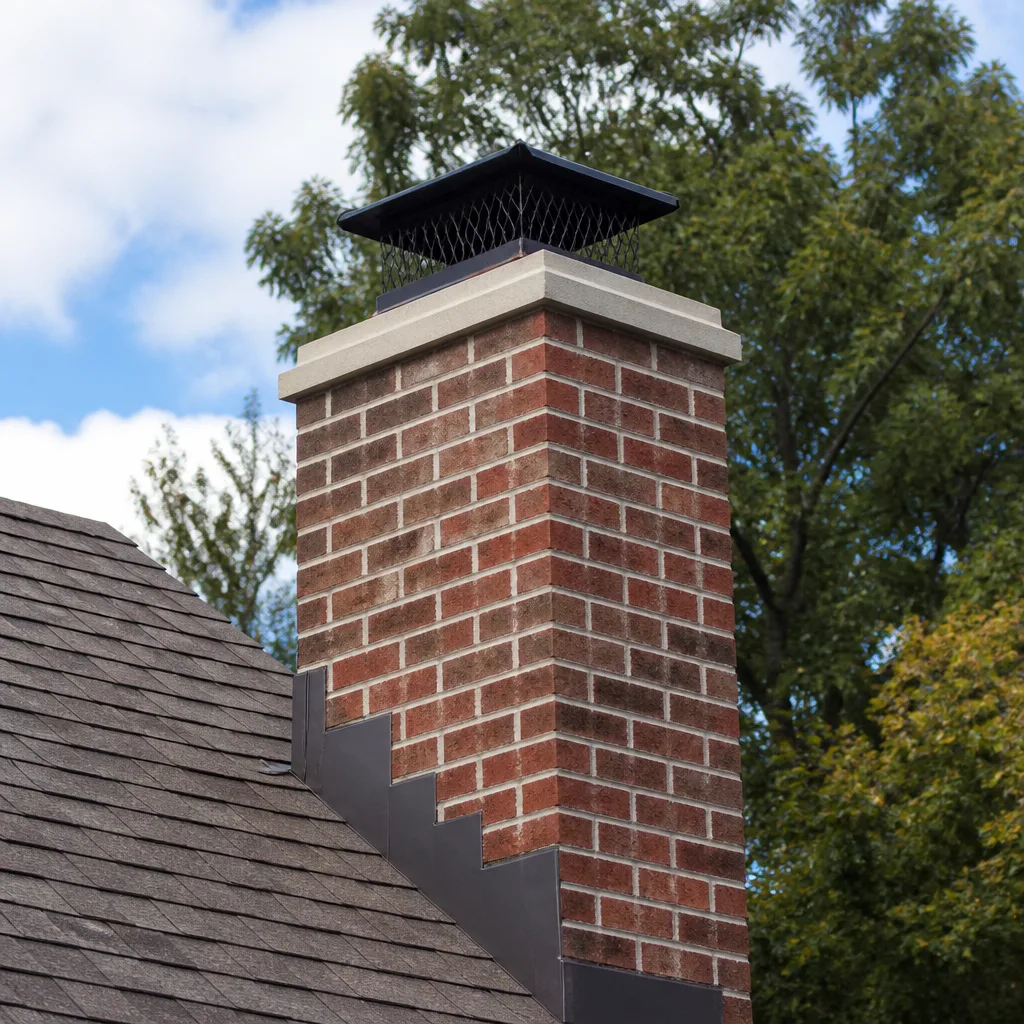
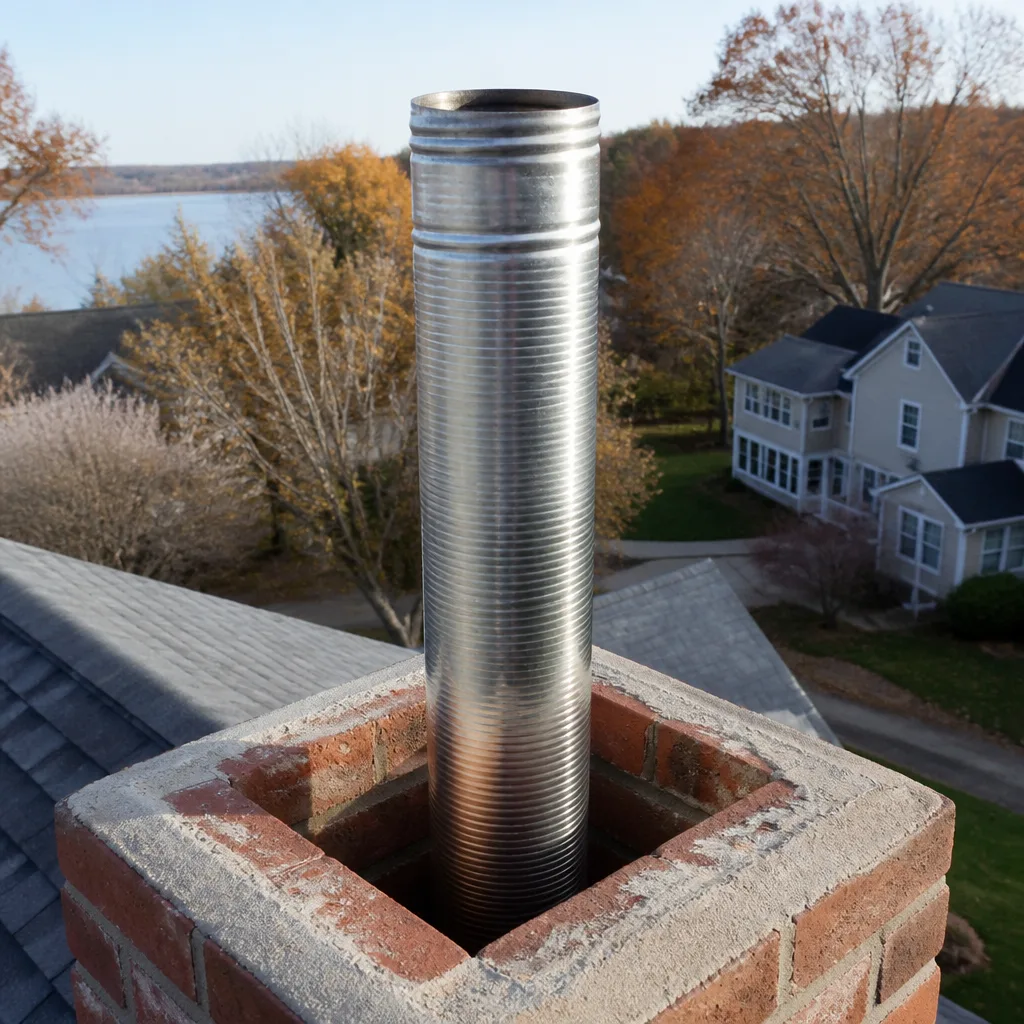
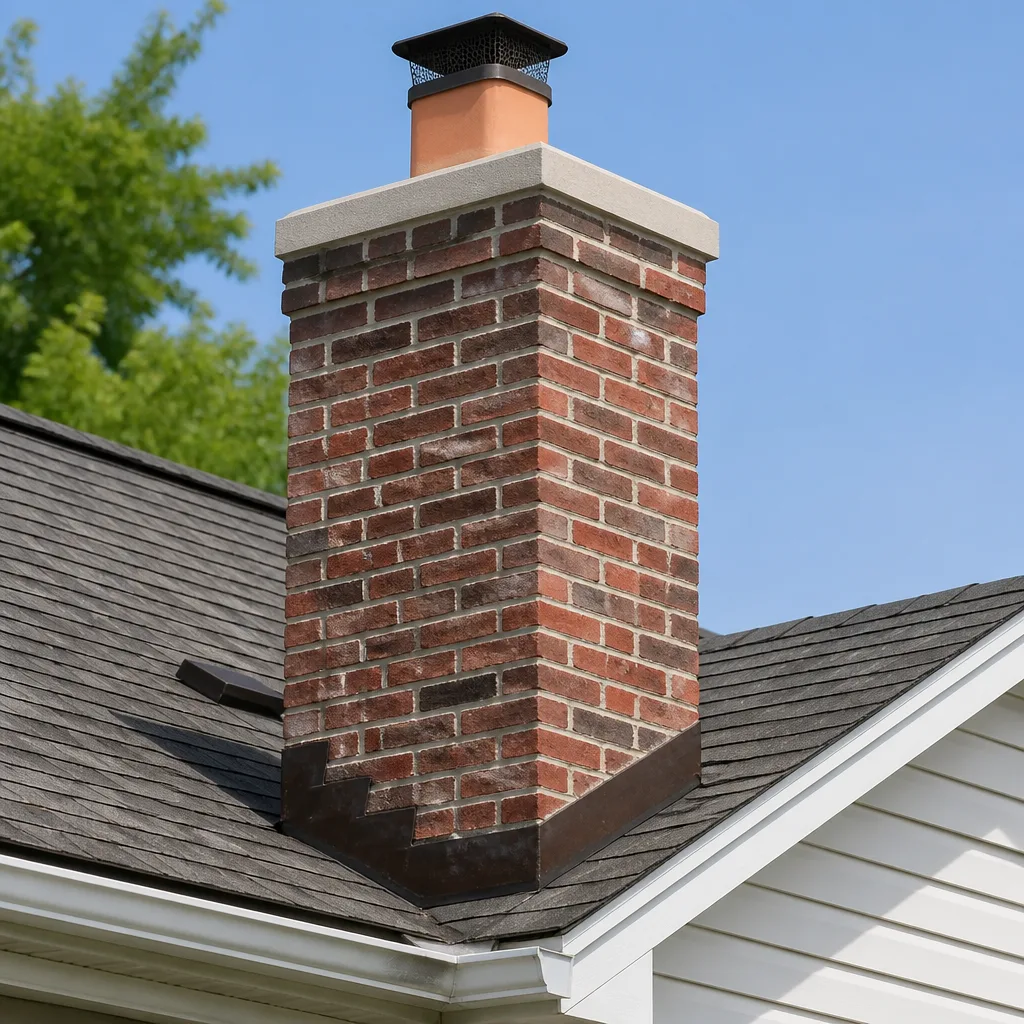
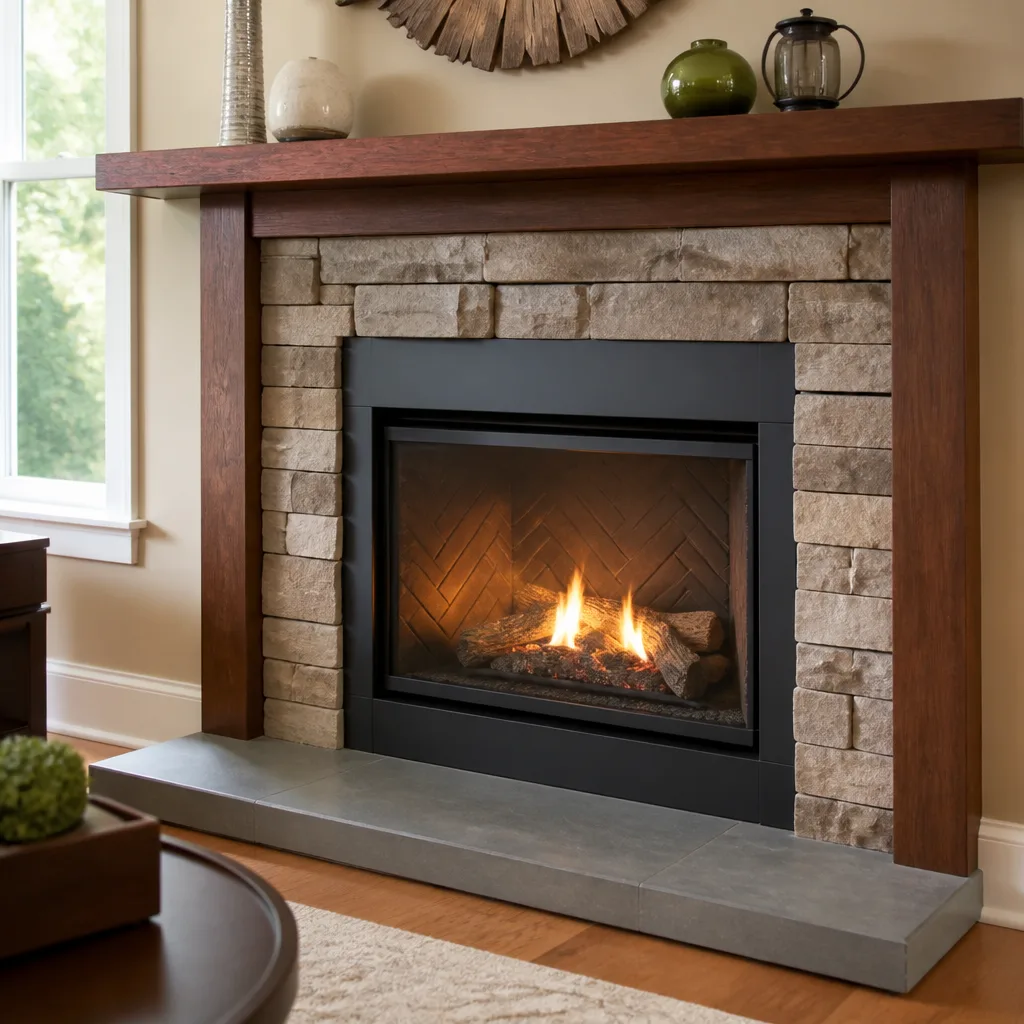
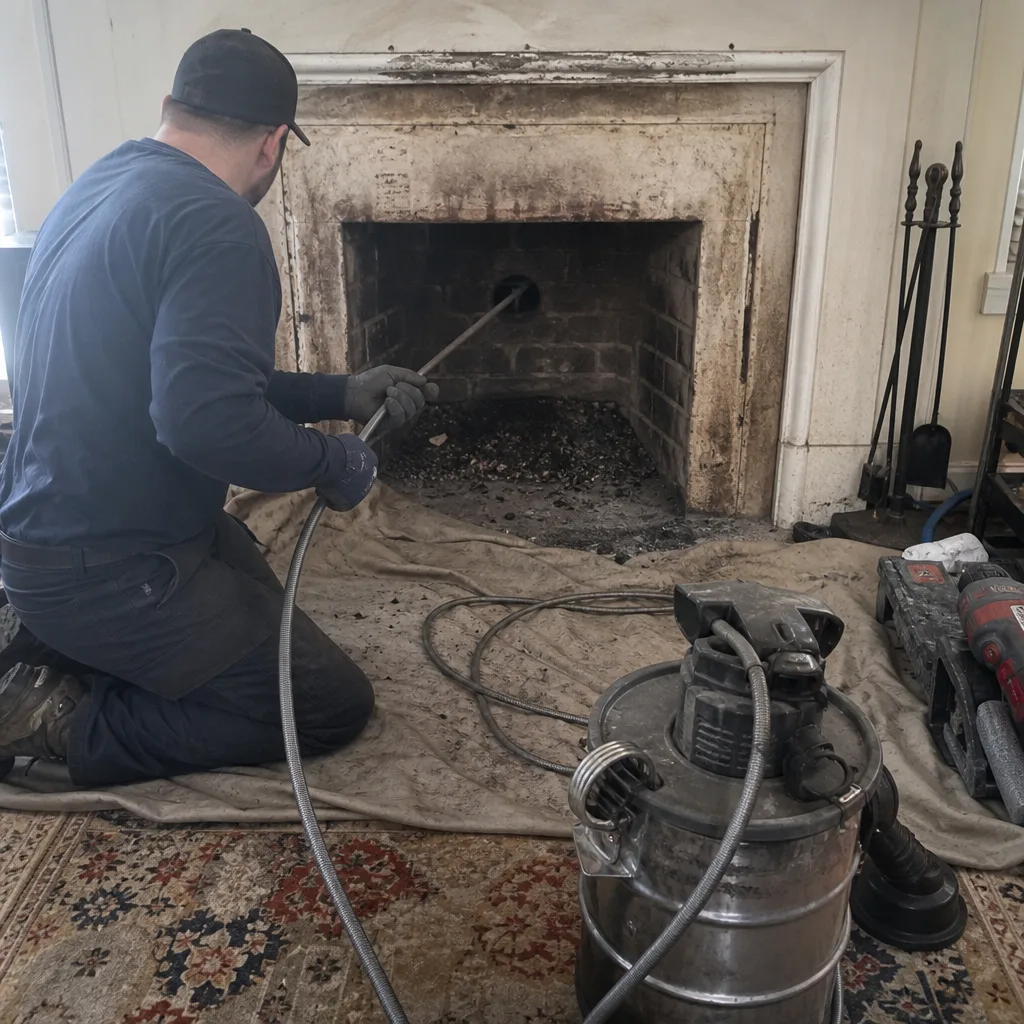 Before
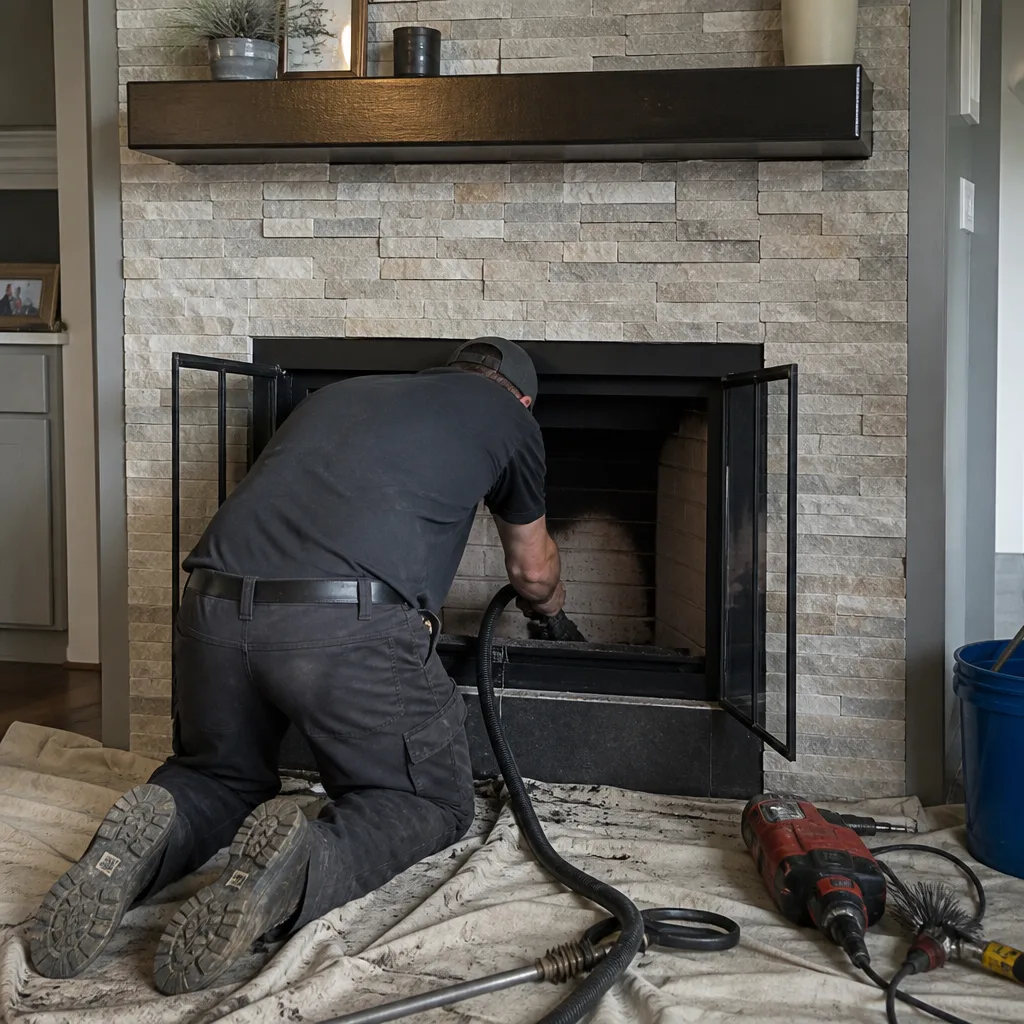 After
After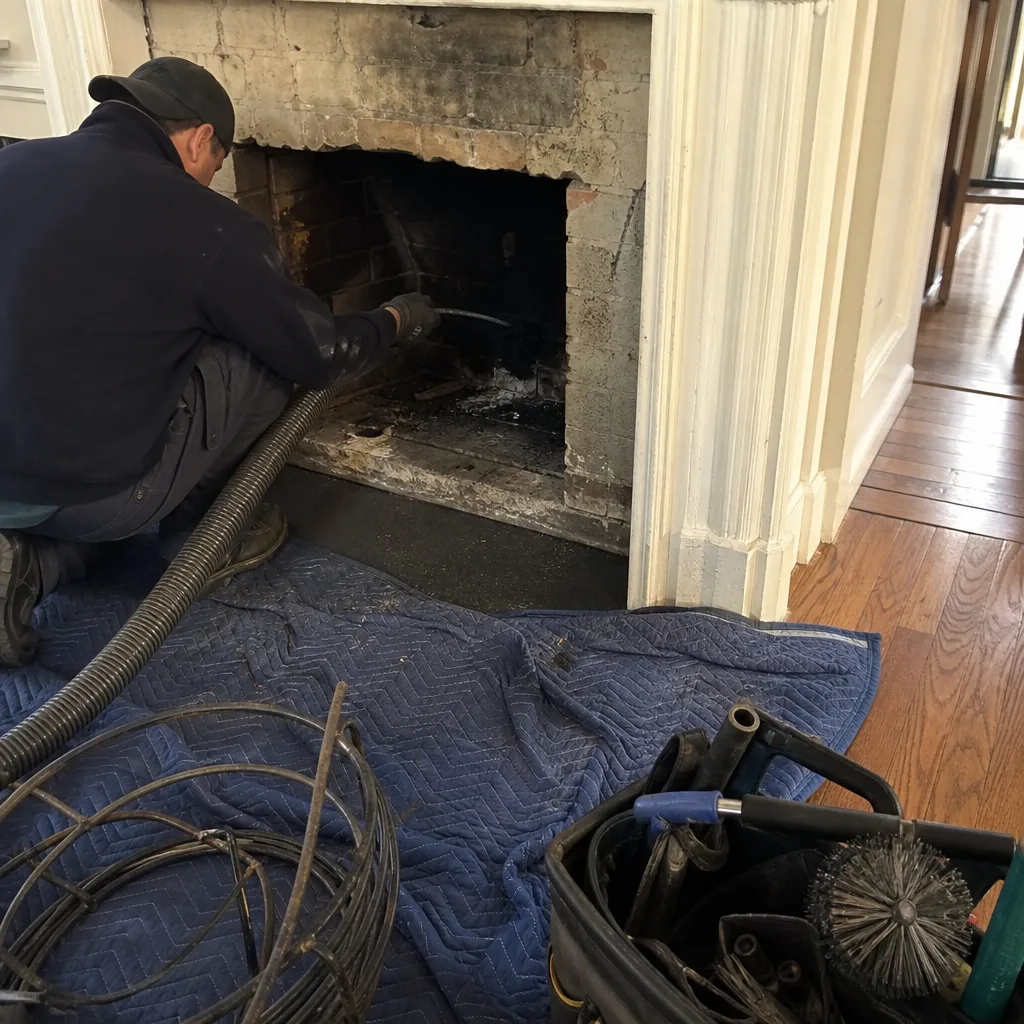 Before
 After
After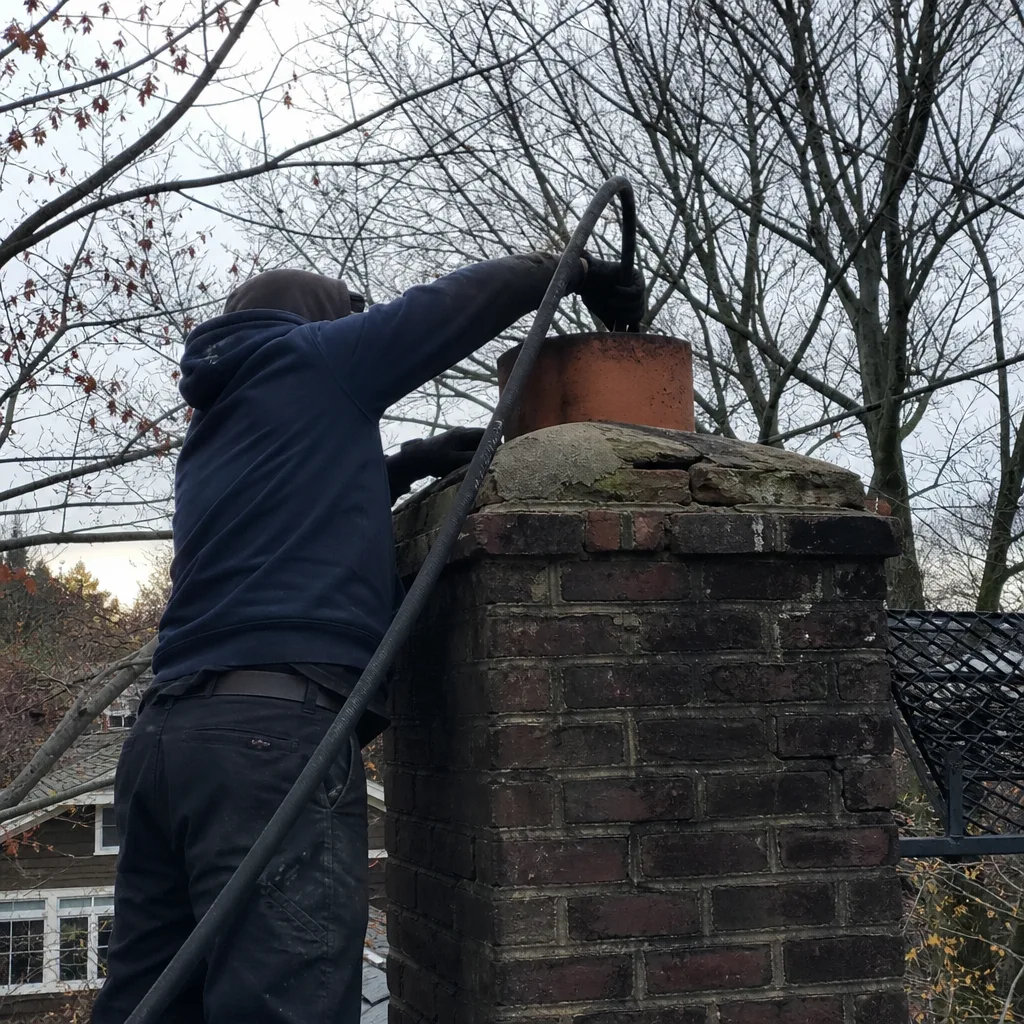 Before
 After
AfterChimney Cleaning Permits, Codes & Inspections in DC: What You Need to Know
A chimney company that relays your cracked flue liner without pulling a permit isn’t just cutting corners. In Washington, DC, unpermitted structural chimney work can void a homeowner’s insurance claim after a fire, stall a title search when you sell, and leave you legally exposed if the repair fails. Most homeowners walk into this blind because the line between ‘routine maintenance’ and ‘code-triggering alteration’ is drawn in a place that surprises even some contractors. This guide walks the full path: what DC actually requires, which agencies enforce what, what inspections cost, what documentation you’re entitled to walk away with, and where the pitfalls sit. We’re writing this from a Washington chimney company’s perspective, because we’ve pulled thousands of permits and sat through hundreds of DCRA and HPO reviews since 2009.
Quick Answer
A basic chimney sweep in Washington, DC does not require a permit. But if the sweep uncovers a cracked liner, deteriorated crown, or firebox damage that requires replacement or structural repair, DC’s building code classifies that as an alteration, and a DCRA permit is required before work starts. In historic districts like Capitol Hill, Georgetown, or LeDroit Park, visible exterior chimney work adds a Historic Preservation Office (HPO) review layer on top of the building permit.
Table of Contents
- Where DC Draws the Line: Maintenance vs. Alteration
- The DCRA Permit Process for Chimney Work
- DC Fire Code vs. Building Code: Two Authorities, One Chimney
- Historic District Rules: Capitol Hill, Georgetown, LeDroit Park
- What Your Insurance Policy Actually Requires
- Inspection Levels Explained: Level 1, Level 2, Level 3
- What Permits and Inspections Cost in Washington
- Common Mistakes to Avoid
- When to Call a Professional
- Frequently Asked Questions
- The Bottom Line
BeforeAfterWhere DC Draws the Line: Maintenance vs. Alteration
Washington’s building code, which adopts the International Residential Code (IRC) with local amendments, separates chimney work into two categories. Maintenance is defined as work that restores a component to its originally approved condition without changing its structure, materials, or dimensions. Alteration is any work that replaces, reconfigures, or structurally modifies a component.
The distinction matters because it determines whether you need a permit, and the line is not where most people assume. Here’s how it breaks down in practice across Washington’s housing stock, from 1920s Wardman rowhouses in Petworth to 1980s colonials west of Rock Creek Park:
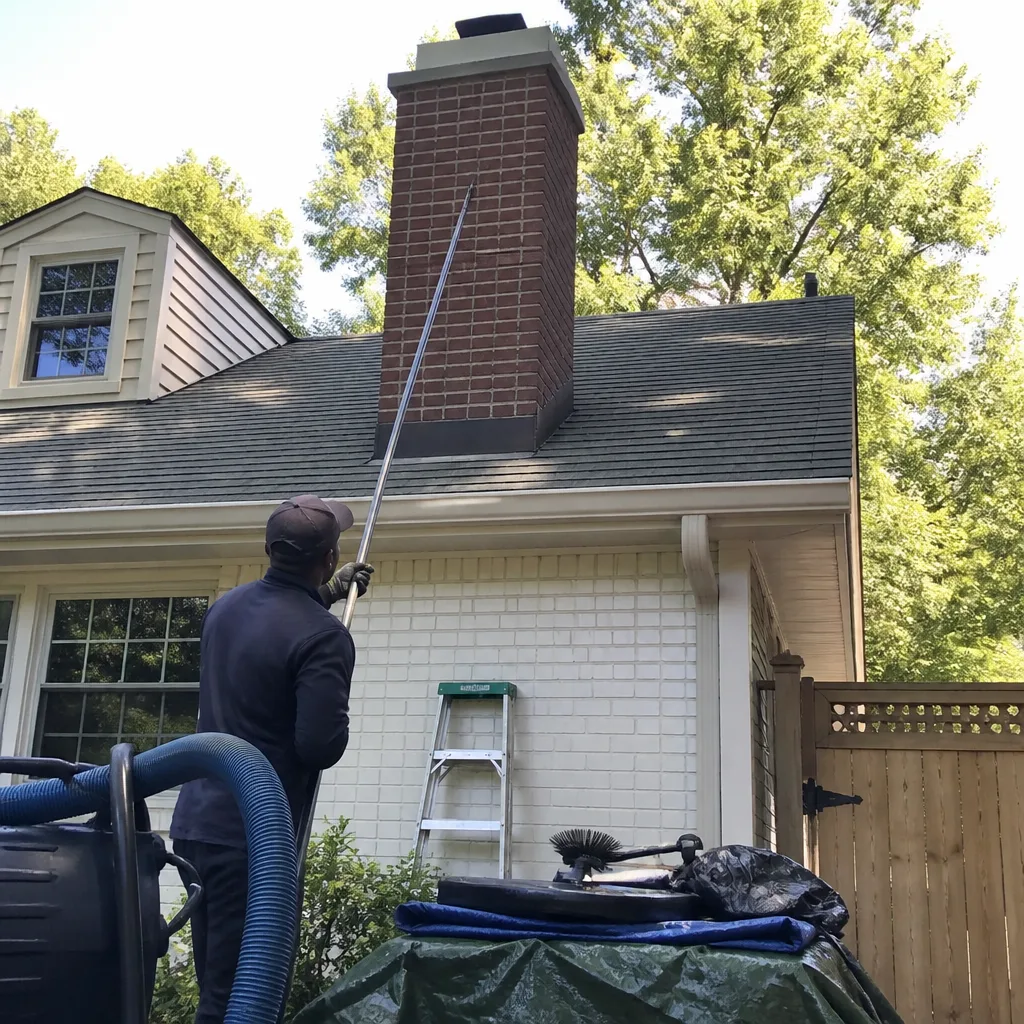
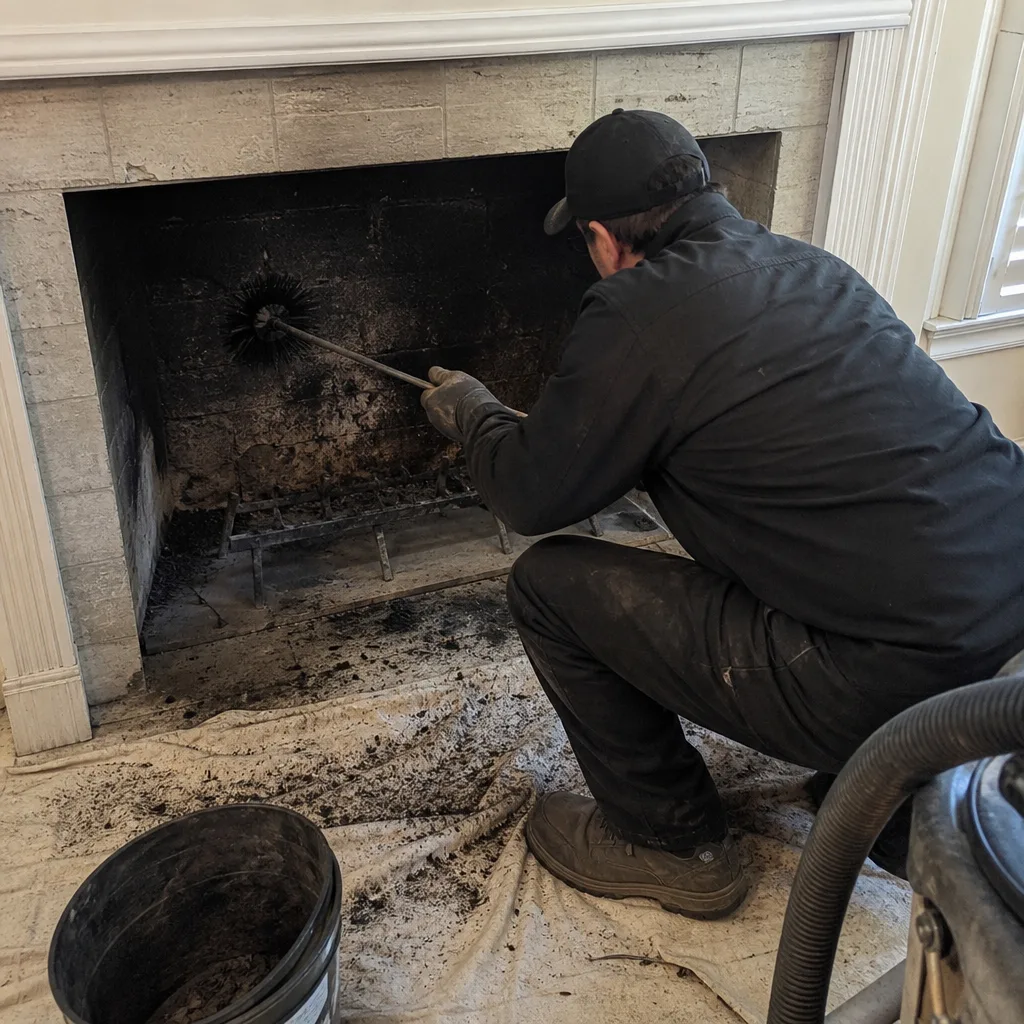
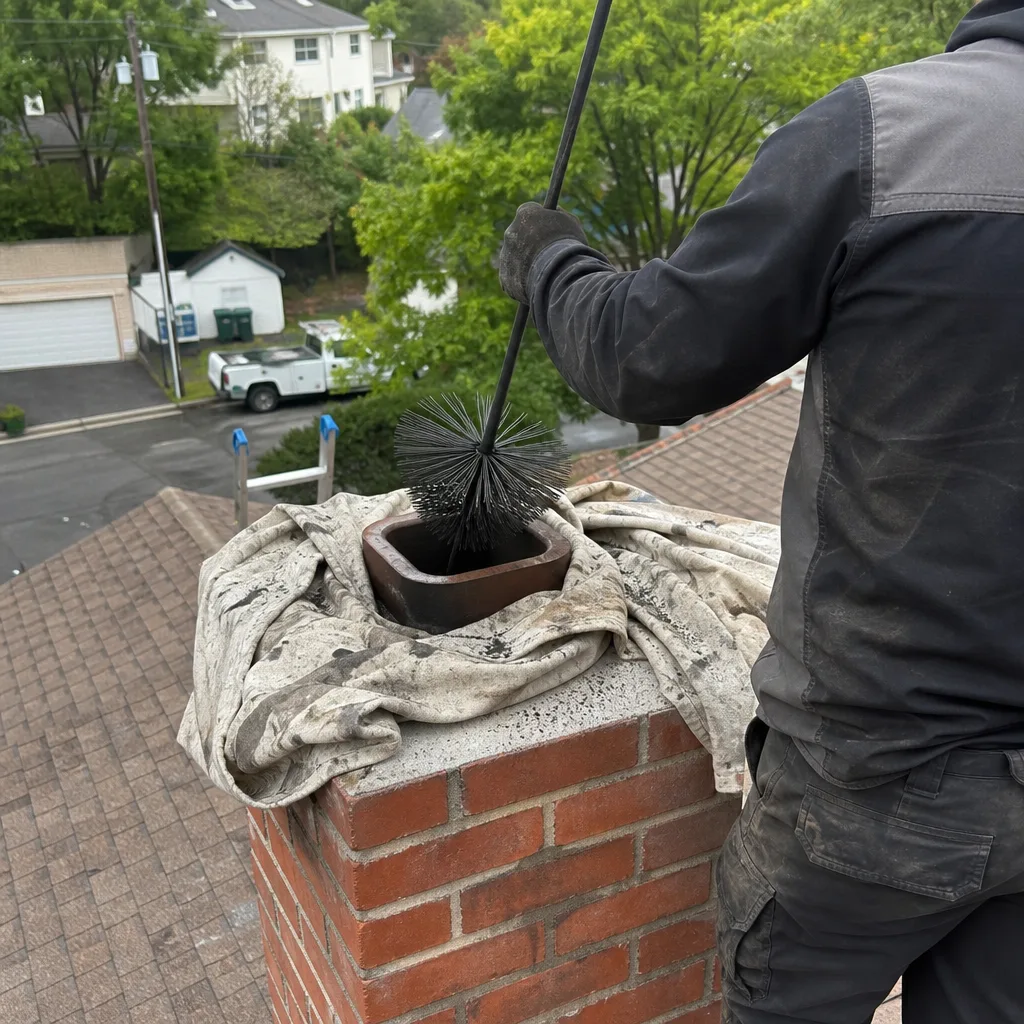
- Chimney sweep (no permit): Brushing soot and creosote from the flue, vacuuming the smoke chamber, and removing debris from the firebox. This is maintenance. No permit needed, regardless of how thorough the job is.
- Chimney cap replacement (no permit): Swapping a damaged cap for a new one of the same type and mounting. This is a component replacement, not an alteration.
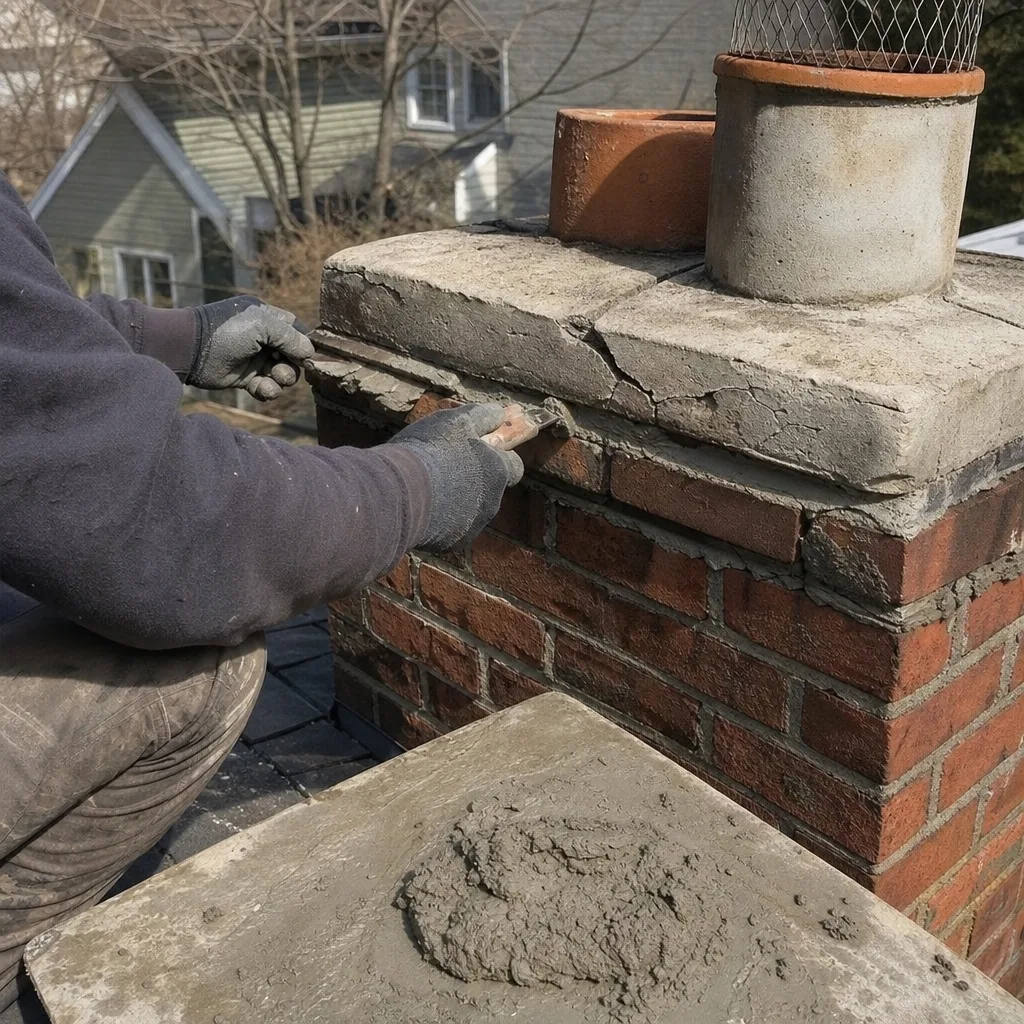
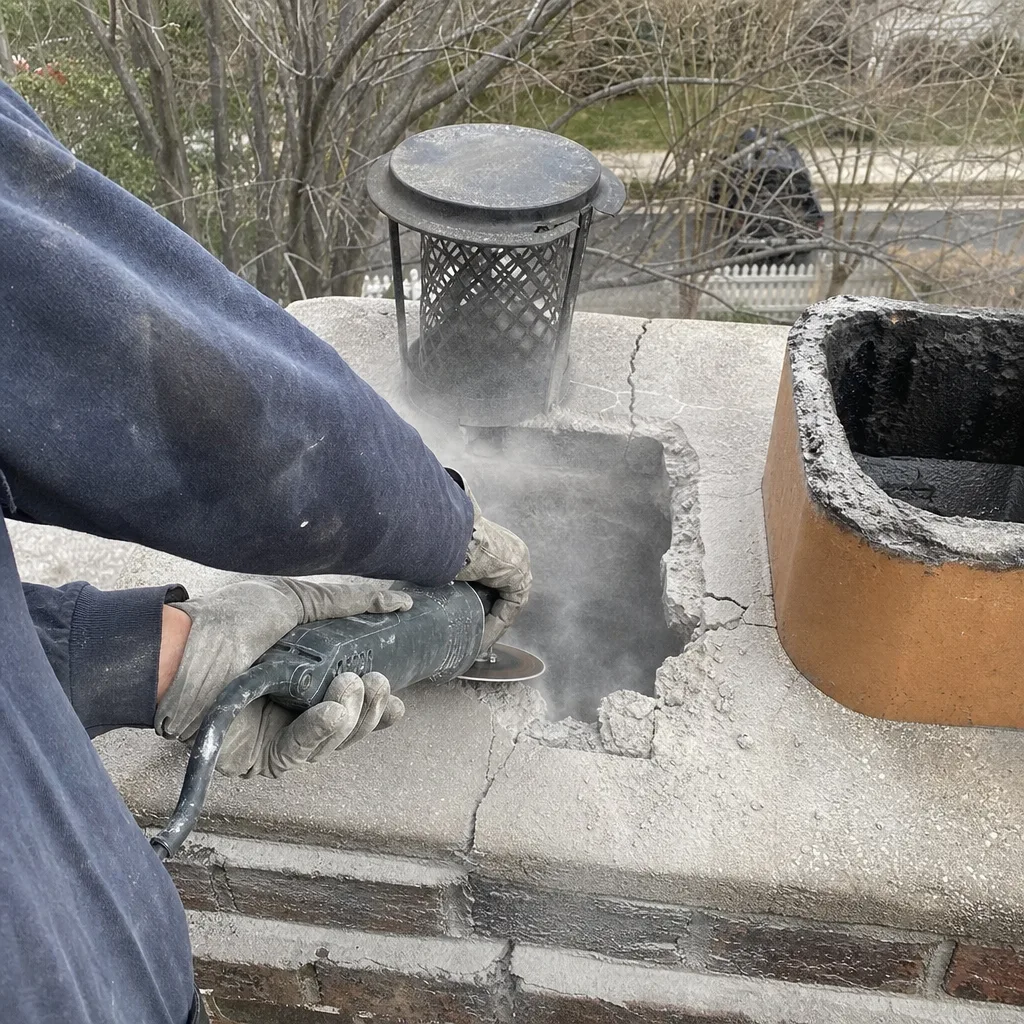
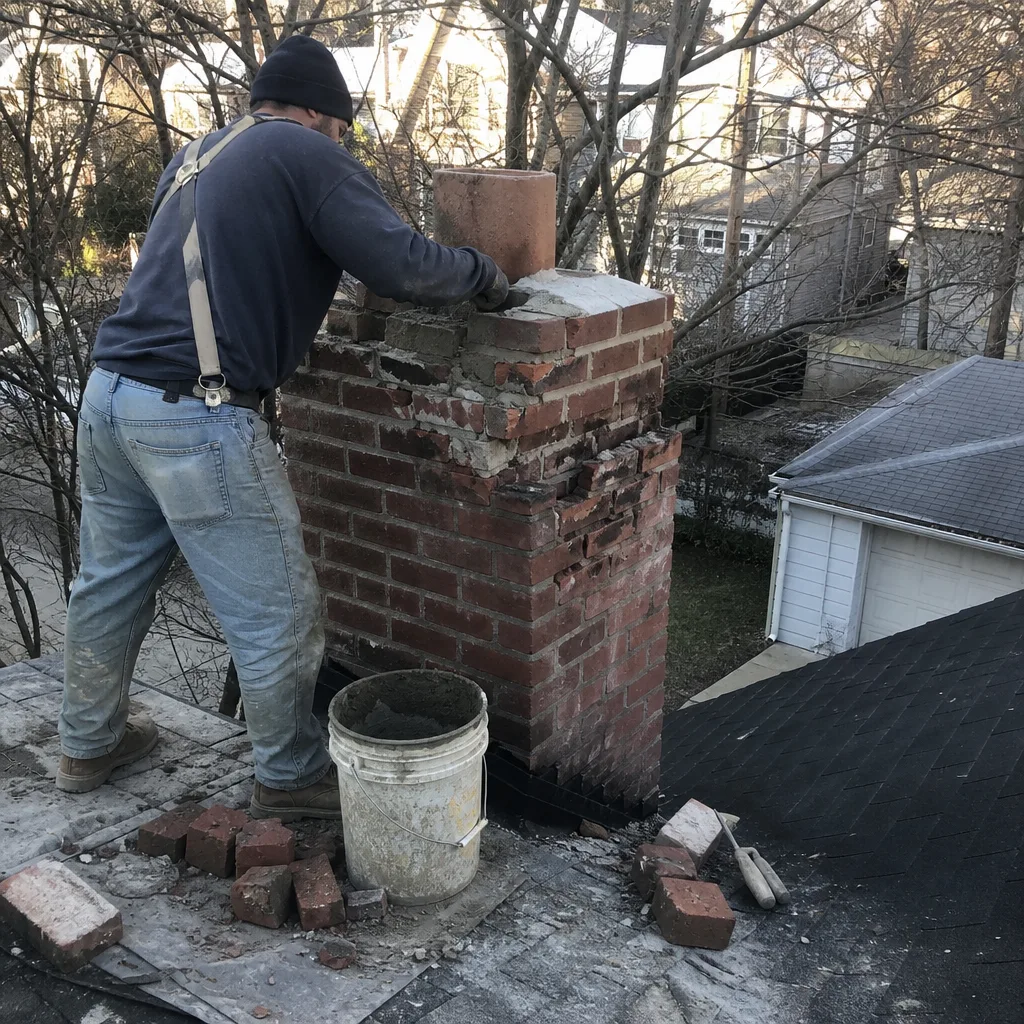
- Chimney crown repair (depends): Patching minor cracks with an elastomeric sealant is maintenance. Tearing out and recasting the entire crown with a new form is an alteration, because you’re changing the component’s structure. In Washington, this pulls a permit when the crown is structural, which it almost always is on a flue serving a working fireplace or furnace.
- Flue liner repair or relining (permit required): Installing a stainless steel liner from Olympia Chimney or a cast-in-place system like HeatShield is an alteration. The old liner is being replaced with different materials and possibly a different diameter. This requires a DCRA permit, period. We’ve never seen a reline in Washington that didn’t need one.
- Firebox rebuild (permit required): Rebuilding refractory firebrick panels or the firebox floor changes the combustion chamber’s dimensions and thermal mass. DCRA treats this as an alteration, and the inspector will want to see firebrick rated for the application and proper clearances.
- Damper replacement (depends): Swapping a throat damper for an identical unit is maintenance. Replacing it with a top-sealing damper or altering the throat opening to accommodate a different size is an alteration.
The rule of thumb we tell every Washington homeowner: if the work changes what the chimney is made of, how it’s shaped, or how it performs structurally, assume you need a permit. If you’re only cleaning what’s already there, you don’t. But here’s the catch that catches people: a simple sweep often reveals the need for alteration work, and that’s when the clock starts on compliance.
The DCRA Permit Process for Chimney Work
The Department of Consumer and Regulatory Affairs (DCRA) issues building permits in Washington, DC. For a chimney alteration like a liner replacement or firebox rebuild, the process works like this:
- Determine permit type: Most residential chimney alterations fall under a standard building permit (often called a “shell permit” in DCRA’s system for single-family homes). A licensed District of Columbia contractor typically pulls the permit, though a homeowner can pull their own if they’ll occupy the home and do the work themselves.
- Submit the application: This happens through DCRA’s online portal. The application includes the scope of work, the address, and the contractor’s license number. For liner work, you’ll typically submit a manufacturer’s spec sheet for the liner system being installed.
- Pay the fee: Building permit fees in DC are based on the project’s declared value. For a typical chimney liner replacement in Washington, the permit fee runs between $100 and $300, depending on the scope. A full firebox rebuild with masonry work might push $400 to $600.
- Schedule the inspection: Once the permit is issued and the work is done, the contractor calls for a DCRA inspection. The inspector verifies that the work matches the approved scope, that clearances to combustibles meet code, and that the liner is properly connected and sized for the appliance it serves.
- Close the permit: The inspector signs off, and the permit is closed in DCRA’s system. This is the record that matters. An open, unclosed permit shows up in a title search and can hold up a closing.
Timeline in the real world: for a straight liner replacement in Washington, we’ve seen permits issued in as little as 48 hours when the application is clean and the contractor’s license is current. During DCRA’s busy summer construction months, the wait stretches to two or three weeks. The inspection itself usually gets scheduled within a week of the call.
What DCRA inspectors actually check on a chimney alteration: the liner’s material and UL listing, the connection at the appliance, the termination height above the roof, the crown’s condition where the liner passes through, and clearance from combustible framing in the attic. They are not there to assess the quality of your sweep, and they won’t remind you that you also need a separate inspection from a certified chimney professional. That falls on you.
DC Fire Code vs. Building Code: Two Authorities, One Chimney
Washington has two separate agencies with overlapping authority over your chimney, and they enforce two different codes. This is one of the most misunderstood aspects of chimney compliance in the District, and it creates real consequences when homeowners assume one agency covers everything.
DCRA enforces the building code. That’s the International Residential Code chapter on chimneys and fireplaces, which covers construction standards, clearances, materials, and structural integrity. DCRA’s concern is whether the chimney was built and altered correctly.
DCFEMS (DC Fire and Emergency Medical Services) enforces the fire code. That’s the International Fire Code as adopted in Washington, which covers operational hazards: creosote accumulation, spark arrestors, clearances around the fireplace, and whether the system presents a fire risk in use.
Here’s what that means in practical terms in Washington:
- A chimney fire caused by heavy creosote buildup is a fire code matter. DCFEMS responds, investigates, and may issue a notice requiring a certified sweep and repair before the fireplace is used again.
- A cracked flue liner is a building code matter. DCRA’s jurisdiction covers the physical defect; DCFEMS’s jurisdiction covers the hazard the defect creates when the fireplace burns.
- After a chimney fire, both agencies can get involved. DCFEMS may require documentation that the system has been cleaned and inspected. DCRA may require a permit for the repair work the inspection recommends.
- DCFEMS does not issue permits for chimney repairs. Neither does DCRA inspect for creosote during a routine building inspection. The two systems overlap on the chimney but do not substitute for each other.
The homeowner’s obligation is to satisfy both. A written Level 2 inspection report with photos typically satisfies the fire code’s documentation requirement after an incident. A closed DCRA permit satisfies the building code side. You need both records, and in Washington, we’ve seen insurance adjusters ask for both after a claim.
Historic District Rules: Capitol Hill, Georgetown, LeDroit Park
If your Washington home sits in one of the city’s 30-plus historic districts, chimney work that touches the exterior adds a third layer of regulatory review. The Historic Preservation Office (HPO), part of the DC Office of Planning, must approve exterior alterations before DCRA will issue a permit for work that’s visible from the street.
This applies to:
- Chimney cap replacement if the cap is visible from the public right-of-way and the new cap differs in material or profile from the original. In Georgetown, where copper caps are common on 19th-century Federal rowhouses, a stainless steel replacement can trigger HPO review unless you match the original material.
- Crown reconstruction when the crown’s profile or material changes. HPO generally approves recast concrete crowns that match the original profile without much friction, but a modern high-bond mortar mix may require specification review.
- Exterior brick repointing or rebuilding above the roofline. HPO cares about mortar color, joint profile, and brick match. In Capitol Hill’s Victorian rows, an HPO staffer reviewing a repointing application will look at sample panels before issuing approval.
- Chimney removal or height changes of any kind. This is a major alteration under HPO’s standards and requires a full review with public comment in many cases.
The process: you or your contractor files a concept review with HPO, either through the online portal or as part of a consolidated DCRA review. HPO staff typically respond within 30 days for minor work. Then the DCRA permit proceeds as normal with HPO’s signoff attached.
The cost: HPO concept review is free. A full historic preservation review for major work runs $250 to $500. The time cost is what catches Washington homeowners off guard: a liner replacement that would take a week in Petworth can take six to eight weeks in Georgetown or Capitol Hill once HPO review is layered onto the process. Plan accordingly, and don’t schedule the work until every approval is in writing.
What Your Insurance Policy Actually Requires
Washington homeowners’ policies, whether through Erie, State Farm, USAA, or Travelers, contain language that most people never read until after a fire. The relevant provisions are typically buried in the “duties after loss” and “concealment or fraud” sections, and they create a documentation standard that a receipt for a $99 groupon sweep does not meet.
Here’s what insurers in the DC market actually ask for after a chimney-related claim:
- Proof of regular maintenance: A dated invoice showing a professional sweep within the past 12 to 24 months, depending on use frequency. The invoice should state what was done and the condition found.
- A written inspection report: Not a checklist signed at the door. Insurers want a Level 2 inspection report that includes photos, describes the flue liner’s condition, notes any defects found, and is signed by the technician.
- Code compliance documentation: If a prior repair required a permit, the insurer wants the closed DCRA permit on file. An unpermitted liner replacement that later fails can be the reason a claim is denied.
- Chain of documentation after a fire: DCFEMS incident number, the post-fire inspection report, the written repair scope, the permit, and the final inspection signoff.
The reason we’ve standardized on a camera-scan Level 2 inspection with a written report and photo archive since 2009 is that this documentation standard has only gotten tighter. Clause 4 of the Haven Standard requires a documented photo record on every job we do in Washington, and that record is what satisfies the adjuster’s first question: show us what the flue looked like before the fire.
If you’ve had chimney work done without a permit and then file a fire claim, the insurer’s adjuster doesn’t need to prove the unpermitted work caused the fire. In many Washington cases, the mere existence of unpermitted structural work on the system is enough to trigger a coverage examination that drags out for months or results in a partial denial. The title search problem is related: an unpermitted alteration that was never closed with DCRA becomes a cloud on the title that a buyer’s lender may flag at closing.
Inspection Levels Explained: Level 1, Level 2, Level 3
NFPA 211, the national standard for chimney systems, defines three levels of inspection. Washington’s code references this standard, and understanding the levels tells you exactly what you’re paying for when a company in DC quotes an inspection.
Level 1 inspection is a visual check of the accessible portions of the chimney, the connector pipe, and the appliance. The technician verifies that the flue is unobstructed, that creosote hasn’t built to a hazardous level, and that basic clearances are correct. This is the standard annual inspection when you’re using the same appliance in the same way as before. It often accompanies a routine sweep.
Level 2 inspection adds a camera scan of the flue’s interior, plus an inspection of the attic, crawl space, and roof areas that the chimney passes through. A Level 2 is required by NFPA 211 whenever a property changes hands, when the system has changed fuel type or appliance, after a chimney fire, after an earthquake or major weather event, and when a Level 1 reveals a problem that needs a closer look. In Washington’s real estate market, a Level 2 inspection is increasingly a standard contingency item on home purchase contracts, and a written Level 2 report with photos is what most DC lenders and insurers now expect to see.
Level 3 inspection is invasive. It involves removing portions of the chimney structure, such as the crown, interior walls, or masonry, to access hidden areas. A Level 3 is only performed when a Level 1 or 2 finds serious deterioration that can’t be fully assessed without opening the structure. In practice, when a Level 3 is needed, a repair is almost certainly needed, and in Washington, the repair will almost certainly require a permit.
What you should walk away with after any inspection: a written report, not a verbal summary. A verbal report has no evidentiary value with DCRA, DCFEMS, or your insurer. We’ve rebuilt trust with Washington homeowners who’d been told for years by other companies that their chimney was “fine” with no paper trail to prove it.
What Permits and Inspections Cost in Washington
Here’s the honest price picture for staying compliant in Washington, DC. These are what we see in the market in 2025, and they reflect the two-tier reality of living in a city where a permit for a liner replacement can cost less than a dinner for two in Logan Circle, but the inspection that triggers the permit costs more than the permit itself.
- Chimney sweep (no permit): $189 to $289 for a standard open fireplace in a Washington rowhouse or single-family home. This is the full sweep, not a “checkup.”
- Level 1 inspection bundled with sweep: Often included at no additional charge in a standard sweep price. A standalone Level 1 inspection runs $75 to $125.
- Level 2 camera inspection: $199 to $349 in Washington, depending on company and whether it’s bundled with a sweep. This includes the written report and photo documentation.
- Level 3 inspection: $500 to $1,500, depending on accessibility and how much of the structure must be opened. This is rare and almost always precedes a major repair.
- DCRA building permit for a liner replacement: $100 to $300 in fees. The contractor’s time for the application and inspection scheduling is typically built into the job quote.
- HPO concept review (historic districts): Free; full review for major changes $250 to $500.
The item most Washington homeowners don’t budget for is the Level 2 inspection that reveals the alteration. A $229 sweep turns into a $3,500 liner replacement with a $200 permit. That’s the normal path, not the exception, in a housing stock where many chimneys date to the 1920s and 1930s and haven’t been relined since construction.
Common Mistakes to Avoid
- Assuming the sweep company handles permits. Many chimney companies in Washington will clean your flue and write up the repair recommendation, but they won’t pull the DCRA permit for the liner replacement. Ask before you book: if the company can’t produce a DC license number and a permit for alteration work, they’re not the company to do the repair. Level Two Chimney Washington pulls permits for every alteration job we perform in the District.
- Confusing the sweep invoice with an inspection report. A sweep receipt shows maintenance was performed, not that the system is structurally sound. Insurers and lenders in DC are increasingly asking for the latter, and the sweep invoice doesn’t satisfy it.
- Putting off the liner replacement after it’s been recommended. In Washington, a cracked clay tile liner with a working fireplace is a known fire risk, and DCFEMS treats it as one after an incident. The repair doesn’t get cheaper, but the liability compounds.
- Assuming HPO review doesn’t apply because the work is “just a cap.” In Georgetown and Capitol Hill, a visible chimney cap replacement with a different material can trigger an HPO concept review. The work comes down, the review takes weeks.
- Not verifying that the contractor closed the permit. An open DCRA permit shows up in the title search when you sell. Ask for the final inspection signoff in writing before you pay the final invoice.
- Skipping the post-repair inspection. The permit inspection confirms code compliance. A separate chimney professional’s post-repair camera scan confirms the work was done right. They are not the same thing, and the permit inspector won’t run a camera down your flue.
When to Call a Professional
If you haven’t had your chimney inspected in the last 12 months and you use your fireplace regularly, schedule a Level 2 camera inspection now. The Washington heating season runs roughly November through March, and most chimney companies book out two to four weeks in the fall. If you’re buying a home in Washington, make the Level 2 inspection a contingency like any other. If you’ve had a chimney fire or suspect one, if your liner is visibly cracked, if your crown is spalling, or if you’re seeing water stains on the ceiling near the chimney chase, call a licensed professional before you use the fireplace again. Level Two Chimney Washington offers free estimates in Washington, with a written price before any work starts and a documented photo record on every job. Call (240) 621-1264.
Frequently Asked Questions
No. A routine chimney sweep is classified as maintenance under DC’s building code and does not require a permit. The permit requirement triggers when the sweep reveals damage that requires structural repair, such as a cracked liner or deteriorated firebox. If your sweep company recommends a liner replacement or firebox rebuild, that work requires a DCRA building permit before it starts. Call (240) 621-1264 for an exact assessment of what your chimney needs, with a written price before any work begins.
A standard open fireplace sweep in Washington runs $189 to $289, depending on the system’s condition and accessibility. A Level 2 camera inspection with written report and photo documentation runs $199 to $349 when bundled with a sweep. If the inspection reveals the need for a liner replacement, that work adds $3,000 to $7,000 or more, plus permit fees, depending on liner material and flue height. Level Two Chimney Washington includes the camera-scan Level 2 inspection on every visit. Call (240) 621-1264 for a free, written estimate.
NFPA 211, which Washington adopts, recommends a sweep whenever soot or creosote buildup reaches 1/8 inch or more, and at minimum once a year for regularly used fireplaces. In Washington’s older housing stock, where flue liners may date to the 1920s, an annual sweep plus a Level 2 camera inspection every two to three years is the prudent schedule. If you burn unseasoned wood or use the fireplace as a primary heat source, sweep more often. We can tell you after the first camera scan what your specific schedule should be. Call (240) 621-1264 to book.
In most cases, yes. A written Level 2 inspection report that includes photos of the flue interior, describes liner condition in plain terms, documents creosote class, and is signed by the technician satisfies the documentation standard that Washington insurers apply after a chimney-related claim. Keep the report. Keep the sweep invoice. If a repair follows, keep the closed DCRA permit. Insurers are increasingly asking for the full chain of documentation, and a Level 2 report is the foundation of that chain. Level Two Chimney Washington has provided this documentation standard on every job since 2009, under Clause 4 of the Haven Standard.
You carry unpermitted structural work on your property record. If the repaired system fails and causes a fire, your insurer may examine or deny the claim on the grounds of unpermitted alteration. If you sell the home, the unpermitted work may surface in the title search and hold up closing. DCRA can also issue a stop-work order and fines if unpermitted work is discovered in progress. The permit for a liner replacement costs $100 to $300 in Washington. It’s the cheapest insurance you’ll ever buy for a $5,000 repair.
If the cap is visible from the street and the new cap changes the material or profile from the original, yes. HPO concept review applies to exterior alterations in Georgetown’s historic district, including chimney caps. A like-for-like replacement in the same material, such as a copper cap on a Federal-era rowhouse, typically proceeds without a full review, but HPO staff can still require a concept filing if the work is visible. Submit the concept review early; Georgetown reviews run 30 days or more. Level Two Chimney Washington handles HPO filings for chimney work in all DC historic districts.
The Bottom Line
Chimney cleaning in Washington, DC is a no-permit maintenance task. But the things cleaning uncovers, cracked terra cotta liners, spalled crowns, deteriorated fireboxes, often are not. The line between maintenance and alteration under DC code is drawn at structural change, and it’s drawn in a place that surprises homeowners and contractors alike. If your chimney needs structural work, get the DCRA permit, close it after inspection, and keep the paperwork. If you’re in a historic district, add HPO review to the timeline. In 2025, Washington insurers and lenders expect written documentation, not verbal assurances. The standard to meet is a Level 2 camera report, a written repair scope, a closed permit, and photo proof when it’s done. That standard has been our default in Washington since 2009, long before anyone was asking for it. For more guides & resources, explore our blog.
Written by Corrine Halstead, Owner at Level Two Chimney Washington, serving Washington since 2009.