
Last updated September 20, 2026
Level 1 sweep and inspection to the NFPA 211 annual standard - flue, crown, cap, and flashing checked and photographed
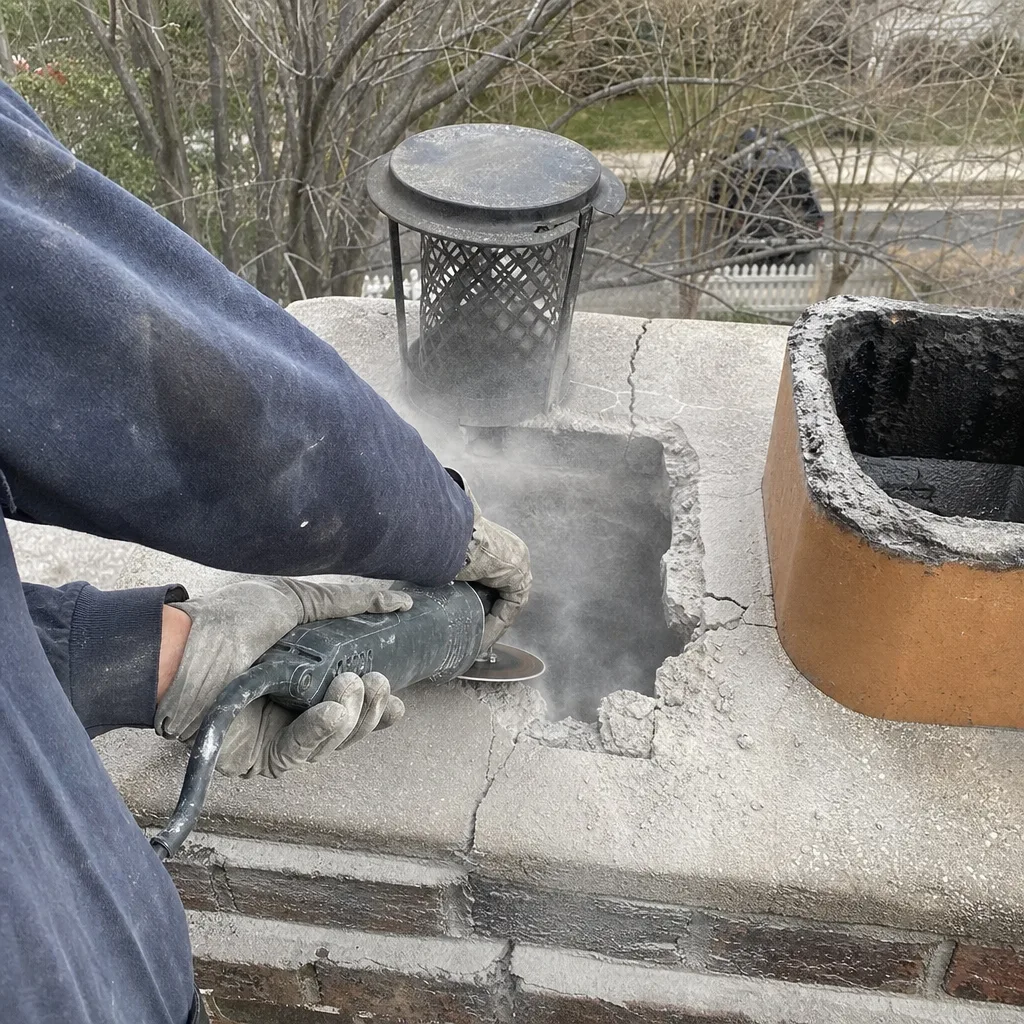
Chimney sweep logs do not sweep chimneys. They loosen some creosote - which then falls where a brush and vacuum still have to collect it.
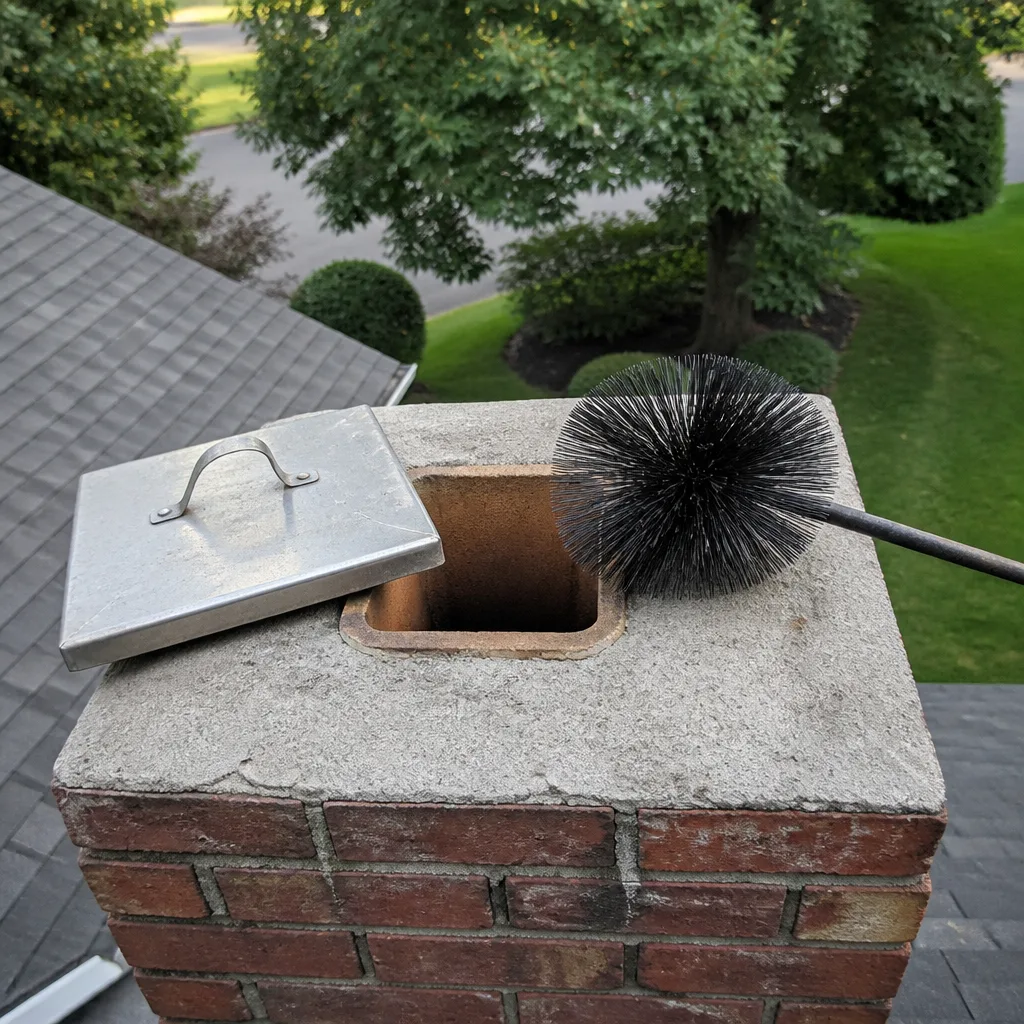
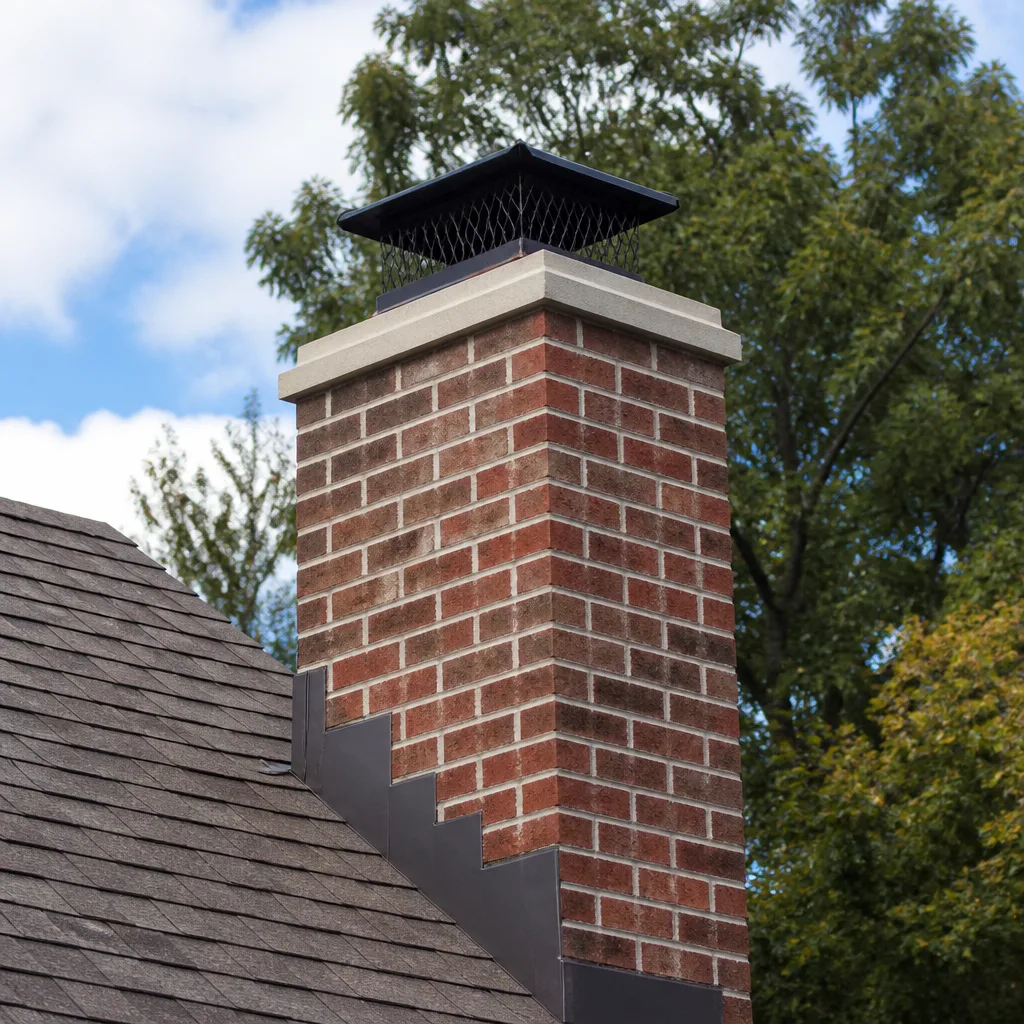
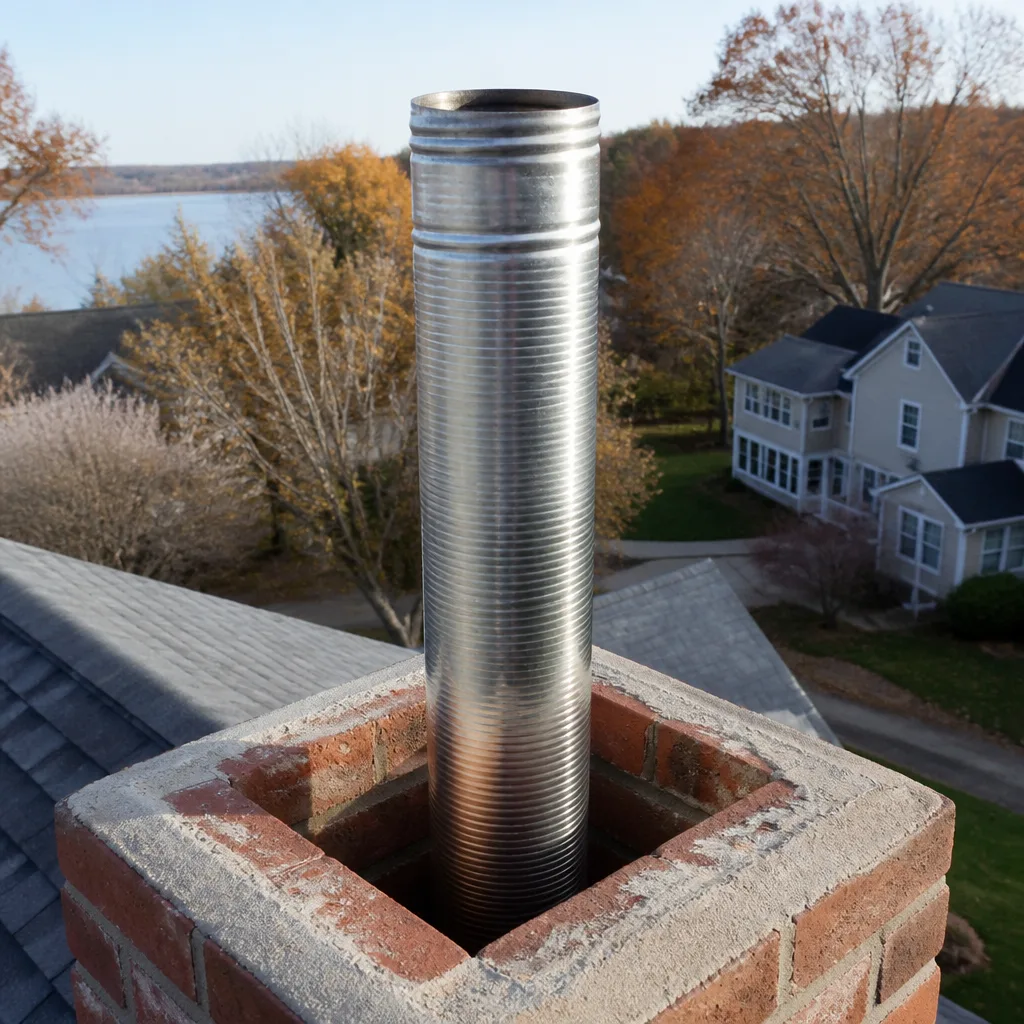
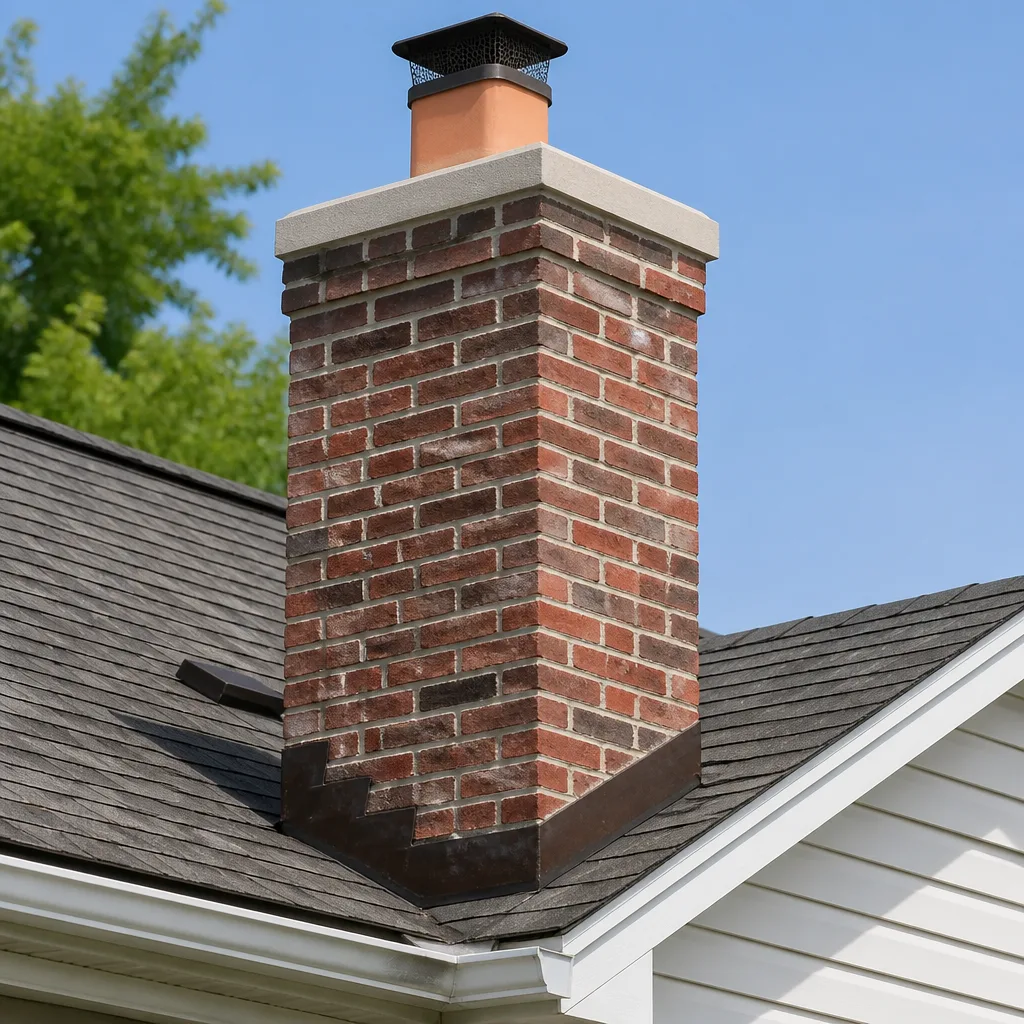
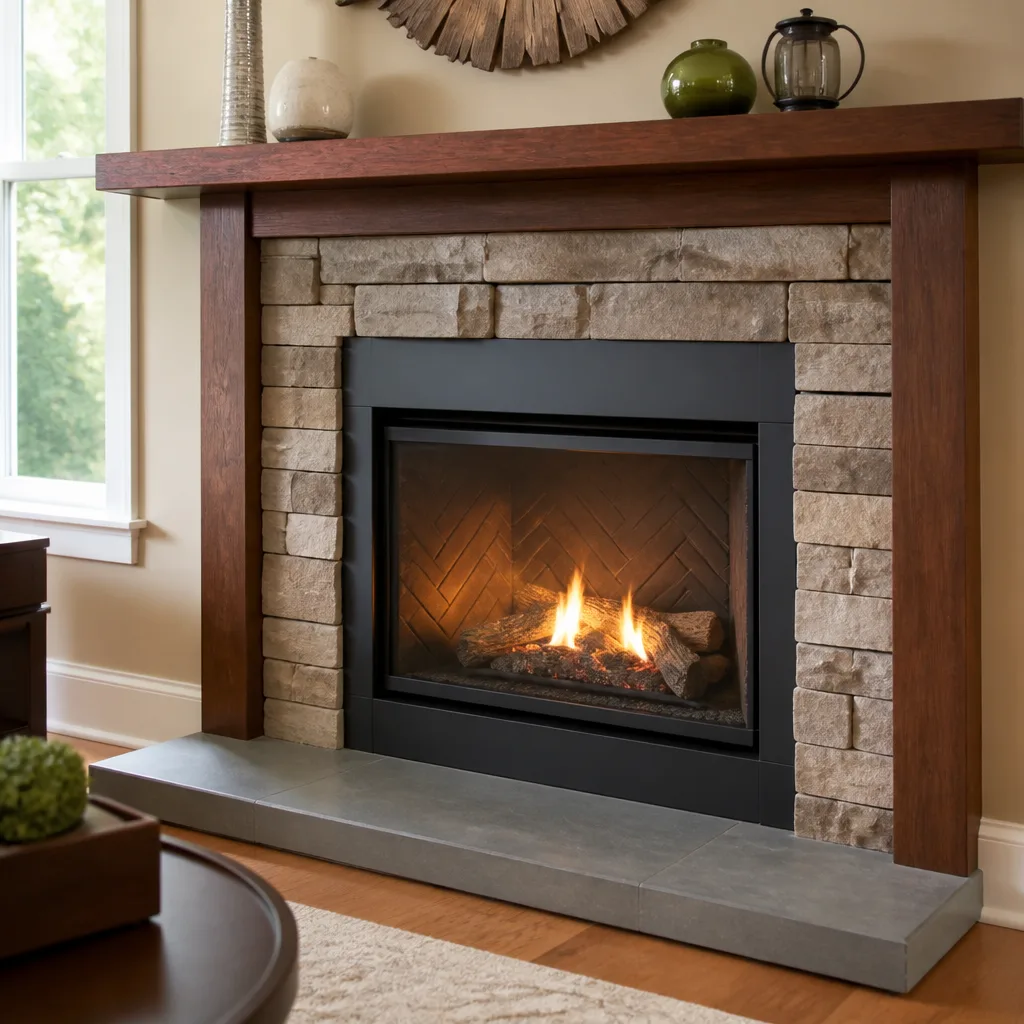
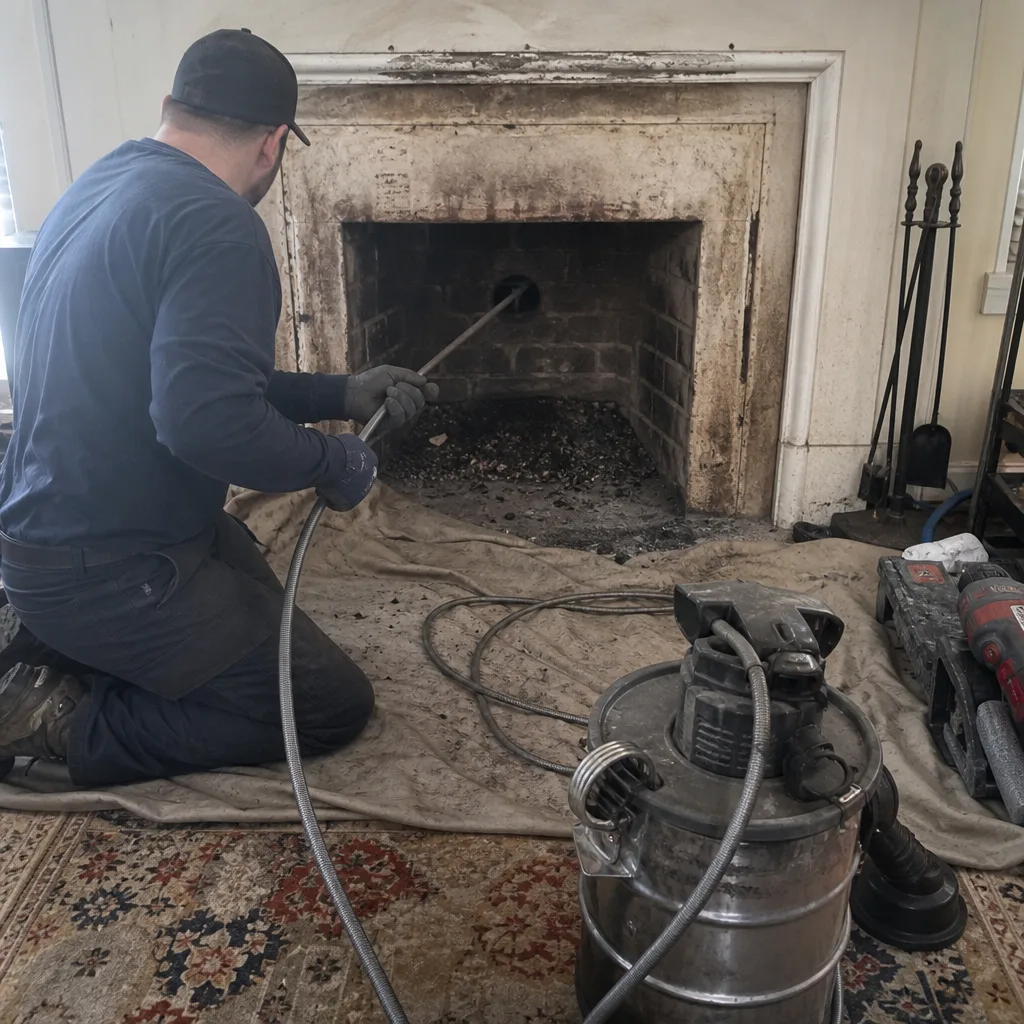 Before
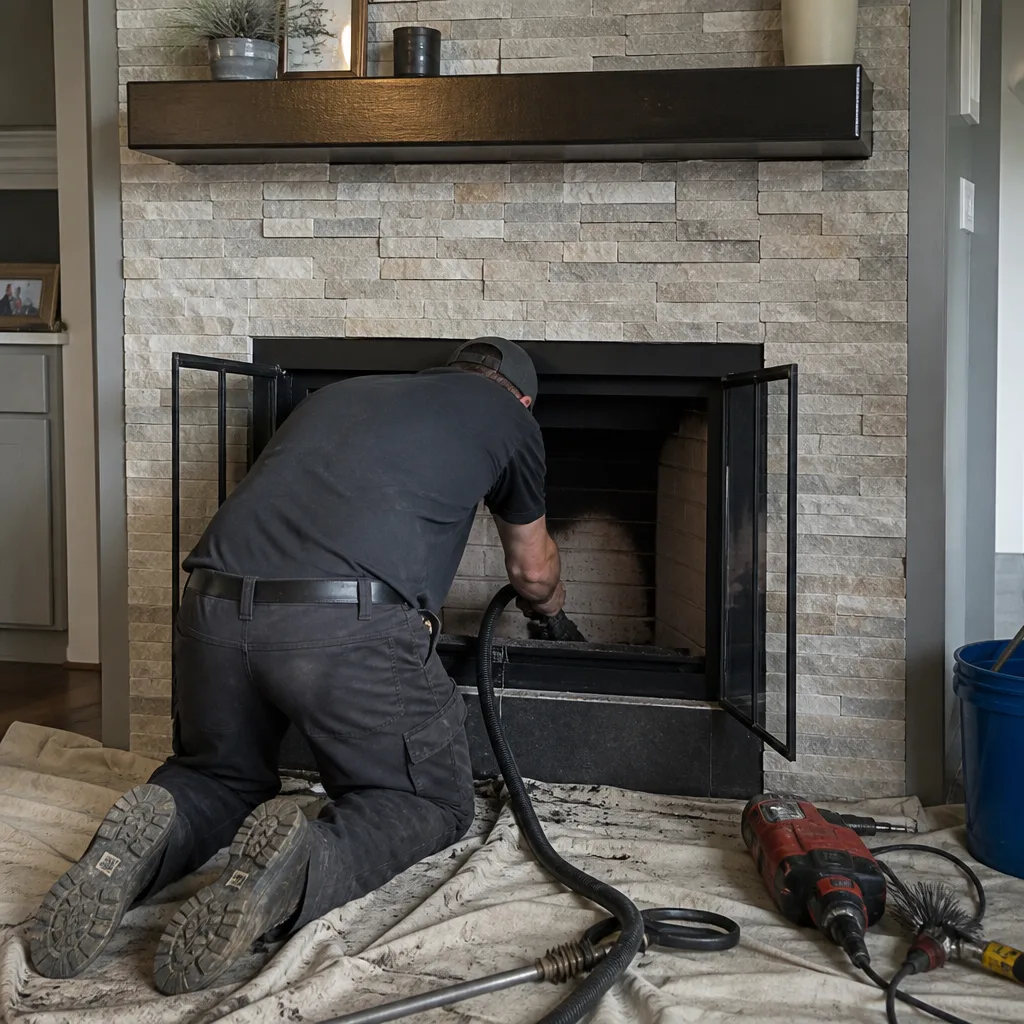 After
After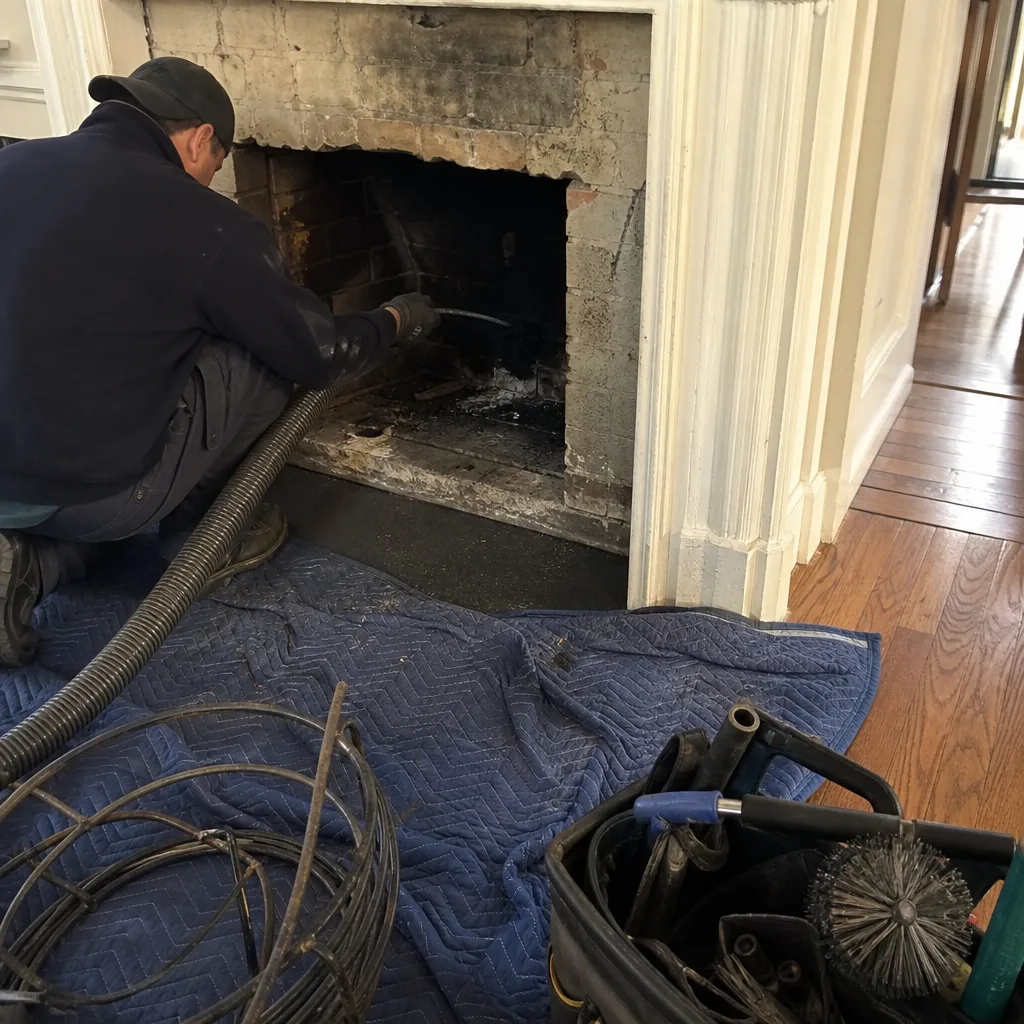 Before
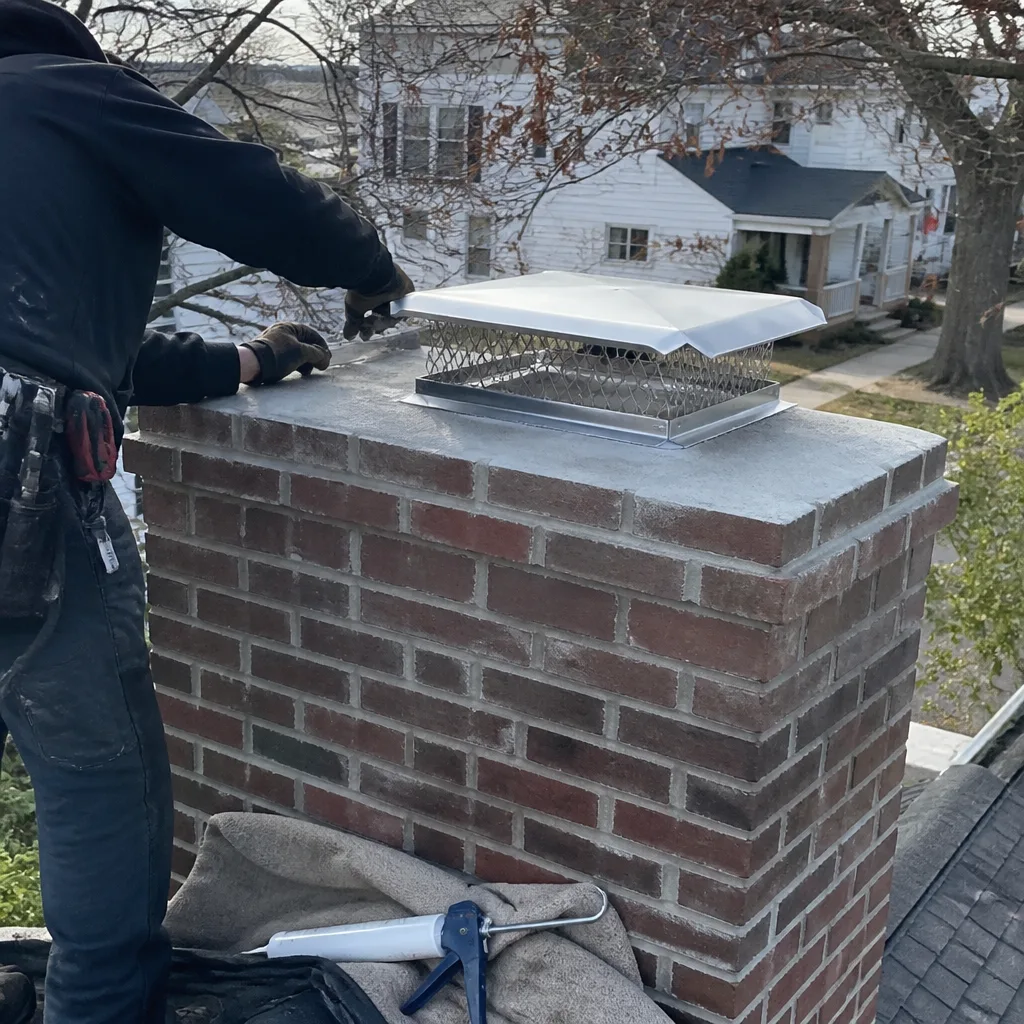 After
After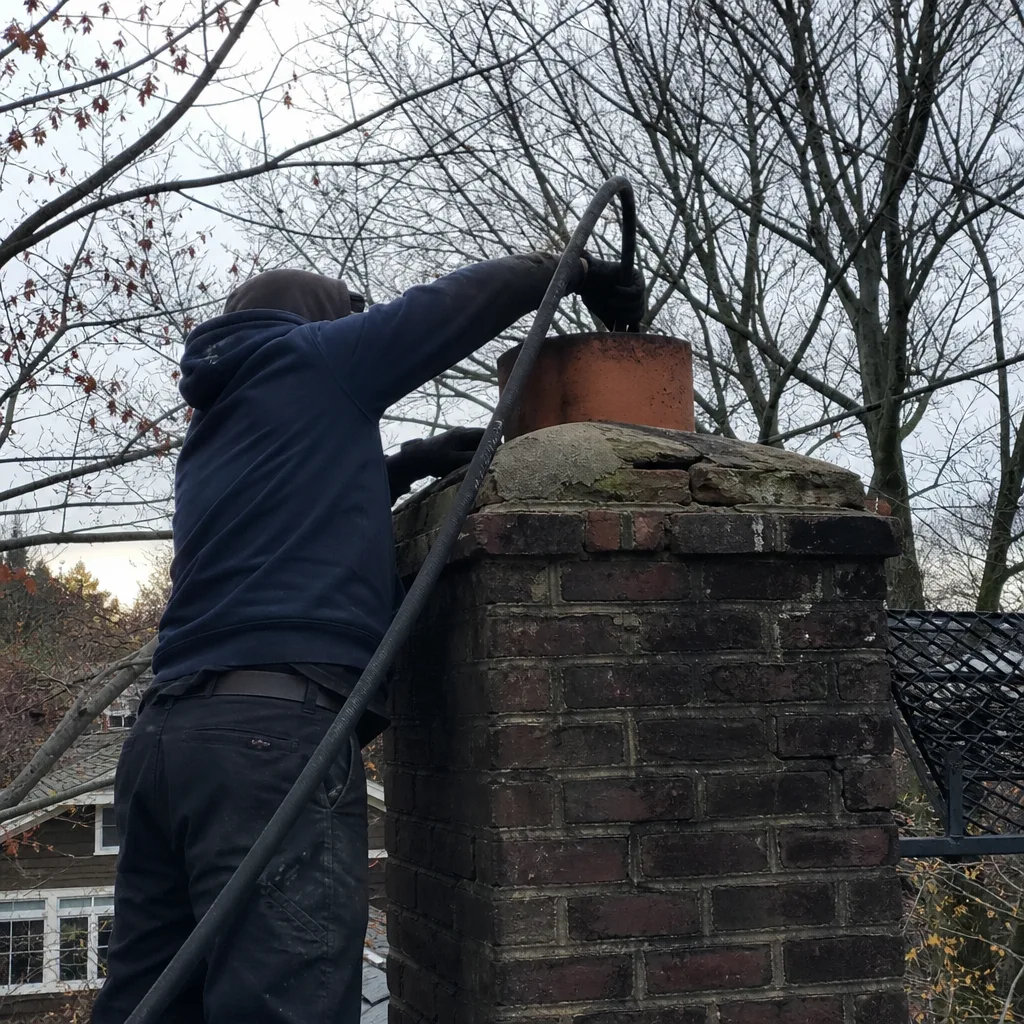 Before
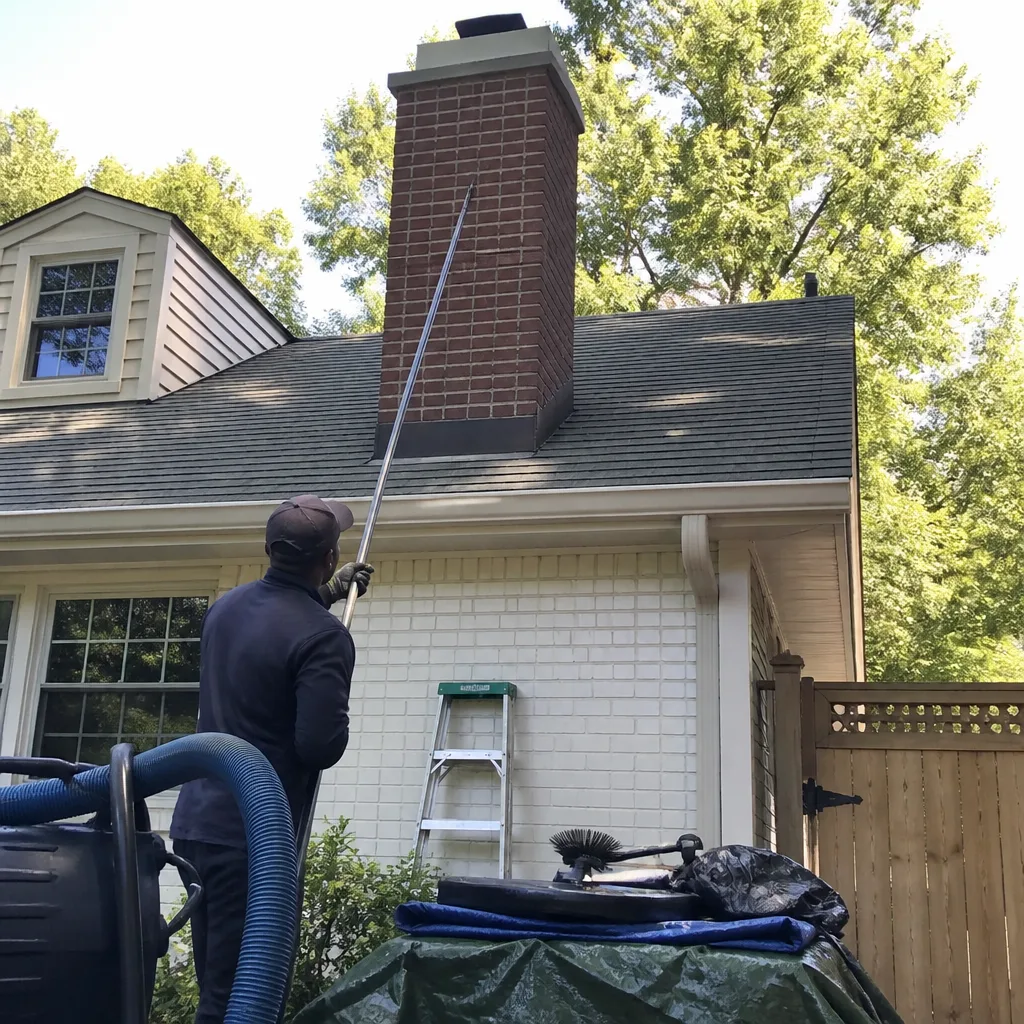 After
AfterChimney Cleaning & Sweep Maintenance Checklist for Washington Homeowners
A sweep who hands you a checklist he filled out himself is the chimney equivalent of a restaurant grading its own health inspection. The format looks official, but the verification is missing. What you actually need is a way to confirm each maintenance item was performed correctly without becoming a chimney expert yourself. This guide converts every routine Chimney Cleaning & Sweep task into a verifiable outcome with a measurable threshold, written specifically for Washington homeowners who want evidence, not assurances.
Quick Answer
A proper chimney maintenance checklist for Washington homeowners pairs each task with the physical evidence that proves it was done: a camera image of the flue liner, a creosote thickness reading in millimeters, a draft pressure note, or a written crown measurement. Wood-burning fireplaces need annual sweeping and a Level 2 camera inspection. Gas inserts need an annual safety check focused on venting and carbon monoxide clearance. Oil-flue systems need cleaning every year regardless of use because of acidic soot. The proof is not the checkmark on the form. The proof is the photo, the number, or the written note that matches the checkmark.
Table of Contents
- Why Evidence-Based Maintenance Matters in Washington
- Wood-Burning Fireplace Checklist: What Gets Done and What Proves It
- Gas Insert Checklist: The Venting Items Most Homeowners Miss
- Oil-Flue Checklist: Why Annual Cleaning Is Non-Negotiable
- Washington-Specific Items: Offset Flues, Party Walls, and Flat Crowns
- What a Homeowner Can Self-Verify Between Visits (and What Tools You Need)
- The Recordkeeping Format That Adds Value at Resale
- Common Mistakes to Avoid
- When to Call a Professional
- Frequently Asked Questions
- The Bottom Line
BeforeAfterWhy Evidence-Based Maintenance Matters in Washington
Washington’s housing stock is older than almost any major American city outside the Northeast corridor. Rowhomes in Capitol Hill and Shaw were built between 1880 and 1920. Semi-detached homes in Petworth and Brookland share chimney walls with neighbors. Homes in Cleveland Park and Chevy Chase have masonry that has endured a century of freeze-thaw cycles. The district averages 39 inches of rain per year and regularly dips below freezing from December through February. Wet winters are the enemy of exposed masonry, and a chimney that handles seasonal humidity without proper maintenance develops slow failures that no visual glance from the ground will catch.
The standard most Washington homeowners recognize is NFPA 211, the National Fire Protection Association code governing chimneys and vents. A Level 2 inspection under NFPA 211 requires a camera scan of the entire flue interior. At Level Two Chimney Washington home services, that camera-scan documentation has been standard on every visit since 2009, before insurers or regulators asked for it. The principle is simple: if the maintenance item does not produce a photo, a reading, or a written measurement, you have a note, not a verification.
Here is what that means in practice. When a sweep writes “creosote removed” on a checklist but hands you nothing showing the before-and-after condition, you are trusting a self-graded test. When a sweep hands you a camera image of a clean flue with the date stamped on it, you have something a real estate agent can show a buyer and an insurance adjuster can file. The checklist is the roadmap. The evidence is the destination.
Washington homeowners should also know that the district’s density creates risk that detached suburban homes do not share. A chimney fire in a rowhouse does not stay in one home. Shared masonry walls run continuous from basement to parapet in many pre-war builds. The failure points in one flue can affect the thermal envelope of the home next door. This is not a scare statement. It is a geometry statement. And it is why evidence-based maintenance is the baseline standard, not a premium option.
The rest of this guide-along with our Complete Guide to Chimney Cleaning in Washington-breaks down each maintenance item by fuel type, names the specific evidence you should receive, flags the Washington-specific failure patterns we see most often, and gives you the recordkeeping format that makes your chimney file useful when you sell.
The Three Fuel Types, Briefly
Washington homes run on three primary chimney fuels: wood, gas, and oil. Each has different cleaning intervals, different failure modes, and a different evidence package. The table below gives you the short version before we go deep.
- Wood-burning fireplace: Sweep annually. Level 2 camera inspection with every sweep. Evidence: creosote thickness reading, camera images of flue and smoke chamber, draft measurement.
- Gas insert or gas log set: Inspect annually. Clean as needed based on camera findings. Evidence: venting clearance check, carbon monoxide reading at the draft hood, camera image of the liner condition.
- Oil-fired furnace or boiler flue: Clean annually, without exception. Evidence: soot depth measurement, brush head noted, camera image of the connector pipe and flue base.
Each of the following three sections breaks one of these fuel types into a full checklist with the evidence threshold for every item.
Wood-Burning Fireplace Checklist: What Gets Done and What Proves It
Wood fires produce creosote, and creosote is not a uniform coating. It forms in three stages. Class I creosote is a dry, flaky soot that brushes off easily. Class II is a shiny, tar-like layer that requires more aggressive mechanical removal. Class III is a hardened, glassy glaze that can require rotary loops or chemical treatment. The class matters because it tells you how frequent your sweeps need to be and whether your burning habits are the problem.
Here is the full maintenance checklist for a wood-burning fireplace in a Washington home, with the evidence that confirms each item was actually done.
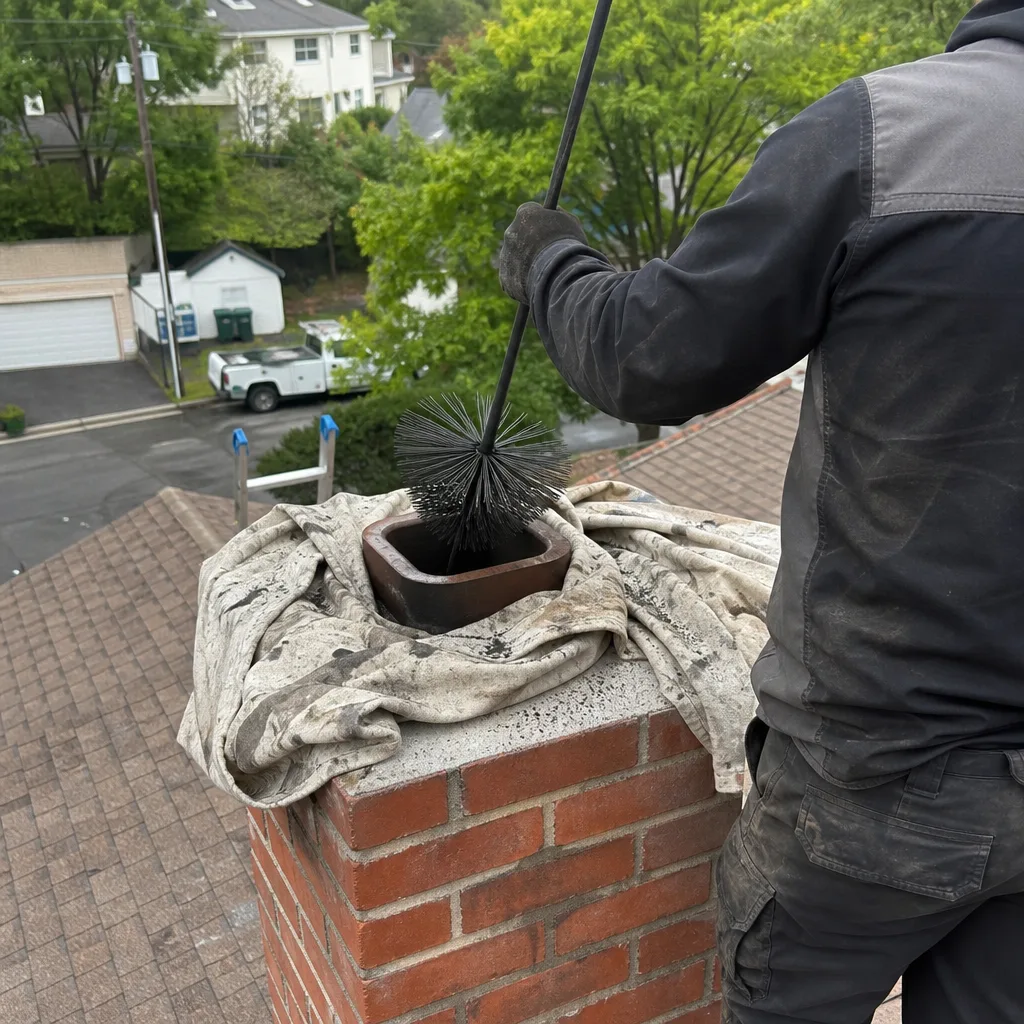
- Sweep the flue liner from top to bottom. The sweep should run a brush sized to your flue for the full length of the liner. Evidence: the sweep should report the creosote class removed, the thickness removed in millimeters, and the brush type used.
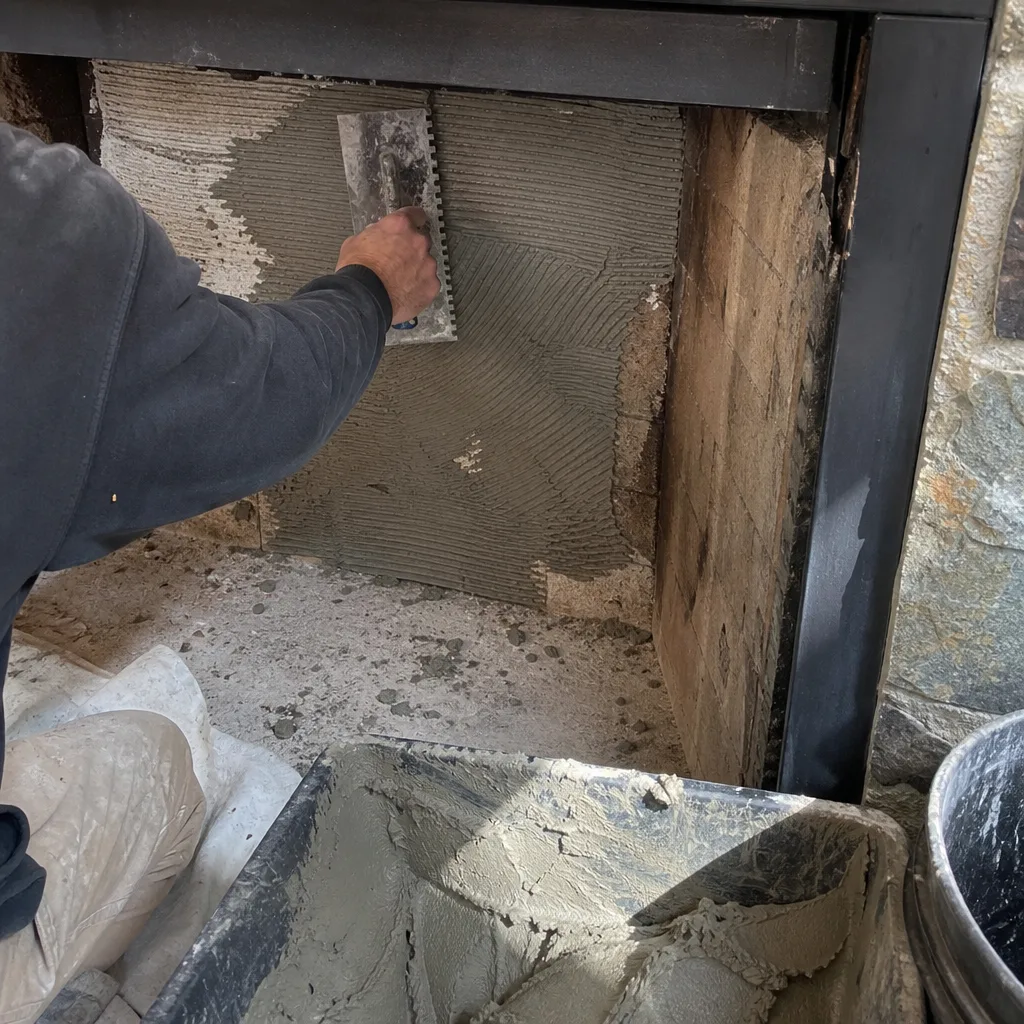
- Clean the smoke chamber. This is the angled section above the damper where creosote accumulates most heavily. Many sweeps skip it because it requires hand-scraping or specialized tools. Evidence: a camera image of the smoke chamber after cleaning, showing the shoulder area where the walls narrow.
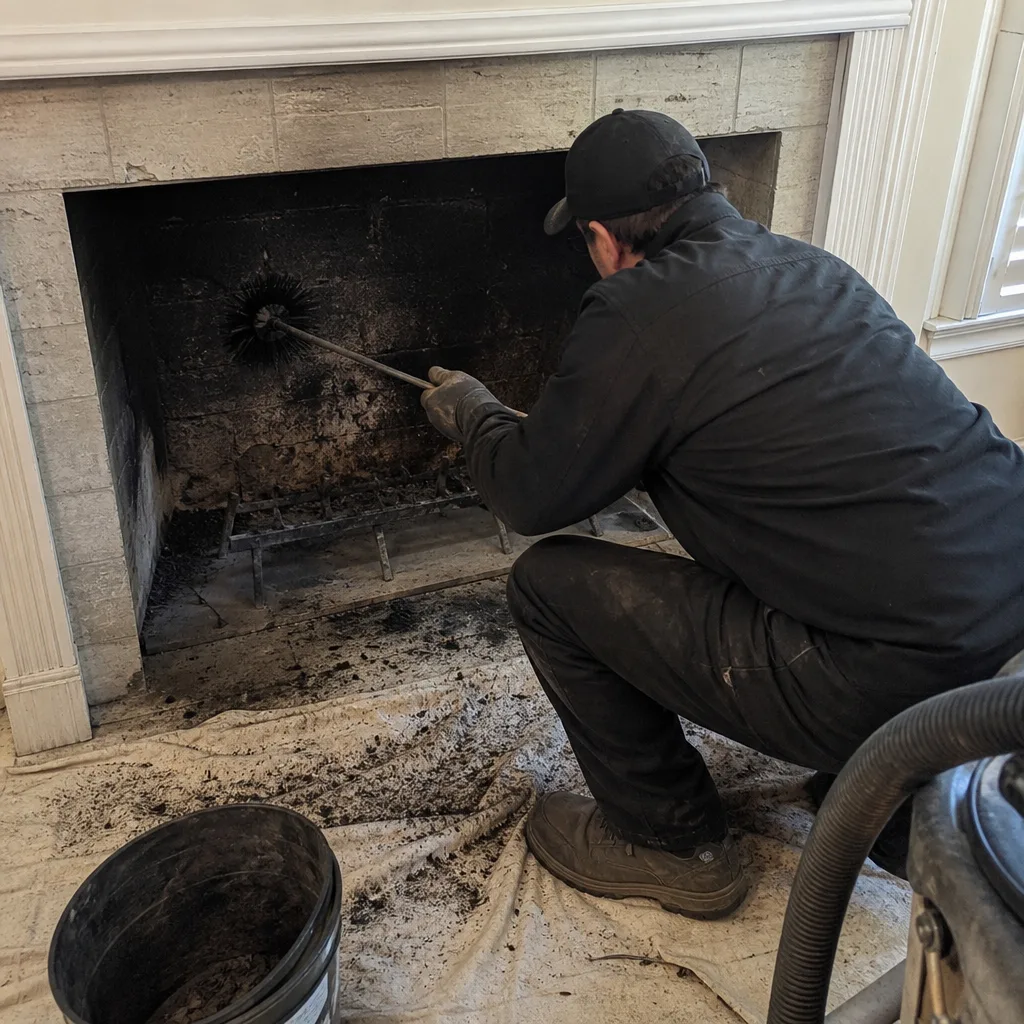
- Clean the firebox. Ash and burned debris removed to the firebrick surface. Evidence: a photo of the firebox floor showing firebrick visible, not a gray ash bed.
- Inspect the damper assembly. The damper must open and close fully and seat properly. Evidence: a written note of damper condition, including whether the seal is tight when closed (a leaky damper is a measurable energy loss in a Washington winter).
- Run a Level 2 camera scan. NFPA 211 Level 2 requires a camera down the entire flue. Evidence: the camera footage or still images showing the full liner, top to bottom, with a clear view of each flue tile joint.
- Check the flue tile joints for gaps or misalignment. Evidence: if gaps are found, the sweep should note the location in feet from the flue top or bottom, and offer a still image showing the gap.
- Inspect the crown and cap. The concrete crown at the top and the metal cap must be intact. Evidence: a top-down photo of the crown, and a written note of any cracks wider than 1/8 inch.
- Check the flashing at the roofline. This is where water enters around the chimney chase or masonry stack. Evidence: a roof-level photo of the flashing on all four sides of the chimney, or a written statement of which sides could not be viewed and why.
- Measure draft. A properly drafting fireplace pulls air up the flue and keeps smoke and carbon monoxide moving out. Evidence: a draft pressure reading in inches of water column or pascals, written on the report.
This is the standard we work to on every chimney cleaning and sweep in Washington visit, and it is the standard Washington homeowners should expect from any company they call. If a sweep will not show you a camera image or hand you a creosote reading, ask what evidence you are paying for.
How Often Should a Wood Fireplace Be Swept in Washington?
The NFPA standard says chimneys should be swept when creosote accumulation reaches 1/8 inch, and inspected at least once per year. In practical terms for Washington homeowners: if you burn more than two cords of wood in a season, you are on an annual sweep cycle. If you burn occasionally on weekends from November through February, you may stretch to 18 months, but do not go longer than that, because Washington’s humid summers cause creosote to absorb moisture, which accelerates corrosion of the flue liner even when you are not burning.
The creosote threshold is the measurable line. A sweep who records a Class I reading of 3 millimeters after one season of wood burning is putting evidence in your file that supports a 12-month interval. A sweep who records 8 millimeters of Class II tells you to burn hotter, burn dryer wood, or sweep more often. The number is what lets you make the decision.
Gas Insert Checklist: The Venting Items Most Homeowners Miss
Gas inserts and gas log sets are the most common fireplace type in condominium and rowhouse conversions across Washington. They burn cleaner than wood, but they are not maintenance-free. In fact, the failure mode that concerns us most with gas is not the firebox at all. It is the venting.
A gas insert vents combustion gases, including carbon monoxide, through a liner. A gas log set in a pre-existing masonry fireplace may vent through the original clay tile flue, which was never designed for gas exhaust. Gas combustion produces water vapor, and water vapor mixed with the residue of a previously wood-burning flue creates an acidic environment that eats clay tile mortar joints. A gas insert’s liner can also become blocked by nesting debris, deteriorating liner material, or in some Washington rowhouses, fallen brick from an unlined flue above the insert.
Here is the gas insert maintenance checklist and the evidence for each item.
- Inspect the venting system end to end. This means from the unit itself through the termination cap on the roof or side wall. Evidence: camera images of the liner interior, noting any rust scale, joint separation, or blockage.
- Test for carbon monoxide clearance at the unit. A technician should run the insert and test CO levels at the draft hood and at the termination point. Evidence: written CO readings in parts per million at both locations.
- Inspect the firebox and glass seal. Evidence: a note on glass gasket condition, and whether the firebox refractory panels show cracking.
- Clean the burner and pilot assembly. Evidence: a photo showing clean burner ports and a steady pilot flame after cleaning.
- Check the termination cap and any mesh screen. Evidence: a top-down photo of the cap showing it is clear of debris and the mesh is intact.
- Verify the liner is the correct material for gas. This matters more than most homeowners realize. Gas exhaust requires a liner rated for gas, typically aluminum or a gas-rated stainless steel. If a wood liner was reused for gas conversion, the evidence should note this and recommend replacement. Materials like those from Olympia Chimney and DuraFlex are what we source when a replacement is needed.
Gas inserts do not need sweeping the way wood fireplaces do. But they need annual inspection, and the inspection should produce a CO reading and a camera record. We have seen gas inserts in Washington rowhouses that vented into shared masonry walls with no liner at all, a condition that put carbon monoxide into the neighbor’s wall cavity. That is not a hypothetical. That is a camera finding.
Carbon Monoxide Is the Metric
Every gas chimney maintenance item ultimately serves one question: is carbon monoxide leaving the house? The evidence is the CO reading. A written number in parts per million at the draft hood and at the roof termination is the only defensible proof that the venting is working. If your sweep does not run a CO test on a gas system, ask for one. It is not an upsell. It is the primary diagnostic for gas venting.
Oil-Flue Checklist: Why Annual Cleaning Is Non-Negotiable
Washington homes built before about 1960, particularly in neighborhoods like Takoma, Brightwood, and Brookland, often heat with oil-fired boilers or furnaces. The flue from an oil appliance produces sulfur-laden soot that is acidic, corrosive, and capable of eating through a steel connector pipe in a matter of years. Unlike wood creosote, which builds up primarily from incomplete combustion of dry wood, oil soot forms every time the burner fires, regardless of how efficiently the system runs.
This is why the interval for oil flue cleaning is not a judgment call. It is annual. Without exception. Even if the oil burner was serviced, the flue is a separate system. An oil burner technician tunes the combustion. A chimney sweep cleans the passage that carries the exhaust away. They are two different jobs, and one does not substitute for the other.
Here is the oil-flue maintenance checklist and evidence package.
- Clean the connector pipe from the appliance to the flue. Evidence: a photo of the connector pipe interior after cleaning, showing bare metal, not soot cake.
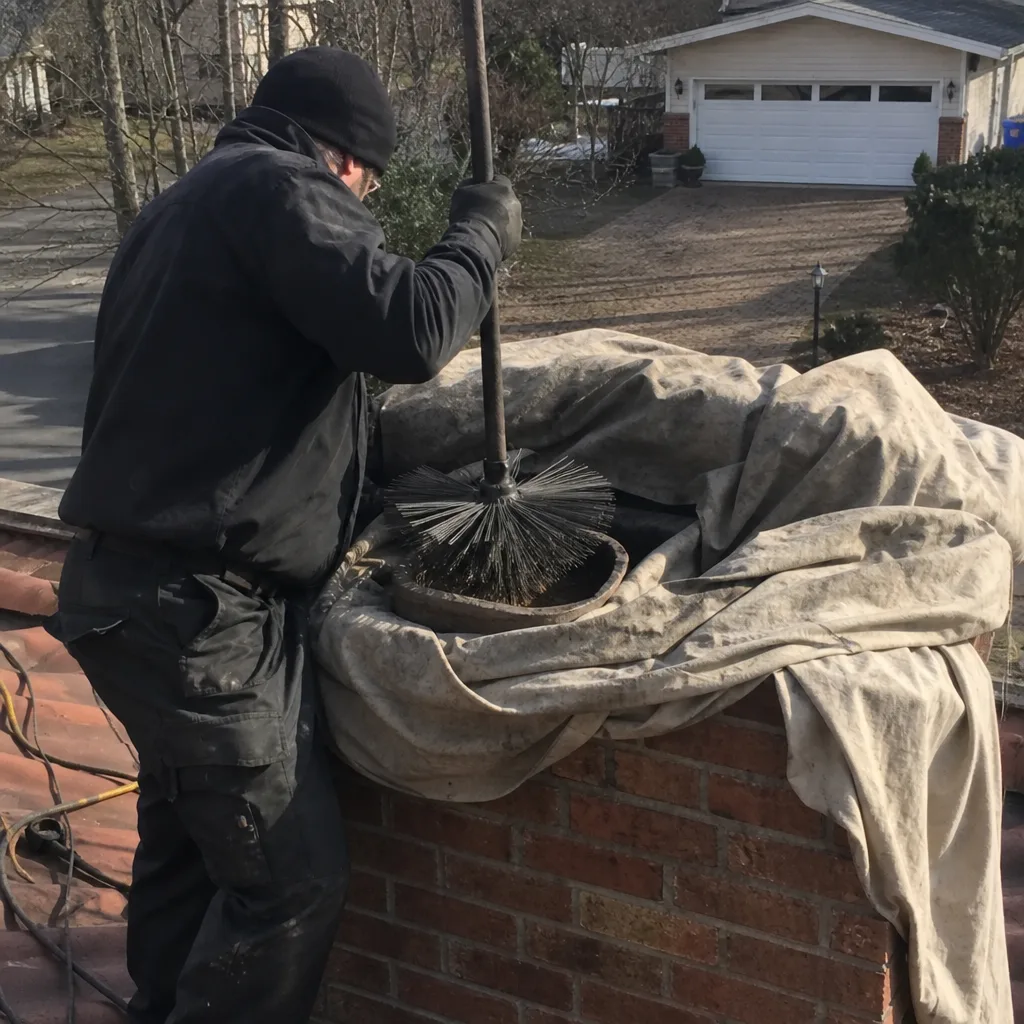
- Brush the flue liner full length. Evidence: a written note of soot depth removed in millimeters, and the brush size used.
- Camera-scan the flue after cleaning. Evidence: camera images showing the liner condition with emphasis on any joint erosion, water staining, or liner deterioration.
- Inspect the flue base and cleanout door. Evidence: a photo of the base area swept clean, with the cleanout door re-set and sealed.
- Check the barometric damper if present. Evidence: a note on whether the damper operates freely and a draft reading in inches of water column.
- Inspect the chimney top and cap. Evidence: a top-down crown photo and a note on cap condition.
Oil flues in Washington rowhouses have an additional wrinkle. Many were originally built for coal, then converted to oil in the 1940s and 1950s. The internal dimensions were sized for coal exhaust volumes. When the oil burner replaced the coal boiler, the flue was often left as-is, which is why many older oil flues are undersized for modern oil burners. The result is condensation inside the flue that accelerates deterioration. A camera scan will show this as vertical streaking and eroded mortar joints in the flue tiles. This is a chimney repair in Washington condition that should be addressed before the flue becomes unsafe to use.
Washington-Specific Items: Offset Flues, Party Walls, and Flat Crowns
Washington’s chimney stock has three characteristics that recur across the district and that standard checklists written for suburban detached homes do not address. Each requires a specific evidence item.
Offset Flues in Rowhouse Retrofits
A rowhouse flue runs vertically from the basement through the roof. But when a rowhouse is renovated or the fireplace is relocated during a gut remodel, the flue often must jog laterally. This is called an offset. Offsets are allowed under NFPA 211, but each joint in the offset is a creosote accumulation point and a potential failure location. A standard checklist that says “flue inspected” does not tell you whether the offset was actually reached with the camera. The evidence you want: a camera image specifically showing each bend in the offset, with a note on creosote depth at that point. We have cleaned offset flues in Capitol Hill rowhouses where the upper flue was clear but the offset had 6 millimeters of hardened Class II creosote because previous sweeps could not navigate the angle.
Shared Chimney Walls in Semi-Detached Homes
Petworth, Brookland, and parts of Georgetown have semi-detached homes where two residences share a single chimney mass with separate flues. The party wall between flues is often only one course of brick thick. If one flue develops a crack or a deteriorated mortar joint, exhaust gases can migrate laterally into the neighboring flue. This is a shared-wall condition that no suburban checklist covers. The evidence you want: a camera scan that documents the full height of the party wall separation, with specific note of any breach. If your sweep cannot tell you how thick the party wall flue separation is after a camera scan, they have not looked.
Flat Crowns and Washington’s Wet Winters
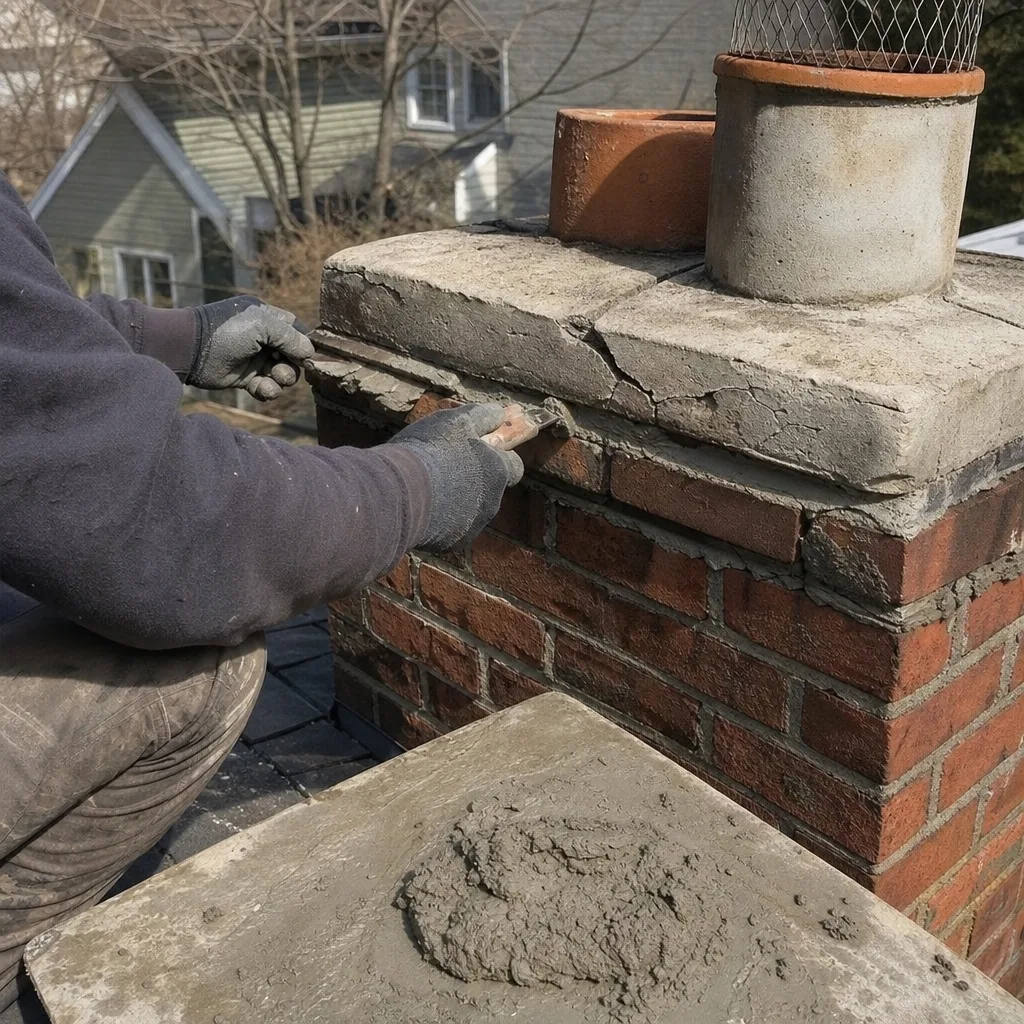
Many Washington rowhouses and older detached homes have flat concrete crowns rather than the sloped or cast-in-place crowns found on newer construction. A flat crown holds water. Water sits on the surface after every rain, and Washington gets rain in every month of the year. In winter, the water freezes, widens any hairline crack, and begins a cycle of freeze-thaw expansion that can spall the crown surface in a few seasons. Evidence you want: a top-down photo of the crown showing crack width in writing (cracks under 1/8 inch may be sealable; wider cracks indicate structural deterioration), and a moisture reading of the crown surface if available. Crown repair is a fireplace services in Washington item that many homeowners defer, and it is the single most common water-entry point in the district’s chimney stock.
What a Homeowner Can Self-Verify Between Visits (and What Tools You Need)
Between professional visits, a Washington homeowner can confirm certain chimney conditions without specialized training. The key is to use the right tool for each check and to record the result. Here is the short list of self-verifiable items, the tool required, and the threshold that tells you to call.
- Creosote layer visible at the firebox throat. Tool: a flashlight and a small mirror. Look up past the damper. If you see a shiny, tar-like coating, you are seeing Class II creosote and should schedule a sweep. If you see a dull gray-black powder, that is Class I and can wait until the next scheduled cleaning. Record what you see with a phone photo.
- Carbon monoxide detector operation. Tool: the test button on your detector. Test monthly during burn season. If the detector is more than 7 years old, replace it. This is not a chimney item per se, but it is the safety backstop for every chimney maintenance decision you make.
- Water staining on the ceiling near the chimney chase. Tool: your eyes and a moisture meter if you have one. Run the meter over the ceiling area on all four sides of the chimney after a heavy rain. A reading above 15% on drywall indicates active water entry. Call before the leak becomes a ceiling repair.
- Damper seal test. Tool: a sheet of paper. Close the damper. Place a sheet of paper across the damper opening. If the paper flutters, you have an air leak. A leaky damper in a Washington winter is a measurable heat loss, and in summer it lets conditioned air escape. The fix may be as simple as a new damper gasket.
- Firebox brick spalling. Tool: your eyes and a screwdriver handle (not the tip). Tap firebrick surfaces gently. If surface material flakes off or you hear a hollow sound, the firebrick is spalling, a condition caused by years of moisture and heat cycling. Note it and call for an inspection.
- Cap and crown visibility from the ground. Tool: binoculars or a phone camera with zoom. Check for visible cap damage after storms. Washington gets nor’easters and heavy straight-line wind events that can loosen caps. A missing cap is an open flue, and an open flue is a raccoon, squirrel, or bird entry point.
What NOT to Self-Verify
Do not climb onto a Washington rowhouse roof to check your crown yourself. Rooftop work on 3-story and 4-story rowhouse chimneys is inherently dangerous, and the flashing inspection should be done by a technician with roof-access equipment and safety training. What you can do from the ground is visual cap confirmation; what you cannot do is a crown crack inspection or flashing check. That is why the camera evidence from a professional visit matters.
Also, do not attempt to replace flue tiles, repoint masonry, or seal a crown from an extension ladder. Masonry repair on Washington chimneys above 2 stories is a professional task with scaffolding requirements. The self-verification items above are diagnostic checks, not repair procedures.
The Recordkeeping Format That Adds Value at Resale
A chimney service history is a document that converts maintenance spend into resale value. The key is that it has to be organized as evidence, not as a folder of receipts. A stack of invoices tells a buyer that you paid for work. A dated photo record with readings tells a buyer what condition the chimney was in when the work was done.
Here is the format we recommend Washington homeowners use, and it works whether you are in a single-family home in Chevy Chase or a rowhouse on Capitol Hill.
The Chimney File: What to Store
- Inspection reports with dates. Every written report from every visit. If a company gives you a verbal summary without a written scope and findings, that visit did not happen in resale terms.
- Camera images and stills. Digital photos from the flue scan, the crown, the flashing, and the smoke chamber. Store them in a folder labeled with the date of service. These images are the strongest evidence you own. A buyer can look at a 2023 camera still of a clean clay tile flue and understand the condition in 5 seconds.
- Written quotes and written scopes. If you had repair work done, keep the written quote, the written scope of work, and the written warranty. Level Two Chimney Washington delivers a written price, written scope, and written warranty before any work starts under Clause 1 of the Haven Standard, which is the “Have it in writing” requirement. If your file has these three documents, you have a complete record.
- Creosote readings and draft measurements. Numbers go stale. A creosote reading of 3 millimeters in 2021 is meaningful for the 2021 condition but says nothing about 2024. What it does show is the maintenance interval you followed, and that is valuable. Keep each reading dated.
- Repair warranties with transferability notes. Some chimney liner warranties, such as those from HeatShield or Gelco products, may transfer to a new owner. Note whether the warranty is transferable and keep the warranty document with the file.
Where to Store It
Digital, in at least two places. A cloud folder is fine. A local backup is better. Washington real estate transactions move quickly, and when the listing agent asks for your chimney maintenance records in the middle of escrow, you do not want to be sorting through a drawer. Label the folder by chimney, not by year: “Chimney File – Main Flue” or “Chimney File – Furnace Flue.” If you have two flues, keep two files.
Why This Adds Value
At resale, a Washington buyer who has just paid a premium for a pre-war rowhouse is looking for reasons to negotiate. An undocumented chimney is a negotiation lever. A documented chimney file with camera evidence and written reports removes that lever entirely. It also answers the buyer’s inspector before the inspector asks: here is the camera record from the last Level 2 scan, here is the creosote reading, here is the crown photo. A maintained chimney with a paper trail closes without concessions. That is measurable value.
Common Mistakes to Avoid
- Accepting a checklist without evidence. If the sweep will not show you a camera image or hand you a reading, you have received a note, not a verification. Ask for the evidence that matches each checkmark before you pay.
- Deferring oil flue cleaning because the burner was serviced. The oil burner technician tunes combustion. The sweep cleans the flue. They are different jobs. Oil flue cleaning is annual in Washington, no exceptions.
- Using a wood-burning fireplace converted to gas without confirming the liner is gas-rated. Gas exhaust through a clay tile wood flue corrodes the mortar joints. The camera scan should confirm the liner material and condition.
- Ignoring flat crown cracks until water enters. A flat crown with cracks under 1/8 inch can be sealed at a fraction of the cost of repairing water-damaged masonry. By the time you see water staining, the crown has been failing for years.
- Storing chimney records as a stack of paper receipts. A disorganized record is no record at resale. Create a digital chimney file with dated photos and written reports.
- Letting an offset flue go un-camera’d because it is hard to access. The offset is where creosote builds up. If the sweep does not show you a camera image of the bend, ask for one.
- Climbing onto a rowhouse roof to inspect the crown yourself. This is not a checklist item. Rooftop inspection on Washington rowhouses is a professional task with safety equipment. Do the ground-level checks and leave the roof work to a trained crew.
When to Call a Professional
Call a professional when you see glossy creosote at the firebox throat, when your ceiling moisture meter reads above 15% near the chimney after rain, when your carbon monoxide detector alarms during fireplace use, when an oil flue has gone more than 12 months without cleaning, or when a camera scan reveals a crack, gap, or liner deterioration that you cannot verify from the ground. These are not items to self-manage. Chimney repair in Washington is a professional discipline, and the diagnostic evidence a professional gathers is what prevents small conditions from becoming structural failures. Level Two Chimney Washington offers free estimates in Washington. Call (240) 621-1264 and we will give you a written price before any work starts.
Frequently Asked Questions
A standard chimney cleaning and Level 2 camera inspection for a wood-burning fireplace in Washington typically runs between $250 and $450, depending on flue height, creosote class, and accessibility. Oil flue cleaning runs $200 to $350. Gas insert inspection runs $150 to $250. These are Washington market ranges as of early 2026. The critical point is that whatever company you choose, the price should be written before work starts. Level Two Chimney Washington gives a written price, written scope, and written warranty before anyone begins work, and we offer a Free Second Opinion on any written estimate from a competitor. Call (240) 621-1264 for an exact quote. Estimates are free.
Wood-burning fireplaces in Washington should be swept at least once per year if you burn regularly, and not less than every 18 months if you burn seasonally. The measurable threshold is 1/8 inch of creosote accumulation, per NFPA 211. Oil flues need cleaning every year without exception. Gas inserts need annual inspection but not annual sweeping. Washington’s humid climate accelerates creosote moisture absorption, so sticking to the annual cycle protects your liner.
Not always. A camera scan may show hairline cracks or eroded mortar joints that can be addressed with a resurfacing product like HeatShield or a stainless liner from DuraFlex, depending on the failure type. What the camera scan tells you is whether the liner is structurally sound or actively passing gases. The decision should be based on the camera evidence, not on a verbal recommendation. Ask to see the images. A legitimate company will show them to you and explain exactly what they mean before quoting any work.
Skipping sweeps lets creosote build beyond the 1/8 inch threshold, and in a wood flue, Class II or Class III creosote can ignite. A chimney fire damages the flue liner, the surrounding masonry, and in a Washington rowhouse, can spread through shared walls. In an oil flue, skipped cleanings allow sulfur-laden soot to corrode the connector pipe and flue base. The repair cost from a chimney fire or acid corrosion far exceeds the cost of routine sweeping. If you have skipped several years, the first step is a Level 2 camera inspection to see what has accumulated. Call (240) 621-1264 and we will give you a written price for the inspection.
Gas fireplaces do not need sweeping in the wood-burning sense, but they need annual inspection. The failure mode is venting, not creosote. A gas insert with a blocked or deteriorated liner puts carbon monoxide into the home instead of the outdoors. The inspection should produce a CO reading at the draft hood and a camera scan of the venting path. That is the evidence-based equivalent of a sweep for a gas system.
A chimney sweep report in Washington should include a written creosote reading with class and thickness, camera images of the flue interior top to bottom, a written draft measurement, a crown and flashing condition note, and a written scope of any recommended repairs with a written price. If the report is a single checkmark form with no images and no readings, it is not a complete record. This is the standard under NFPA 211 Level 2, and it has been the standard at Level Two Chimney Washington since 2009.
The Bottom Line
A checklist that only lists tasks is a to-do list. A checklist that pairs each task with the evidence proving it was done is a maintenance record. For Washington homeowners, the difference is measurable: camera images of the flue, creosote readings in millimeters, CO clearance numbers on gas systems, draft pressure notes, and crown crack measurements in writing. These are the verified outcomes that confirm your chimney work was actually performed, and they are the records that protect you at resale, at insurance renewal, and in a worst-case fire or CO event. Maintain the evidence. The evidence is the upkeep.
For a free estimate on chimney cleaning, inspection, or repair in Washington, call (240) 621-1264, or browse our more guides & resources. We deliver a written price before any work starts, and a documented photo record when it is done.
Written by Corrine Halstead, Owner at Level Two Chimney Washington, serving Washington since 2009.