
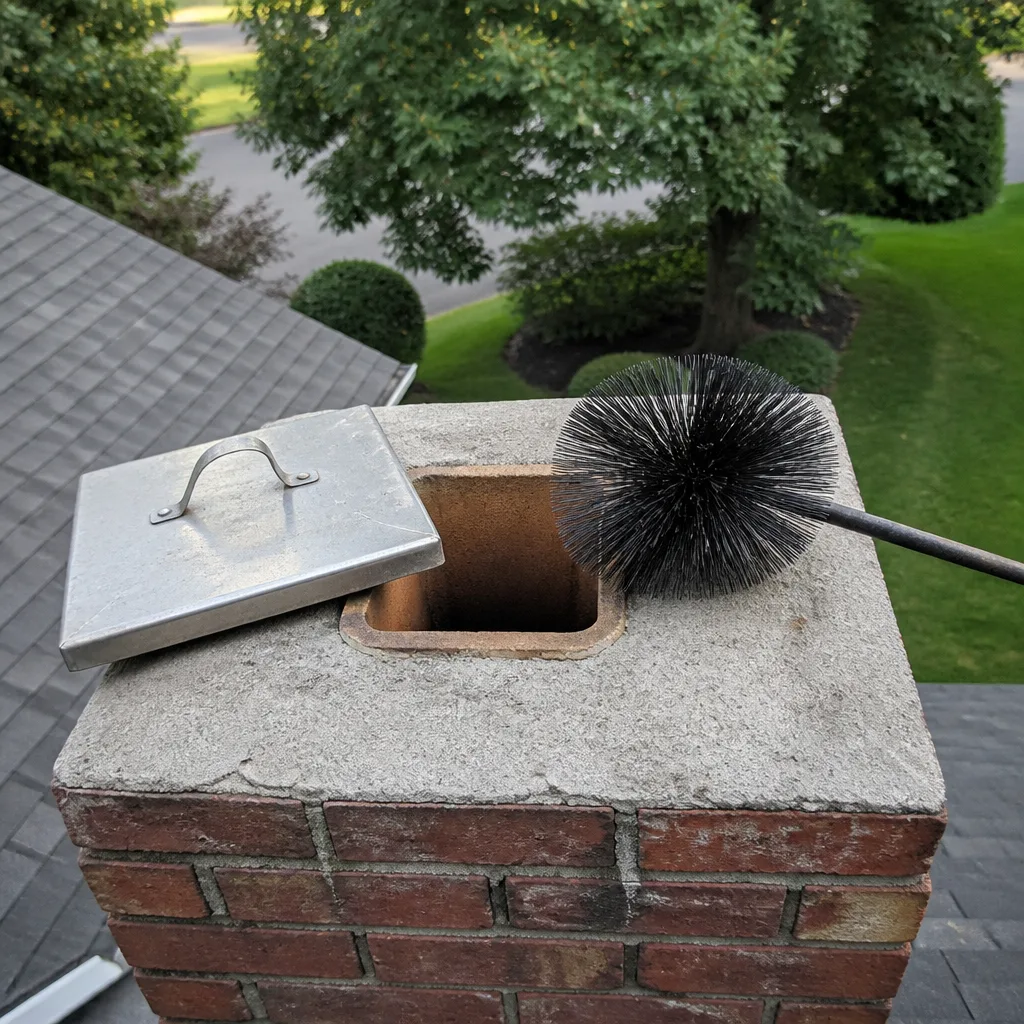
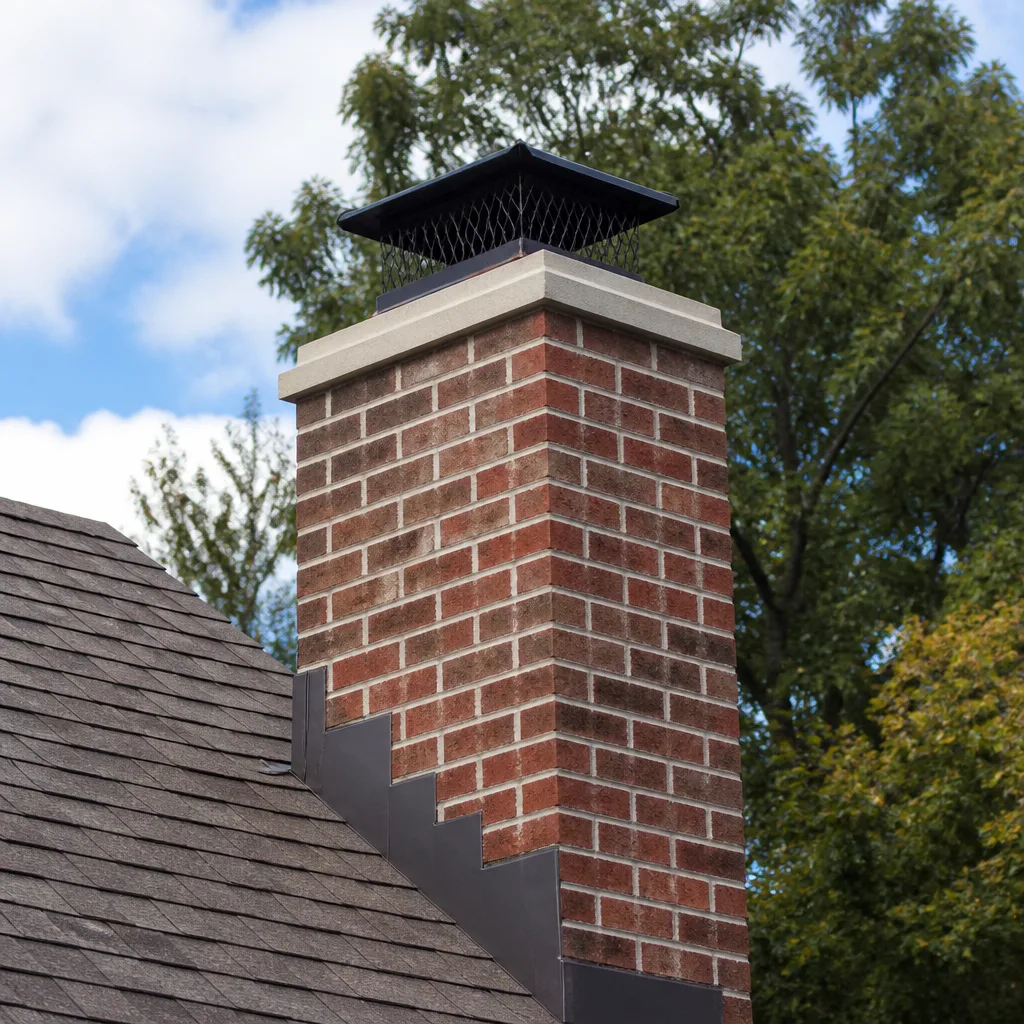
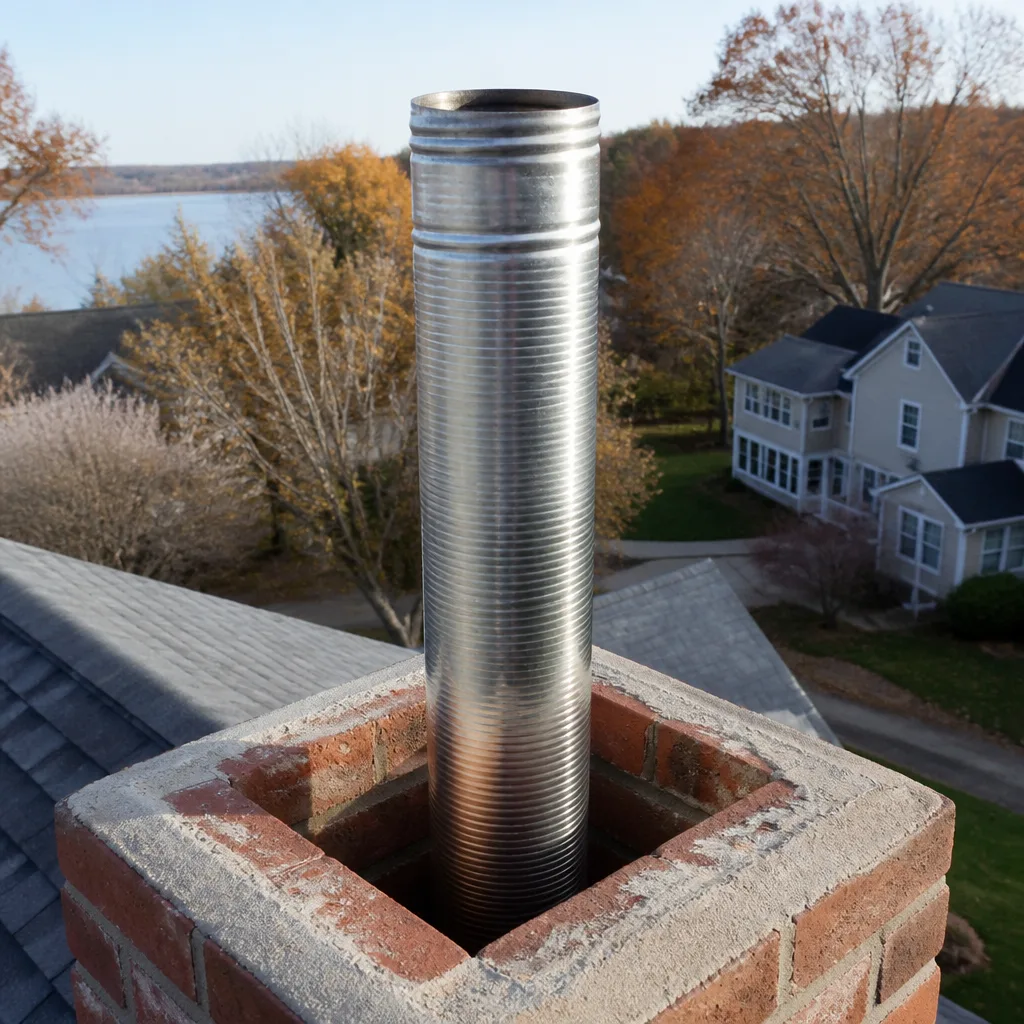
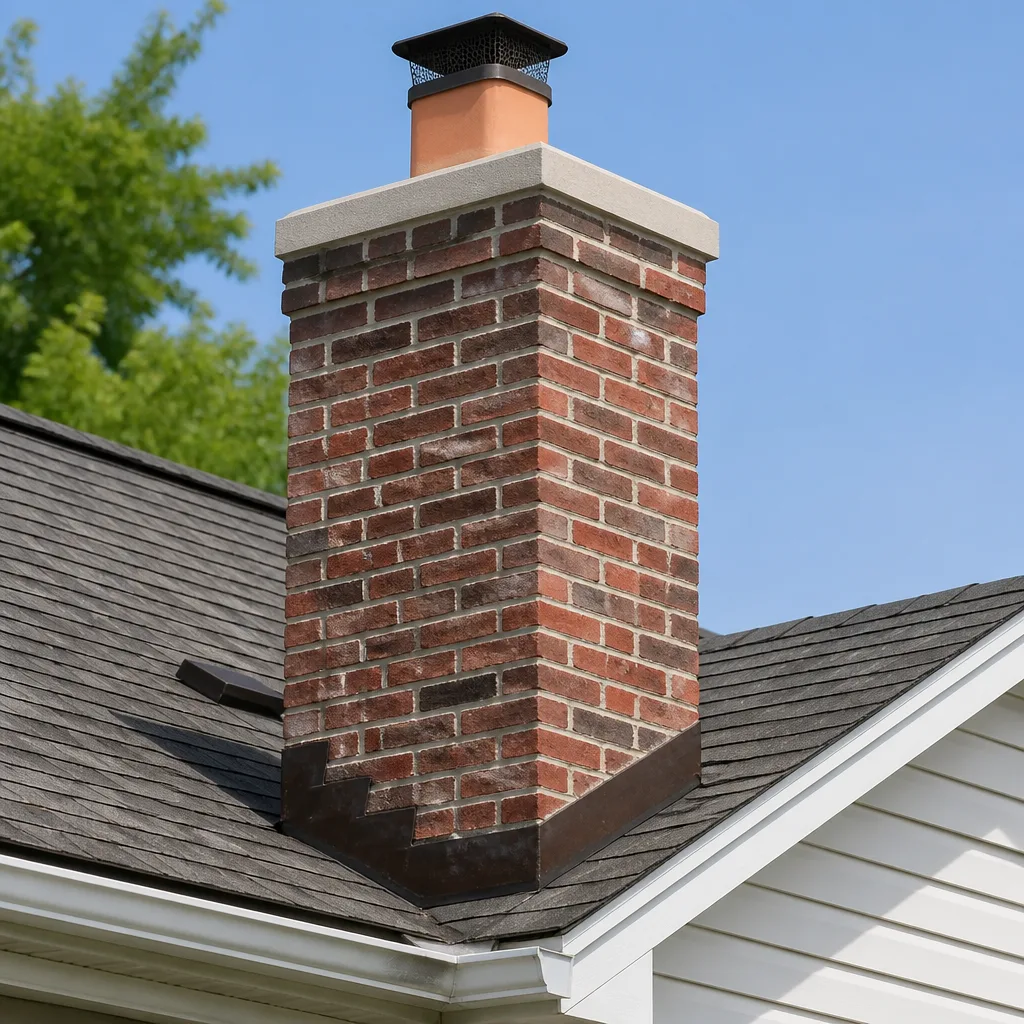
Level 1 sweep and inspection to the NFPA 211 annual standard - flue, crown, cap, and flashing checked and photographed
Chimney sweep logs do not sweep chimneys. They loosen some creosote - which then falls where a brush and vacuum still have to collect it.
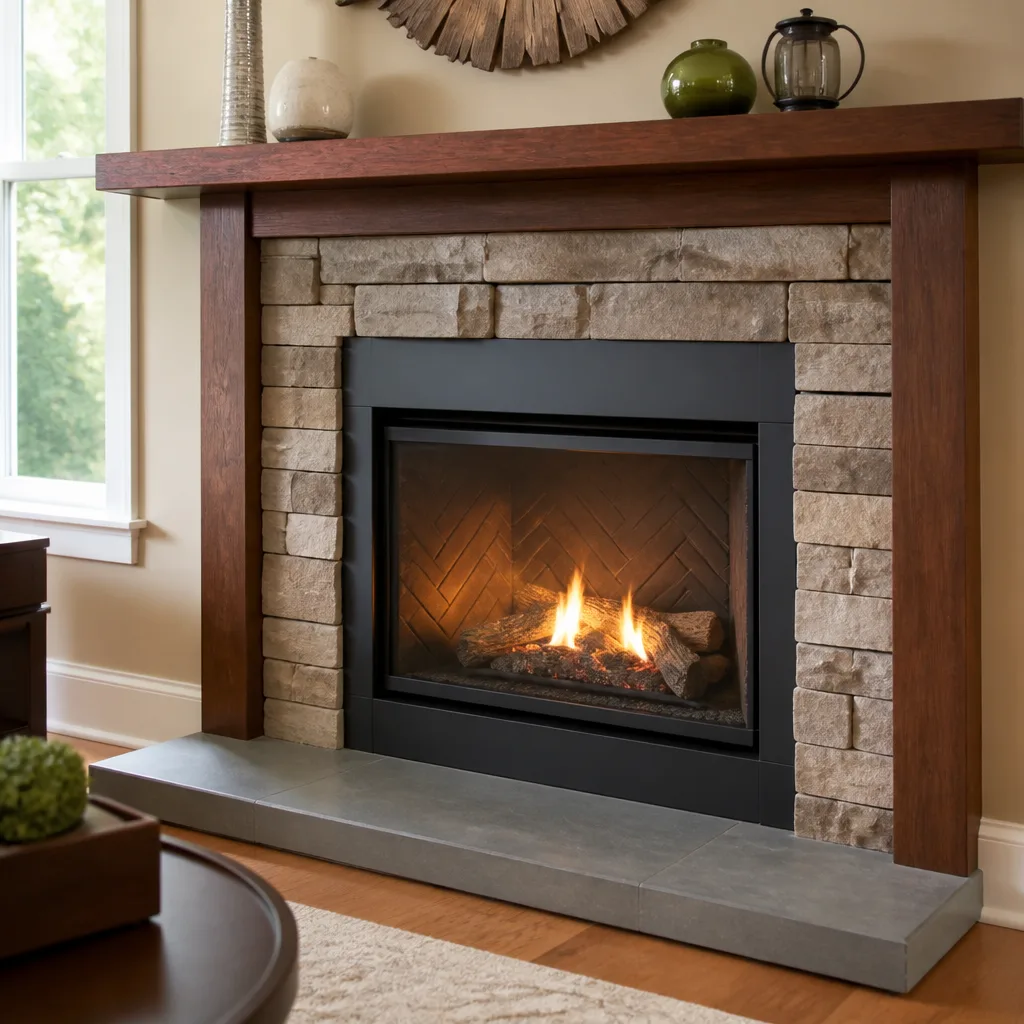
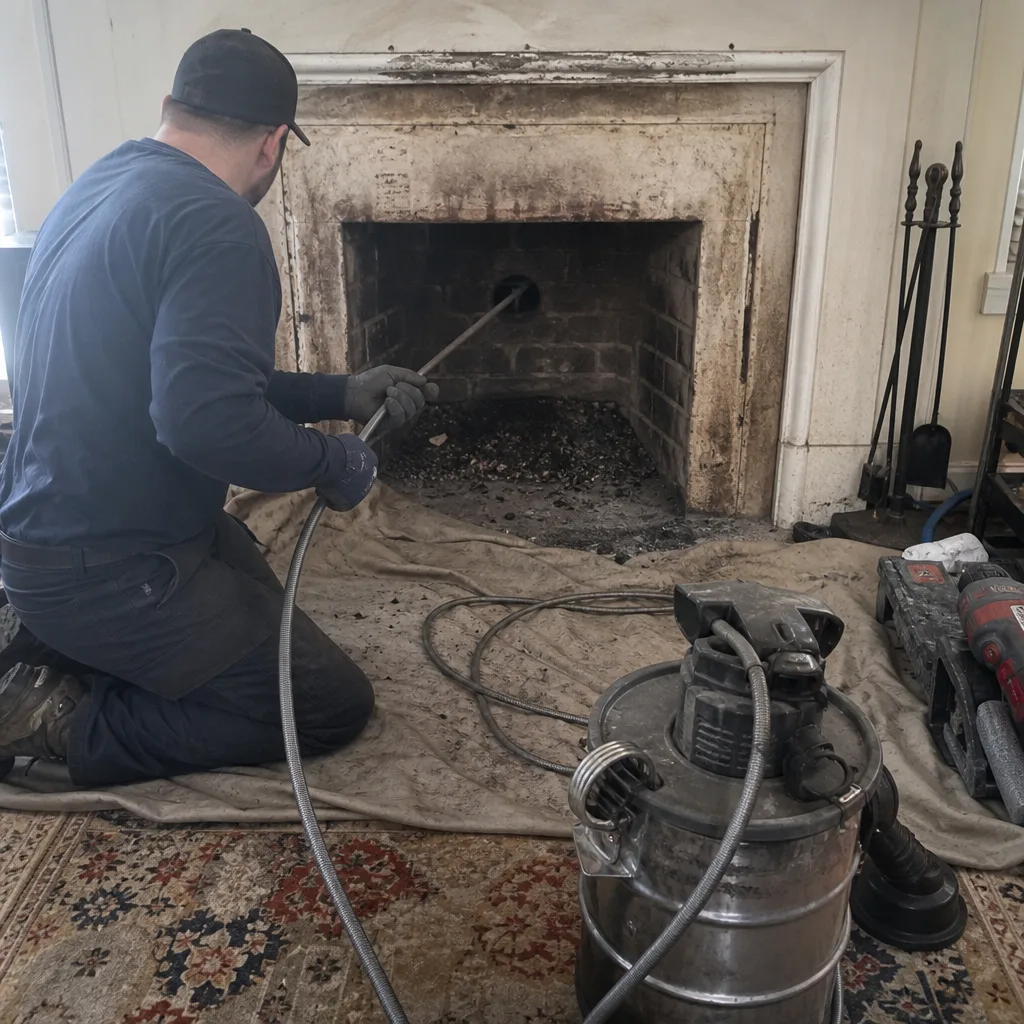 Before
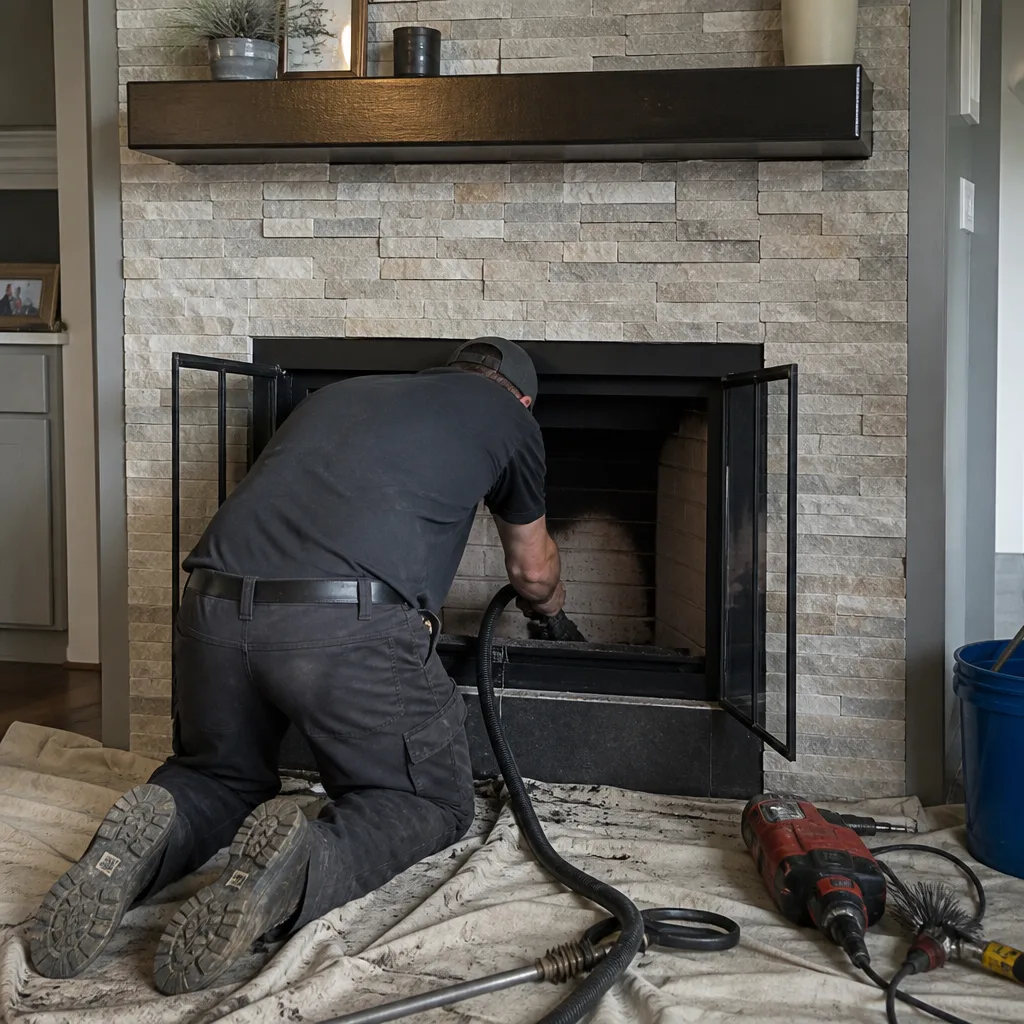 After
After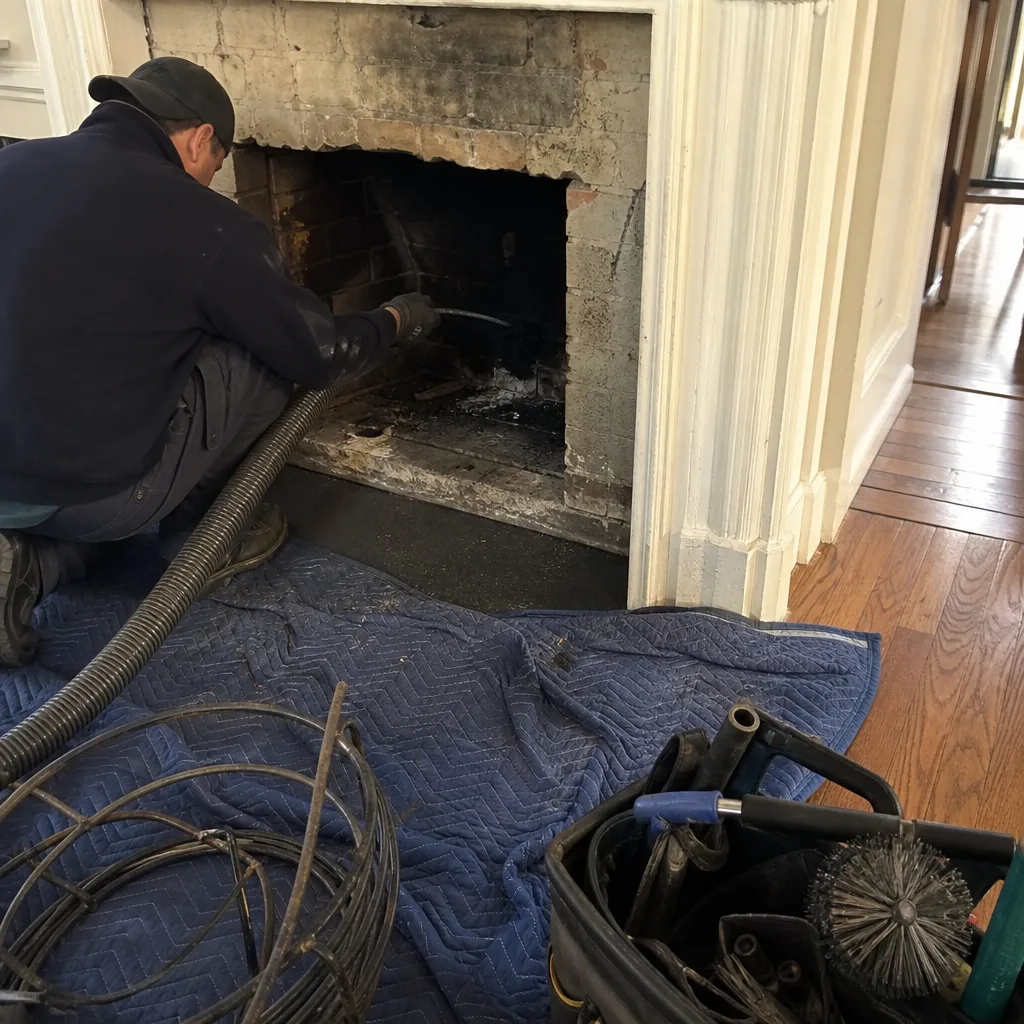 Before
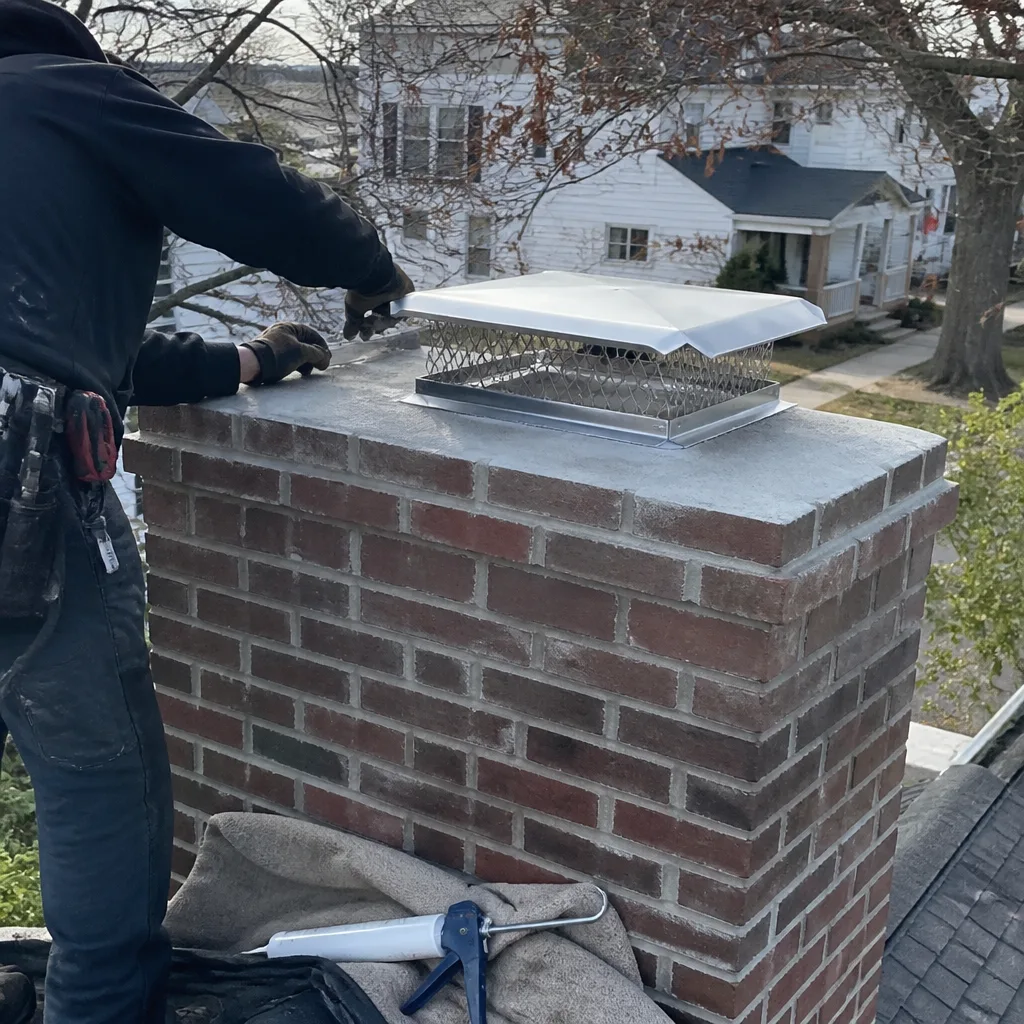 After
After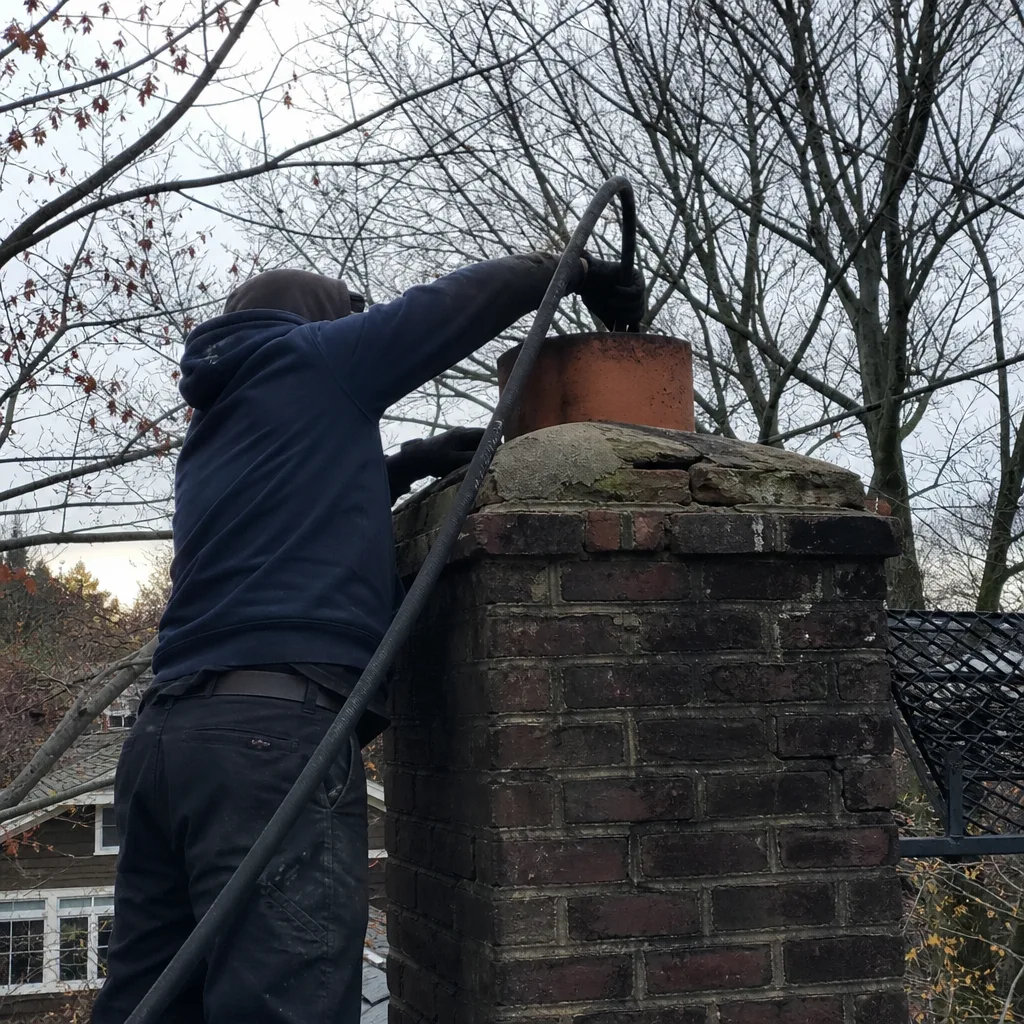 Before
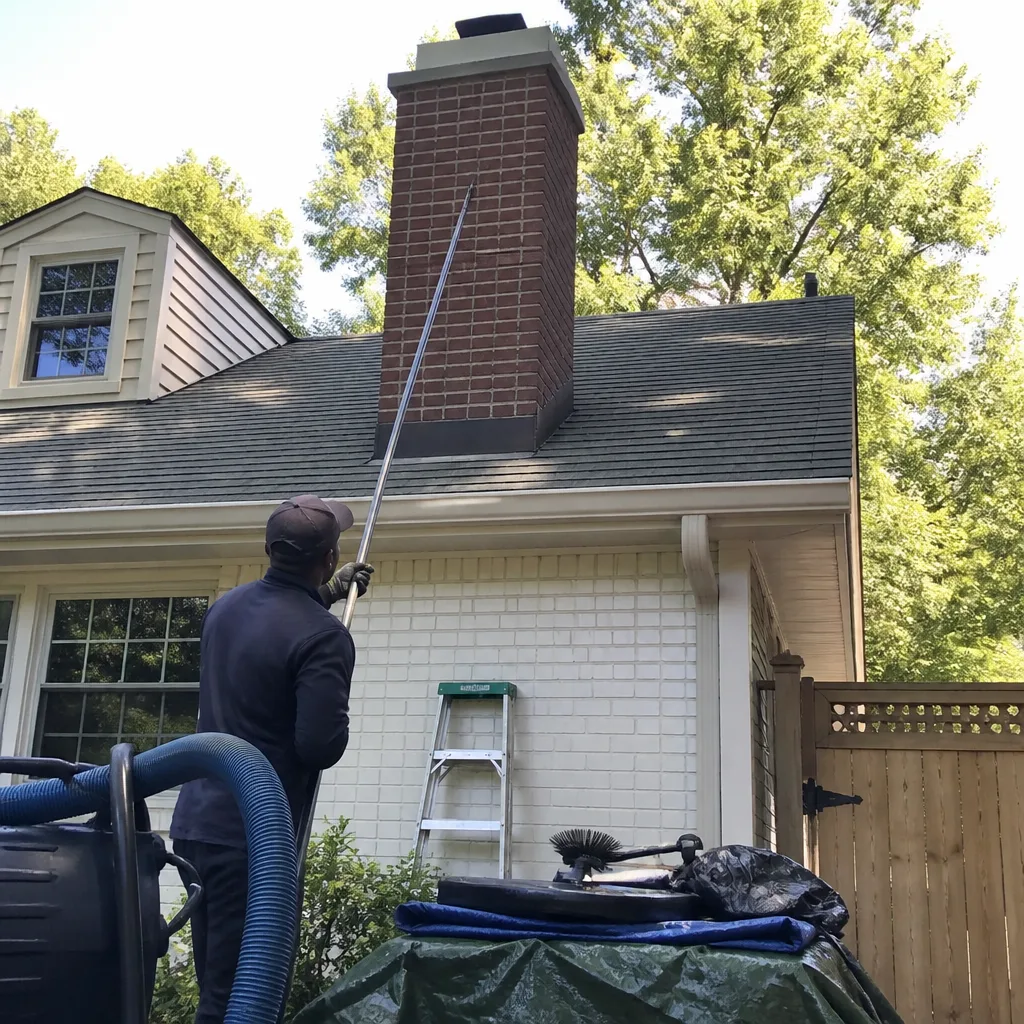 After
AfterCreosote Removal in Washington, DC
Creosote removal in Washington, DC typically costs between $180 and $650, depending on the class of buildup and how many flue sections require treatment. Most standard Class I and Class II cleanings are completed in a single visit, same day you call. Class III glazed creosote – the tarry, shiny deposit that resists a brush and requires chemical treatment or mechanical removal – takes longer and costs more, and we’ll quote that in writing before a single tool goes up the flue.
If you’ve lit your fireplace this season and noticed a sharp, acrid smell, heard popping from inside the firebox, or noticed your damper leaving dark oily residue on your hand, there’s a reasonable chance creosote has moved past Stage One and needs to come out now. Our Chimney Cleaning & Sweep in Washington service covers the full picture – but this page focuses specifically on creosote: what it is, what its removal costs, and exactly what we do to get it out safely.
Level Two Chimney Washington has been doing this work since 2009 under the Haven Standard. Corrine Halstead leads the operation, and the same documented process that applied to our first job applies to every job today – written price before work starts, camera down the flue, photo record when it’s done. Call us at (240) 621-1264 and a live person picks up, any hour.
What Creosote Is and Why Washington Homes Accumulate It Fast
Creosote is the byproduct of incomplete combustion. When wood burns and the smoke cools before it fully exits the flue, it condenses on the liner walls and leaves behind a residue. The cooler the flue, the faster it accumulates. Washington’s climate makes this worse than people expect: the city averages around 25 freezing nights per year, and in neighborhoods like Capitol Hill, Petworth, and Brookland – where older row homes often have tall, narrow flues that weren’t insulated for modern insert stoves – the differential between the fire below and the outside air above is steep. That temperature gap is exactly the condition creosote loves.
The National Fire Protection Association’s standard NFPA 211 classifies creosote in three degrees of severity:
- Class I (Degree 1): Loose, dusty, gray-to-black flakes. This is what a standard sweep removes with a rotary brush. It’s expected after normal use and isn’t alarming on its own.
- Class II (Degree 2): Harder, tar-like deposits that have dried and bonded to the liner surface. A brush still works, but a stiffer brush and more passes are needed. If left in place, Class II will harden further into Class III.
- Class III (Degree 3): Glazed creosote – a shiny, concentrated, carbon-rich coating that is extremely difficult to remove mechanically. It requires a chemical application (typically a creosote-modifying product) to convert it to a friable ash that can then be brushed out. This is the classification associated with chimney fires. A chimney fire burning through glazed creosote can reach temperatures above 2,000°F – hot enough to crack a clay tile liner and ignite adjacent framing.
We name the class in writing before we quote the work. That’s not a formality – it determines the method, the time, and the price, and you’re entitled to know all three before you decide anything.
When You Need Creosote Removal
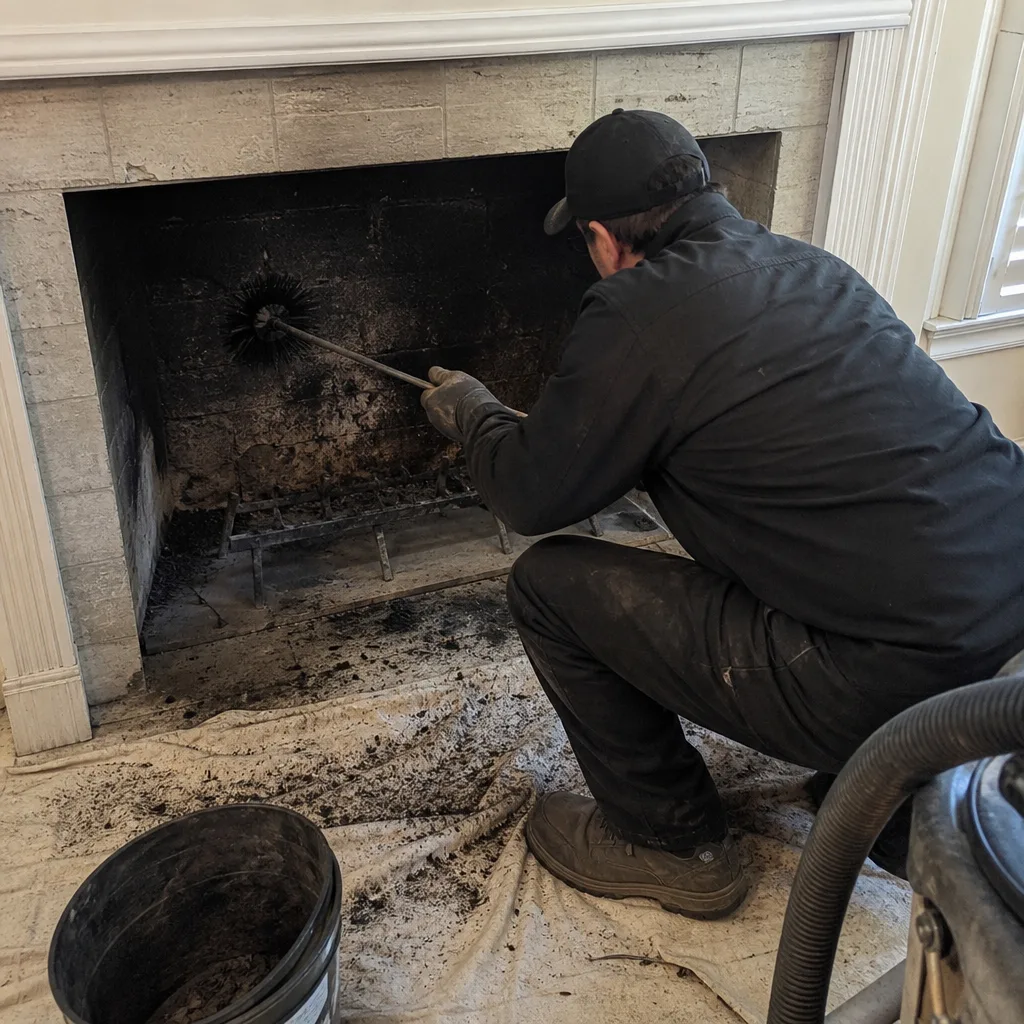
Not every fireplace use requires an immediate Chimney Cleaning & Sweep services. Some signs are obvious; others require a camera to confirm. Here’s what typically brings Washington homeowners to us:
- A strong smoke or asphalt smell when the fireplace isn’t lit. This is especially common in DC row houses during warm weather when the flue reverses and pushes air down. If the smell is oily or chemical, glazed creosote is the most likely source.
- A chimney fire has already occurred. Even a small, brief chimney fire – often mistaken for “the chimney just running hot” – can cause liner damage and leaves a signature burn pattern visible on camera. Any suspected chimney fire requires a Level 2 inspection before the fireplace is used again, and creosote removal is always part of that job.
- You’ve burned unseasoned or green wood. This is one of the most common causes of rapid Class II buildup we see in DC, particularly in homes in Shepherd Park and Takoma where residents buy firewood from local vendors who don’t always season it fully. Wet wood burns cooler and produces more smoke per BTU.
- Your last cleaning was more than 12 months ago and you’ve used the fireplace regularly. NFPA 211 recommends annual inspection and cleaning for any actively used fireplace. If you burned wood more than a handful of times last winter, you have buildup that needs to come out before next season.
- You’re buying or selling a home in DC and the inspection flagged the flue. Home inspectors in the District flag chimneys for further evaluation more often than in many other markets, partly because of the age of housing stock in neighborhoods like Dupont Circle, Georgetown, and Logan Circle. A documented Level 2 camera scan from us satisfies that request and gives you a written record.
- Your fire burns sluggishly or produces more smoke than expected. Restricted airflow caused by creosote narrowing the flue diameter is a common cause. When the liner is partially blocked, the draft weakens and smoke backs into the room.
BeforeAfterOur Creosote Removal Process
Every creosote removal job follows the same documented sequence. Nothing is skipped to save time, and nothing is added without your written approval. Here’s exactly what happens:
- Written Price Before Anything Starts. Before we put down a drop cloth, we tell you the price, the scope, and the warranty – in writing. This is Haven Standard Clause 1 (H.A.V.E.N. “Have it in writing”). You’ll know whether you’re paying $220 for a Class I sweep or $580 for Class III chemical treatment before a single tool touches the flue.
- Camera Scan – NFPA 211 Level 2 Inspection. A high-resolution camera goes down the flue before cleaning begins. This is how we classify the creosote accurately – not a flashlight estimate from the firebox. We’re looking at the liner condition, the smoke chamber, the connector flue, and the crown. The camera footage becomes part of your documented record under Haven Standard Clause 4, running continuously since 2009. Across 38,000+ jobs, we’ve found liner cracks and obstructions that a visual inspection entirely missed.
- Controlled Containment Setup. Drop cloths cover the hearth, firebox, and surrounding floor. A commercial HEPA vacuum runs continuously at the firebox opening during the sweep to prevent fine particulate from entering the room. In a Capitol Hill row house or a Georgetown townhome with hardwood floors and plaster walls 18 inches from the firebox, containment isn’t optional.
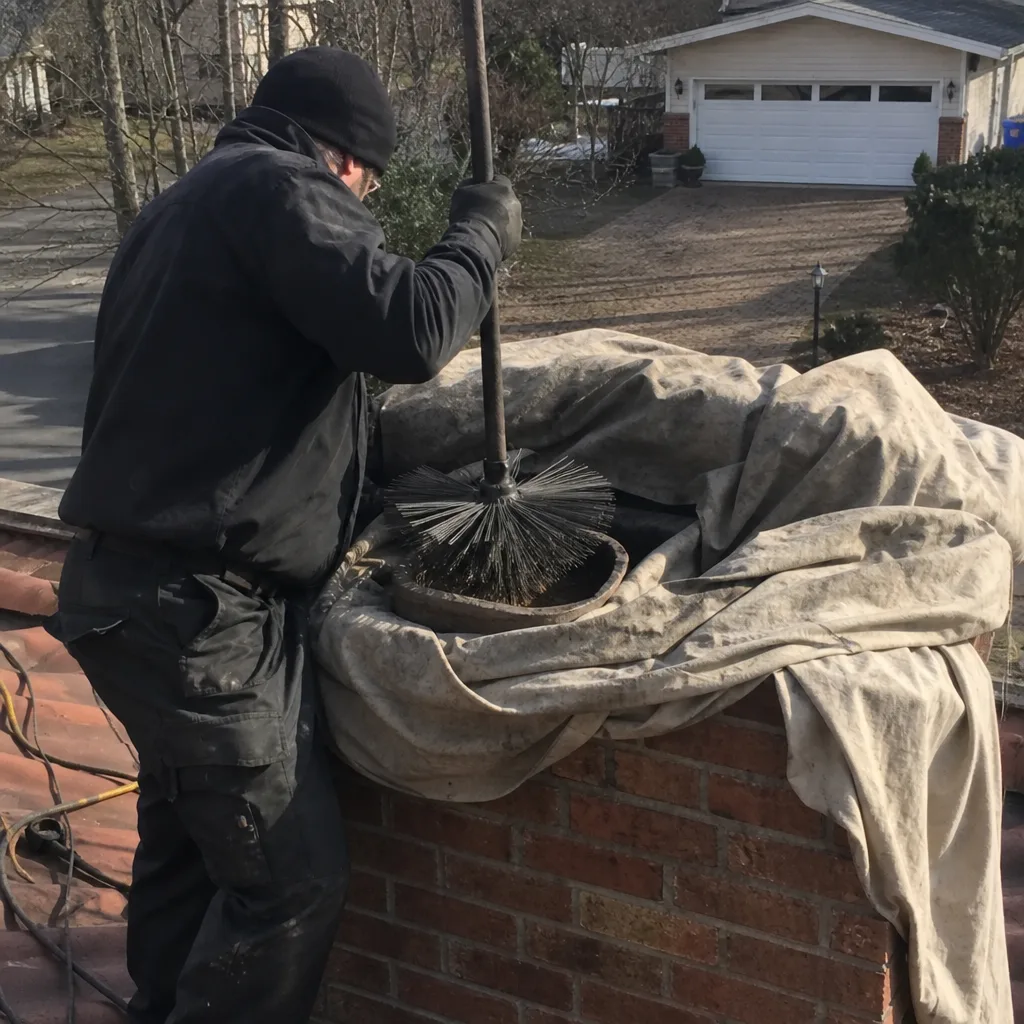
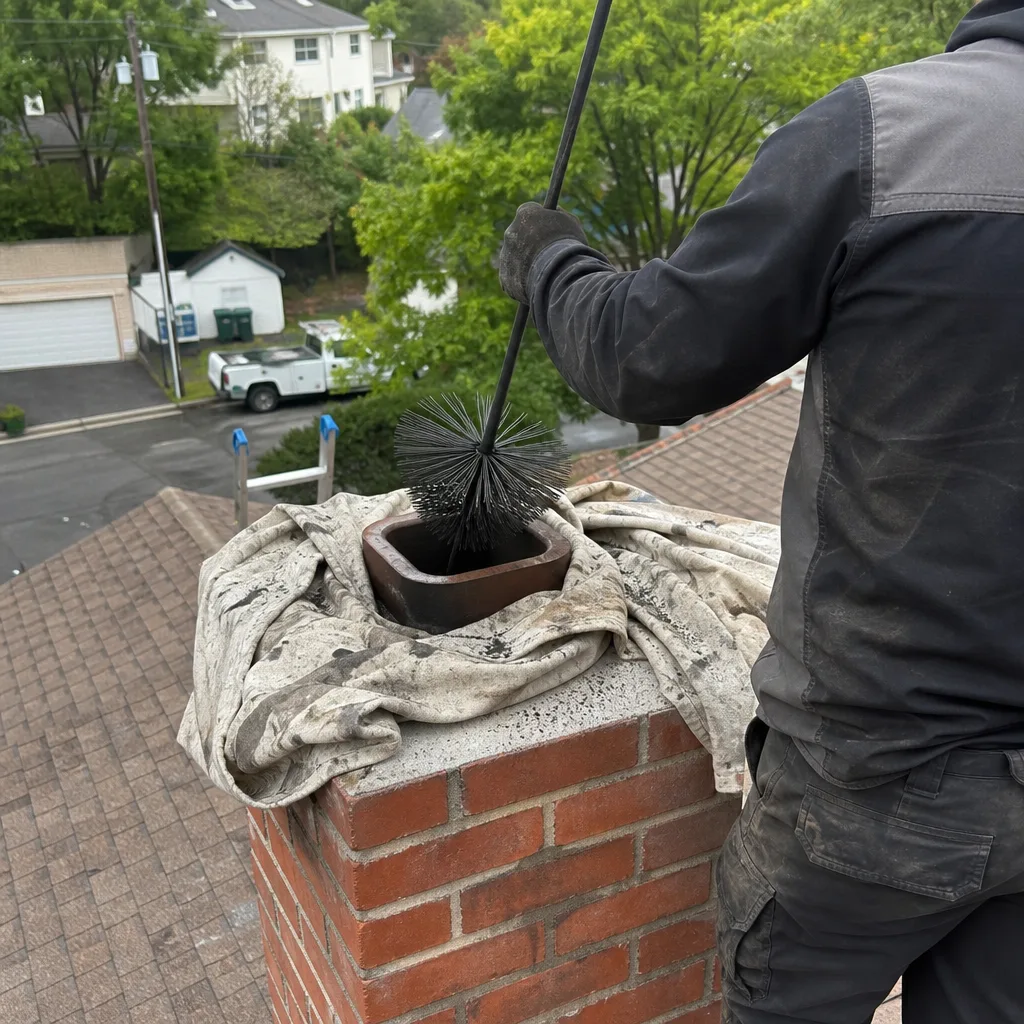
- Mechanical Removal – Rotary Brush or Power Rotation System. For Class I and most Class II deposits, we run a rotary brush system calibrated to the liner diameter – round clay tile, oval clay tile, and stainless liner each require a different brush profile. Brushes sourced through our supply network via Copperfield give us the right tool for each liner type rather than forcing a single-size approach. We work top-down, meaning the tech on the roof works the brush through the flue while the vacuum captures the fallout at the firebox below.
- Chemical Treatment for Class III Glazed Creosote. If the camera identified glazed deposits, we apply a creosote-modifying chemical – a product that converts the dense glaze to a friable, brushable ash over one to two burn cycles (or with direct application on thicker deposits). We’ll explain exactly which product and why, and we’ll schedule a follow-up brush-out if the deposit requires a second pass. We don’t declare a Class III job done after one visit if the camera says otherwise.
- Post-Cleaning Camera Scan and Photo Record. After the flue is clear, the camera goes back down. You get before-and-after images, the liner condition assessment, and the written scope of what was done. If we found anything during the inspection that warrants further work – a cracked tile, a damaged smoke shelf, a missing cap – that’s documented and quoted separately. It’s never bundled into the cleaning bill without your approval.
Creosote Removal Pricing in Washington
Creosote removal cost in Washington, DC depends on three things: the class of buildup, the number of flue sections, and whether the liner needs work identified during the camera scan. Here’s what the ranges look like in this market:
| Service | Typical Price Range (DC Market) |
|---|---|
| Class I Creosote Removal (standard sweep) | $180 – $280 |
| Class II Creosote Removal (tougher deposits, more passes) | $280 – $420 |
| Class III Glazed Creosote – Chemical Treatment + Brush-Out | $420 – $650+ |
| Second-Story or Multi-Section Flue Surcharge | $60 – $120 per additional section |
| Camera Scan (NFPA 211 Level 2) – included on every visit | Included |
| Photo Record Documentation – included on every visit | Included |
A few things that affect where your job lands in those ranges: the age and type of liner (older clay tile in a DC row house from the 1920s accumulates differently than a stainless DuraFlex liner in a newer home in Columbia Heights), the height of the chimney stack, and whether the damper assembly needs cleaning as part of the job. None of those factors change your price after the fact – they’re assessed during the camera scan and reflected in the written quote before work begins.
We offer a free second opinion on any written estimate from a competitor. Bring the quote and we’ll tell you exactly whether the scope and price are reasonable for what they’ve described.
FAQs – Creosote Removal
How much does creosote removal cost in Washington, DC?
Creosote removal in Washington, DC costs between $180 and $650 depending on the class of buildup. Class I removal – loose, dusty deposits from normal use – typically runs $180 to $280. Class III glazed creosote, which requires chemical treatment before brushing, can reach $650 or more for a single flue, especially in older row homes with tall, narrow liners common in neighborhoods like Capitol Hill or Petworth. Every price is put in writing before work starts – call (240) 621-1264 for a quote and a live person will give you a ballpark based on your Fireplace Cleaning needs before we’ve even scheduled the visit.
Is Class III creosote dangerous and how quickly does it need to be removed?
Class III glazed creosote is the highest-risk deposit type and should not be used – meaning no fires lit – until it’s treated and cleared. It burns at temperatures that can exceed 2,000°F if ignited, which is hot enough to crack clay tile liners and transfer heat to adjacent wood framing. This is the physical mechanism behind most chimney-fire-related house fires. If a camera scan identifies glazed creosote in your flue, we’ll say so in writing and explain the options. We don’t recommend DIY approaches to Class III removal – the chemical products are effective but need to be applied correctly, and the follow-up camera scan is the only way to confirm the liner wasn’t already compromised before treatment started.
How often does creosote need to be removed from a Washington, DC fireplace?
Annual removal is the NFPA 211 recommendation for any actively used wood-burning fireplace, and in Washington, DC that standard is appropriate – sometimes not sufficient. DC homeowners who burn fires through November, December, and January in older row-house flues that weren’t designed for modern insert stoves can accumulate Class II deposits within a single season. We see this regularly in homes in Brookland, Takoma, and Shepherd Park where the flue diameter is small and the fires are long. If you’re burning more than 10 times a season, have your flue checked mid-season as well. Call (240) 621-1264 and we can help you figure out a schedule that makes sense for how you actually use the fireplace.
Can you remove creosote the same day I call?
Same-day service is available in most parts of Washington, DC, though it depends on schedule and how far into the Class III range the buildup has progressed. Class I and Class II jobs typically complete in one visit of 60 to 90 minutes. Class III treatment requires a chemical application followed by a second visit for the brush-out and post-treatment camera scan – so the first visit is same-day possible, but the job spans two appointments. The fastest way to know if today works is to call (240) 621-1264 directly – our phones are answered live, any hour.
Why Washington Homeowners Choose Level Two Chimney Washington
The name reflects the standard: NFPA 211 Level 2 Inspection, camera down the flue, written price before work starts, photo record when it’s done. Corrine Halstead built this operation around the idea that documentation is the service – not a luxury feature. When you have a photo record of your liner before and after every cleaning, you know what you have. When the price is written before the work starts, there’s nothing to argue about at the end.
Across more than 38,000 chimney inspections and cleanings since 2009 – every one in the Washington metro area, every one with a written price and a documented photo record – we’ve seen what happens when creosote is managed properly and what happens when it isn’t. The 365-Day Done Right Promise backs every job: if something we did isn’t right, we make it right. That’s not a marketing phrase; it’s a written clause on every invoice under the Haven Standard.
Our technicians are background-checked and uniformed. You’ll get a text when they’re on the way and a named person assigned to your job – not a dispatch number. The materials we use for any liner or hardware work come from supply channels that include HeatShield and Copperfield, sourced through Haven’s buying network to keep prices honest.
You can read more about our full sweep and inspection work on the home page, or head straight to scheduling. The number is below.
Get a Written Quote for Creosote Removal in Washington, DC
If your fireplace is due for cleaning, if you’ve had any sign of a chimney fire, or if you’ve simply never had a Level 1 Inspection or camera-scan inspection done since you bought the house, this is the call to make. A live person at Level Two Chimney Washington is available right now at (240) 621-1264. Tell us the type of fireplace, the neighborhood, and how long since the last cleaning – we’ll give you a realistic price range before we’ve even scheduled the appointment, and a firm written price before anyone touches the flue. Free estimates, always in writing, no pressure to book on the call.
Written by Corrine Halstead, Owner at Level Two Chimney Washington, serving Washington.