
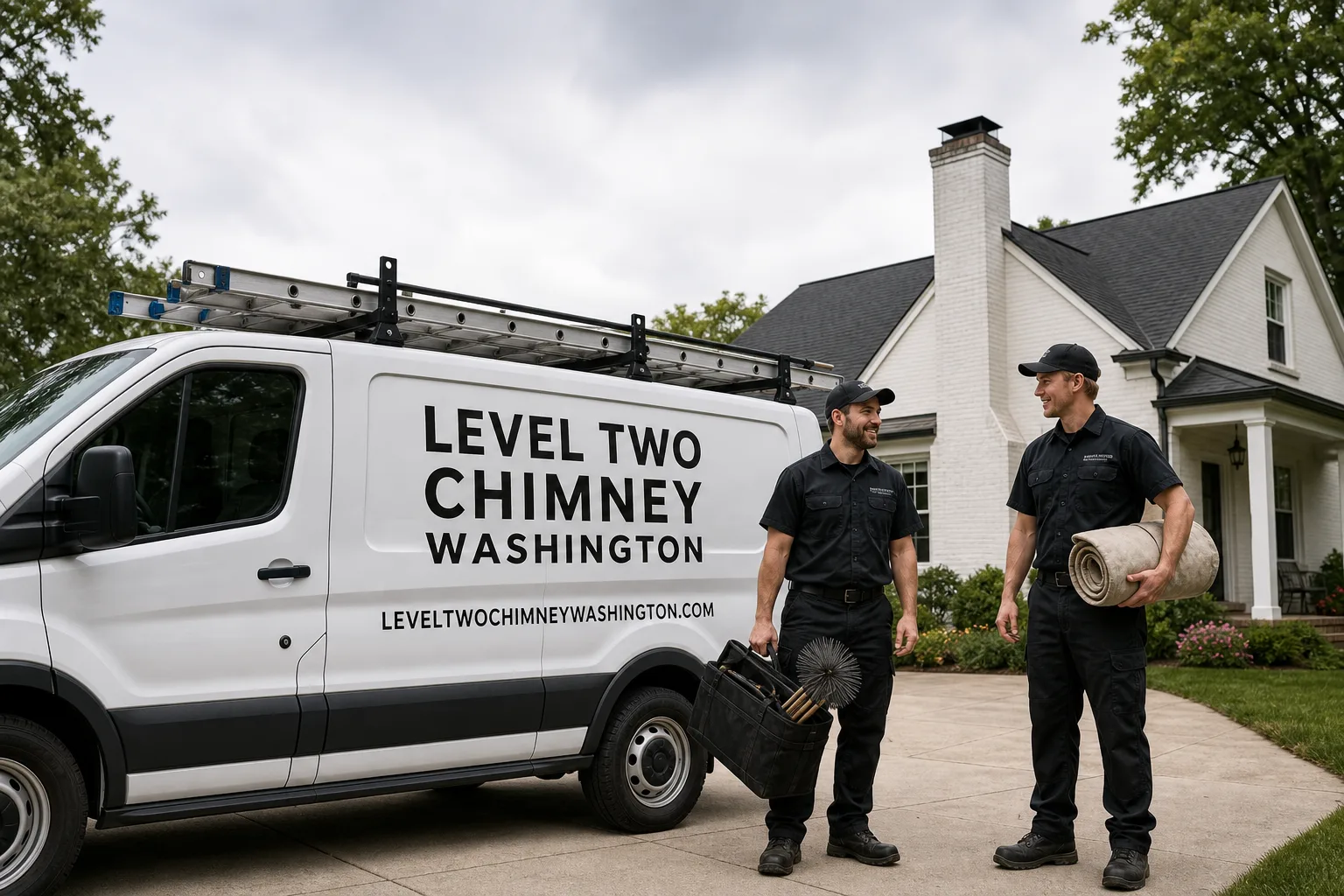
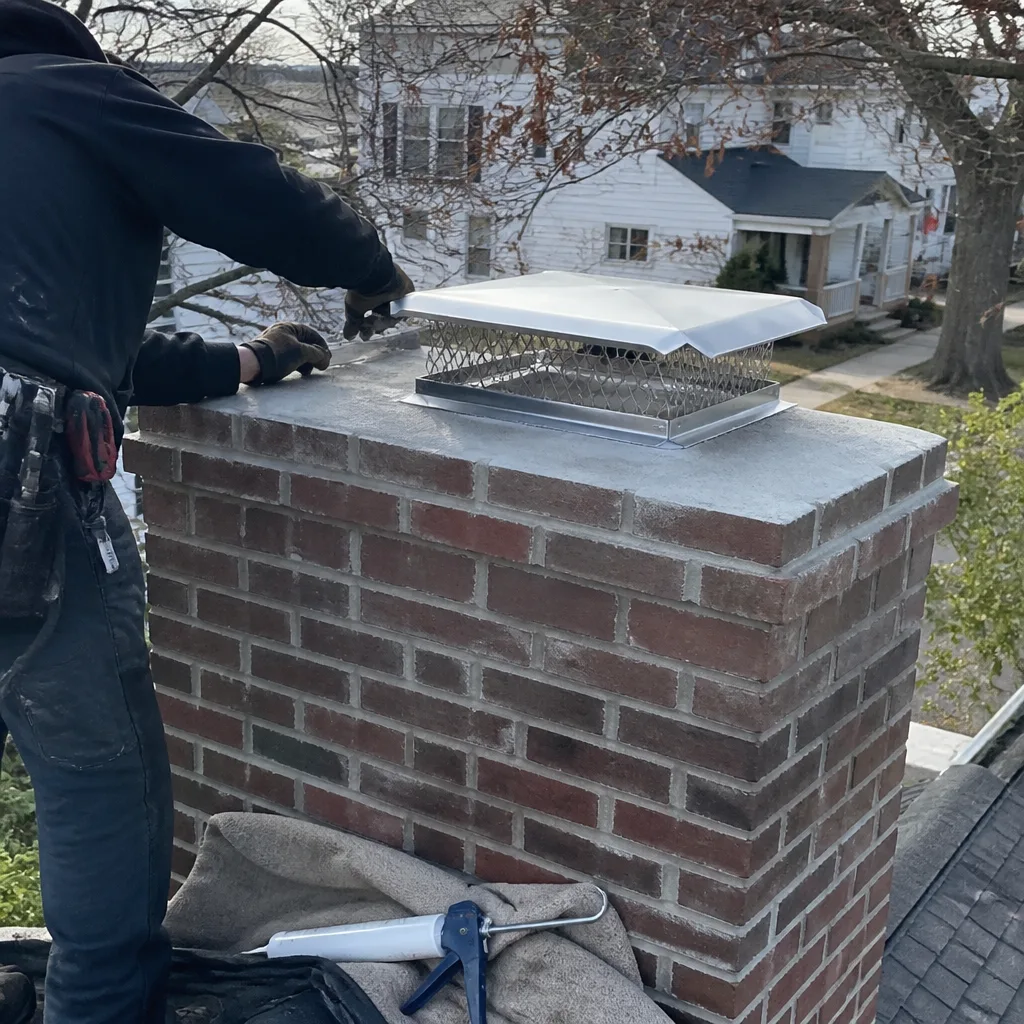
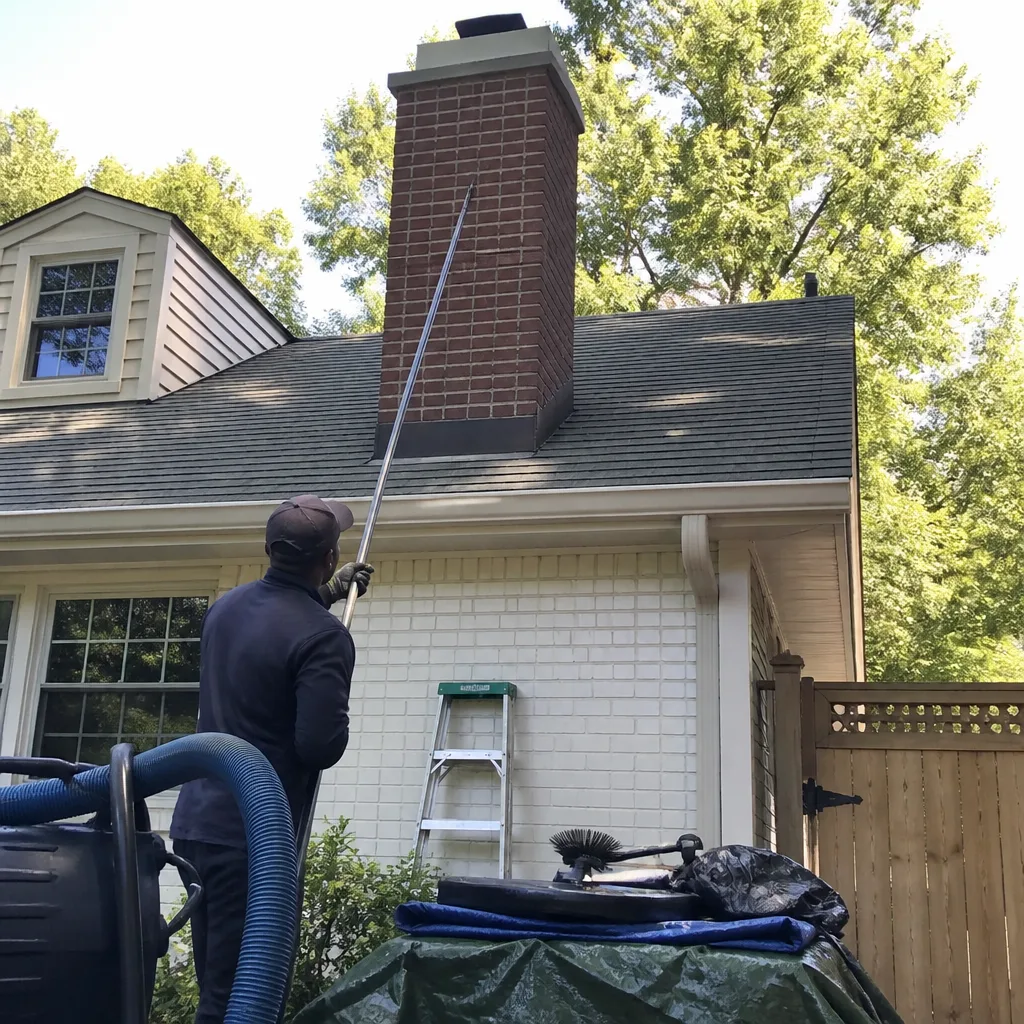
Level 1 sweep and inspection to the NFPA 211 annual standard - flue, crown, cap, and flashing checked and photographed
Chimney sweep logs do not sweep chimneys. They loosen some creosote - which then falls where a brush and vacuum still have to collect it.
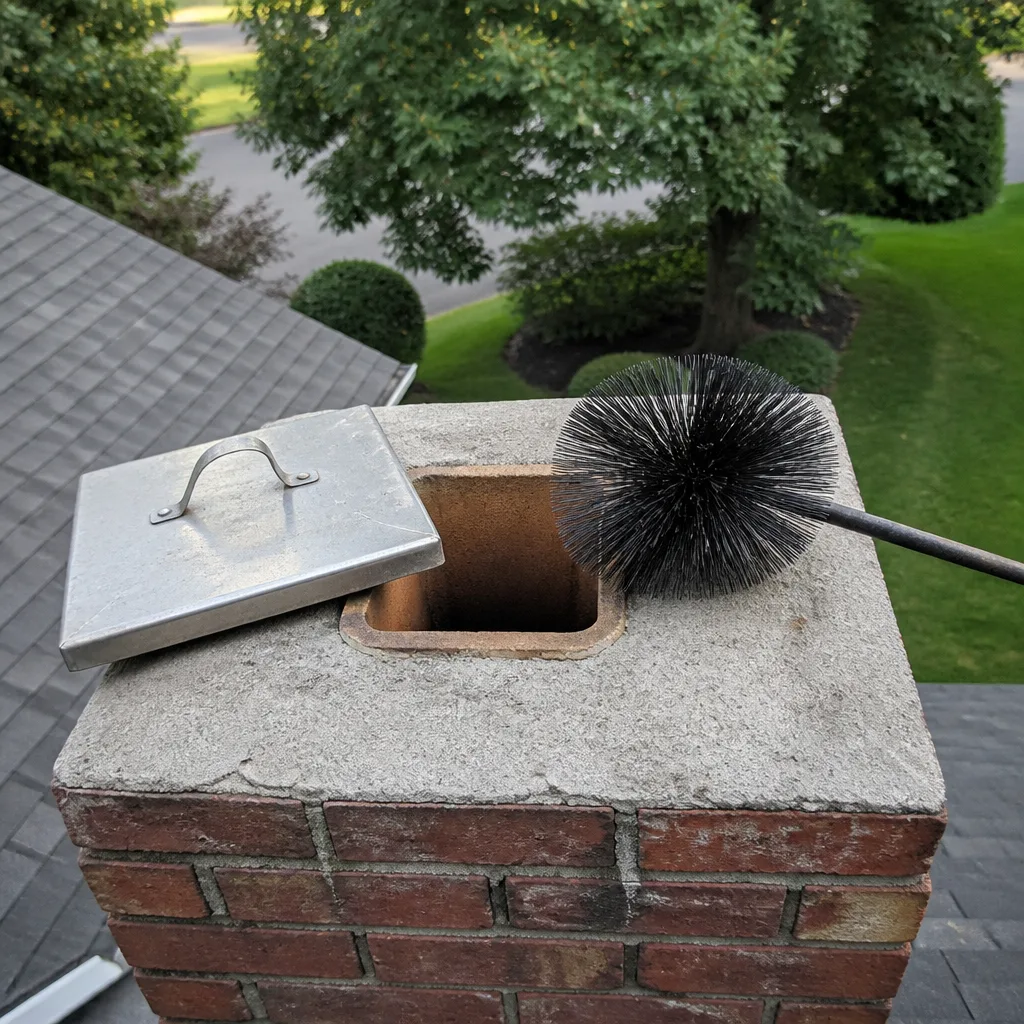
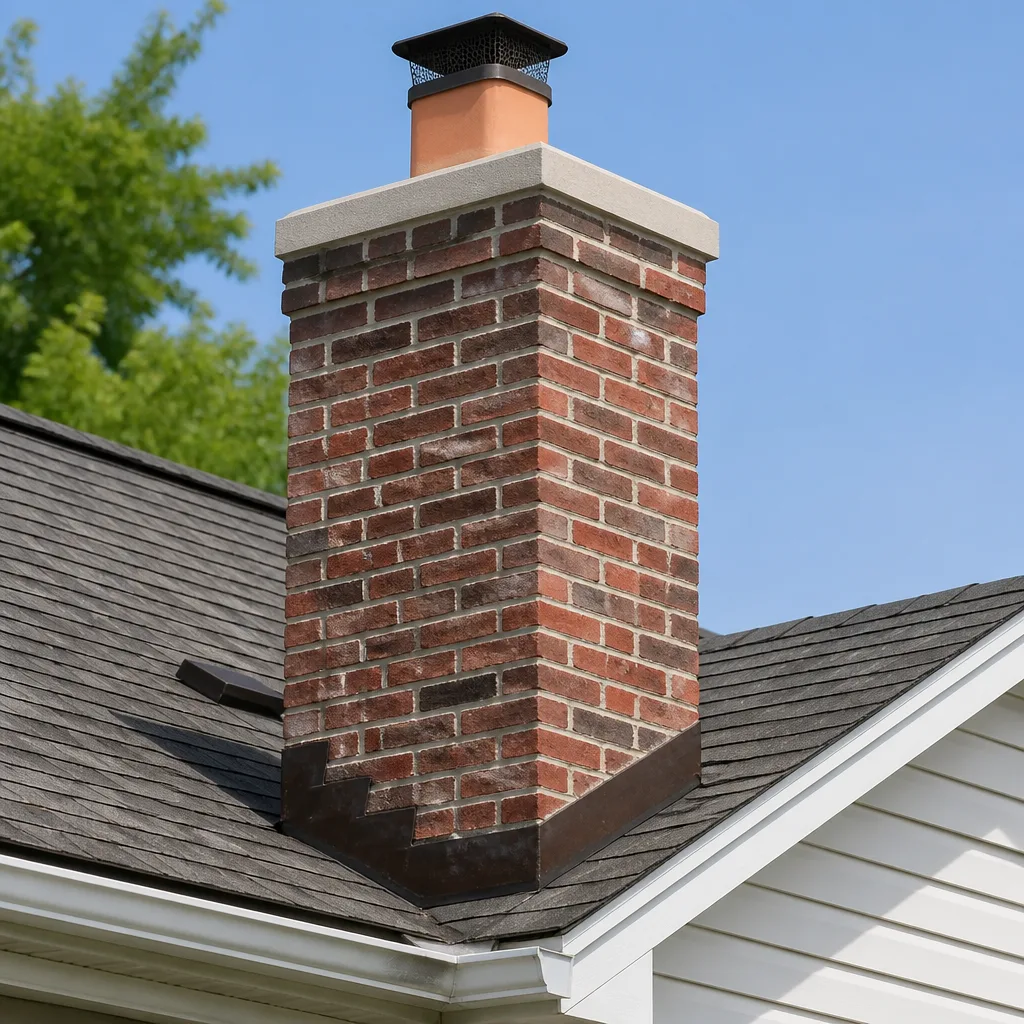
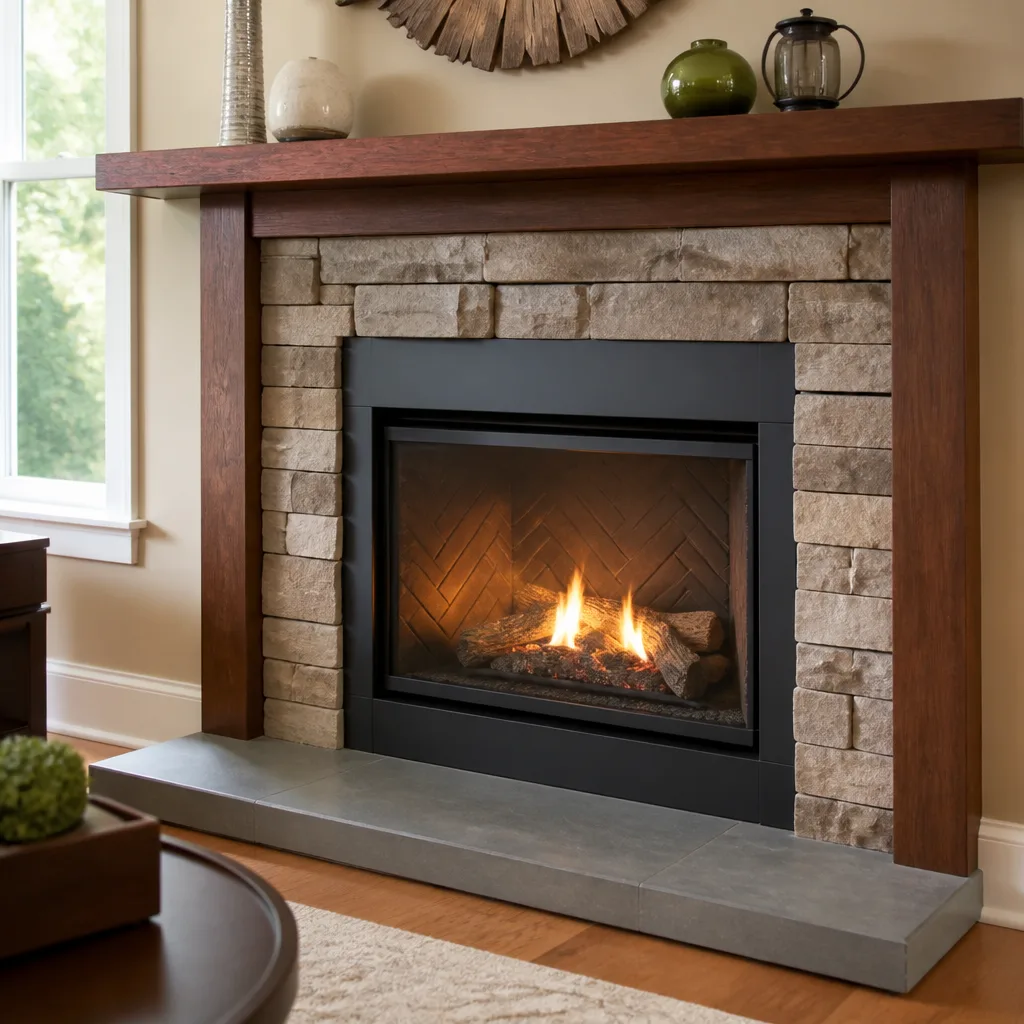
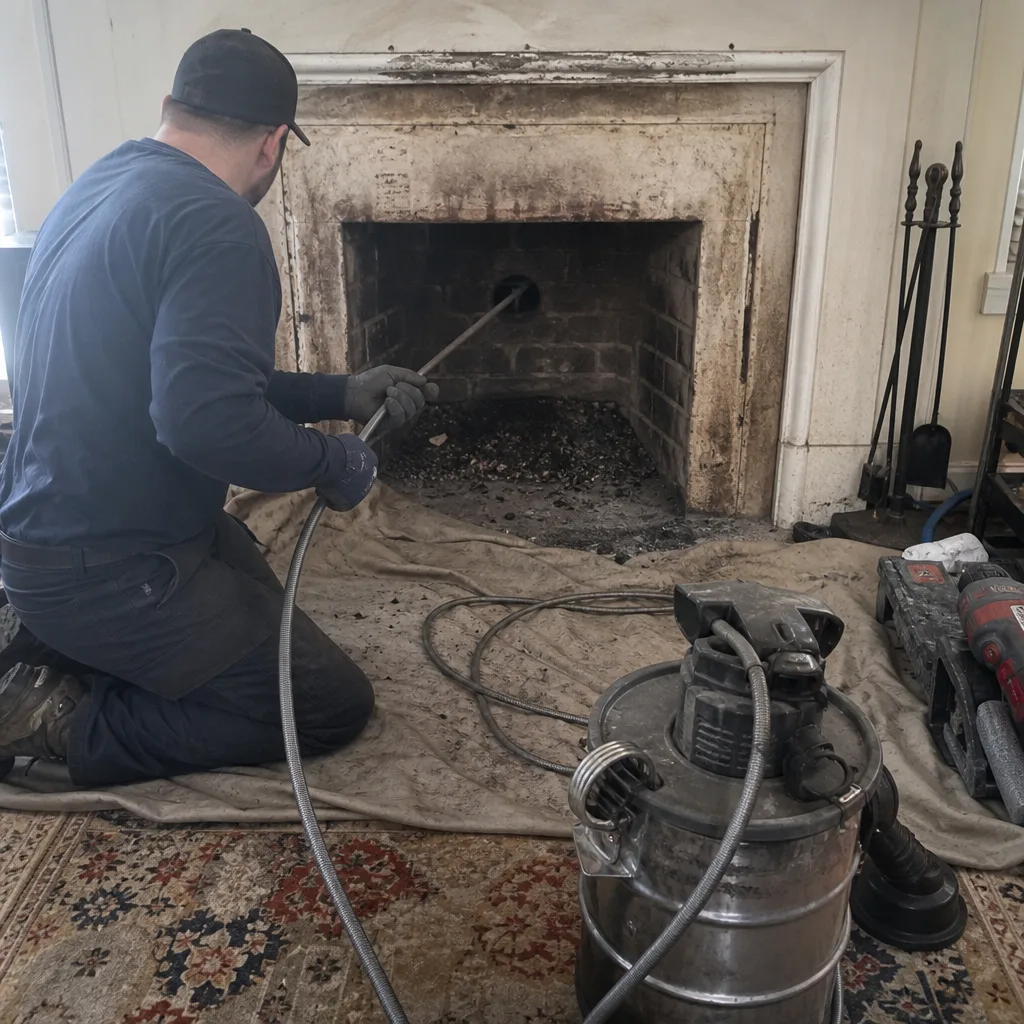 Before
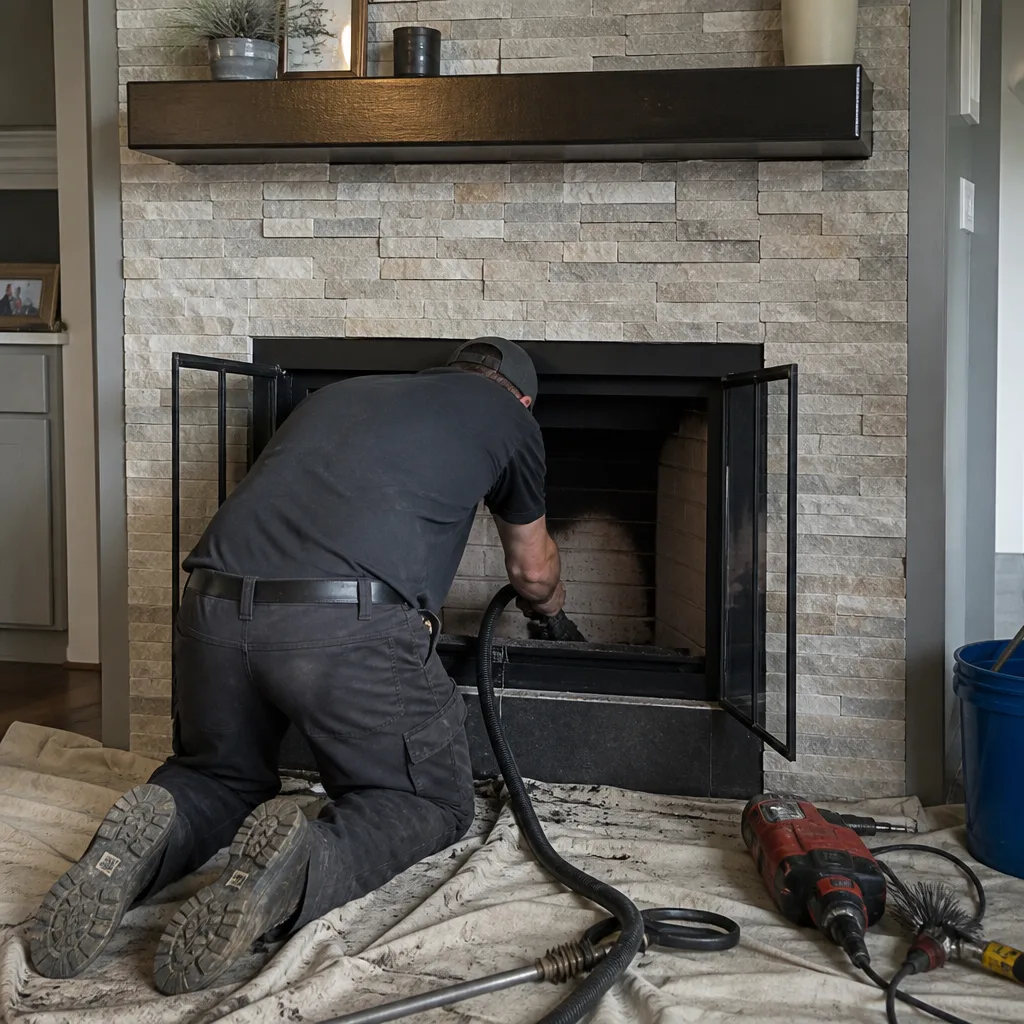 After
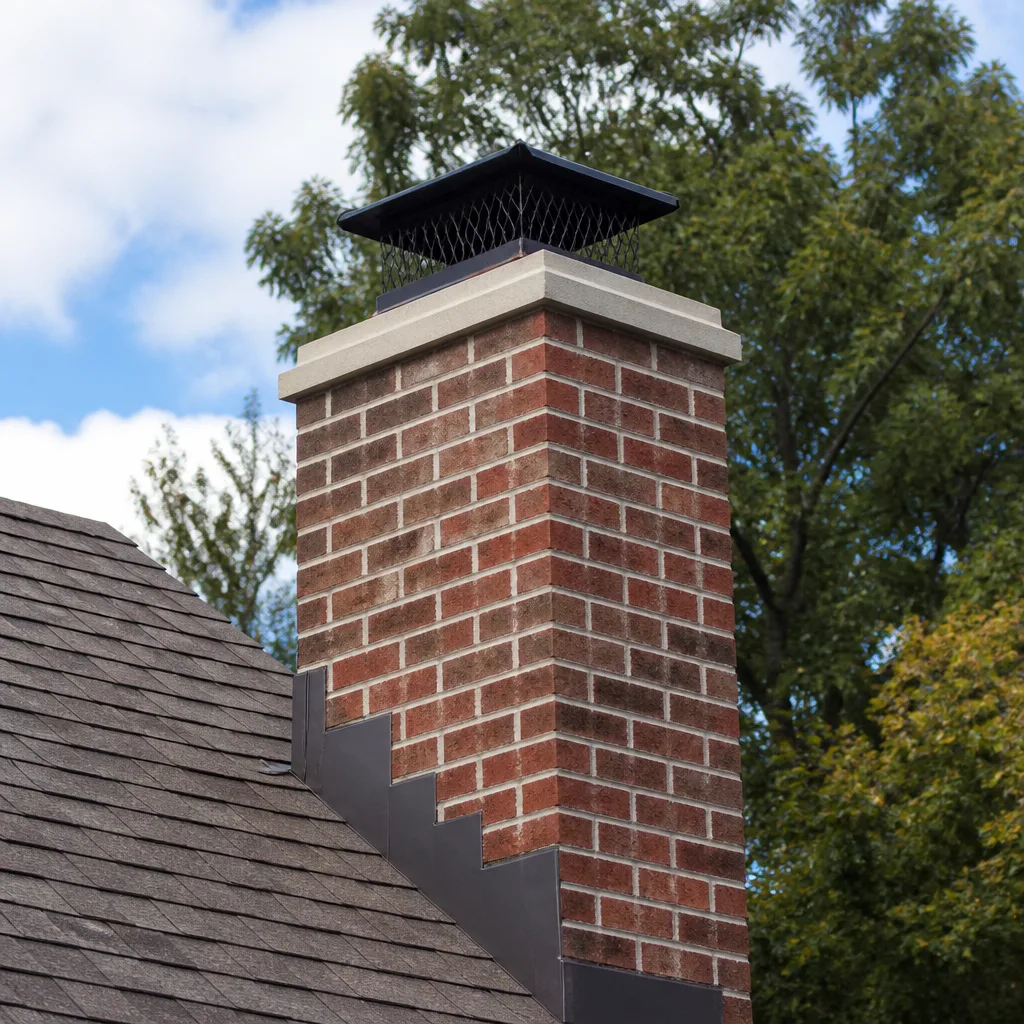
After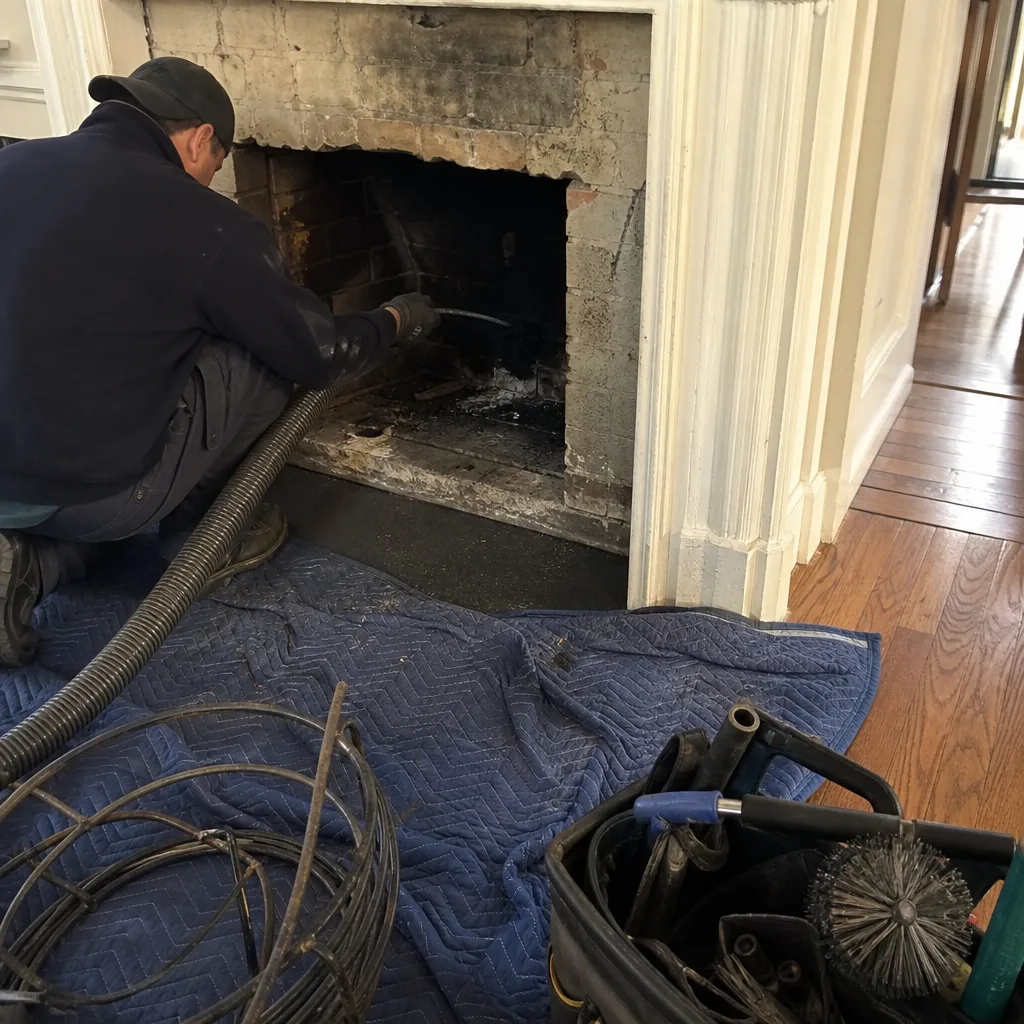 Before
 After
After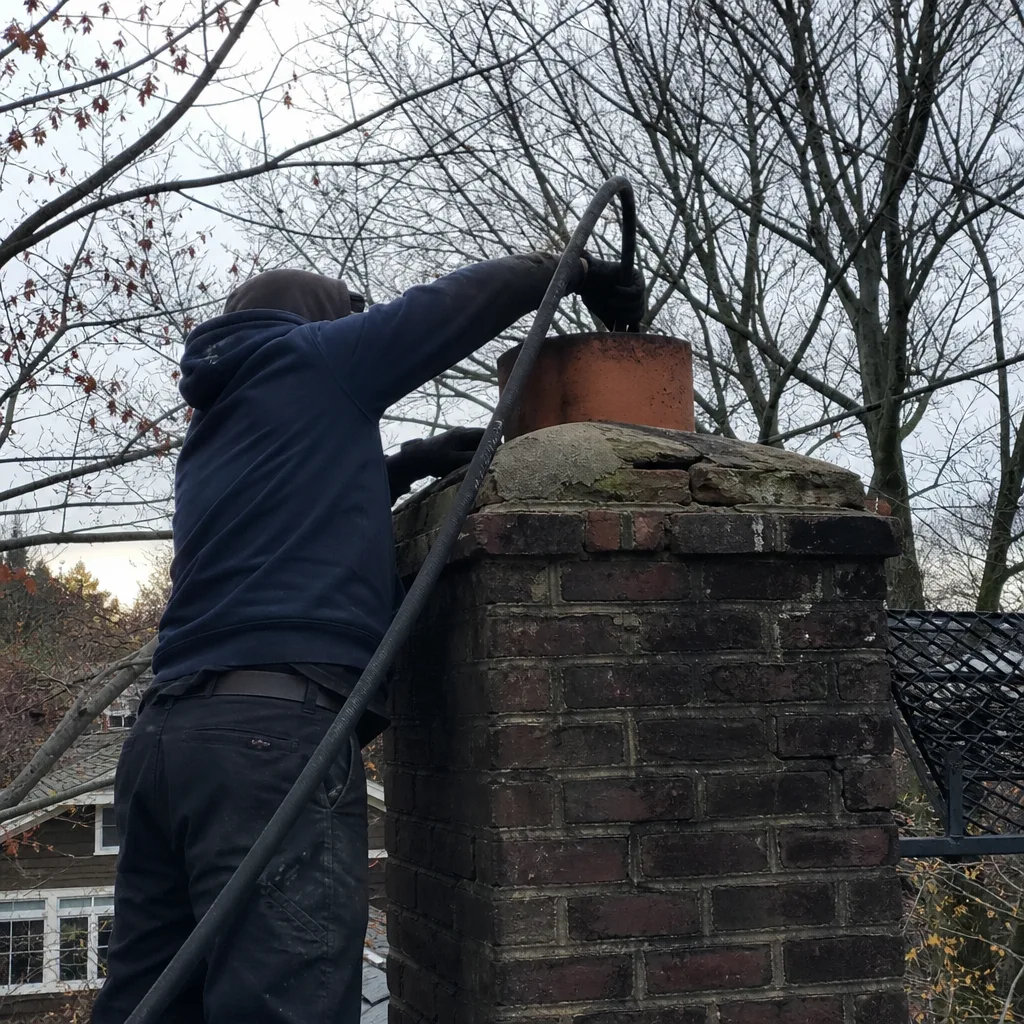 Before
 After
AfterTrusted Chimney Liner & Rebuild for Washington Homeowners
A cracked flue liner isn’t a maintenance item you can postpone. In Washington, DC row houses and detached homes built before 1940, the terra cotta liners are often original, which means they’ve been absorbing thermal shock and acidic flue gas for 80-plus years. When those liners fail, the chimney isn’t just inefficient, it’s a fire and carbon monoxide pathway. Level Two Chimney Washington has completed more than 38,000 inspections and cleanings since 2009, and we’ve rebuilt or relined hundreds of Washington chimneys. Our crews carry a camera down the flue on every single visit, document what they find, and hand you a written price before any work starts. Call (240) 621-1264 to schedule a camera-scan inspection.
What Our Chimney Liner & Rebuild Service Includes
Every liner and rebuild job starts with a Level 2 camera inspection, per NFPA 211. We don’t quote a liner over the phone without seeing the flue interior. The scope below covers the work we handle across Washington, from Georgetown row houses to mid-century colonials in American University Park, and our Chimney Liner & Rebuild cost guide explains what drives pricing.
Stainless Steel Liner
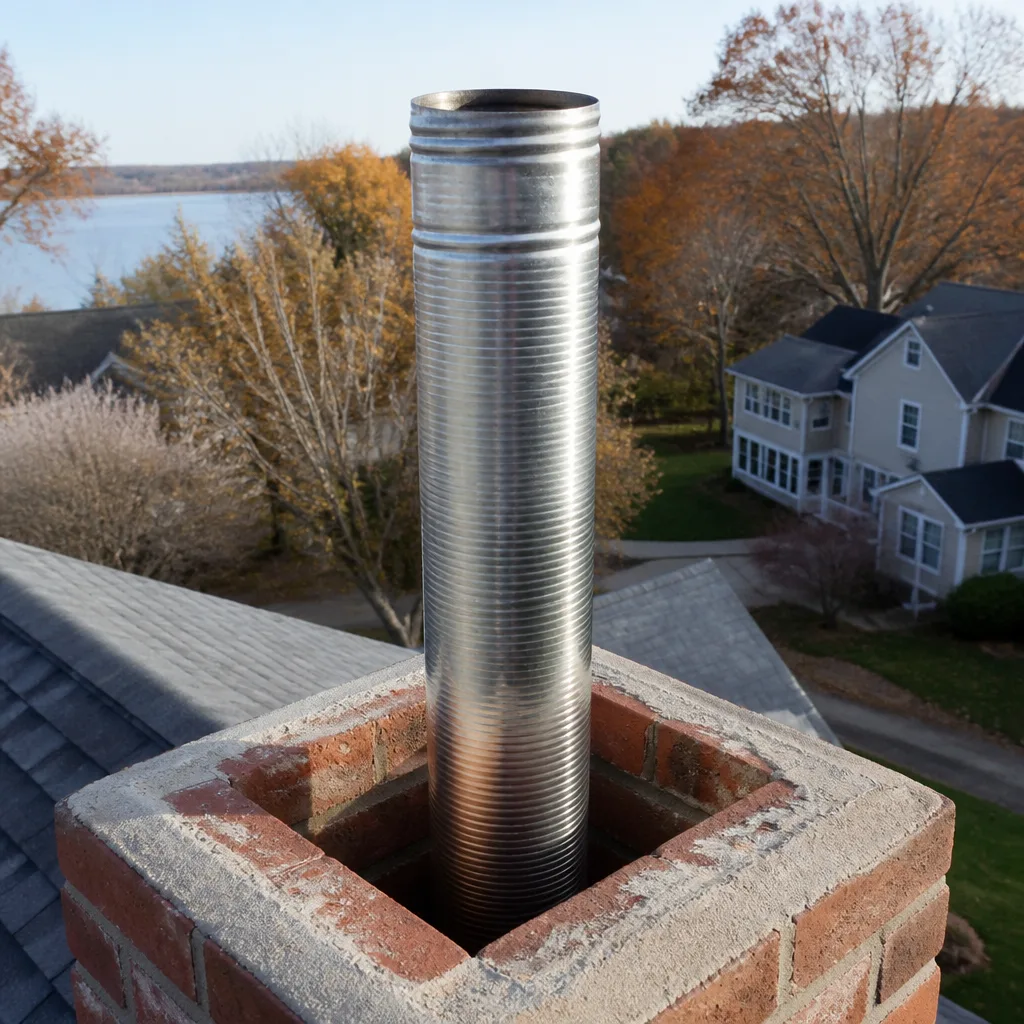
A stainless steel liner is a continuous metal tube installed inside the existing flue, typically 316L alloy when the appliance burns gas or oil and 304 when it’s wood. Washington homes that convert from an oil boiler to a high-efficiency gas furnace often need this upgrade because the new appliance exhausts at lower temperatures that condense inside an unlined masonry flue, eating the mortar from the inside out. We install rigid and flexible stainless systems from DuraFlex and Olympia, sized to the appliance BTUs, with a written warranty on the liner and the labor.
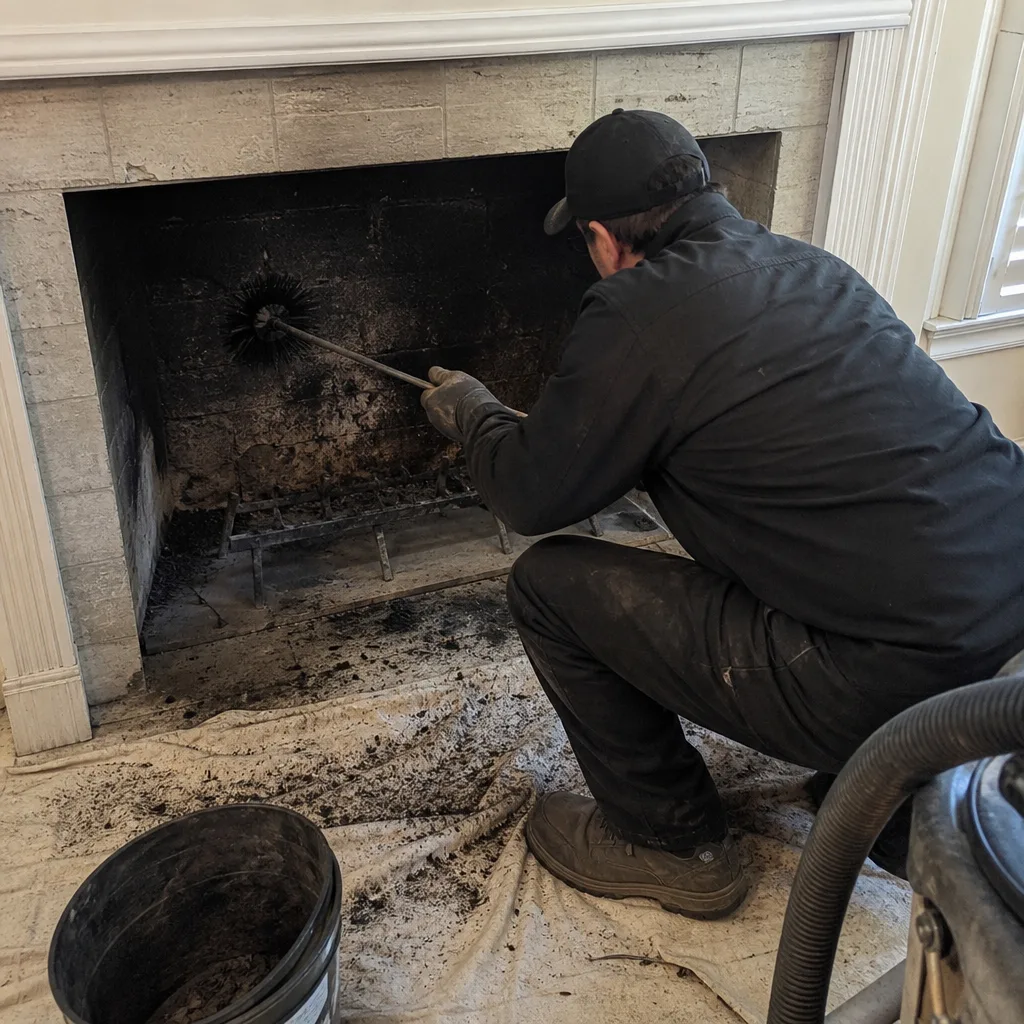
Flexible Liner
A flexible liner is a corrugated stainless tube, usually 304 or 316 alloy, that snakes through a flue with slight offsets or old terra cotta tile misalignment. It’s the standard fix when a chimney’s tile joints have shifted just enough that a rigid liner won’t feed cleanly but the structure itself is still sound. We use this frequently in Capitol Hill and Dupont Circle homes where the original flue has a slight dogleg. The flex liner gets a tee at the base, a connector to the appliance, and a top plate with a rain cap, all sealed and camera-verified after install.
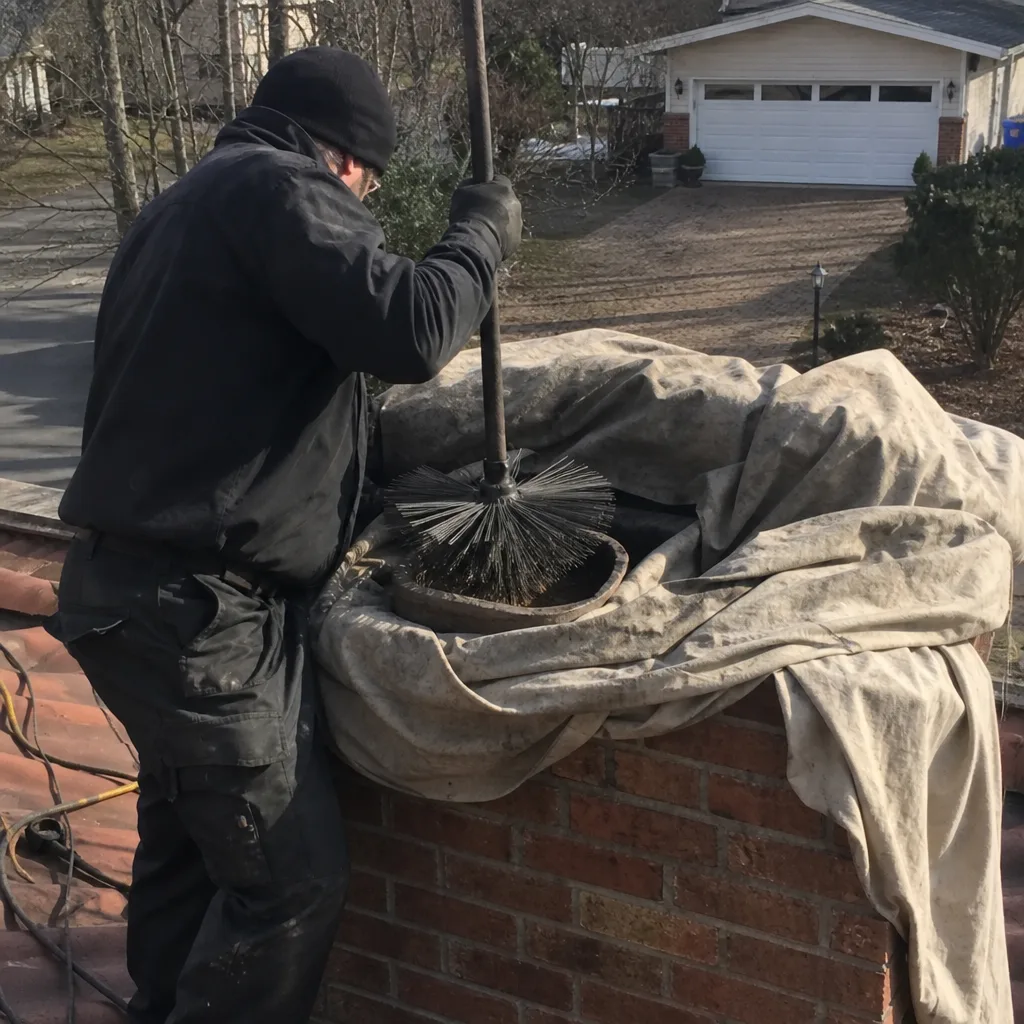
Liner Replacement
Liner replacement means pulling the existing liner, whether it’s a rusted steel tube or a cracked terra cotta run, and installing a new one rated for the current appliance. Washington’s freeze-thaw cycles aren’t the only culprit; creosote fires can crack clay tiles in minutes, and once a single tile spalls, the flue gases find the gap and work on the brick behind it. We remove the old liner, camera-check the chase and smoke chamber, then install the new liner with a poured insulation or a blanketed wrap depending on code and clearance. Every replacement ends with a before-and-after photo record, per Haven Standard Clause 4.
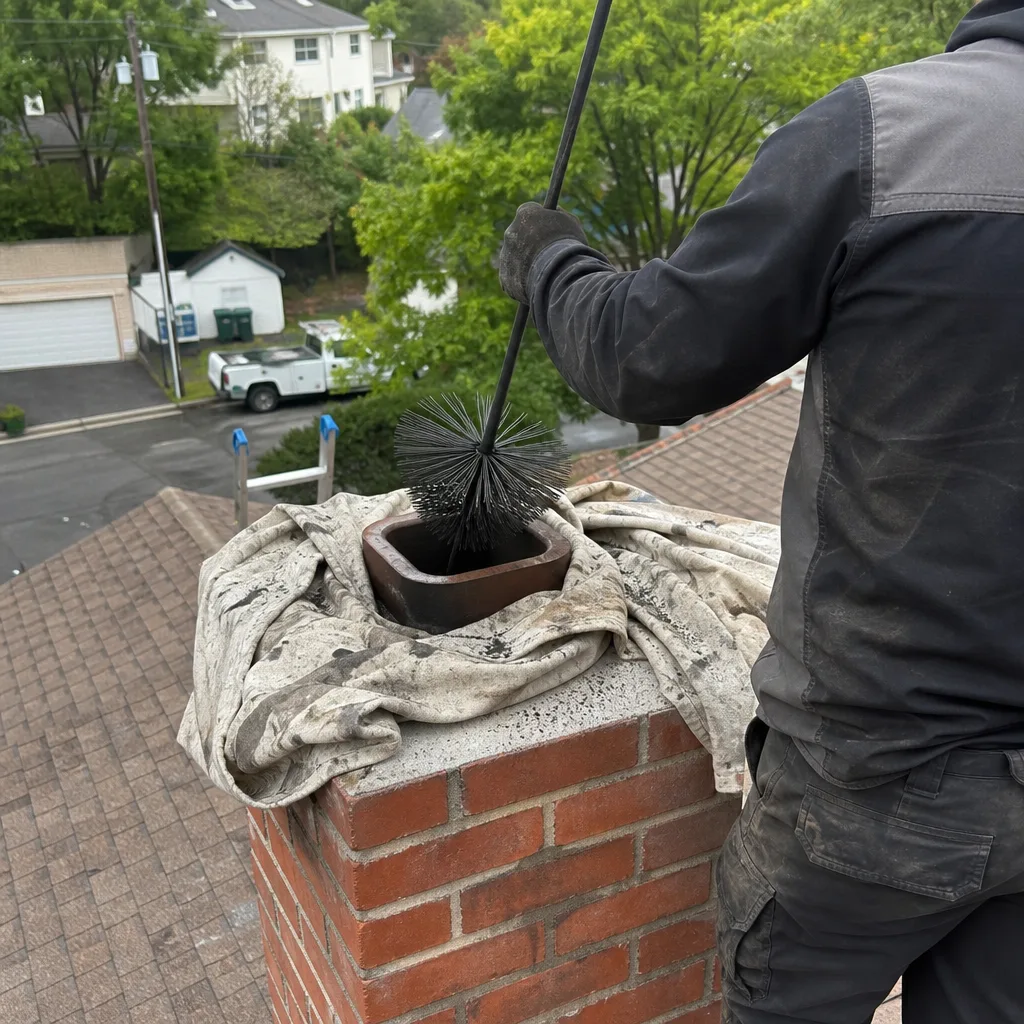
Partial Rebuild
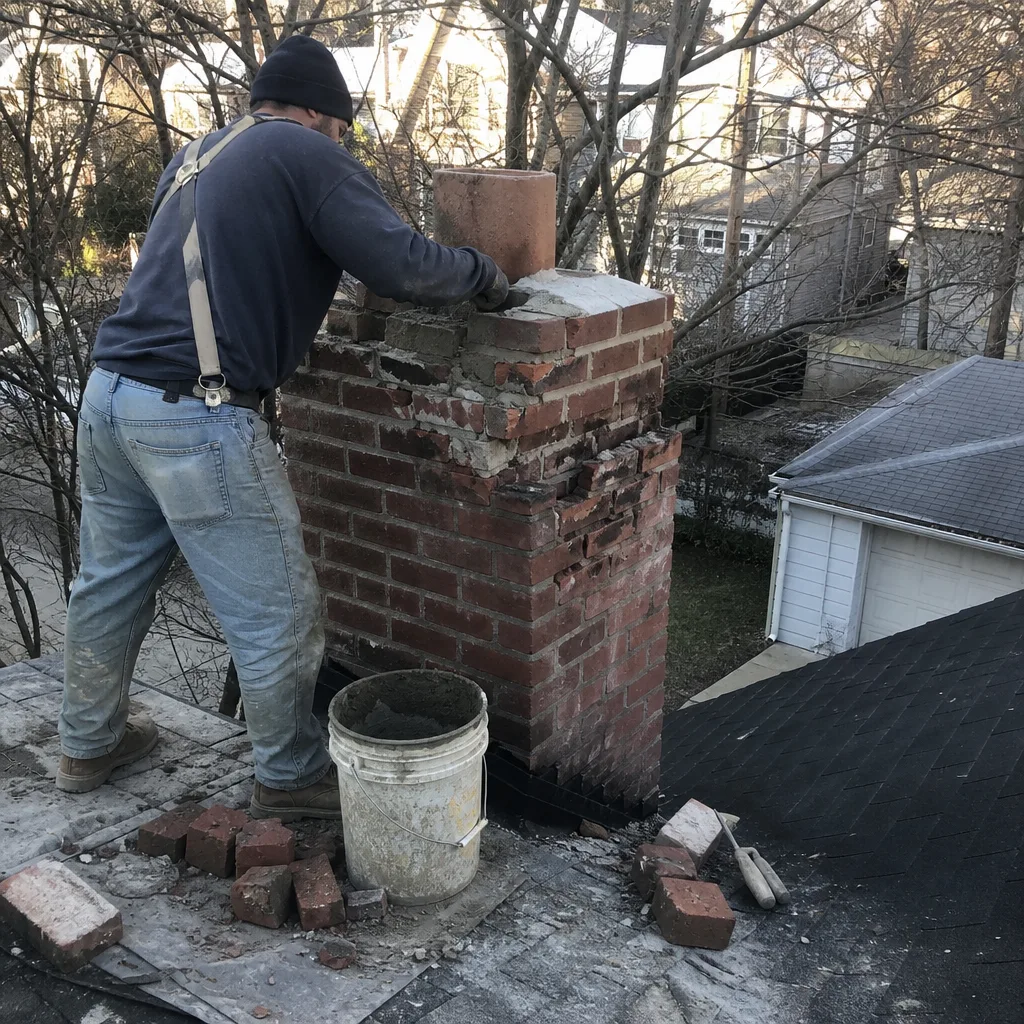
A partial rebuild addresses the section of chimney that has failed without tearing down the entire stack. In Washington we commonly see the top five to eight courses of brick spalling from water intrusion, or the smoke chamber parged with a crumbling wash coat that catches creosote like a sponge. We’ll cut out the damaged masonry, match the brick and mortar to the original as closely as the stock allows, rebuild the crown with a proper overhang and drip edge, and reflash where the stack meets the roof. If the flue tiles in that section are cracked, we reline the rebuilt portion as part of the job.
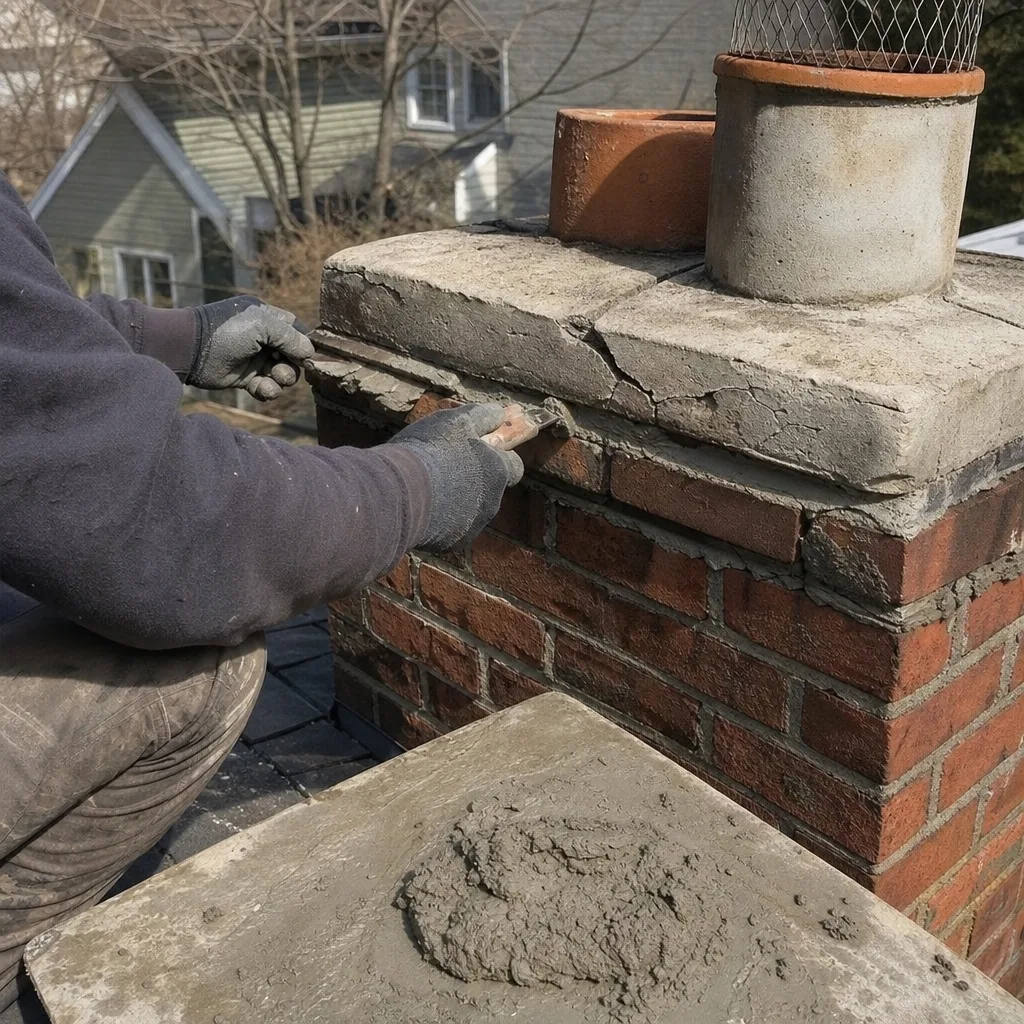
Full Chimney Rebuild
A full rebuild is what it sounds like: take the stack down to the roofline or below, and build it back with new brick, new flue liners, a poured concrete crown, and new flashing at the roof penetration. We don’t recommend this lightly. The camera footage and a moisture meter reading determine whether the brick has lost its structural integrity throughout or whether a partial rebuild will hold for decades. When a full rebuild is genuinely needed, you’ll see the evidence on the screen, not hear it from our sales pressure, because there isn’t any. The job gets a detailed scope in writing, a materials list, and a completion report with photos of every phase.
Liner Repair
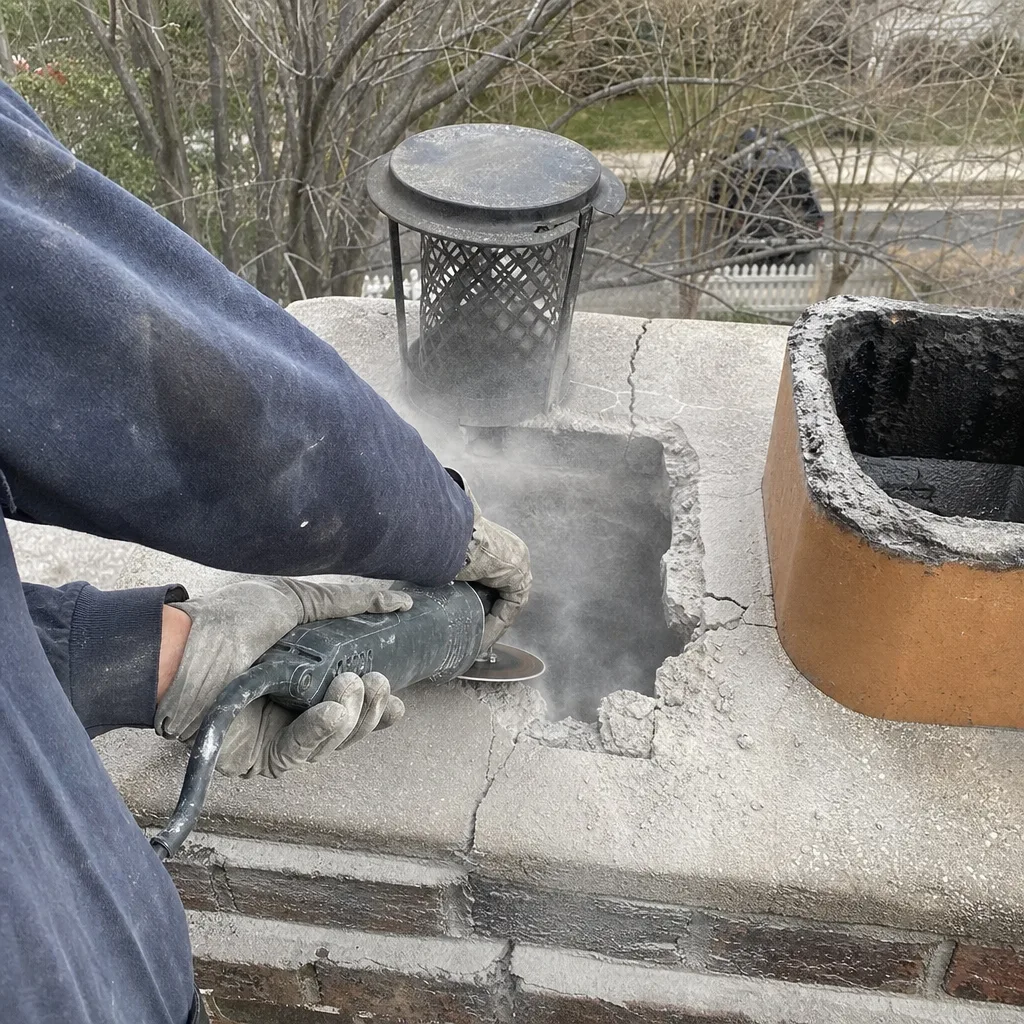
Liner repair covers cases where the flue has localized damage rather than systemic failure, such as a single cracked tile at the top or a stainless liner with a pinhole near the appliance connector. In some situations a resurfacing product like HeatShield, a cementitious ceramic coating, can seal hairline cracks and restore a clay liner to service without a full replacement. We’ll tell you plainly when a repair buys a decade and when it’s a band-aid on a chimney that needs a liner or a rebuild. The camera doesn’t lie, and neither do we. If the flue can be saved with a repair, that’s what we quote.
What happens when you call
- 1
A real person answersNo phone trees - you reach a local pro.
- 2
You get an upfront price rangeHonest numbers before anyone is dispatched.
- 3
A background-checked tech heads outLicensed & insured, dispatched right away.
- 4
You approve before work beginsNothing starts until you say go.
Brands We Service for Chimney Liner & Rebuild
We install, repair, and rebuild around the liner systems most common in Washington, DC heating systems. DuraFlex stainless liners appear in more of our reline jobs than any other make, and we stock their component catalog: tees, top plates, caps, and connectors, so we’re not waiting on a parts order when your heat is down. Their 316Ti alloy liner is our default recommendation for gas-fired appliances in DC’s humid, acidic flue environment, because it resists the condensate that eats standard stainless in a few seasons.
We also work extensively with Copperfield rigid chimney systems, which we spec when the flue is straight and the appliance demands a rigid, insulated run for draft performance. Famco caps and termination fittings are in our trucks, because a liner job isn’t done until the top is sealed against rain and the birds that nest in DC’s open flues. HeatShield’s ceramic resurfacing system is the repair path we use when a clay liner has minor cracking but is otherwise intact. And if you have a liner from any other manufacturer, including Gelco or Olympia backstock from an old install, we can inspect it, quote a repair or replacement, and get it done.
BeforeAfterSigns You Need Chimney Liner & Rebuild Right Now
- Pieces of terra cotta tile in the firebox or at the base of the flue. This means the flue liner is actively spalling, and the pieces you see are only the ones that fell where you can find them. The rest are wedged further down the flue, blocking draft and leaving the brick exposed to flue gas that can reach 1,000°F during a chimney fire.
- White staining (efflorescence) on the exterior brick, especially near the top. Water is getting into the masonry and carrying salt to the surface. In DC’s freeze-thaw climate, that trapped water freezes and spalls the brick face, and eventually compromises the liner behind it.
- A musty, campfire smell in the house that gets stronger on humid days. Creosote and soot trapped in a cracked liner hold moisture and off-gas into the living space. It’s not a housekeeping problem; it’s a flue breach problem.
- You converted an old oil furnace to gas and never had the flue resized or relined. Lower-temperature gas exhaust condenses inside the old clay liner, which accelerates the acid attack and deteriorates the mortar joints from the inside. The liner may look fine from the top, but the camera shows the erosion.
- The crown is cracked or missing chunks, and water runs down the flue during storms. Water hitting hot flue tiles thermal-shocks them into cracking. Once the crown goes, the liner goes soon after. Replacing the crown without checking the liner is only half a fix.
Our Chimney Liner & Rebuild Process - Step by Step
- 1
Level 2 camera inspection, on every job, no exceptions. We run a high-resolution video camera the full length of the flue, from the firebox or appliance connector to the top of the stack. You watch the footage on our screen. We note every crack, joint offset, water stain, and creosote class, and we record it for the permanent job file that you receive.
- 2
Written scope, written price, written warranty, before you commit. Haven Standard Clause 1 requires the paperwork up front. The scope names the liner model and diameter, the materials, the crew size, the estimated duration, and the exact price. If it’s a rebuild, it includes a brick-and-mortar match schedule and a flashing plan. There is no charge to bring a competitor’s written quote for a second opinion; it’s free, always.
- 3
Site protection and prep. Crews lay drop cloths from the entry to the hearth, seal the fireplace opening with a magnetic cover when we’re working from the roof, and set up roof anchors and a safety harness for any top-side work. A named lead technician is assigned to your job, and you get a text when the crew is en route.
- 4
The work: liner install or rebuild. For a liner, we stripped the old liner or prep the clay flue, feed the new stainless, connect the appliance, and pour or wrap insulation per code. For a rebuild, we set up staging, cut out the failed masonry, rebuild in lifts with the matched mortar, install the new flue tiles or liner, pour a concrete crown with a 2-inch overhang, and flash the roof penetration with new metal.
- 5
Documented closeout and the 365-Day Done Right Promise. After final install, we run the camera again and photograph the completed work. You get a written completion report with before-and-after photos, the liner or masonry warranty, and a copy of the inspection record for your home file. If anything isn’t done right, we fix it under the 365-Day Done Right Promise. Stamped on the job, not advertised as a hope.
How Much Does Chimney Liner & Rebuild Cost in Washington?
A stainless steel reline in Washington, DC typically runs $3,200 to $6,500 depending on flue height, liner diameter, and whether insulation is required by code. For Chimney Liner & Rebuild in Arlington, pricing follows similar ranges with local code variations. A partial rebuild, with new crown and top-section masonry work, usually lands between $4,500 and $9,500. A full chimney rebuild is the expensive job, typically $12,000 to $28,000, because the entire stack comes down and goes back up with new liners, brick, mortar, crown, and flashing. A liner repair using HeatShield resurfacing can run $1,800 to $3,400 when the damage is limited. These are honest Washington market ranges; you’ll get the exact number in writing after we see the flue on camera.
What affects price: flue height (a four-story Capitol Hill row house costs more than a one-story bungalow), liner diameter and fuel type (gas vs. wood vs. oil), whether the chase requires insulation wrap, whether the old liner removal is straightforward or involves breaking out collapsed tile, and whether scaffolding or roof anchors are needed. How to avoid overpaying: get the camera footage, demand a written scope, and don’t accept a quote over the phone before anyone has looked down the flue. A free estimate from us includes the camera-scan inspection, the written price, and the documented photo record. No obligation, no pressure, no “today only” discount.
Chimney Liner & Rebuild Near Washington - Our Service Area
We handle chimney liner and rebuild work across the District and the close-in metro. DC is home base, from Georgetown to Capitol Hill, Brookland to Palisades. We also serve Arlington, Alexandria, Silver Spring, Bethesda, Falls Church, McLean, Rockville, Fairfax, Reston, Gaithersburg, and Waldorf to the south. Typical scheduling runs within the same week for inspections, and we stage larger rebuilds around the DC roofing season, which is short and crowded. If you’re just over the line in Arlington or Silver Spring, we have dedicated crews for those counties; see our Chimney Liner & Rebuild in Arlington and Chimney Liner & Rebuild in Silver Spring pages for local specifics.
Serving Washington, DC - Our Local Coverage Area
We’re based in the Washington area and know this community well. Use the map below to see our service coverage - if you’re nearby, we can almost certainly help.
Frequently Asked Questions - Chimney Liner & Rebuild in Washington
A chimney liner is the continuous passage inside the chimney that contains the flue gas and protects the surrounding brick. A rebuild is the process of taking down failed masonry, usually the crown, top courses, or the entire stack, and reconstructing it with new brick, mortar, and liners. In Washington, DC, an NFPA 211 Level 2 camera inspection will tell you which one you need.
A standard stainless liner install takes one day, sometimes a day and a half when insulation or an old liner removal is involved. A partial rebuild runs three to five days depending on weather and the masonry scope. A full rebuild typically takes one to two weeks with scaffold time. We’ll give you the schedule in writing before the crew shows up.
Expect $3,200 to $6,500 for a stainless reline, $4,500 to $9,500 for a partial rebuild with crown, and $12,000 to $28,000 for a full rebuild in the DC market. For Chimney Liner & Rebuild in Bethesda, costs align closely with these DC ranges. Exact price depends on flue height, appliance fuel type, and whether you need masonry work or just a liner. Call (240) 621-1264 for a free camera-scan estimate with the price in writing before any work starts.
Yes, DuraFlex stainless systems are the brand we install most often in Washington, DC, and we keep their components stocked, including tees, caps, and connectors. We also work with Copperfield, Famco, HeatShield, and any other liner already installed in your home. If we didn’t install it, we can inspect it and tell you what it needs.
If the liner has failed to the point where the chimney is unsafe to use, the emergency is the appliance being off, not the repair itself. We’ll inspect the flue, document the condition on camera, give you a written price, and schedule the work as quickly as the DC roofing season and crew availability allow. We answer the phone 24 hours a day, 7 days a week, so you can reach a live person at (240) 621-1264 any time.
Every liner we install carries a manufacturer’s material warranty, typically 10 years to lifetime on DuraFlex stainless systems, and our 365-Day Done Right Promise covers the workmanship: if it’s not done right, we make it right. The warranty terms are written on the job, not promised in a brochure. You’ll have them in hand before the work starts, and on file when it’s complete.
Clear a path from the front door to the fireplace, and clear the hearth of decor, firewood, and tools. If we’re doing roof work, let us know about any roof access quirks such as a flat roof, a slate roof, or skylights near the chimney. Keep pets away from the work area for the day. We’ll handle everything else including floor protection and sealing the firebox opening.
Schedule Your Chimney Liner & Rebuild Service in Washington Today
You’ll see the liner on camera before you spend a dollar. You’ll get a written price, a written scope, and a written warranty before the crew starts. And when the work is done, you’ll have a documented photo record of the flue, top to bottom, to keep with your home file. Call (240) 621-1264 to schedule a free camera-scan inspection and estimate. A live person answers, 24/7. We’re based in DC, we work in every neighborhood, and we put it in writing. Before any work begins.
Written by Corrine Halstead, Owner at Level Two Chimney Washington, serving the District and the surrounding metro since 2009.