
Last updated September 20, 2026
Level 1 sweep and inspection to the NFPA 211 annual standard - flue, crown, cap, and flashing checked and photographed
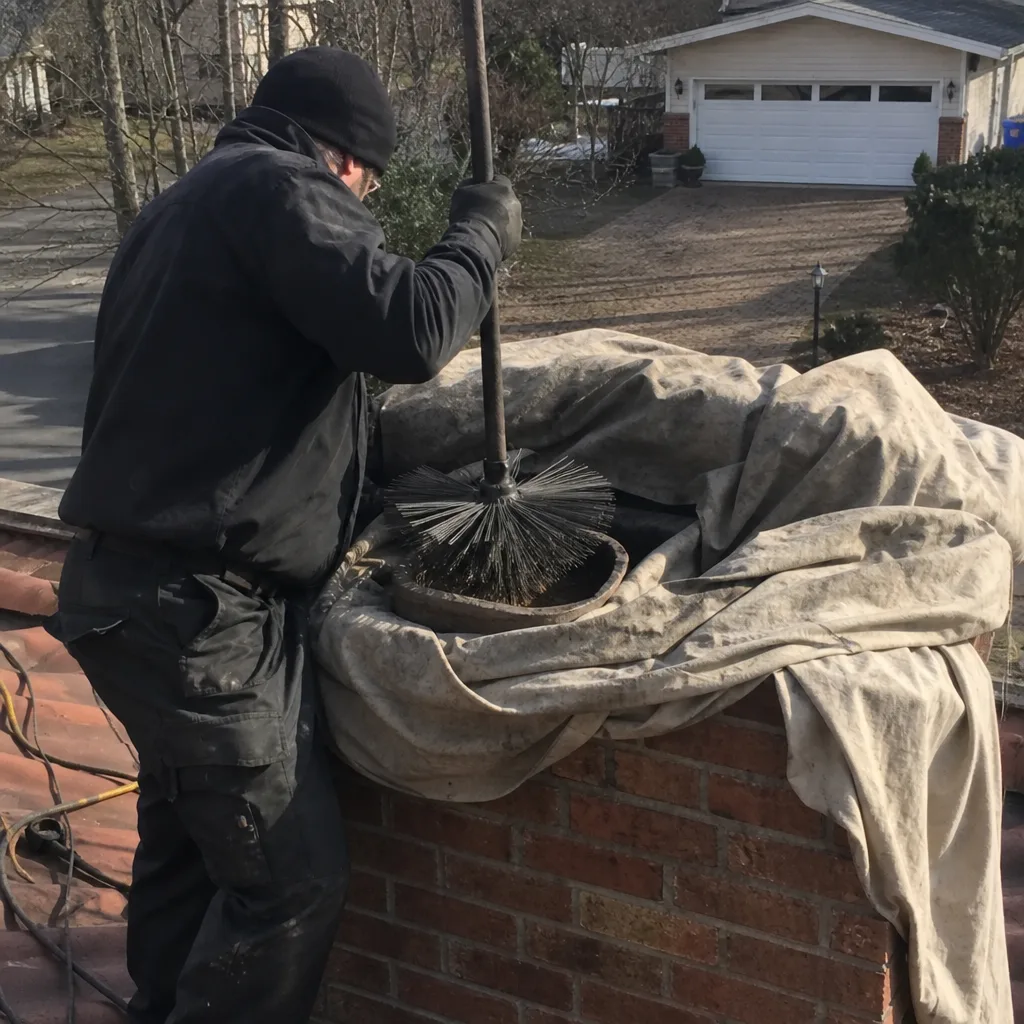
Chimney sweep logs do not sweep chimneys. They loosen some creosote - which then falls where a brush and vacuum still have to collect it.
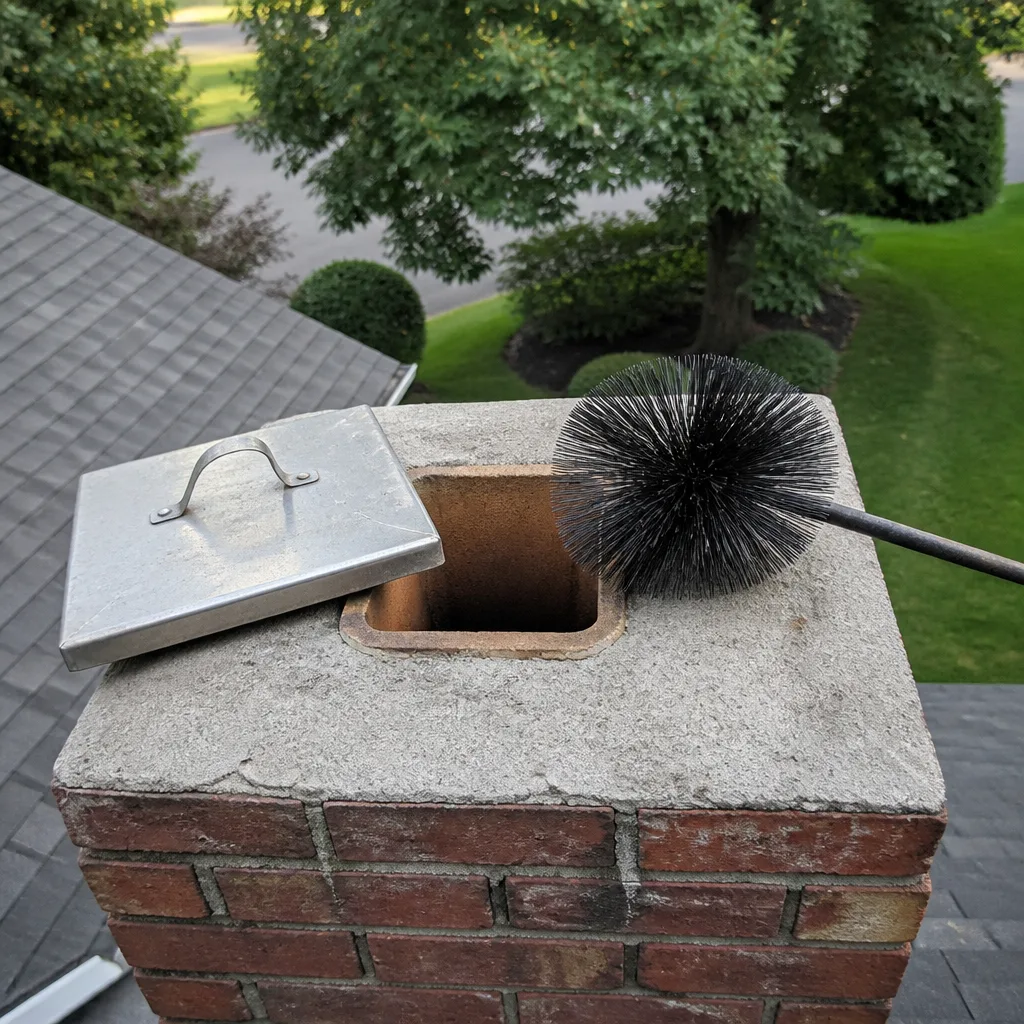
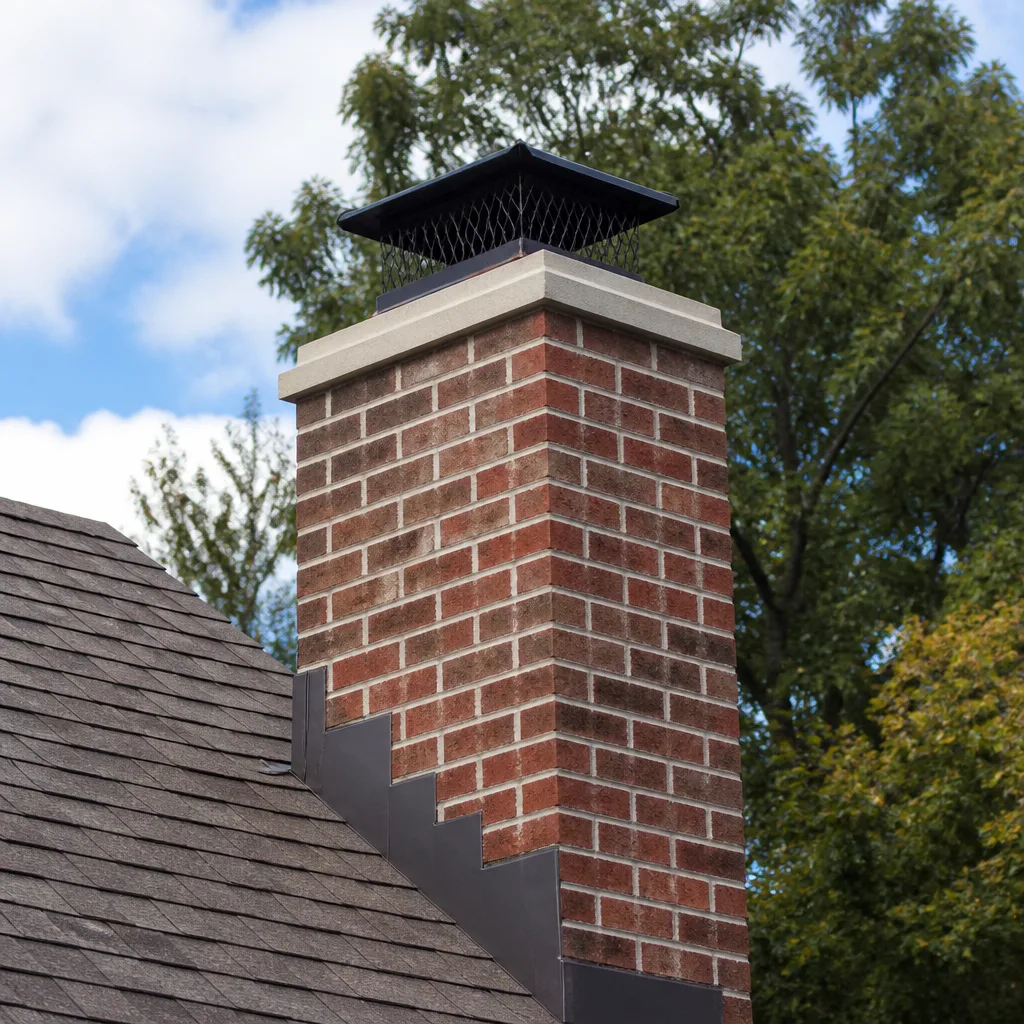
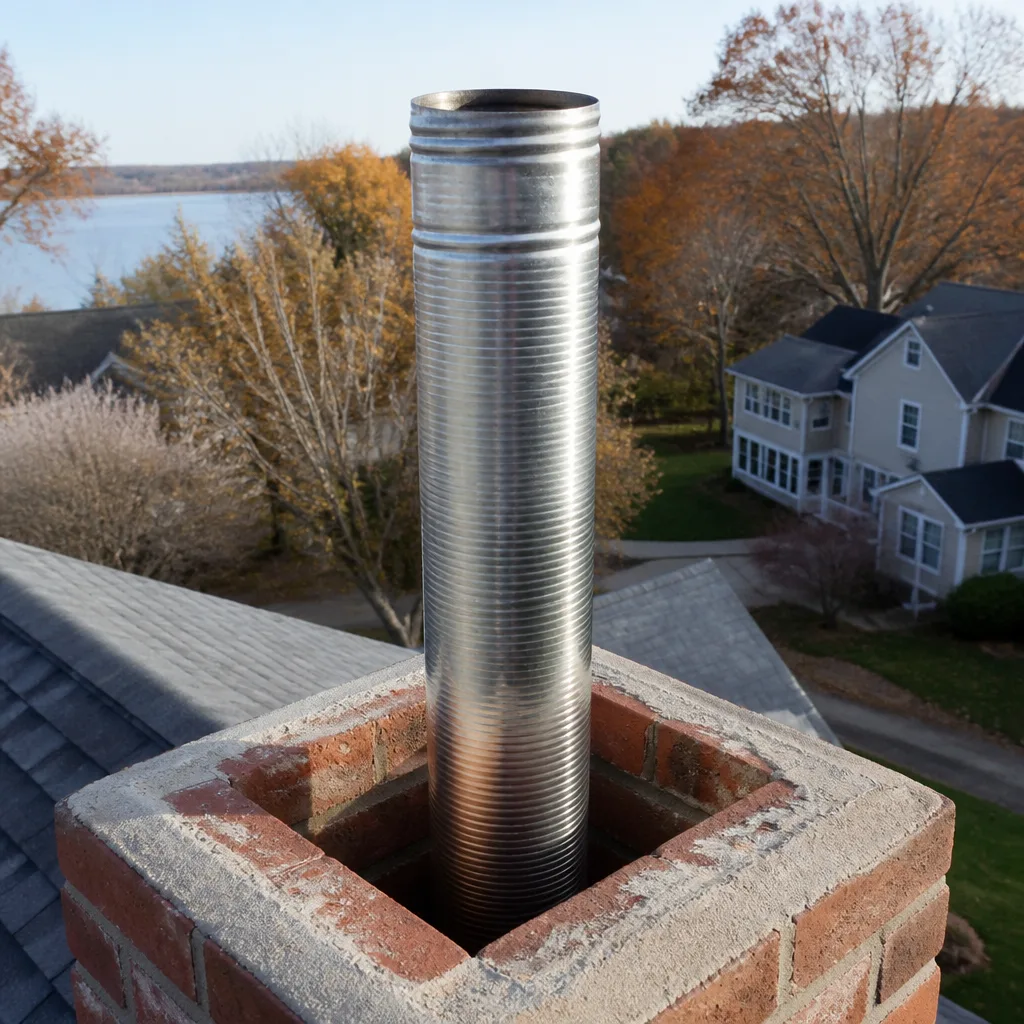
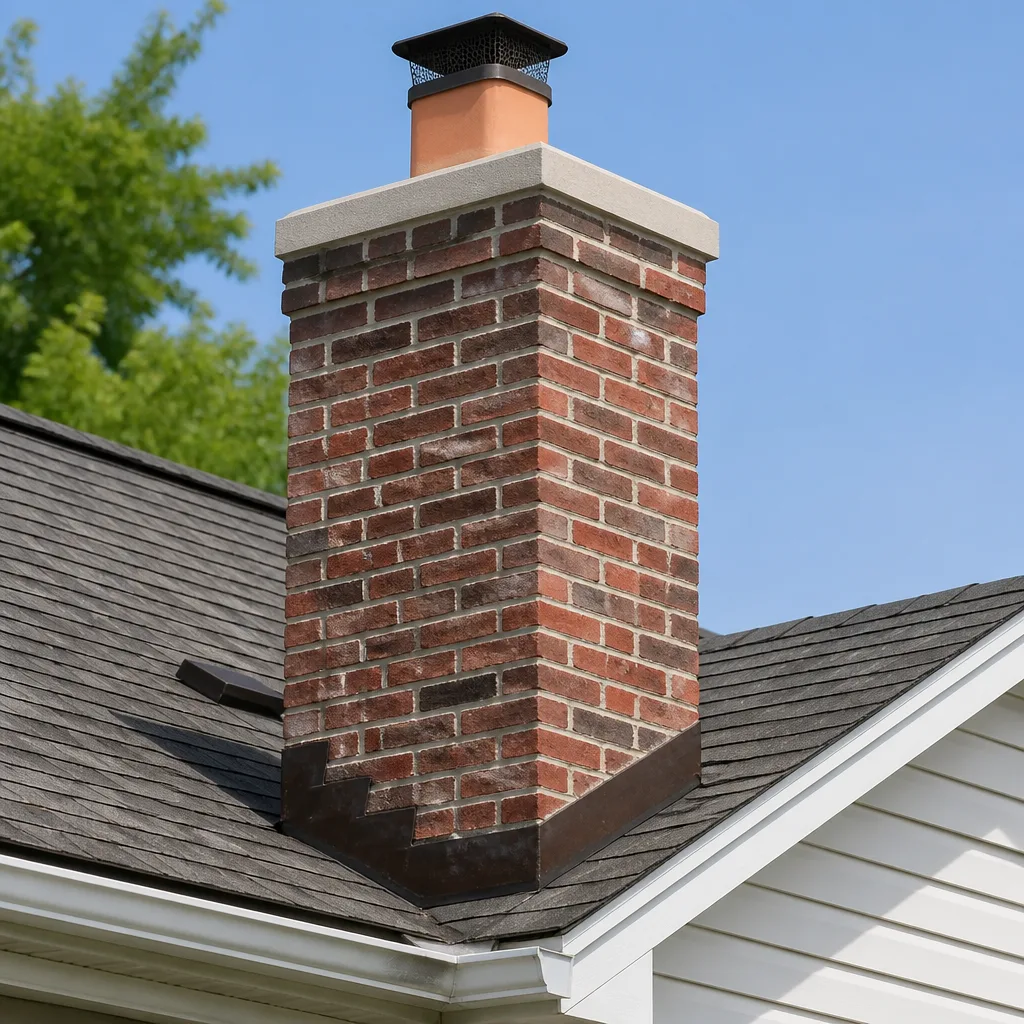
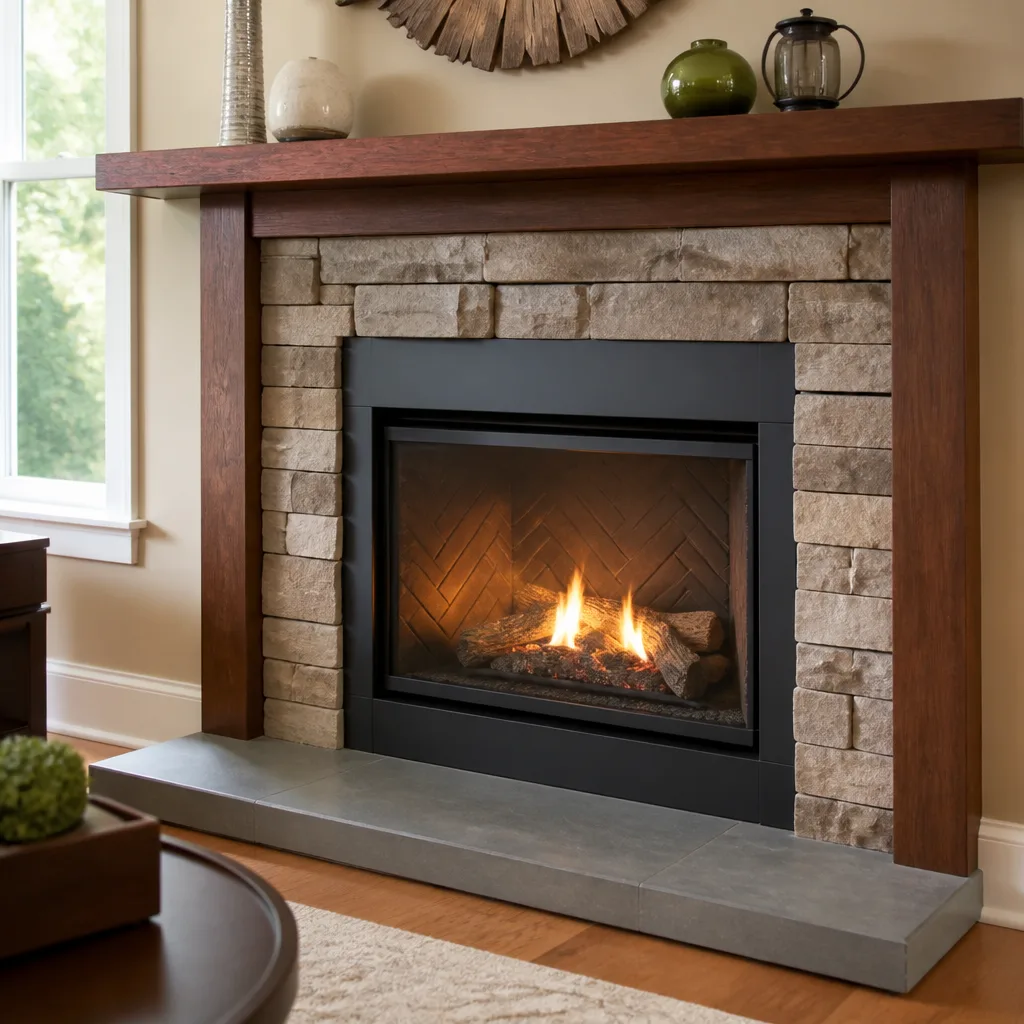
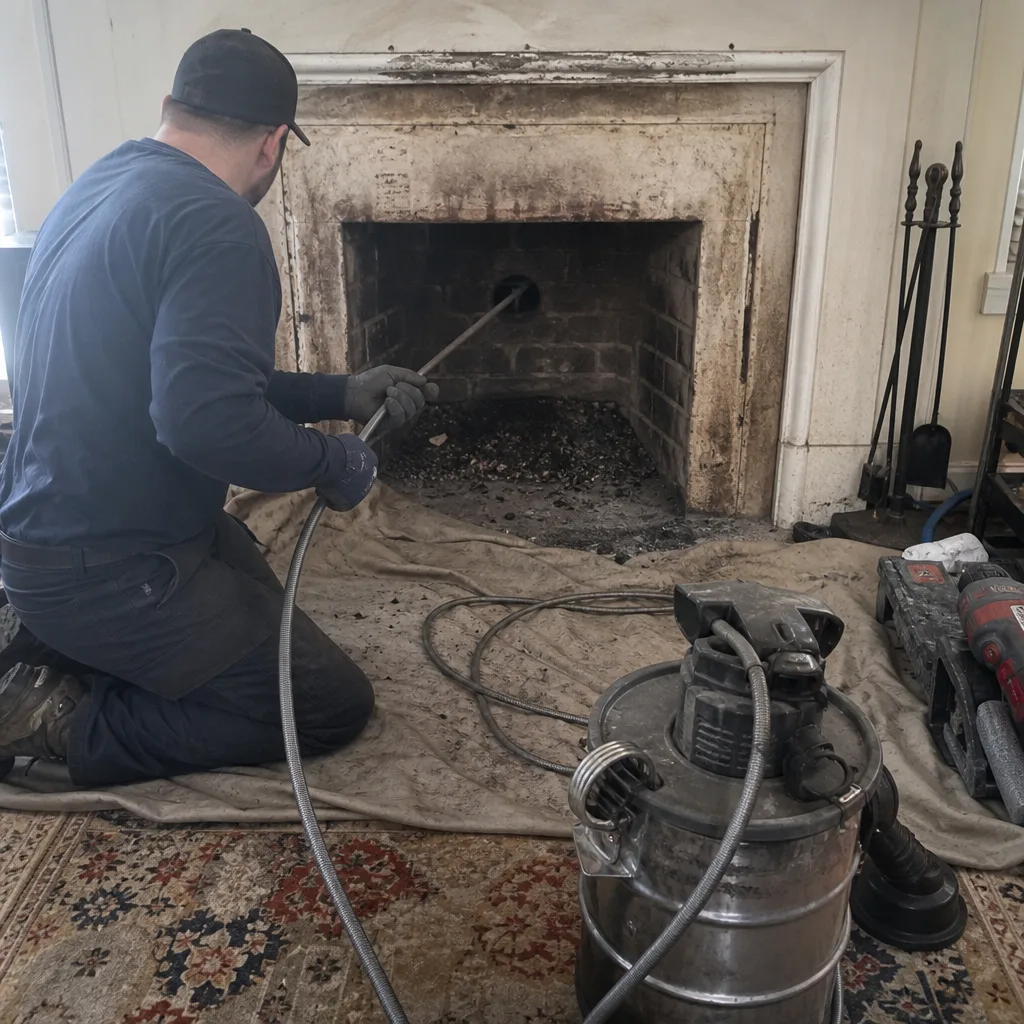 Before
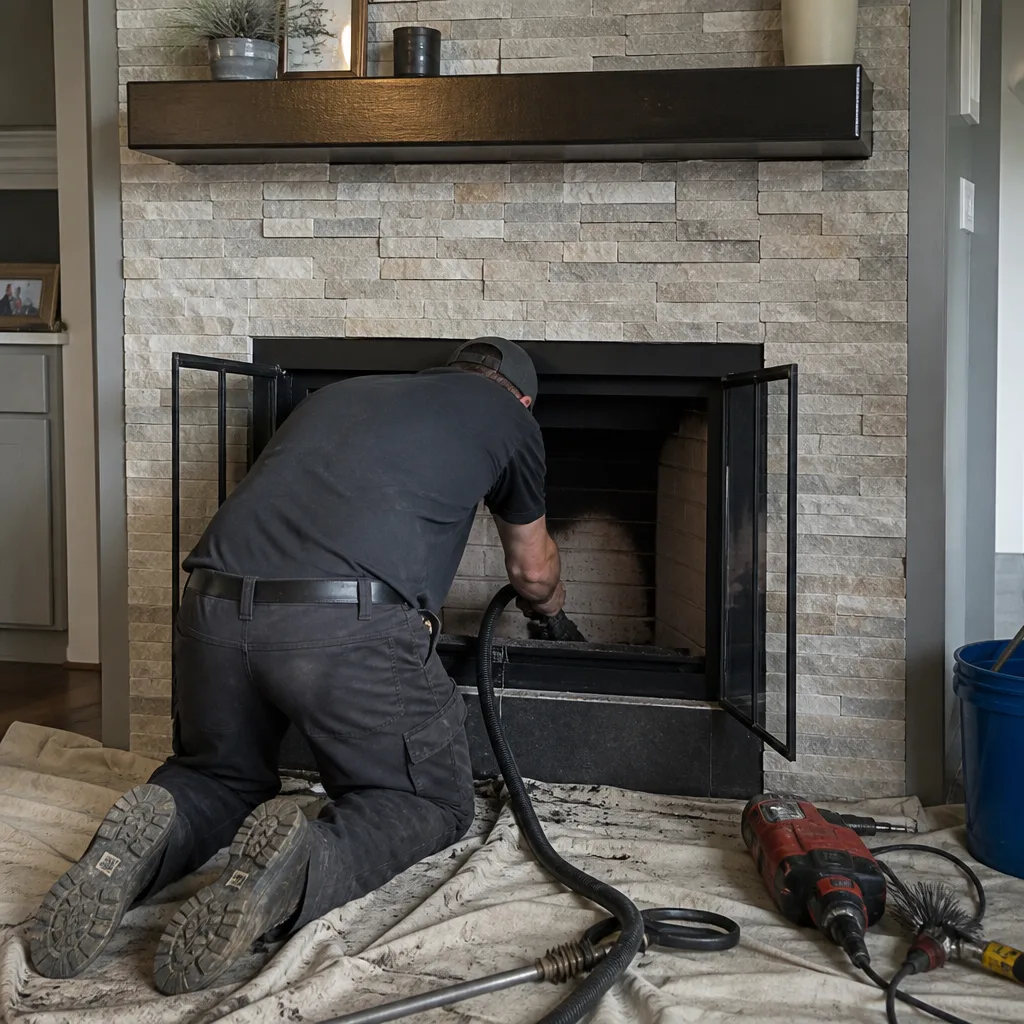 After
After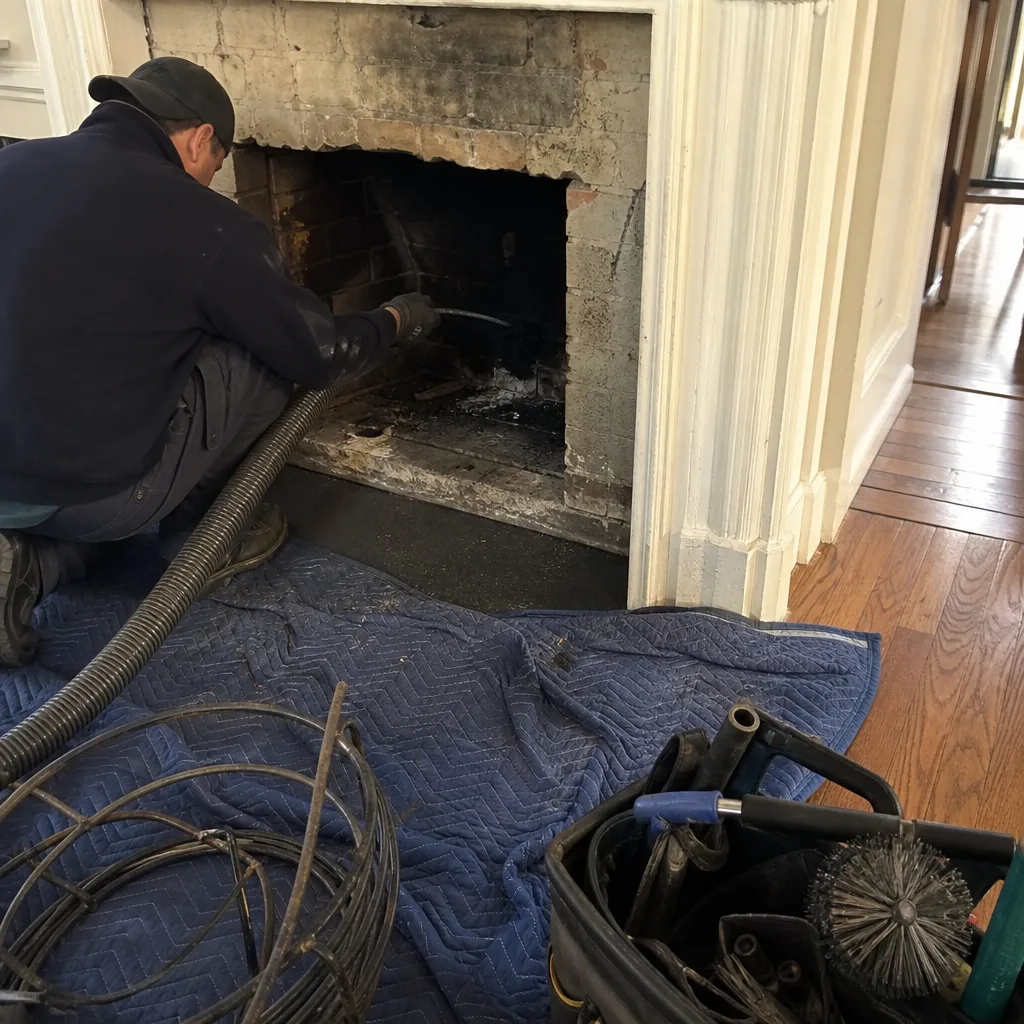 Before
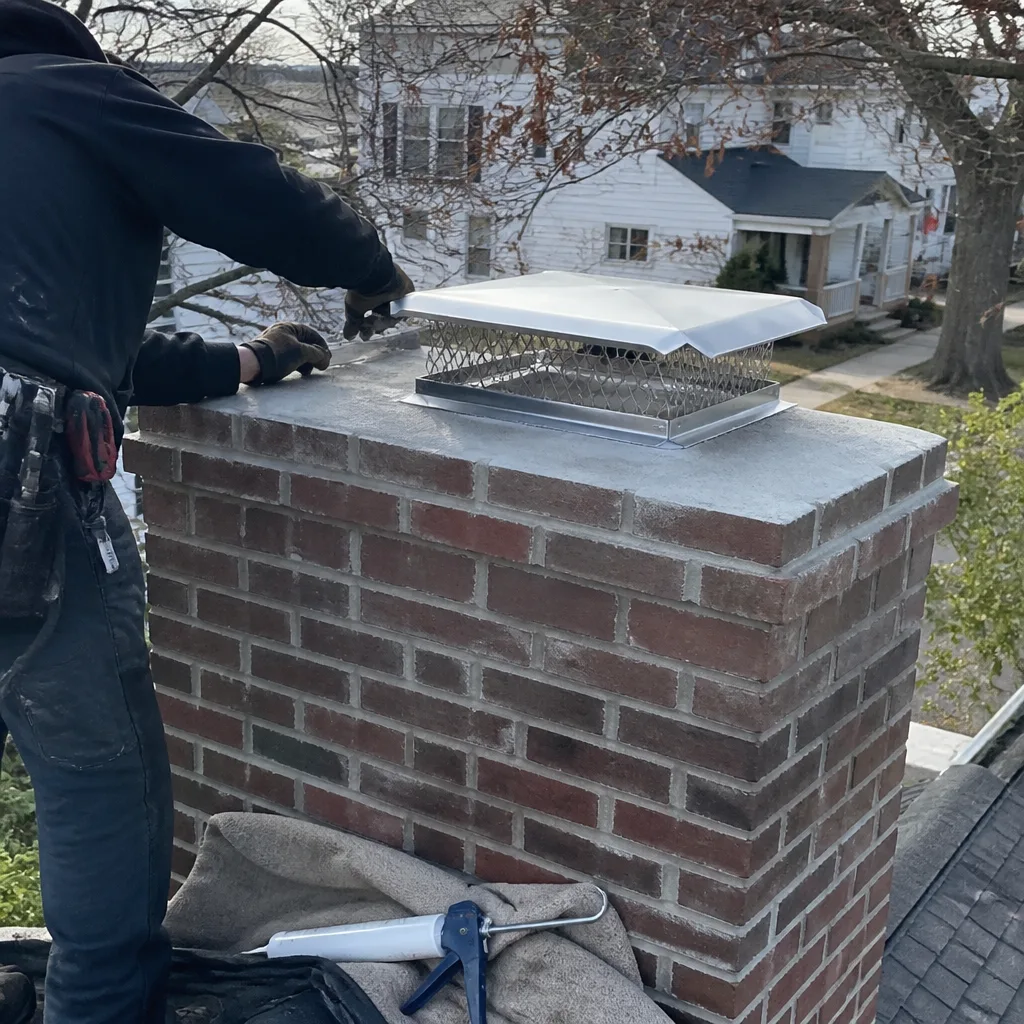 After
After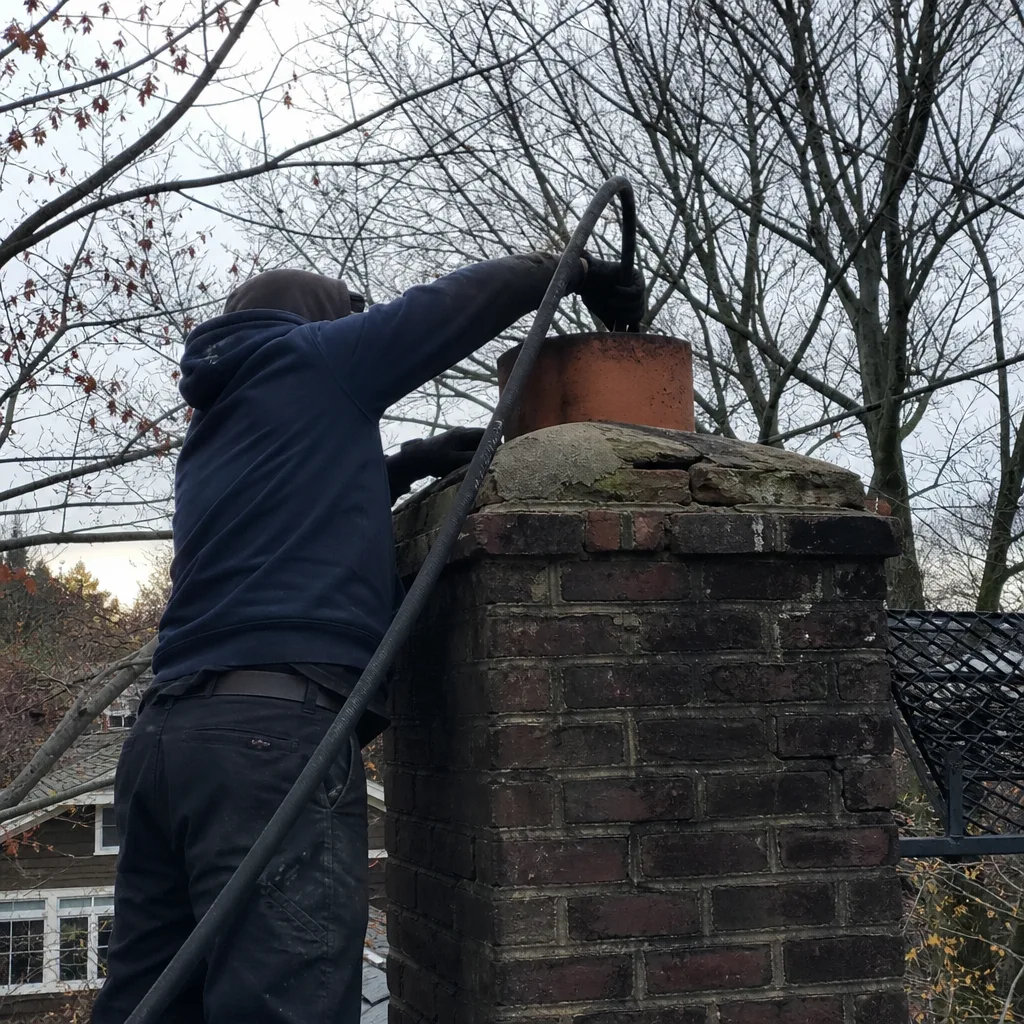 Before
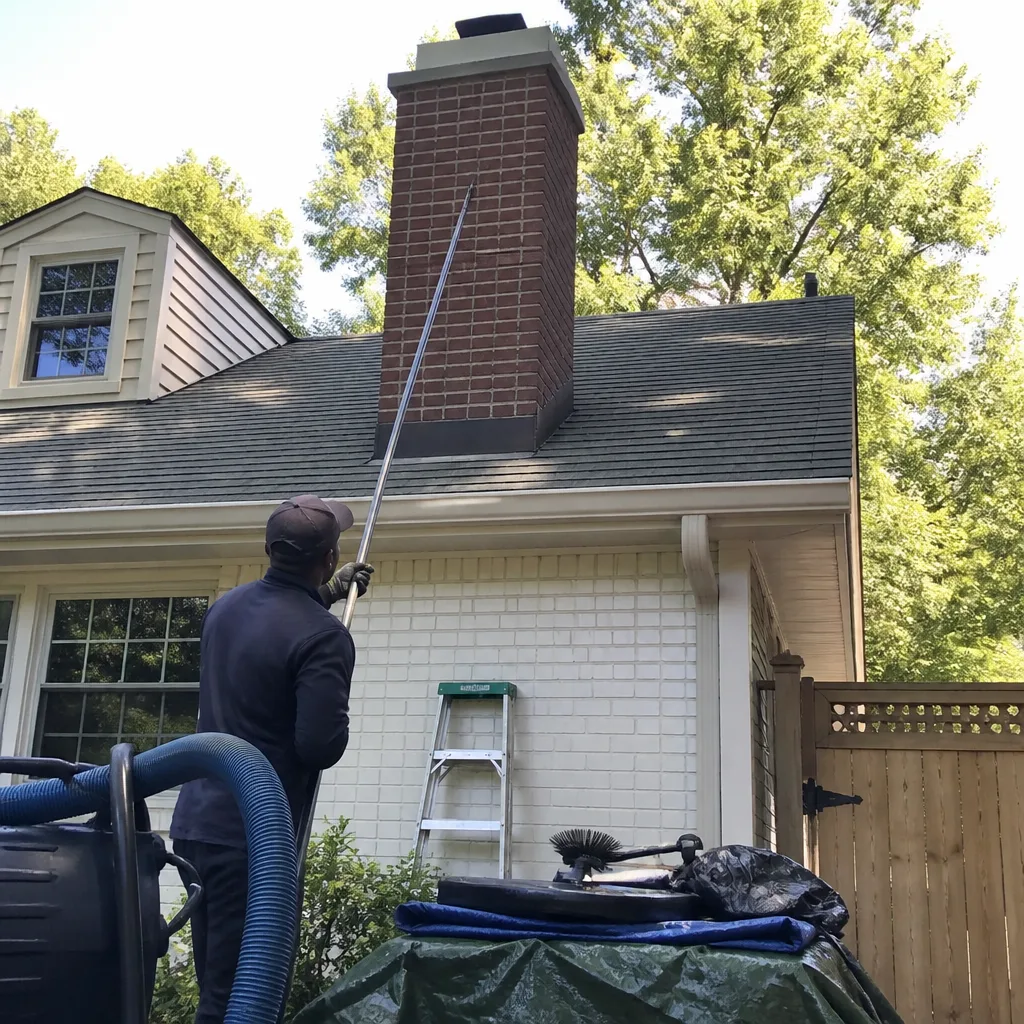 After
AfterSeasonal Chimney Cleaning Care for Washington: Year-Round Homeowner’s Guide
The standard advice you’ll find online says to clean your chimney once a year, in the fall, before burning season starts. That guidance was written for a single-use fireplace in a dry climate. Washington, DC gets an average of 42 inches of rain annually, summer humidity that regularly tops 70 percent, and enough winter freeze-thaw cycles to crack mortar joints year after year. Each season in Washington attacks a different component of your flue system, and a fall-only schedule misses at least two inspection windows where damage accumulates silently. This guide breaks down what to check in spring, summer, fall, and winter, why the order matters, and how seasonal documentation compounds into a multi-year wear profile that lets you budget repairs instead of absorbing emergency costs. For more, see our Chimney Cleaning & Sweep Maintenance Checklist for Washington Homeowners.
Quick Answer
Washington homeowners should schedule two professional chimney inspections per year: one in late summer or early fall before burning season, and one in late spring after the last fire of the season. The fall visit focuses on cleaning and creosote removal; the spring visit focuses on water damage, freeze-thaw cracking, and liner condition before summer humidity compounds any problems. Between inspections, homeowners should monitor smoke behavior, draft performance, and any changes in odor, and document what they observe. See our Chimney Cleaning Permits, Codes & Inspections in DC: What You Need to Know for regulatory requirements.
Table of Contents
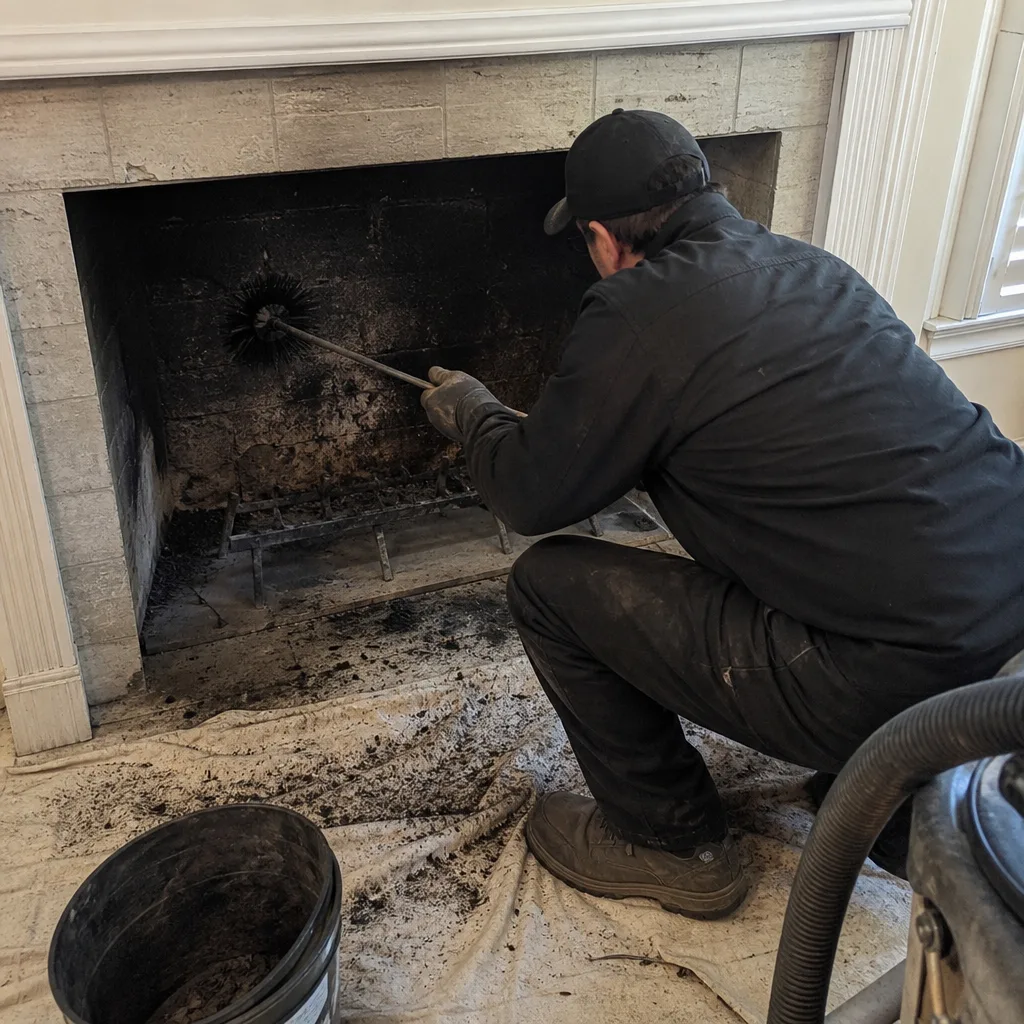
- Spring: The Post-Season Inspection Window
- How Freeze-Thaw Damage Shows Up in Washington
- Summer: Humidity, Efflorescence, and Waterproofing
- Fall: The Pre-Season Sequence, in Order
- Winter: What to Monitor During Active Use
- How Inspection Records Compound Into a Wear Profile
- Common Mistakes to Avoid
- When to Call a Professional
- Frequently Asked Questions
- The Bottom Line
BeforeAfterSpring: The Post-Season Inspection Window
Most Washington homeowners think about their chimney in the fall and forget about it by March. That’s backwards. The single most important inspection of the year happens after the last fire goes out, not before the first one starts.
Here’s why. During winter use, creosote accumulates on the flue liner walls. Creosote is acidic. When it sits on a liner through Washington’s humid spring and summer, it holds moisture against the surface and accelerates corrosion. A stainless steel liner that might last 20 years in a dry climate can fail in 12 to 15 in Washington because of this sustained moisture contact. A clay tile liner fares worse.
The post-season inspection also captures damage that happened during the heating months. Thermal cycling, the repeated expansion and contraction of flue materials as the chimney heats and cools, creates hairline cracks in clay tile liners. Those cracks are easiest to see in spring, before summer humidity swells surrounding masonry and hides them. A spring inspection catches liner cracks at their smallest, when repair options are cheapest.
What a spring inspection should include, in order:
- Visual inspection of the flue liner using a camera scan, looking for cracks, spalling, or separation between tile sections
- Creosote classification to determine whether a cleaning is needed before summer or if it can wait until fall
- Crown and mortar joint assessment for freeze-thaw damage from the winter just ended
- Smoke chamber inspection for creosote buildup and any signs of water intrusion
- Damper operation check to confirm it seals properly for the off-season
In our work across Washington, we regularly find spring damage that homeowners had no idea existed. A homeowner in Cleveland Park called us in April after noticing a faint smoky smell in the living room on humid days. The camera scan revealed a cracked flue tile in the upper third of the chimney. The crack had likely formed in February, sat silently through March, and only became noticeable when spring humidity carried the smell into the house. Because we caught it in April, the repair was a single tile replacement. Had it waited until November, water intrusion over the summer would have likely required a partial liner rebuild.
The spring inspection is also the right time to schedule a chimney cleaning and sweep in Washington if creosote levels warrant it. Cleaning in spring means the flue sits clean and dry through the summer months, rather than holding acidic deposits against the liner for six months.
How Freeze-Thaw Damage Shows Up in Washington
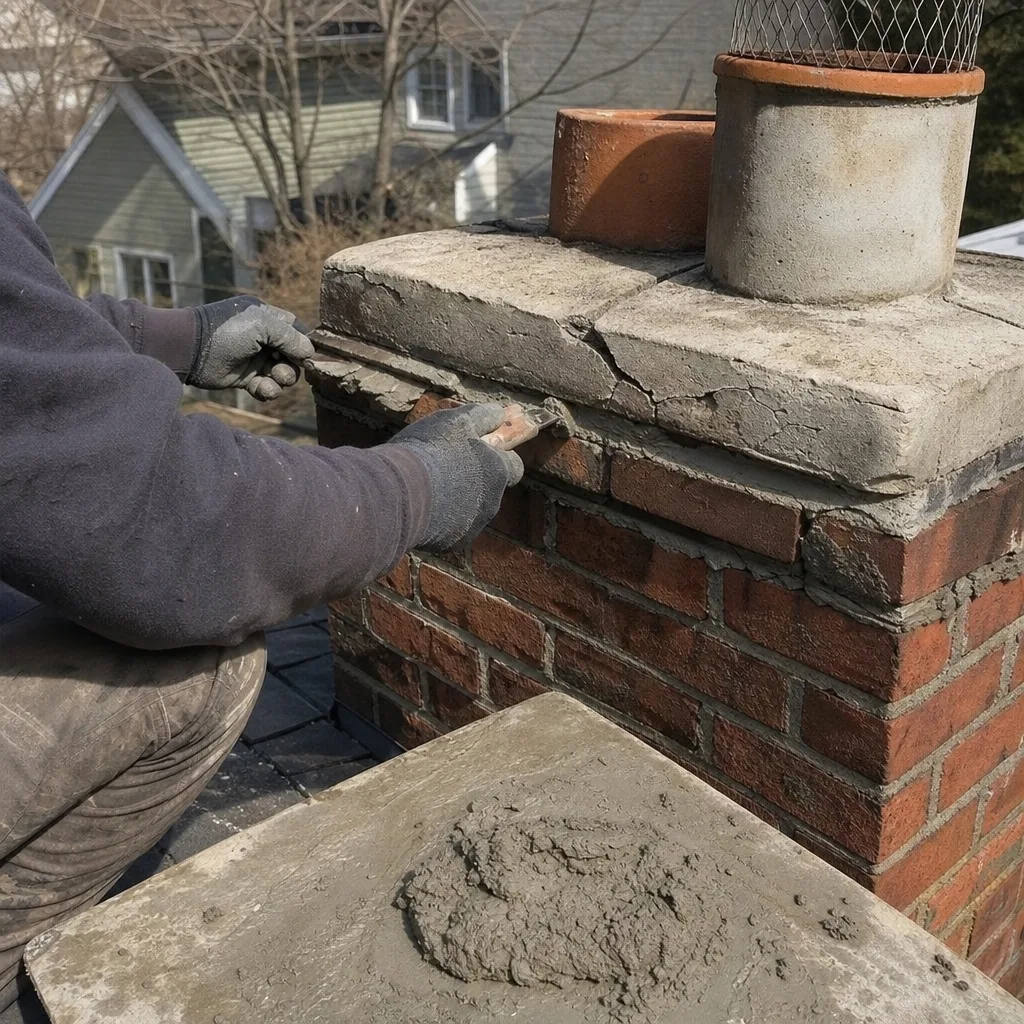
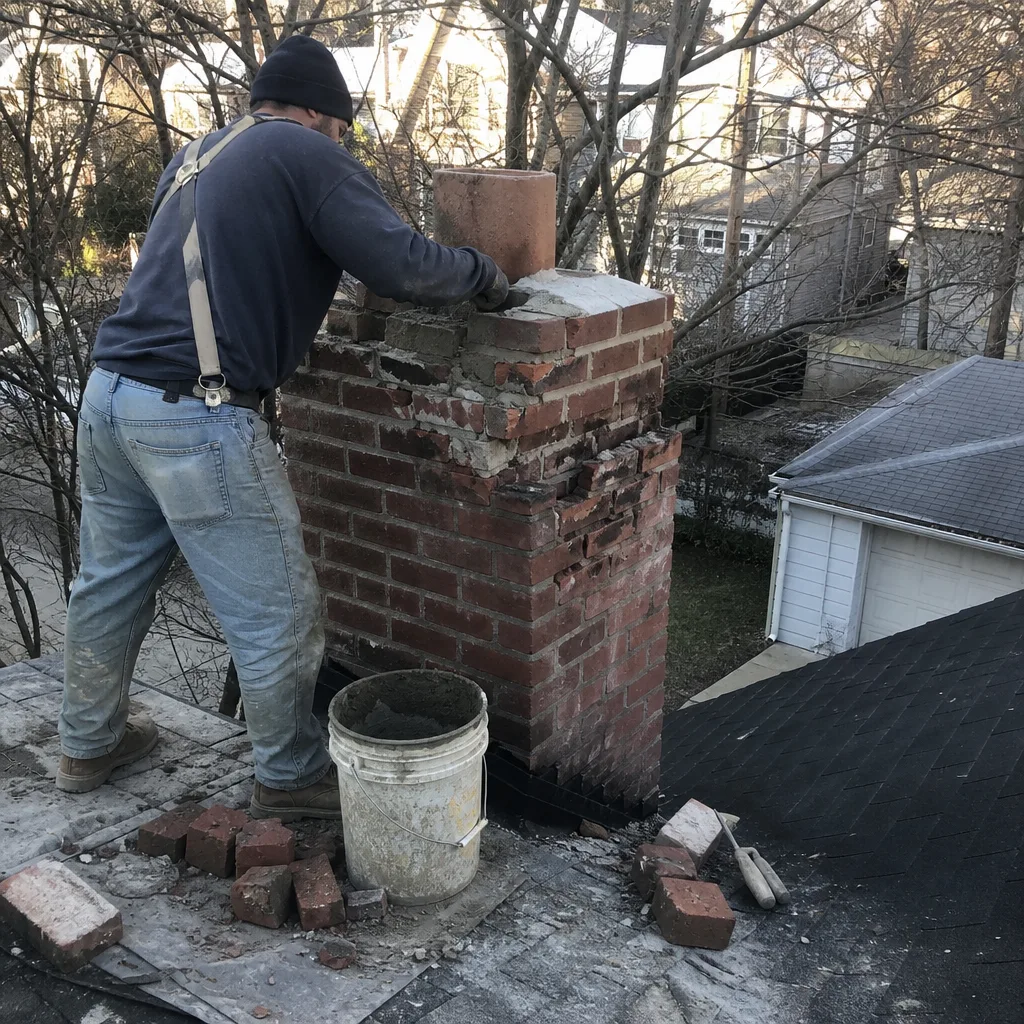
Washington’s freeze-thaw cycle is the single most destructive force acting on masonry chimneys in the region. The mechanism is straightforward: water enters small cracks in mortar joints, crown surfaces, or brick faces. When temperatures drop below freezing, that water expands by roughly nine percent. The expansion widens the crack. The cycle repeats. Over the course of a single Washington winter, a hairline crack can become a visible gap.
What freeze-thaw damage looks like in practice:
- Spalling bricks: brick faces flake or pop off, leaving a rough, pitted surface. Spalling is the most visible sign of freeze-thaw damage and most common on the windward side of the chimney.
- Deteriorated mortar joints: joints erode and deepen, especially on the upper third of the chimney where exposure is greatest.
- Cracked or pitted crown: the concrete crown at the top of the chimney takes direct weather impact. Freeze-thaw cycles create hairline cracks that widen each year.
- Loose or displaced bricks: severe cases where the masonry has shifted enough that individual bricks move under hand pressure.
Freeze-thaw damage is cumulative and accelerates over time. A chimney that went into the 2024-2025 Washington winter with minor crown cracks came out of it with worse cracks. Those cracks will let in more water next year, and the damage compounds.
The good news, if there is one, is that freeze-thaw damage is predictable and documentable. When a technician photographs the crown and mortar joints each spring, those photos become a year-over-year record. You can see whether cracks are stable or widening. You can see whether spalling is progressing. That record lets you make repair decisions based on evidence rather than guesswork, which is exactly what we’ve done for every job at Level Two Chimney Washington since 2009. Clause 4 of the Haven Standard requires a documented photo record on every visit, and that archive is what makes spring-to-spring comparison possible.
Summer: Humidity, Efflorescence, and Waterproofing
Washington summers are humid. The average July relative humidity sits around 70 percent, and the region’s masonry chimneys absorb that moisture directly from the air, even when it hasn’t rained. This is where most chimney guides fall short: they treat summer as an off-season, when in fact it’s the season when hidden water damage does its most insidious work.
Efflorescence is the white, chalky deposit you sometimes see on chimney brick. It’s salt. When water moves through masonry, it dissolves minerals inside the brick and mortar. When that water reaches the surface and evaporates, it leaves the minerals behind as a white residue. Efflorescence itself is cosmetic, but it’s a reliable indicator that water is moving through the masonry. Where you see efflorescence, you have water intrusion.
Spalling, which we covered in the freeze-thaw section, accelerates in summer. Water inside brick faces expands and contracts with temperature swings, even without freezing. The pressure creates internal stress that eventually pops the brick face off. A chimney that shows fresh spalling in August was probably absorbing water all summer.
A July waterproofing check protects against all of this. Here’s what a summer visit should accomplish:
- Moisture reading: a surface moisture meter reading on the masonry tells you whether the chimney is absorbing and holding water.
- Waterproofing assessment: determining whether existing waterproofing is intact, degraded, or absent entirely
- Crown inspection: verifying that the crown is shedding water properly and that any cracks from the previous winter haven’t widened
- Flashings check: confirming that roof flashings are sealed and not allowing water behind the chimney structure
Waterproofing is not a paint. It’s a penetrating silane or siloxane treatment that fills the pores of the masonry so liquid water can’t enter while water vapor can still escape. Applied correctly, a good waterproofing treatment lasts five to seven years in Washington conditions. Applied incorrectly, or skipped entirely, a masonry chimney will steadily absorb moisture through the entire humid season.
The summer check also gives you a read on how well the chimney repairs in Washington from previous seasons are holding up. A mortar joint repointed in the spring should still be solid in August. If it isn’t, the underlying water issue wasn’t fully addressed.
If you’re in a neighborhood like Georgetown or Capitol Hill with older brick rowhouses, summer humidity affects your chimney differently than it affects a freestanding chimney in Chevy Chase or Bethesda. Attached chimneys share heat with the house, which can slow moisture evaporation. The brick stays damp longer. Summer inspections on attached masonry need to account for that slower drying cycle and look for moisture that lingers rather than evaporates quickly.
Fall: The Pre-Season Sequence, in Order
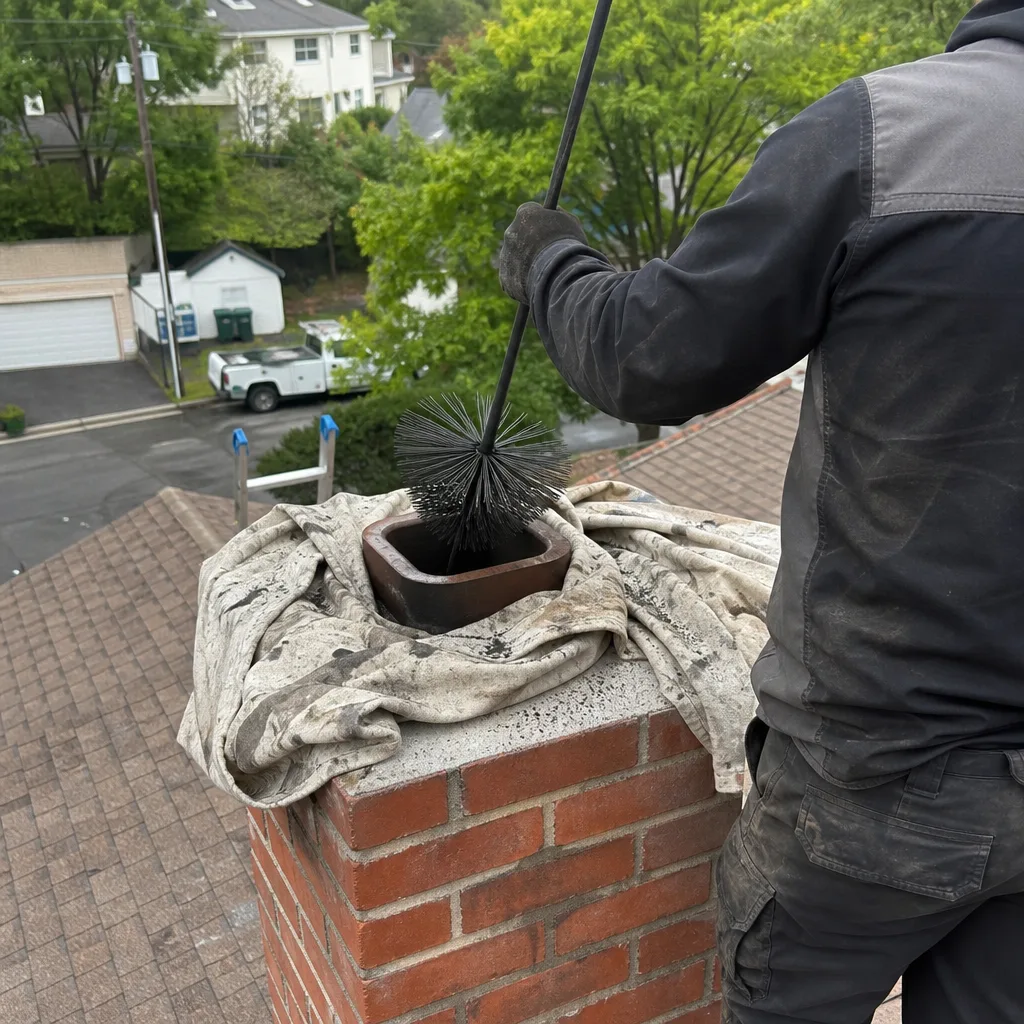
Fall is when most Washington homeowners think about their chimneys. The mistake we see, year after year, is doing tasks out of sequence. When a chimney is prepared for burning season in the wrong order, problems get hidden rather than fixed.
Here’s the correct sequence for pre-season chimney preparation in Washington:
- Inspection first, always. The camera scan happens before any cleaning. This lets the technician see the flue liner, smoke chamber, and damper in their actual operating condition, with any creosote or debris still in place. Cleaning first destroys evidence. If there’s a cracked flue tile behind a layer of creosote, cleaning first hides it. Inspection first finds it.
- Repair assessment. Based on the inspection, the technician identifies any repairs needed before burning. A cracked liner, a damaged chimney cap, or a failing damper should be addressed before the system is cleaned and put into service. Repairing after cleaning means the repair debris contaminates a clean flue, and the system needs cleaning again.
- Cleaning. Sweeping the flue removes creosote deposits and any debris like nests, leaves, or animal intrusions. For Washington homeowners, fall cleaning should target complete creosote removal, not just surface-level brushing. Class III creosote, the glazed, tar-like form, requires chemical or mechanical treatment beyond standard brushing.
- Post-cleaning verification. A second camera pass confirms the flue is clean and that no damage was hidden beneath the creosote layer. This is the step most sweeps skip. Without it, you’re taking the sweep’s word on liner condition rather than seeing it yourself.
- Cap and crown confirmation. The chimney cap should be secure and free of obstruction. The crown should be crack-free and shedding water properly. These are the last things checked because they’re the first line of defense once burning season starts.
Doing this sequence out of order creates real problems. Cleaning before inspection can hide a cracked liner until mid-winter, when a fire pushes heat and gases through the crack and into the surrounding masonry. Repairing after cleaning means the repair work undoes the cleaning you just paid for. Skipping the post-cleaning verification means you’re hoping the job was done right rather than knowing it.
At Level Two Chimney Washington, the fall sequence always follows this order. It’s not optional. A written price, written scope, and written warranty are delivered before any work starts, and the documented photo record shows exactly what was found and what was done. That’s how we’ve operated on every one of the 38,000 plus chimneys we’ve inspected and cleaned since 2009.
Fall is also the right time to think about fireplace services in Washington like damper repair, glass door installation, or gas log conversion. These are best handled during the pre-season window, when there’s no urgency and you can make decisions based on the inspection findings rather than the sudden arrival of cold weather.
Winter: What to Monitor During Active Use
Winter monitoring is not about scheduling another cleaning. It’s about knowing what normal operation looks like, so you recognize abnormal operation when it appears. Most chimney problems announce themselves during active use, but only if you know what to pay attention to.
Smoke behavior is the most direct indicator. In a properly functioning chimney, smoke rises cleanly and exits the flue. If you notice smoke backing up into the room when you open the fireplace door, or smoke lingering near the chimney top instead of dispersing, the draft is compromised. That can mean a blocked flue, a cold flue that hasn’t established draft, or negative pressure in the house. In Washington winters, cold exterior temperatures combined with a warm interior can create strong drafts, but the opposite can also happen on mild days when the temperature difference isn’t enough to establish flow.
Odor profile changes are another early signal. A properly functioning fireplace smells like burning wood. If you notice a chemical smell, a sour or acrid odor, or a smell like burning plastic, stop using the fireplace immediately. Those odors can indicate creosote that’s reached ignition temperature, foreign material in the flue, or liner compromise. A damp, musty chimney smell on days when the fireplace isn’t in use suggests water intrusion.
Draft performance shifts over the course of the season. A fireplace that drew well in November should draw well in January. If draft performance declines, it often means creosote buildup has narrowed the flue opening. In Washington, where many homes burn wood throughout the winter, creosote can accumulate fast enough that a chimney cleaned in October needs attention again by February. This is especially true for homeowners who burn unseasoned wood or run the fireplace at low temperatures, both of which produce creosote faster.
What signals a mid-season cleaning rather than waiting:
- Visible creosote flakes falling into the firebox when the fire is burning
- A sudden decline in draft that isn’t explained by weather
- Smoke odor in the house on days when the fireplace is in use
- A chimney fire, even a small one, which requires a full inspection and cleaning before any further use
One Washington-specific factor: winter temperature swings of 20 degrees or more between day and night are common, and they affect draft differently than steady cold. A chimney that draws fine at 40 degrees may struggle at 25 degrees when the thermal differential shifts. Monitoring how your fireplace behaves across a range of outdoor temperatures helps you distinguish between a normal seasonal pattern and a developing problem.
If you experience a chimney fire, even a small one that you extinguish yourself, the flue needs a full inspection before any further use. A chimney fire can crack clay tile liners, warp stainless steel liners, and compromise mortar joints. The damage is rarely visible without a camera scan. Continuing to use the fireplace after a chimney fire is one of the most dangerous things a Washington homeowner can do, and it’s never worth the risk.
How Inspection Records Compound Into a Wear Profile
The strongest argument for year-round chimney maintenance is not any single season’s risk. It’s the compounding value of documentation. When you have spring and fall inspection records across multiple years, you’re no longer making decisions about your chimney one season at a time. You’re managing a wear profile.
A wear profile is exactly what it sounds like: a year-over-year record of how a specific chimney is aging. It shows whether crown cracks are stable or widening, whether spalling is progressing, whether creosote accumulates faster than average, whether the liner is degrading on schedule or ahead of it. When a repair question arises, the wear profile provides the answer based on evidence rather than guesswork.
Here’s what that looks like in practice. A homeowner in Takoma Park had spring inspection records from 2021, 2022, and 2023. Each year, the crown showed minor cracking. The 2021 photos showed hairline cracks. The 2022 photos showed the same cracks slightly wider. The 2023 photos showed a crack that had widened enough to let water reach the flue tile below. Based on that progression, the homeowner budgeted for a crown rebuild in 2024, scheduled it for spring, and paid for it out of planned funds rather than an emergency repair. Without the photo record, that crown failure would have announced itself as a leak during a winter storm, and the repair would have been reactive instead of planned.
Wear profiles also help you make honest decisions about when replacement is the right call. A clay tile liner that shows progressive cracking across three consecutive spring inspections is telling you something. Repairing it piecemeal may not make sense when the trend line points to continued degradation. The wear profile gives you the data to make that call confidently.
This is why the documented photo record matters so much. It’s not just proof that work was done. It’s the raw material for the next inspection’s comparison, and the next one after that. Clause 4 of the Haven Standard requires a photo record on every job. That clause exists because we saw, early on, that homeowners who had visual documentation made better decisions and spent less money over time than homeowners operating on verbal assurances.
For Washington homeowners specifically, this matters more than in drier climates. The combination of humidity, freeze-thaw cycling, and heavy seasonal use means that chimneys in the DC region degrade faster and show damage earlier than chimneys in Phoenix or Denver. A wear profile is how you stay ahead of that accelerated timeline rather than behind it.
Common Mistakes to Avoid
- Skipping the spring inspection because the chimney worked fine all winter. Winter performance tells you the chimney was functional then; it says nothing about what freeze-thaw did to the masonry or what creosote is doing to your liner while it sits through six months of DC humidity.
- Cleaning before inspecting. This is the most expensive ordering mistake a homeowner can make, because it hides liner damage and forces you to trust a clean flue rather than see evidence of its condition before the sweep.
- Treating waterproofing as optional. In Washington’s climate, waterproofing is structural maintenance, not cosmetic enhancement. A chimney that absorbs water through an entire humid summer will show spalling and efflorescence within a few years.
- Ignoring draft changes mid-season. A chimney that drew well in November and struggles in January is telling you creosote is accumulating faster than expected. Waiting until spring means burning through a narrowing flue for months.
- Using a flashlight inspection instead of a camera scan. A flashlight from the firebox shows you the first few feet of flue. Most Washington chimney problems, cracked liners, deteriorated mortar, hidden creosote, live in the upper two-thirds of the flue where only a camera sees clearly.
- Making repair decisions without a photo record. If you can’t see what the technician says is wrong, you’re deciding based on trust rather than evidence. Ask for photos. A legitimate sweep will provide them.
- Assuming a chimney cap is optional. In Washington, where rain and humidity are constant, a missing or damaged cap lets water pour directly into the flue. That water then sits against the liner and accelerates every degradation process described in this guide.
When to Call a Professional
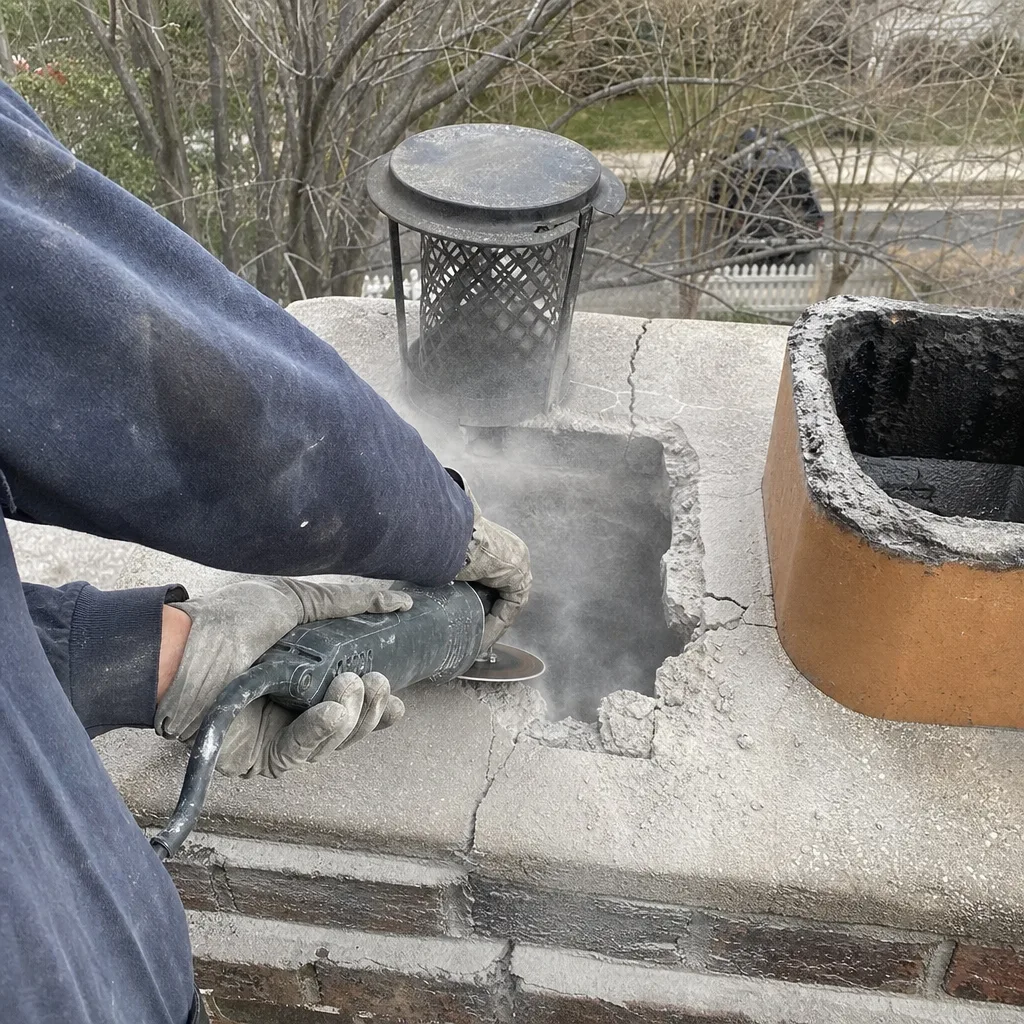
You should call a professional for any of the following: you see smoke backing into the room, you smell unusual odors while the fireplace is in use, you’ve had any chimney fire at all, you notice water stains on the ceiling near the chimney, you see spalling brick faces or significant efflorescence, your carbon monoxide detector activates while the fireplace is running, or you haven’t had a camera-based inspection in the past 12 months. These are not conditions to monitor; they’re conditions to address.
For Washington homeowners who want a second look at any written estimate from another company, Level Two Chimney Washington offers a free second opinion on any written estimate. We’ll inspect the chimney, review the competitor’s quote, and tell you whether the work is needed, whether the scope is accurate, and whether the pricing is fair. Call (240) 621-1264 to schedule a free estimate in Washington.
Frequently Asked Questions
In Washington, DC, a wood-burning chimney that sees regular use should be inspected twice yearly and cleaned whenever creosote accumulation reaches 1/8 inch or more, which for most homes means an annual fall cleaning and sometimes a mid-season sweep if buildup is heavy. Gas fireplaces need less frequent cleaning but still warrant an annual inspection to check for vent blockages and carbon monoxide risk.
A standard chimney sweep in Washington typically costs between $180 and $340, depending on the chimney’s height, creosote classification, and whether additional services like cap replacement or crown repair are bundled in. Level Two Chimney Washington provides a written price before any work starts, always, on every job, so you’ll know the exact cost before we begin. Call (240) 621-1264 for an exact quote, estimates are free.
A liner replacement is only necessary when a camera scan shows actual damage, cracked tiles, separated joints, or a stainless liner that has corroded through, and any legitimate sweep will show you the photos that document the damage. If a company recommends liner work without camera evidence you can see for yourself, get a second opinion before proceeding.
Skipping a year means creosote continues to accumulate, which increases chimney fire risk, and existing liner cracks or mortar gaps go undocumented for another 12 months while DC humidity and freeze-thaw continue widening them, so a repair that might have cost $400 this year can become a $3,000 rebuild two years later. Our Chimney Cleaning Cost Breakdown: The Washington Homeowner’s Reference for 2026 explains typical pricing.
You can brush the accessible portion of the flue yourself, but a hardware store brush won’t remove Class III glazed creosote, won’t reach the upper flue where most buildup lives, and won’t tell you anything about liner condition, which is the actual information you need for safe operation. Most Washington homeowners find that a professional sweep and camera scan costs less than the equipment needed to do a partial job.
Washington does not mandate residential chimney inspections by local code, but NFPA 211, the national standard adopted by insurance carriers and referenced by DC building officials, recommends annual inspection and cleaning as needed, and your homeowners insurance may decline a chimney fire claim if you can’t document that the chimney was properly maintained. Call (240) 621-1264 to schedule an inspection and start building your documentation record.
The Bottom Line
A chimney in Washington is not a once-a-year responsibility. It’s a four-season system where each season applies different pressure: winter’s thermal cycling and freeze-thaw, spring’s opportunity to catch damage early, summer’s humidity and water intrusion, and fall’s critical sequence of inspection and preparation. Homeowners who schedule two professional inspections per year, keep records of what each found, and monitor smoke and draft behavior during active use will catch problems at their cheapest point and budget repairs deliberately instead of absorbing emergency costs. The chimney that gets attention every season is the chimney that costs less over time, and in Washington’s climate, the alternative is a wear curve that accelerates silently until it becomes a four-figure surprise. Browse more guides & resources on year-round chimney care.
For a written price before any work starts and a documented photo record on every visit, call (240) 621-1264 to schedule your seasonal inspection with Level Two Chimney Washington home today.
Written by Corrine Halstead, Owner at Level Two Chimney Washington, serving Washington since 2009.