
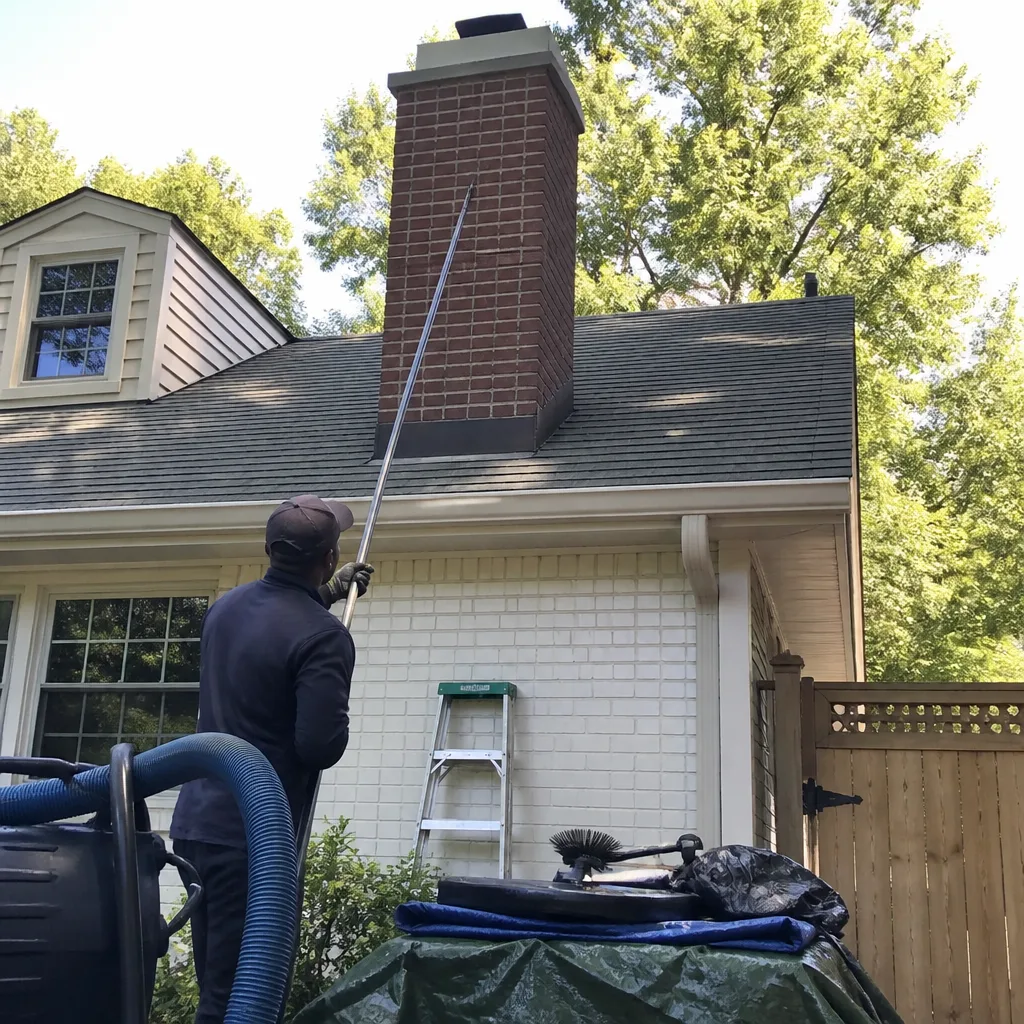
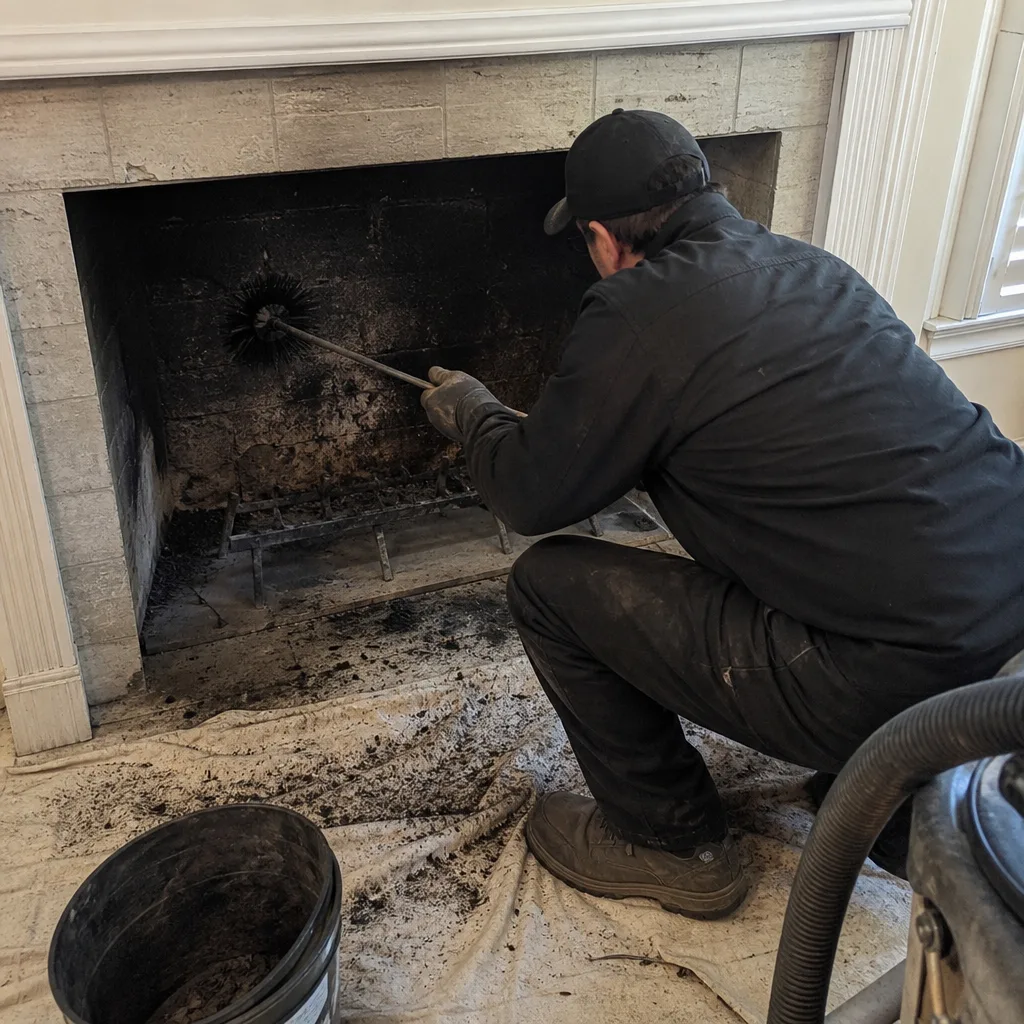
Level 1 sweep and inspection to the NFPA 211 annual standard - flue, crown, cap, and flashing checked and photographed
Chimney sweep logs do not sweep chimneys. They loosen some creosote - which then falls where a brush and vacuum still have to collect it.
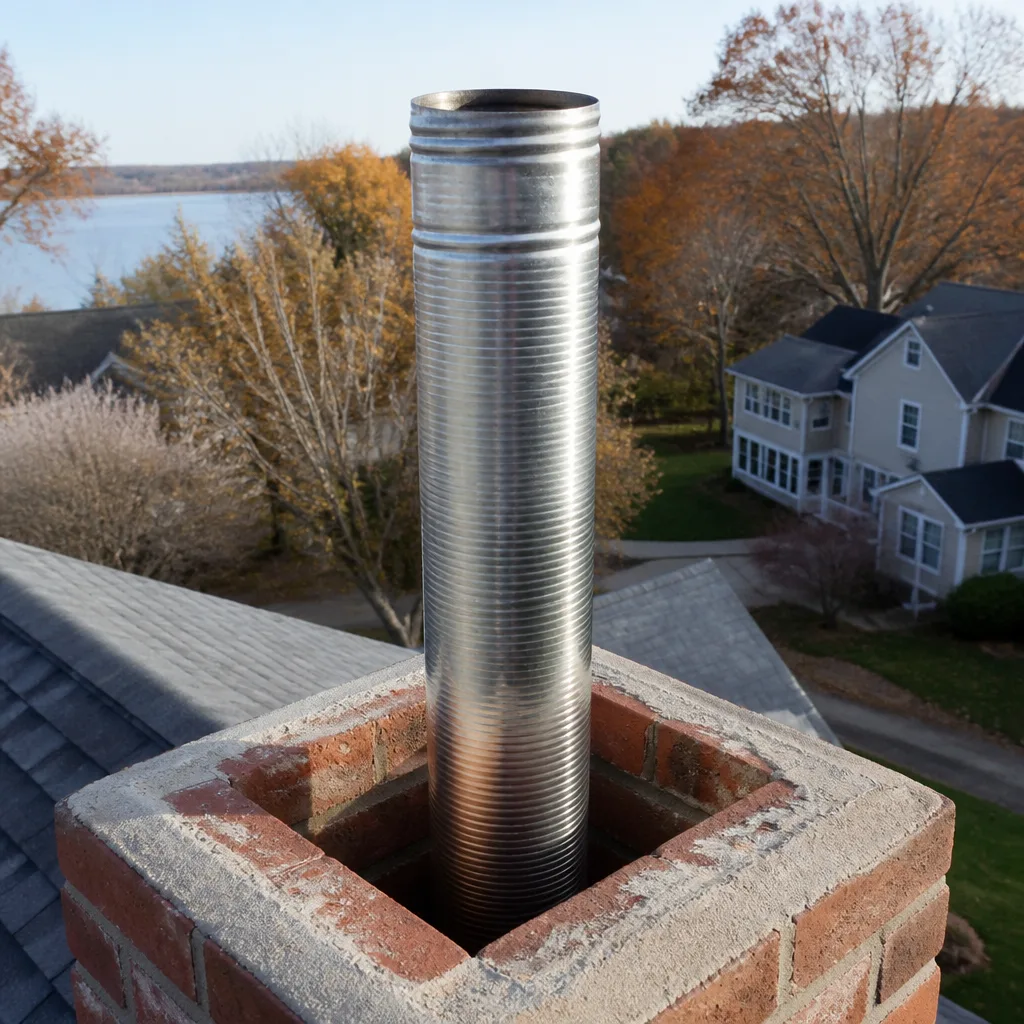
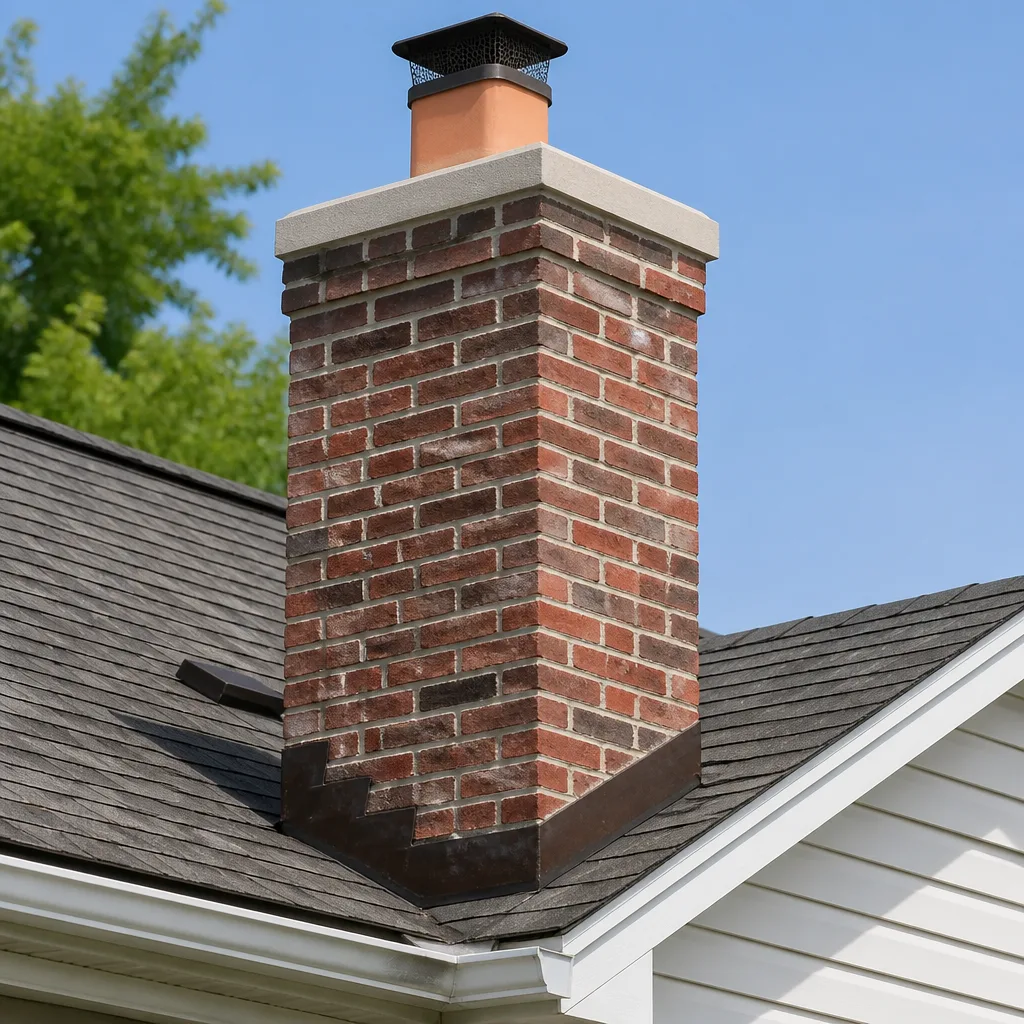
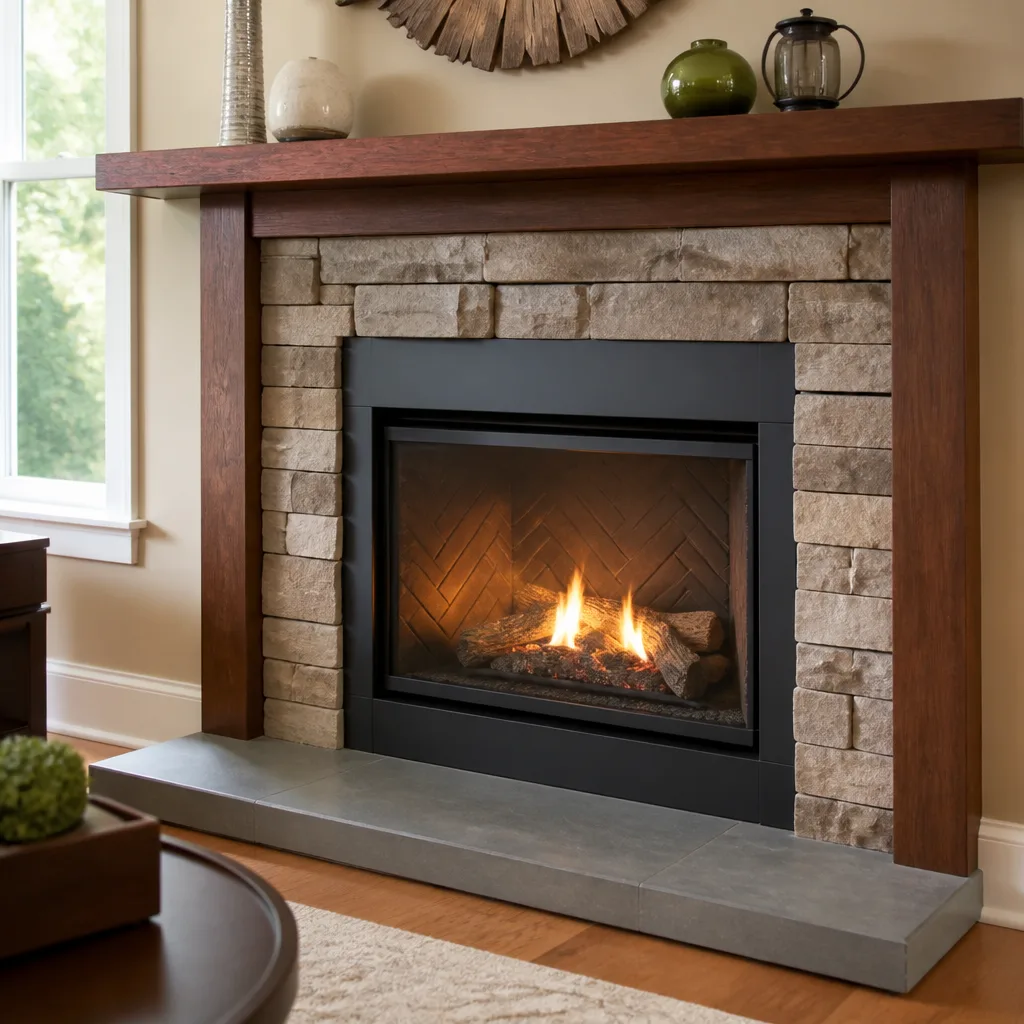
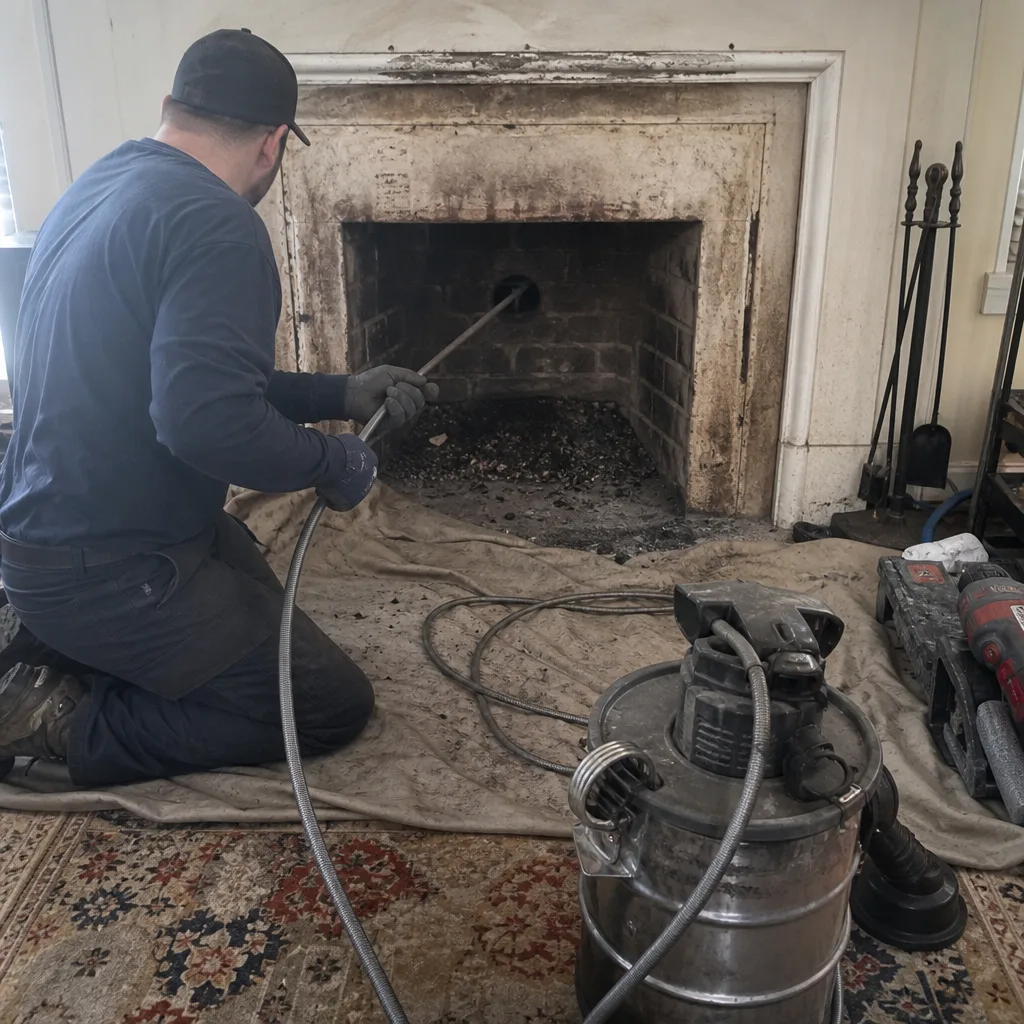 Before
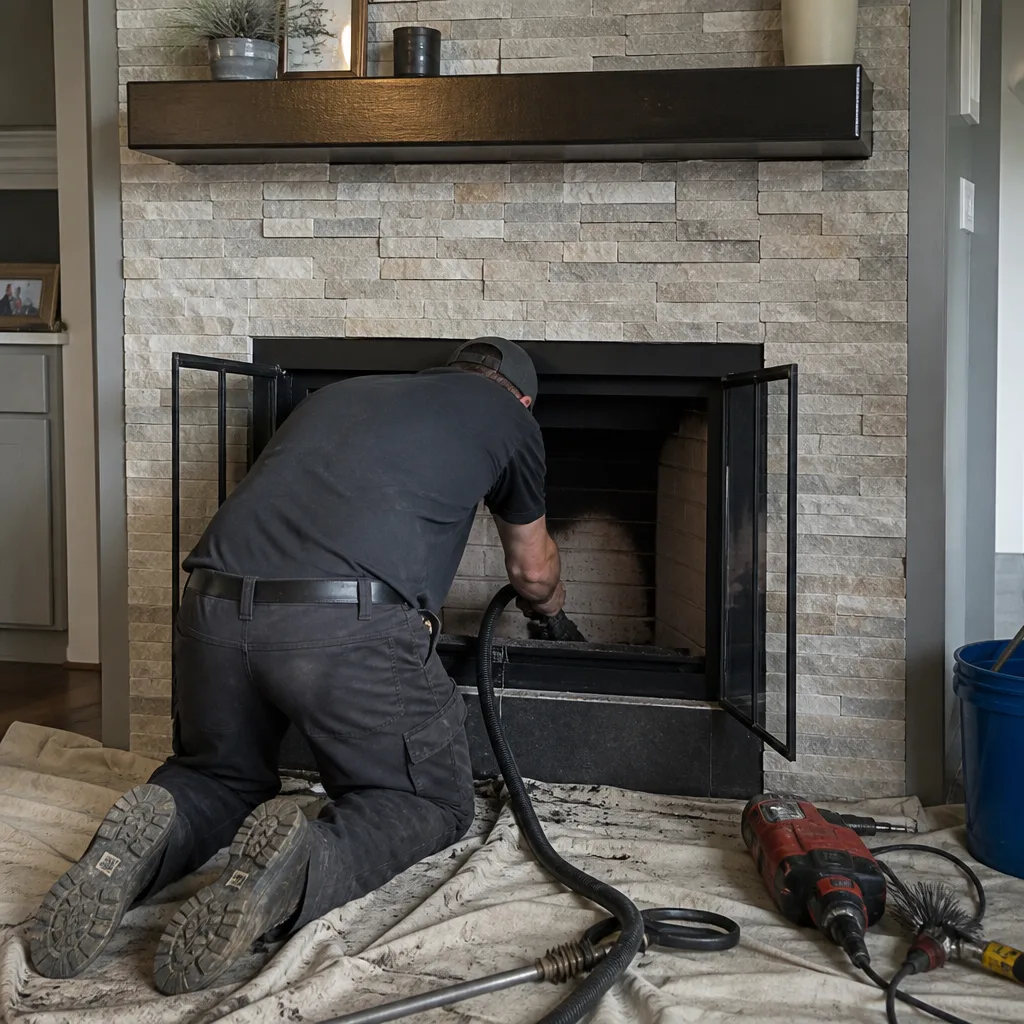 After
After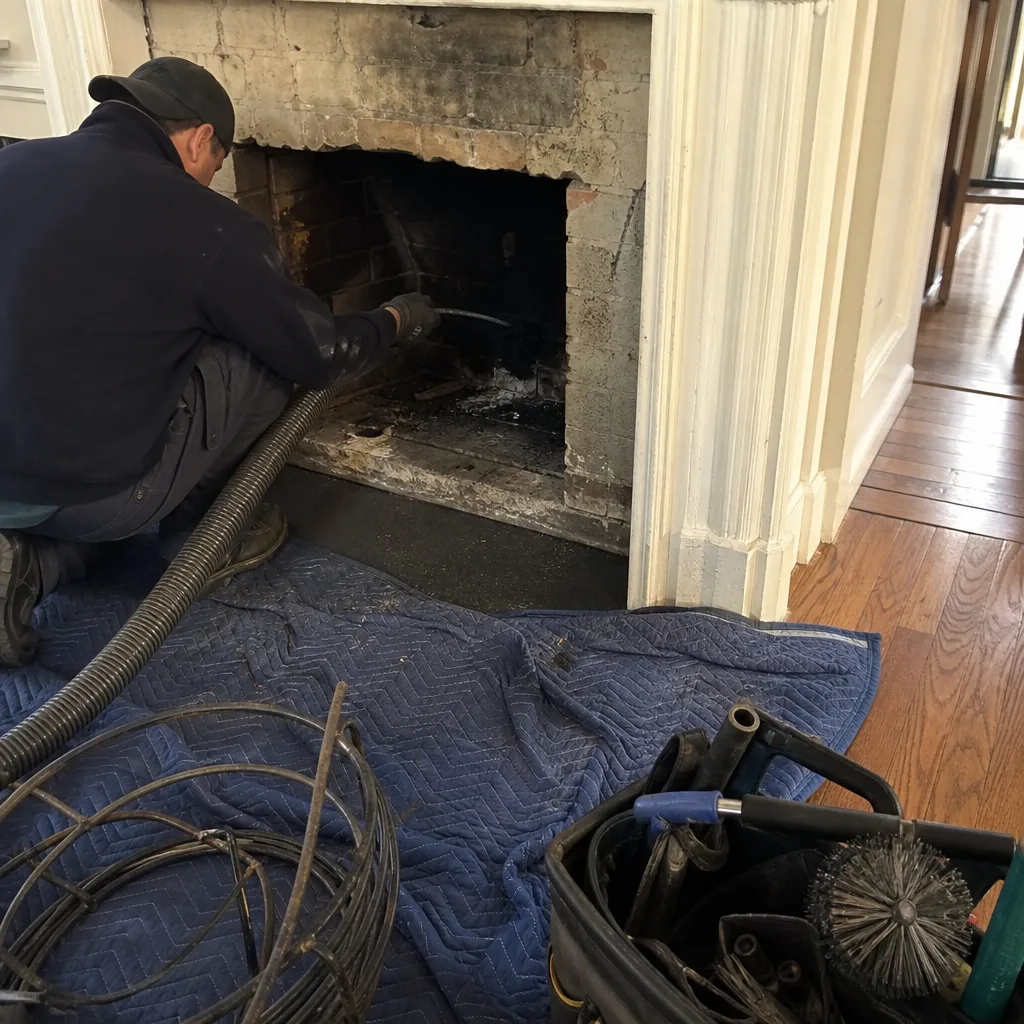 Before
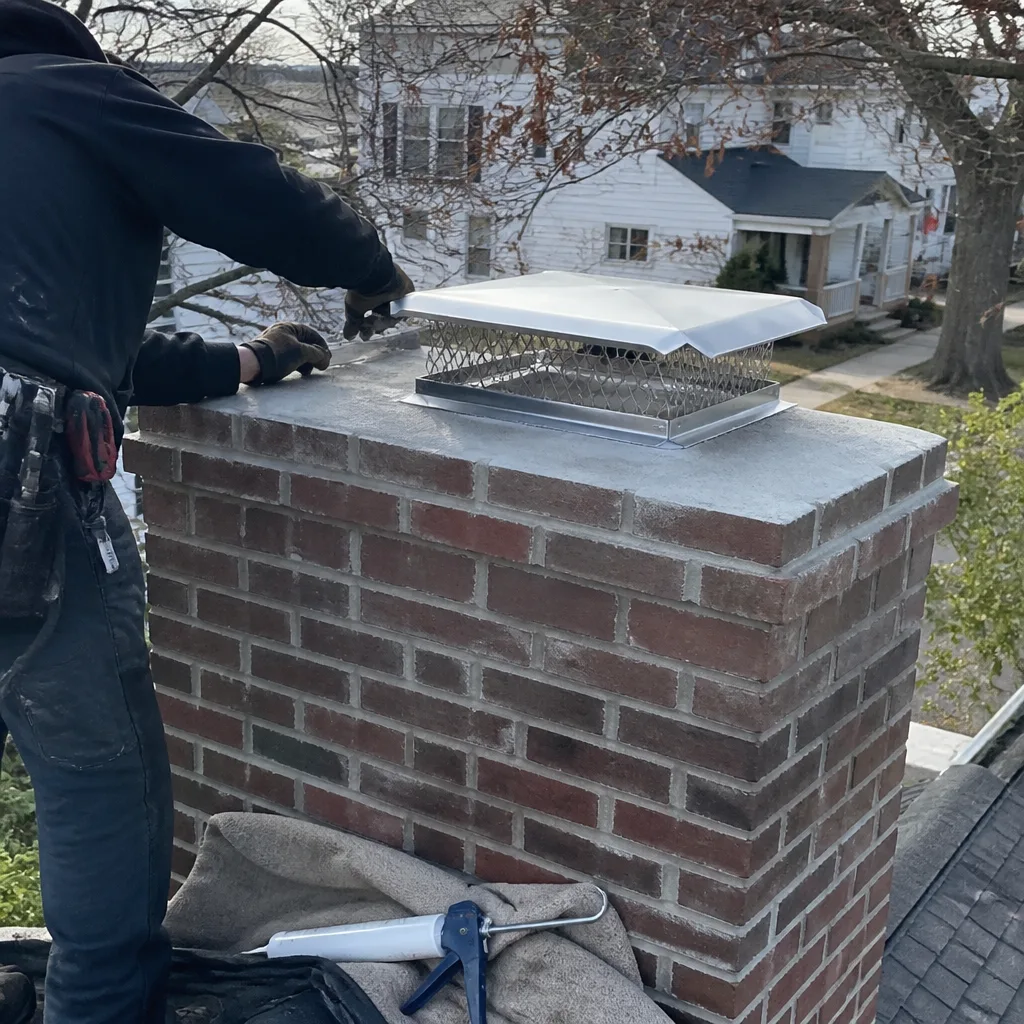 After
After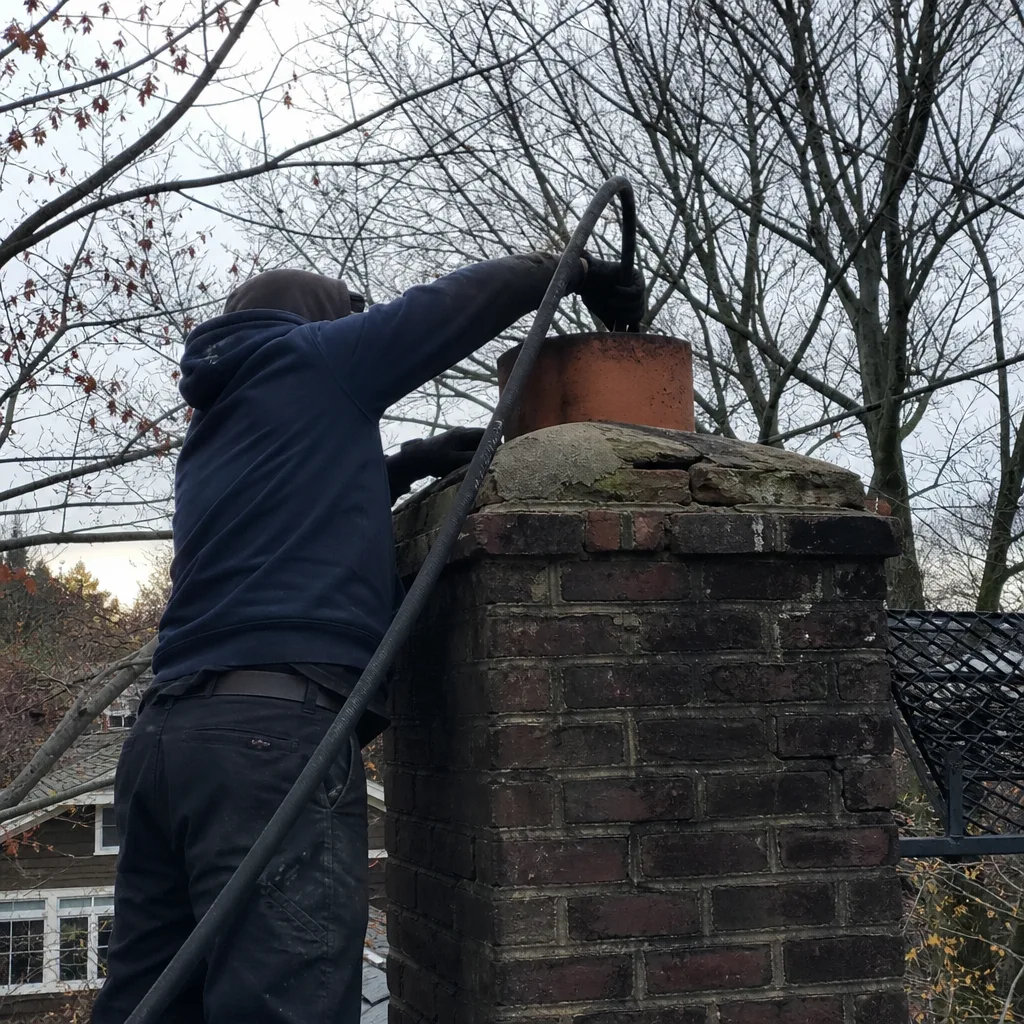 Before
 After
AfterHow Much Does Chimney Cap & Crown Cost in Washington, DC?
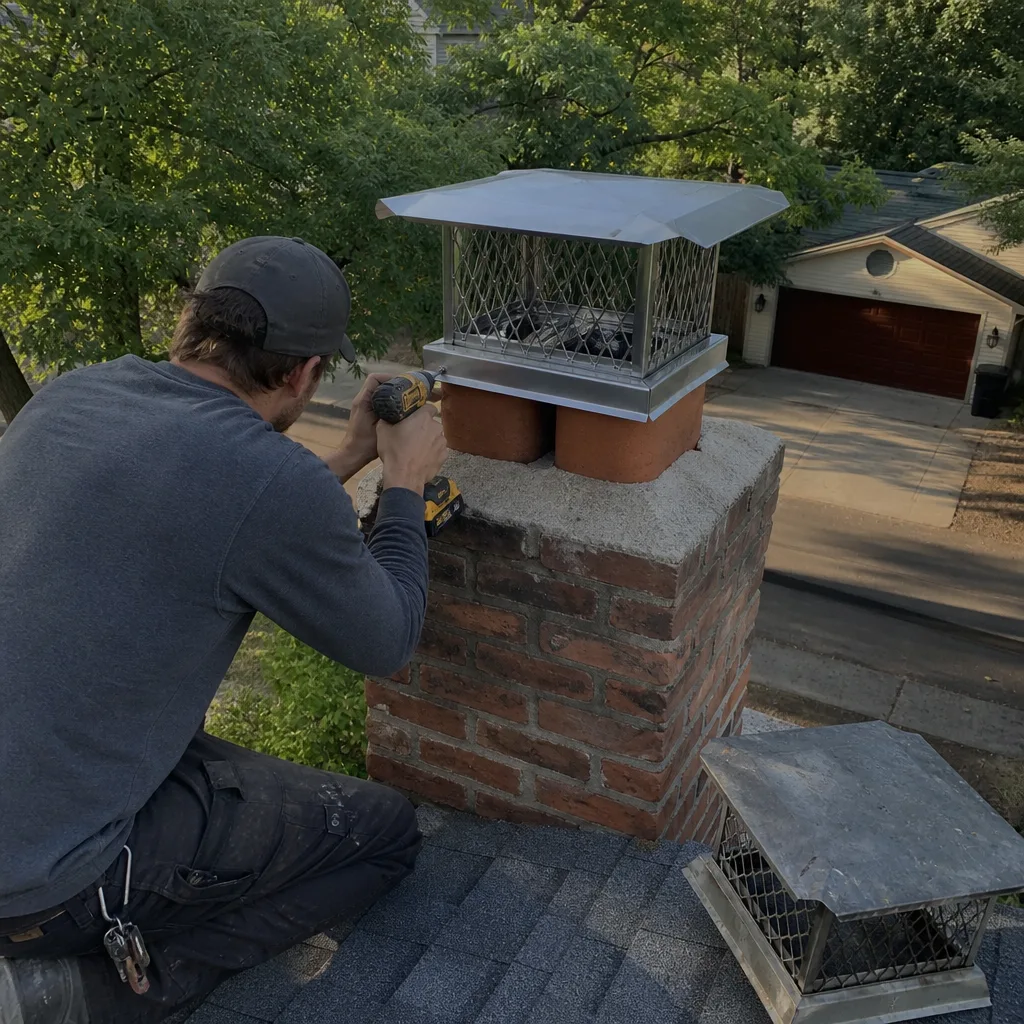
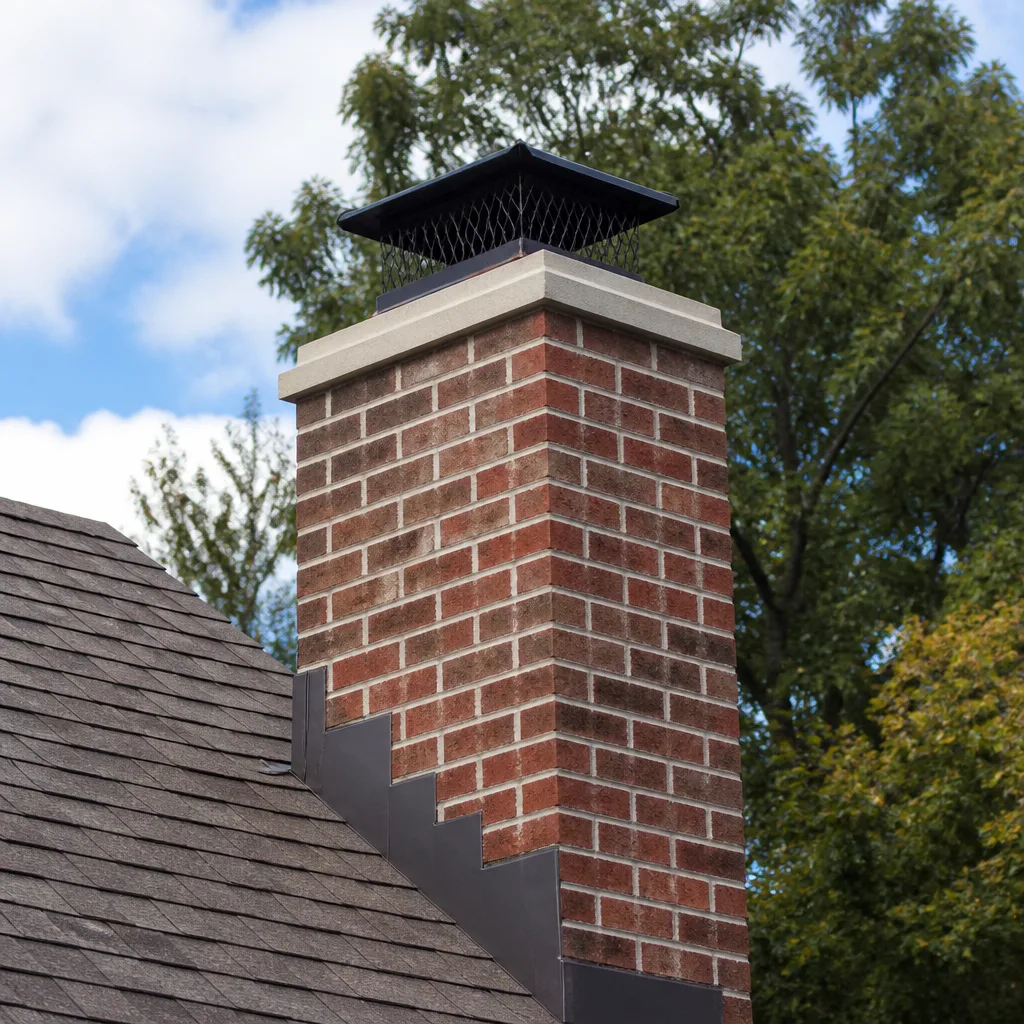
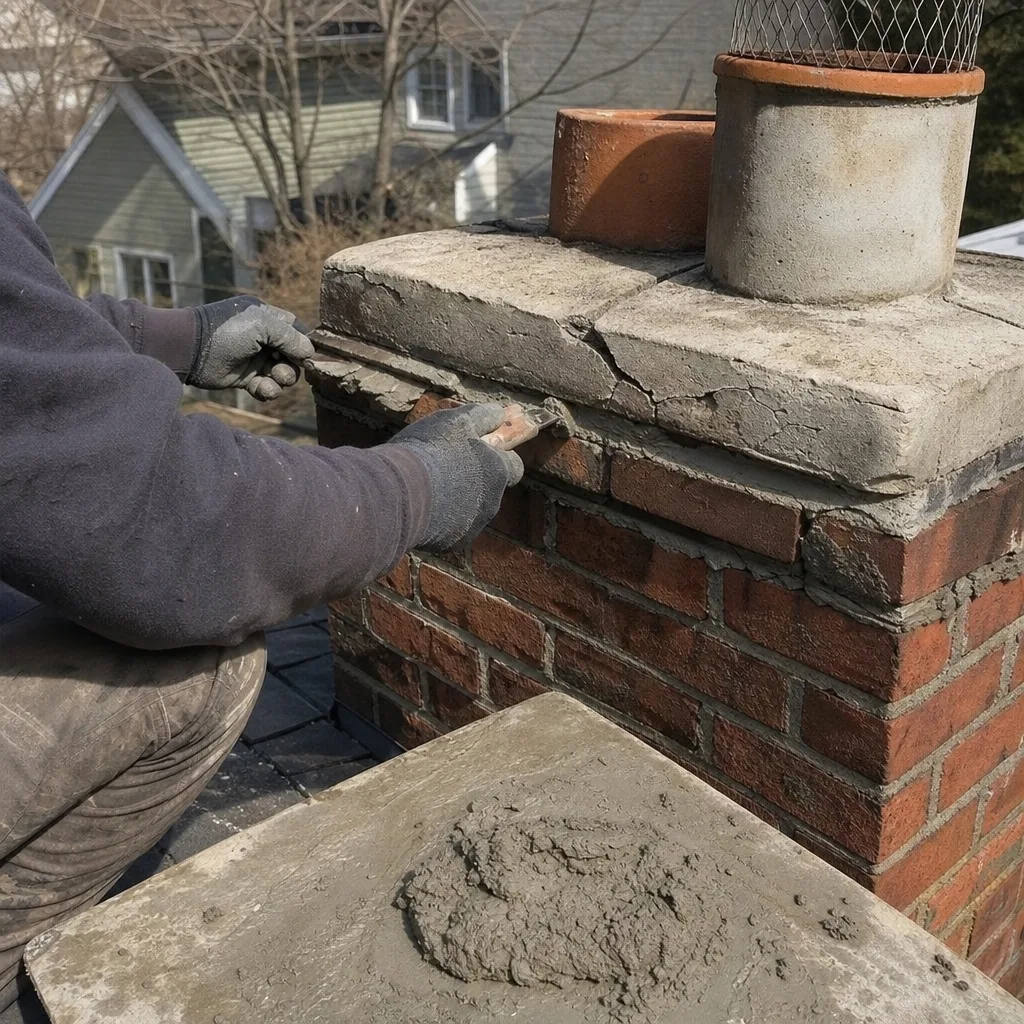
Chimney Cap & Crown work in Washington, DC runs anywhere from $150 to $2,800, depending on whether you’re replacing a single galvanized cap or having a custom masonry crown rebuilt from scratch. Most homeowners in the District pay between $250 and $900 for a standard cap replacement or a crown repair using elastomeric sealant. A full crown rebuild in mortar or cast-in-place concrete sits at the higher end and is less common, but it’s the right call when the existing crown has cracked through to the flue collar.
Before we get into the breakdown, one thing worth knowing: at Level Two Chimney Washington, every price is written down before anyone picks up a trowel. That’s not a selling point – it’s how we operate under the Haven Standard, and it’s the only way pricing pages like this one are actually useful to you.
Chimney Cap & Crown Cost Breakdown (2026)
Here’s how the numbers break down by service type in the Washington, DC market. These reflect real job data from homes we’ve worked on across Capitol Hill, Chevy Chase, Petworth, Georgetown, and similar neighborhoods – not national averages padded to look local.
| Service | Typical Price Range (DC Market, 2026) | Notes |
|---|---|---|
| Galvanized steel cap – single flue | $150 – $275 | Most common replacement; fits standard 8×8 to 13×13 flue openings |
| Stainless steel cap – single flue | $225 – $425 | Better corrosion resistance; the better call in DC’s humid summers |
| Copper cap – single flue | $400 – $750 | Common in Georgetown and older Capitol Hill rowhouses; ages well |
| Multi-flue or custom cap | $450 – $1,100 | Covers two or more flues under one cap; sizing and pitch add cost |
| Crown sealant / elastomeric repair | $195 – $450 | For cracks up to about 1/4 inch wide; stops water intrusion fast |
| Crown resurfacing (partial rebuild) | $450 – $900 | Applies when the crown surface has deteriorated but the base is intact |
| Full crown rebuild – masonry | $900 – $2,200 | Required when the crown has cracked through; includes drip edge forming |
| Full crown rebuild – cast-in-place | $1,200 – $2,800 | Higher material cost; longer lifespan; less common but done in high-end DC restorations |
| Level 2 camera inspection (included) | Included on every visit | Documents crown and flue condition before and after; part of every job under Haven Standard Clause 4 |
Labor in Washington, DC runs a little higher than surrounding counties, mostly because of parking logistics, rowhouse access, and the rooflines common to the city’s stock of pre-1960 brick construction. A job that takes two hours in a Silver Spring detached house might take two and a half on a Capitol Hill attached rowhouse where the crew has to stage from a narrow alley. That added time is real and it shows up in quotes – which is one more reason you want the price in writing before work starts.
Materials at Level Two Chimney Washington come through Haven’s buying network – suppliers including Gelco, Olympia Chimney, Famco, and Copperfield – which keeps our material costs lower than what a single-location company pays off a distributor’s retail sheet. That margin difference goes toward keeping customer prices honest, not toward markup.
What Affects Chimney Cap & Crown Pricing in Washington, DC
- Flue count and opening size: A single 8×8 terra cotta flue takes a stock cap. A double-flue chimney on a Dupont Circle brownstone, or a triple-flue stack on a larger Cleveland Park home, needs a custom-fabricated cover – and custom sizing adds $150 to $400 to the job depending on span.
- Cap material: Galvanized steel is the entry-level option and does the job for several years, but Washington’s combination of wet summers and freeze-thaw winters – the city averages around 15 inches of snow a year and humidity that runs high from June through September – accelerates rust on galvanized caps. Stainless or copper lasts significantly longer and tends to be the smarter spend on an older home where you’re not planning to reroof anytime soon.
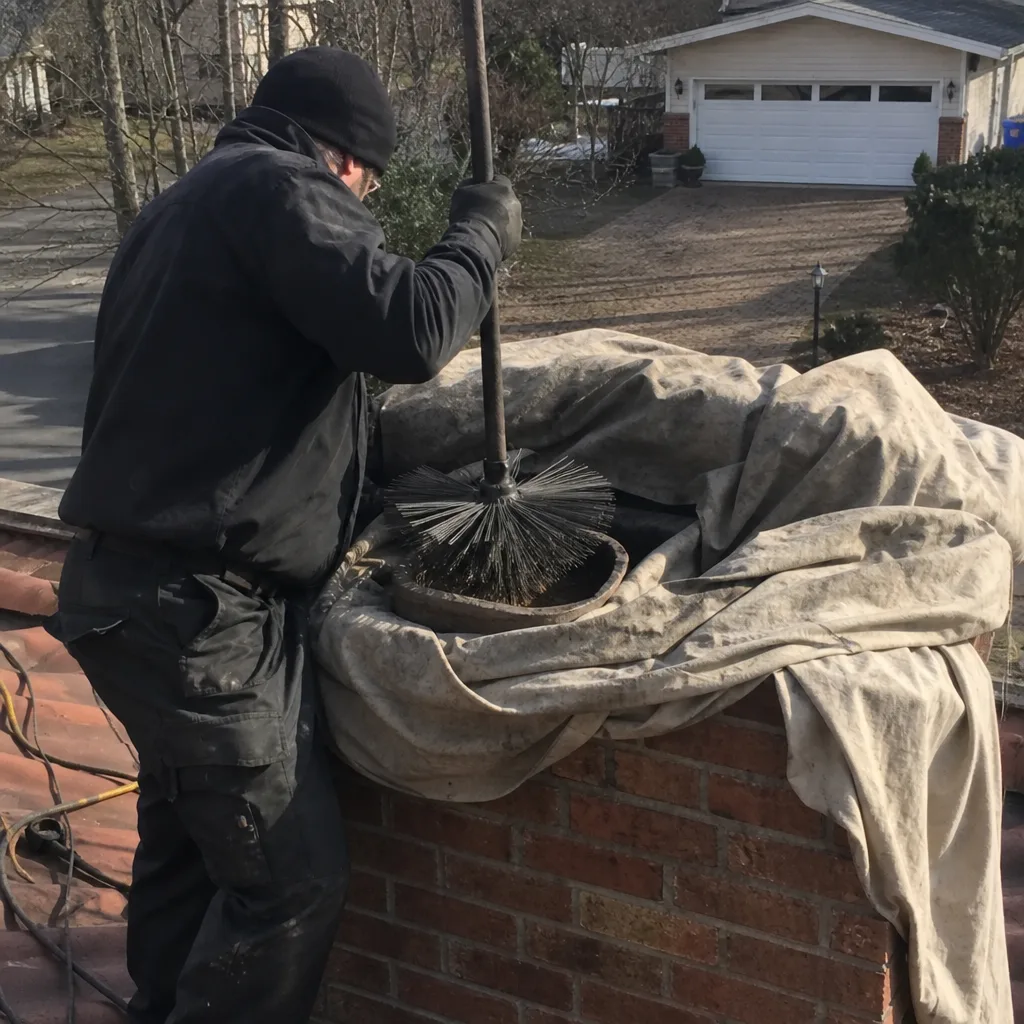
- Crown damage severity: A hairline crack caught early takes sealant and a couple of hundred dollars. A crown that’s split through, heaved, or shed its drip edge entirely needs a rebuild. The difference between those two outcomes is usually one missed inspection – which is why the camera scan on every Level Two visit documents crown condition in writing, so you have a baseline the next tech can compare against.
- Roof pitch and access: Steeper pitches add cost because they require additional safety rigging. In neighborhoods like Shepherd Park or upper 16th Street NW, where homes from the 1920s and 30s have steeper gabled rooflines, access time is longer and pricing reflects that. Corrine Halstead has noted that access complexity is the single most underestimated variable in chimney pricing for DC homeowners.
- Chimney height above the roofline: NFPA 211 requires the chimney to extend at least 2 feet above any part of the roof within 10 feet, and some DC rowhouses have stacks that sit much higher than that. Taller stacks mean more exposure and sometimes more staging time, both of which affect the final number.
- Combination work: If you’re having a cap replaced and a crown repaired at the same visit, the total cost is almost always lower than scheduling them separately – one mobilization, one access setup. Jobs that also include a flue liner inspection or damper replacement during the same visit tend to come in 10 to 15 percent lower per line item than stand-alone calls.
- Permit requirements: Most chimney cap replacements in Washington, DC don’t require a building permit. A full crown rebuild involving significant masonry work may need one depending on scope – the District’s DCRA (Department of Consumer and Regulatory Affairs) has jurisdiction, and requirements can vary by ward and project classification. We handle that determination at the estimate stage so it doesn’t become a surprise on job day.
BeforeAfterWhy Crown and Cap Repairs Matter More in Washington, DC Than Most Places
Washington sits in a climate zone that’s genuinely hard on masonry. The mid-Atlantic freeze-thaw cycle – temperatures that oscillate above and below 32 degrees Fahrenheit repeatedly from November through March – is one of the most destructive forces a chimney crown faces. Water penetrates hairline cracks, freezes, expands, and widens those cracks a little more each cycle. By the time most homeowners in Brookland or Takoma notice a problem, the crown has been actively deteriorating for two or three winters.
The District’s tree canopy makes it worse. Neighborhoods like Chevy Chase DC, Forest Hills, and Shepherd Park have some of the densest urban tree cover in the country, which means moss and algae growth on north-facing chimney crowns is common. Organic growth holds moisture against the masonry and speeds up the same deterioration cycle. A crown that looks structurally intact from the ground can have significant organic infiltration visible only through a camera scan – which is why the Level 2 inspection included on every visit isn’t optional.
On the cap side, the Potomac corridor humidity accelerates galvanized steel oxidation faster than the national average suggests. We regularly see galvanized caps on DC rowhouses that are corroded through within six to eight years, while the same cap on a drier climate home might last twelve. It’s one reason we steer most Washington homeowners toward stainless steel as a baseline material rather than the cheaper option.
If you want the full picture of what’s included on a typical service call – inspection, documentation, and the written scope before anything starts – the Chimney Cap & Crown in Washington service page covers that in detail.
How to Save on Chimney Cap & Crown in Washington, DC
The single most effective way to control chimney cap and crown costs is timing. Catching a failing crown at the sealant stage – where a $250 repair stops the problem – is categorically better than arriving at a $1,800 rebuild because the crack was ignored through two more winters. That sounds obvious written out, but in practice it means scheduling an inspection before you see water stains on the firebox or interior ceiling, not after.
A few specific things that keep costs down:
- Combine work in one visit. If your cap is aging and your crown shows early cracking, address both at the same appointment. You pay one mobilization cost instead of two, and the price-per-item comes down. We’ll tell you clearly in the written estimate which items are time-sensitive and which can wait – so you’re not pressured into doing everything at once.
- Get a second opinion on a high quote. If you’ve received a written estimate from another company for crown work that seems high, bring it to us. We offer a free second opinion on any written estimate – no appointment fee, no obligation. Corrine Halstead started this practice because the DC market has a documented pattern of upselling crown work to homeowners who don’t have a baseline inspection to compare against.
- Use materials correctly rated for DC’s climate. The cheapest repair isn’t always the cheapest over five years. A galvanized cap at $175 that needs replacement in six years costs more than a stainless cap at $325 that lasts fifteen. Ask for both options in writing and compare total cost of ownership.
- Don’t skip the inspection. We include a camera scan on every visit because the written documentation creates a baseline. That baseline protects you two ways: it confirms the repair was done correctly, and it gives the next technician something real to compare against. Skipping the inspection to save money on a service call is the most expensive short-term saving in chimney work.
- Know what you’re actually buying. Under Haven Standard Clause 1, you receive a written price, written scope of work, and written warranty before anyone starts. If a company can’t give you those three things in writing before the work begins, that’s the cost risk – not the line-item price on the invoice.
For an exact quote on your Washington, DC chimney, call (240) 621-1264. Estimates are free and in writing – you’ll know the full price before you decide anything.
What the Written Price Actually Includes
This comes up enough that it’s worth spelling out. When Level Two Chimney Washington delivers a written estimate, it includes:
- The exact dollar amount for each line item – no “starting at” language
- The written scope of work, describing what will be done and what materials will be used
- The warranty terms in writing – what’s covered, for how long, and what triggers the 365-Day Done Right Promise
- The documented photo record of current conditions, taken during the camera scan, so you can see exactly what the technician is referencing
- The name of the assigned technician and a text when they’re on the way
That documentation exists because it protects you. A photo record of your crown condition before repair is the only real evidence you have that the repair was necessary and that it was completed correctly. Clause 4 of the Haven Standard makes this documentation standard on every job – not an add-on you request.
FAQs: Chimney Cap & Crown Cost in Washington, DC
How much does a chimney cap cost in Washington, DC?
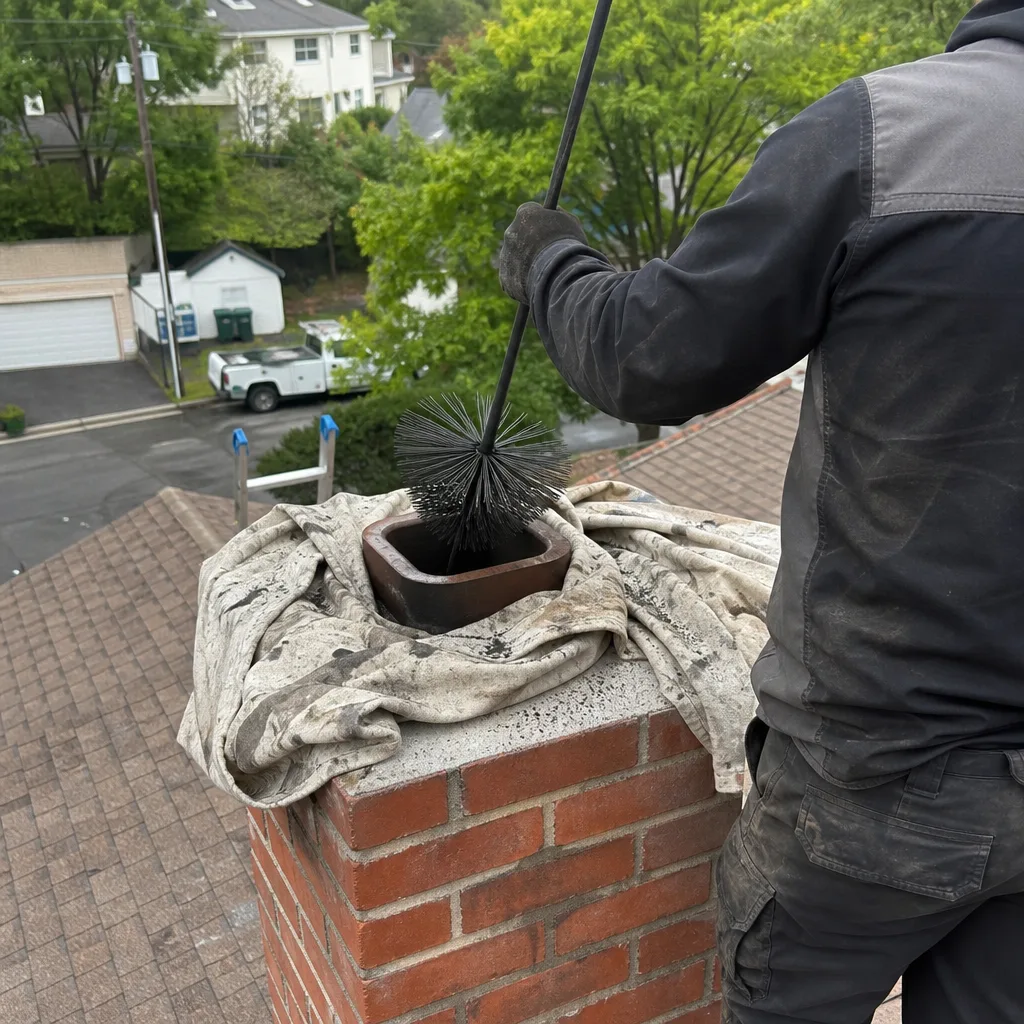
A standard single-flue chimney cap in Washington, DC costs between $150 and $425 for galvanized or stainless steel, installed. Copper caps run $400 to $750 depending on size and fabrication. Multi-flue or custom covers start around $450 and can reach $1,100 for wider spans. The price variation is mostly driven by material, flue count, and roof access – not by which neighborhood you’re in. For an exact number on your specific chimney, call (240) 621-1264 – estimates are free and you’ll have the price in writing before you commit to anything.
How much does a chimney crown repair cost in Washington, DC?
Crown repair in Washington, DC runs $195 to $450 for elastomeric sealant on minor cracking, $450 to $900 for partial resurfacing, and $900 to $2,800 for a full rebuild depending on whether it’s standard masonry or cast-in-place construction. The right repair depends on the depth and extent of the cracking – something that’s only accurately assessed through a camera inspection, not a visual check from the roofline. If another company has quoted you for a full rebuild and you’d like a second opinion, bring the written estimate and we’ll assess it at no charge.
Is it cheaper to repair or replace a chimney crown?
Repair is almost always cheaper in the short term, but the comparison that matters is cost over time. A sealant repair at $250 to $450 makes complete sense on a crown with minor surface cracking that has no structural compromise. The same repair on a crown that has cracked through to the flue collar buys maybe one winter before the damage continues – and by then you’re looking at a full rebuild plus whatever water damage occurred in the interim. The camera inspection gives you the actual condition assessment to make that call on evidence, not guesswork. If repair is genuinely the right answer, that’s what the written estimate will say.
How long does a chimney cap or crown last in Washington, DC?
A galvanized steel cap in DC’s climate typically lasts 6 to 10 years before oxidation compromises it. Stainless steel runs 15 to 25 years with normal maintenance. Copper caps last the life of the chimney in most cases. A properly installed masonry crown with a good drip edge lasts 20 to 30 years in a mid-Atlantic climate if it stays sealed – the freeze-thaw cycle is the primary degradation mechanism, and small cracks caught early extend that lifespan significantly. Most DC homeowners we work with in Petworth, Columbia Heights, and similar rowhouse-dense neighborhoods see their original crowns start showing surface cracking around the 15-year mark.
Do I need a permit for chimney cap or crown work in Washington, DC?
Cap replacements generally don’t require a permit from DCRA. A full crown rebuild involving significant masonry restoration may require one depending on scope and how the District classifies the work on your specific structure. We determine permit requirements at the estimate stage – it’s part of the written scope we deliver before work starts, so you’re not discovering a permit requirement on the day of the job. If a permit is needed, we handle the process and factor it into the written price.
Can I see the condition of my crown before I agree to any work?
Yes – and you should insist on it with any company you hire. At Level Two Chimney Washington, the camera inspection is included on every visit as a baseline requirement under Haven Standard Clause 4. You receive photos of the crown, the flue collar junction, and any areas of concern before a written scope is prepared. That documentation is yours to keep regardless of whether you proceed. It’s also what a Free Second Opinion is built on: if you’ve received another company’s written estimate for crown work, we can inspect and give you a documented comparison. Call (240) 621-1264 to schedule.
Washington DC Neighborhoods We Serve
Level Two Chimney Washington serves homeowners across the full District, including Capitol Hill, Georgetown, Dupont Circle, Columbia Heights, Petworth, Brookland, Takoma, Shepherd Park, Forest Hills, Chevy Chase DC, Cleveland Park, Adams Morgan, Logan Circle, and Navy Yard. Washington’s rowhouse stock – much of it built between 1890 and 1940 – presents a specific set of chimney conditions we see regularly: multiple stacked flues, shared chimney walls between units, original terra cotta tile liners, and crowns that have sometimes been patched with improper mortar mixes that fail faster than a proper crown would. If your home was built before 1950, the baseline assumption going in should be that the crown and cap need at least a documented inspection, regardless of whether you’ve had any visible symptoms.
Corrine Halstead leads the team at Level Two Chimney Washington and has overseen chimney work on some of the District’s most historically significant residential properties. The approach on every job is the same regardless of address: document first, price in writing, do the work, document again.
Key Takeaways
- Chimney cap replacement in Washington, DC costs $150 to $1,100 depending on material and flue count.
- Crown repair runs $195 to $2,800 depending on severity – elastomeric sealant at the low end, full masonry rebuild at the high end.
- DC’s freeze-thaw winters and humid summers accelerate crown cracking and cap corrosion faster than national averages suggest.
- Combining cap and crown work in one visit reduces total cost by eliminating a second mobilization.
- Every Level Two job includes a camera inspection, documented photo record, written price, written scope, and written warranty – before work starts, not after.
- The 365-Day Done Right Promise applies to every job. If it’s not right, we make it right.
- Free second opinions are available on any written estimate – no fee, no obligation.
- Call (240) 621-1264 for a written estimate. Live staff answer 24/7.
Get a Written Estimate for Your Washington, DC Chimney
If you have a failing cap, a cracked crown, or a competitor’s quote you want a second opinion on, call (240) 621-1264. You’ll speak with a live person – not a voicemail, not a web form. We’ll schedule an inspection, send a background-checked technician in uniform with a text when they’re on the way, document what we find with a camera, and put a written price in front of you before any work begins. That’s how every Level Two Chimney Washington job starts, and it has been since 2009.
Pricing reflects the Washington, DC market as of 2026. Level Two Chimney Washington offers free estimates – call (240) 621-1264.
Written by Corrine Halstead, Owner at Level Two Chimney Washington, serving Washington, DC since 2009.
What Our Customers Say
"Cap and crown replaced after water was getting in. Price was quoted in writing, and they showed me the mortar failure first."
- Neil O."Gas insert service done properly with the readings written down. The technician had the certification number printed on the paperwork."
- Bettina A."They told me the flue was fine and I did not need a liner. Charged me for the inspection and nothing else. That is why I have called them twice since."
- Hal M.