
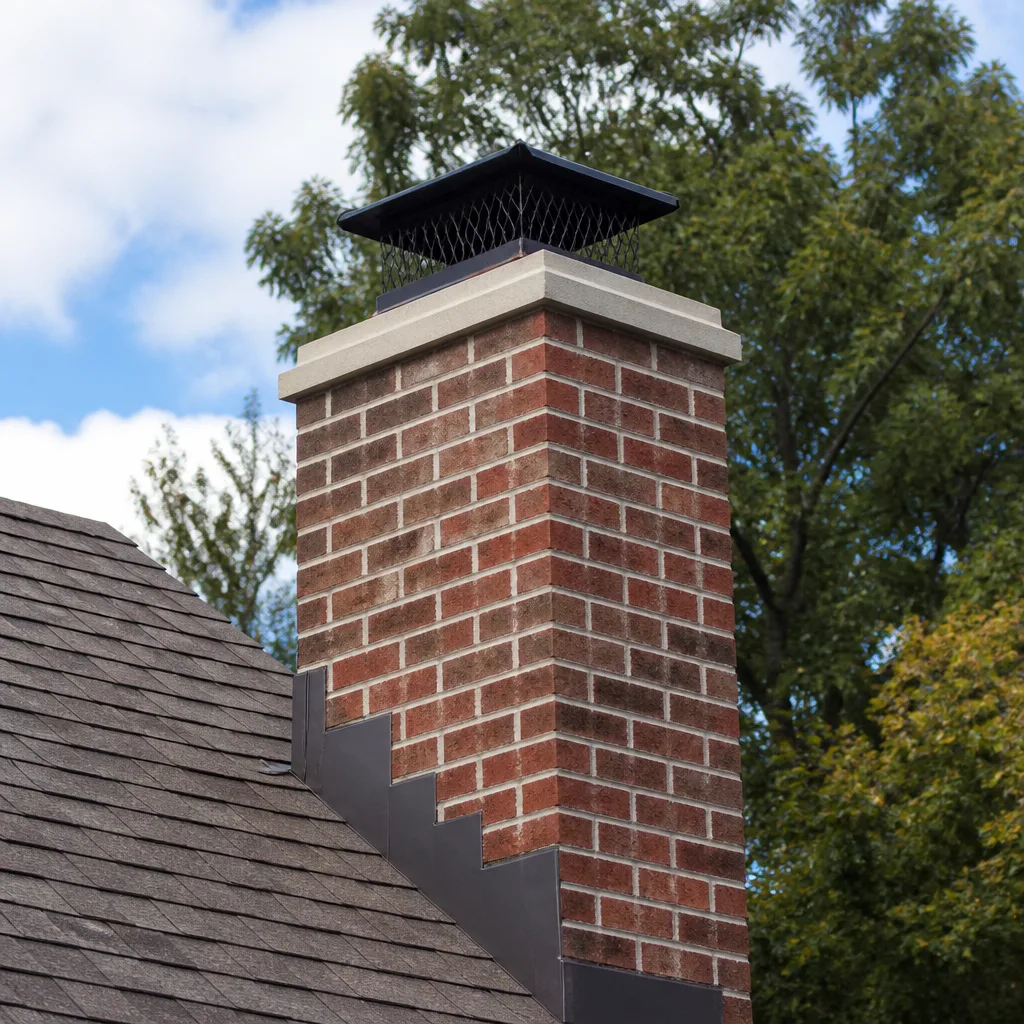
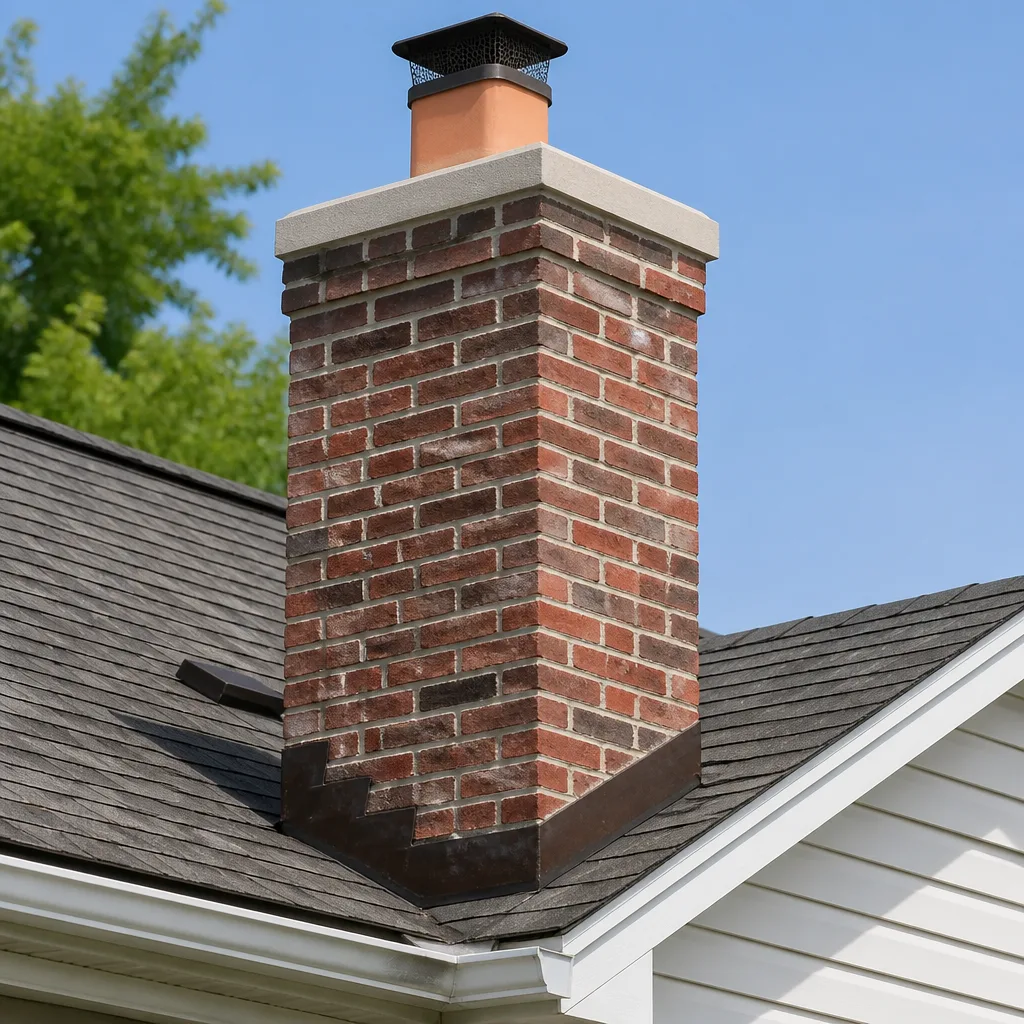
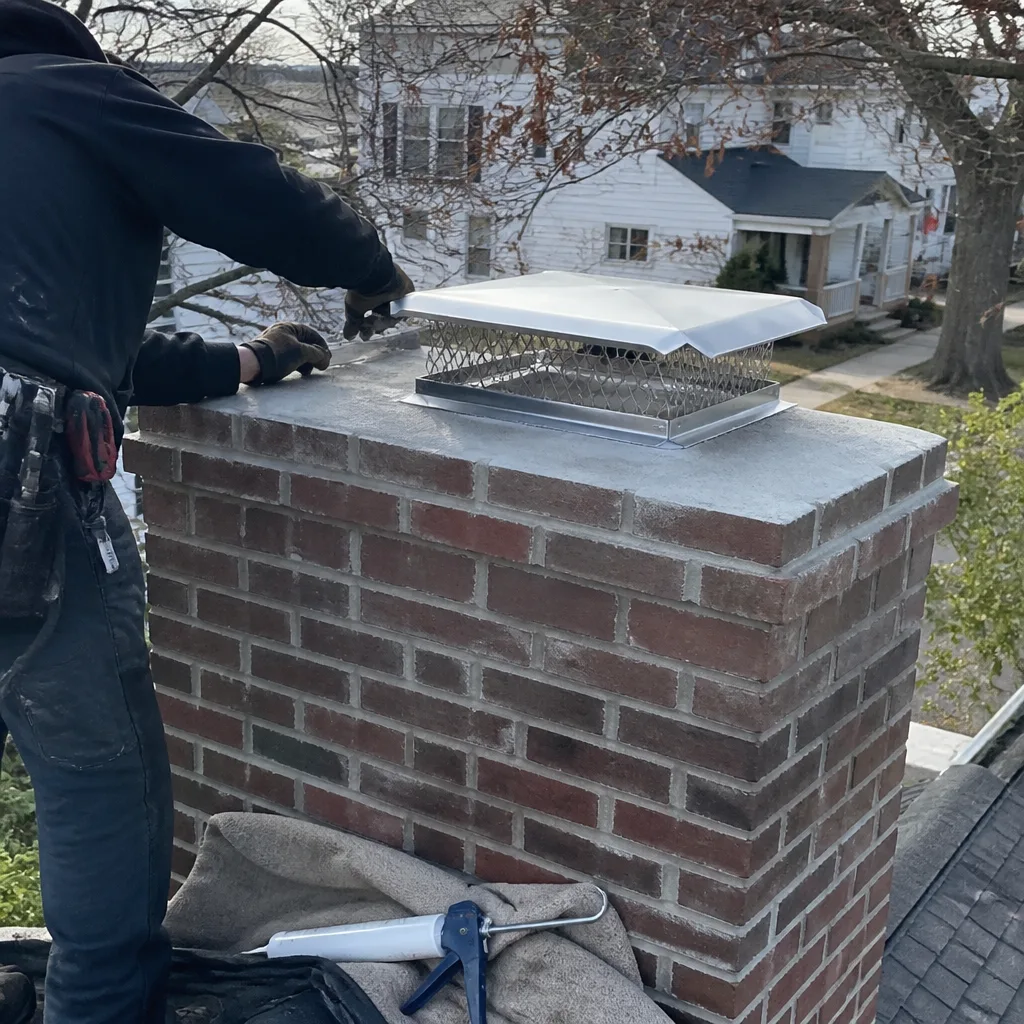
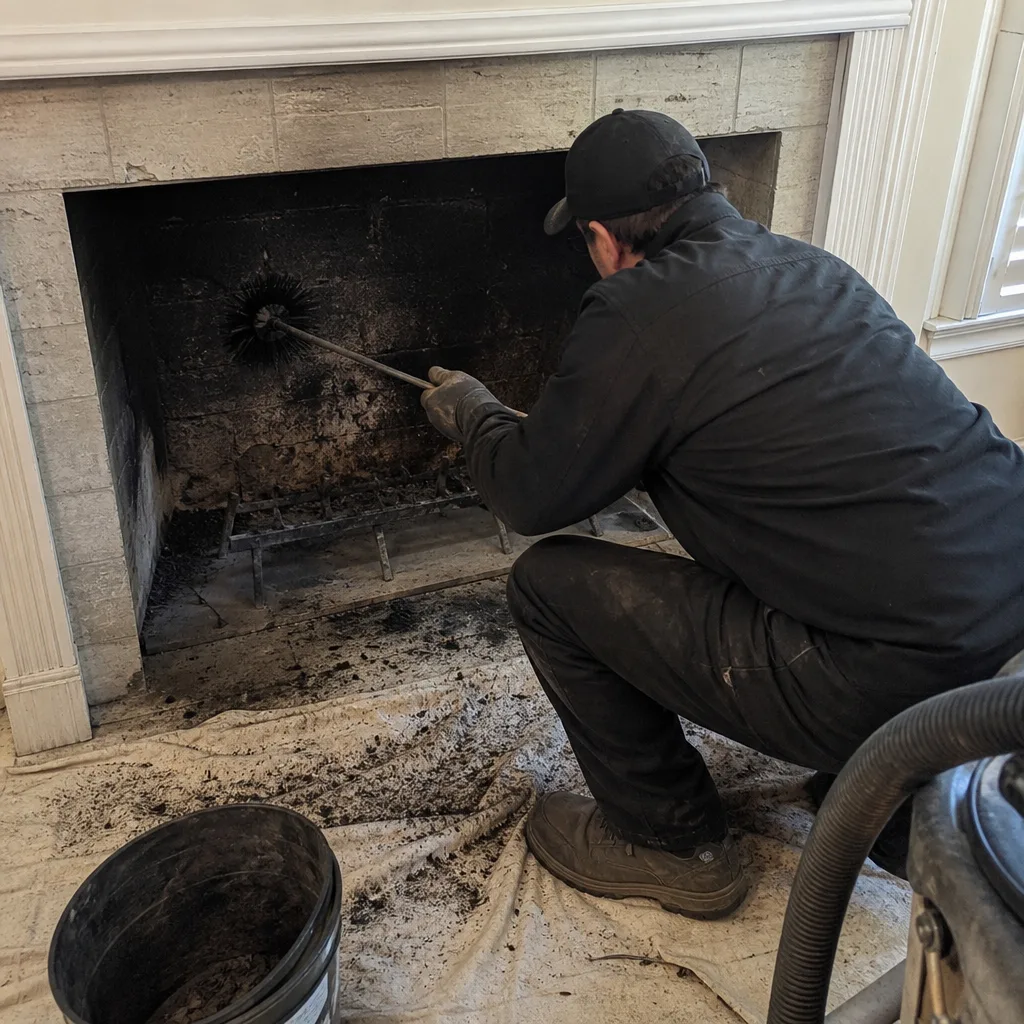
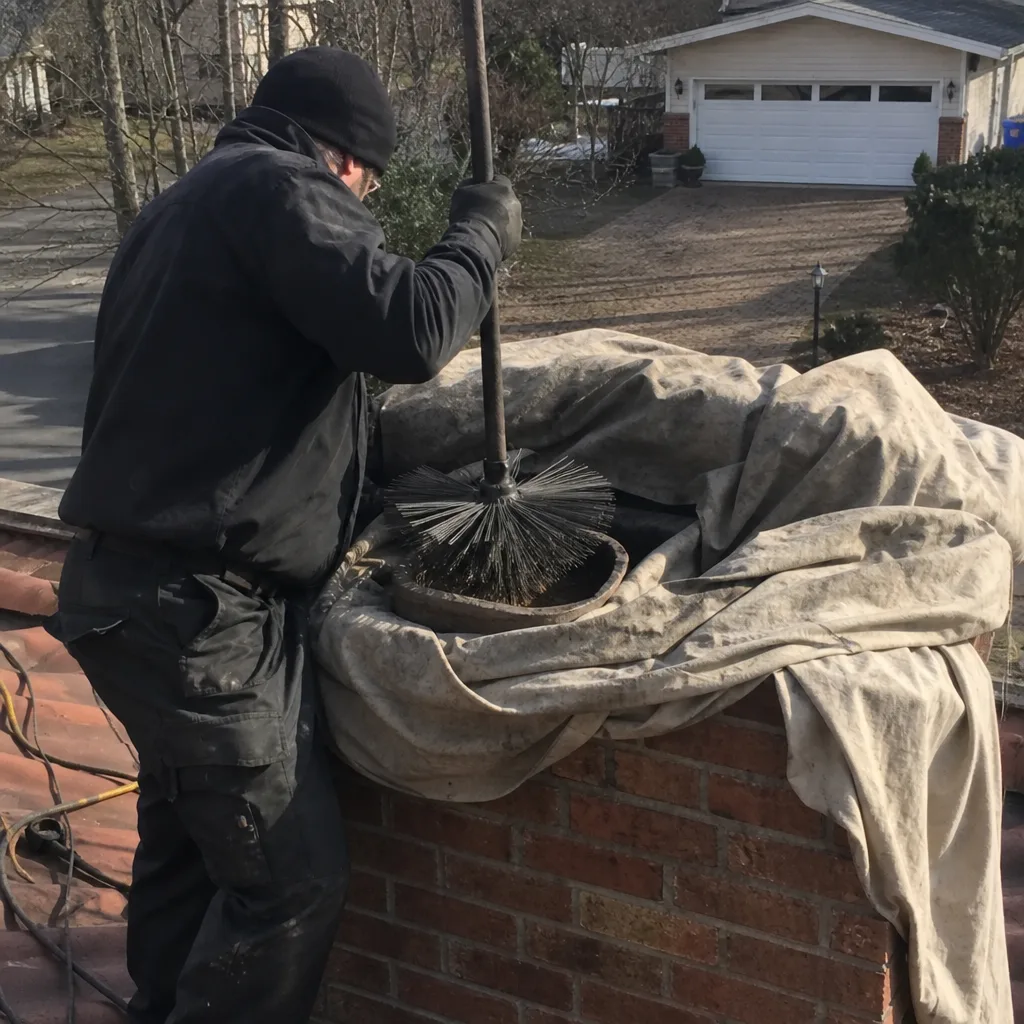
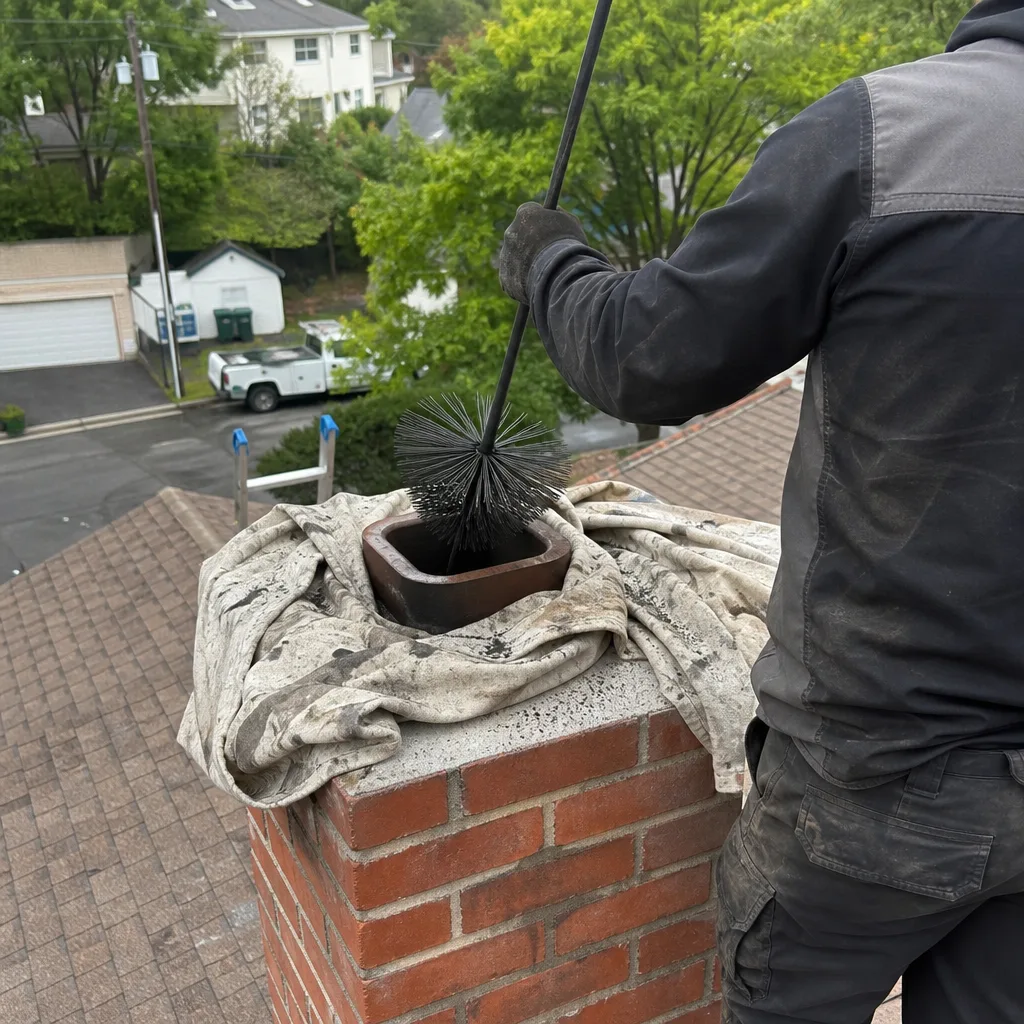
Level 1 sweep and inspection to the NFPA 211 annual standard - flue, crown, cap, and flashing checked and photographed
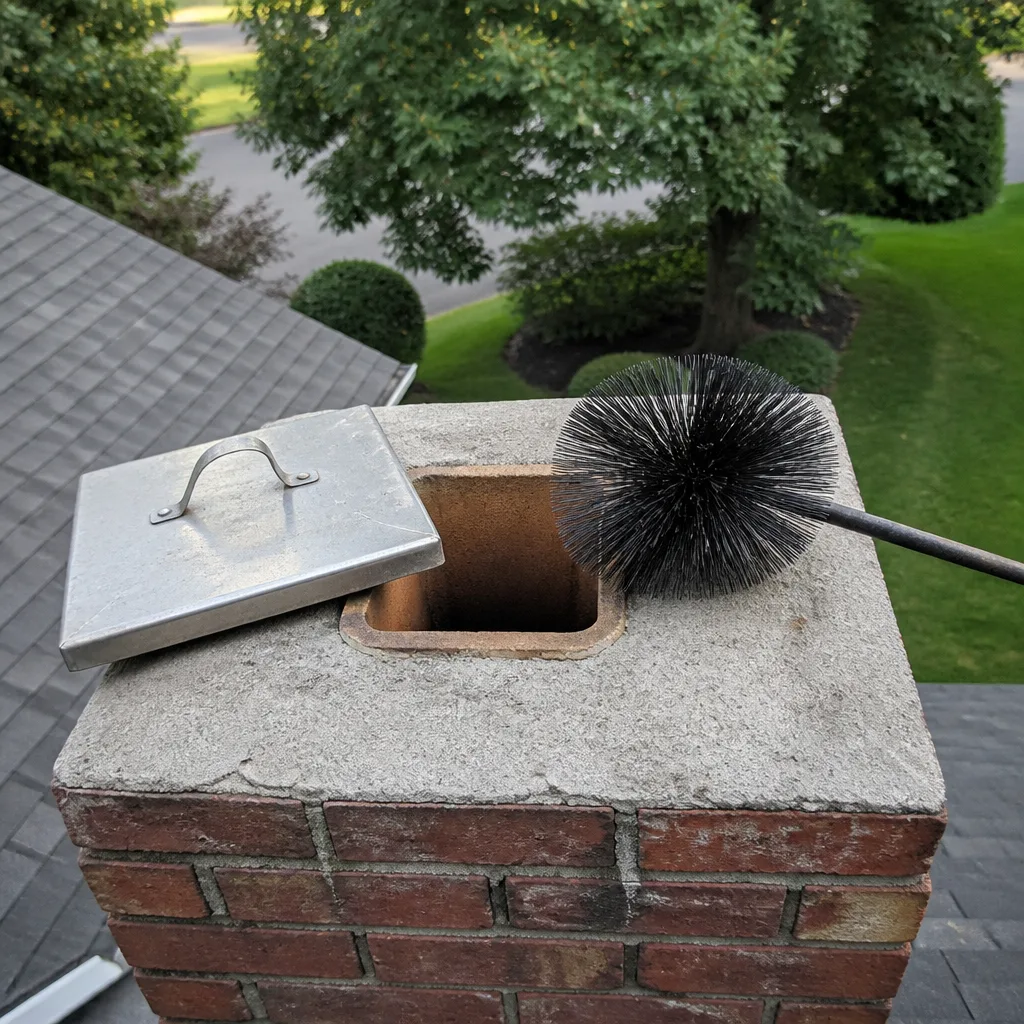
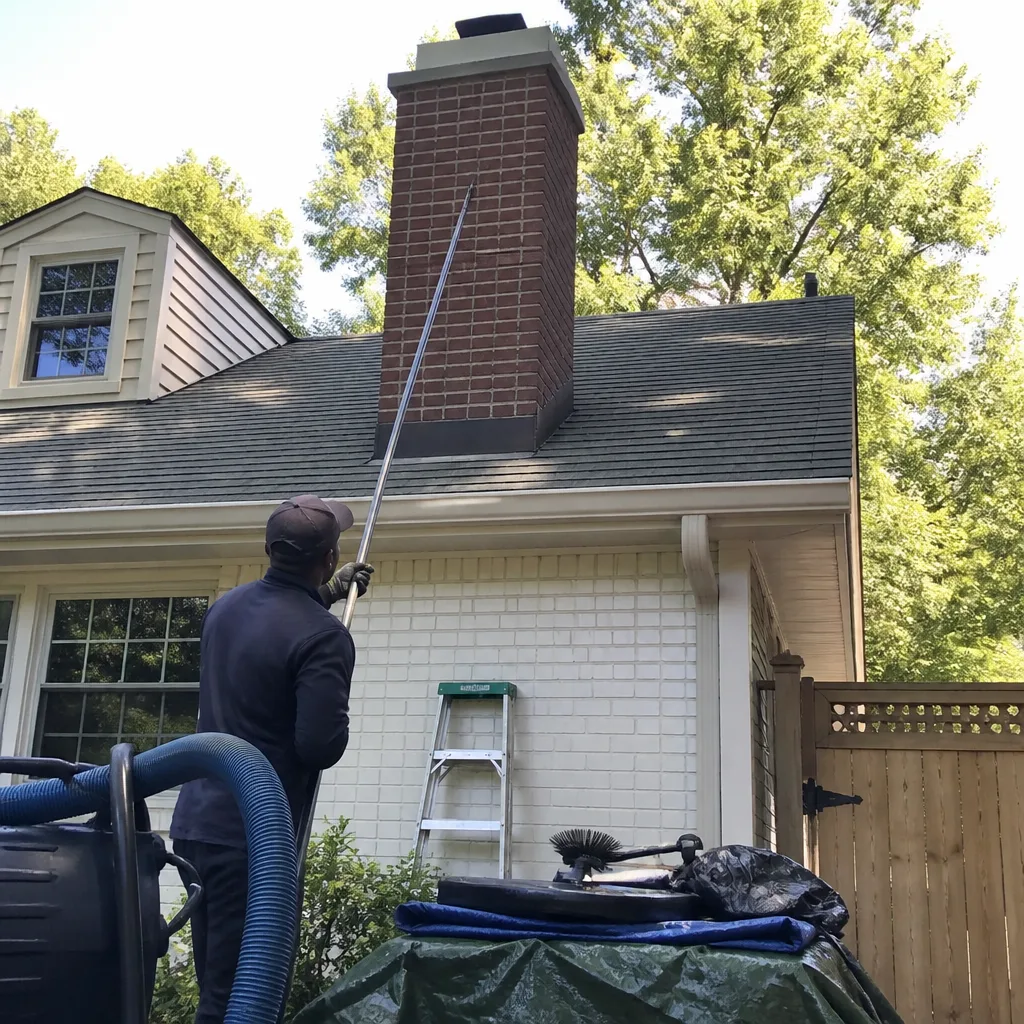
Chimney sweep logs do not sweep chimneys. They loosen some creosote - which then falls where a brush and vacuum still have to collect it.
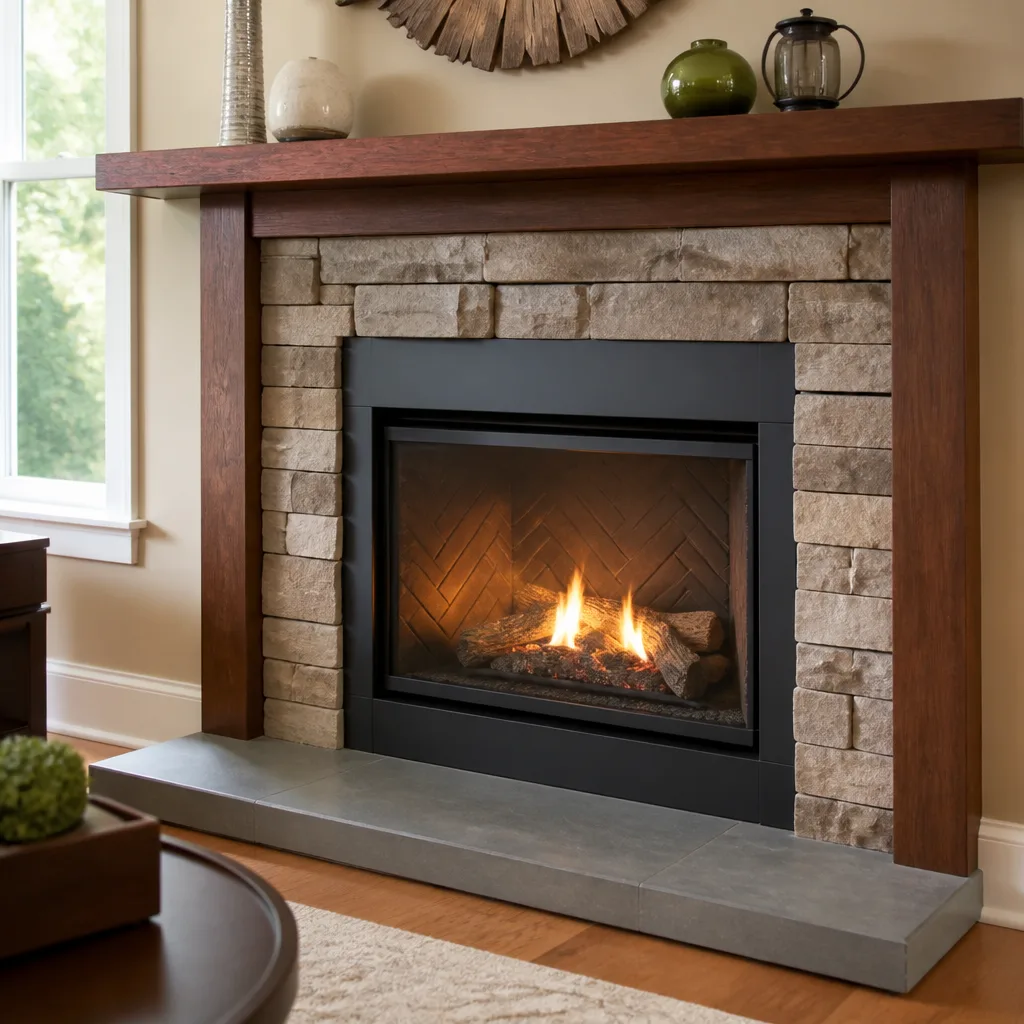
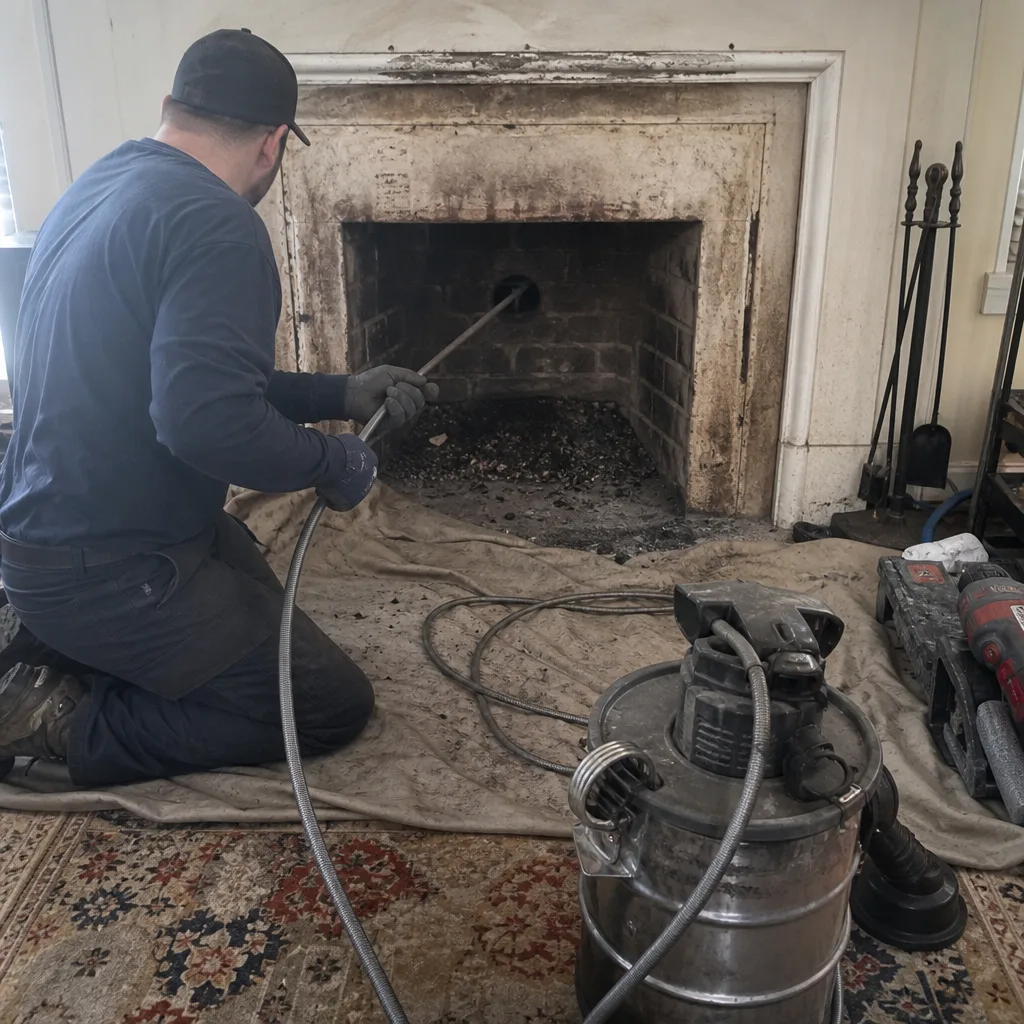 Before
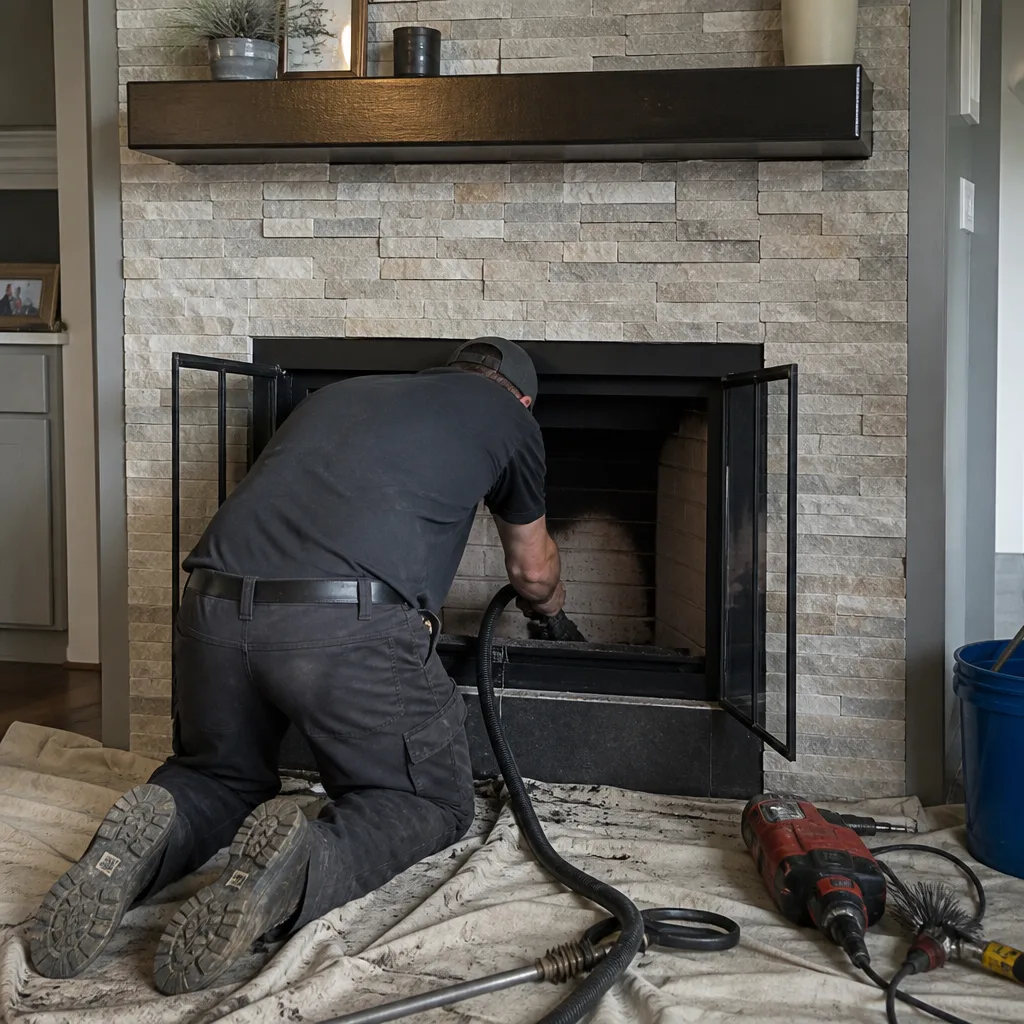 After
After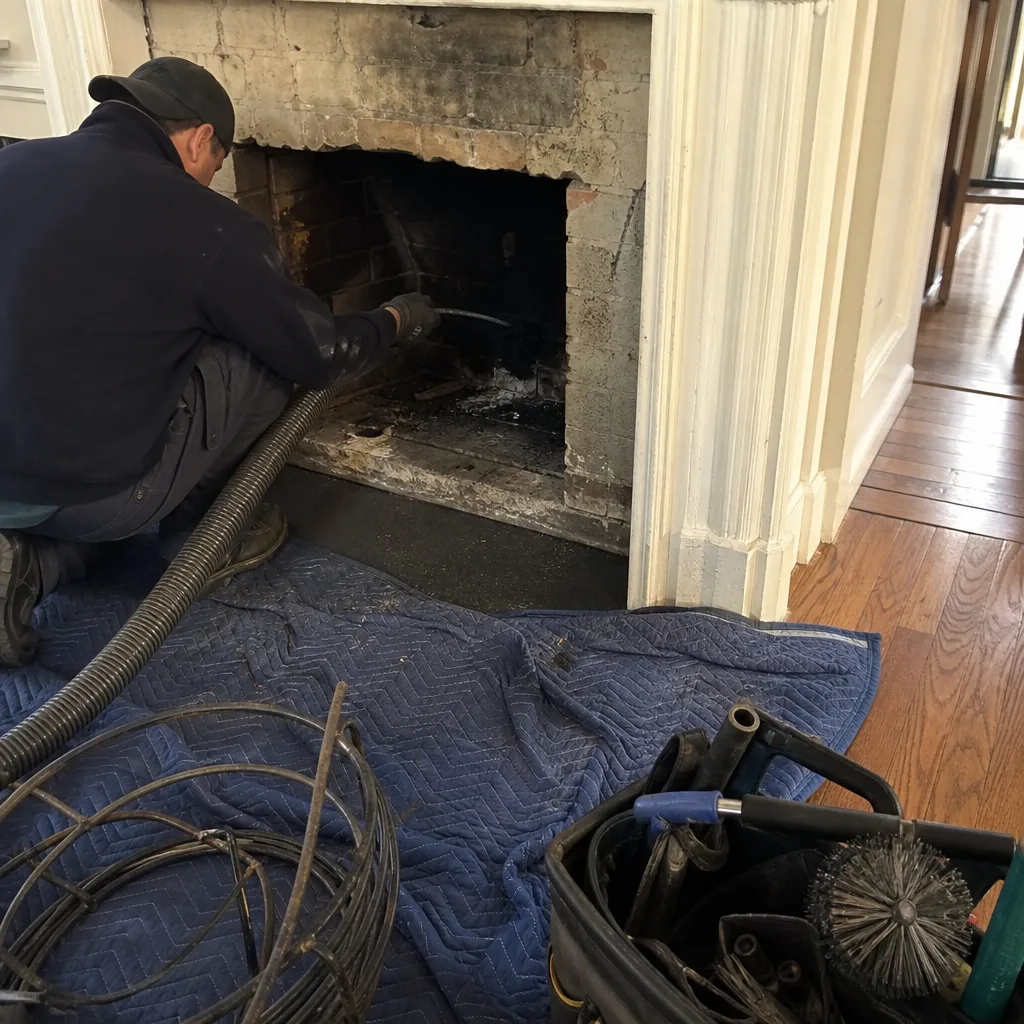 Before
 After
After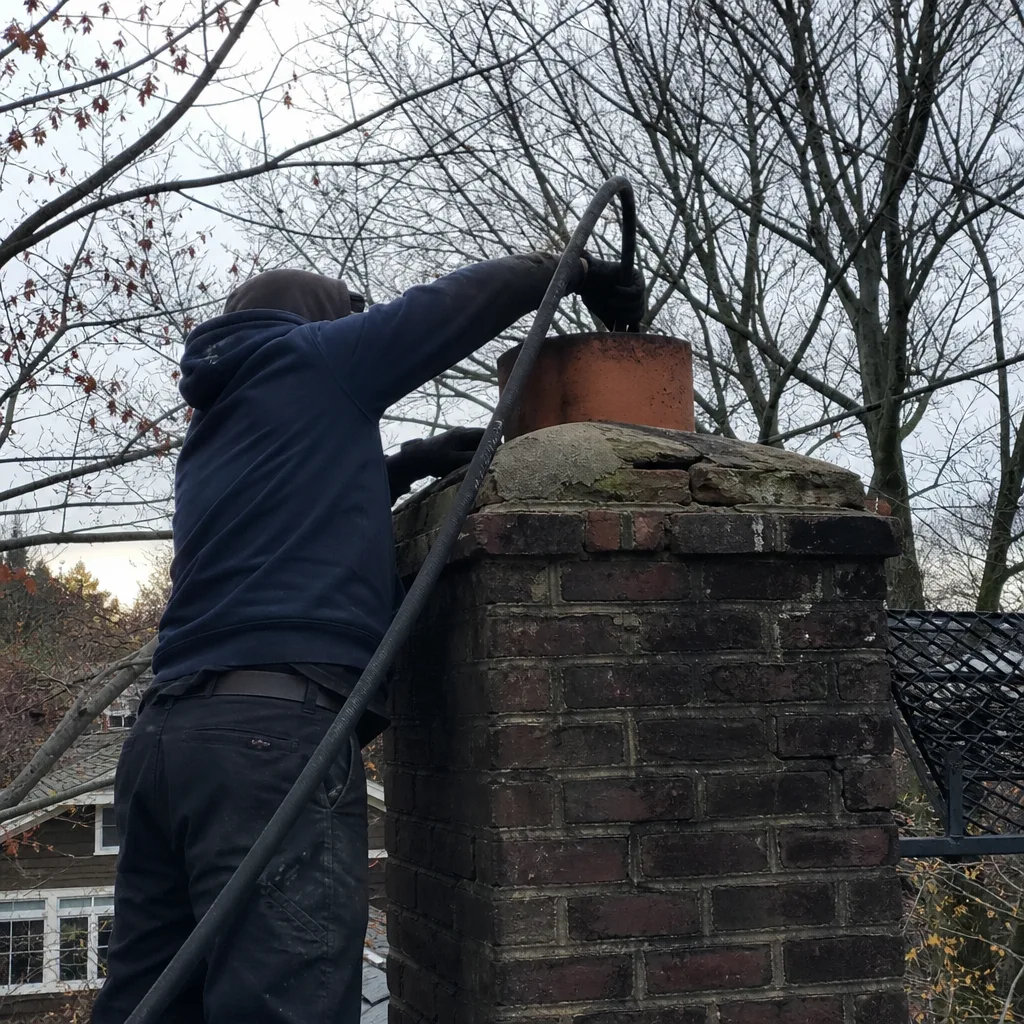 Before
 After
AfterHeatShield Damper Repair: The Washington Owner’s Guide
We stock and install HeatShield-compatible damper repair parts across Washington, with most replacements running $340 to $690 installed. That includes the part, the labor, the camera check after it’s seated, and the written warranty before we leave. Most Washington homeowners discover the problem the same way: the damper won’t fully close, won’t fully open, or the handle spins without catching anything.
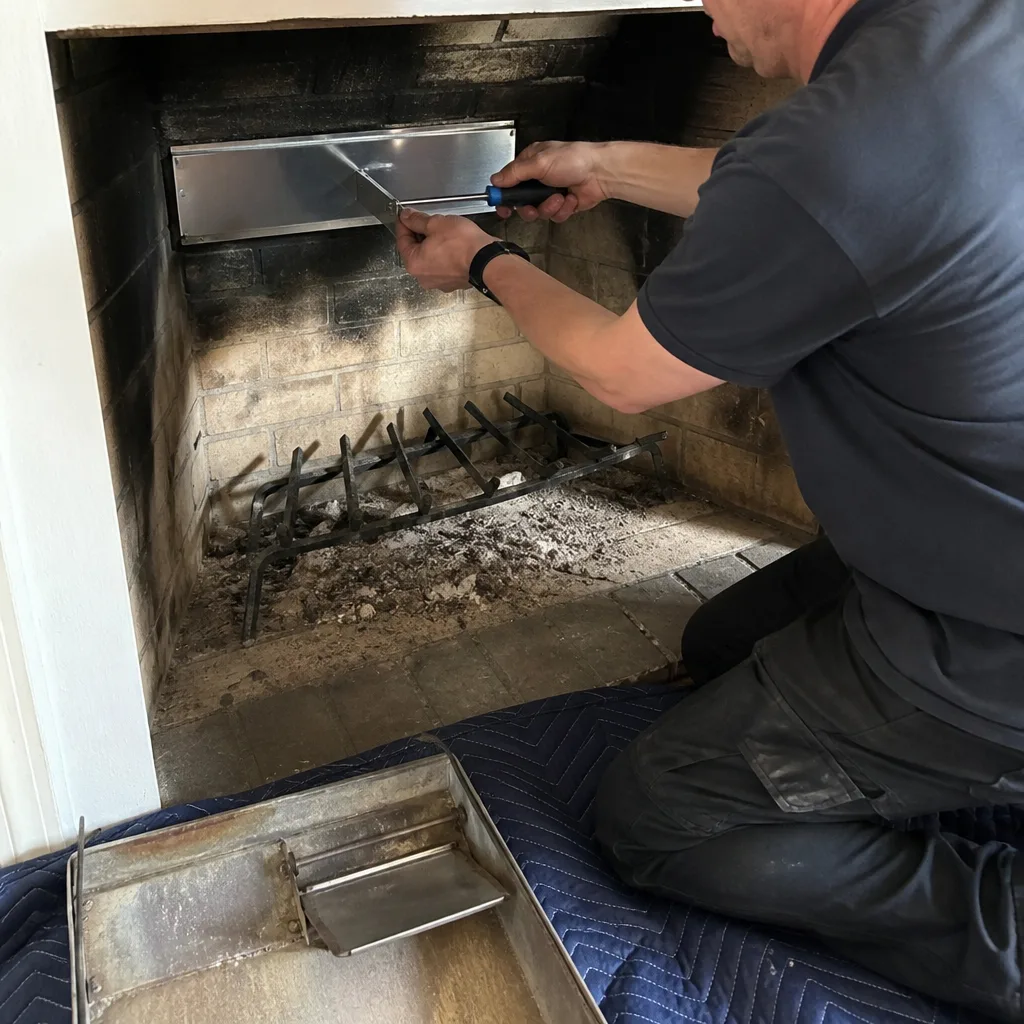
The HeatShield damper sits at the top of the flue and takes more abuse than any other moving part on the chimney. In Washington’s weather, summer humidity and winter freeze-thaw cycles work on the cast parts harder than most owners expect. The symptom is usually specific: it won’t seal, it won’t open to a full sweep position, or it’s rusted into a position and the cable feels dead.
Key Takeaways
- HeatShield damper repair in Washington typically runs $340 to $690 installed, parts and labor included.
- We stock the common HeatShield damper plates, cables, and handle assemblies on the truck.
- Most repairs take 60 to 90 minutes once the flue is accessed.
- Every job includes a camera check and written warranty, per Haven Standard Clause 4.
- Damper cables are under tension. That’s a real hazard, not a formality.
Which HeatShield Models This Applies To
HeatShield builds damper assemblies for their ceramic and refractory flue repair systems, most commonly matched to their Eco/Patch and Series 2000 liner installations. The damper plate itself is sized to the flue opening on your specific model, and the cable assembly is matched to the drop length from the chimney crown to the mounting point.
Here’s the compatibility gotcha: HeatShield dampers are not one-size-fits-all. The plate is cut for the specific flue ID, and the cable housing is paired to the installation’s drop length. If you order a plate based only on the model line without checking the flue measurement, you get a plate that’s too small to seat cleanly or too large to open fully. You’ll also want to check the small ID tag riveted to the cable guide bracket when it’s still readable. Washington humidity can corrode that tag to illegibility within a few seasons. If it’s gone, we measure the flue and pull the correct plate off the truck.
OEM HeatShield parts are your safest path for the plate, but quality aftermarket cables from brands like DuraFlex and Gelco are stocked on our trucks and use the same gauge and housing tolerance. For most Washington homes, an OEM plate paired with an aftermarket cable is the same repair at a lower total. We don’t push aftermarket parts when the OEM price difference isn’t meaningful, and we tell you which we’re putting in before we start.
BeforeAfterSigns Your HeatShield Damper Repair Is Failing
- The handle spins free. The cable has slipped off the pivot pin or the internal spring has snapped. This is the single most common call we get for HeatShield dampers in Washington. Once the cable loses tension, the plate won’t respond to the handle no matter how many turns you give it.
- The damper won’t close all the way. Creosote buildup has narrowed the opening and the plate catches on the edge, or the plate itself has warped from years of heat cycling. A warped plate needs replacement; a creosote-bound plate often just needs a sweep and a re-seat.
- You feel cold air pouring down the flue on a warm day, or smell smoke during burning season. That’s the hallmark of a damper that isn’t sealing. In DC rowhouses, especially the older wood-framed homes near Capitol Hill, a weak or missing seal also lets moisture in – and moisture is what eats the mortar joints from the inside out.
- You hear a metallic click and the handle jumps. That’s the cable housing kinking or the bracket pulling loose from its anchor, and it usually happens on a cold morning in January when the assembly has contracted. The click is the cable binding on a burr inside the housing.
- Visible rust on the handle or bracket. The handle assembly on a top-mount damper sits exposed, and Washington’s summers are humid enough to rust the bracket inside two or three years. Rust on the handle usually means rust further down, where it matters more.
Replacement Cost & What’s Included
Installed HeatShield damper repair in Washington runs $340 to $690. The spread comes from three things: whether the plate can be re-seated or needs replacing, whether the cable assembly is intact or the whole run needs new housing, and whether the anchor point on the crown has to be repaired before the new bracket anchors to something solid.
Here’s the line-item range for Washington homes:
| Work Item | Typical Range |
|---|---|
| Damper cable replacement (parts + labor) | $140 - $260 |
| Damper plate replacement (OEM or aftermarket) | $180 - $320 |
| Handle & bracket assembly | $90 - $160 |
| Crown anchor repair (if surface is spalled) | $120 - $240 |
| Full damper assembly replacement | $340 - $690 |
Every quote is written before we start, with the part we’re using named on the page and the labor broken out. You’ll get a photo record of the old part taken out and the new part seated, plus the written warranty. If a crown repair is needed, we show you the camera footage before we ask for a decision. That’s Haven Standard Clause 1 and Clause 4, applied the same way since 2009.
DIY or Call Us?
What you can safely check yourself: whether the handle turns, whether you can see visible rust on the bracket, and whether the plate opens and closes freely from the top of the firebox. That’s a five-minute check, and it helps us know what to stock on the truck before we arrive.
What you should not do: climb an extension ladder and try to replace a damper cable or plate yourself. The cable assembly is under tension, and when the bracket anchor pulls free on a Washington rowhouse crown, the energy release is not something to take casually. The plate itself can bind and snap a finger when the seating shifts. This is not gatekeeping; it’s the honest line between a five-minute check and a hospital trip. If the handle doesn’t respond, call (240) 621-1264 and let a background-checked tech with the right bracket for your flue handle it.
FAQs
Most HeatShield dampers in Washington last 8 to 12 years before the cable housing or plate needs attention. Homes near the Anacostia with more airborne moisture tend to see rust on the bracket at the shorter end of that range, while well-maintained chimneys in dryer parts of DC can stretch it. If the damper’s older than a decade and you’re already scheduling a sweep, ask for the camera check while we’re up there.
Most HeatShield damper problems can be repaired with a cable replacement or a plate re-seat; we only recommend a full assembly swap when the plate is warped or the anchor point on the crown has crumbled. You’ll see the photo evidence before we ask you to decide. Call (240) 621-1264 and we’ll walk you through what we find.
A HeatShield damper repair in Washington typically takes 60 to 90 minutes once the flue is accessed. If the crown anchor needs repair, add 30 to 45 minutes. We quote that in writing before the work begins, not after the tech is on your roof.
We stock the common HeatShield plate sizes and cable assemblies on our trucks, and we source through Haven’s buying network from HeatShield, DuraFlex, Gelco, and others to keep our pricing honest. If your flue is an unusual size, we measure, order, and come back with a written date, not a “we’ll see when it arrives.”
HeatShield is a registered trademark of its respective owner. Level Two Chimney Washington is an independent service provider and is not affiliated with HeatShield, DuraFlex, or Gelco.
Written by Corrine Halstead, Owner, Level Two Chimney Washington at Level Two Chimney Washington, serving Washington and nearby areas.