
Level 1 sweep and inspection to the NFPA 211 annual standard - flue, crown, cap, and flashing checked and photographed
Chimney sweep logs do not sweep chimneys. They loosen some creosote - which then falls where a brush and vacuum still have to collect it.
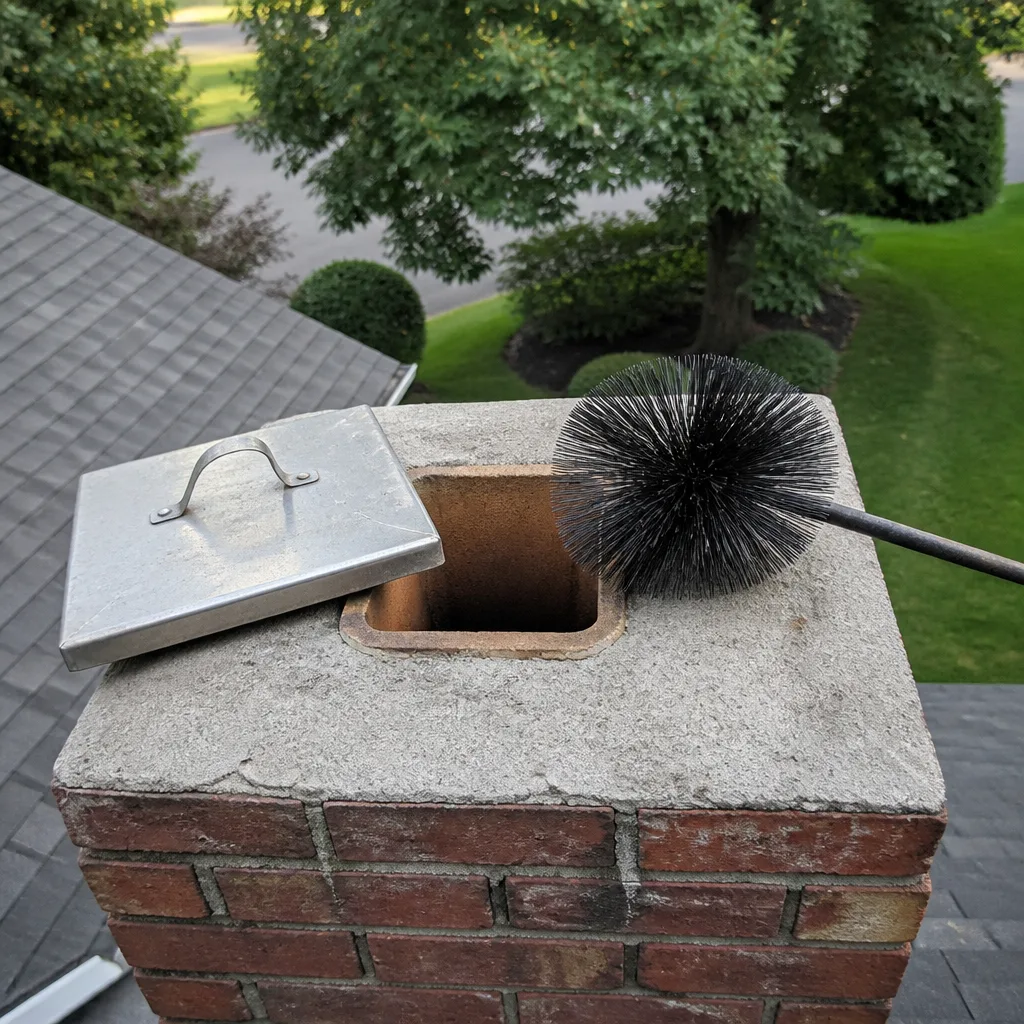
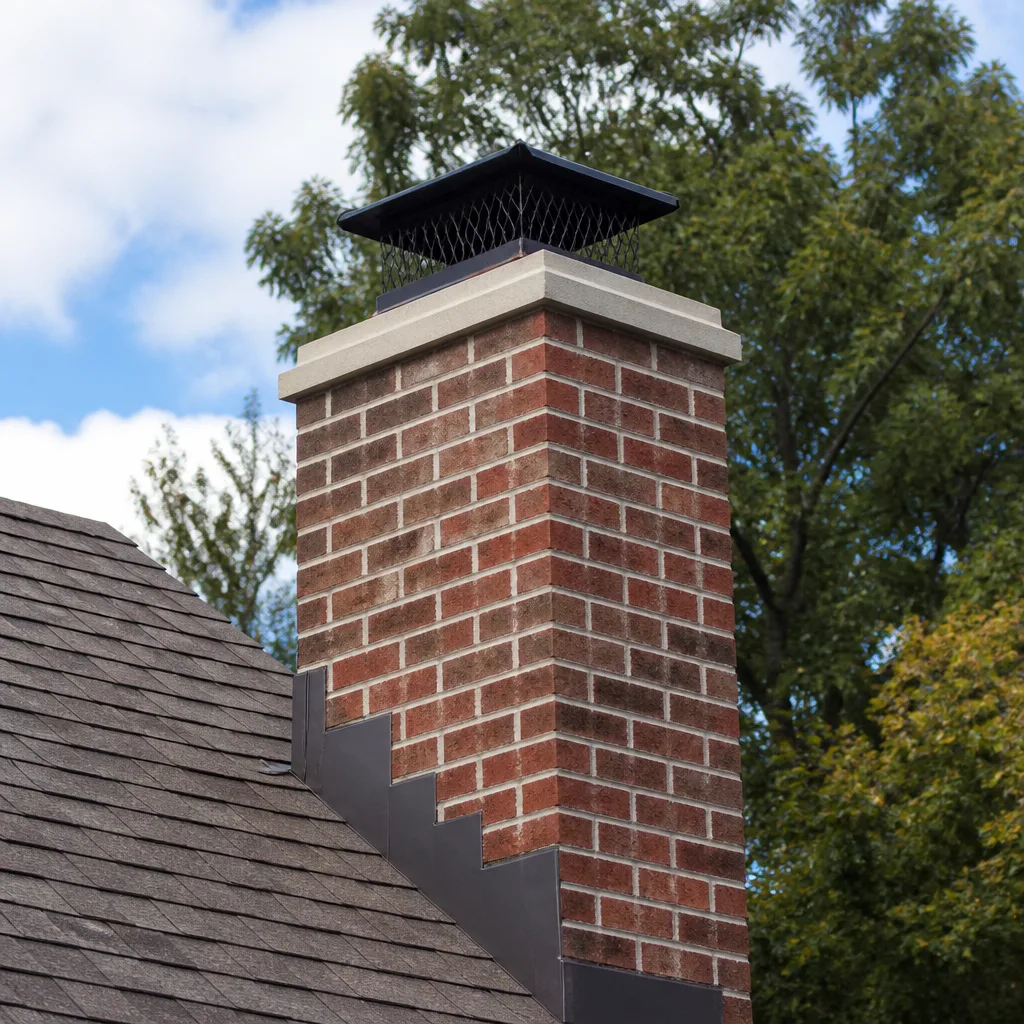
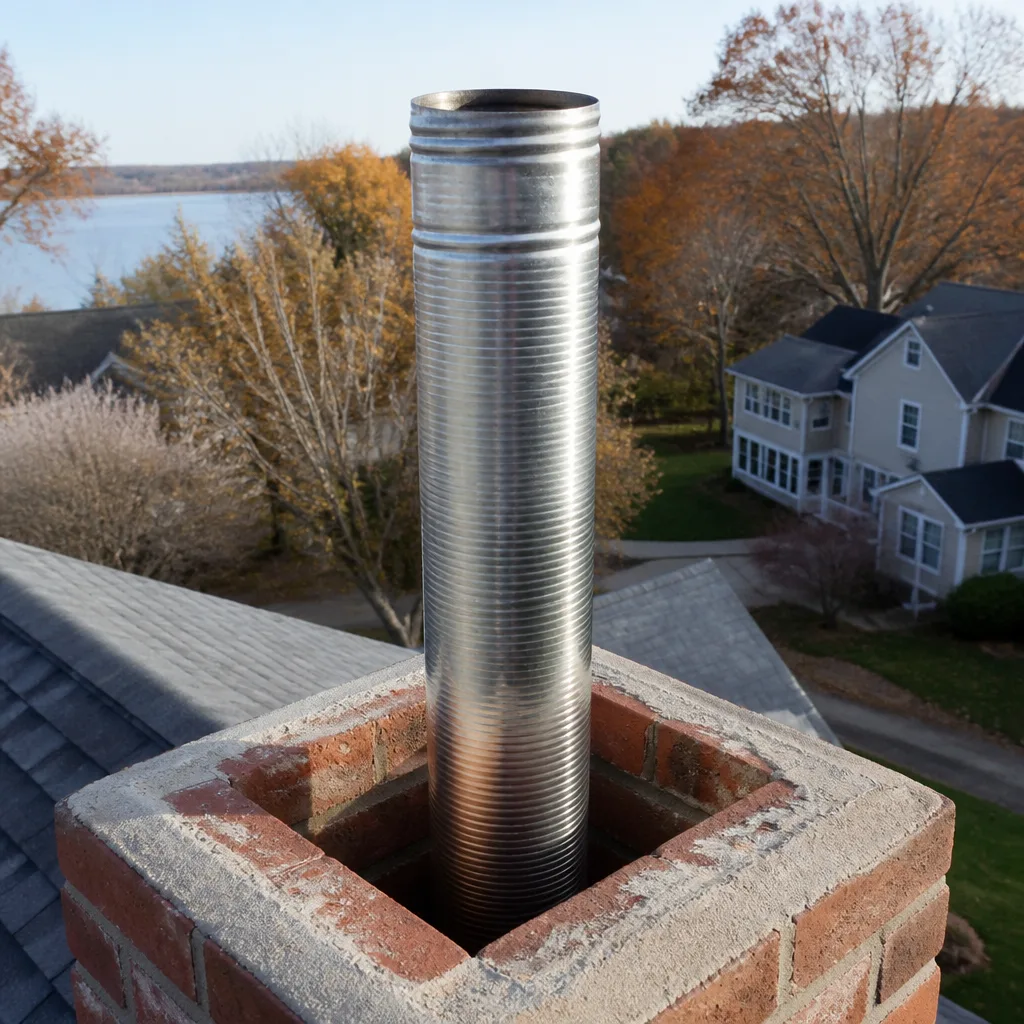
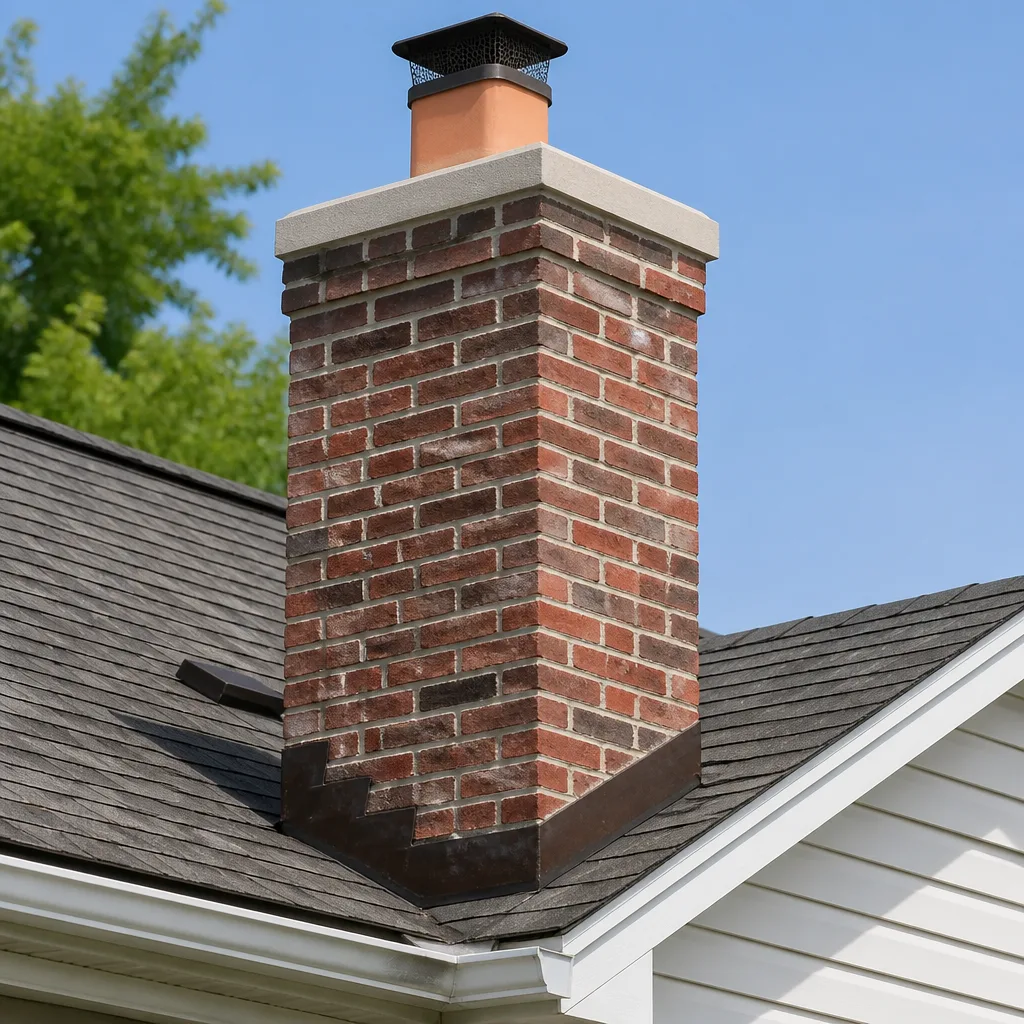
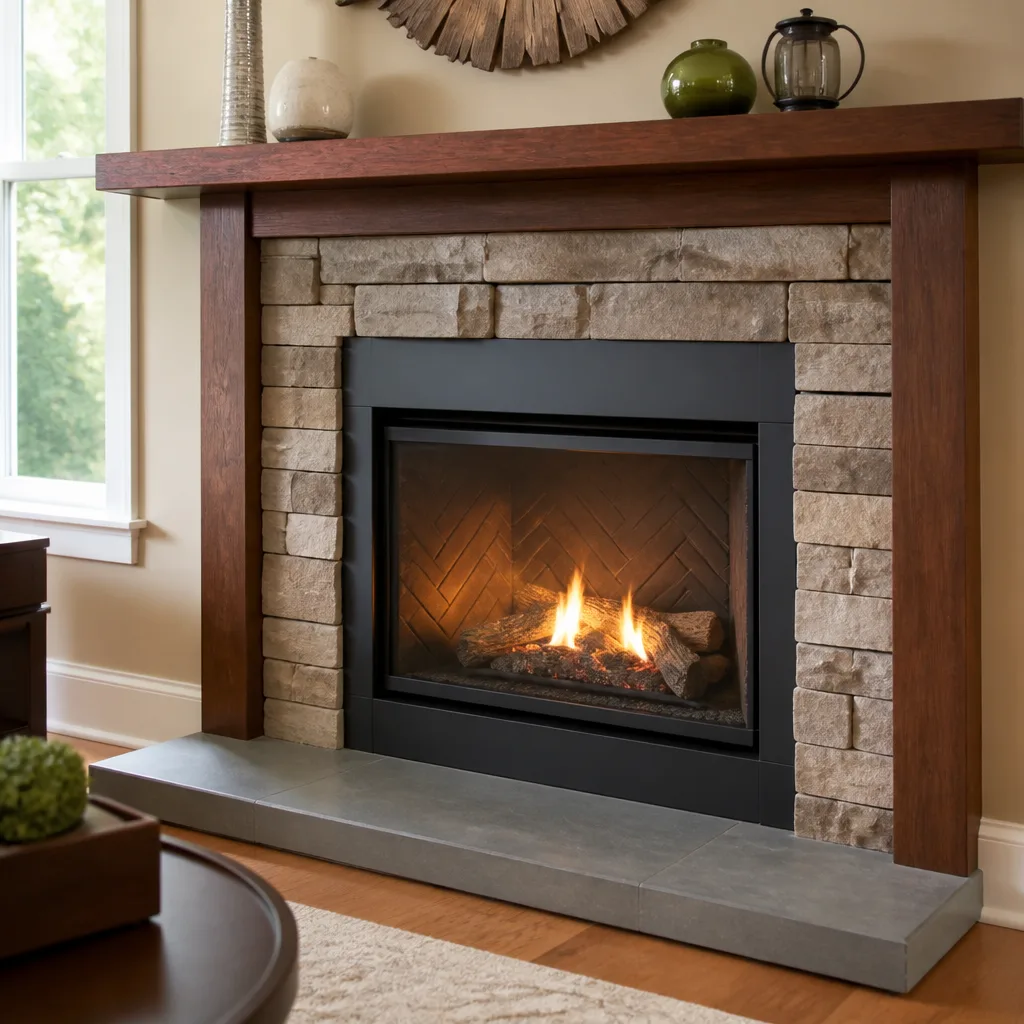
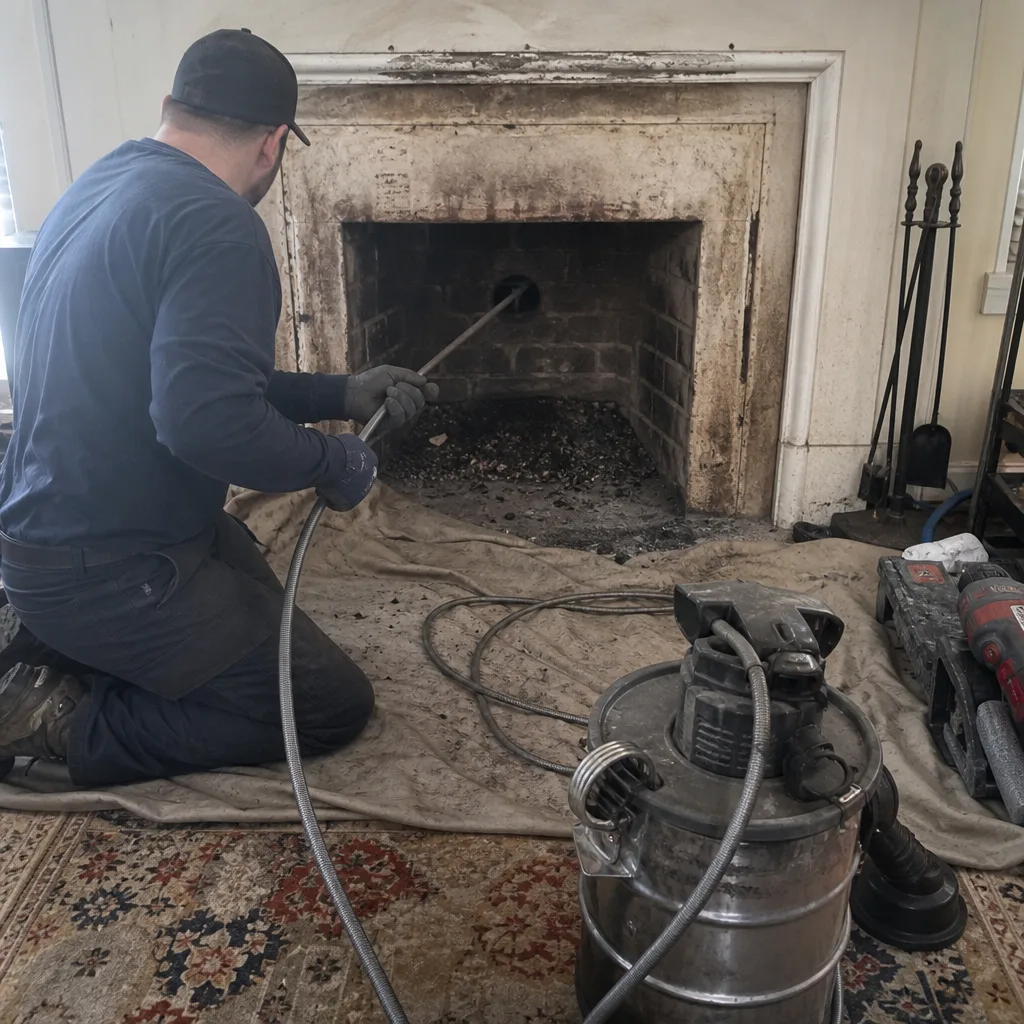 Before
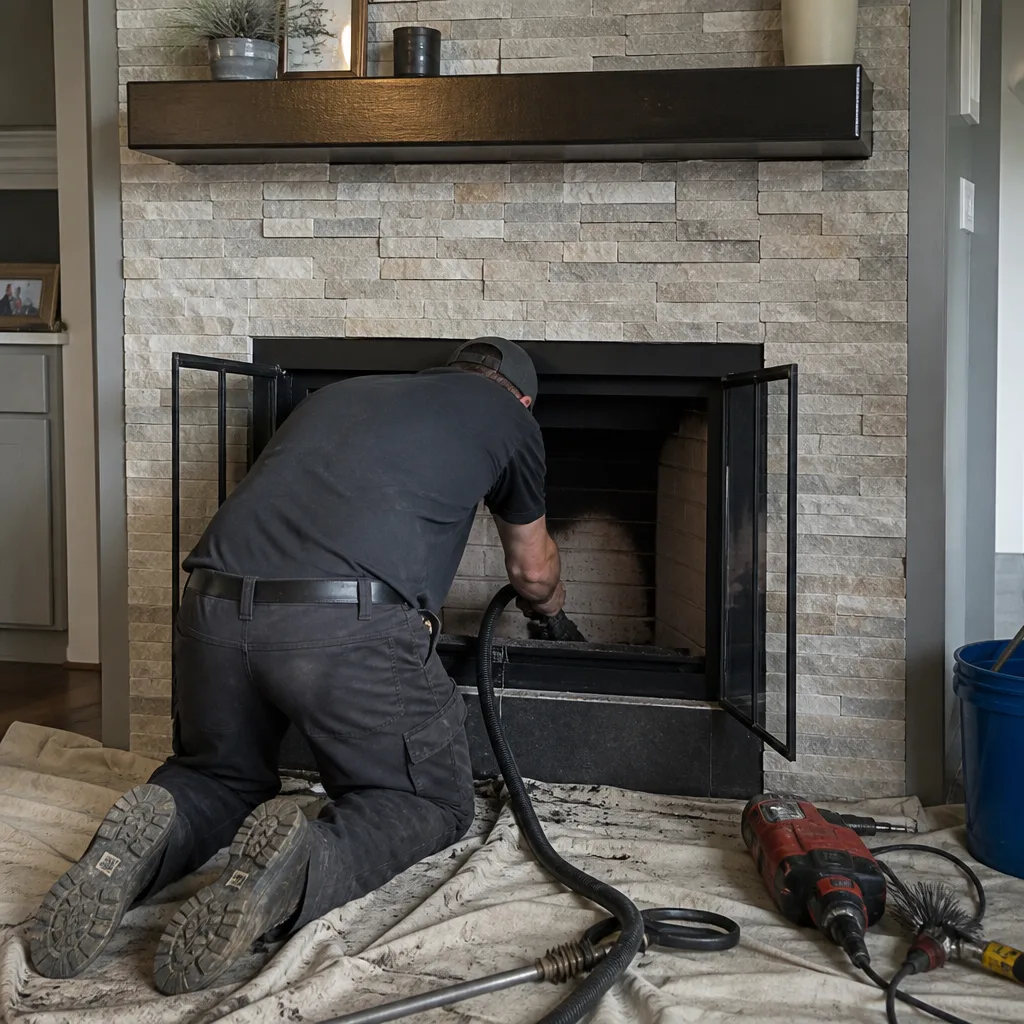 After
After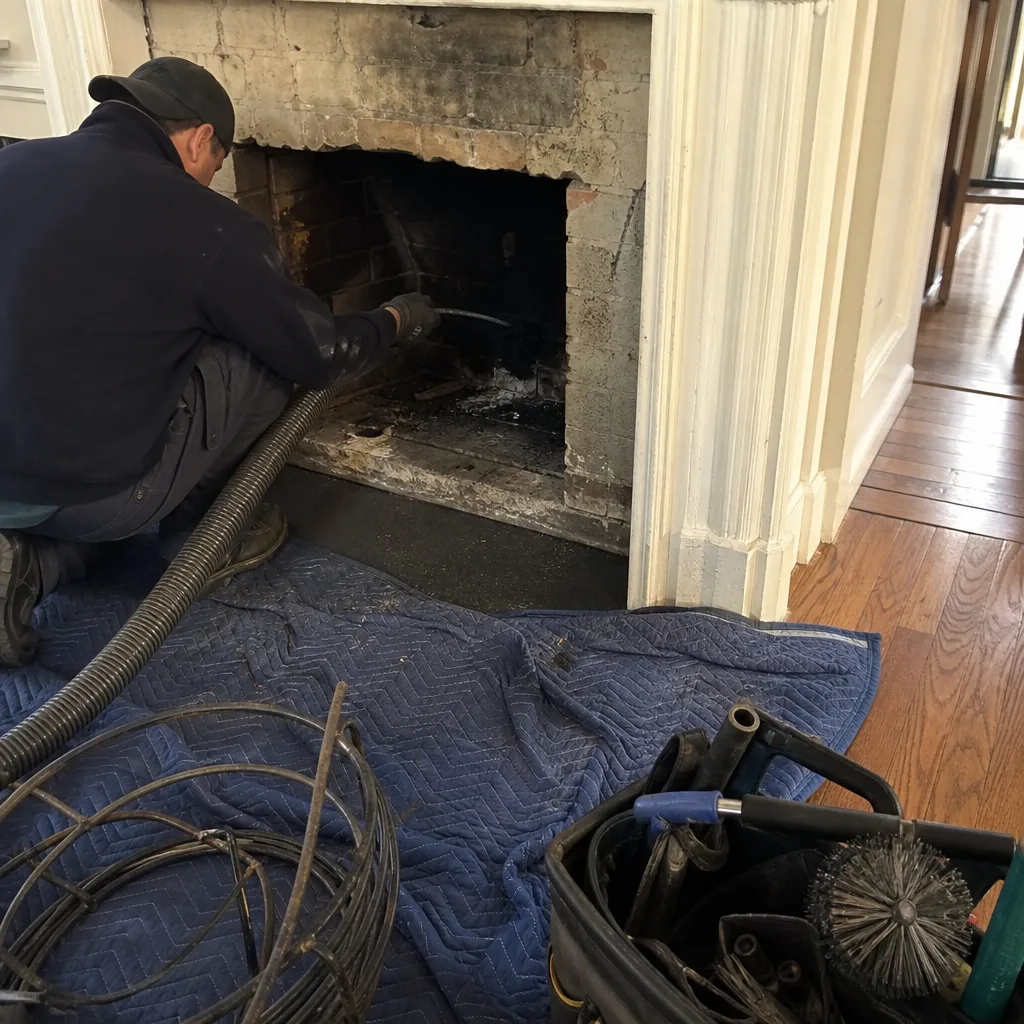 Before
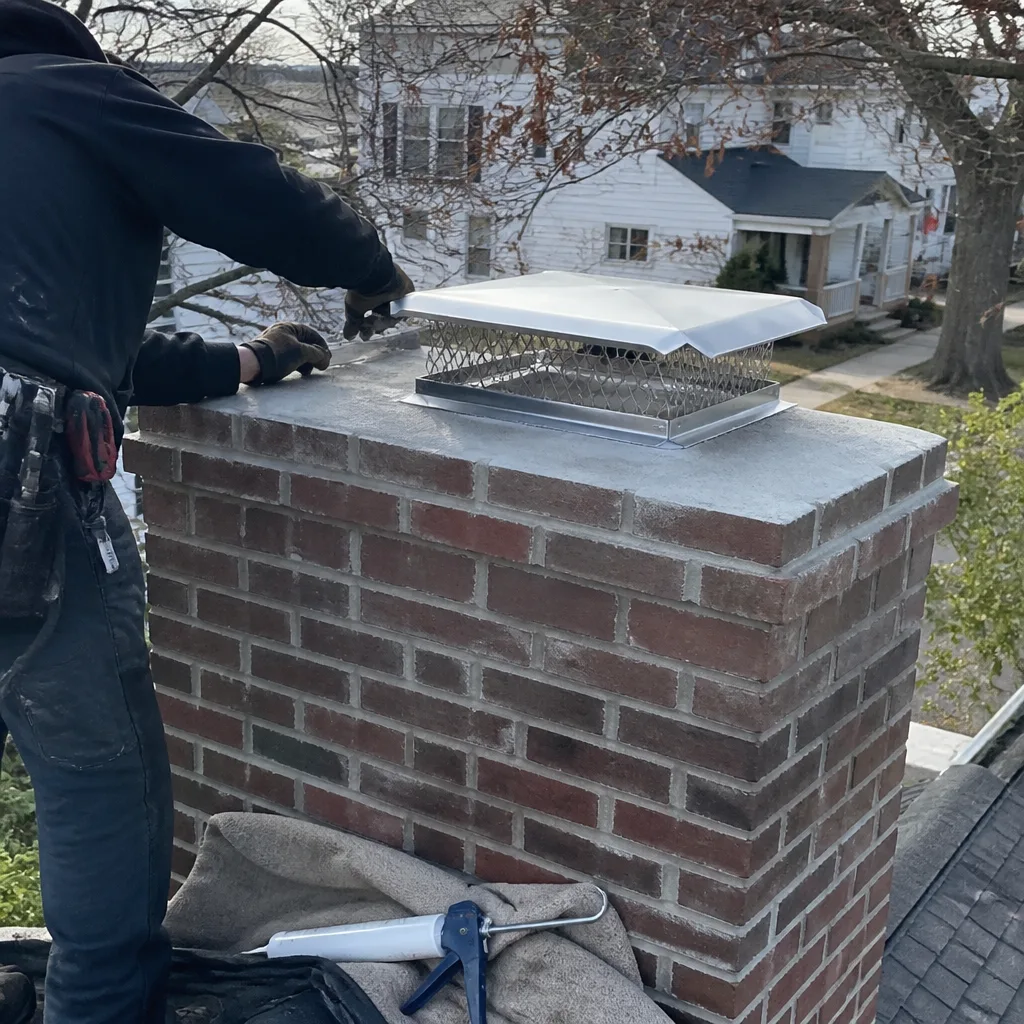 After
After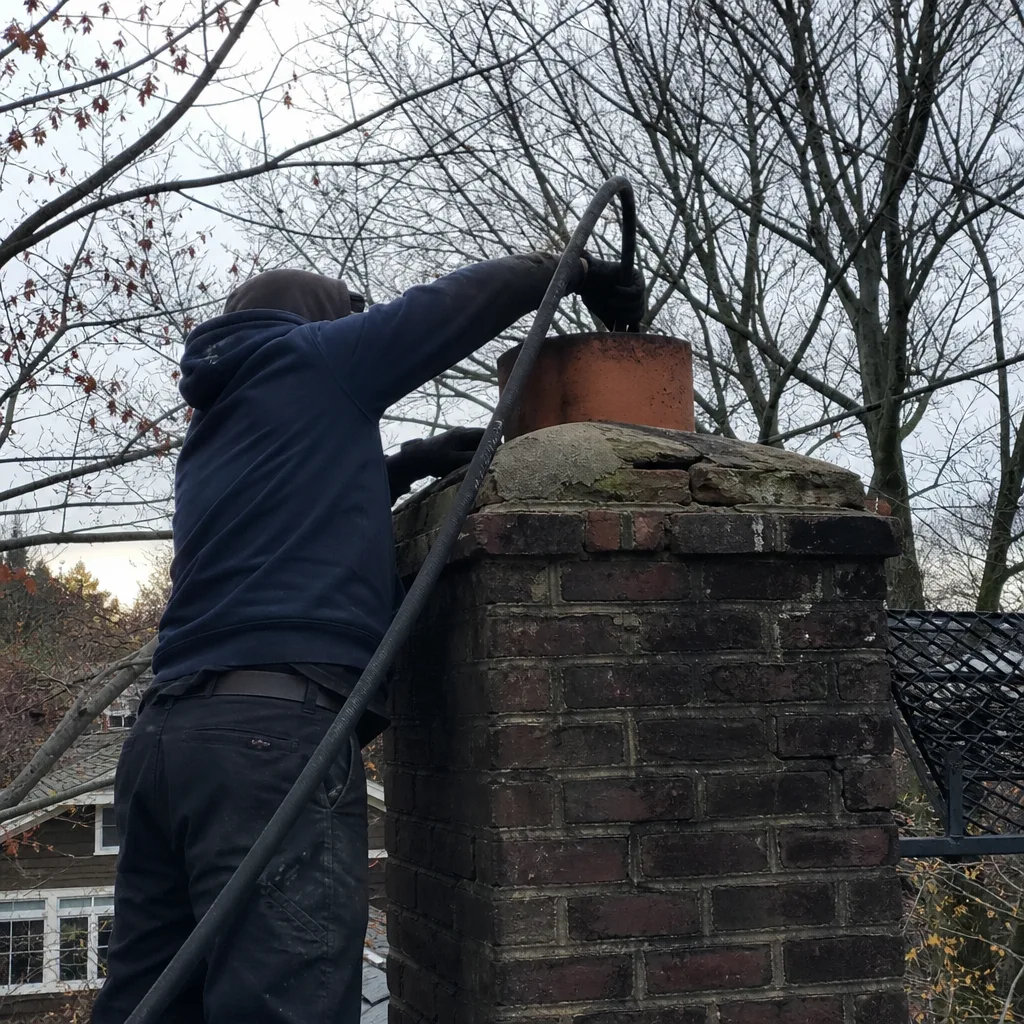 Before
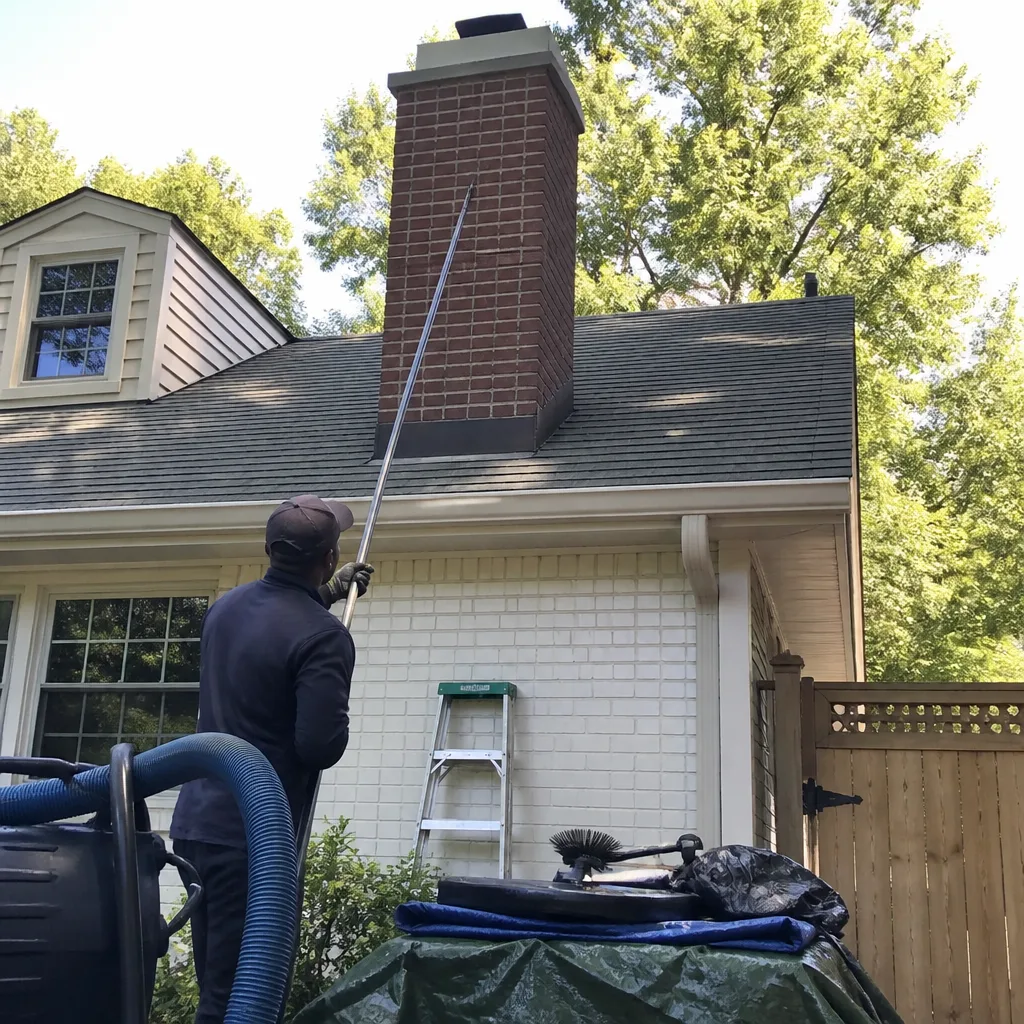 After
AfterHeatShield Chimney Repair in Washington: What to Know First
We repair HeatShield chimney systems throughout Washington, DC, as an independent HeatShield service provider, not a manufacturer-authorized affiliate. Most HeatShield chimney repairs in Washington run between $450 and $2,800 depending on whether we’re resurfacing a flue, rebuilding a crown, or repointing a smoke chamber. Every HeatShield job gets a written price before work starts, a camera record of what we found, and a warranty in writing. This page is for Washington homeowners with a HeatShield product who’ve been told they need work and want to understand what that actually means. If you’re unsure what’s wrong, call (240) 621-1264 and we’ll schedule an inspection.
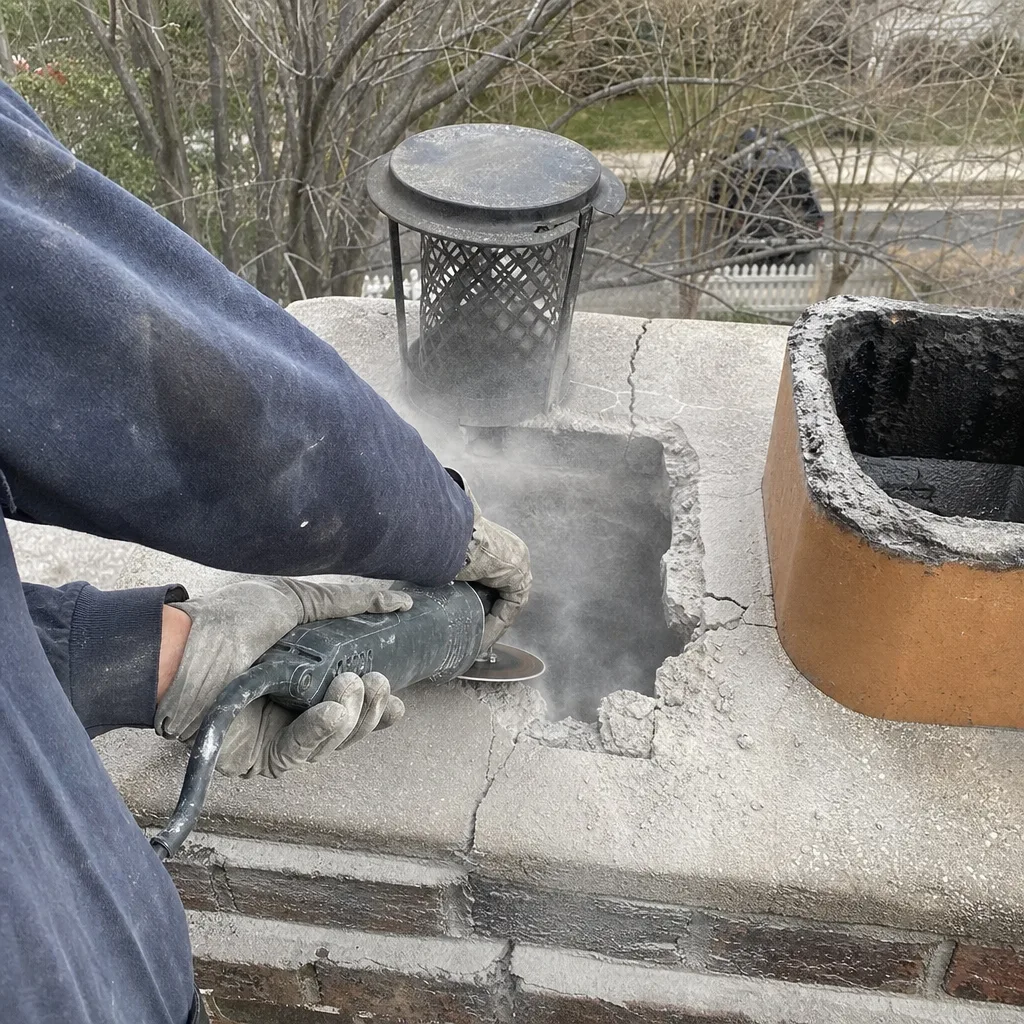
Corrine Halstead runs our Washington operation. She’s spent fifteen years looking at flue liners across this city, and the HeatShield systems she sees tell a very specific story, which is what this page is about.
Key Takeaways
- HeatShield is a ceramic-cement resurfacing system applied to existing flue liners, not a replacement liner.
- HeatShield failures in Washington are usually installation-related, not product defects: bad surface prep, wet application, or skipped camera verification.
- You do not always need a full stainless liner replacement. Sometimes a crown rebuild or targeted repointing fixes the actual problem. We’ll tell you if the HeatShield job was a band-aid on something structural.
- Every HeatShield repair gets a documented photo record before and after, per Clause 4 of the Haven Standard.
How HeatShield Products Fail, and How We Fix Them
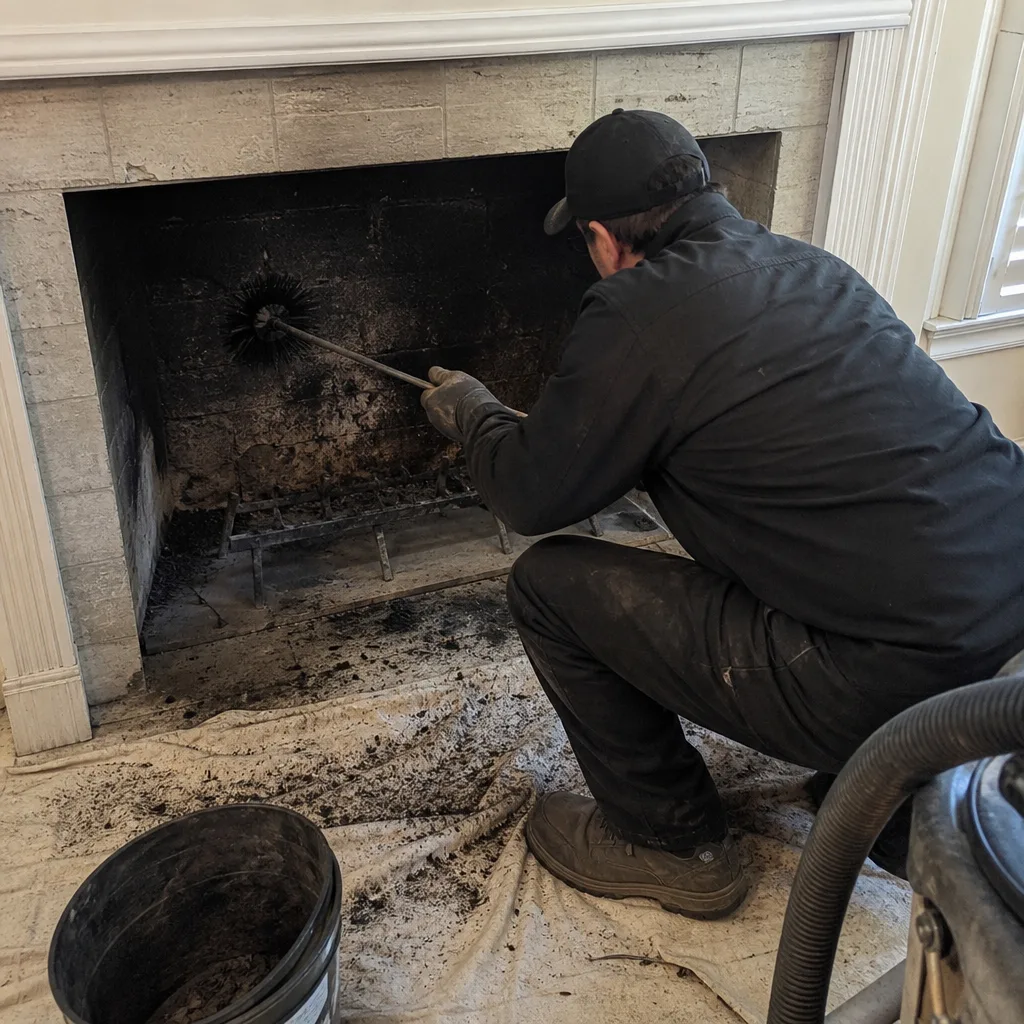
HeatShield is a resurfacing material, a ceramic cement applied to the inside of an existing flue to seal cracks and gaps. It is not a structural replacement. In Washington row houses and older single-family homes, the failure patterns are consistent. Here are the five we see most.
- Debonding at the flue throat. The HeatShield Je-Flex system relies on proper adhesion to the existing flue tile surface. In DC rowhouses with legacy terra cotta liners dating to the 1920s, surface prep is everything. When a contractor skips the cleaning step or applies over loose soot, the HeatShield layer delaminates within two to three heating seasons. We see this as flaking at the flue throat or the smoke chamber transition. Fix: mechanical removal of the failed material, proper surface prep, and reapplication with camera verification at every layer.
- Cracked crown, blamed on the liner. This is the one we walk into most often in Washington. The homeowner is told the HeatShield liner failed, when what actually failed is the chimney crown above it. Rain comes through the crown, runs down the flue, and strips the HeatShield coating. Fix: we rebuild or re-seal the crown first, then assess whether the HeatShield surface is even compromised. In about a third of these calls, the liner is fine and the crown was lying to everyone.
- Gaps at the smoke chamber. HeatShield can resurface a smoke chamber, but only if the underlying masonry is sound. In DC homes with original brick smoke chambers and parged walls, the HeatShield layer pulls away from the uneven surface. You can’t always see it from above. It shows up on the camera as shadow lines and delamination pockets, usually above the damper. Fix: we parge the smoke chamber to a smooth surface, then apply the HeatShield compound properly, a two-stage process most installers skip.
- Water intrusion at the flashing line. Washington’s weather is the quiet culprit. Freeze-thaw cycles, summer humidity, and older copper flashing all work against the bond between HeatShield and the flue. If the flashing leaks, water tracks down between the HeatShield and the tile. The material itself isn’t failing; the chimney is leaking into the annular space. Fix: repair or replace the flashing, then re-seal the top of the liner with a proper HeatShield-compatible sealant. We do not caulk this and call it done.
- Thermal shock cracking in Section 8 housing stock and older conversions. Washington has thousands of older buildings converted from oil to gas, many with flues never built for gas-appliance temperatures or water vapor. HeatShield applied over these liners without a clear understanding of the appliance venting often fails in the first year. The gas exhaust cools too fast, condensate forms, and the material degrades. Fix: we assess the appliance first. If it’s a gas conversion, the fix may be a stainless liner from DuraFlex instead of reapplying HeatShield. We’ll show you why on camera before you pay for anything.
BeforeAfterOur HeatShield Chimney Repair Process
- 1
Call and book. A live person answers at (240) 621-1264. We schedule the inspection and assign a named technician, background-checked and uniformed, with their license number on file.
- 2
Camera inspection. NFPA 211 Level 2, camera down the full flue from crown to firebox. You see the footage. We reference every finding to a clause or a measurement, not a feeling.
- 3
Written diagnosis and written price. We write down what we found, which HeatShield system or area is affected, what repair it needs, and exactly what it costs. This is Clause 1 of the Haven Standard: have it in writing. Before any work starts. No exceptions.
- 4
The repair. This is where HeatShield experience matters. Whether it’s reapplication, a crown rebuild, or parging the smoke chamber, we follow the manufacturer’s temperature and cure requirements and document the work as it happens.
- 5
Camera verification. We run the camera again. You see the result. Then we write the warranty: scope, materials, and the 365-Day Done Right Promise in writing.
- 6
Photo record delivered. Clause 4 of the Haven Standard has required a documented photo record on every job since 2009. You leave with images of what was wrong and what it looks like fixed.
What HeatShield Chimney Repair Costs in Washington
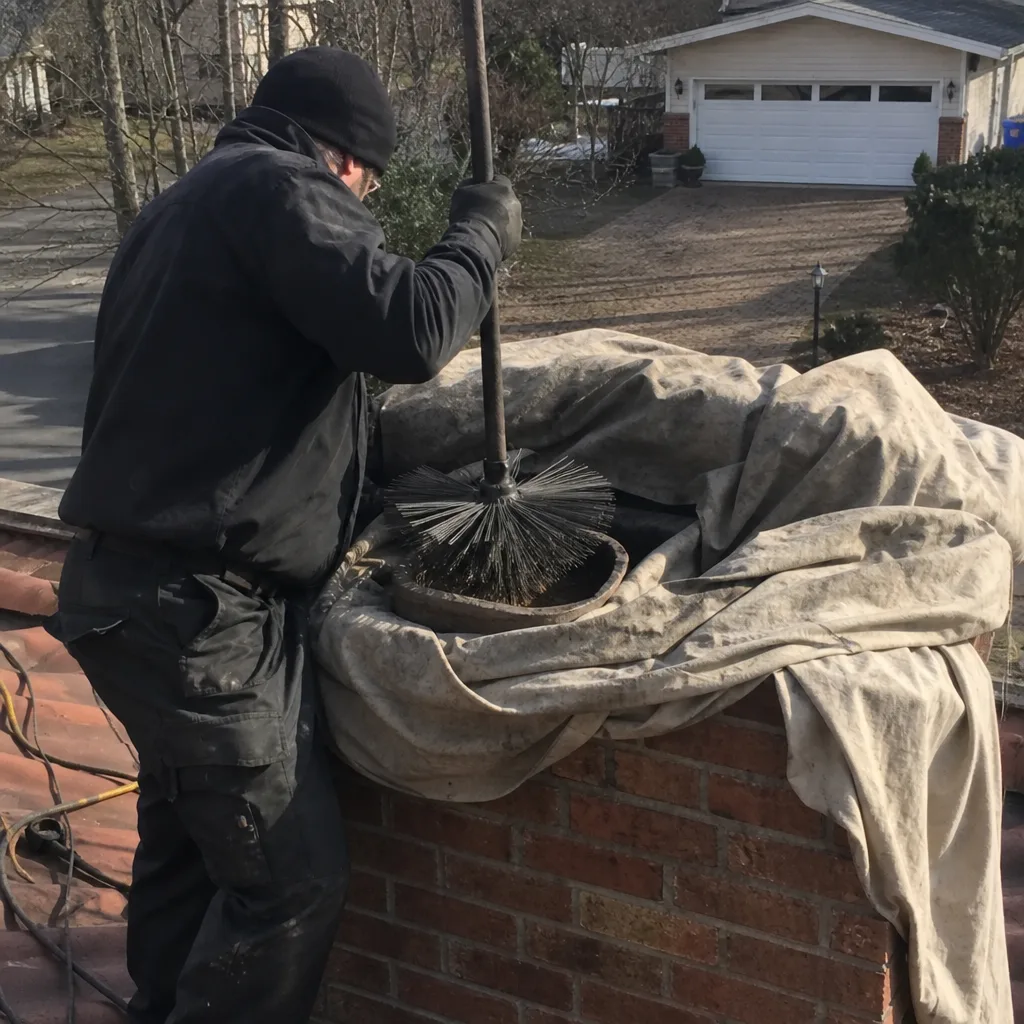
We quote every job in writing before work begins, but here are the ranges for common HeatShield scenarios in Washington, DC:
- HeatShield flue resurfacing (single flue): $1,400-$2,800, depending on height and access.
- Flue throat repair (debonding): $700-$1,200.
- Crown rebuild with HeatShield-compatible sealant: $800-$1,600.
- Smoke chamber parging before HeatShield: $600-$1,100.
- Flashing replacement around HeatShield flue: $450-$900.
What moves the price: roof access (DC rowhouses with steep pitches or tricky parapets cost more), the condition of the underlying masonry, and whether we’re repairing or starting over. A free estimate with a written line-item breakdown is always part of the job. Call (240) 621-1264 to schedule one.
Why Washington Homeowners Call Level Two Chimney Washington for HeatShield Work
We have inspected over 38,000 chimneys since 2009, and every one of them got a written price before work started and a documented record when it was done. That is not our marketing; it is our operating standard, codified as the Haven Standard. On HeatShield jobs specifically, we know the material, we know the installation patterns that cause failures, and we know when not to repair it. If a HeatShield system is failing because of a structural problem, we’ll tell you that plainly, in writing, with camera evidence. Our techs are background-checked, uniformed, and assigned by name. And every job is backed by the 365-Day Done Right Promise: if it’s not done right, we make it right.
We also work with DuraFlex stainless liners and Gelco chimney products, so if the honest answer is “replace, don’t repair,” we’re not married to one material. HeatShield is a good product in the right application. Our job is to tell you which situation you have.
The camera doesn’t lie, and neither does the written price.
FAQs
It can, depending on who performed the original installation and what the warranty terms specify. As an independent service provider, we don’t act on behalf of HeatShield. We document what we find and what we do, and we give you a written warranty on our work. If a manufacturer warranty claim exists, our photo record is often exactly what’s needed to support it.
HeatShield can be repaired in many cases, especially when the issue is localized delamination or a crown problem rather than a material-wide failure. We’ll show you the camera footage and tell you straight if repair makes sense or if a full liner replacement is the better investment. Call (240) 621-1264 to book the inspection and get the answer in writing.
Most HeatShield repairs in Washington are completed in one day, though crown rebuilds may require a follow-up visit for sealant curing. We confirm turnaround on the written estimate before work starts.
We use HeatShield-specified materials where the repair calls for them, and we tell you in writing exactly what we’re using and why. We also stock DuraFlex and Gelco products for cases where a different material is the better solution.
If the HeatShield surface is delaminating, exhaust gases can reach the original flue tile and the masonry behind it. In Washington homes with older flues, that raises the risk of chimney fire or carbon monoxide intrusion. We won’t tell you a repair is urgent unless the camera shows it is. If it can safely wait, we say that too. Call (240) 621-1264 for a straight answer with the evidence in front of you.
Get a Written Price for HeatShield Chimney Repair in Washington
We are Level Two Chimney Washington, and we have been inspecting and repairing chimneys in this city since 2009. Every job starts with a camera inspection, a written diagnosis, and a written price. Every job ends with a photo record and a written warranty. No pressure, no “call for a quote,” no work you can’t verify with your own eyes. Call (240) 621-1264 to schedule your HeatShield inspection. A live person answers, 24/7.
Written by Corrine Halstead, Owner, Level Two Chimney Washington at Level Two Chimney Washington, serving Washington and nearby areas.