
Level 1 sweep and inspection to the NFPA 211 annual standard - flue, crown, cap, and flashing checked and photographed
Chimney sweep logs do not sweep chimneys. They loosen some creosote - which then falls where a brush and vacuum still have to collect it.
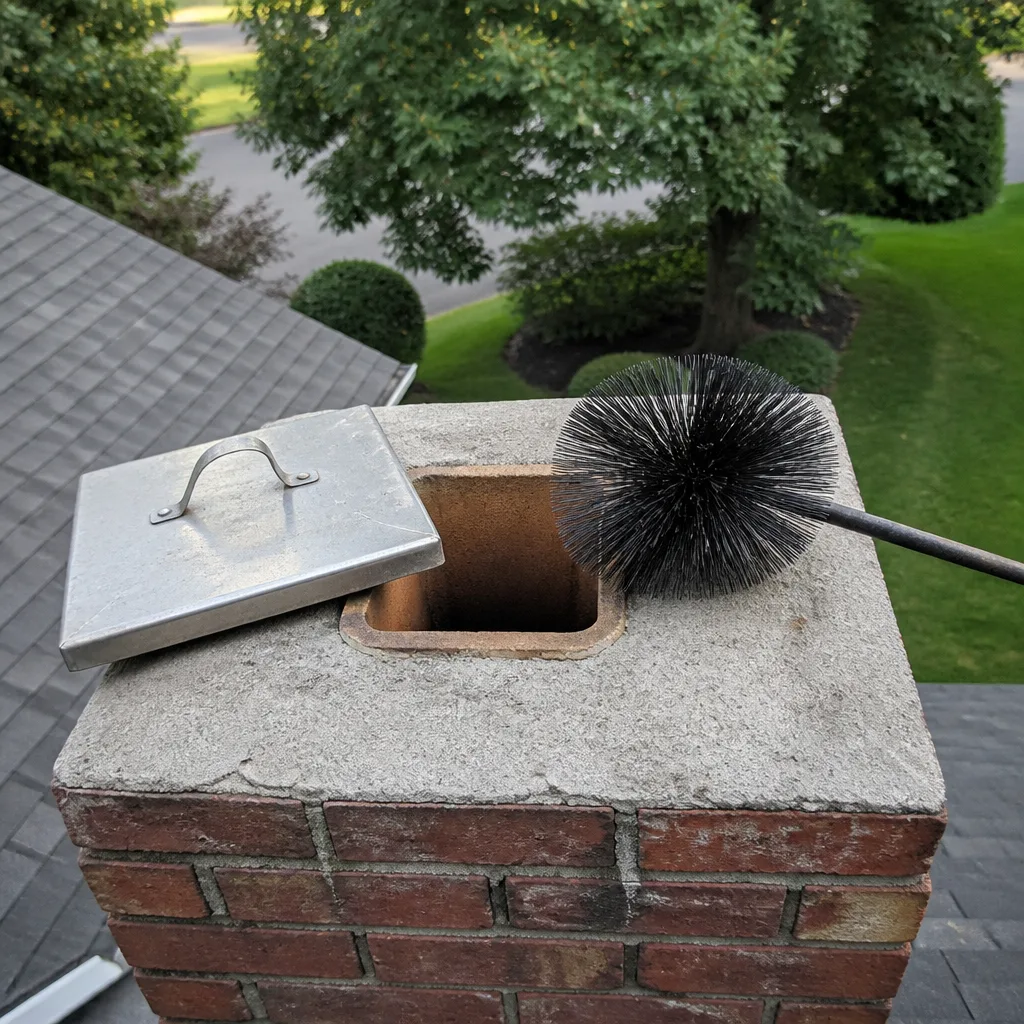
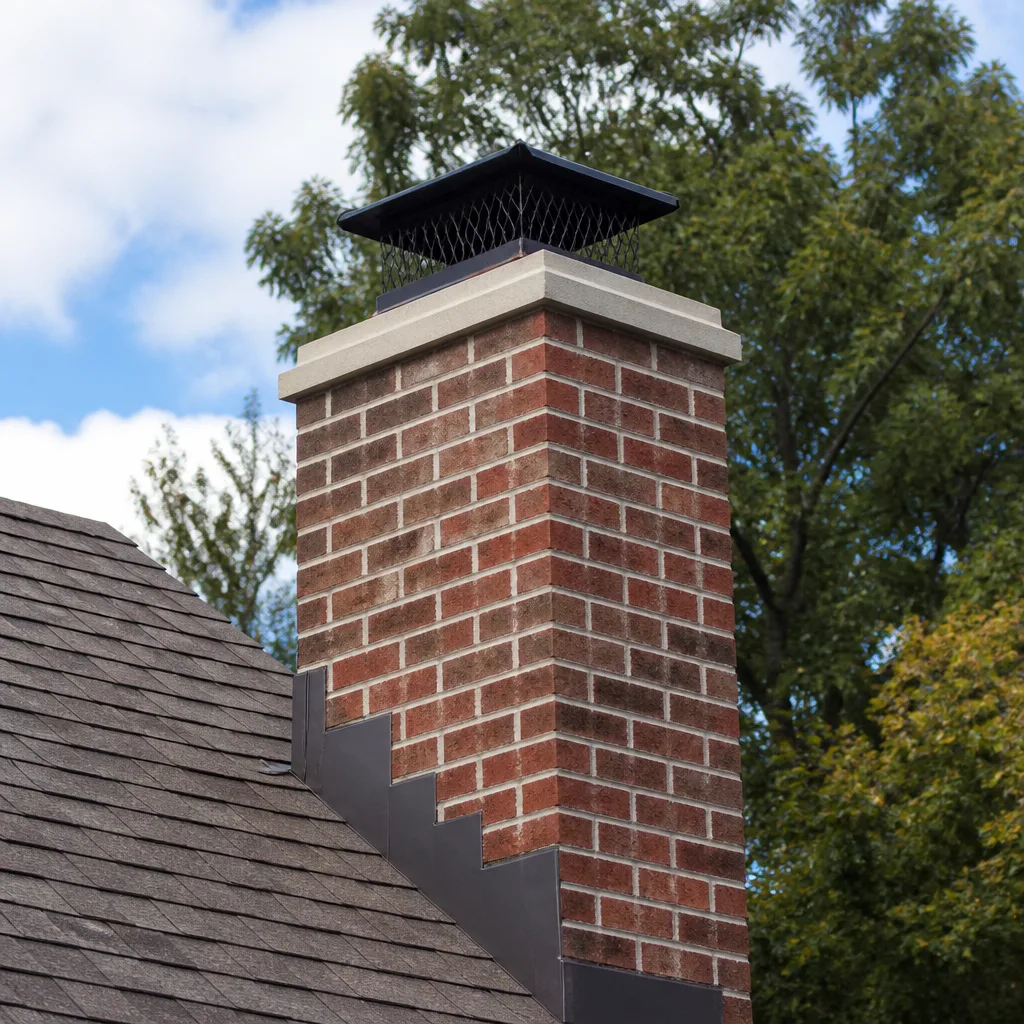
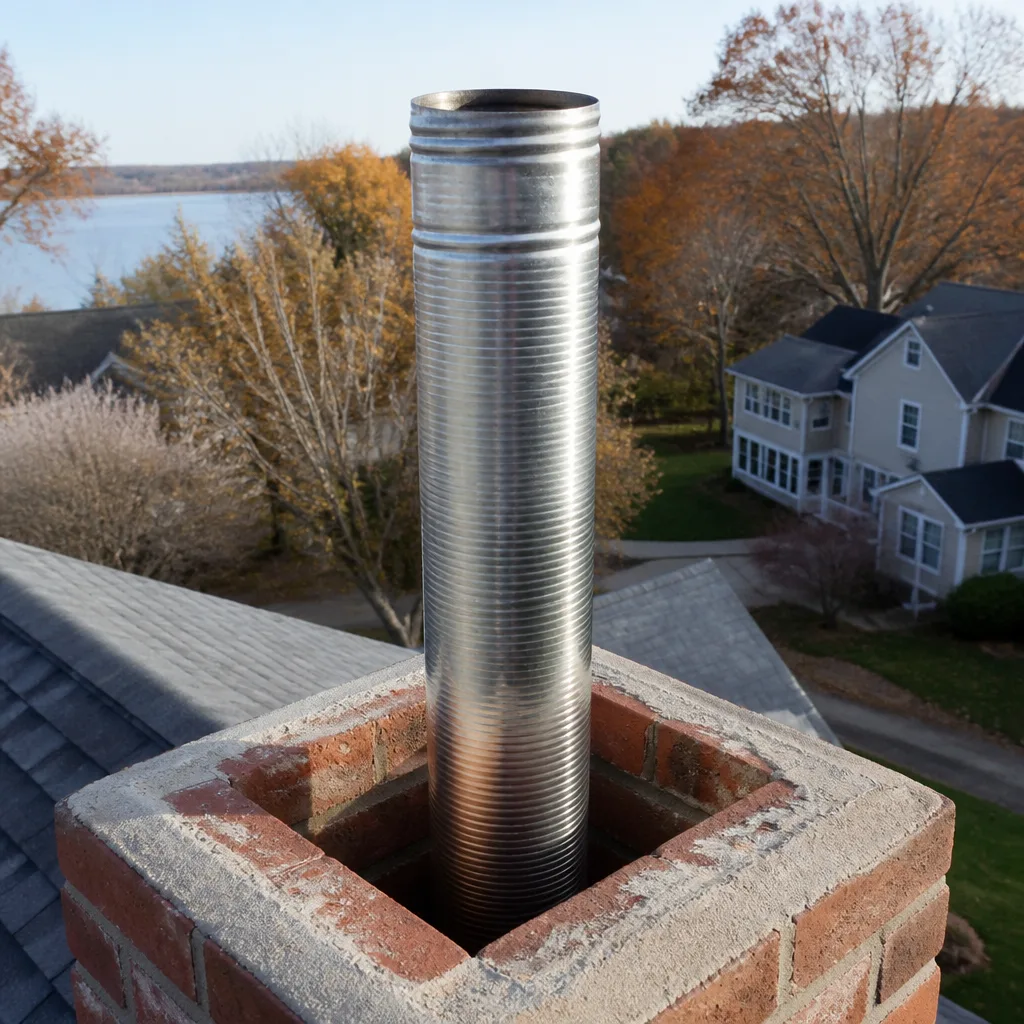
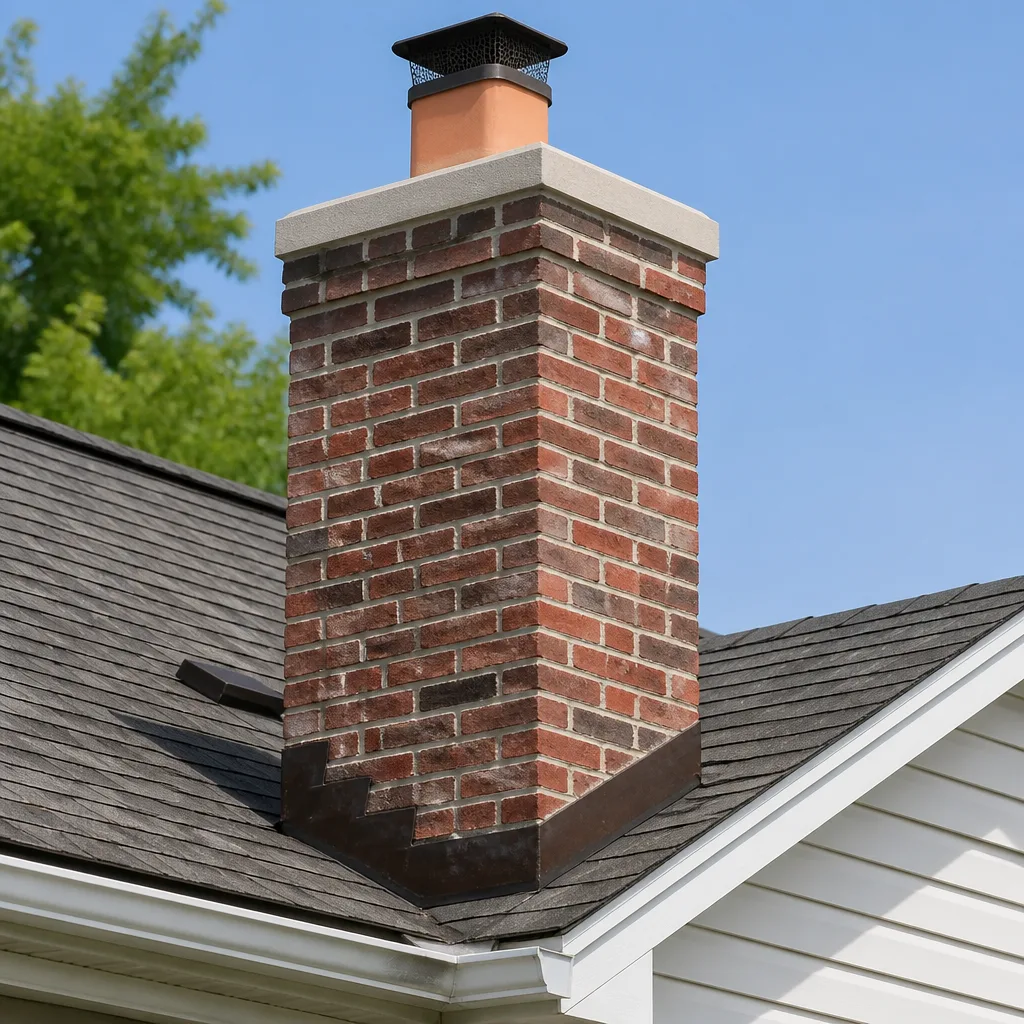
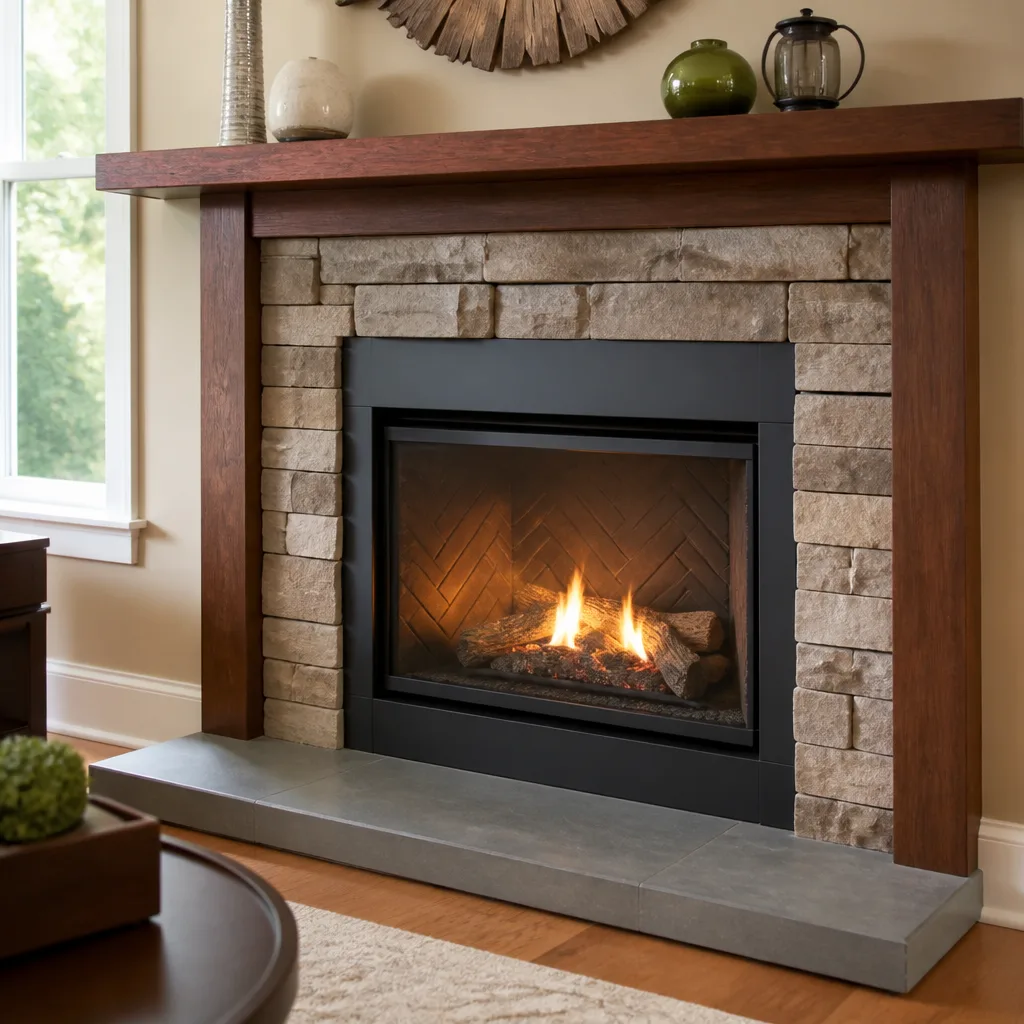
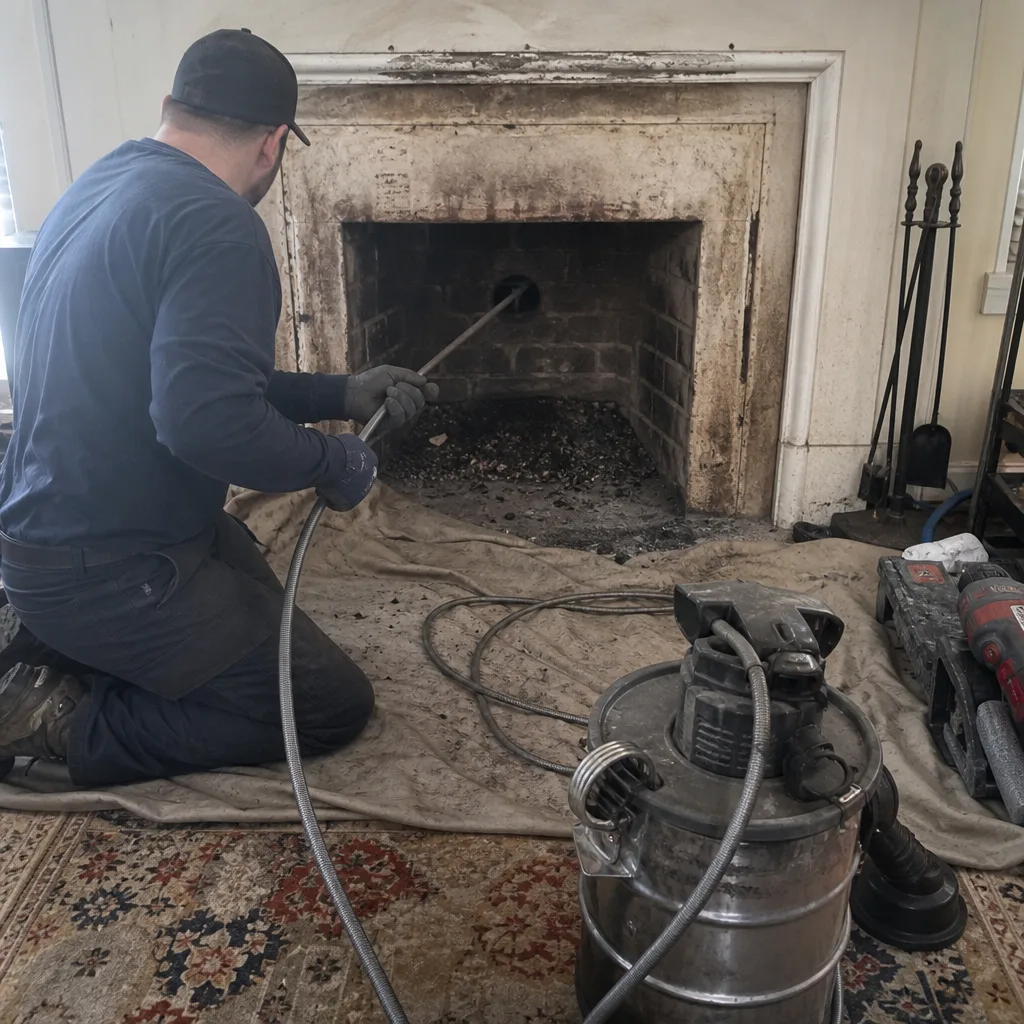 Before
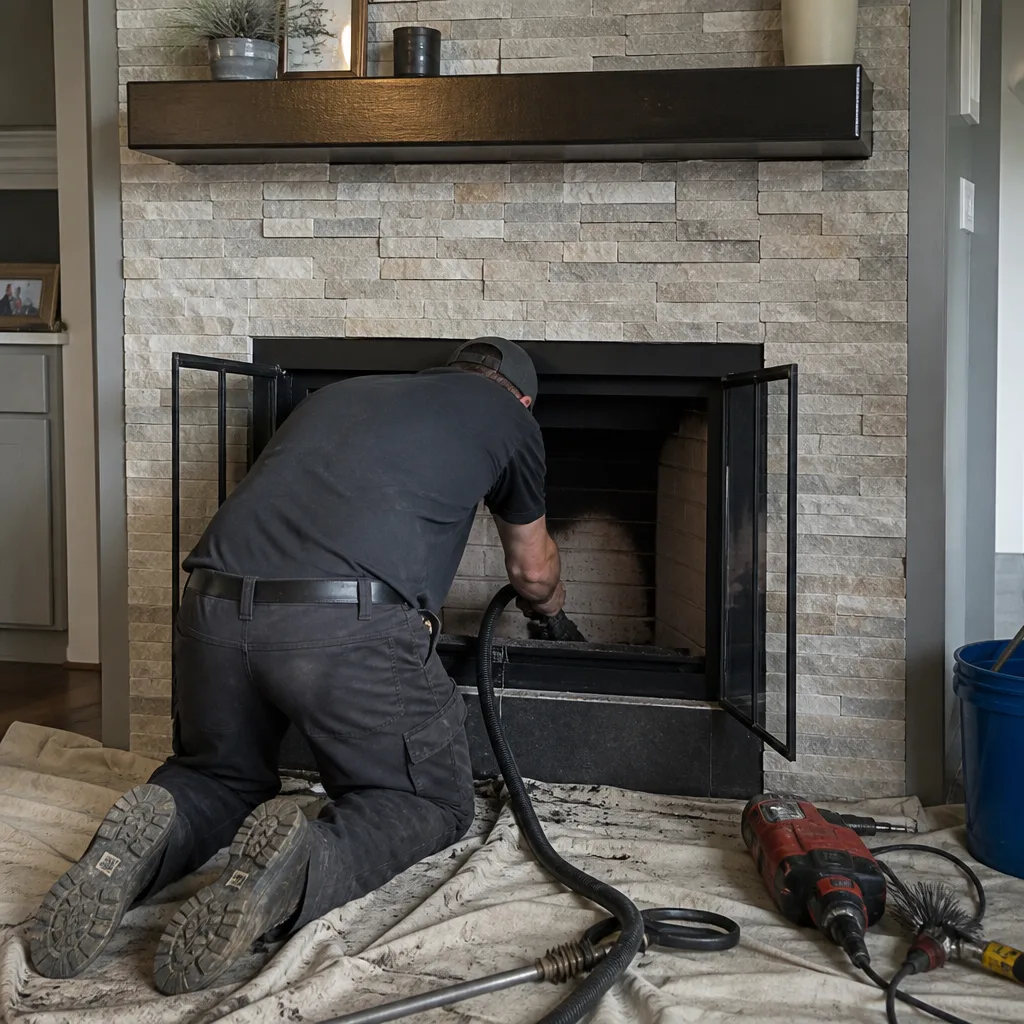 After
After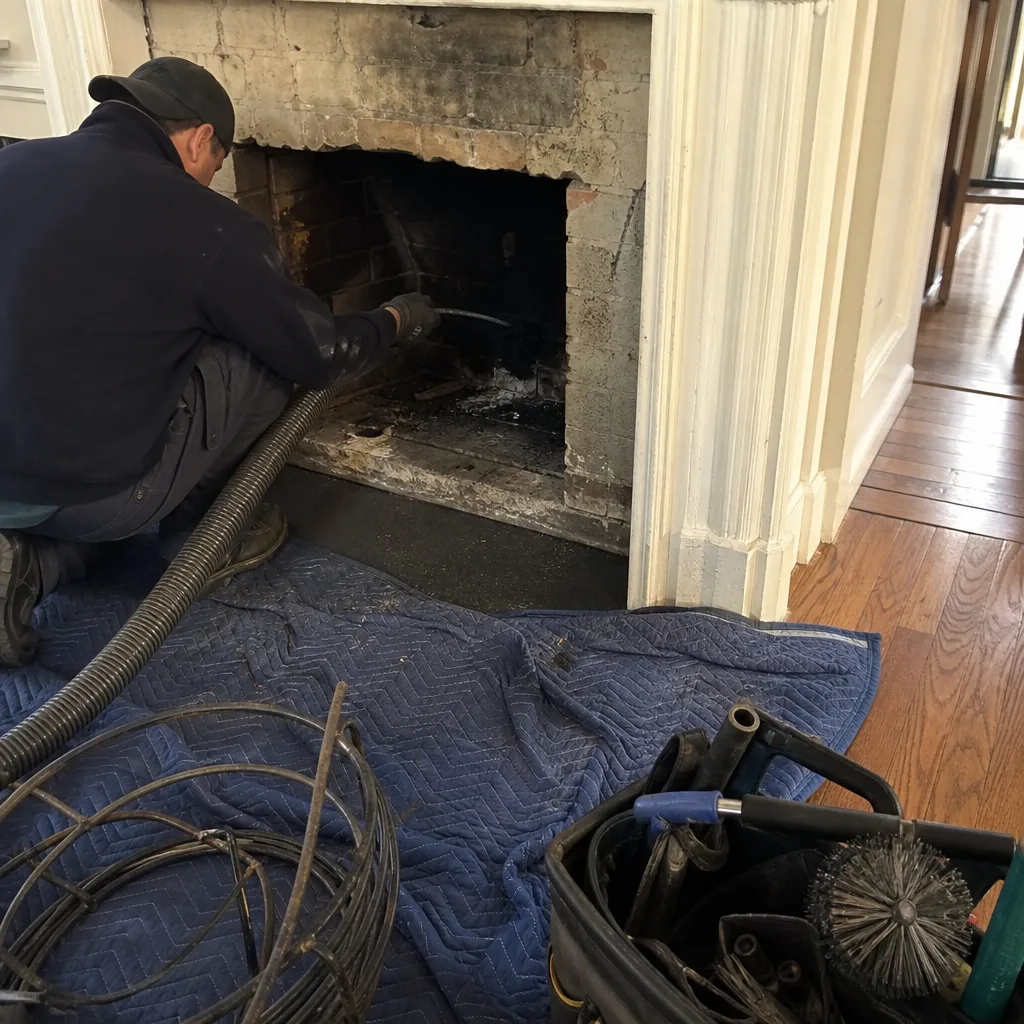 Before
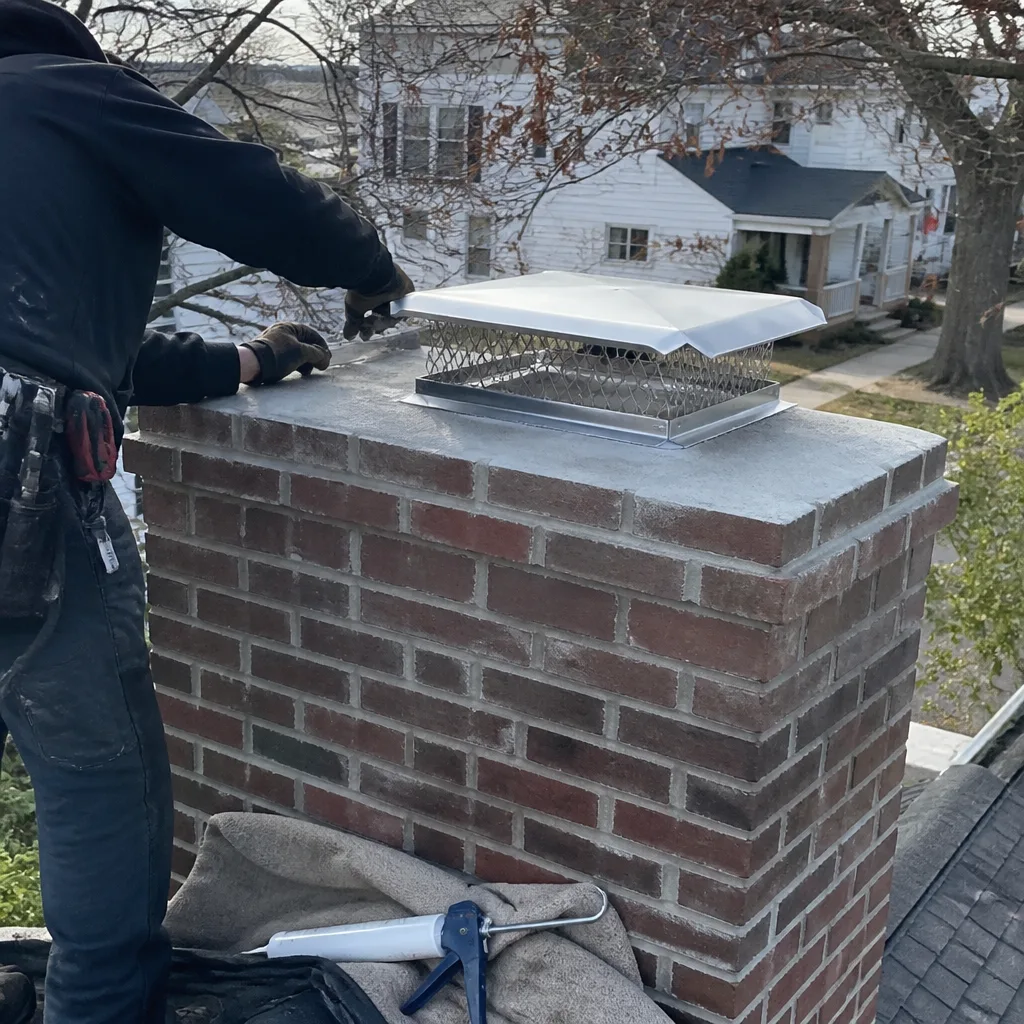 After
After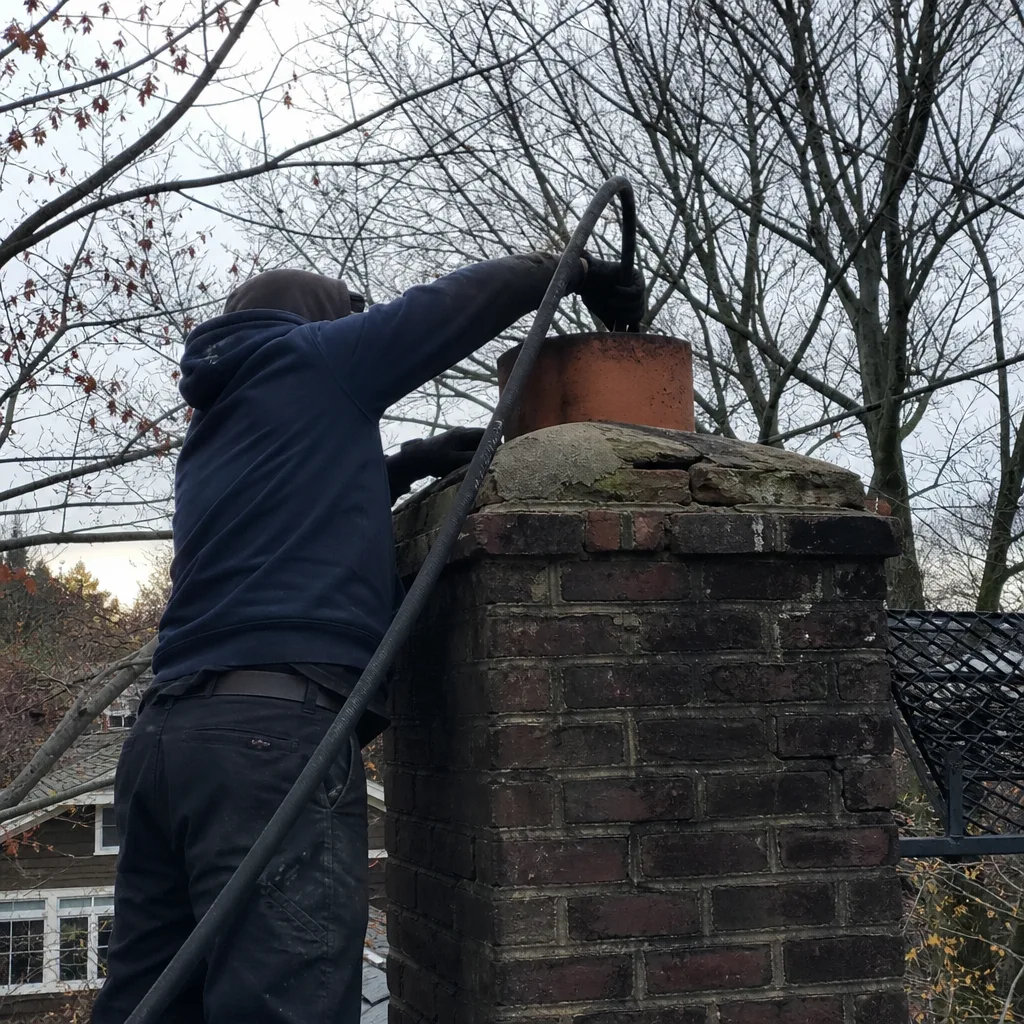 Before
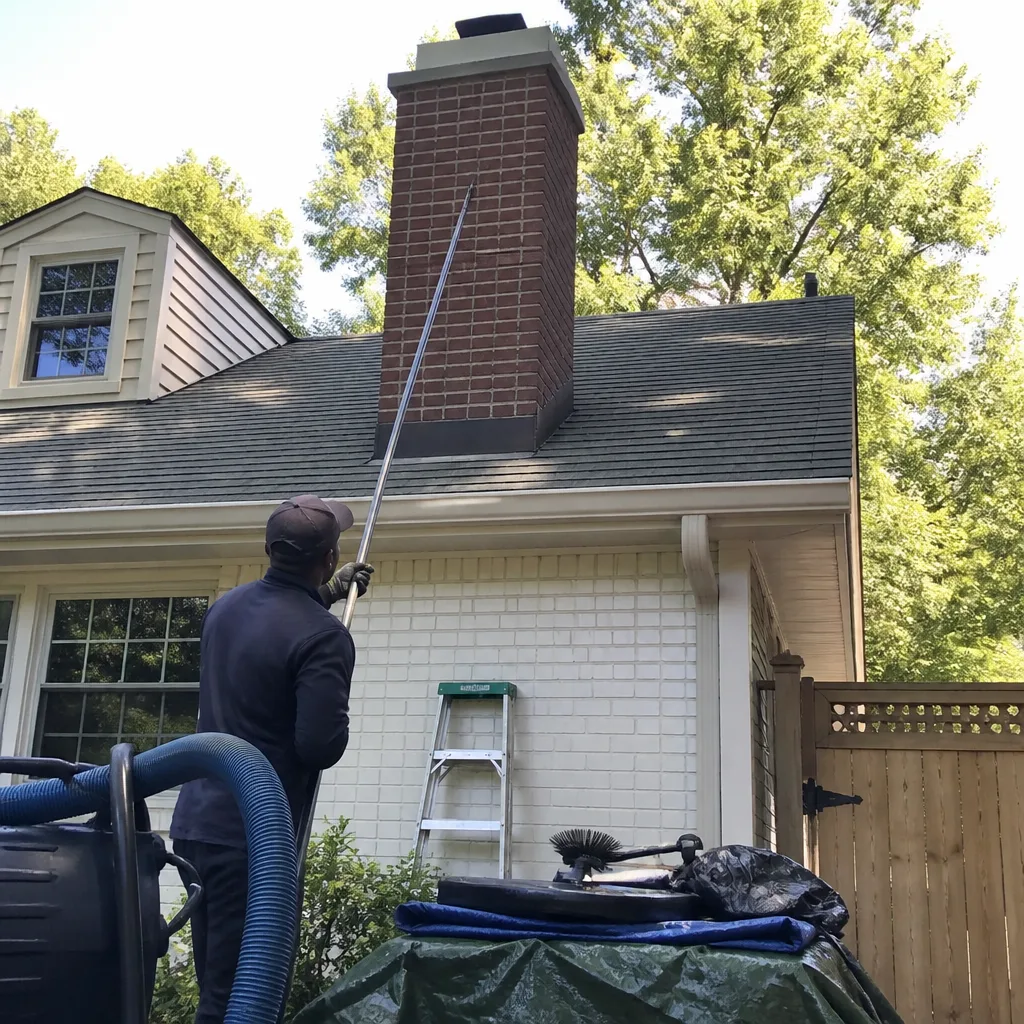 After
AfterHeatShield Chimney Liner & Rebuild in Washington: What to Know First
HeatShield chimney liner repair and rebuild in Washington typically costs between $1,800 and $6,500 depending on whether you need a resurfacing application, a partial rebuild, or a full liner replacement. As an independent HeatShield service provider, Level Two Chimney Washington completes most HeatShield liner jobs within one to two days on-site, and we provide a written price, written scope, and written warranty before a single tool comes off the truck. If you own a home in Washington with a HeatShield liner that’s showing age, call (240) 621-1264 and we’ll put a camera down the flue to show you exactly what’s happening.
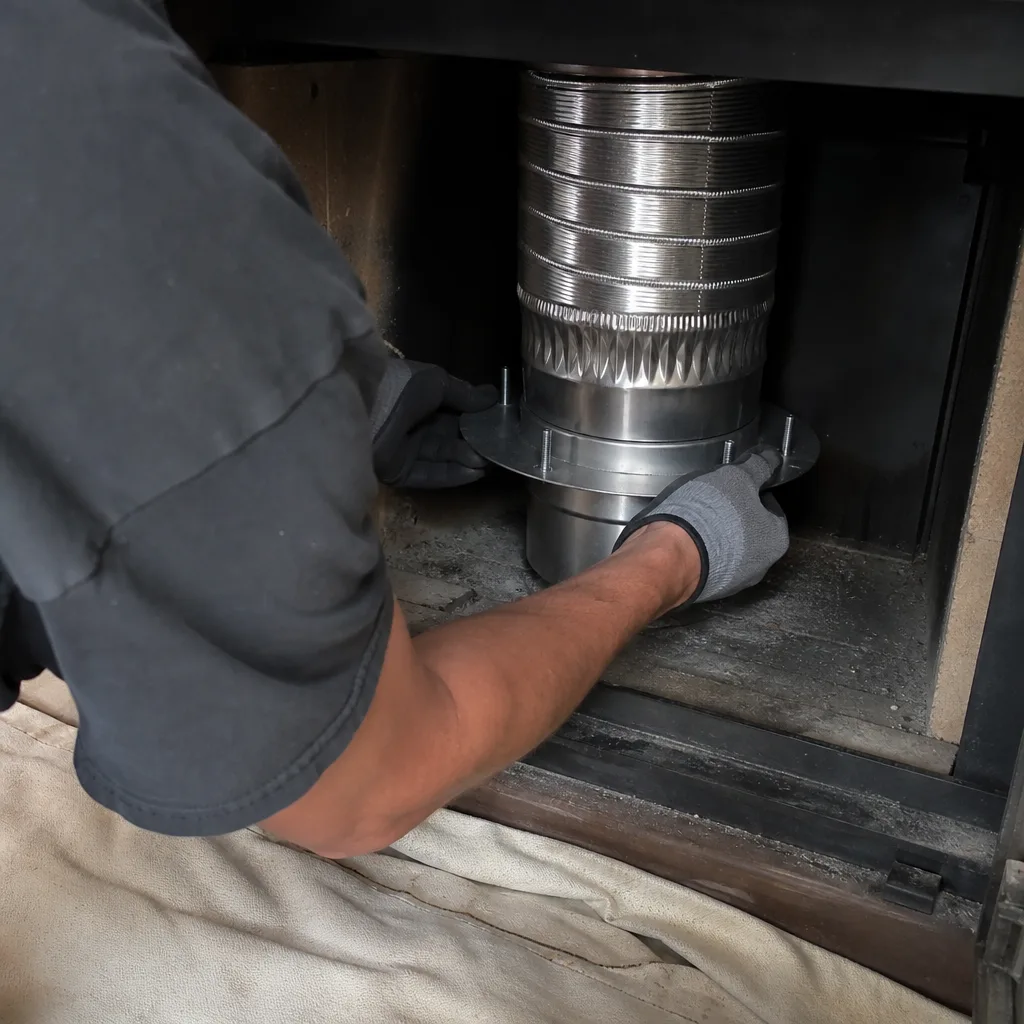
This page is for Washington homeowners who already know they have a HeatShield product, or who’ve been told by another sweep that their HeatShield liner needs attention. We’ll walk through how HeatShield materials actually fail in DC’s climate, what repair options exist, what it costs, and what documentation you should expect when the job is done.
Key Takeaways
- HeatShield resurfacing typically costs $1,800-$3,200; partial rebuilds run $3,000-$5,000; full liner replacement with stainless steel runs $4,500-$6,500 in Washington.
- HeatShield’s ceramic coating fails differently than stainless liners do. We diagnose with a camera, not a guess.
- HeatShield’s 20-year warranty only stays valid if the original installer documents every step. Many Washington homeowners don’t have that paperwork. We can still help.
- You walk away with a photo record, a written report, and a written warranty on every HeatShield job we do. That’s Clause 4 of the Haven Standard, and it’s been our default since 2009.
How HeatShield Products Fail - and How We Fix Them
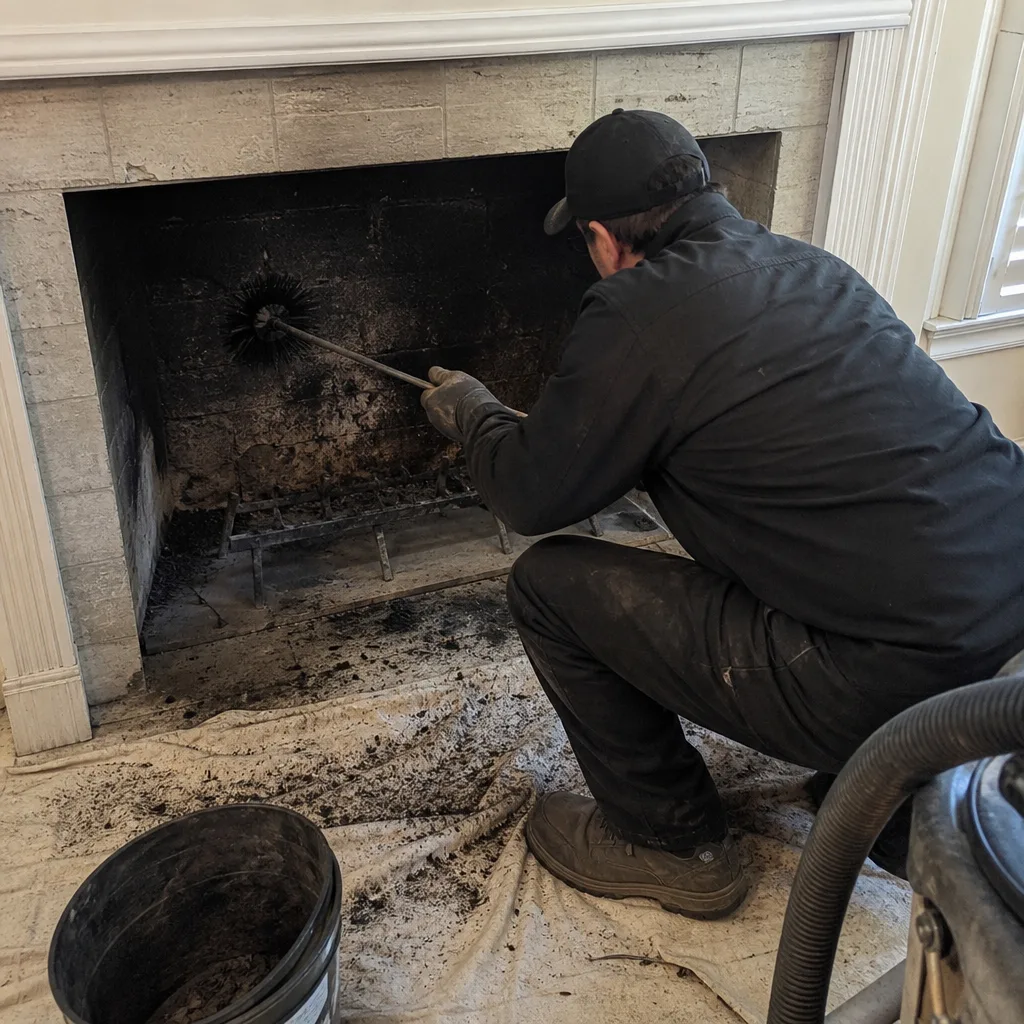
HeatShield is a cerfractory coating system, not a rigid liner. It’s a thick, cement-like material troweled or sprayed onto the inside of your existing flue. That distinction matters because HeatShield fails differently than stainless steel, and the fix depends on what we find. Here are the failure patterns we see most often in Washington homes.
- HeatShield Original Formula flaking in older DC rowhouses. The original HeatShield formula from the early 2000s didn’t bond well to glazed terra cotta tiles without aggressive surface prep. In Washington’s older rowhouse stock, especially around Capitol Hill and Bloomingdale, we find sections where the coating has delaminated from the tile face and fallen into the smoke shelf. The fix is usually a mechanical removal of the loose material and a resurfacing with the current HeatShield formula, or a stainless reline if the underlying tile is cracked.
- Water intrusion lifting HeatShield from the flue wall. Washington gets roughly 40 inches of rain a year, and a cracked crown or missing cap lets water run down the flue interior. Water behind the HeatShield coating freezes and thaws through DC winters, and the expansion pops the coating off in sheets. We always diagnose the water source before touching the liner. If the crown isn’t fixed, the new liner fails the same way in two years.
- HeatShield Joint Repair System failures at the tile joints. HeatShield’s JRS product is designed to seal the mortar joints between flue tiles. But in Washington homes where the original mortar was already crumbling, the JRS has nothing solid to bind to. We see this in wood-framed homes near Capitol Hill and in older brick construction in Georgetown. The fix often requires removing the degraded mortar, repointing, then applying the HeatShield system, or moving to a full stainless liner if the tile structure itself is compromised.
- Improper original application causing cracks within the first five years. HeatShield requires a specific cure time and no rain exposure during application. We can’t verify what happened during the original install on most Washington homes, but we can see the result: hairline cracks running vertically along the flue, often where the coating was too thick. These aren’t cosmetic. They allow flue gas into the chimney chase. Our fix is to clean the flue, camera-scan the full length, and determine if spot repair is viable or if full relining is the safer call.
- HeatShield coating applied over an already-failed masonry chimney. HeatShield is a liner restoration product, not a structural repair. If a Washington chimney has spalling brick, a shifted footing, or a smoke chamber that’s collapsing, the HeatShield coating will simply crack along with the structure. We see this in homes where a previous contractor sold HeatShield as a cheaper “fix” for structural problems. Our approach: fix the structure first, then address the liner. We won’t apply any coating to a chimney that isn’t structurally sound.
BeforeAfterOur HeatShield Chimney Liner & Rebuild Process
Every HeatShield job we do in Washington follows the same sequence. No shortcuts, and you get documentation at every step.
- 1
Call and schedule. You call (240) 621-1264. A live person answers, 24/7. We book the appointment and tell you the name of the technician coming to your door.
- 2
Camera scan and written findings. We run a Level 2 camera inspection down the flue, per NFPA 211. You see the footage. We point out exactly where the HeatShield coating has failed, why, and what the options are. You get a written report with photo references before we talk about price.
- 3
Written proposal. We put a written scope and a written flat price in front of you, including materials and labor. We also tell you, in writing, whether we recommend HeatShield repair, OEM HeatShield resurfacing, or a switch to a stainless or flexible liner from DuraFlex or Gelco. No pressure, no same-day discount games.
- 4
The work. If we’re doing a HeatShield resurfacing or joint repair, that means surface prep, application per HeatShield specs, and proper cure time. If we’re replacing with stainless, we use components from DuraFlex or Gelco as appropriate. The technician assigned to your job is background-checked, uniformed, and named on your work order.
- 5
Photos and documentation. Before we leave, we run the camera again and show you the finished flue. You get a documented photo record, a written warranty, and a written record of what was done. That’s been our standard since 2009, and it’s Clause 4 of the Haven Standard.
- 6
365-Day Done Right Promise. If something isn’t right within a year, we make it right. That promise is in writing, stamped on every job under the Haven Standard.
What HeatShield Chimney Liner & Rebuild Costs in Washington
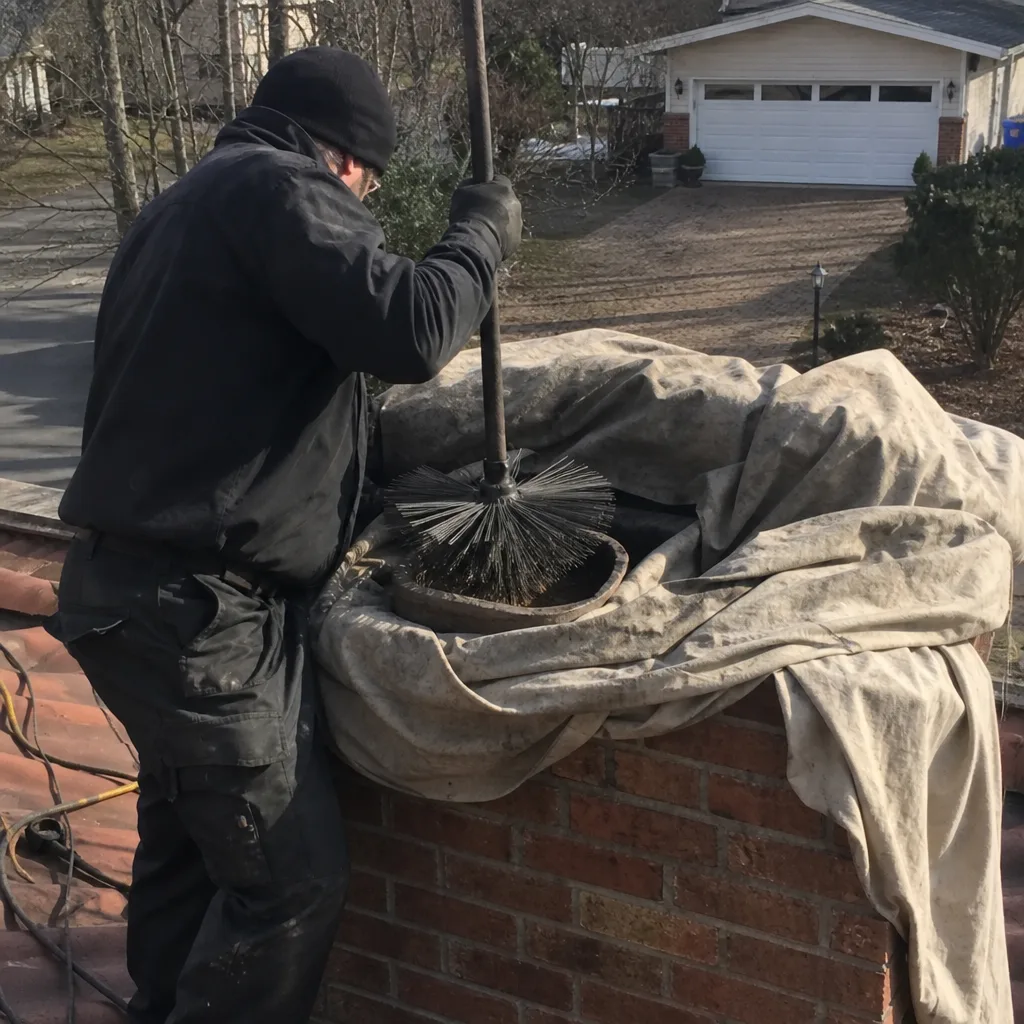
Here are the price ranges we quote for HeatShield work in Washington, based on what we typically see in DC’s housing stock. The final number depends on flue height, access, and what the camera shows us.
- HeatShield crack or joint repair (isolated section): $1,800 - $2,800
- Full HeatShield resurfacing (single flue, standard height): $2,400 - $3,600
- Partial rebuild (crown, top courses of brick, and HeatShield repair): $3,000 - $5,000
- Full stainless steel reline (DuraFlex or Gelco), including old HeatShield removal: $4,500 - $6,500
- Full chimney rebuild from the roofline up: $6,500 - $12,000+
What moves the price most in Washington is access: a three-story rowhouse flue with a steep roof pitch costs more to work on than a one-story bungalow. Flue height, the number of offsets, and whether we need scaffolding all factor in. You’ll know the exact number before we start, because a written price before any work starts is Haven Standard Clause 1. Call (240) 621-1264 for a free estimate, and bring us any competitor’s written quote. We’ll give you a free second opinion on it.
Why Washington Homeowners Call Level Two Chimney Washington for HeatShield Work
HeatShield is a specific product with specific failure modes, and we’ve been looking at it through a camera lens in Washington homes long enough to know what’s cosmetic, what’s repairable, and what’s a fire hazard. Our techs know the difference between a HeatShield coating that’s delaminating from tile and one that’s failing because the chimney itself is moving. That distinction changes the repair, and it changes the price.
We also don’t have a single-brand loyalty problem. We work with HeatShield, DuraFlex, Gelco, Olympia Chimney, Famco, and Copperfield, and we’ll tell you honestly when a stainless liner from DuraFlex will outlast and outperform another HeatShield application. The camera doesn’t lie, and neither does the written price. You’ll get our recommendation with the footage to back it up, and you’ll get it before you spend anything.
Our 365-Day Done Right Promise is in writing on every job. Your technician is background-checked and arrives with a name and a face. And every time we leave your Washington home, you have a documented photo record of your flue, not a handshake and a “trust me.”
FAQs
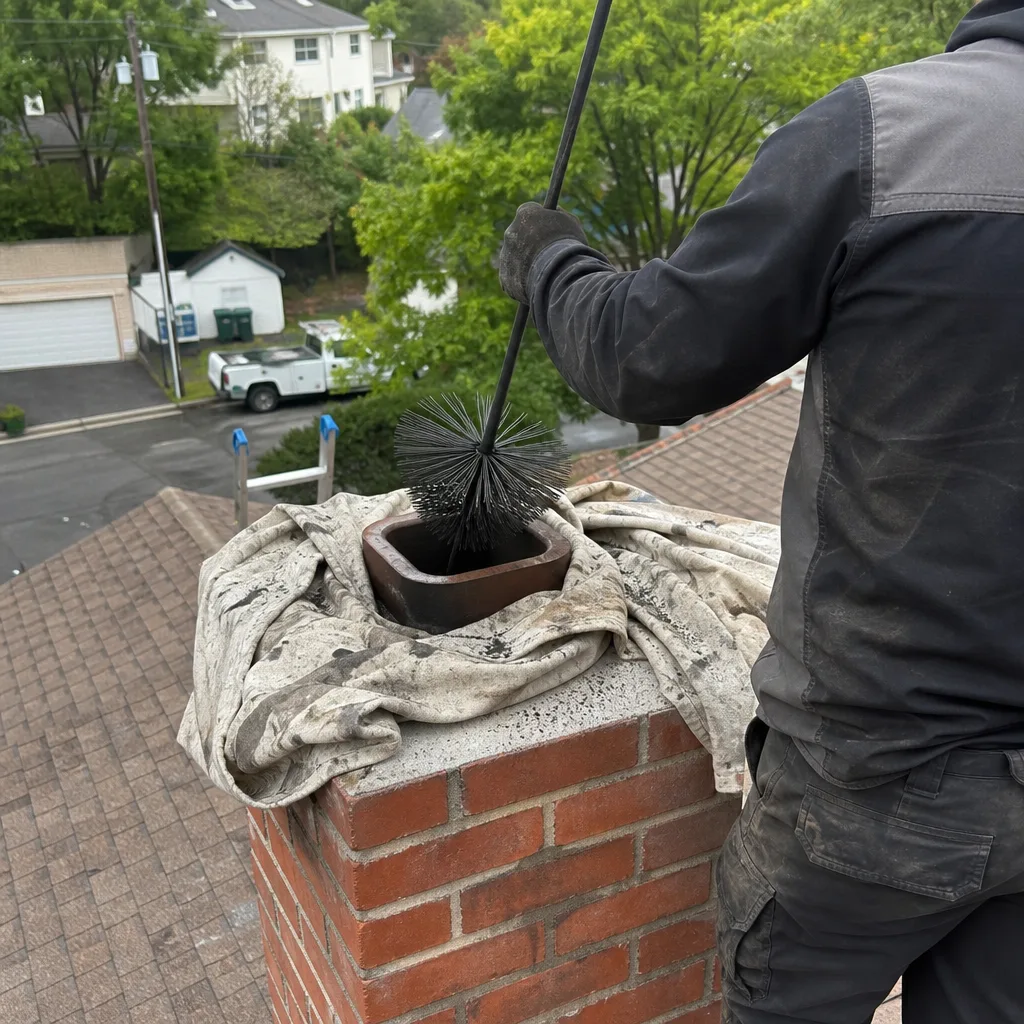
If your HeatShield liner was installed by a certified installer and is still within its warranty window, modifications by an independent contractor can void the original warranty. We’re an independent HeatShield service provider, not an authorized installer, and we’ll tell you that flat out. That said, most Washington homeowners we meet don’t have the original installation documentation required to make a HeatShield warranty claim anyway, and a failed liner is a safety issue that can’t wait on paperwork. We’ll document everything we do with photos so you have a record that stands on its own, regardless of manufacturer warranty status. Call (240) 621-1264 and we’ll talk through your specific situation.
A camera scan is the only way to know for sure. Visual symptoms include flaking material at the bottom of the flue, a powdery white residue near the fireplace, or water stains on the wall behind the chimney. Inside the flue, we look for delamination, vertical cracking, and gaps at the tile joints. If you haven’t had a Level 2 camera inspection in the last few years, that’s the starting point. We include the camera scan and photo report as standard on every visit, not as an add-on. Call (240) 621-1264 to schedule one.
In many cases, yes. If the failure is isolated to a specific section, like a crack at one tile joint or a delamination patch near the top of the flue, spot repair with HeatShield material or a partial stainless reline section can work. But if the camera shows failures in multiple locations, or if the underlying tile work is compromised, a full reline is usually the safer and more economical choice over the long run. We’ll show you the footage and walk you through both options with written pricing for each. Call (240) 621-1264 for an exact quote after inspection.
Most isolated HeatShield repairs take one day on-site. A full resurfacing or a stainless reline typically takes one to two days, depending on flue height and whether we’re removing old coating or working around a difficult roofline. A full chimney rebuild from the roofline up can take three to five days. We’ll give you a written timeline with your written price, and you’ll know your tech’s name before they arrive. Call (240) 621-1264 to get on the schedule.
Yes. We regularly install and repair stainless and flexible liners from DuraFlex and Gelco, along with components from Olympia Chimney, Famco, and Copperfield. If we determine your HeatShield liner isn’t worth saving, we’ll quote you options from those manufacturers with the same written price, written scope, and written warranty we provide on every job. Call (240) 621-1264 and we’ll talk through what makes sense for your flue.
Get Your HeatShield Liner Inspected in Washington
If you own a Washington home with a HeatShield liner and you’re not sure what condition it’s in, start with a camera inspection. It’s the only way to see what’s actually happening inside the flue, and you’ll walk away with photos, a written report, and a straight answer about what needs fixing and what can wait. Call (240) 621-1264 for a free estimate, or to schedule an inspection. A live person answers, 24 hours a day.
Written by Corrine Halstead, Owner, Level Two Chimney Washington at Level Two Chimney Washington, serving Washington and nearby areas.