
Level 1 sweep and inspection to the NFPA 211 annual standard - flue, crown, cap, and flashing checked and photographed
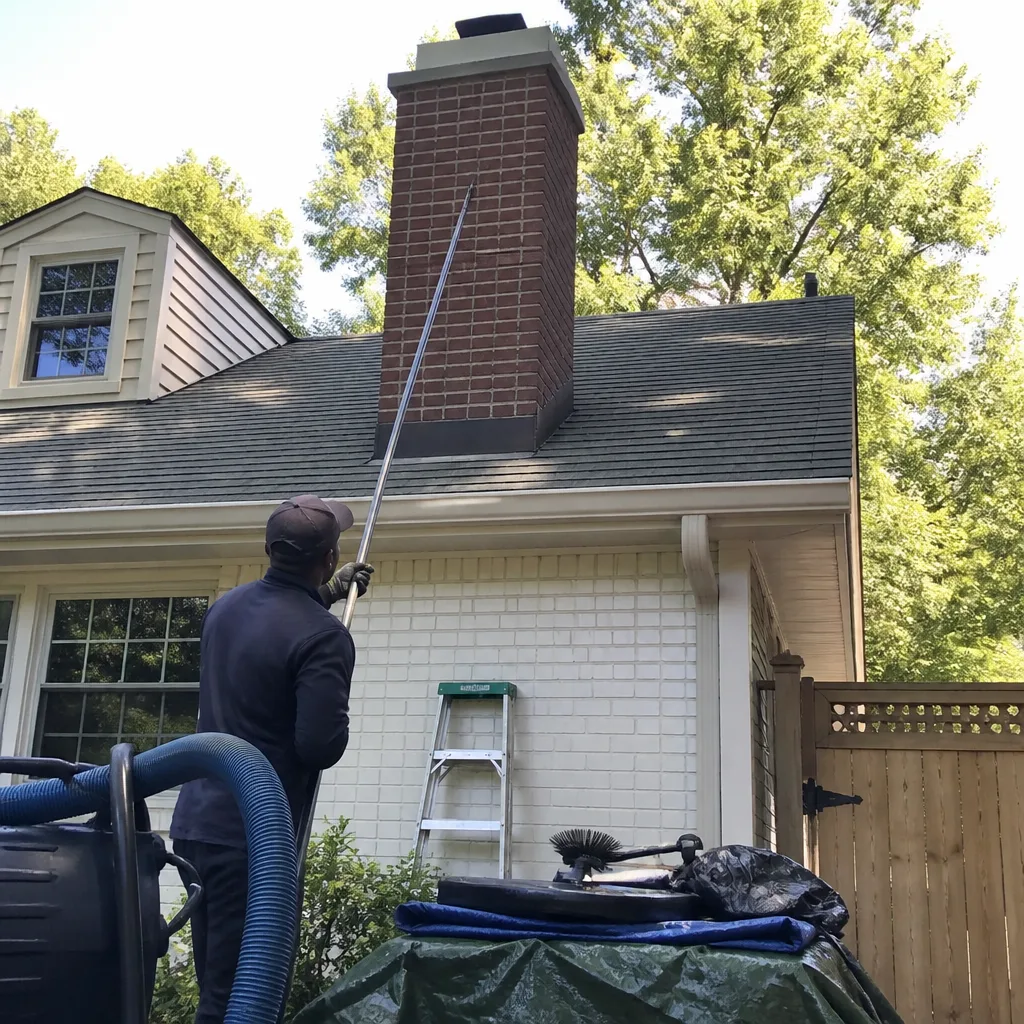
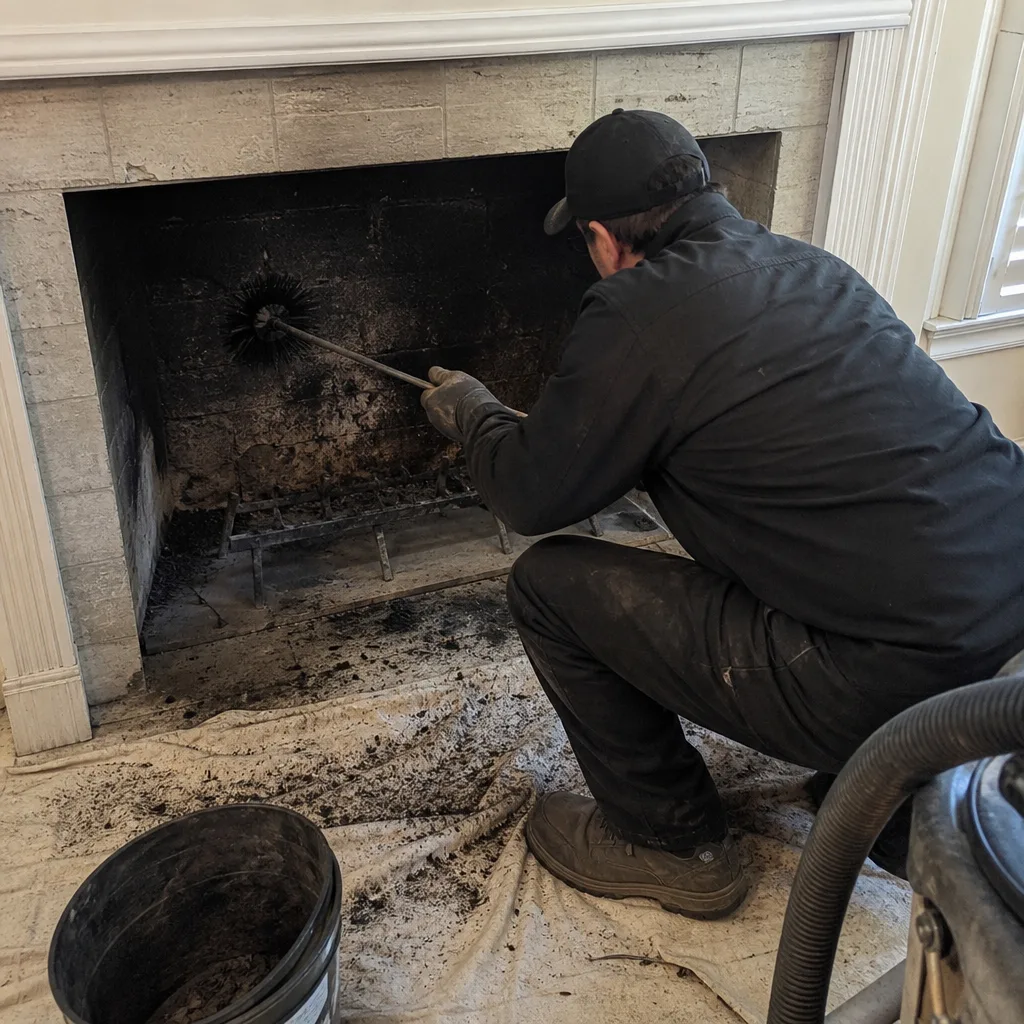
Chimney sweep logs do not sweep chimneys. They loosen some creosote - which then falls where a brush and vacuum still have to collect it.
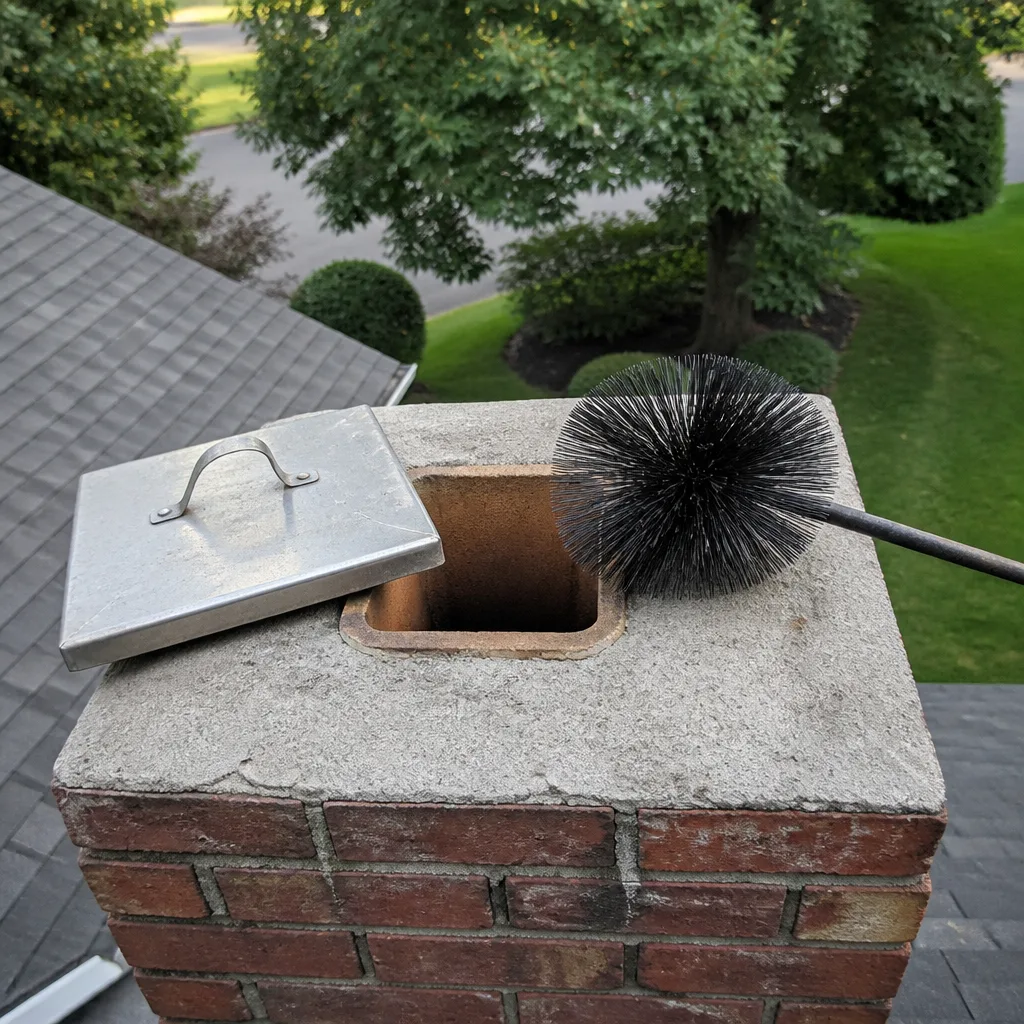
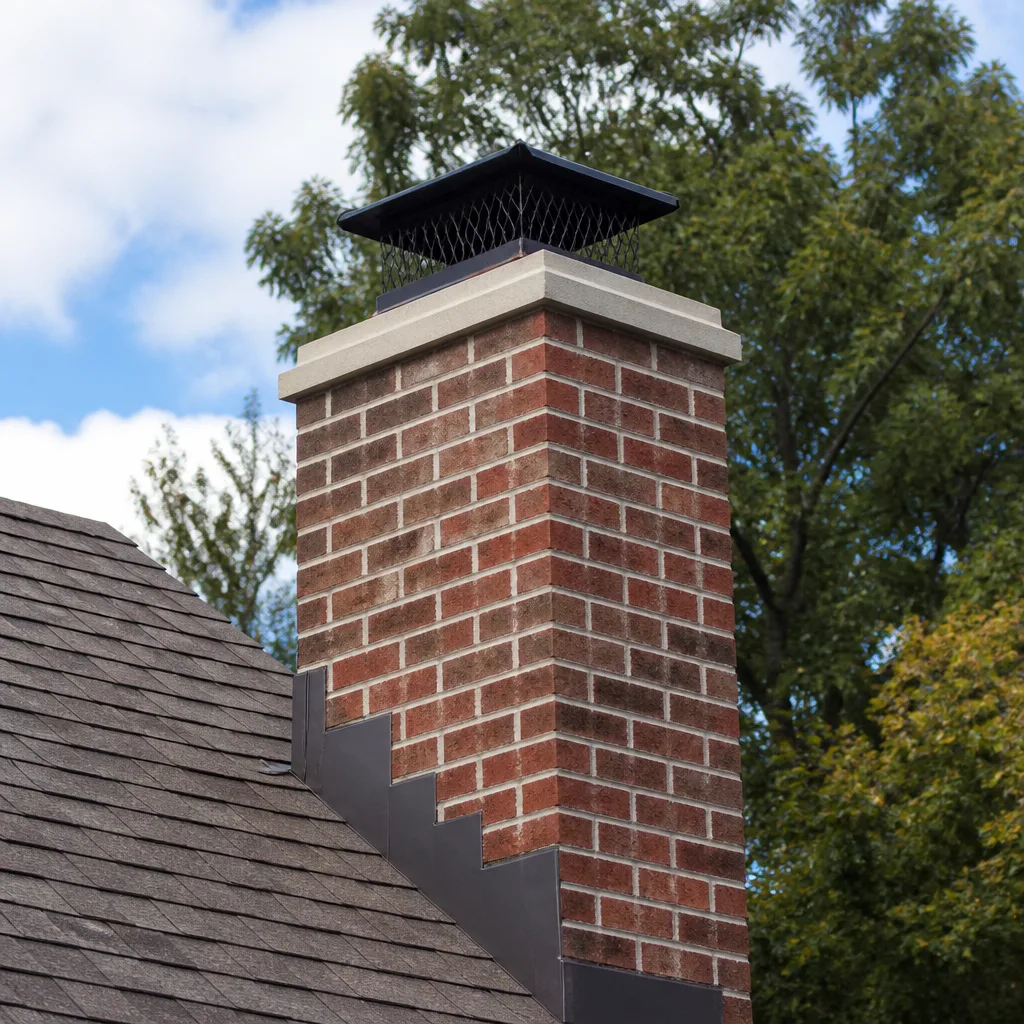
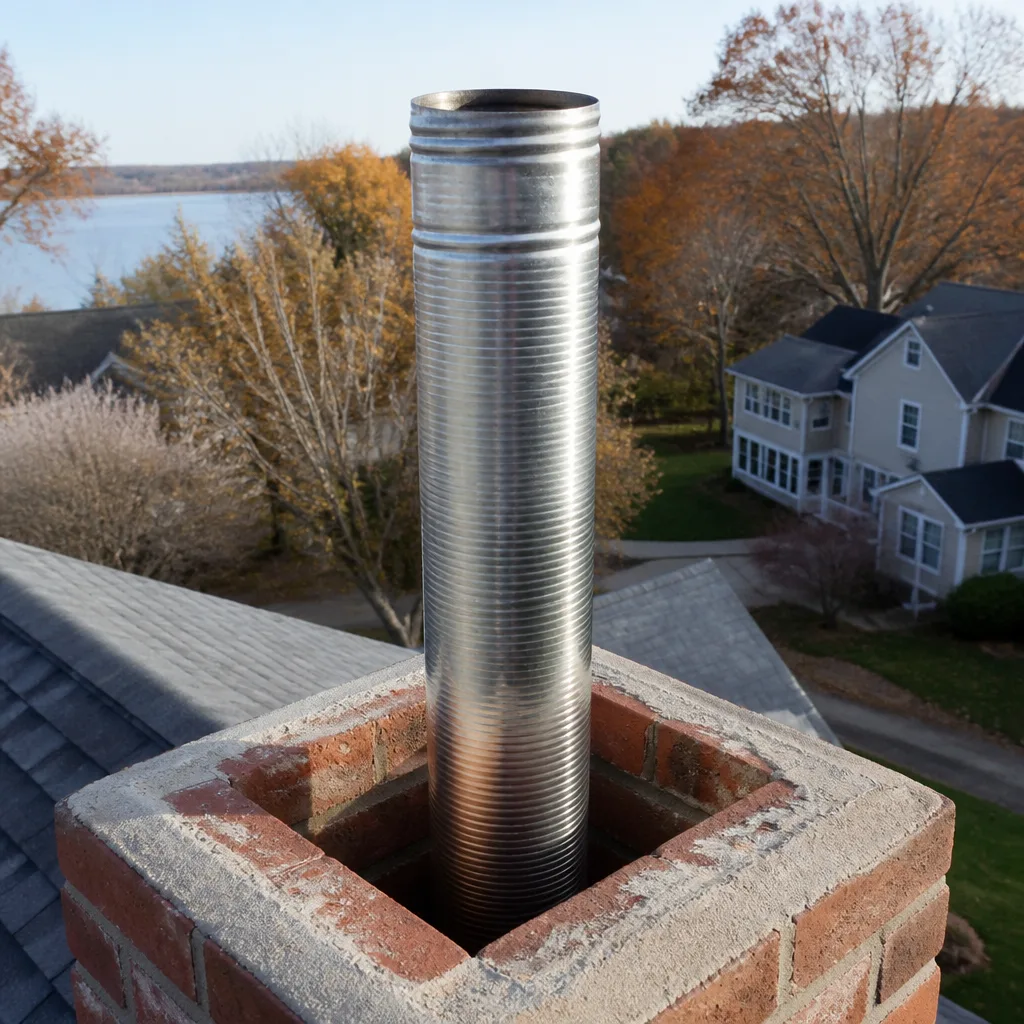
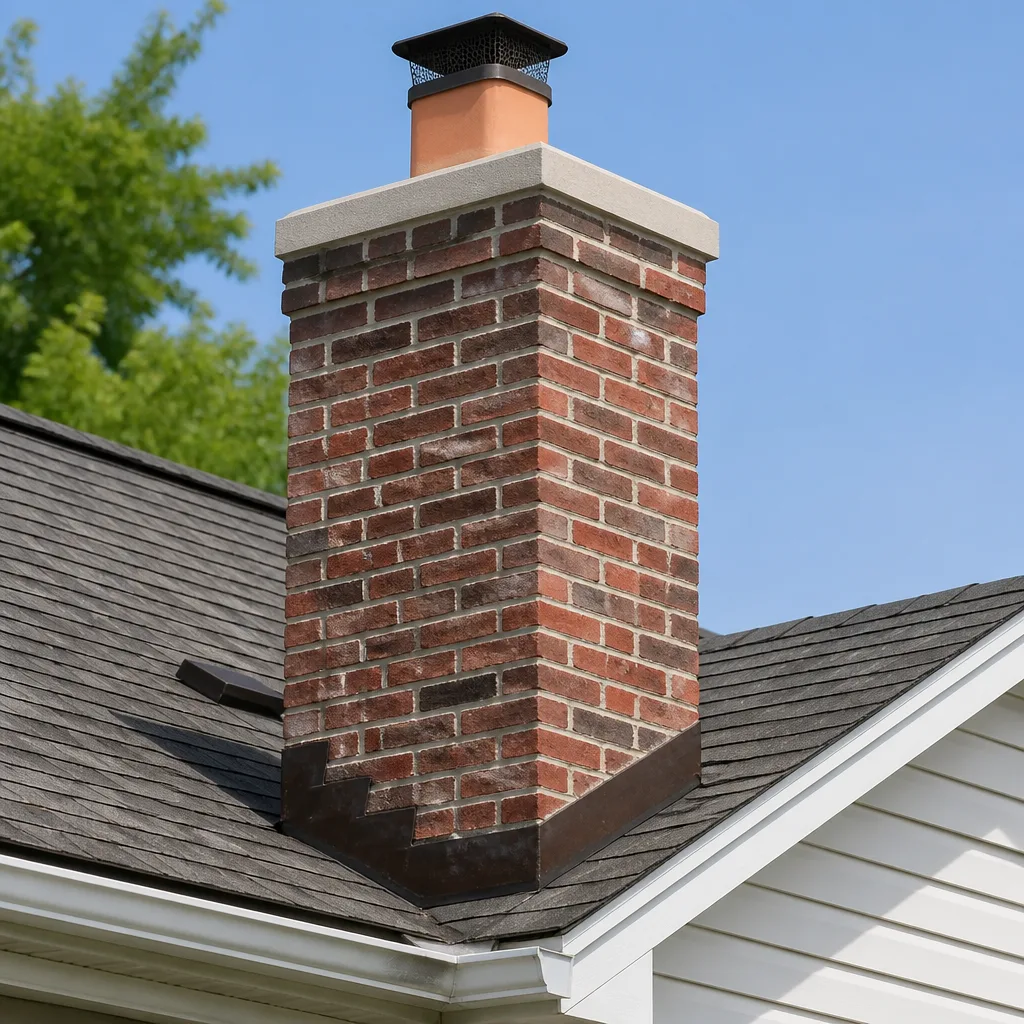
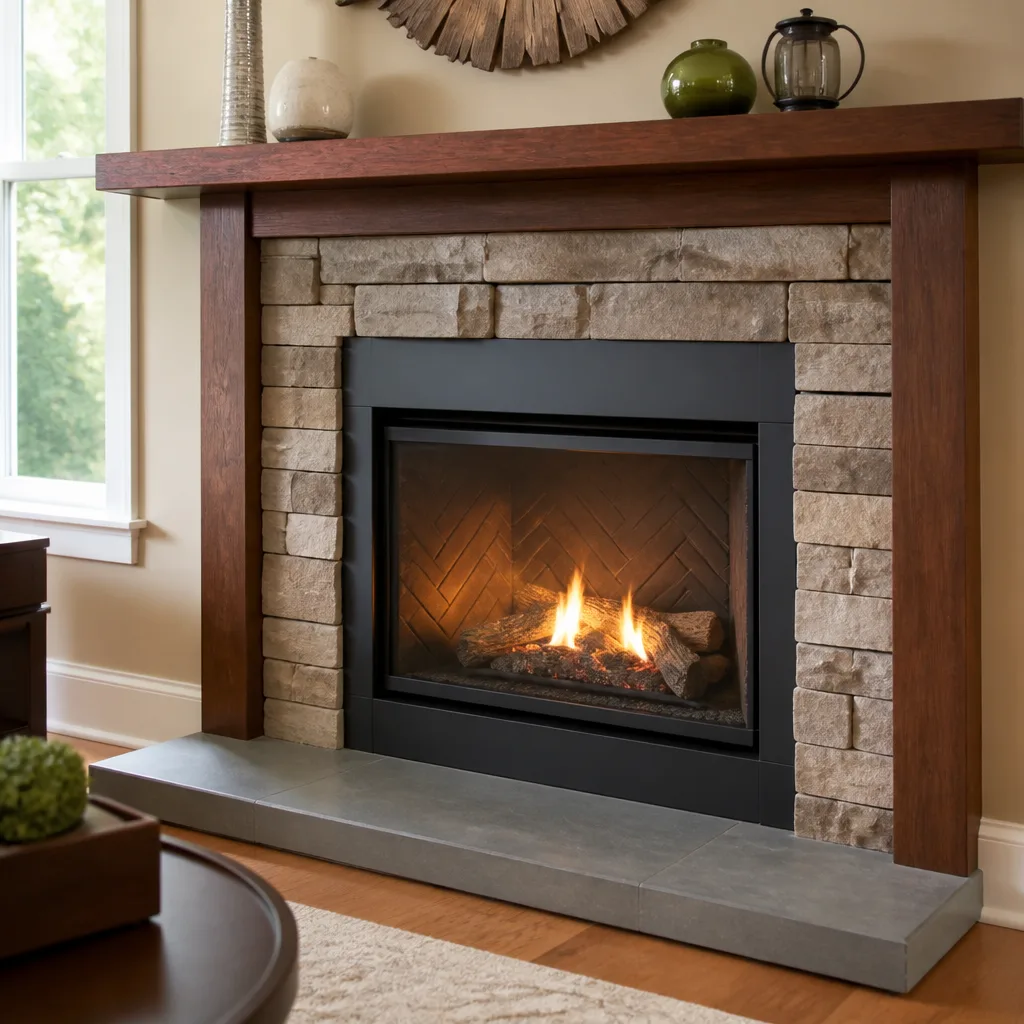
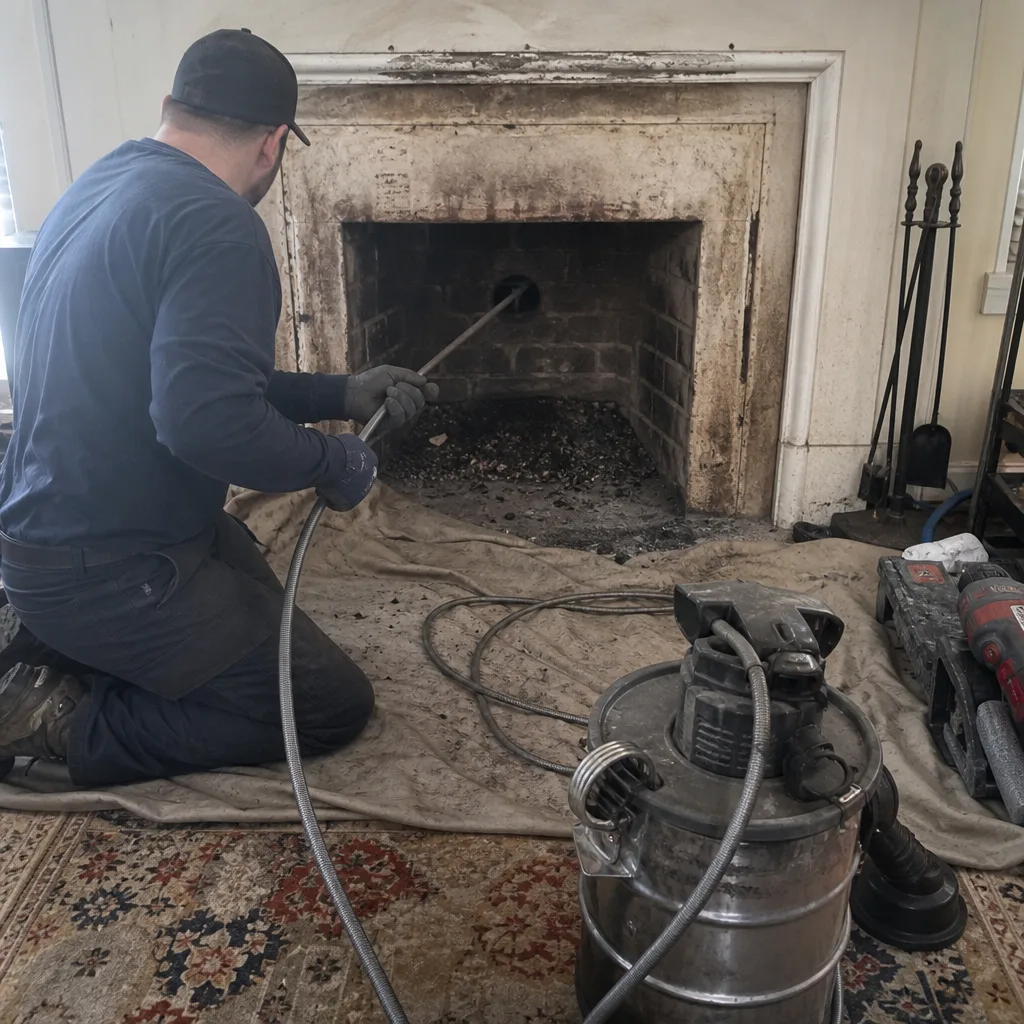 Before
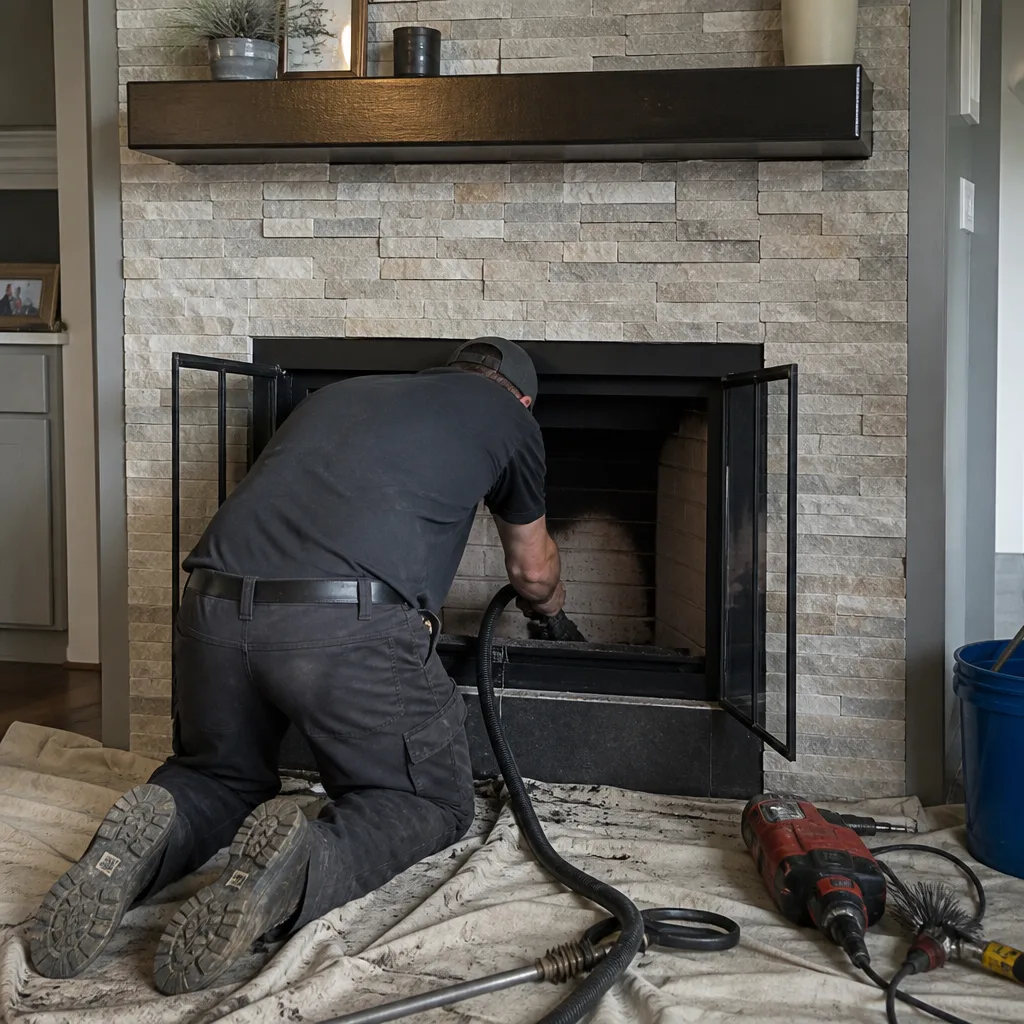 After
After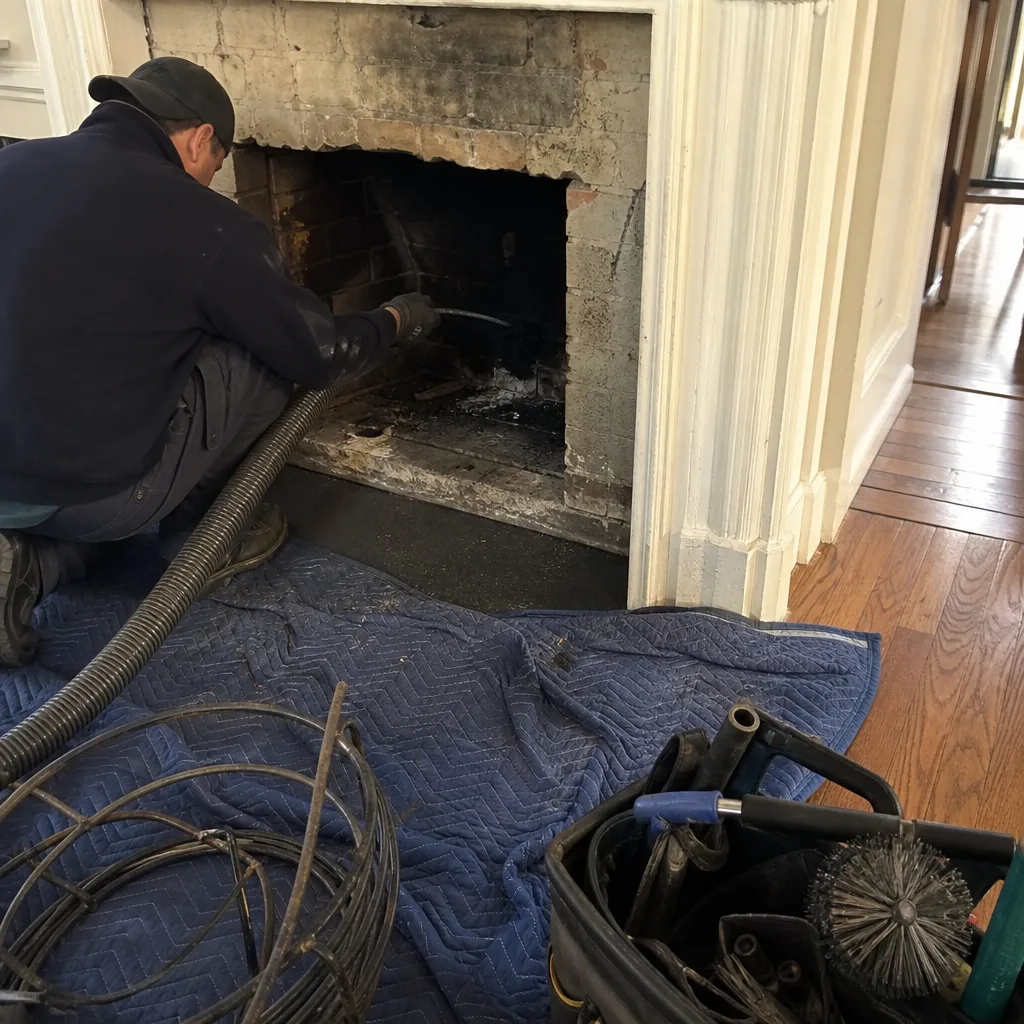 Before
 After
After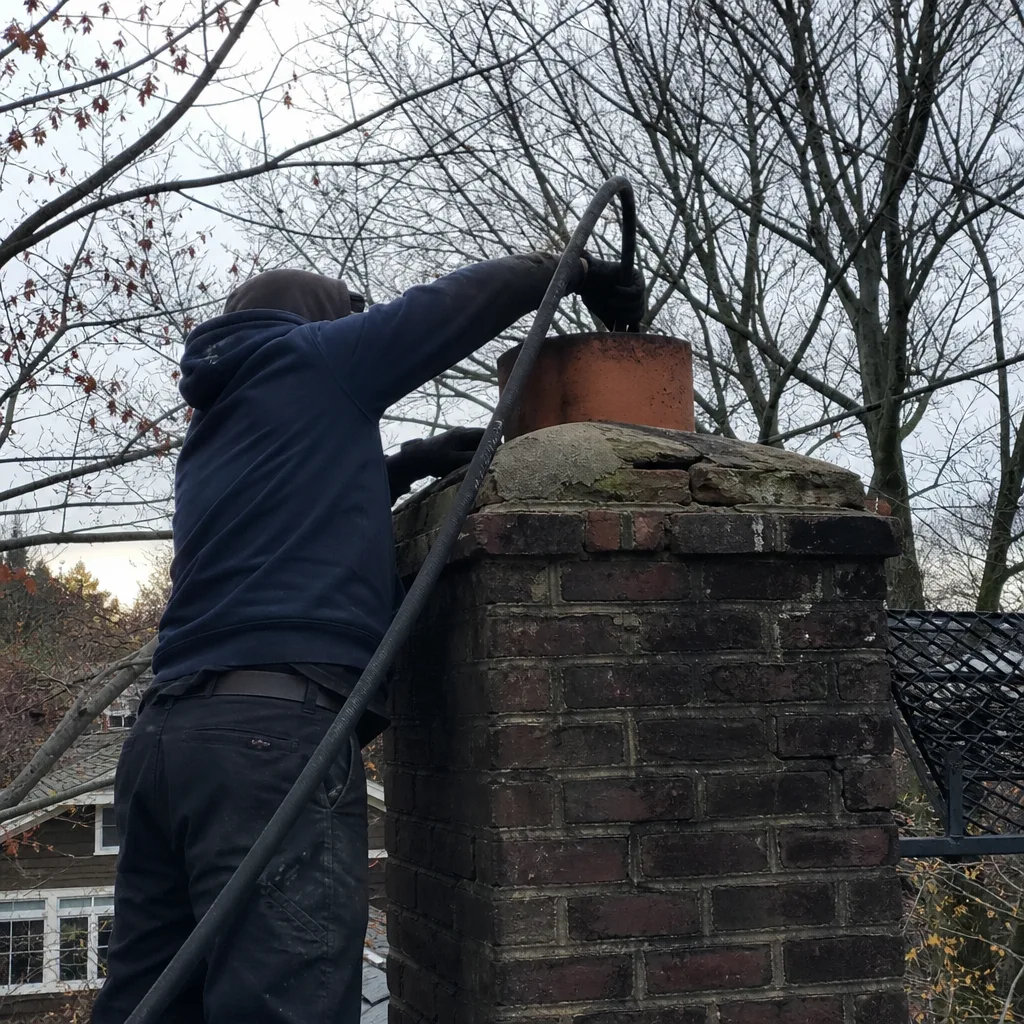 Before
 After
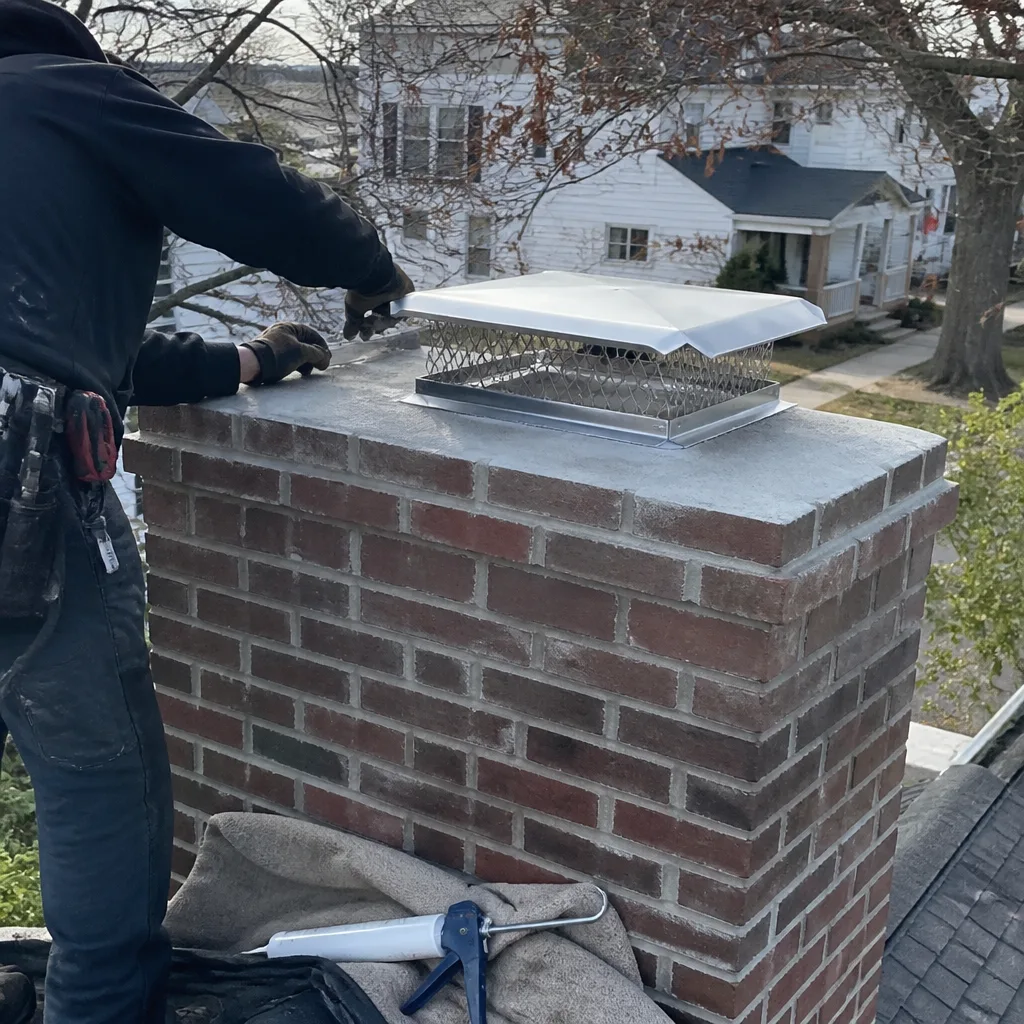
AfterHeatShield Chimney Cap Installation: The Washington Owner’s Guide
We stock and install HeatShield-compatible chimney caps in Washington, DC, with most replacements running between $425 and $850 installed, depending on flue size, roof access, and whether the old cap has seized to the crown. If your cap is visibly rusted through, missing its spark screen, or letting rain past the flue, we can usually swap it out the same visit. Most Washington homeowners discover the failure the hard way: a water stain spreading across the ceiling near the chimney, or hearing rain hit the damper during a storm that came through Northwest or Navy Yard. The cap is the first line of defense, and when it goes, the flue starts holding moisture it was never designed to hold.
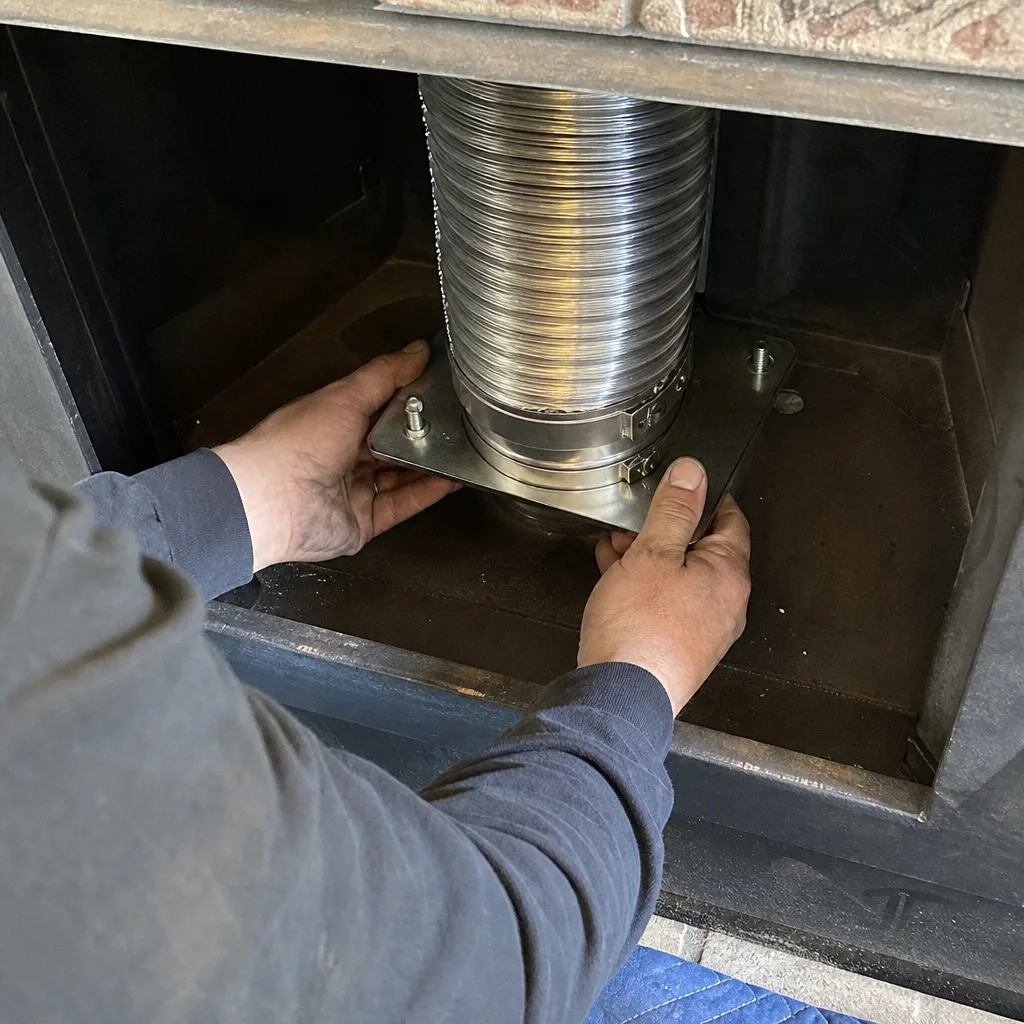
HeatShield makes a narrower line of caps than some of the bigger names, and the failure pattern we see across the District is consistent: the screen corrodes first, then the cap body at the bolt points. By the time a homeowner calls us, the cap is usually doing nothing but holding a rust ring in place. Replacing it with the right size cap, seated and sealed to the crown, is the fix that stops the water before it gets into the HeatShield liner you already invested in.
Key Takeaways:
- HeatShield cap replacement in DC typically runs $425-$850 installed, written price before we start.
- We carry HeatShield-compatible caps and equivalent DuraFlex and Gelco stainless caps on the truck.
- Camera scan included on every visit, per Clause 4 of the Haven Standard, running since 2009.
- The camera doesn’t lie, and neither does the written price.
Which HeatShield Models This Applies To
HeatShield caps are sized by flue inside diameter and by cap design, not by a model number stamped on the unit. If you have a HeatShield liner and cap installed in a Washington home, the cap is most often a standard stainless steel single-flue model sized to a 6-inch, 7-inch, or 8-inch flue, or a multi-flue cap if you have an older masonry chimney with two or three separate flue tiles. The best way to identify what you have is to measure the outside dimensions of the flue tile the cap sits on, not the cap itself. A cap that’s wrong by a half inch is a cap that leaks.
One compatibility gotcha we run into constantly in DC: older HeatShield setups often used a cap with a built-in mesh screen and a bolt-on base, and people swap in a generic replacement that fits the flue tile but doesn’t seal at the crown correctly. You end up with a cap that looks fine from the street but leaks around the base. When we install, we match the cap to the flue size, then bed it in a weatherproof sealant rated for chimney crown use. We also tell owners to look at the cap from the neighbor’s yard before they trust it: if it’s rocking in the wind or the screen has sagged, the part is done regardless of what any label says.
We install HeatShield-compatible caps and also carry equivalent stainless caps from DuraFlex and Gelco, procured through Haven’s buying network specifically to keep the customer price honest. We’re an independent service provider, not affiliated with HeatShield, and we’ll tell you plainly if a HeatShield cap or a comparable stainless cap is the better call for your chimney.
Signs Your HeatShield Chimney Cap Installation Is Failing
- Rain making it past the damper or pooling at the firebox floor. A cap with a rotted screen or a rusted-out body is not keeping water out of the flue. In Washington’s wet springs, this shows up as a damp soot smell in the living room before it shows up as a stain.
- Visible rust streaks running down the cap body or the crown. Stainless caps fail at the welds and bolt points first, especially in DC’s freeze-thaw cycles. Those rust stains mean the cap is becoming structural Swiss cheese.
- A sagging or balled-up mesh screen. Once the screen loses tension, birds and squirrels will pull it apart to get in. We have pulled nests out of caps on 16th Street Heights and Brookland that started as a softball-sized gap in a screen.
- A cap that moves when pushed or rattles in the wind. The cap should be rock solid on the flue tile. Movement means the seal at the crown has failed, and water is getting under the cap base.
- Debris in the firebox that did not come from your wood. If you find leaves, twigs, or nest material at the bottom of the firebox, the cap is no longer doing its job as a barrier. A functioning cap keeps all of that out of the flue, period.
BeforeAfterReplacement Cost & What’s Included
For most Washington homeowners, a HeatShield-style stainless steel cap installed runs between $425 and $850. The range is driven by three things: flue size (an 8-inch flue cap costs more than a 6-inch), roof pitch and access (a steep Capitol Hill rowhouse roof takes longer and costs more than a simple bungalow ceiling), and whether the existing crown needs any patching before the new cap seats properly. If the crown is spalling, meaning the top layer of masonry is flaking off, the replacement needs crown repair before the cap goes on, and we’ll put that on the written scope as a separate line item.
Every quote is written, itemized, and in your hands before we start work. The price includes the cap, the sealant, the removal of the old rusted unit, and disposal. We also take camera footage of the crown and interior flue before and after the install, so you can see exactly what got fixed, which is Clause 4 of the Haven Standard. The warranty on the work is covered under our 365-Day Done Right Promise: if it isn’t done right, we make it right.
| Job Component | Typical Washington Price Range |
|---|---|
| Stainless steel cap, 6-inch flue | $425-$550 installed |
| Stainless steel cap, 7-inch flue | $495-$625 installed |
| Stainless steel cap, 8-inch flue | $575-$725 installed |
| Multi-flue cap (custom-sized) | $650-$850 installed |
| Crown patching before cap install | Add $150-$350 depending on extent |
You’ll never get a “call for a quote” runaround from us. You’ll get a written price with the cap style, the flue measurement, and the installation details before you decide anything.
DIY or Call Us?
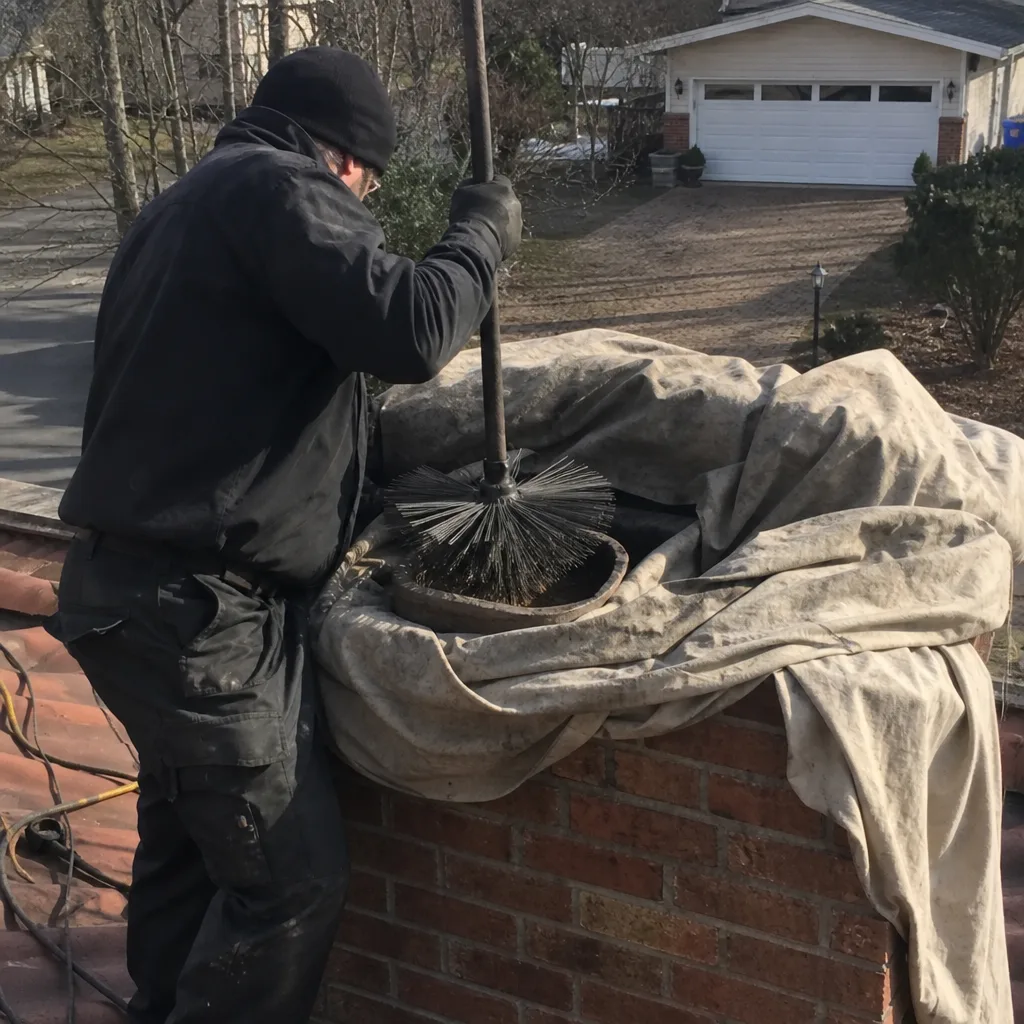
What you can safely do yourself: look for rust, check the screen for sagging, and go outside during the next rain to see if water is running down the cap. If it is, you have a problem, and no amount of sealing from inside will fix it. What goes wrong with DIY on this job is usually a combination of ladder work on a Washington roof and a cap that’s seized to the crown. By the time someone has chiseled off the old cap without cracking the flue tile, the ‘savings’ have turned into a crown repair.
Roof access on DC rowhouses is unforgiving: steep pitches, slate, party walls, and not much flat space to work. If you’re comfortable on a ladder and the cap is a simple bolt-on, a homeowner can sometimes do a basic swap. But we’ve been called out to too many homes where a new cap was installed with the wrong-sized screen or seated without proper sealing, and the water damage came back in a year. If you’d rather have the camera and the written record to go with it, call us at (240) 621-1264 and we’ll get it done.
FAQs
In DC’s weather, expect 8 to 12 years from a stainless steel cap before the screen starts to go, with coastal or heavy tree-cover homes sometimes seeing failures in as little as 5 years. The cap body can last longer, but the screen is the weak point. If you’re at year 10 and seeing rust, plan on replacing it before the next spring rain season. Call (240) 621-1264 for an exact assessment.
Generally no. Once stainless steel has rusted through at the screen or the bolt points, the corrosion is structural, and patching it just moves the leak to a new spot. A cap with a small rust spot but an intact screen can sometimes be salvaged for a season, but the honest answer is that a rusted cap is a cap on its way out. We’d rather tell you that than sell you a patch job.
For a straightforward single-flue replacement, the work takes 45 to 90 minutes from ladder-up to cleanup. If the crown needs patching or we have to cut away a seized old cap, expect up to two hours. We’ll tell you the time window when we give you the written quote.
Yes, our trucks carry common stainless steel cap sizes for 6-, 7-, and 8-inch flues, along with multi-flue and custom-fit options. We also carry DuraFlex and Gelco equivalents, so if a HeatShield-specific cap isn’t the right fit, we’ll give you a comparable stainless option at a comparable price. Ask the tech to show you both before we start.
Call (240) 621-1264 for a free estimate on HeatShield chimney cap installation in Washington, DC. We’ll give you a written price, a named tech, and a camera-scan record of the work when it’s done.
Written by Corrine Halstead, Owner, Level Two Chimney Washington at Level Two Chimney Washington, serving Washington and nearby areas.