
Level 1 sweep and inspection to the NFPA 211 annual standard - flue, crown, cap, and flashing checked and photographed
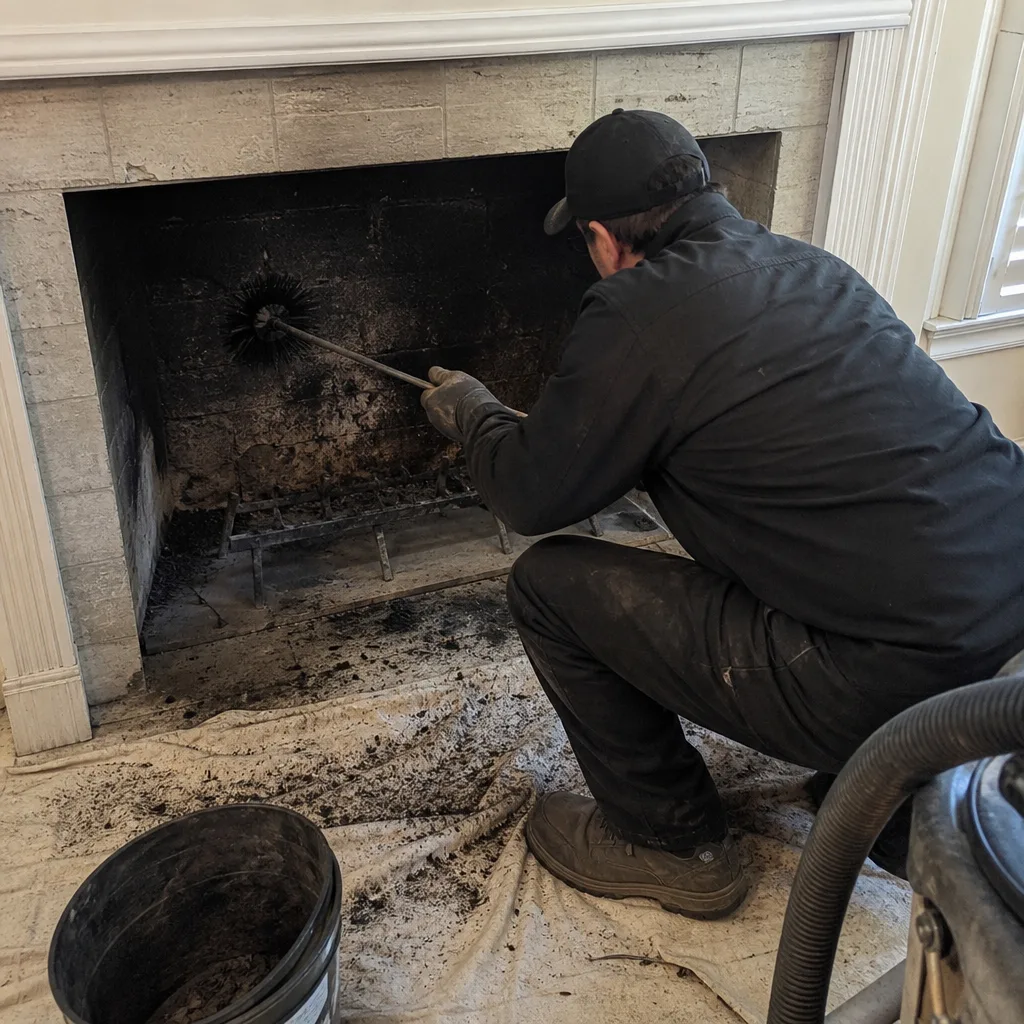
Chimney sweep logs do not sweep chimneys. They loosen some creosote - which then falls where a brush and vacuum still have to collect it.
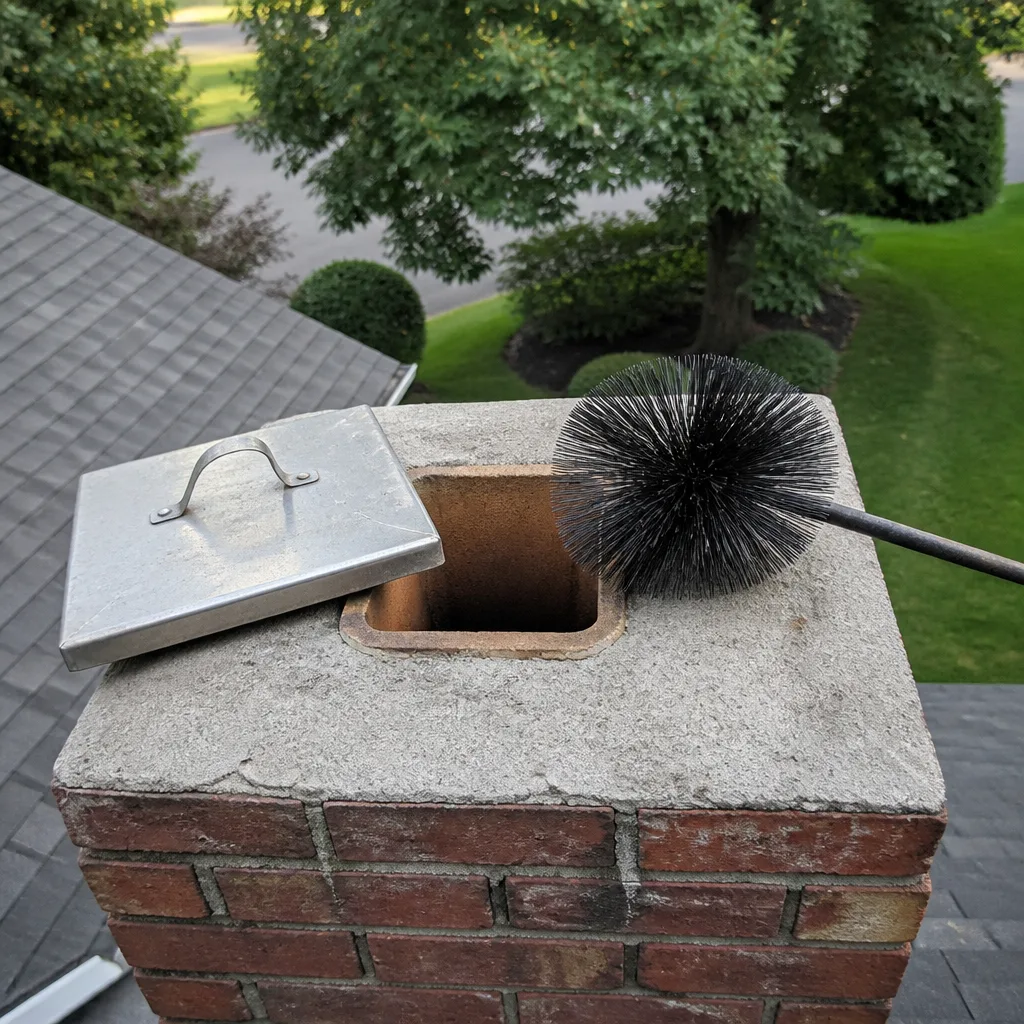
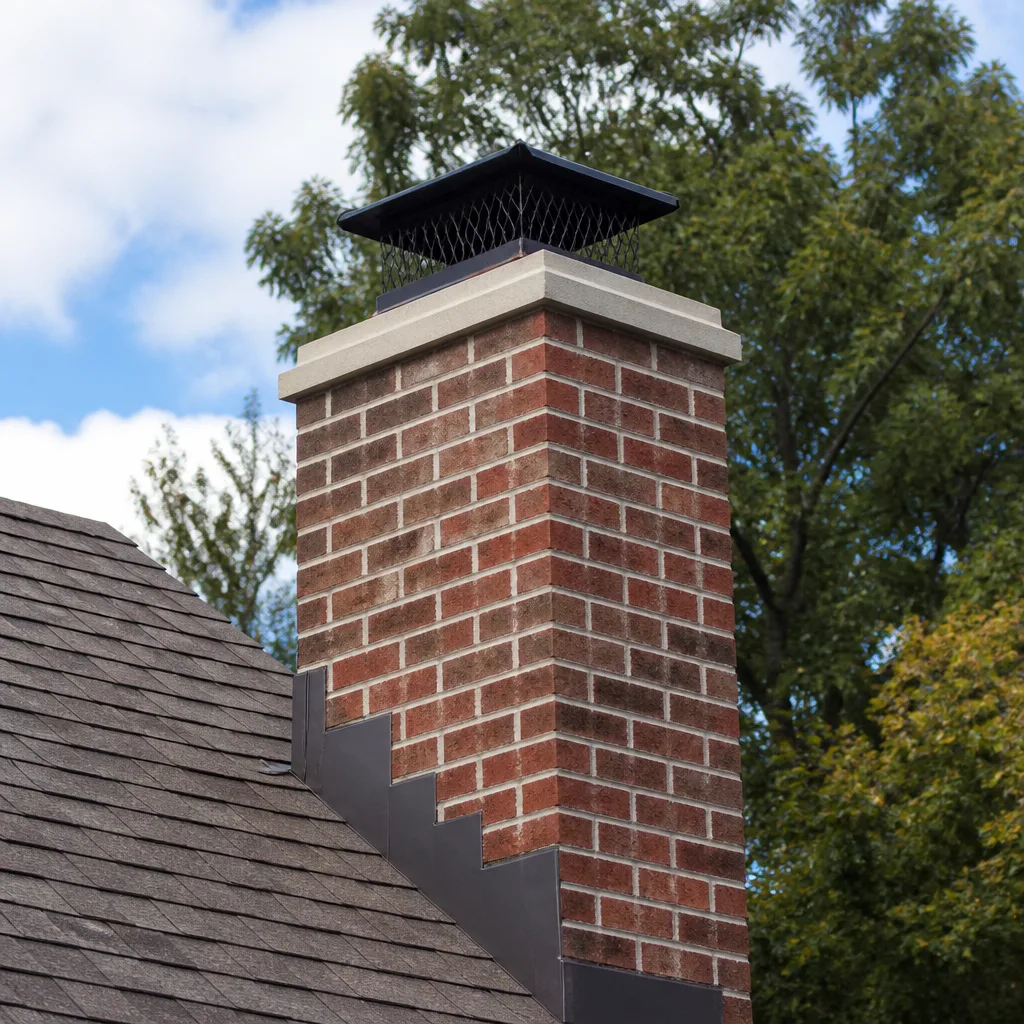
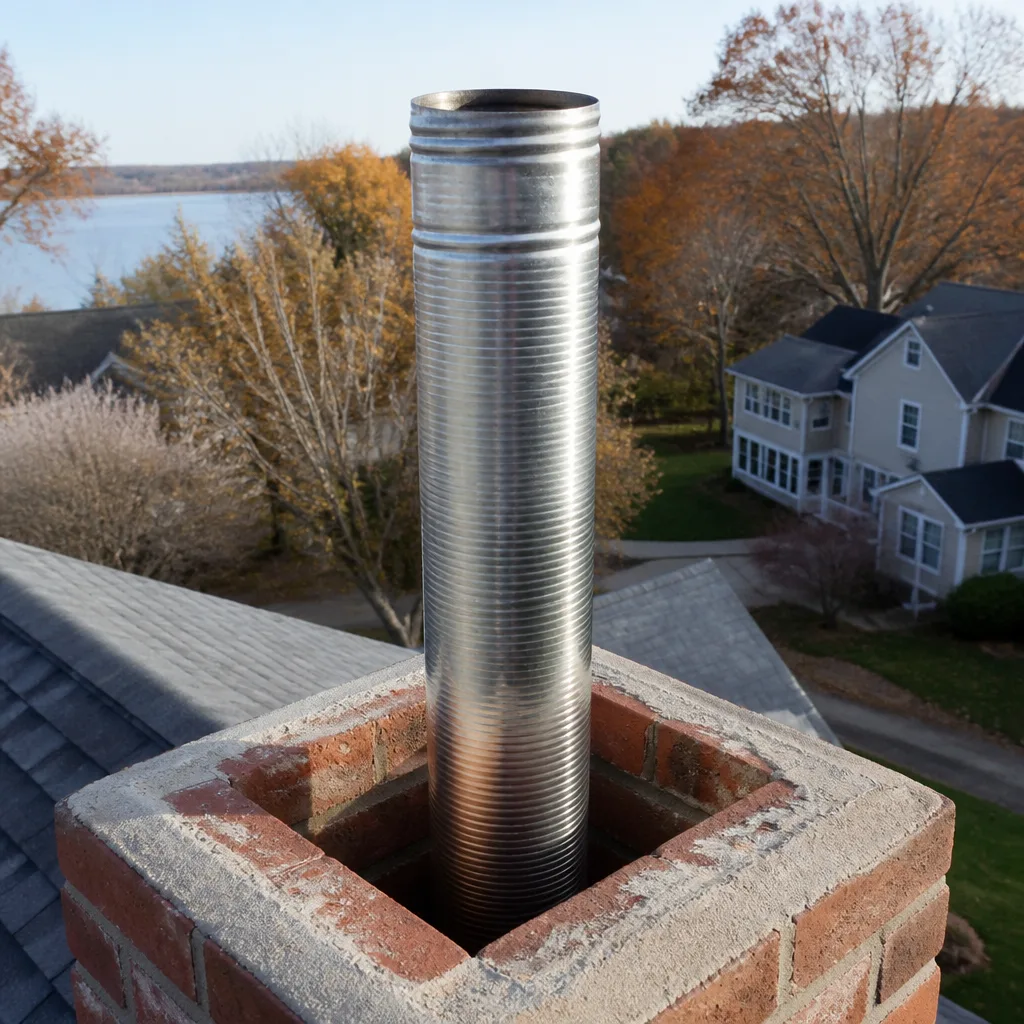
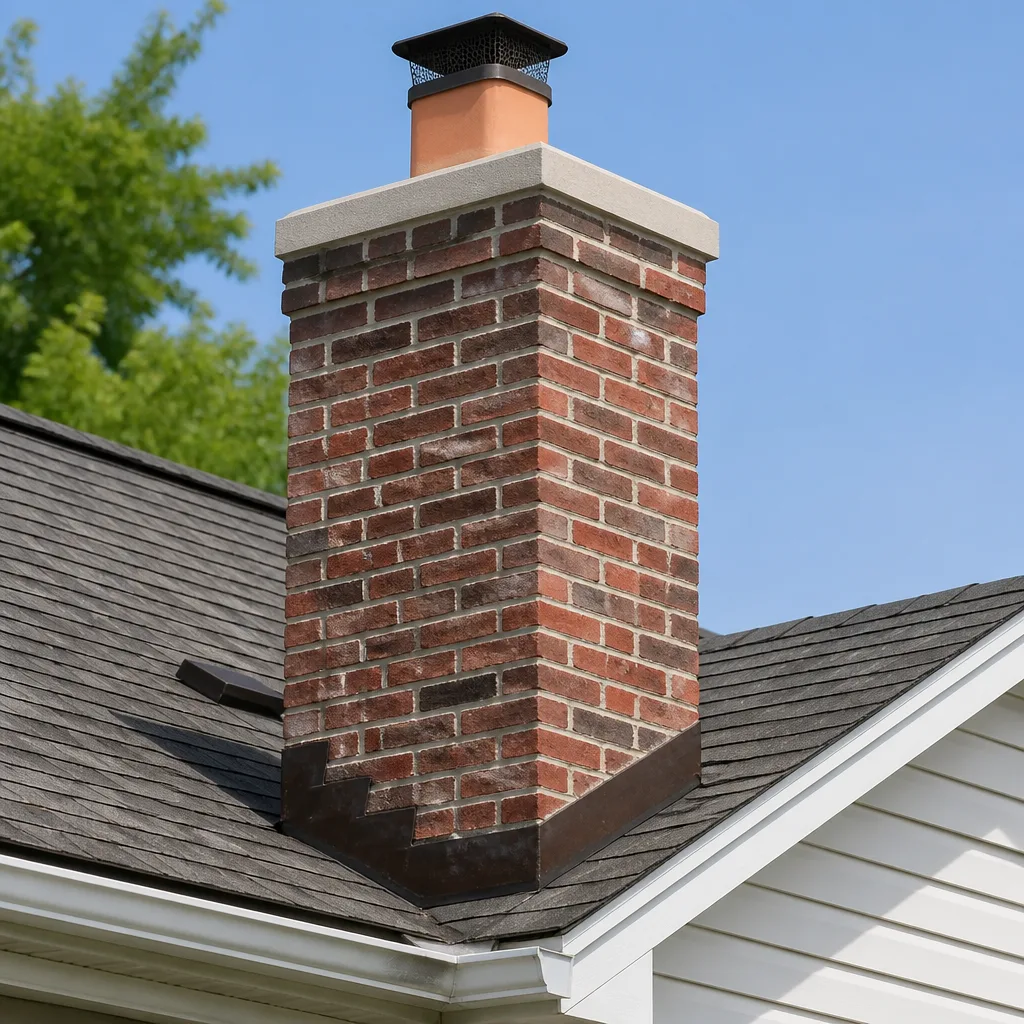
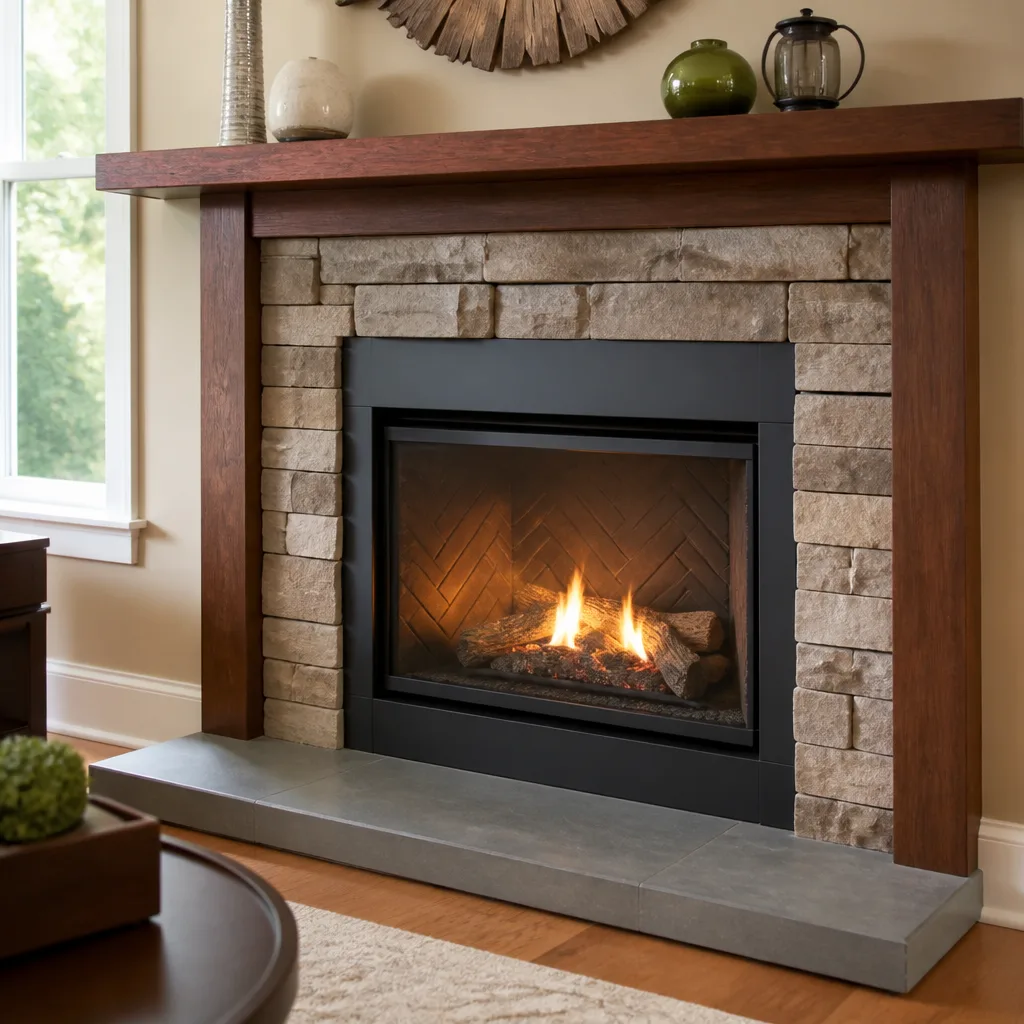
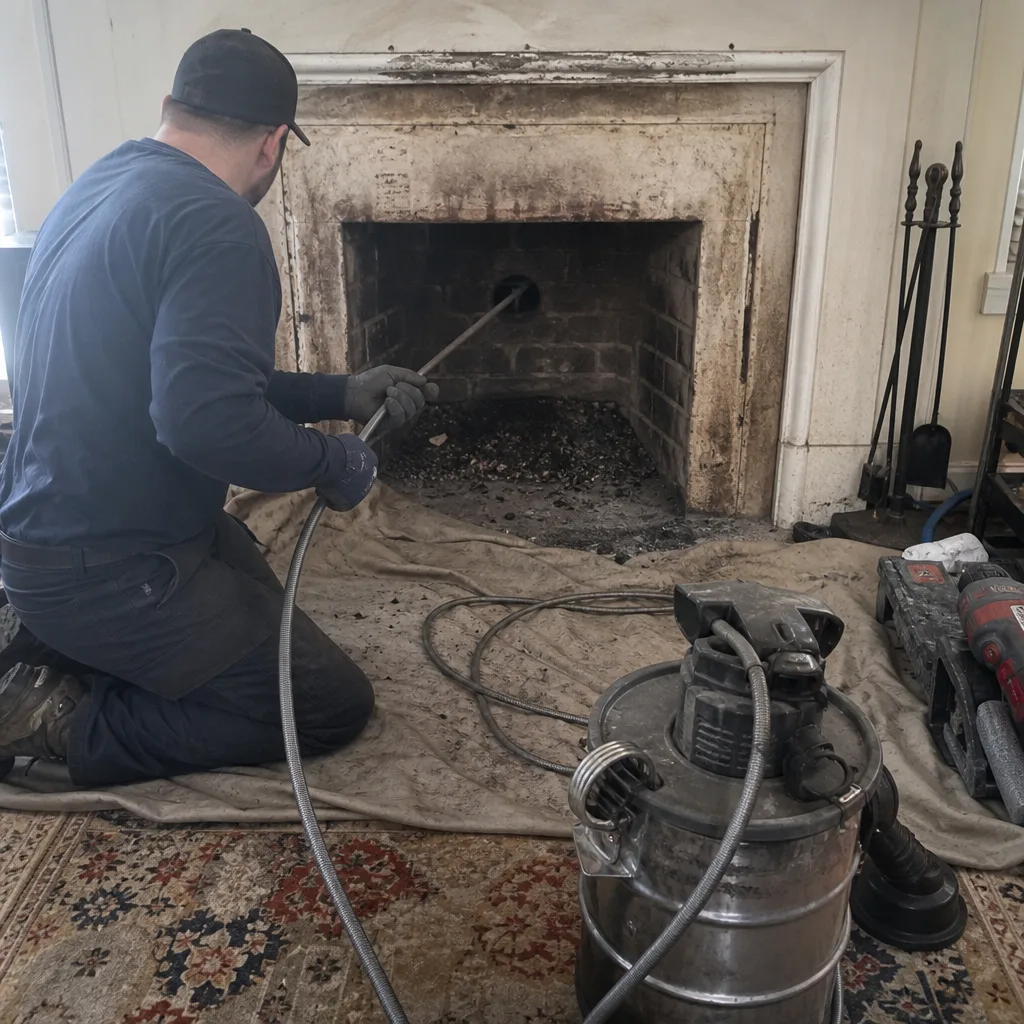 Before
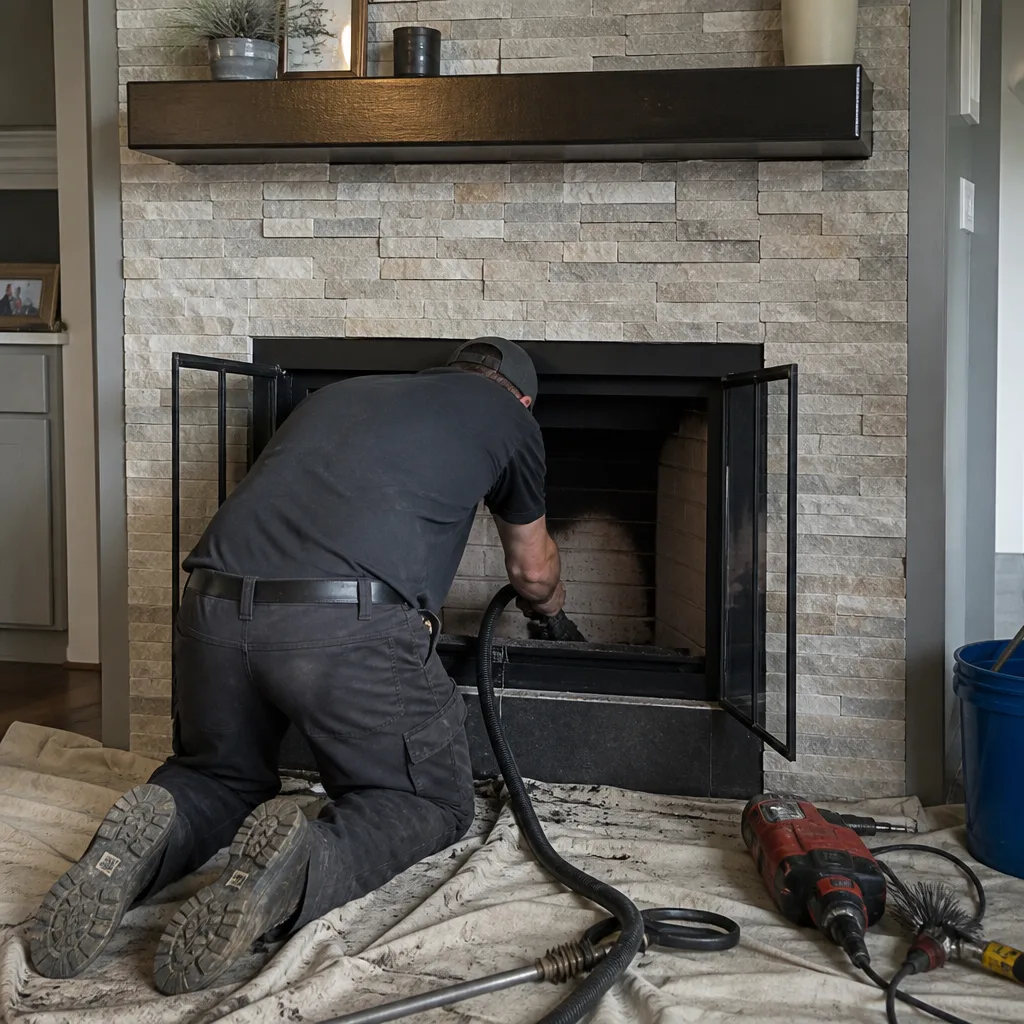 After
After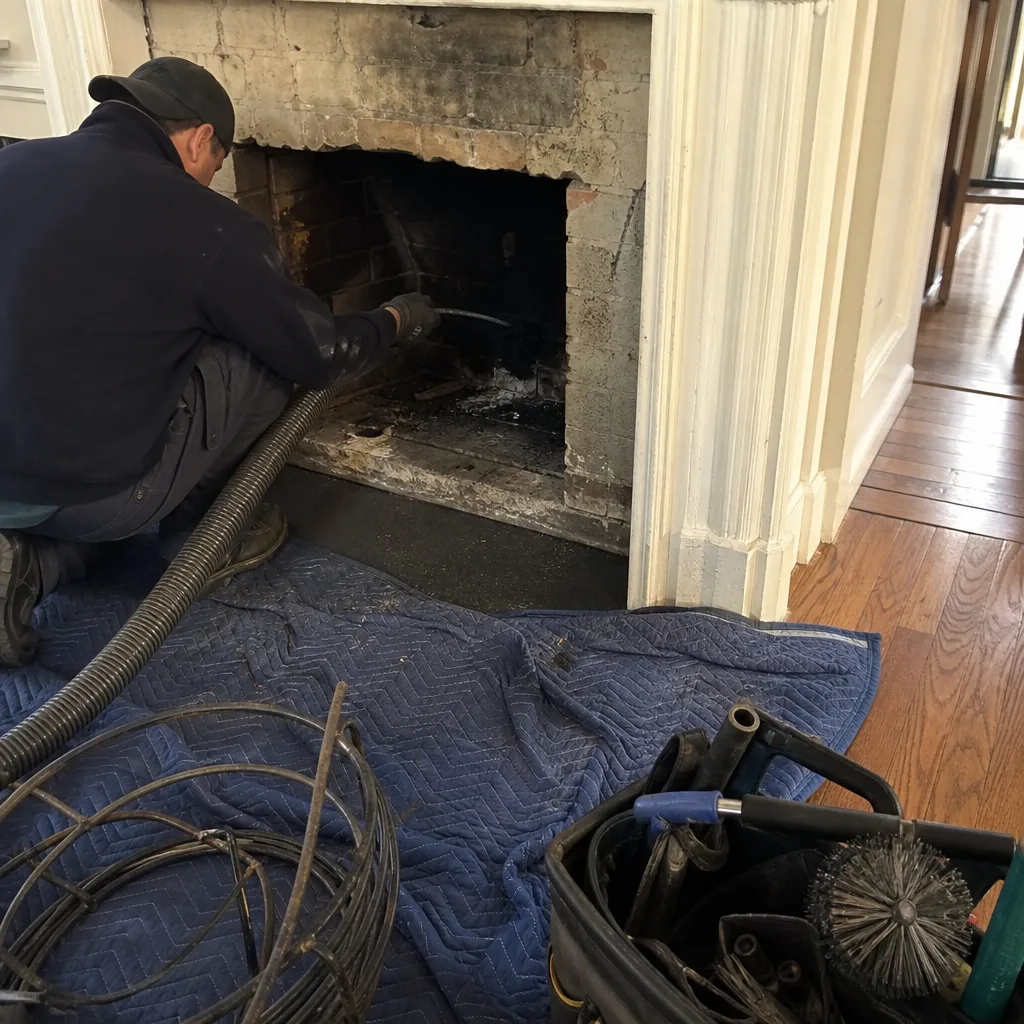 Before
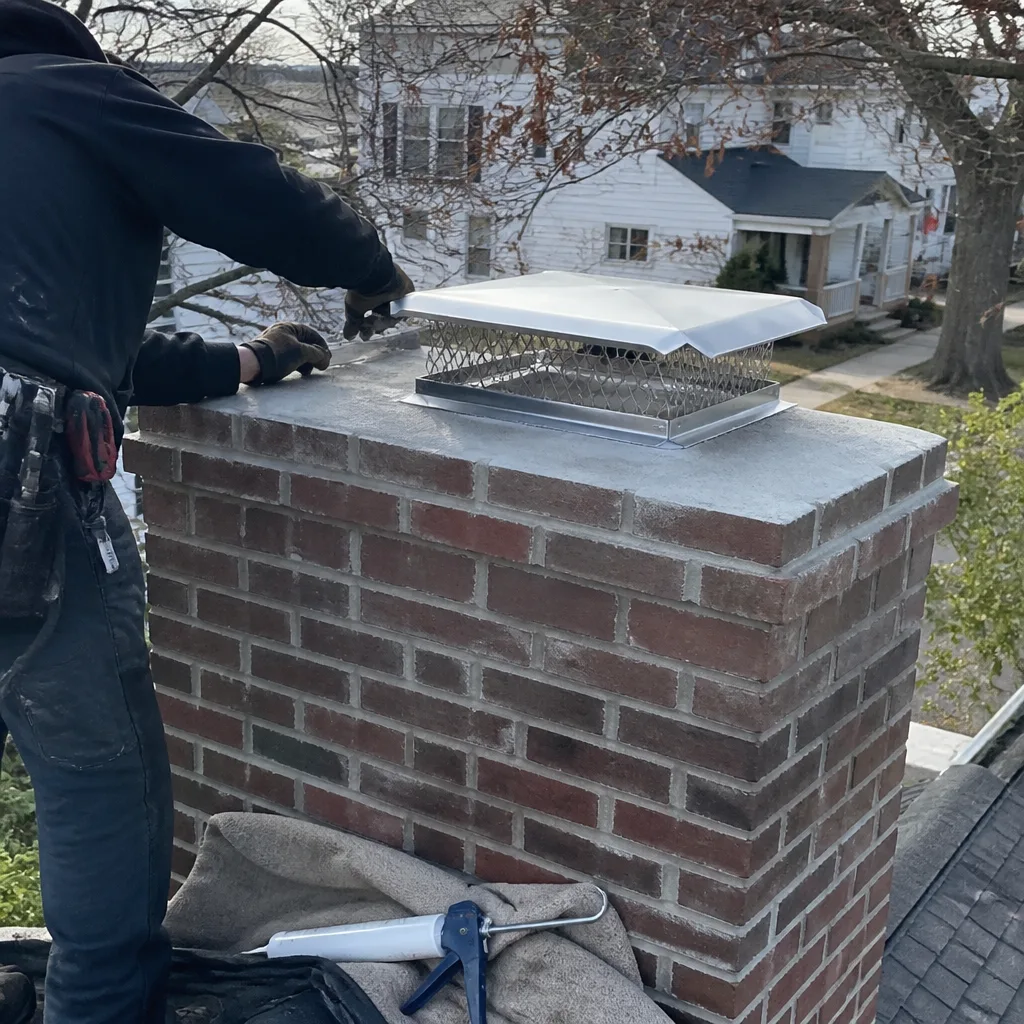 After
After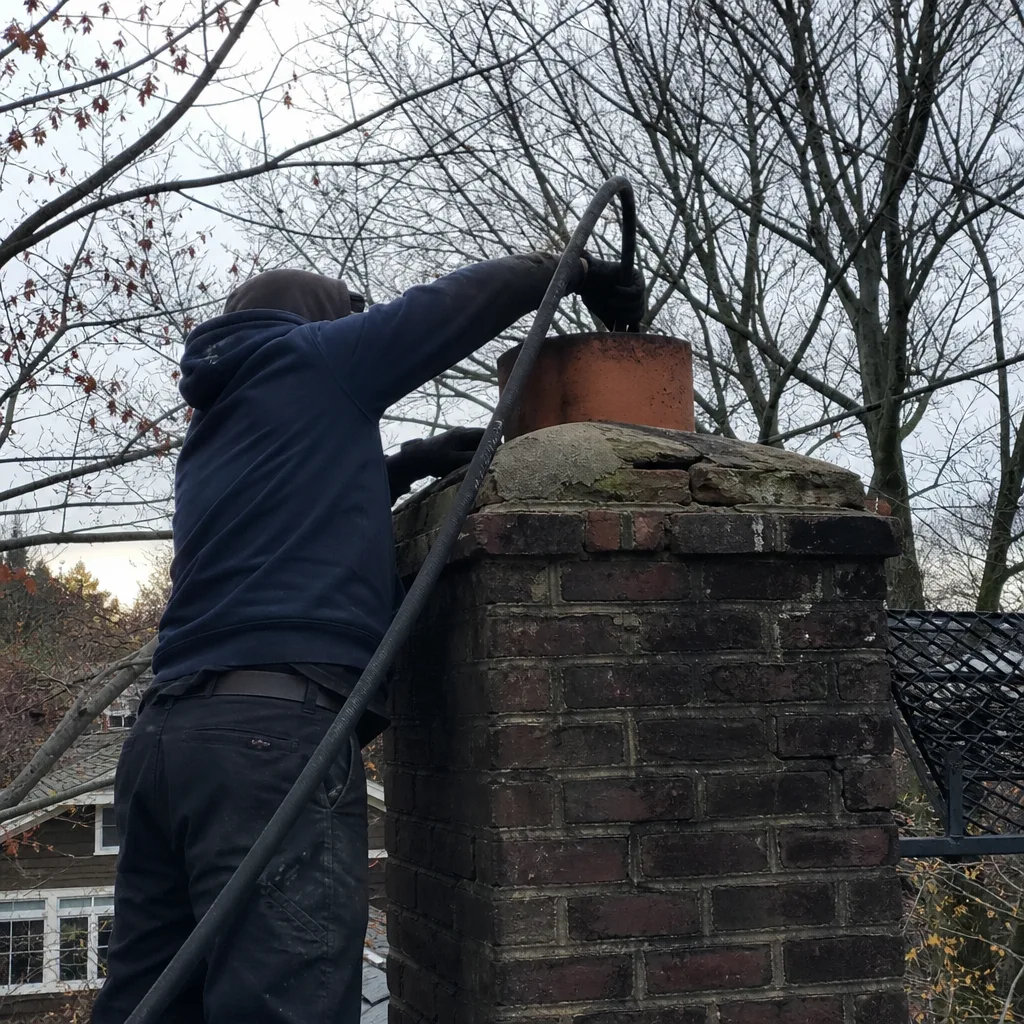 Before
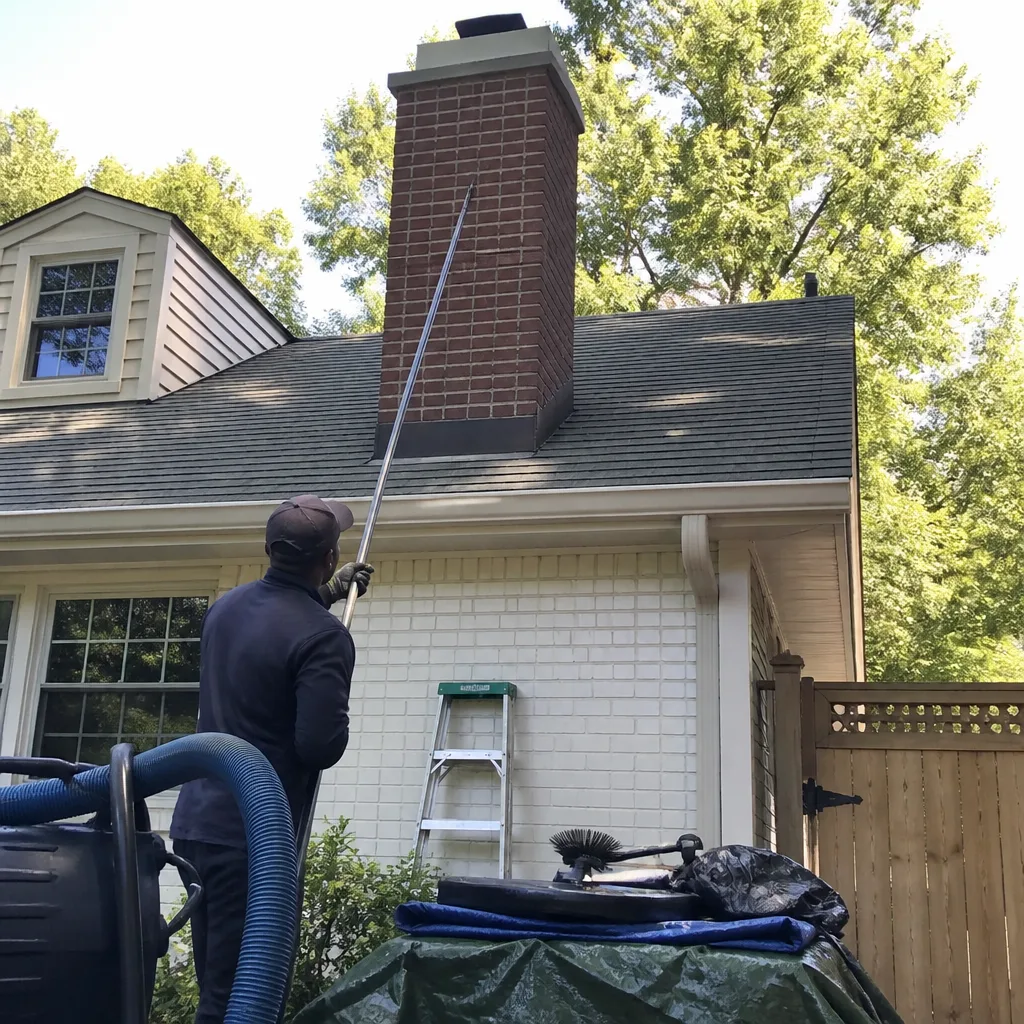 After
AfterFamco Chimney Cap Installation: The Washington Owner’s Guide
A Famco chimney cap installation in Washington, DC typically runs $380 to $690 installed for most single-flue residential setups, depending on cap size, mounting surface condition, and whether the flue tile needs minor repair before the cap seats properly. We stock Famco-compatible stainless steel and galvanized caps on our trucks, so most installations happen the same day we’re on the roof. Most Washington homeowners discover they need this work the way Corrine Halstead describes it: a cap that was “fine last fall” is now leaning after a storm, rusted through at the seams, or simply absent after a wind event over the winter. The flue has been open to rain, birds, and the occasional squirrel, and the cap that was supposed to protect the liner is doing the opposite.
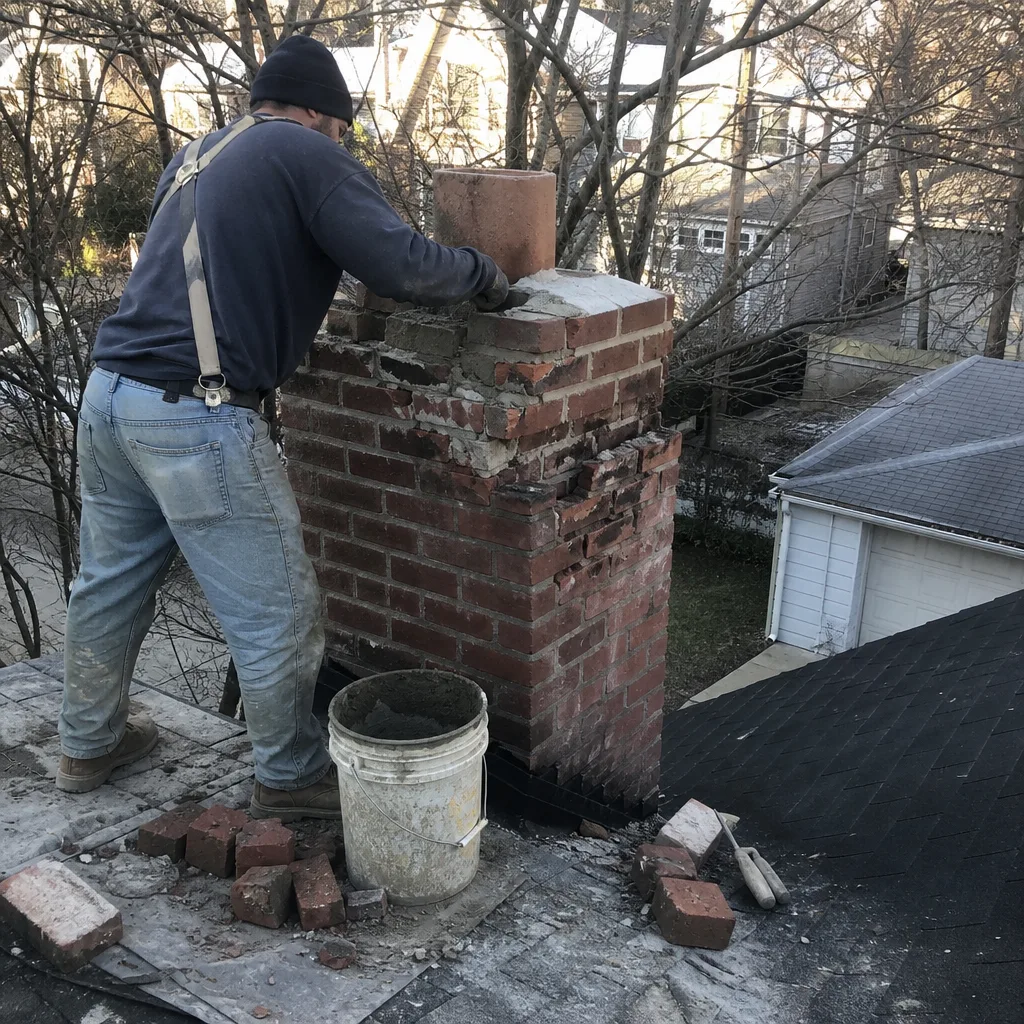
What makes a Famco cap worth installing correctly, rather than just dropping on and tightening, is how the mounting base interacts with the flue tile. If the crown or the top course of tile is spalling, which happens faster in DC’s freeze-thaw cycles than most owners expect, a new cap can’t seat flush. We see this constantly in older rowhomes across Capitol Hill and Chevy Chase, where flue tiles from the 1940s and 1950s have brick chips accumulating around the base. The camera doesn’t mislead, and neither does the written price. That’s why our quote includes the base-prep work before anyone touches the cap itself.
Key Takeaways:
- Famco cap installation in Washington, DC: typically $380-$690 installed, single-flue residential.
- Most common discovery point: a storm-damaged or rusted cap found during a sweep or Level 2 camera inspection.
- We stock Famco-compatible caps on the truck, so most installs happen the same visit.
- Free Second Opinion on any written estimate you bring us, per Haven Standard practice.
Which Famco Models This Applies To
This page covers the full range of Famco chimney caps we install across Washington: single-flue caps in standard square and rectangular tile sizes (roughly 8×8, 8×13, and 13×13 inches), multi-flue caps for closely spaced tiles, and the Famco draft-increasing caps that use an internal baffle design to improve upward draw. If you have a Famco cap already mounted, the model number is usually stamped on the underside of the mesh or on the lid, and the flue tile dimensions are what determine compatibility more than the brand name on the hood. A cap that fits an 8×8 tile is not interchangeable with one built for an 8×13 opening, even if both look similar from the ground.
The OEM decision matters less here than it does with liner components. Famco’s stainless steel caps are solid mid-tier products, and we install them when the existing cap is a Famco unit and the homeowner wants a direct replacement. But we also carry Copperfield and Olympia Chimney caps, because there are times when a flue has an unusual offset or an oversized tile where a Copperfield cap with an adjustable base simply fits better. DuraFlex and HeatShield are the liner brands we stock; Famco and Copperfield handle the caps. We’re an independent service provider and not affiliated with Famco, but we’ve installed their products in Washington long enough to know which models hold up and which ones tend to rust through at the mesh seams first.
Signs Your Famco Chimney Cap Installation Is Failing
- The cap is leaning or visibly off-center. This usually means the mounting screws have loosened or the flue tile below has started spalling and the base no longer has solid material to grip. In DC, water that seeps into the tile and freezes overnight is the culprit more often than wind alone.
- Rust streaks run down the crown or the upper flue. Galvanized caps rust from the outside in, and once you see streaking, the mesh is usually compromised below the surface. Stainless holds up longer but still fails at welds and seams after a decade or more of DC humidity and rain.
- The mesh is dented, torn, or pulled away from the frame. A torn mesh is not just a water issue, it’s a wildlife issue. Squirrels, starlings, and bats find their way in through holes that look too small, and once they’re in, the flue is blocked or the liner is compromised.
- You notice water staining on the fireplace wall or ceiling near the chimney. This is the symptom that frequently leads to a discovery call. The cap isn’t doing its job, water is tracking down the flue, and the damage often shows up in the drywall before you see the cap itself.
- The draft is weaker than it used to be. A degraded baffle on a Famco draft-increasing cap can actually reduce airflow instead of improving it. If your fireplace has been harder to light or smokes back into the room when the weather is mild, the cap may be the problem, not the firewood.
BeforeAfterReplacement Cost & What’s Included
Single-flue Famco cap installation in Washington runs $380 to $690 installed, with the range driven by cap size, material (galvanized vs. stainless), roof access, and whether the flue tile or crown needs preparation before the new cap mounts correctly. The cap itself represents roughly $110 to $240 of that total, with the balance covering the site inspection, base prep, mounting hardware, sealant, and the time on the roof. Multi-flue caps start around $550 and run upward from there depending on span and tile configuration.
What changes the price most often in this area is the condition of the surface the cap seats on. Older Washington rowhomes frequently have spalling flue tile, which is when the clay tile breaks down and flakes away, and a cap mounted on failing tile will not hold. If we need to chip out a loose top course and parge the surface with a cementitious bond coat before setting the cap, that adds $75 to $150 to the total. You see every finding before you’re asked to decide anything because the camera record is part of the job, not an upsell. The final price includes the cap, installation, sealant, and our written warranty on the workmanship. Nothing gets installed without a written price first, per Clause 1 of the Haven Standard.
DIY or Call Us?
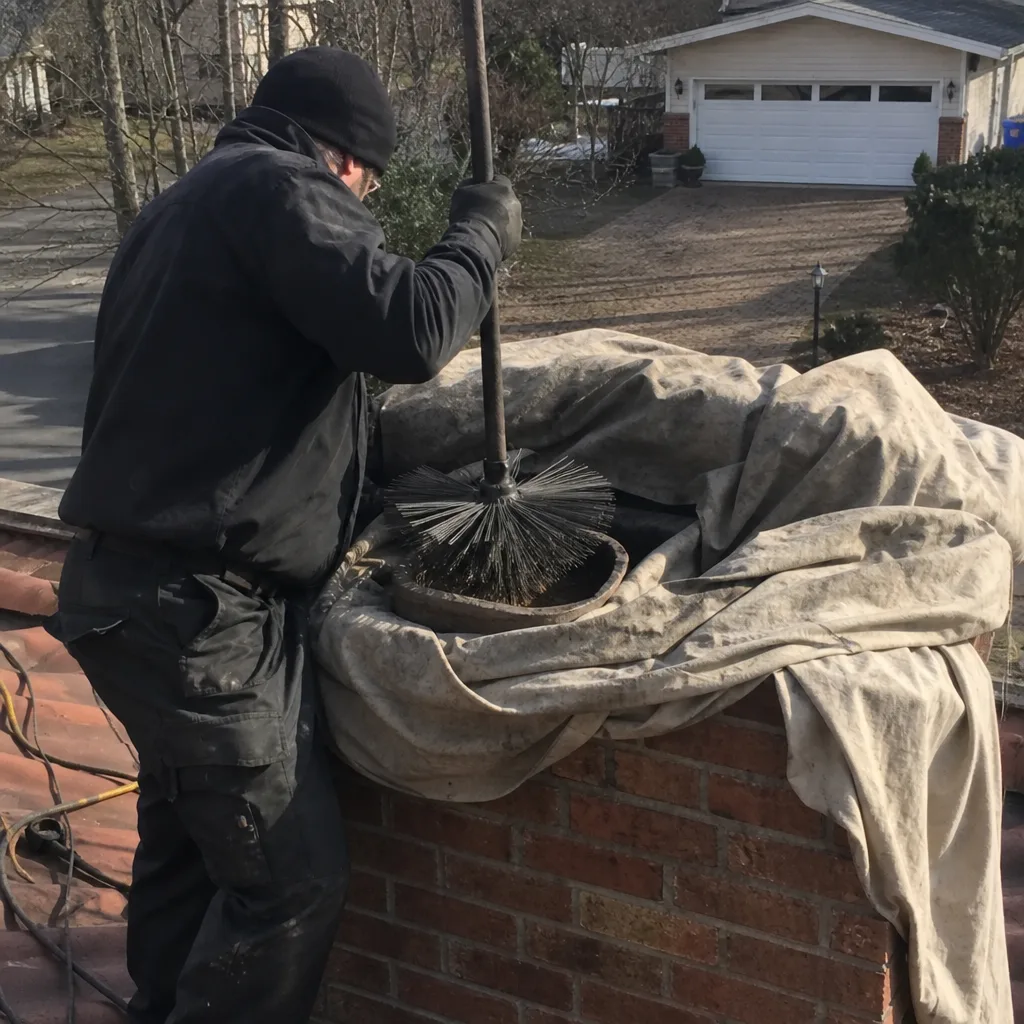
Some parts of chimney maintenance are safe for a careful Washington homeowner to handle themselves. Chimney cap installation is not one of them. You’re on a roof, often steep, sometimes slate, and the flue tile you’re working over may already be compromised. One bad step or a dropped cap can turn a $500 replacement into a roof repair. If you want to inspect from the ground with binoculars to confirm a cap is missing or leaning, that’s sensible. But the actual replacement belongs on our side of the line.
We’ll confirm the tile dimensions, check the condition of the flue and crown, install the cap with the right hardware, and document the whole job with photos. If you already have a written estimate from another Washington chimney company, bring it to us. We’ll give you a Free Second Opinion. Call (240) 621-1264 and we’ll schedule the inspection and quote, in writing, before any work begins.
FAQs
A stainless steel Famco cap lasts 8 to 12 years on average in Washington’s climate, while galvanized caps typically last 5 to 8 years before the mesh and seams start to go. The freeze-thaw cycling in DC is harder on caps than most people expect, especially on older flues where the tile moisture never fully dries out. If your cap is pushing a decade, you’ll likely see rust streaks on the crown as the first warning sign. Call (240) 621-1264 for an exact assessment and a written quote with the photos of what we find.
Rarely in a way that makes sense. A torn mesh can sometimes be patched if the frame and the mounting base are still solid, but most Famco failures we see are in the seams and mounting legs, and patching those is temporary at best. When the cost of a repair approaches half the cost of a replacement, we recommend replacing the cap, and the numbers tell the story honestly. Call us for an assessment; we’ll show you exactly what’s failing and what each option costs in writing.
Most single-flue cap installations take 45 to 90 minutes once we’re on the roof, and if we’ve got the right cap on the truck, we’re done the same visit. The wildcard is base preparation, if the flue tile needs parging or repair before the cap mounts, the job can stretch by 30 minutes to an hour. We’ll tell you before we start what the timeline looks like and what the written price includes.
Yes, we carry Famco-compatible single-flue and multi-flue caps in the most common Washington tile sizes, 8×8, 8×13, and 13×13, along with Copperfield and Olympia alternatives for unusual openings. If the flue is an odd size or the existing cap needs a custom match, we order the part and return to install it, typically within a week or so, weather permitting.
Written by Corrine Halstead, Owner, Level Two Chimney Washington at Level Two Chimney Washington, serving Washington and nearby areas.