
Level 1 sweep and inspection to the NFPA 211 annual standard - flue, crown, cap, and flashing checked and photographed
Chimney sweep logs do not sweep chimneys. They loosen some creosote - which then falls where a brush and vacuum still have to collect it.
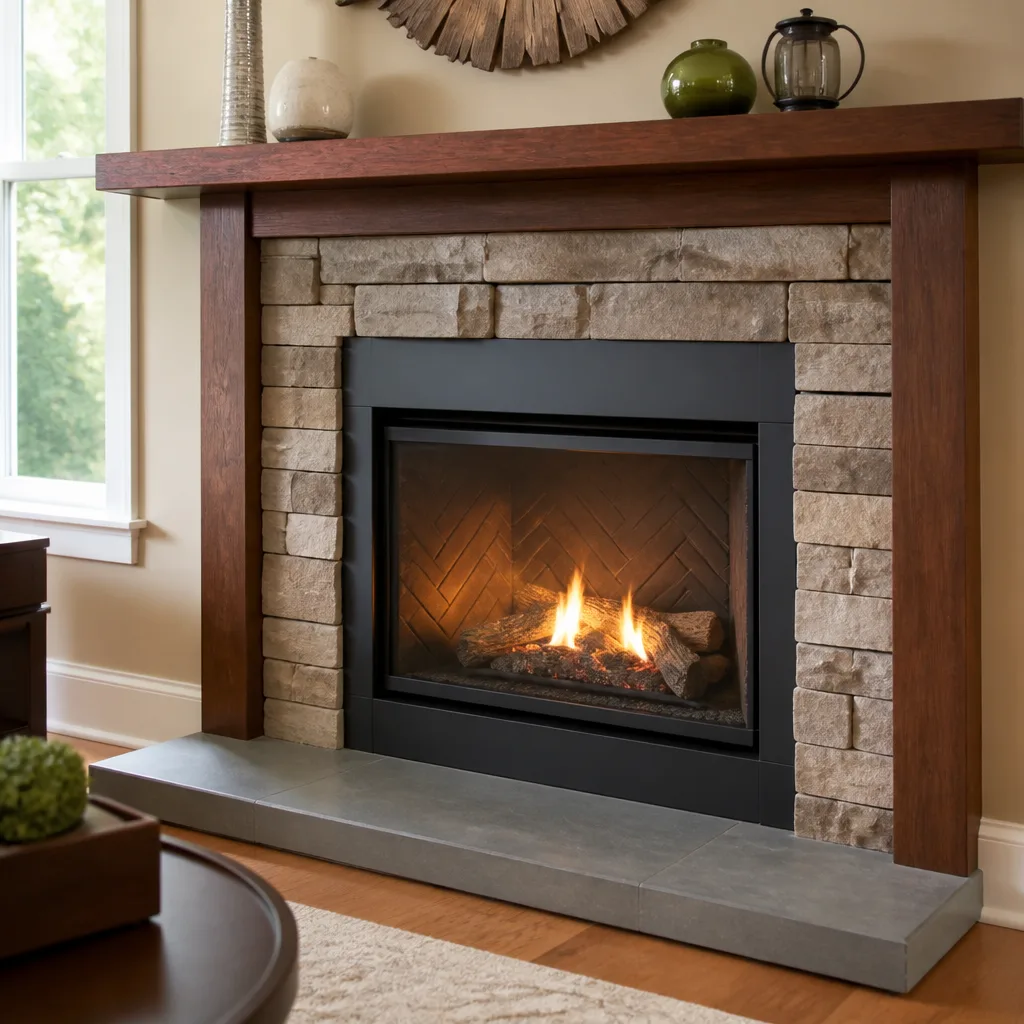
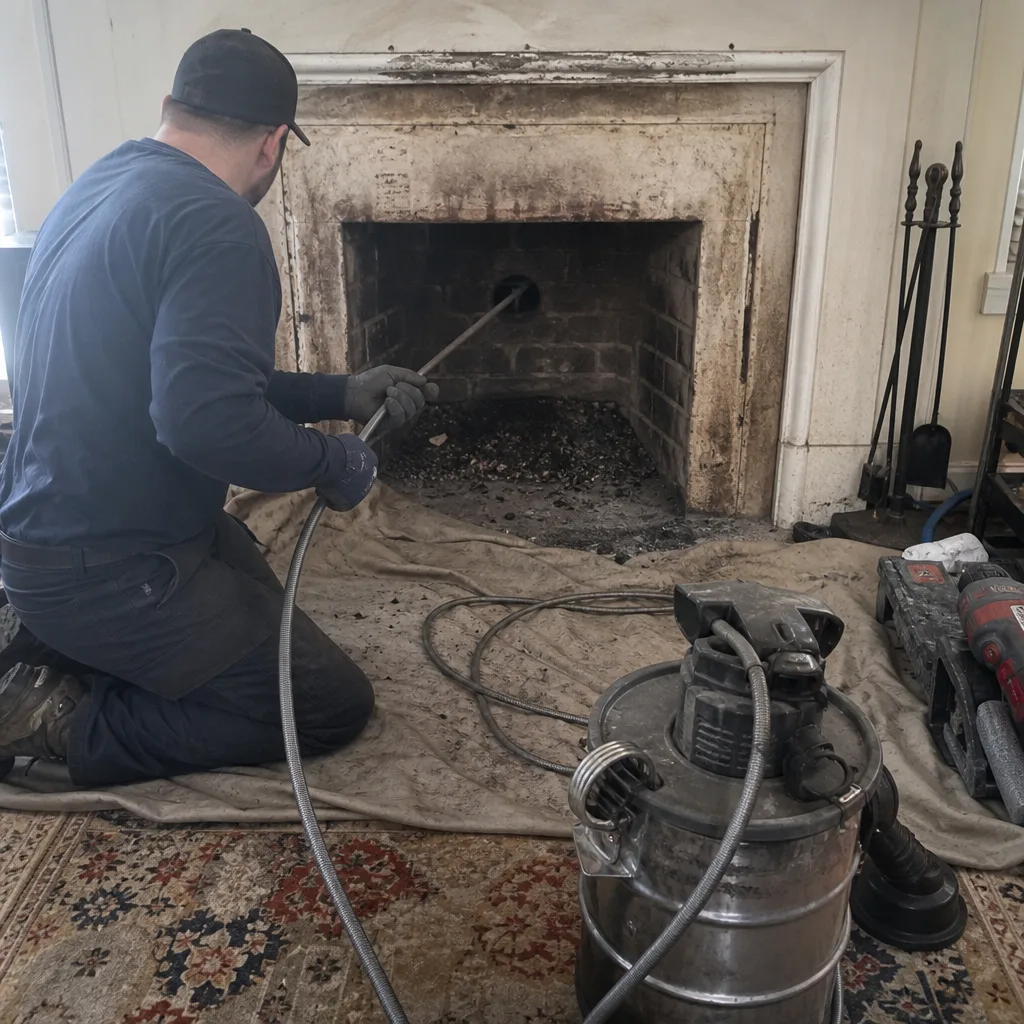 Before
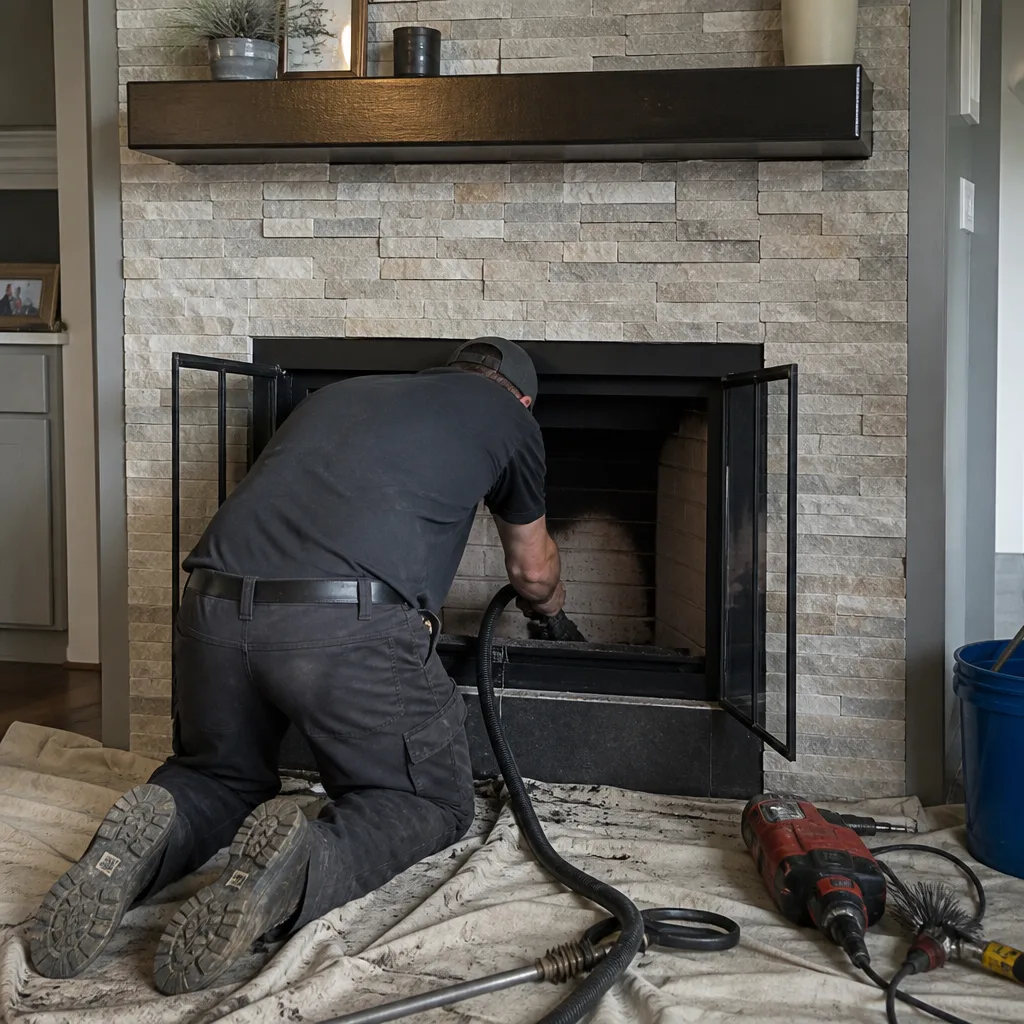 After
After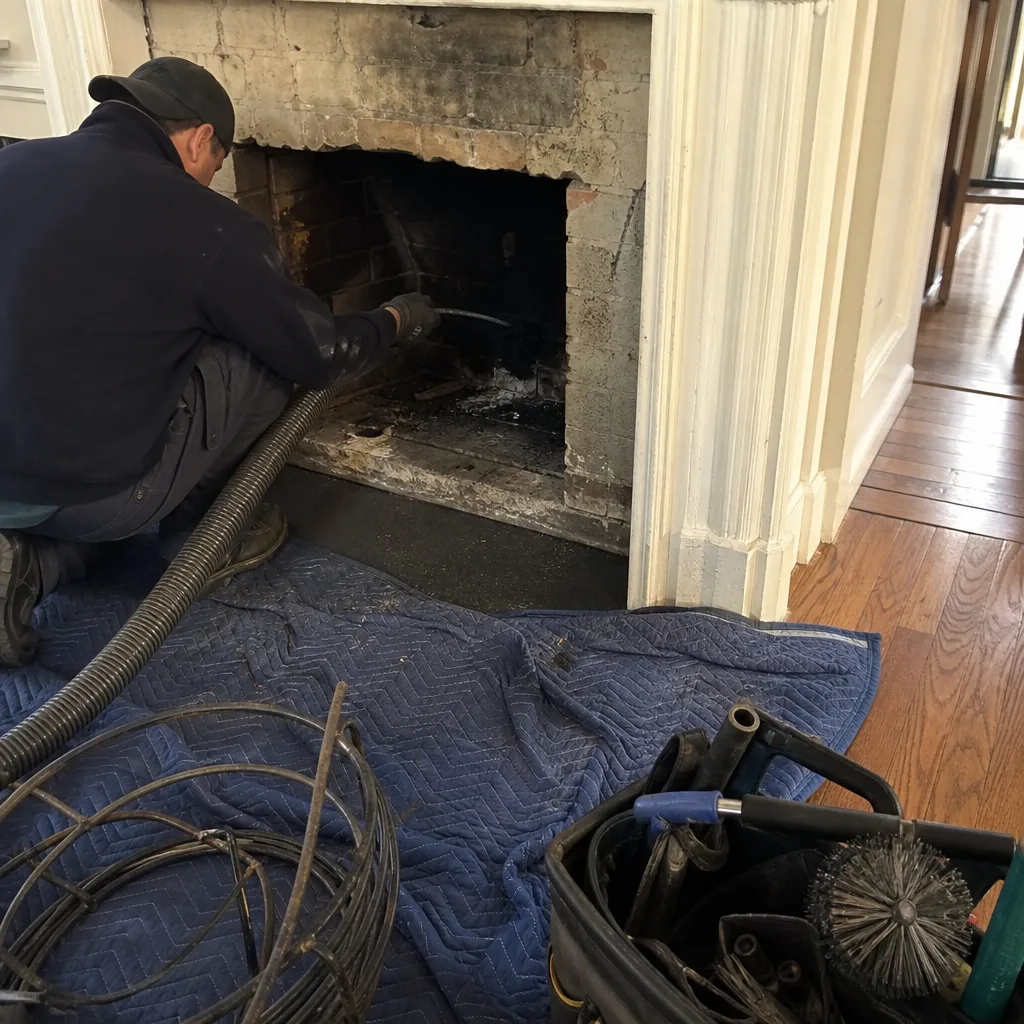 Before
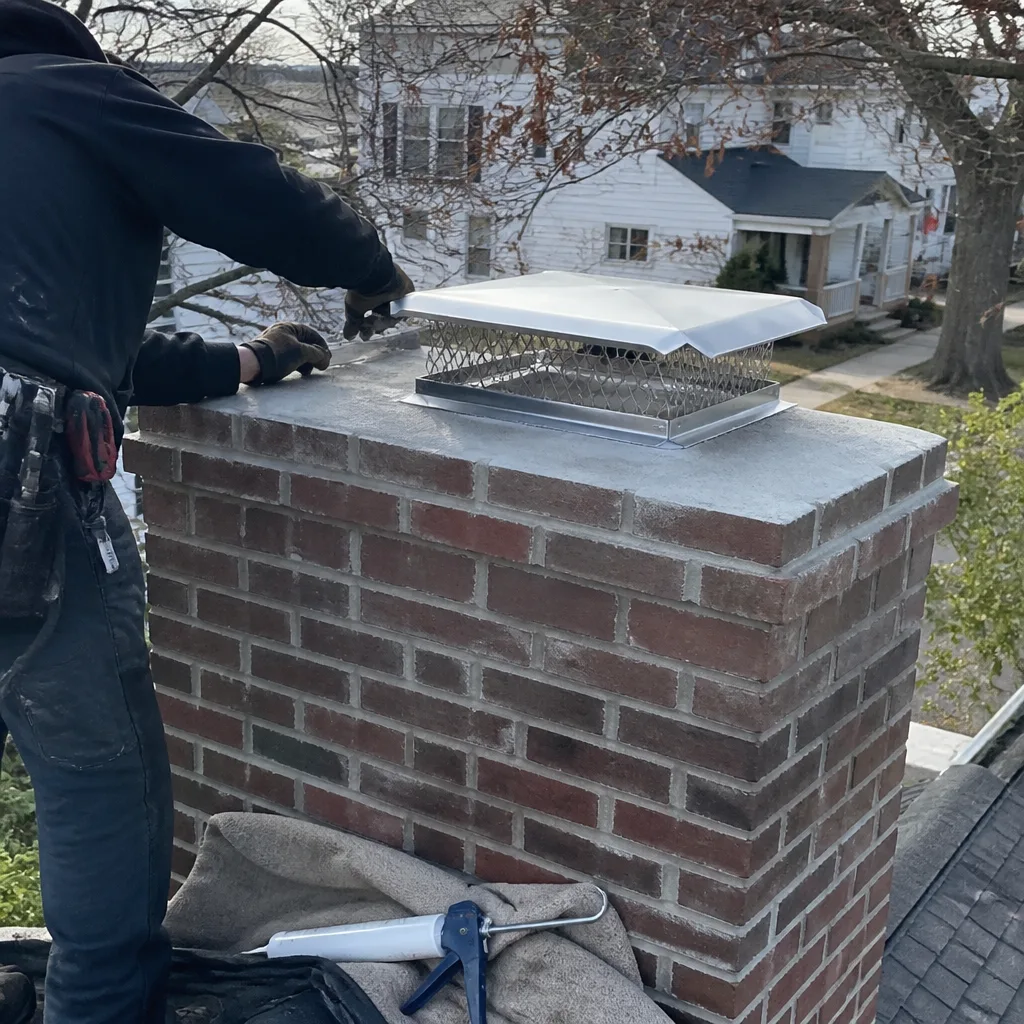 After
After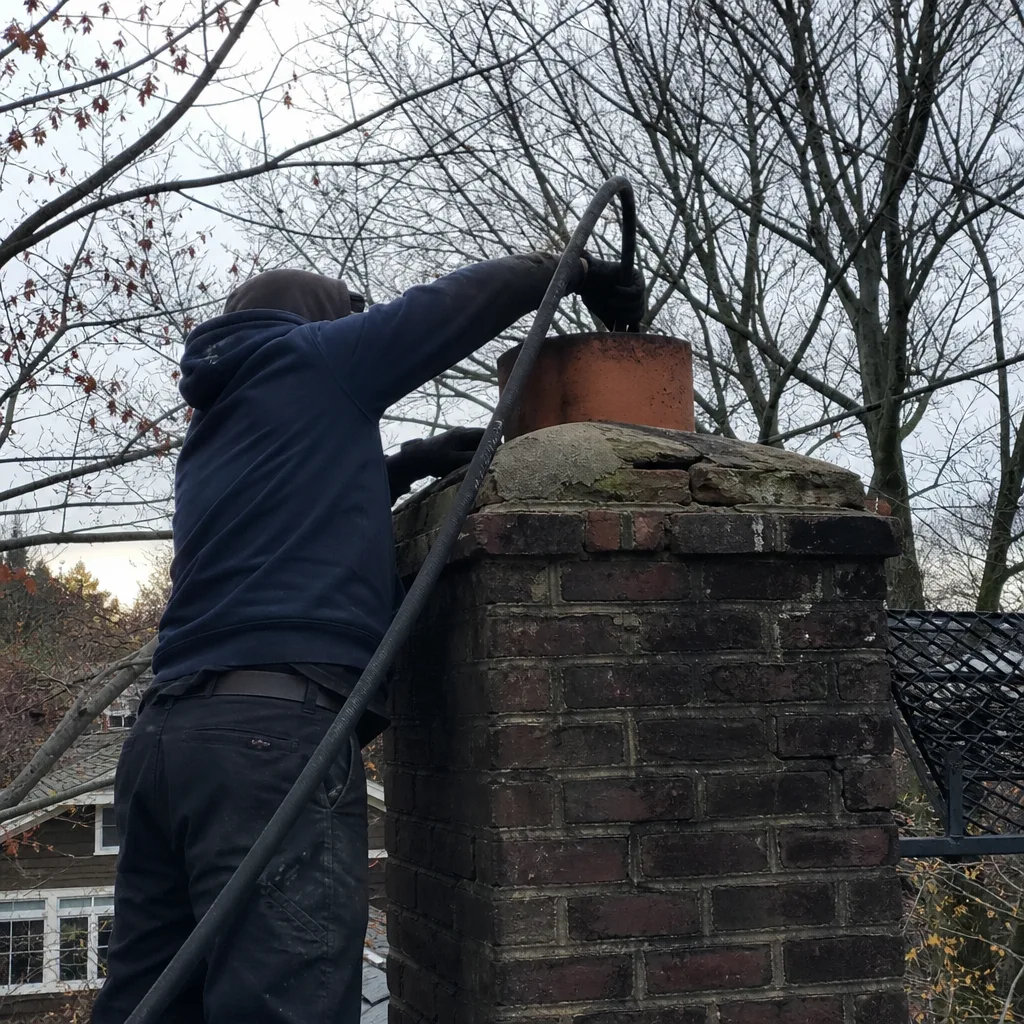 Before
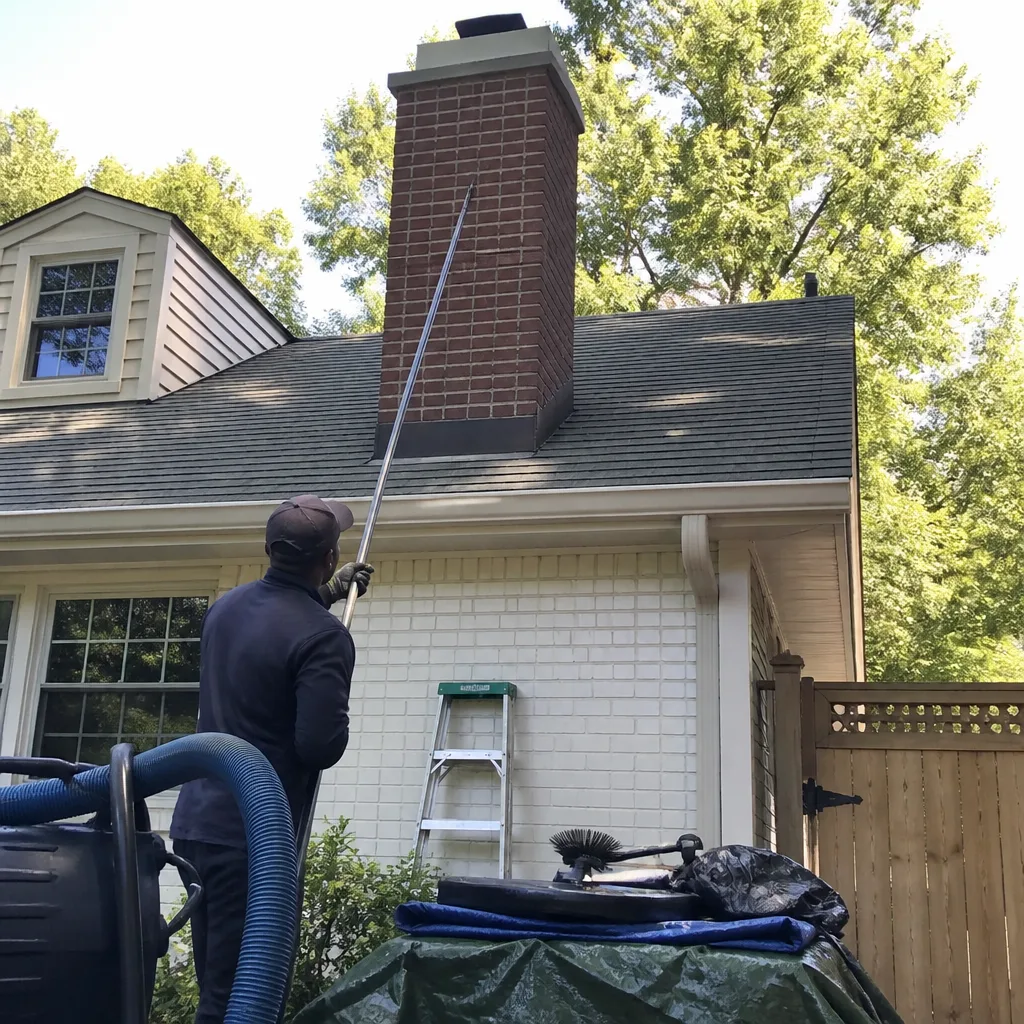 After
AfterWhy Washington Homeowners Choose DuraFlex Chimney Cleaning
Chimney Cleaning & Sweep for DuraFlex in Washington means pulling creosote out of corrugated stainless liners that were never swept after installation, and checking the bottom connection where condensation eats at the alloy. We’re an independent DuraFlex service provider, not a factory rep, and we’ve pulled enough of these liners from DC rowhouse flues to know exactly where they fail. The short version: most DuraFlex liners in Washington don’t fail because the steel is bad. They fail because the previous install was rushed, the sweep schedule was ignored, or the wrong liner alloy went into the wrong appliance. We fix all three. If you’ve got a DuraFlex liner that’s drafting poorly, smoking back, or showing rust at the base, call (240) 621-1264 and we’ll put a camera down it before we recommend anything.
Why Trust Level Two Chimney Washington for Your DuraFlex Chimney Cleaning?
Our techs work on DuraFlex 316L and AL 29-4C liners every week for Duraflex repair in Washington. We’ve seen what oak-burning winters do to the corrugations in a single-ply Pro liner, and we’ve seen what condensation does to a gas liner that was pitched wrong at the bottom tee. That field knowledge beats a manufacturer handbook every time, because the handbook doesn’t know what a 1908 Capitol Hill flue with offset tiles does to a flexible liner on the way down.
Corrine Halstead, our owner, started on rotary brushes through Apex Technical School in Manhattan before she’d ever laid eyes on a DC rowhouse fireplace. Fifteen years of chimney work across Washington later, she’s the one who wrote our rule: the camera goes down before the price goes up. We follow NFPA 211 Level 2 inspection protocol on every DuraFlex service call, which means a camera scan, a written condition report, and a photo record you keep. Clause 4 of the Haven Standard requires it, and we’ve done it that way since 2009.
When we clean or repair a DuraFlex liner, we use genuine DuraFlex couplings, tee caps, and termination caps when they’re available. We also tell you plainly when a high-quality aftermarket connector does the same job for less on a 15-year-old liner where OEM markup doesn’t make sense. That’s the repair-before-replace instinct, and it’s how we’ve kept more than 38,000 Washington-area chimneys running without overselling, including plenty of Duraflex service in Arlington.
Common DuraFlex Chimney Cleaning Problems We Fix in Washington
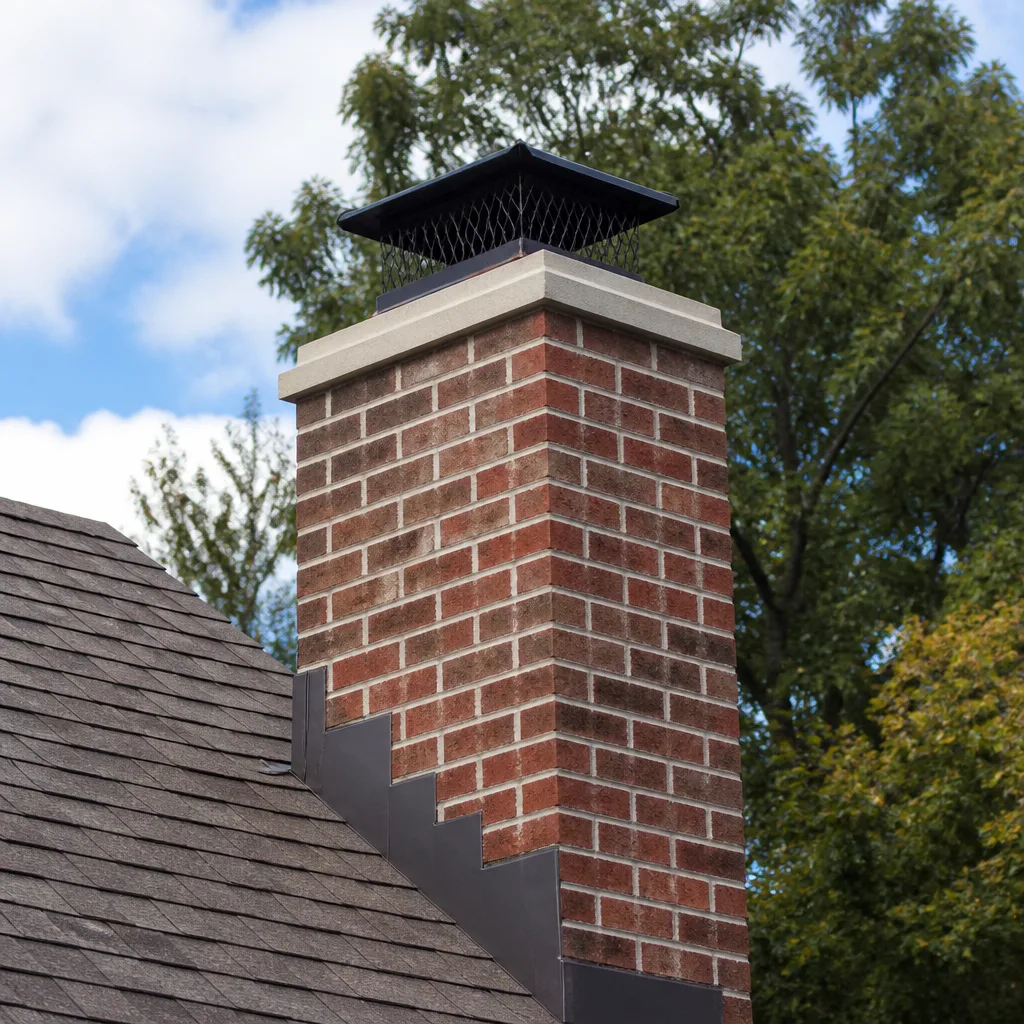
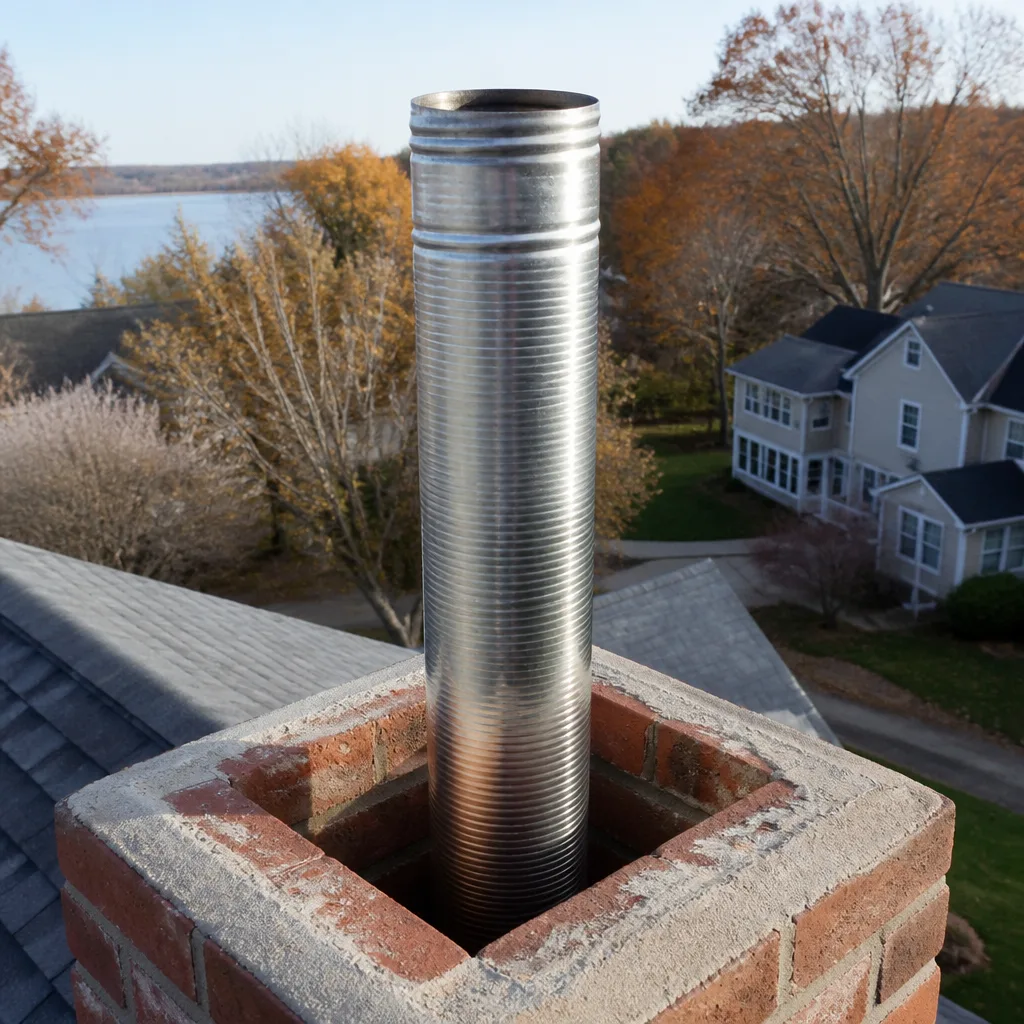
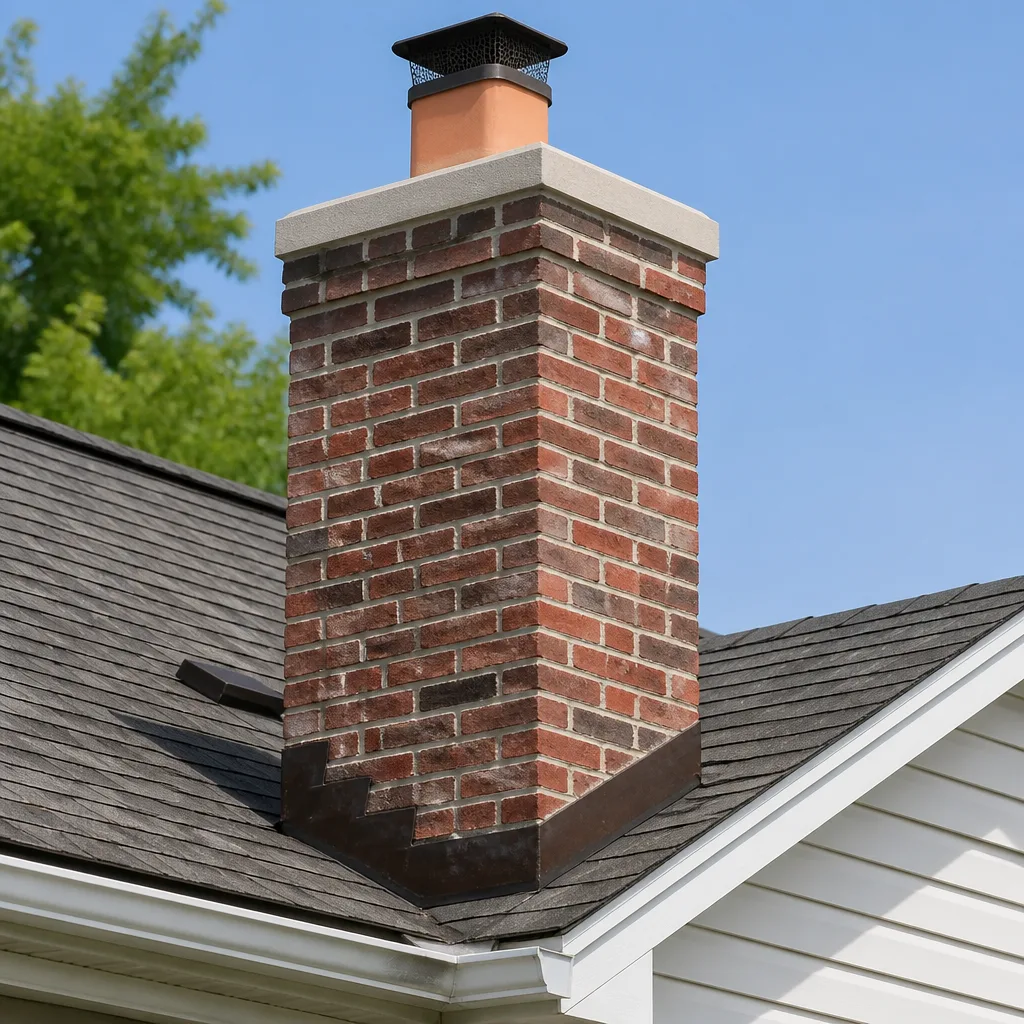
- Kinked or crushed liner sections from tight DC flue installations. DuraFlex 316L is flexible by design, but flexibility invites shortcut installs. In Washington’s century-old row houses, the flue path often jogs through a smoke shelf or around offset tiles. A rushed installer pushes the liner through and crimps it. We find these kinks with a camera, and if the steel hasn’t split, we can often straighten the section enough to restore draft. Last month our tech pulled a DuraFlex liner from a Capitol Hill fireplace insert with a kink at the smoke shelf that had cut the cross-section by half. We straightened it, swept the corrugations, and installed a new rain cap. No full reline needed.
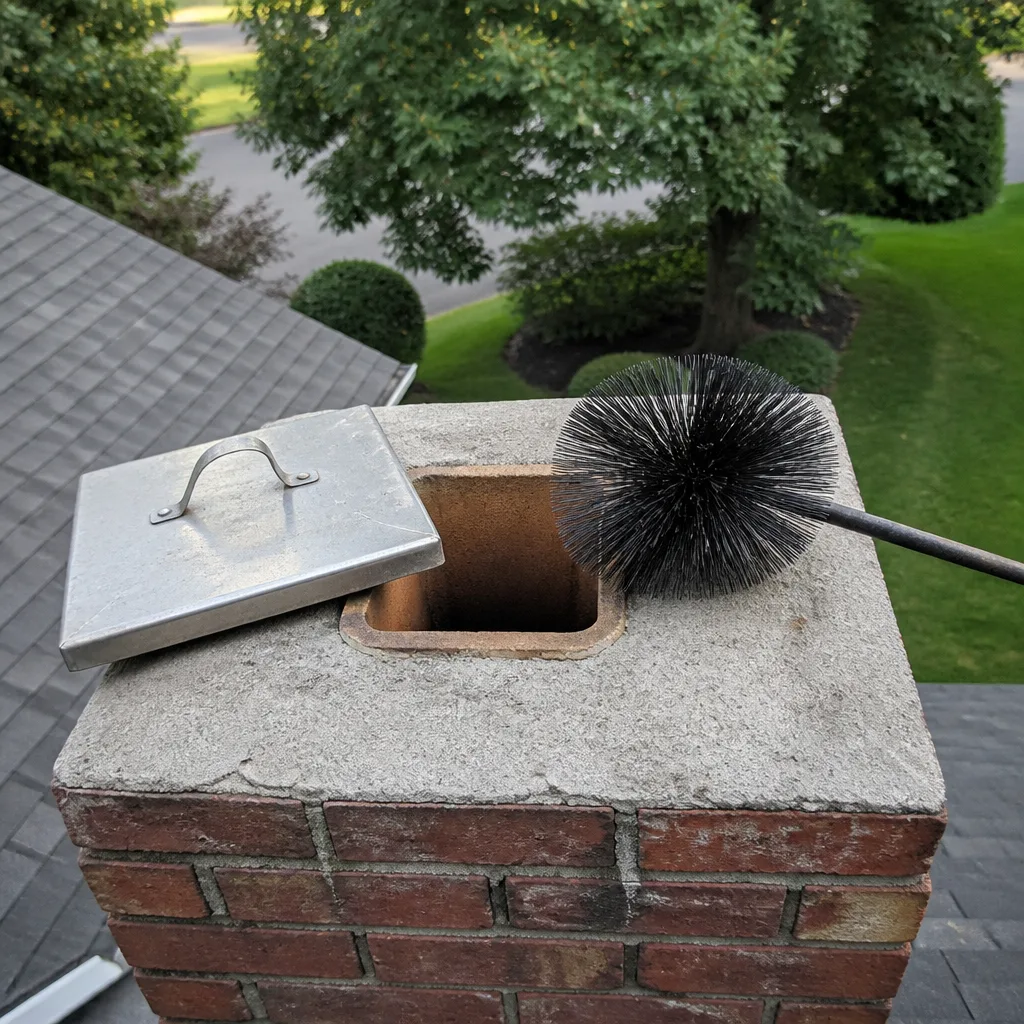
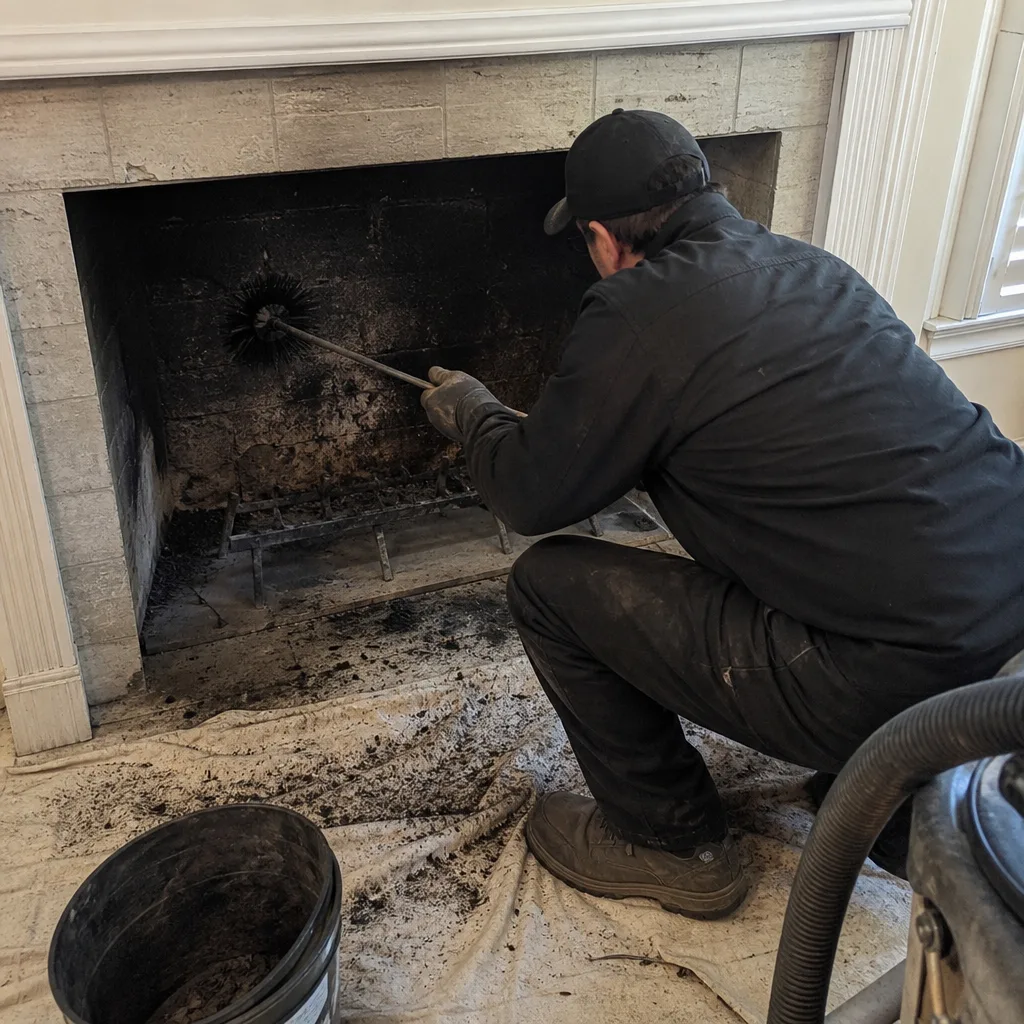
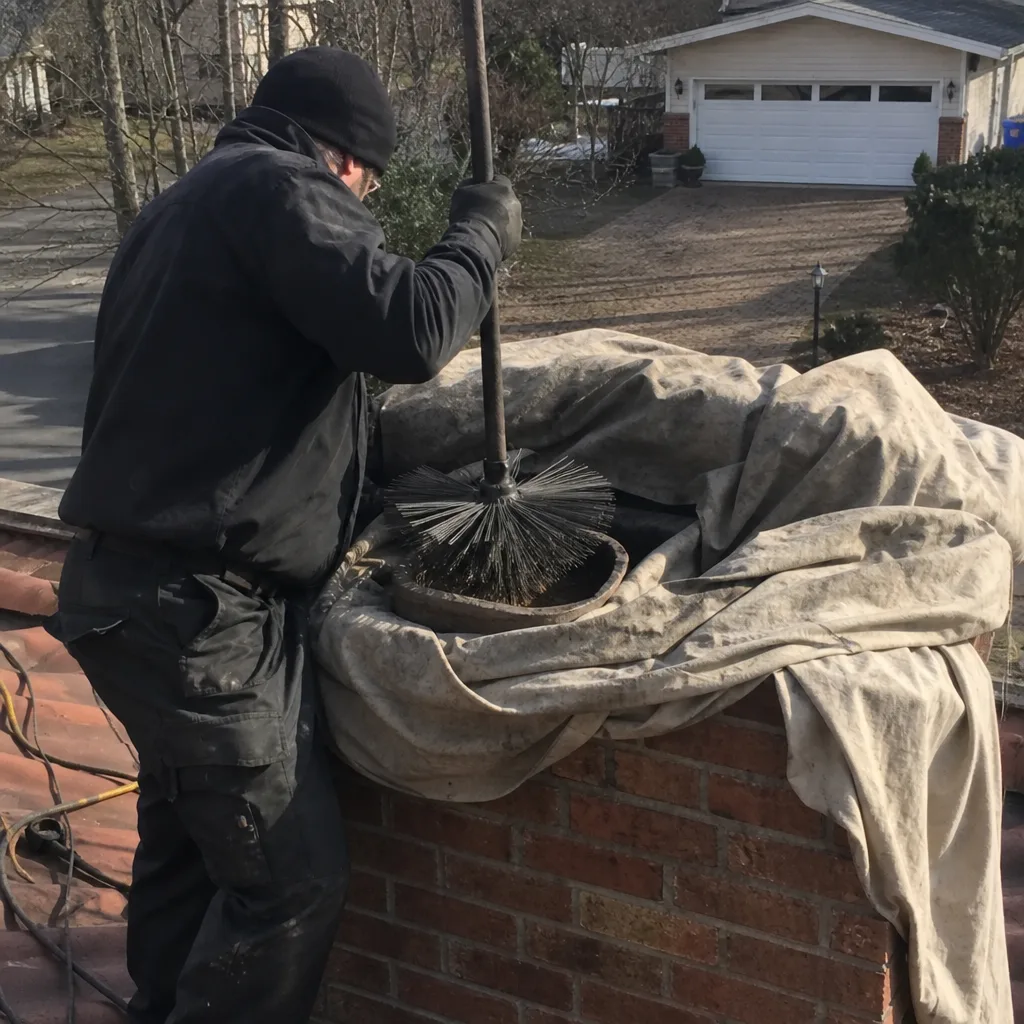
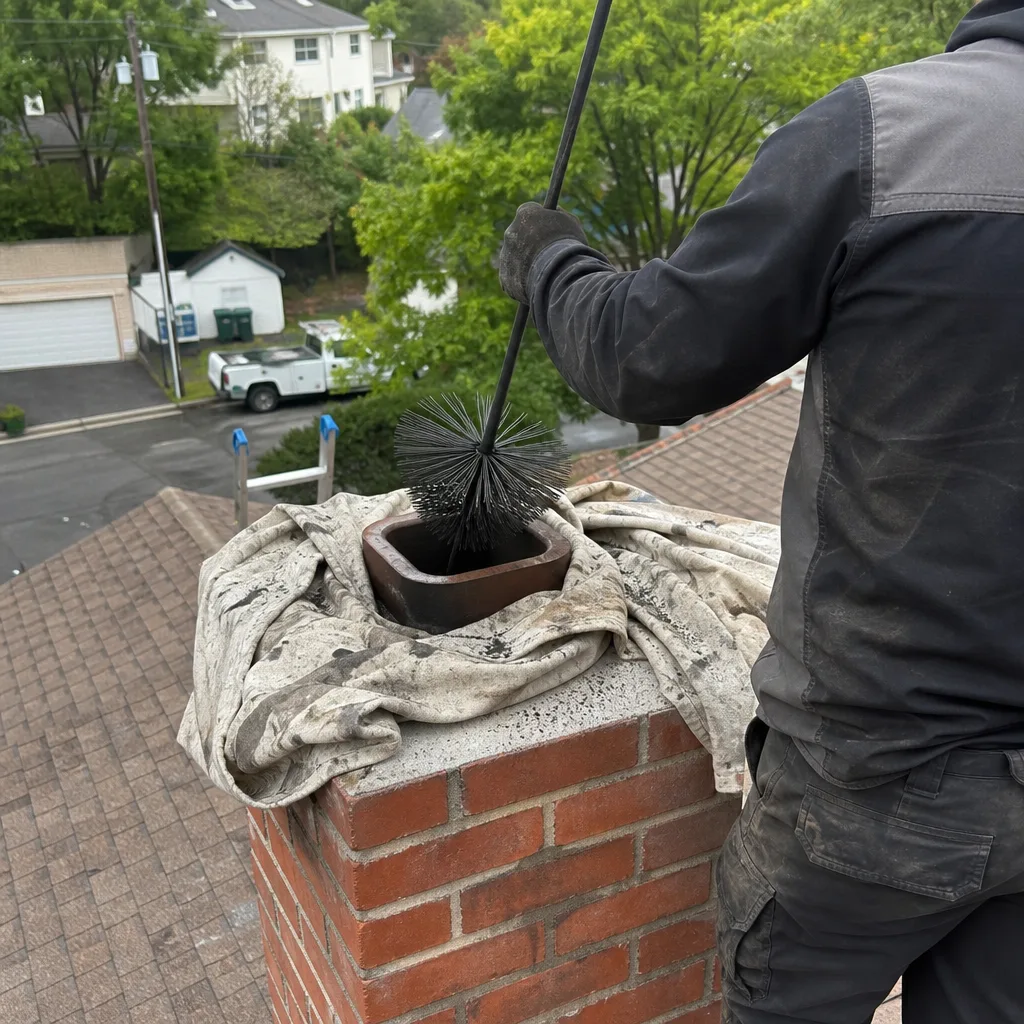
- Creosote accumulation in single-ply corrugations from cold-weather oak burning. DuraFlex Pro single-ply liners have ridges that hold creosote, and Washington winters push homeowners to burn oak hot and long. The combination lays down glaze in the corrugations faster than most owners expect. We sweep these with rotary brushes sized to the liner ID, and we photograph the before and after so you can see what came out.
- Corrosion pitting at the bottom tee connection on gas liners. DuraFlex AL 29-4C liners handle high-efficiency gas exhaust, but the condensate is acidic. Where the liner meets the tee at the bottom, condensation pools if the pitch is even slightly off. We see pinhole pitting there on gas liners that are otherwise sound. The fix is usually a new tee section and a corrected pitch, not a full reline. On a liner with advanced pitting, we’ll show you the camera footage and let you decide with the evidence in front of you.
- Torn or detached insulation mesh on pre-insulated DuraFlex liners. The mesh wrap on pre-insulated liner protects against cold masonry and keeps flue gases warm enough to draft. In DC’s damp, freeze-thaw climate, the mesh can tear during installation or degrade over time. A tear exposes the liner to cold brick, which drops flue temperature and accelerates creosote. We repair small tears by re-securing and sealing the mesh. A full insulation replacement only happens when the damage runs long sections.
- Misidentified flues in multi-flue Washington stacks. The engineering problem unique to DC’s housing stock isn’t the liner itself; it’s the stack. In Capitol Hill’s 1880s to 1910s blocks, a single exterior chimney often serves two or three flues that were never individually capped or labeled after coal-to-gas conversion. An owner restores a fireplace and lights a fire in the flue that was never the fireplace flue. We camera-scan and label every flue before any fire gets lit, and we’ve corrected this exact error more times than we can count.
BeforeAfterDuraFlex Parts & Our Repair-vs-Replace Approach
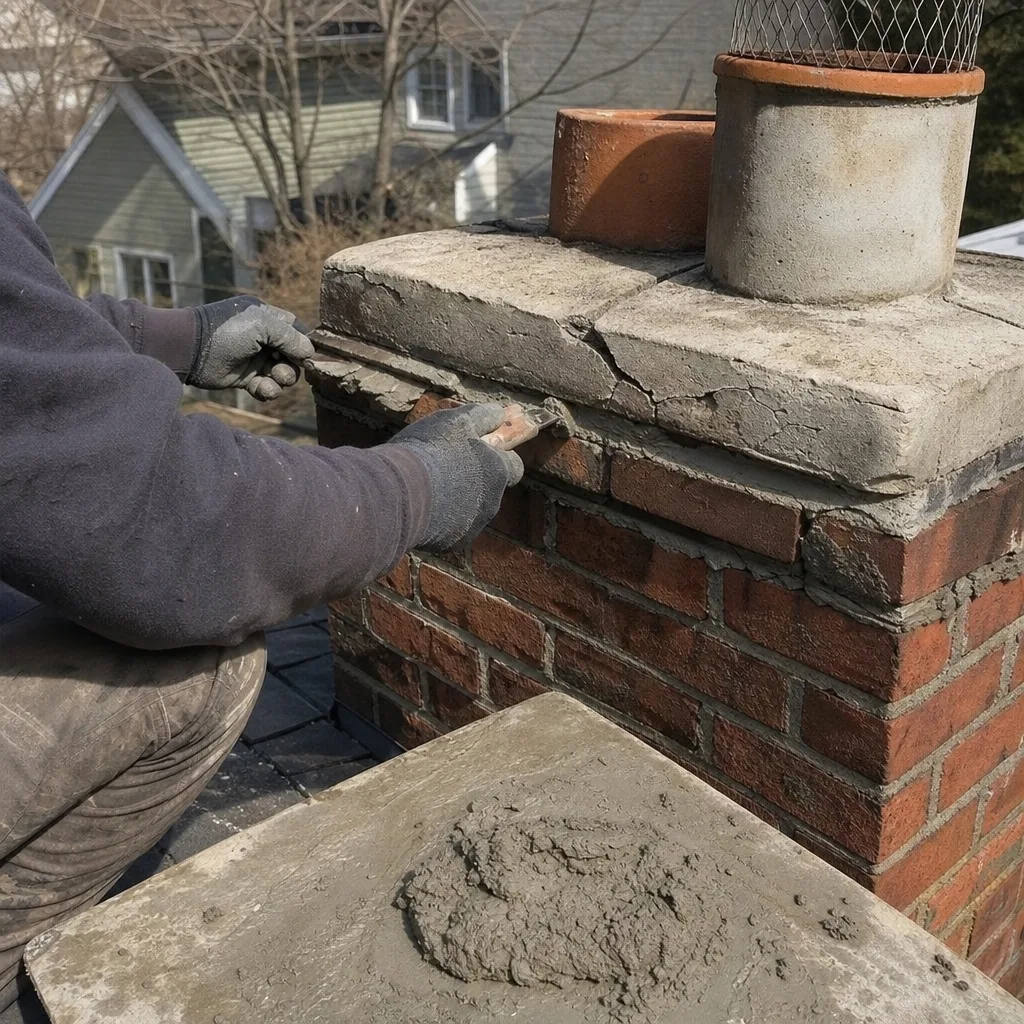
We stock genuine DuraFlex couplings, tee caps, termination caps, and top plates in our Washington service vehicles. When a liner is structurally sound, we repair the failing component rather than quote a full reline. That means a new bottom tee, a corrected rain cap, a re-secured insulation mesh, or a straightened kinked section before we ever talk replacement.
The repair-vs-replace decision comes down to what the camera shows. If the alloy is intact and the corrugations haven’t thinned, we repair. If the liner has multiple perforations, advanced corrosion, or a crushed section that can’t be straightened, we tell you that too, with the footage on the screen. We don’t sell a reline without evidence you can see. For older Washington homes, a high-quality aftermarket connector that matches the liner gauge and alloy often makes more sense than OEM pricing on a liner approaching end of life. If you’re weighing a repair against a replacement, call (240) 621-1264 and we’ll give you the numbers in writing.
Our DuraFlex Service Process - Step by Step
- 1
Level 2 camera inspection. We run a camera down the full liner length, from termination cap to appliance connection. We’re looking for kinks, corrosion pitting, creosote class, mesh tears, and any separation at couplings. You see the footage in real time.
- 2
Written diagnosis and price. Before any work starts, you get a written scope, a written price, and a written warranty. That’s Haven Standard Clause 1, and we don’t work without it.
- 3
Creosote removal or component repair. For a cleaning, we rotary-sweep the liner with brushes sized to the exact ID of your DuraFlex model. For a repair, we replace the failing coupling, tee, cap, or mesh section with parts matched to your liner’s alloy and gauge.
- 4
Draft test and photo record. After the work, we test the draft and run the camera again. You get a documented photo record of the final condition, per Clause 4 of the Haven Standard.
- 5
365-Day Done Right Promise. If something we fixed doesn’t hold up within a year, we make it right. That’s stamped on every DuraFlex job we do in Washington.
DuraFlex Products We Service & Install in Washington
We clean, inspect, repair, and install the full DuraFlex line: DuraFlex 316L flexible stainless liners for wood-burning fireplaces and inserts, DuraFlex AL 29-4C liners for high-efficiency gas appliances, DuraFlex Pro single-ply liners, and DuraFlex Smooth Wall liners where the existing flue can accommodate them. For fireplace inserts in DC’s tight rowhouse flues, we typically recommend 316L for wood and AL 29-4C for gas, and we size the liner to the appliance’s BTU output and the flue’s actual interior dimensions, not the nominal size on the old terra cotta tile. We stock common liner diameters and DuraFlex components locally for faster turnaround on Washington service calls and nearby Duraflex in Silver Spring.
We Also Service These Brands
DuraFlex is one of several liner systems we work with. We also service and install HeatShield cerfractory flue sealant and Gelco components, and we’ll recommend the right system for your chimney’s condition and your appliance’s requirements. We’re not married to one manufacturer. We’re married to what the camera shows us.
FAQs - DuraFlex Chimney Cleaning Service in Washington
Can a DuraFlex liner be used if my DC chimney has offset flue tiles?
Yes, in most cases. DuraFlex flexible liners are designed to navigate offsets, including the offset tile patterns common in Washington’s late-19th and early-20th-century rowhouse flues. The key is that the installer pulls the liner through without kinking or crushing it at the offset points. We camera-inspect the full path before and after installation, and we’ve corrected enough kinked liners in DC to know exactly which offsets are trouble spots on which blocks.
How often should a DuraFlex liner in a wood-burning fireplace be swept in Washington, DC?
Annually at minimum, and more often if you burn oak or burn more than twice a week through the winter. Washington’s cold winters push heavy wood burning, and single-ply DuraFlex liners hold creosote in their corrugations. Add in DC’s 30 to 50 freeze-thaw cycles a season affecting the masonry around the liner, and annual inspection plus sweeping is the right baseline here. Call (240) 621-1264 and we’ll get you on the schedule before the burning season hits.
Is my DuraFlex liner safe for a wood stove if it was originally installed for a gas insert?
No, not automatically. Gas inserts run cooler and produce different exhaust chemistry than wood stoves. A liner rated for gas, like DuraFlex AL 29-4C, is not rated for wood-burning temperatures. A 316L liner sized for a gas insert may also be too small in diameter for a wood stove, which can overheat and accelerate creosote. The only way to know is a camera inspection and a check of the liner’s alloy, diameter, and condition against the wood stove’s requirements. We do that check on every Washington service call where an appliance swap is involved.
What causes condensation to pool at the bottom of a DuraFlex liner on a high-efficiency gas fireplace?
Improper pitch at the bottom tee connection. High-efficiency gas appliances produce acidic condensate, and the liner must be pitched to drain it toward the appliance drain, not to pool it at the tee. When we see pitting at the bottom of an AL 29-4C liner in Washington, it’s almost always a pitch issue from the original install. We correct the pitch, replace the damaged tee section if needed, and re-test the drain path.
Can you repair a tear in the insulation mesh of a DuraFlex pre-insulated liner without replacing the whole liner?
Usually, yes. If the tear is small and localized, we re-secure the insulation mesh and seal the gaps. If the mesh has pulled away across a long run or the insulation itself is water-soaked from Washington’s humidity, a full insulation replacement may be necessary. Either way, we’ll show you the camera footage before recommending anything, and you’ll get the price in writing.
Is Level Two Chimney Washington authorized by DuraFlex?
No. We’re an independent DuraFlex service provider. We are not a factory-authorized dealer or warranty station. What that means for you: we recommend based on what we see in the flue, not on what the manufacturer’s sales literature says. We carry genuine DuraFlex parts when they’re the right call, and we tell you when a quality aftermarket connector is the better value. Our warranty is our own, and it’s written before we start.
How much does DuraFlex chimney cleaning cost in Washington, DC?
Standard DuraFlex liner cleaning in Washington runs $189 to $329 depending on liner length, liner diameter, and creosote class, and a Level 2 camera inspection is included. If we’re repairing a component like a tee, cap, or mesh section at the same visit, we’ll quote that separately in writing before any work starts. You’ll never get a verbal price from us and a surprise at the end. Call (240) 621-1264 for an exact quote on your liner and your fireplace. Estimates are free, and we’ll give you a written number before you decide anything.
Book Your DuraFlex Service in Washington, DC
If your DuraFlex liner is drafting poorly, smoking back, or overdue for a sweep, call (240) 621-1264. We’ll schedule a Level 2 camera inspection, find exactly what’s wrong, and put the price in writing before we touch anything. In Washington’s historic flues, the camera doesn’t lie, and neither does the written price.
Written by Corrine Halstead, Owner at Level Two Chimney Washington, serving Washington, DC since 2009.