
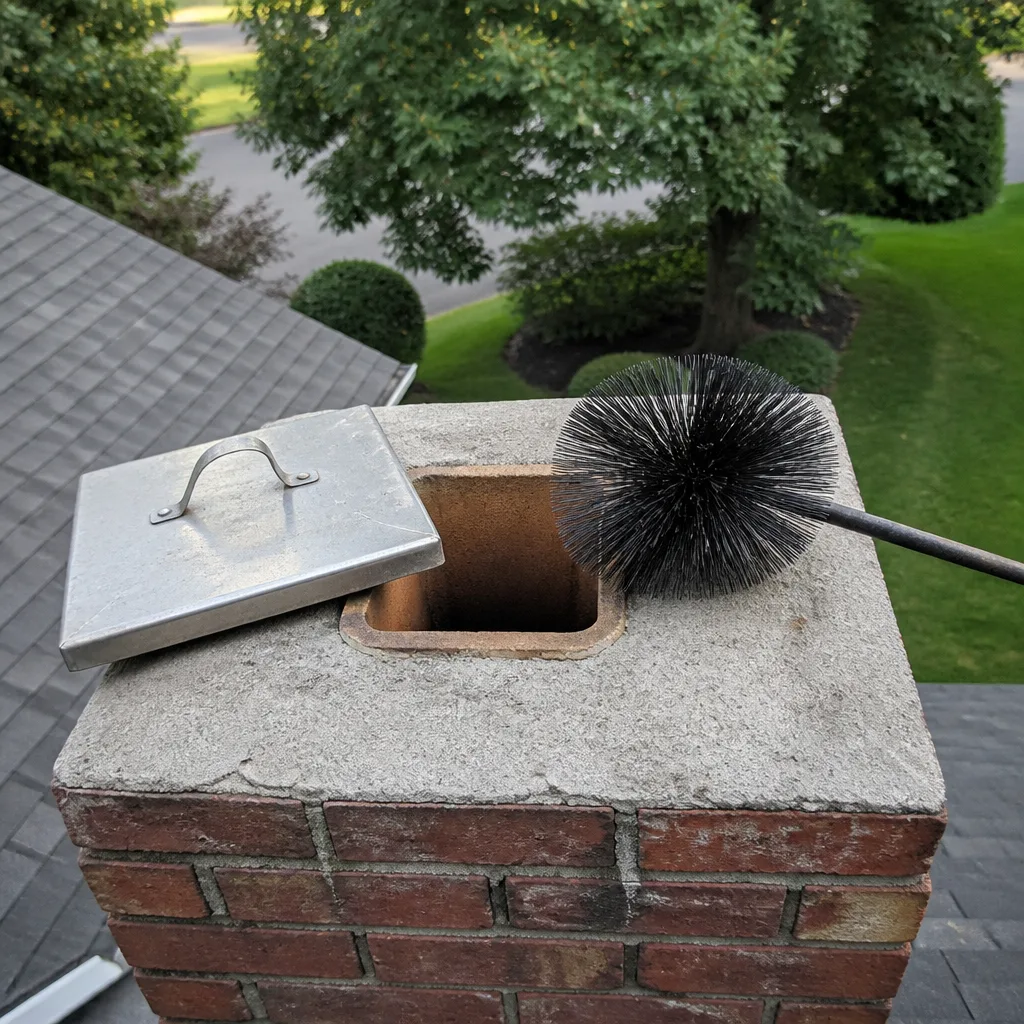
Level 1 sweep and inspection to the NFPA 211 annual standard - flue, crown, cap, and flashing checked and photographed
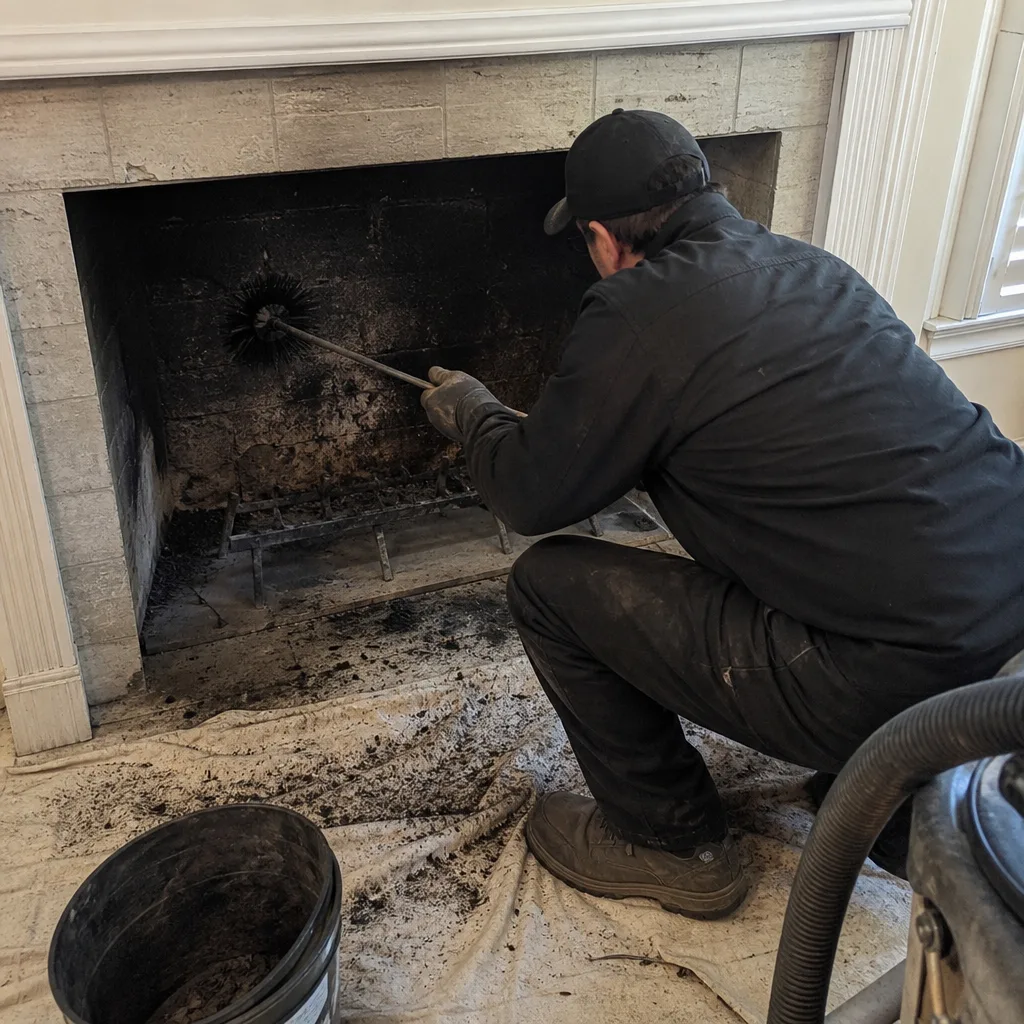
Chimney sweep logs do not sweep chimneys. They loosen some creosote - which then falls where a brush and vacuum still have to collect it.
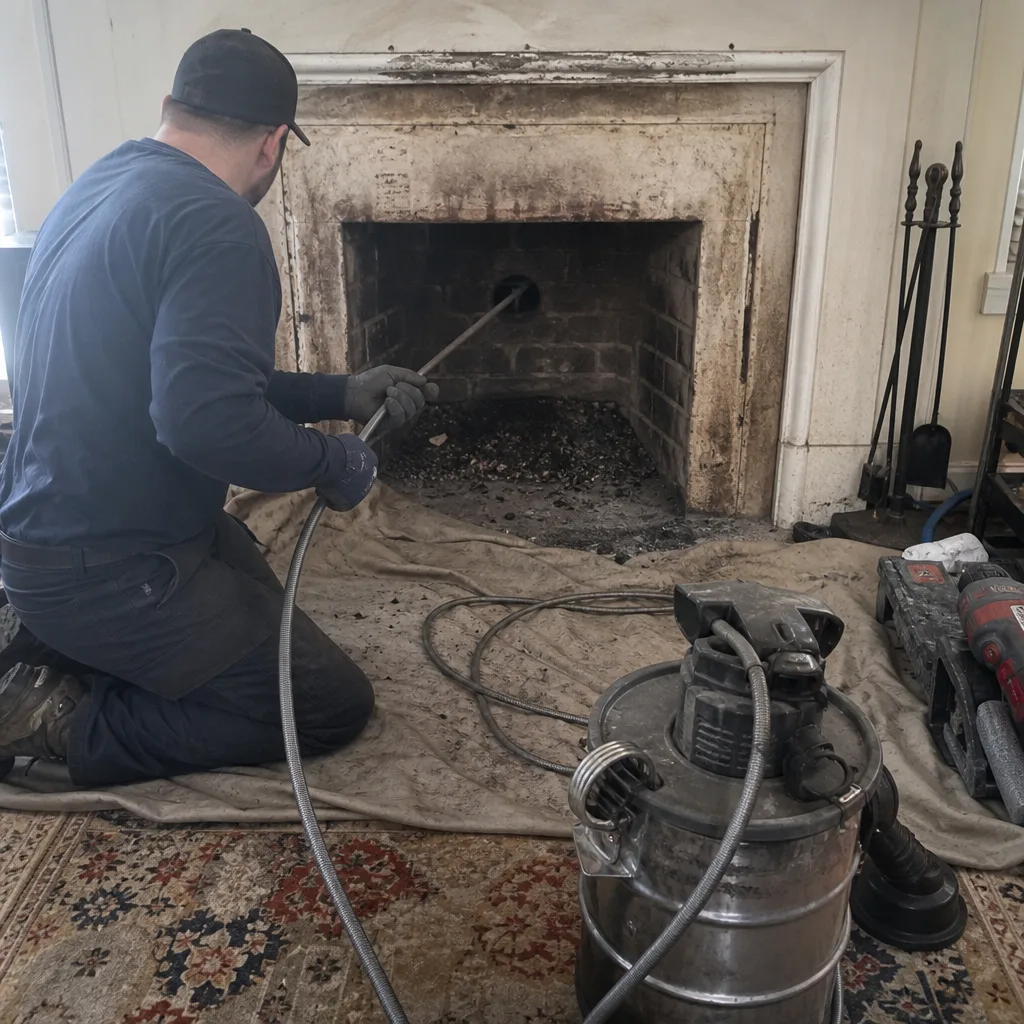 Before
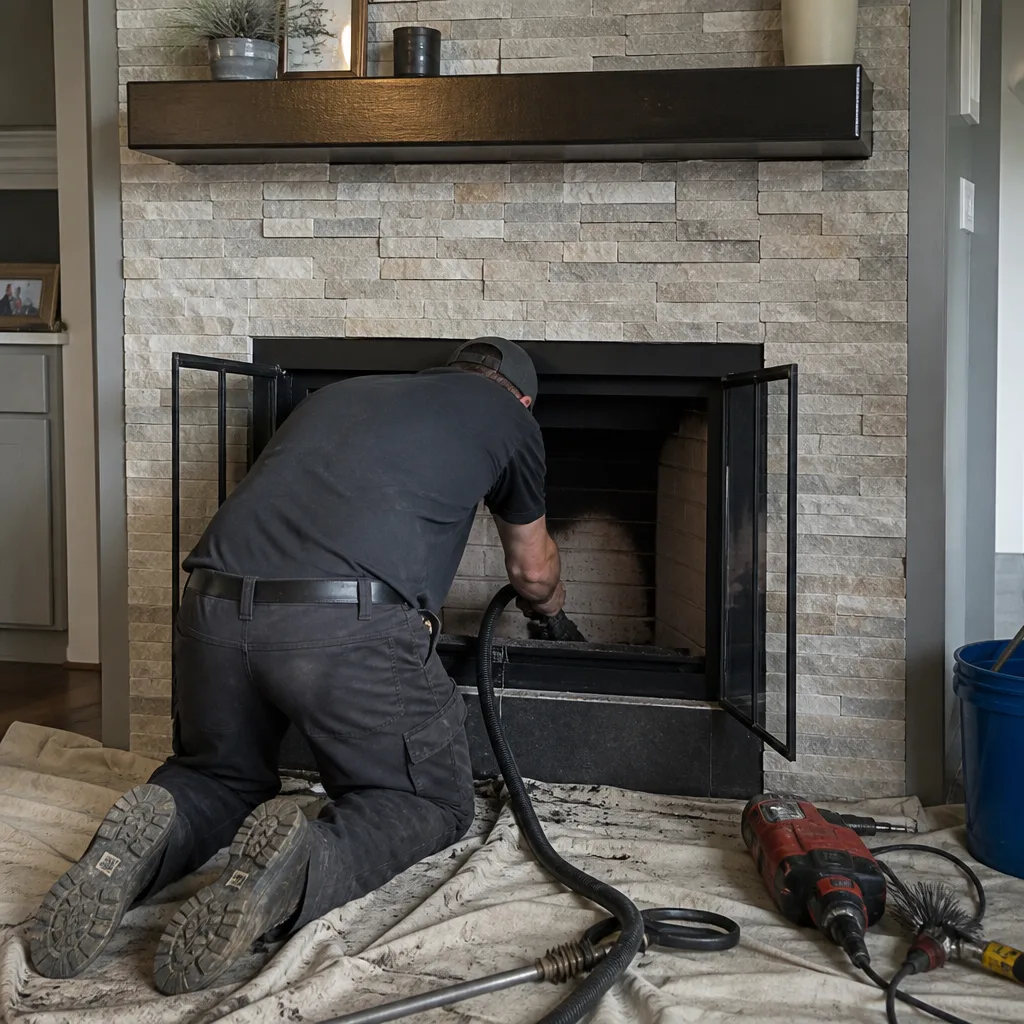 After
After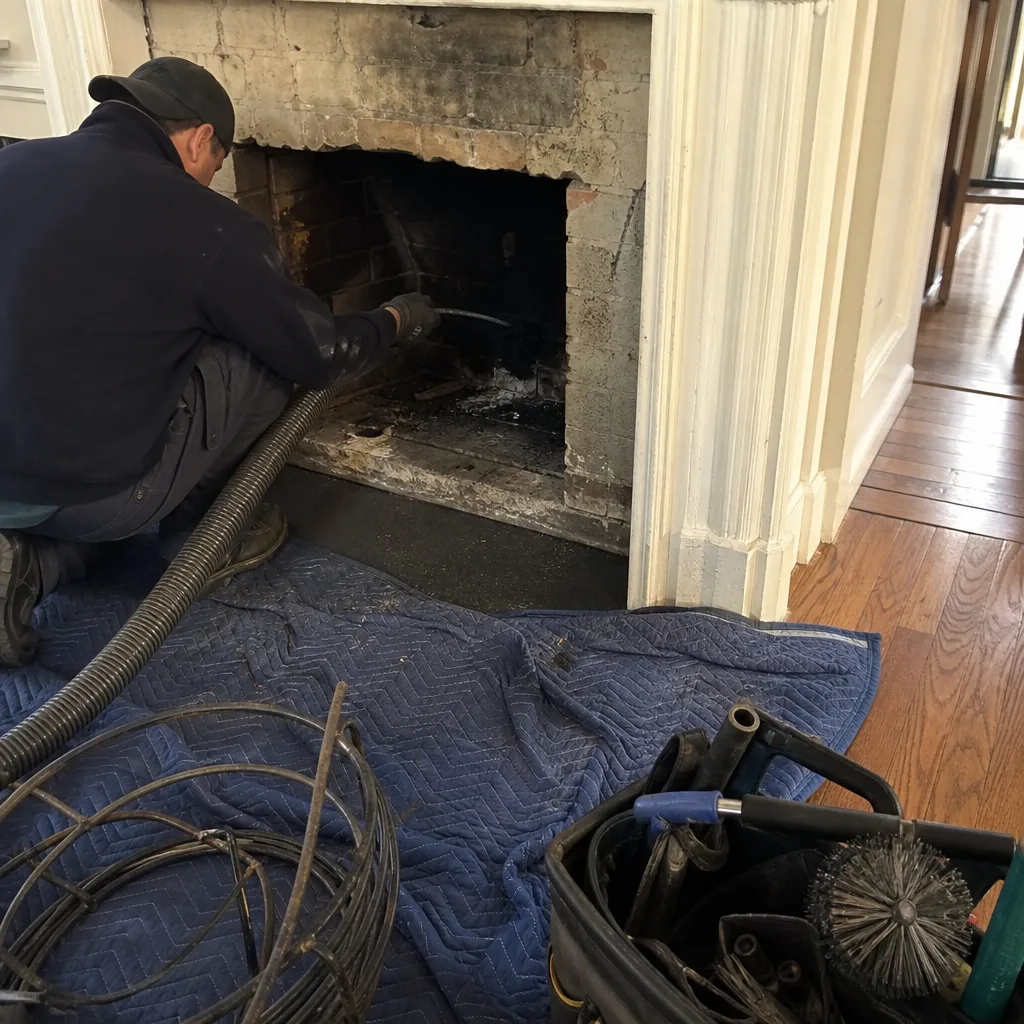 Before
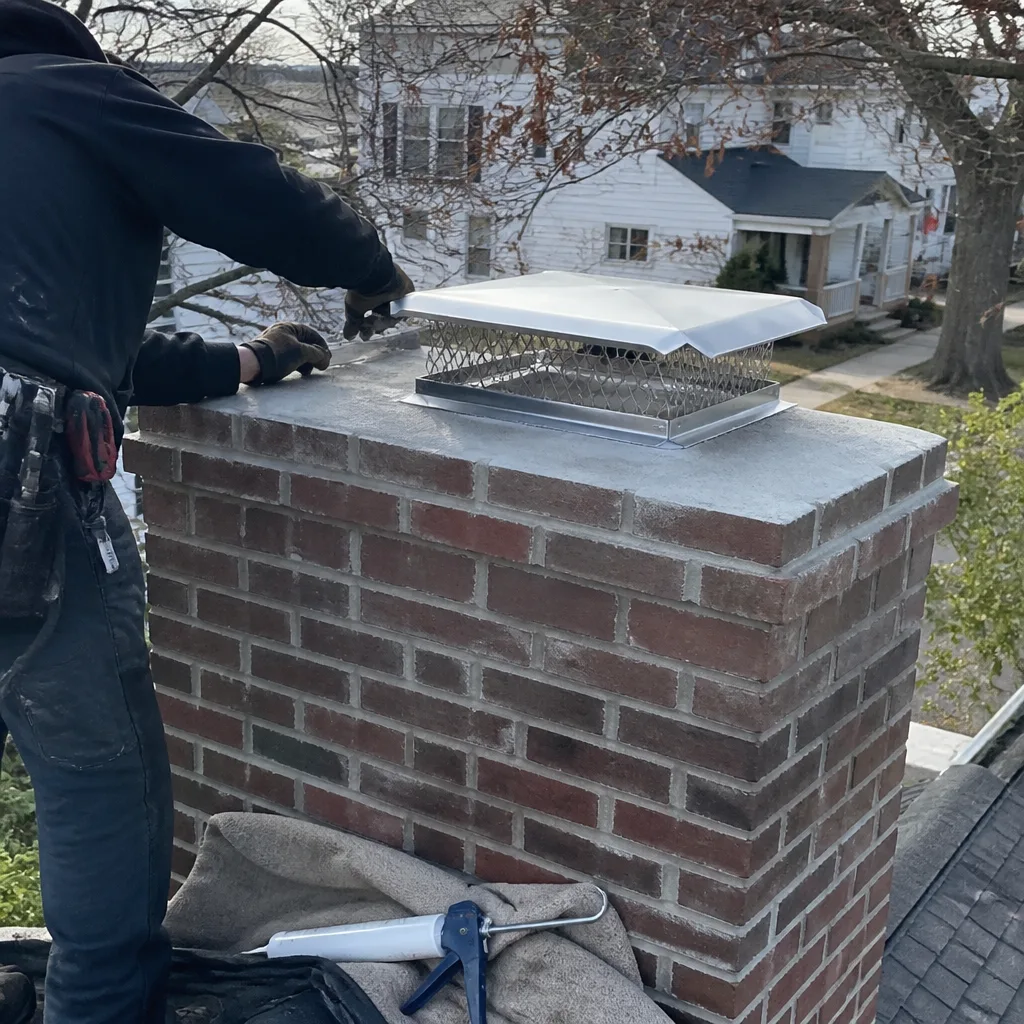 After
After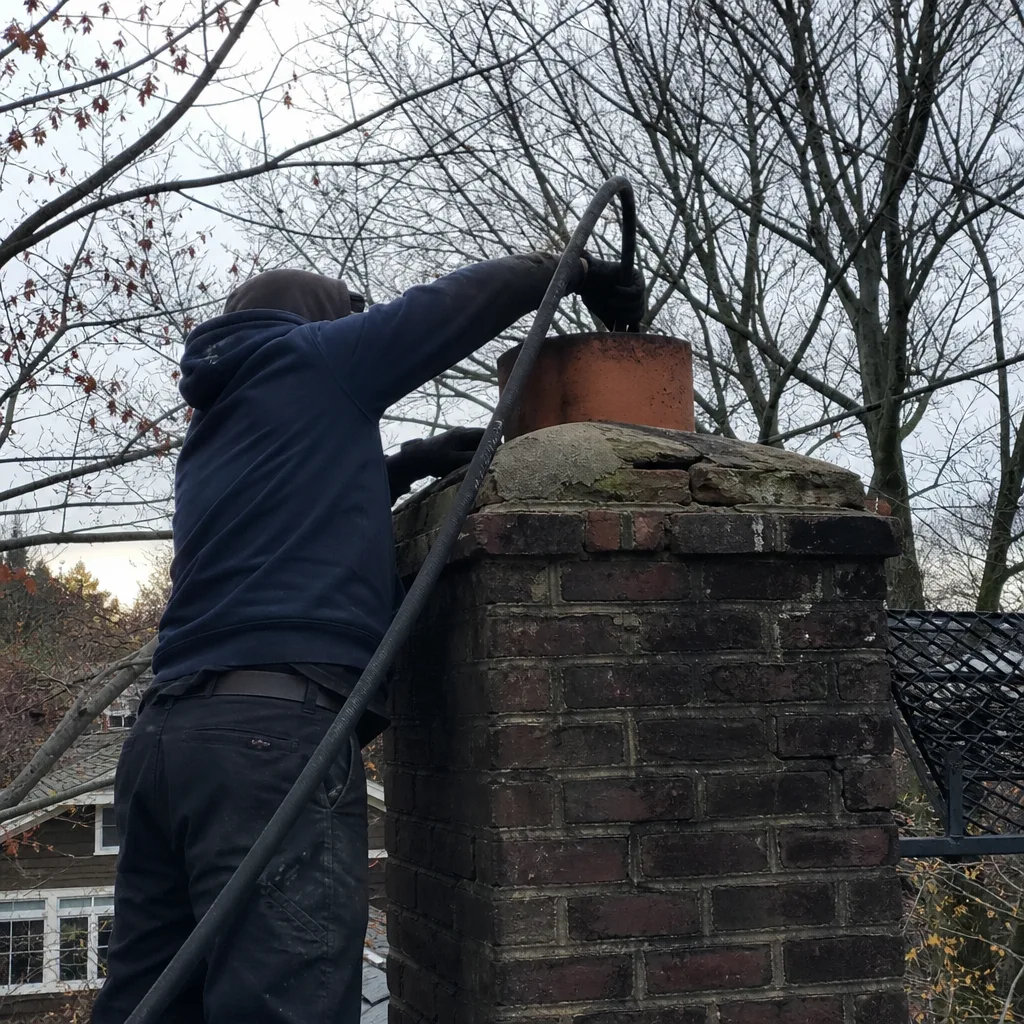 Before
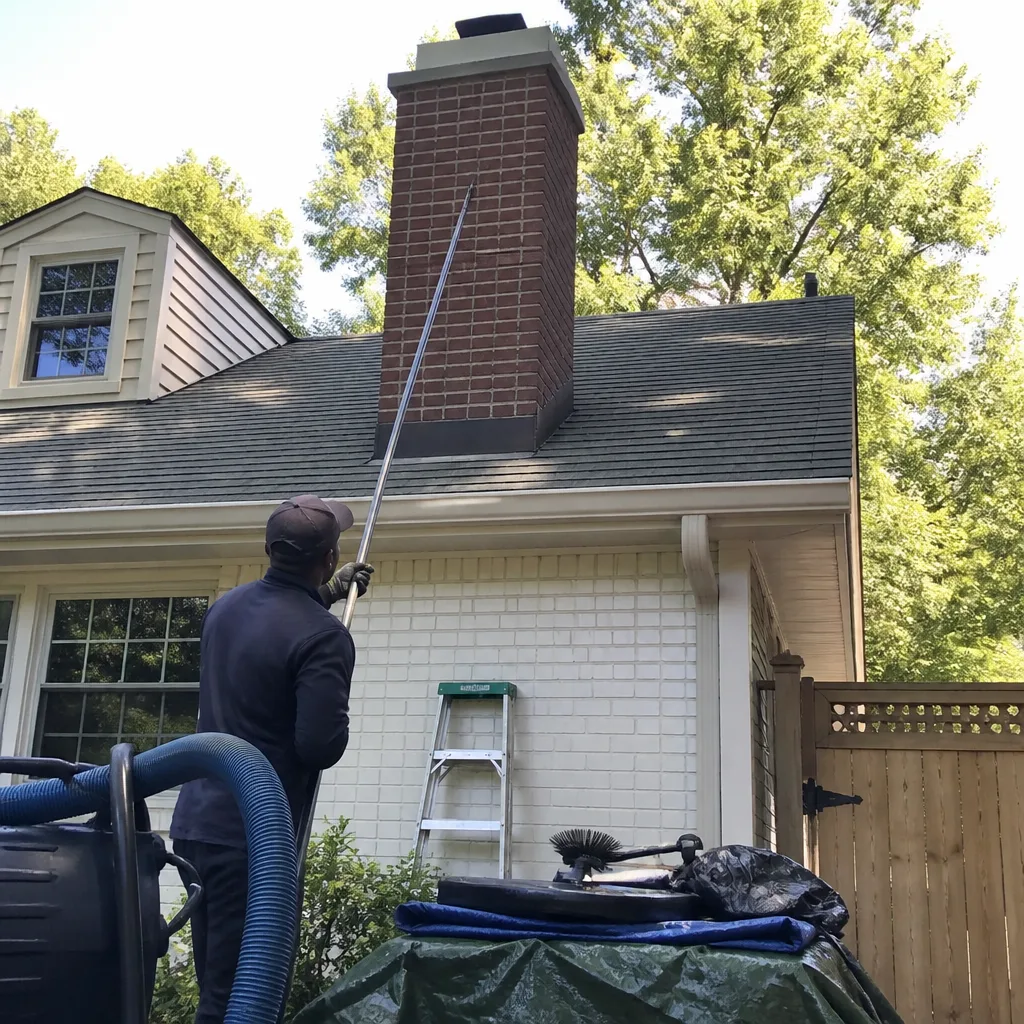 After
AfterDuraFlex Crown Repair: The Washington Owner’s Guide
We stock and install DuraFlex-compatible crown repair components across Washington, DC, with most installed jobs running $425-$1,150 depending on crown size, chase condition, and whether we’re repairing the existing crown or fabricating a replacement from DuraFlex material. We typically book crown work within 3-5 business days, not weeks. Most Washington homeowners discover the problem the same way: a water stain on the ceiling near the chimney chase, a musty odor in the upstairs hallway after a heavy rain, or small chunks of mortar showing up on the roof or in the gutter during a gutter clean-out.
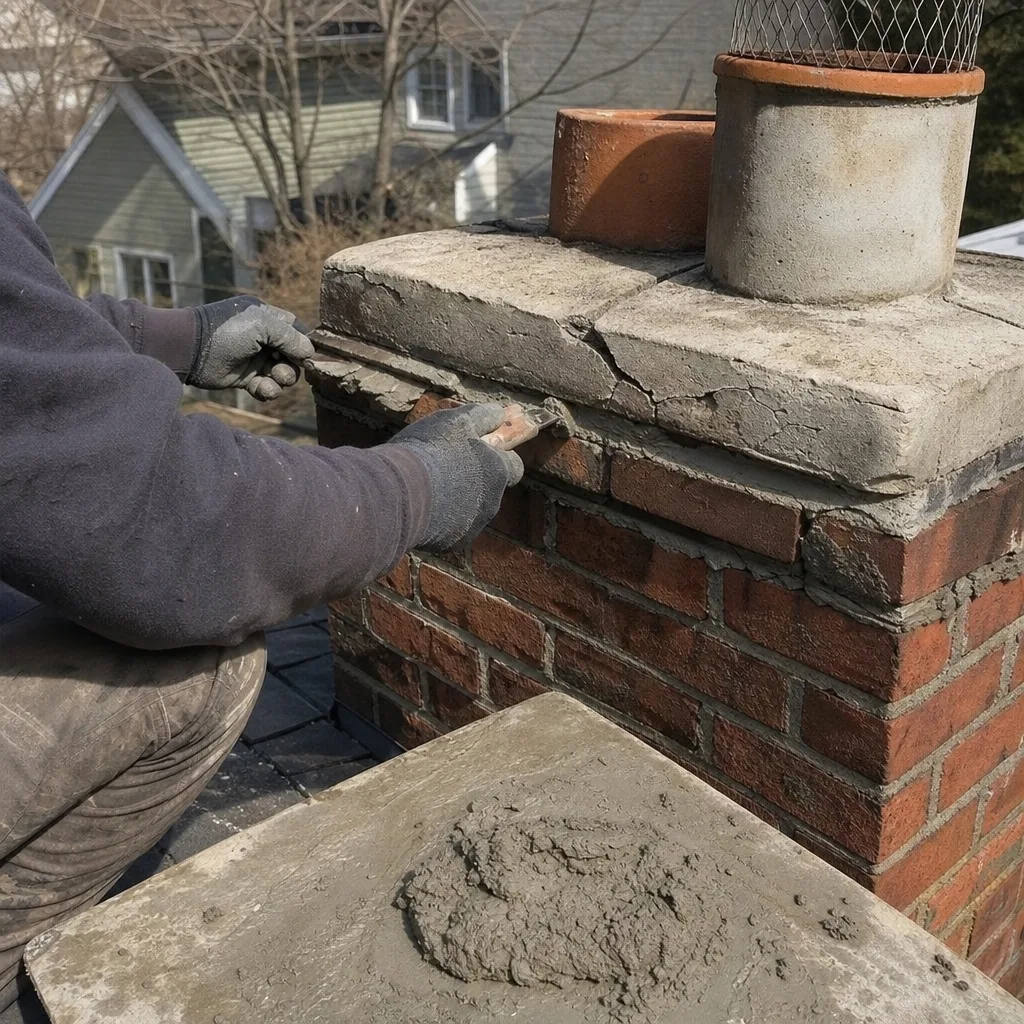
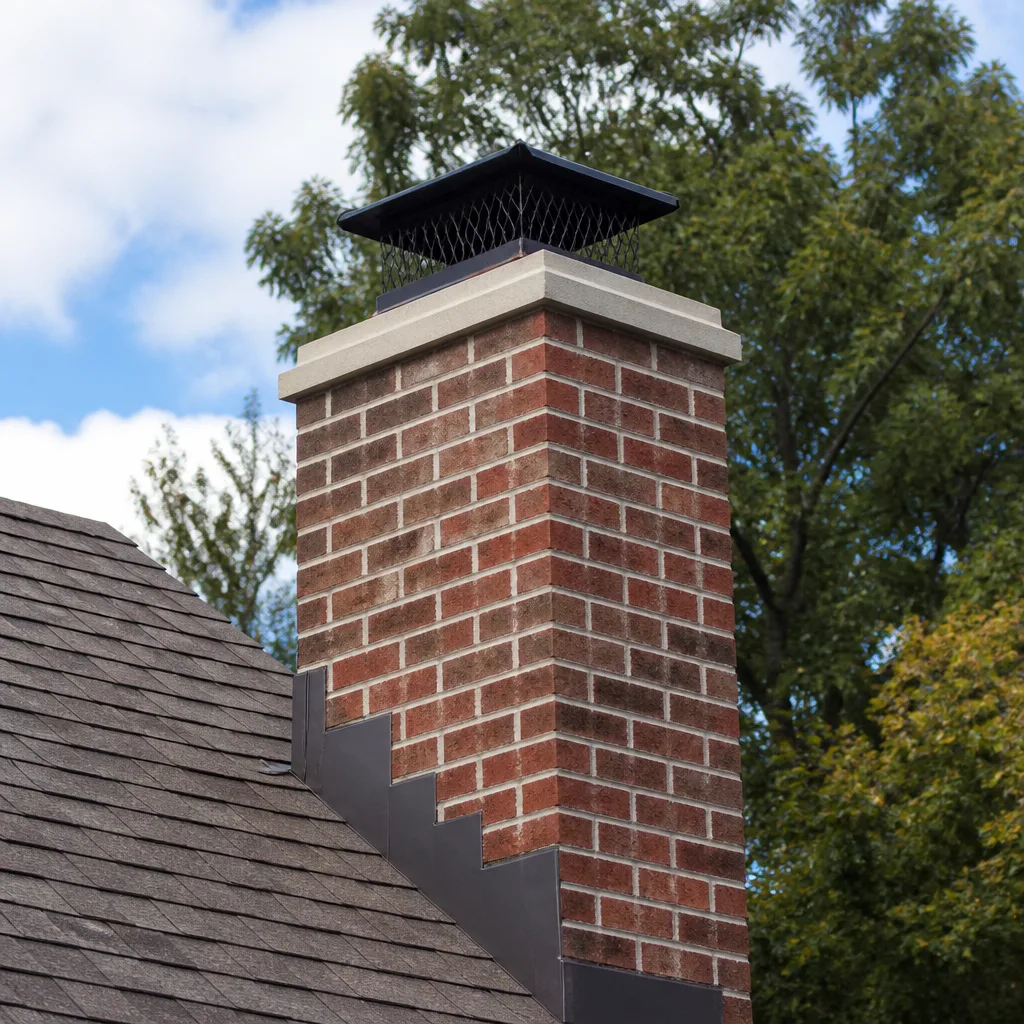
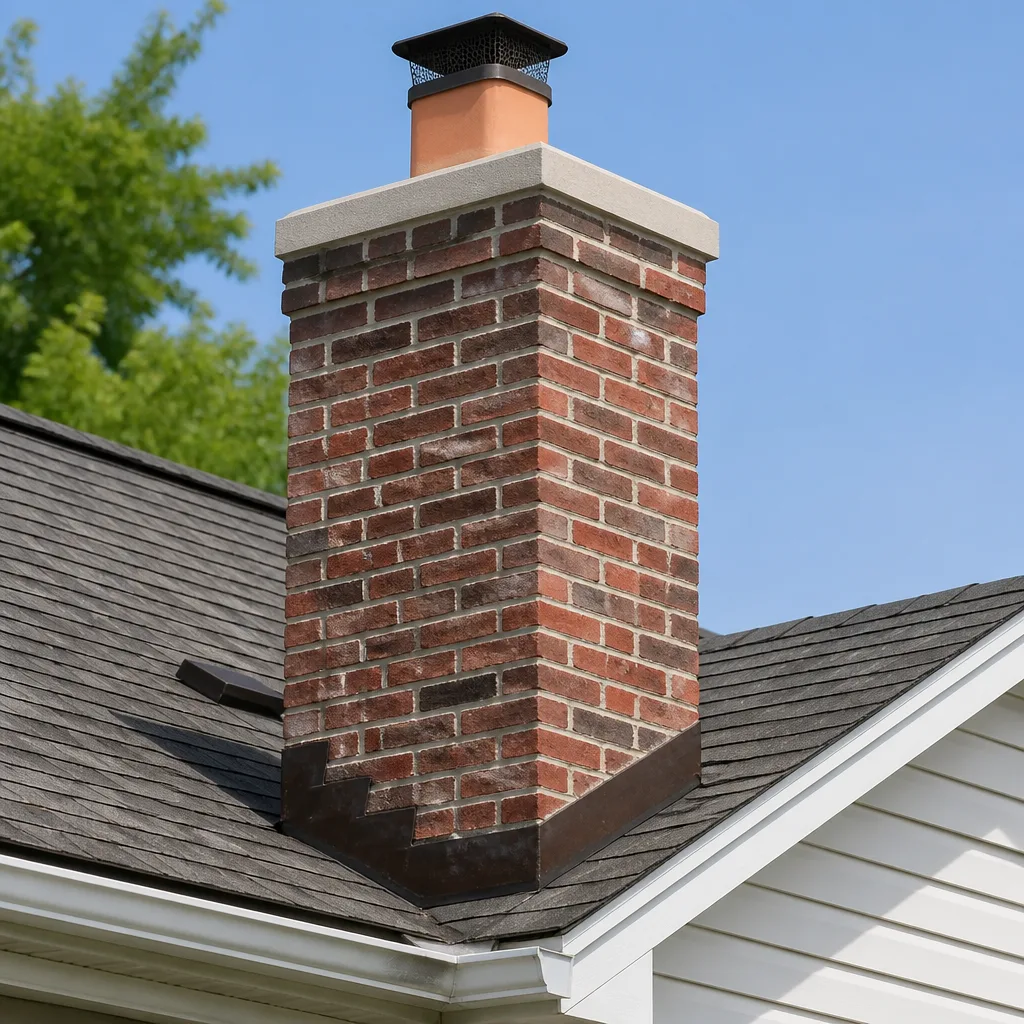
The crown is the concrete or masonry cap that seals the top of the chimney around the flue. On homes with DuraFlex liner systems – common in DC’s older rowhouses and mid-century brick colonials – the crown gets exposed to more freeze-thaw cycles than almost any other part of the chimney. When it cracks, water works its way down around the liner, and the repair is no longer optional.
Which DuraFlex Models This Applies To
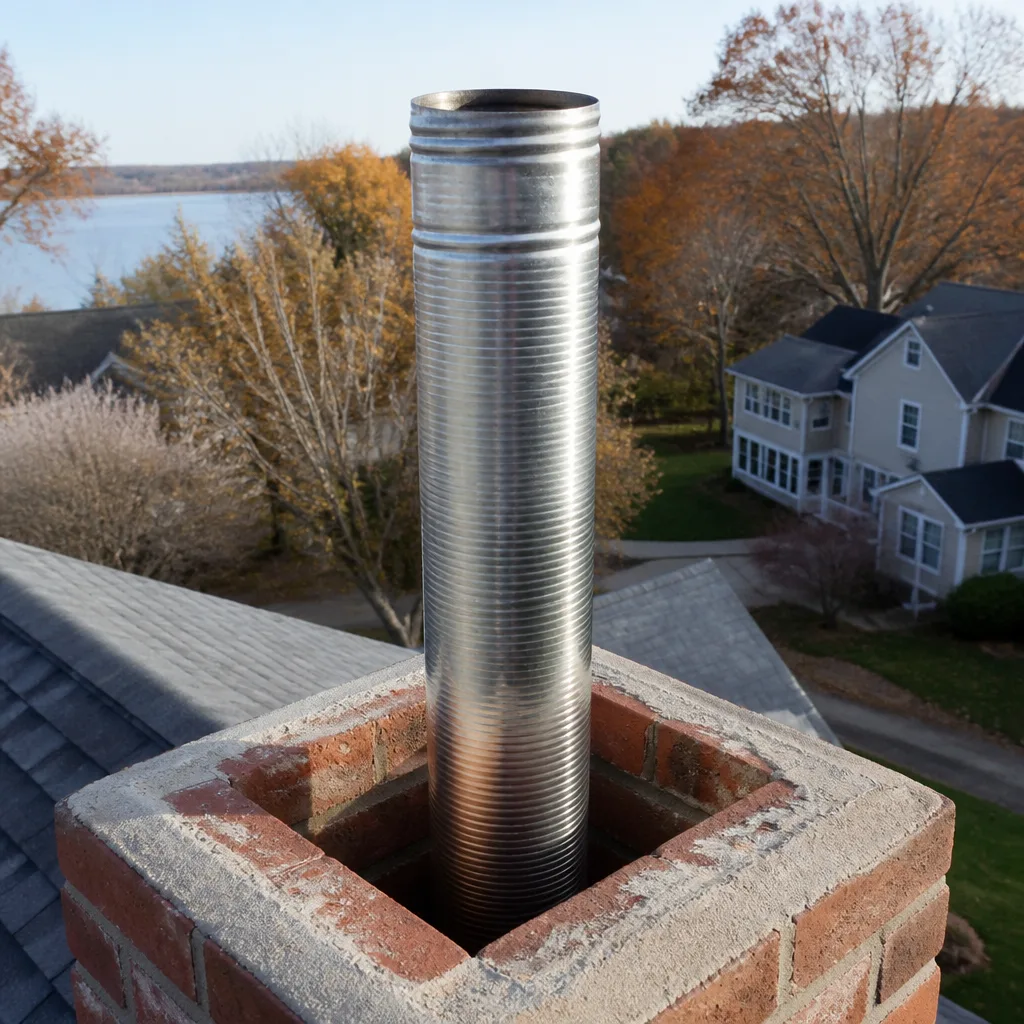
DuraFlex crown repair applies to any chimney running a DuraFlex liner system, including the DuraFlex 316L (standard for gas and oil) and DuraFlex Pro (heavier gauge, common on wood-burning fireplaces and larger flues). The crown itself isn’t a DuraFlex-branded part – DuraFlex manufactures the flexible liner and connector components, not the masonry crown. What matters is the dimension compatibility between the crown opening, the flue liner diameter, and the top plate that seals the liner to the crown.
Here’s the gotcha DC homeowners run into: many crowns were formed around older clay tile flues, and when a DuraFlex liner was installed, the crown opening had to be chipped or ground larger to fit the liner’s top plate and storm collar. That’s typically a 4-inch to 8-inch opening for residential systems. If the crown repair doesn’t account for that enlarged opening and the liner termination, you’ll get a new crown with the same leak path around the liner. We measure the exposed liner diameter, the existing crown overhang, and the chase dimensions before quoting anything.
OEM vs. aftermarket: For the crown itself, there is no DuraFlex “OEM crown.” What you’re buying is the material and the workmanship: a properly tapered cementitious or polyurethane crown wrap that sheds water away from the flue. We fabricate crowns to match the existing chase and flue dimensions using materials sourced through the Haven buying network, which also supplies our DuraFlex, HeatShield, and Gelco components. If the liner itself is damaged at the top – pitting, kinking, or a separated seam at the termination – that’s a DuraFlex replacement conversation, not just crown work.
Signs Your DuraFlex Crown Repair Is Failing
- Water staining on the ceiling or walls below the chimney chase. This means water is getting past the crown and traveling down the chase or the masonry. On a DuraFlex-lined chimney, the liner usually keeps water out of the flue gas path, but the surrounding framing and drywall still take the hit.
- Spalling: flaking or chipping of the crown surface itself. Spalling means the cementitious material has absorbed water, frozen, and begun shedding its top layer. In DC winters, this accelerates fast because we routinely get freeze-thaw cycles from November through March.
- Visible cracks wider than 1/16 inch. Hairline cracks are common and not urgent. Cracks you can fit a credit card edge into are water highways, and they get wider every winter. The camera doesn’t lie, and neither does the written price.
- Rust staining on the DuraFlex top plate or storm collar. The top plate and storm collar seal the liner to the crown. Rust there tells you water is sitting on top of the crown and not draining properly – the crown slope or overhang has failed.
- Mortar or concrete debris in the gutter or on the roof, especially after a freeze. This is the crown actively losing material. What’s on the roof was supposed to stay up top, and missing crown material means the flue liner termination is now the first line of defense.
BeforeAfterReplacement Cost & What’s Included
In Washington, DC, a DuraFlex-compatible crown repair or replacement from us runs $425-$1,150. The range is driven by four variables: square footage of the crown (a standard 16″x16″ single-flue runs lower; a larger chase with two or three flues runs higher), whether we’re repairing with a crown coat/sealant system or forming a new reinforced crown, access difficulty (roof pitch, chase height), and whether the existing crown has to be removed first.
Every crown job includes the same documentation, whether it’s a $425 repair or a larger rebuild: a written scope of work, a written price before anything starts, camera photos of the crown before and after, and a written warranty on the work. That’s Haven Standard Clause 4, and we’ve operated that way since 2009, about a decade before most companies in DC started charging extra for a photo record. We don’t do verbal quotes, and we don’t start without you seeing the number on paper.
If the crown damage has already affected the top of the DuraFlex liner – we see this on older 316L installs where the liner was cut too short at the termination – we’ll show you the photo, name the repair, and give you the price for the liner section as a separate line item. No bundling, no mystery line items.
DIY or Call Us?
You can safely do one thing: look. From a ladder placed on level ground, or from an upstairs window with a clear sightline, you can see cracks, spalling, and debris. That’s useful information to have before you call, and it helps us quote accurately over the phone. What you should not do is get on the roof, chip out the old crown, mix a cementitious patch, and hope it holds. The crown is structural: it has to be tapered correctly, it has to bond to the existing masonry without trapping water, and it has to leave the correct clearance around the DuraFlex termination. A bad DIY crown job on a chimney with a liner system looks fine for six months and then channels water straight down the chase – the same problem you started with, now hidden under fresh material.
If you want to check whether the wall below feels damp or whether you can hear active dripping inside the chase during a rainstorm, go ahead. What you’re looking for is confirmation that the crown is the problem, not the flashing or the bricks. Then call us at (240) 621-1264 and we’ll bring a camera and a written price.
FAQs
A properly formed chimney crown in the DC area typically lasts 20 to 30 years before it needs meaningful repair, though crowns on north-facing chases or heavily shaded lots can fail earlier because they hold moisture longer.
If the cracking is limited to the surface and there’s no spalling or liner rust, a crown sealant and resurfacing job usually works and runs in the lower end of our $425-$1,150 range.
Most crown repairs in Washington take 2 to 4 hours from setup to cleanup, and the material curing time means you should keep the fireplace unused for 48 hours after the job.
We stock DuraFlex top plates, storm collars, and sealants on the truck, along with crown coating material – so a standard repair is usually a one-visit job, not a quote-then-return booking.
If you’ve found cracks, spalling, or water stains below the chase in your Washington home, call us at (240) 621-1264. We’ll walk through what you’re seeing, give you a written price range before we arrive, and send a named tech who’s background-checked and in uniform. Every estimate is free, every visit includes camera photos, and every job starts with a number on paper.
Written by Corrine Halstead, Owner, Level Two Chimney Washington at Level Two Chimney Washington, serving Washington and nearby areas.