
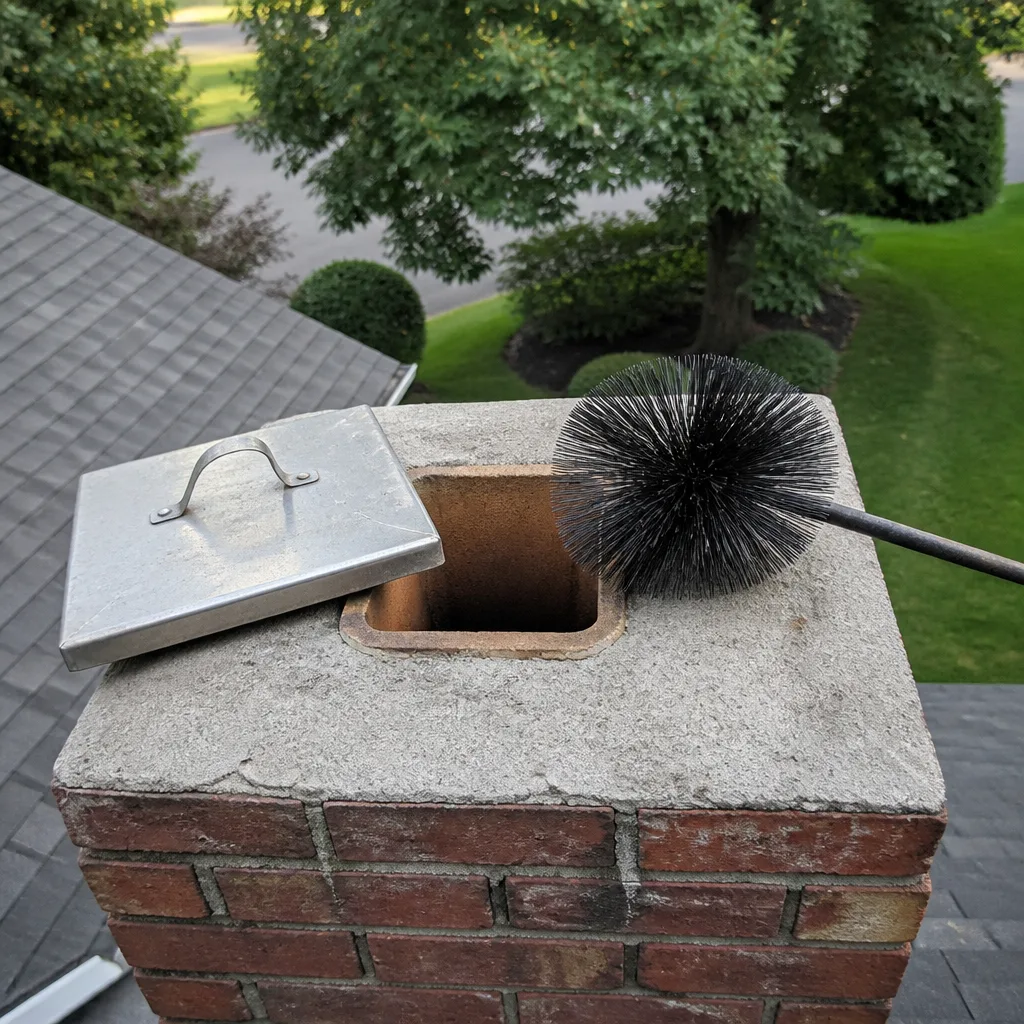
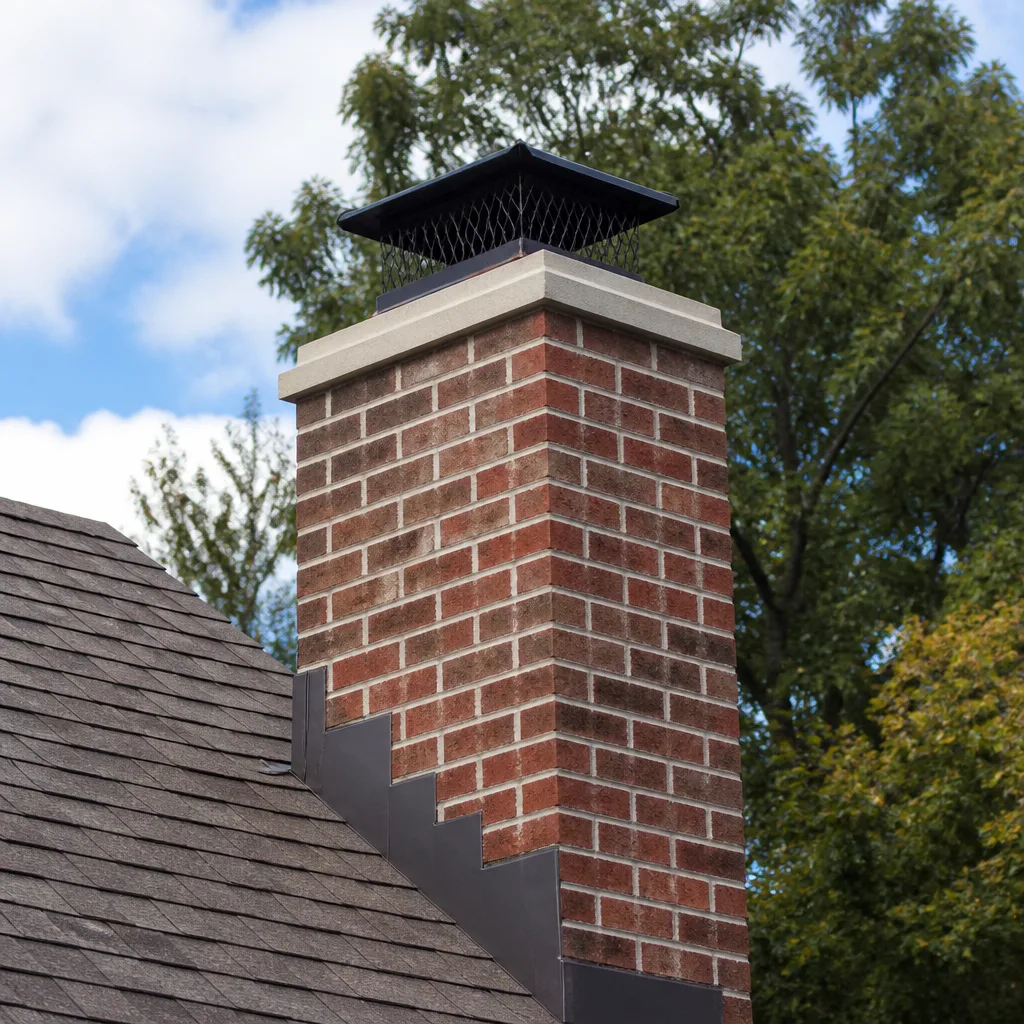
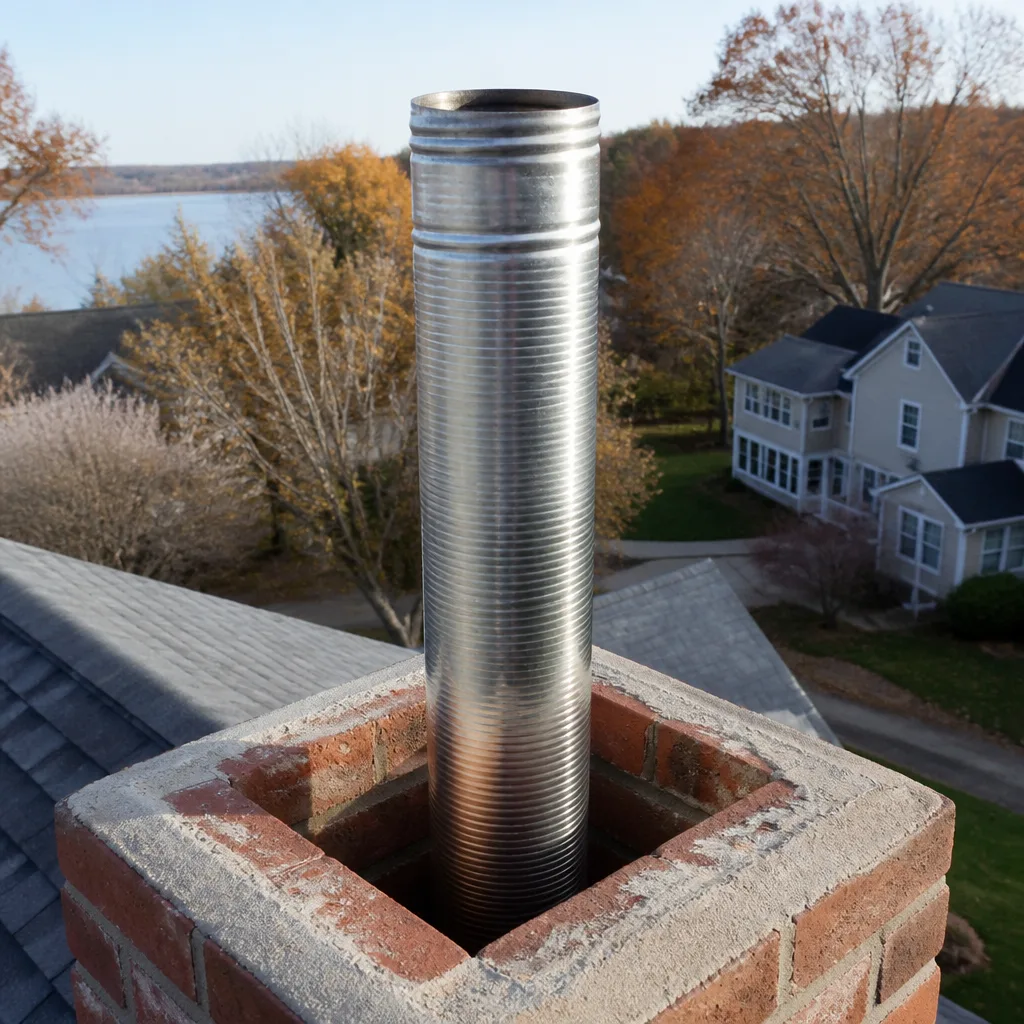
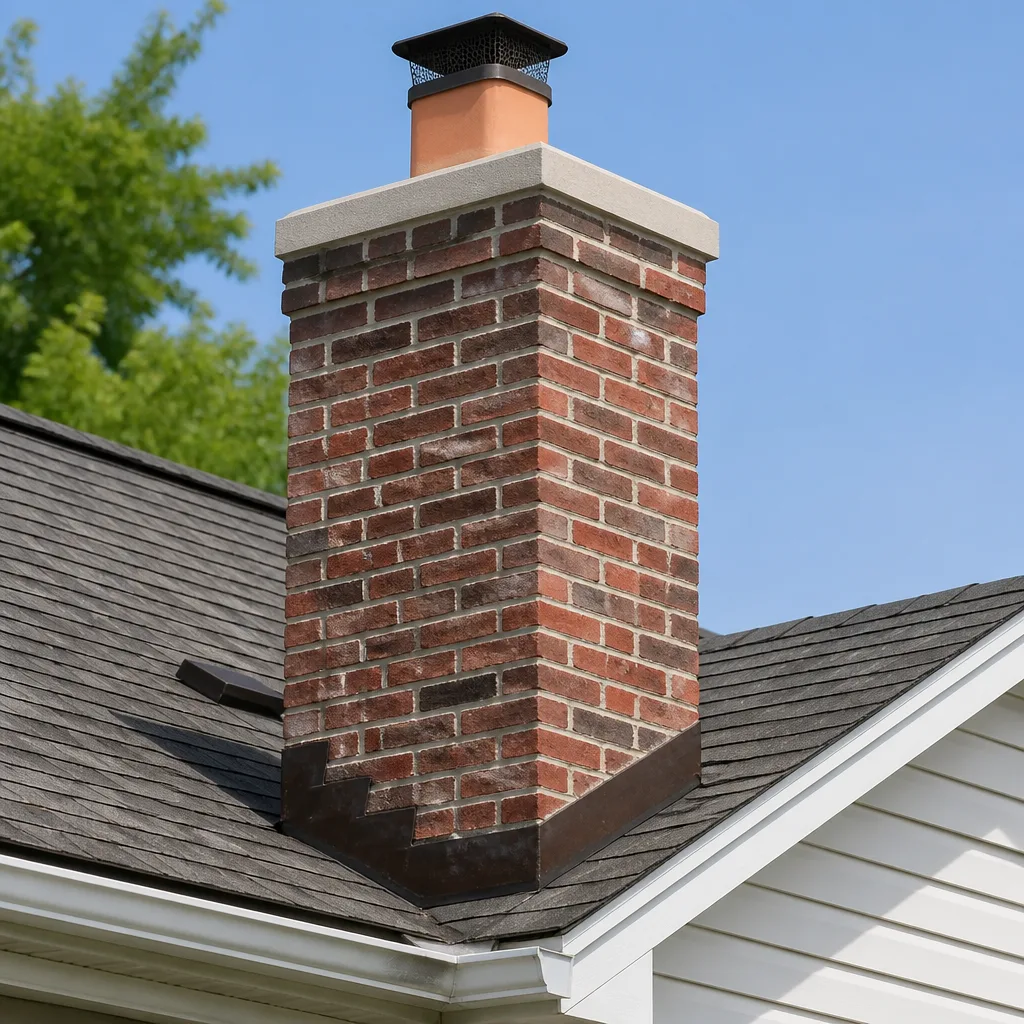
Level 1 sweep and inspection to the NFPA 211 annual standard - flue, crown, cap, and flashing checked and photographed
Chimney sweep logs do not sweep chimneys. They loosen some creosote - which then falls where a brush and vacuum still have to collect it.
 Before
 After
After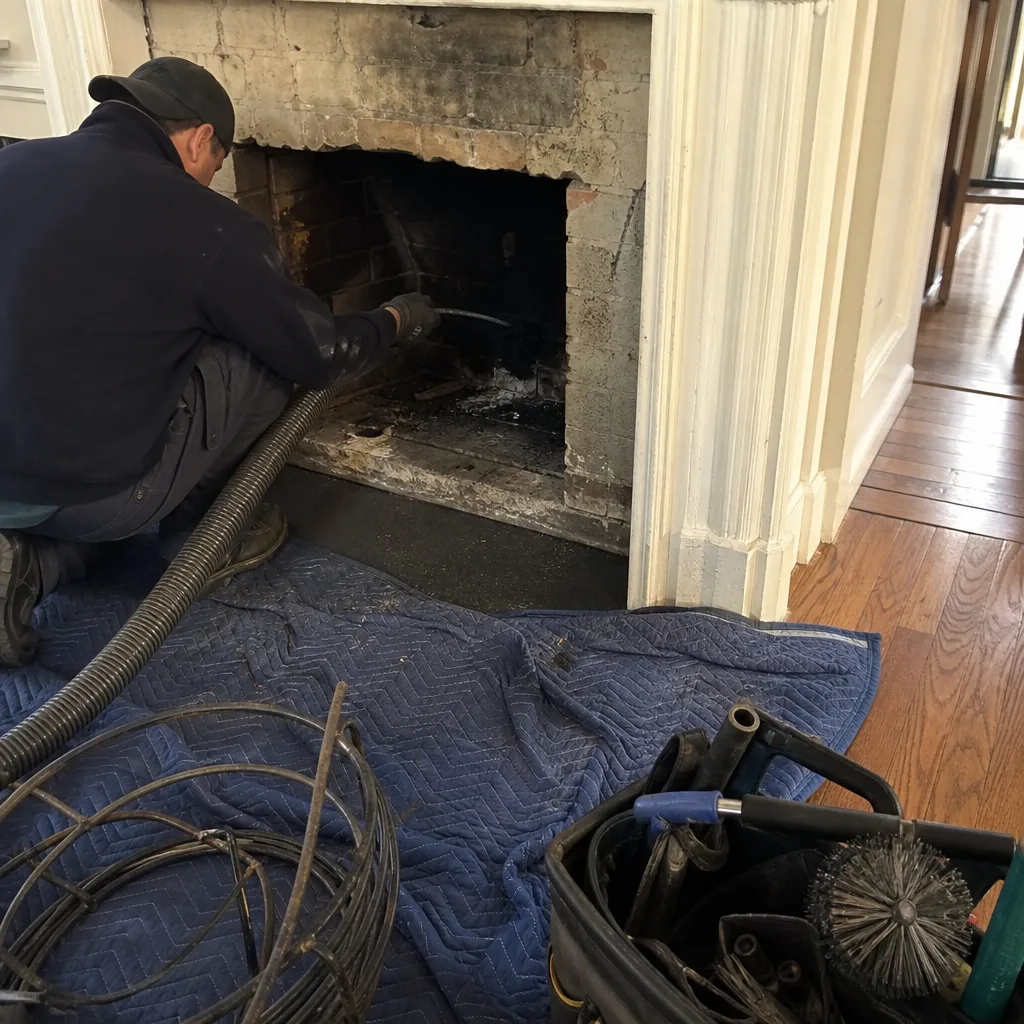 Before
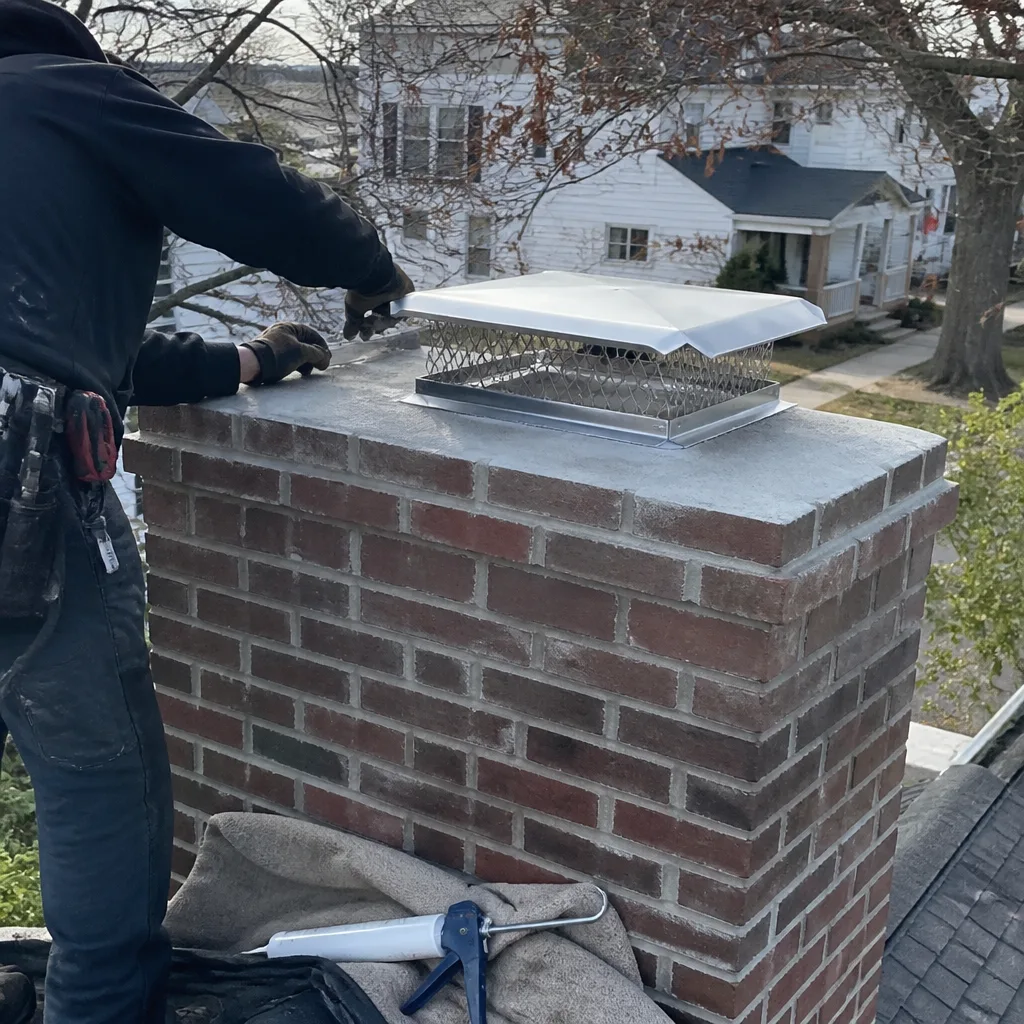 After
After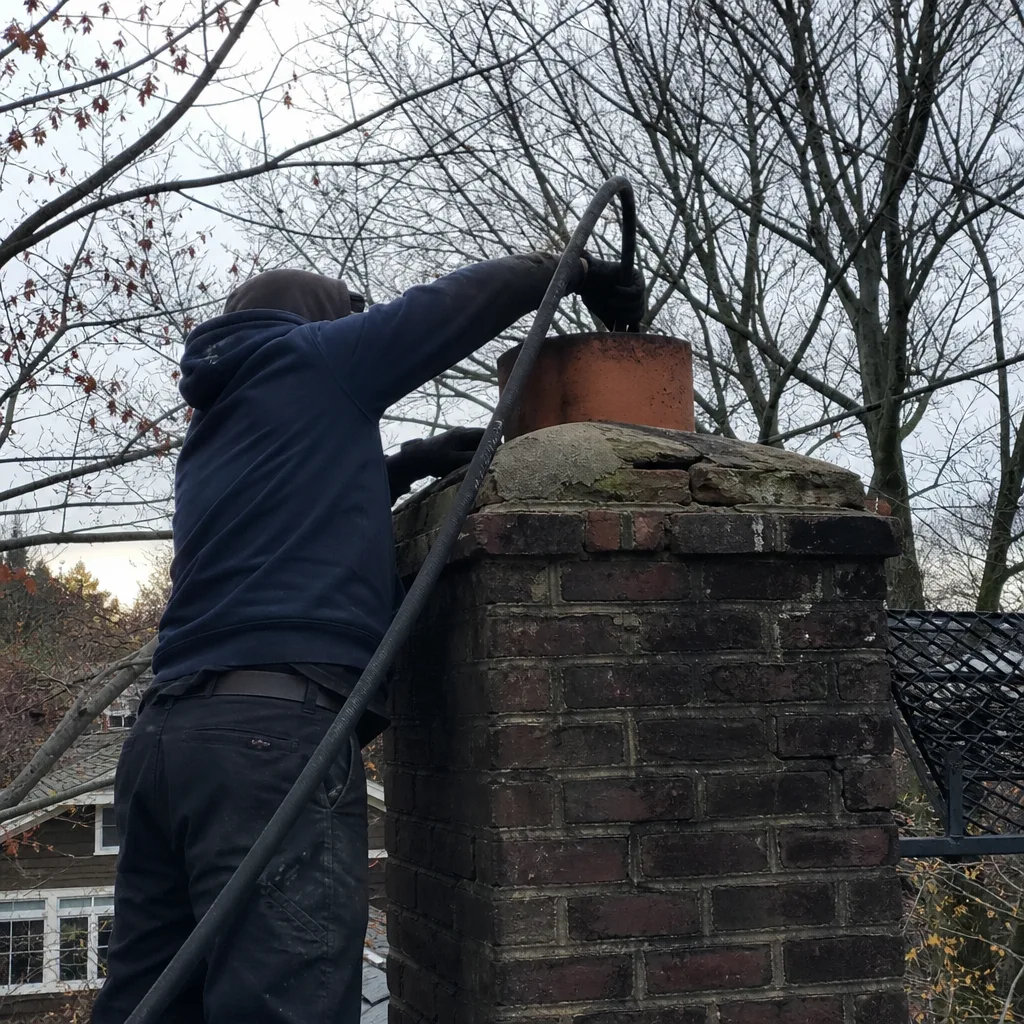 Before
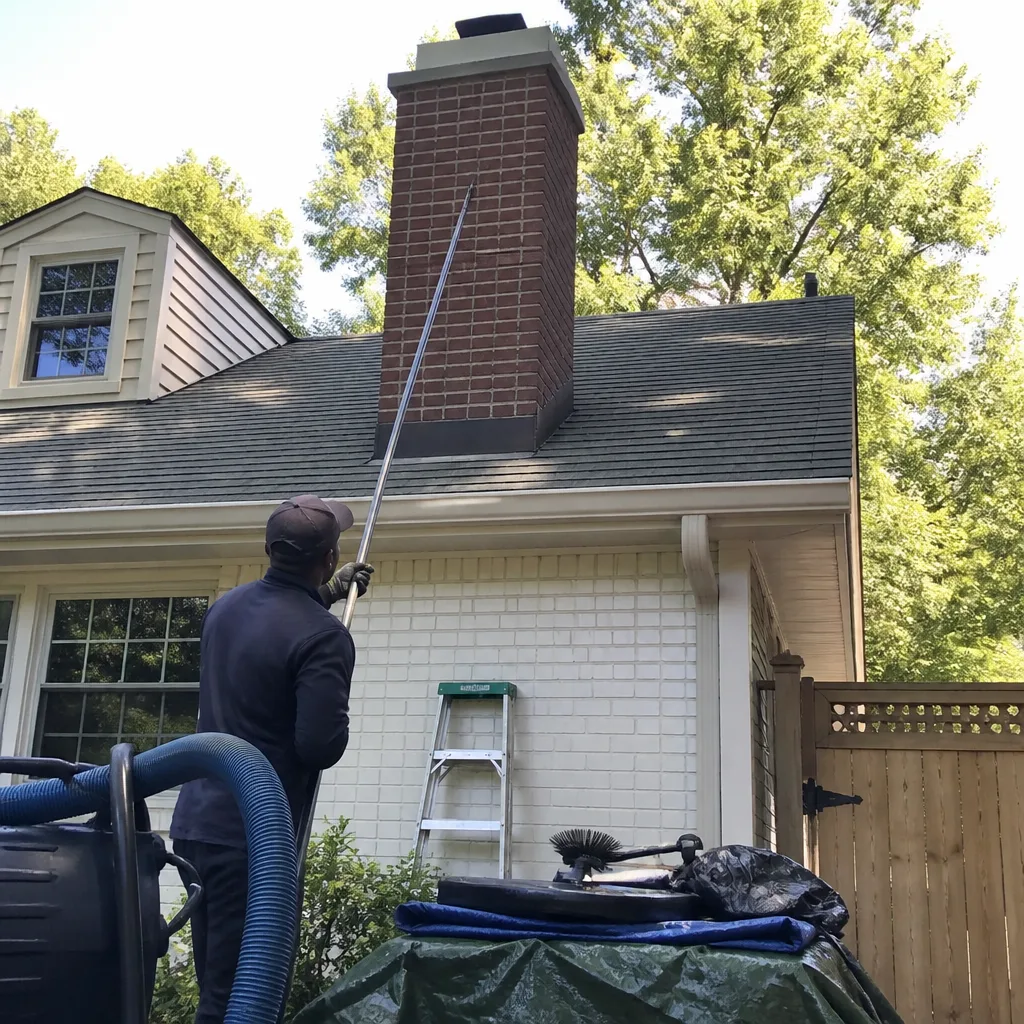 After
AfterCopperfield Chimney Cleaning & Sweep in Washington: What to Know First
Copperfield chimney cleaning and sweep in Washington runs between $229 and $389 for a standard open-flue fireplace, with most jobs completed in under two hours. We perform the full NFPA 211 Level 2 camera scan on every Copperfield job, then hand you a written price for any work beyond the sweep before a single brush touches the flue. If you own a home in DC with a Copperfield fireplace or wood stove, this page covers what actually goes wrong with these units, what it costs to fix, and what you’ll walk away with when we’re done. Call (240) 621-1264 to book, or keep reading if you’re the type who wants the details first.
How Copperfield Products Fail - and How We Clean and Sweep Around Them
- Air-cooled chimney pipe creosote bridging (CF Series and Wall Pass-Through installations). Copperfield’s air-cooled pipe uses a thin insulation blanket between the inner and outer walls. In Washington’s damp, cool winters that blanket holds moisture, which cools the inner flue wall faster than the fire can heat it. Result: creosote solidifies in thick, uneven layers instead of burning off. We see Class II and Class III creosote in Copperfield air-cooled pipe at a higher rate than in comparable brands installed the same year. Our sweep uses poly brushes with a side-wall scraper attachment, never wire, because the inner liner in these units is thin 430 stainless and wire bristles leave scoring that becomes a future creosote anchor point.
- Class A solid-pack settling gaps above the firestop (Copperfield Class A HT series). In DC rowhouse retrofits, the chimney chase often runs through an unheated attic before punching through the roof. Copperfield’s solid-pack insulation can settle 1/4″ to 1/2″ per decade under its own weight, especially when the roof penetration has been re-flashed multiple times. The symptom is a faint smoke smell upstairs during a cold start, not during a hot fire. A Level 2 camera scan catches the gap every time, and we repair it by re-seating the pipe from the top side, not by caulking the visible seam which only buys a season in Washington’s freeze-thaw cycle.
- Damper weld fatigue on Copperfield fireplace units from the 2010-2017 run. Several Copperfield fireplace models from that era used a cast-iron damper plate with two weld pins on the hinge side. After eight to twelve years of Washington’s humid summers and dry winters, the pins shear at the weld. You’ll notice the damper lever moves but the plate doesn’t seat fully. During a sweep we spot this before the brush goes up, because working a flue with a partially dropped damper risks lodging the brush head and pulling the plate free. We replace the damper with an aftermarket stainless pin assembly rather than an OEM plate when the OEM source is six to ten weeks out, which it often is.
- Firebrick spalling at the smoke shelf in Copperfield open-hearth models. The smoke shelf is where smoke makes its turn up the flue, and the refractory on Copperfield’s open-hearth fireplaces from roughly 2009 to 2014 shows accelerated spalling in DC homes with gas heat backup and occasional wood use. Cause is thermal cycling: fires are lit sporadically, the refractory never cures fully, and the alternating expansion and contraction pops the surface layer. During a sweep we photograph any spalled areas and note the depth. If the damage is surface-only, we record it and recommend monitoring; if it exposes the metal shell, we quote a HeatShield resurfacing or relay it with a compatible refractory, always with a written price before we start.
- Chimney chase cap and storm collar corrosion on Copperfield pre-fab installations. The chase cover and storm collar on outdoor Copperfield chimney chases are galvanized, and in Washington’s wet climate they lose their zinc layer in six to eight years. Once bare steel is exposed, it rusts through and drips iron-stained water into the chase. That water runs down the exterior of the Copperfield pipe and wicks into the insulation blanket, accelerating the creosote bridging we mentioned earlier. During a cleanup, we inspect the chase cover and collar, photograph what we find, and quote you a stainless replacement if the seal is compromised.
Our Copperfield Chimney Cleaning & Sweep Process
- 1
You call, a live person answers. We book the visit, confirm the model and year if you have it, and text you when the technician is en route. No voicemail, no web form.
- 2
Camera-scan before any brush work. Every Copperfield job starts with an NFPA 211 Level 2 camera run down the full flue. We’re looking for exactly the failure modes listed above. You see the footage.
- 3
Written price, written scope, written warranty. If we find a damper pin issue, a settlement gap, or spalling beyond what a sweep alone can address, we hand you a written price before any money changes hands for the additional work. Clause 1 of the Haven Standard: have it in writing.
- 4
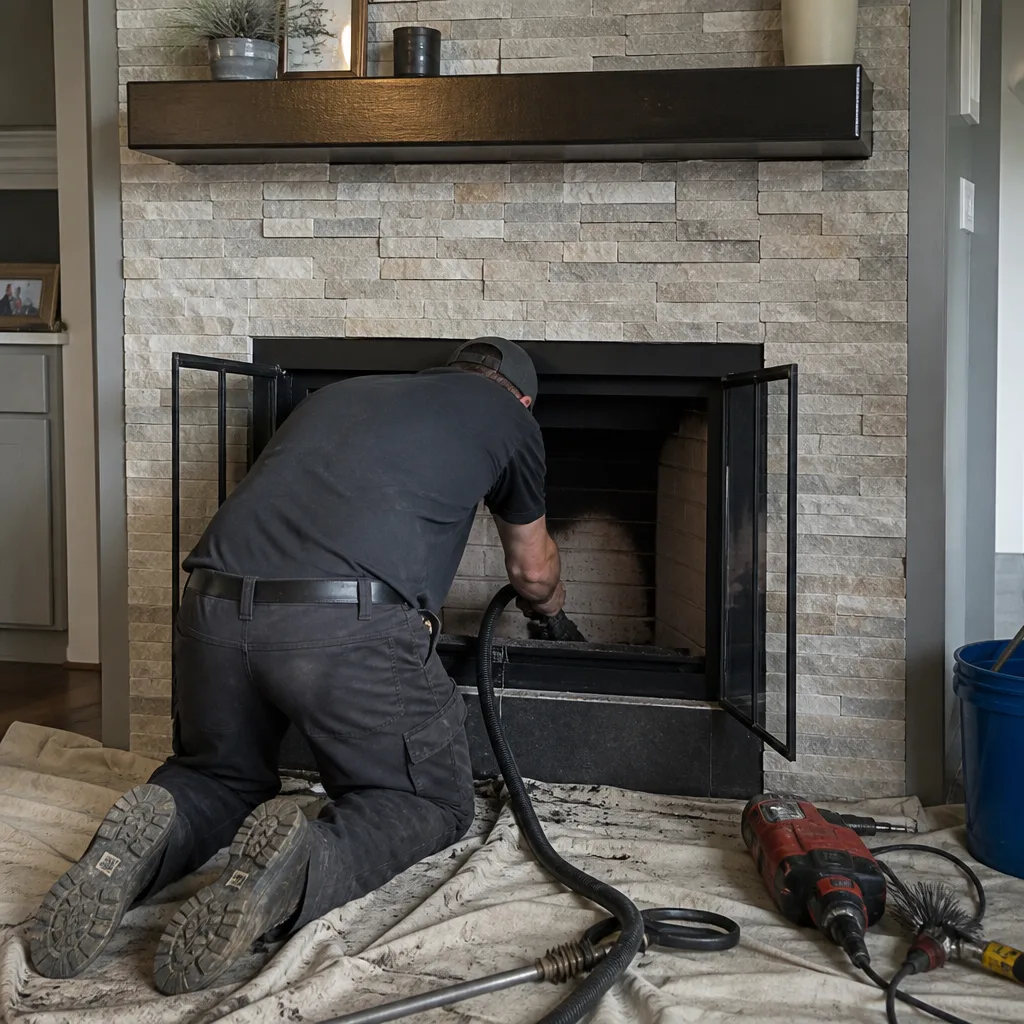
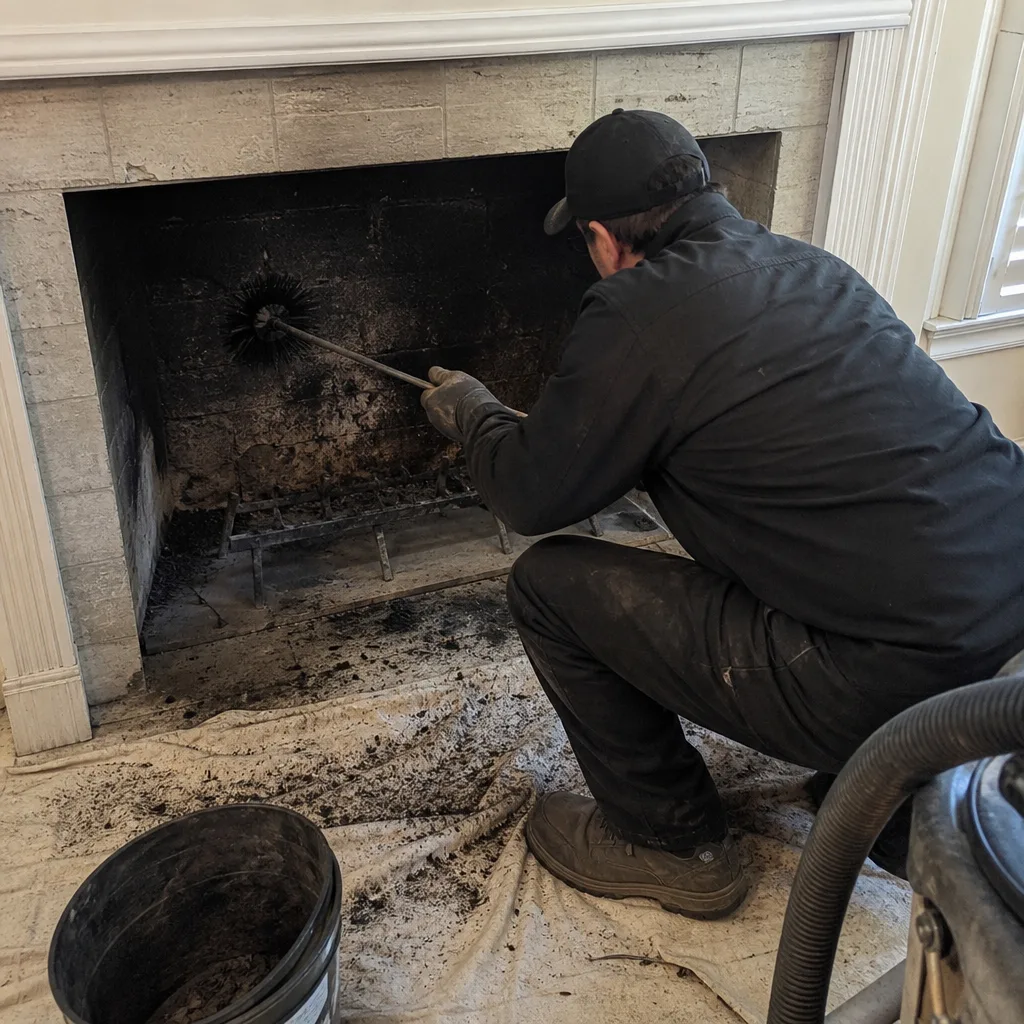
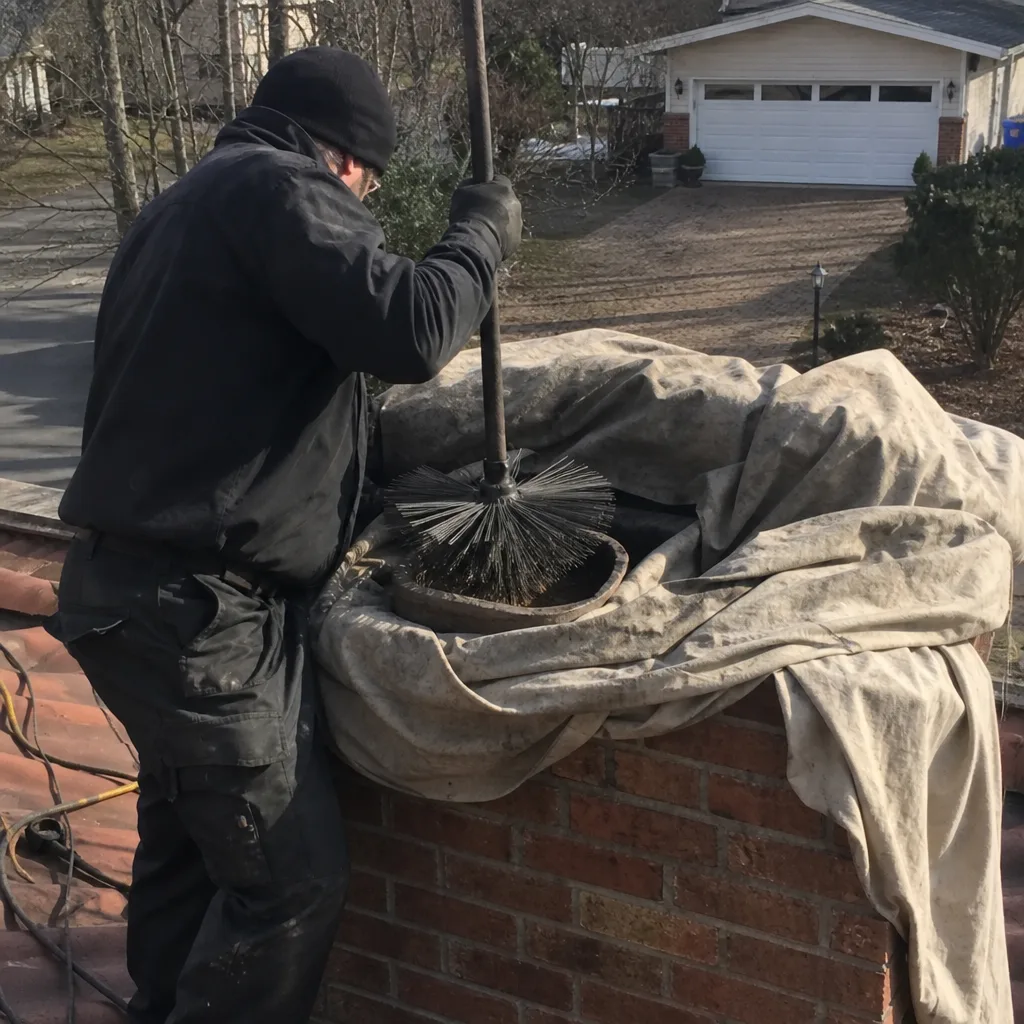
The sweep itself. We use poly brushes sized to the actual flue diameter, not whatever brush is on the truck. On Copperfield air-cooled pipe we run a side-wall scraper to knock down the glaze without scoring the stainless liner.
- 5
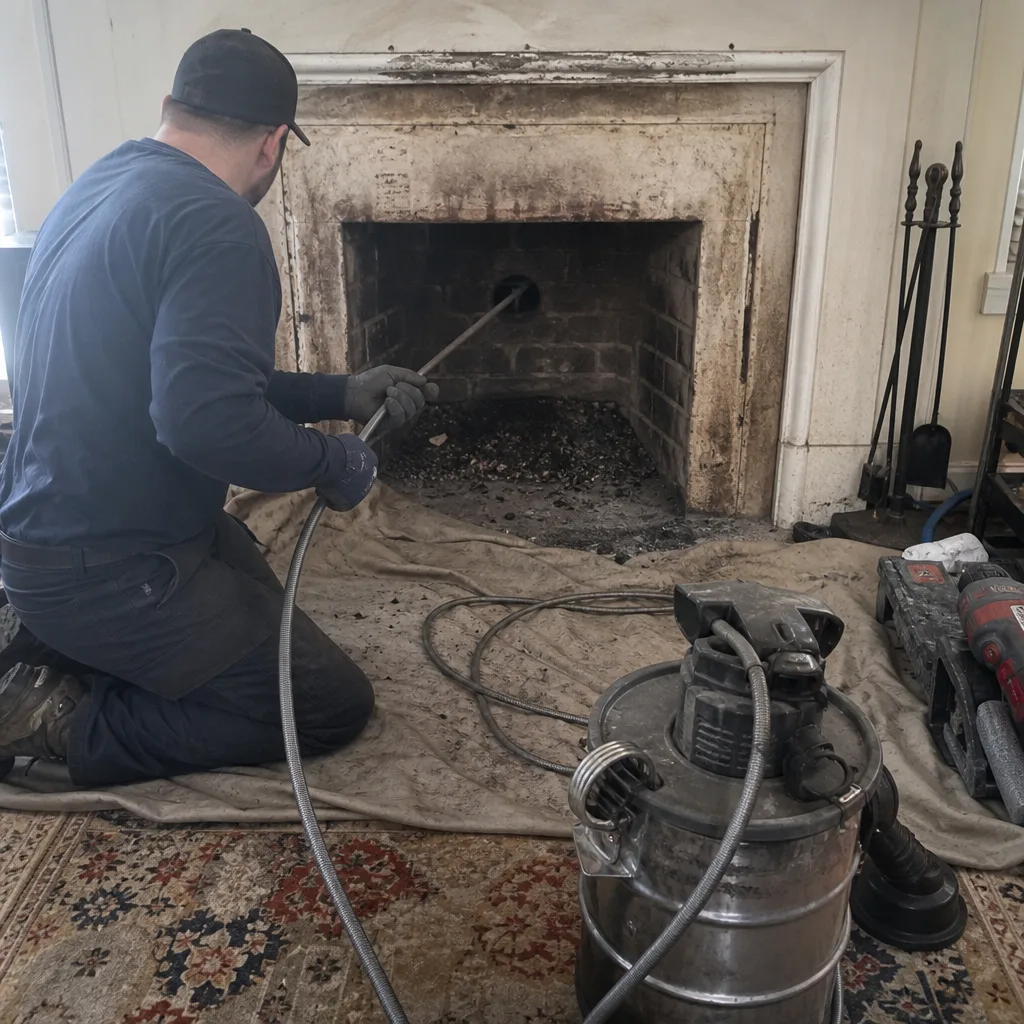
After-sweep camera pass. Same camera, same angles, so you can compare before and after. The documented photo record is part of every job, not an add-on. That practice became Clause 4 of the Haven Standard back in 2009, and we’ve kept the archive running ever since.
- 6
Final report and warranty. You get the photos, the readings, the written scope, and the 365-Day Done Right Promise stamped on the job. If it’s not done right, we make it right.
BeforeAfterWhat Copperfield Chimney Cleaning & Sweep Costs in Washington
Expect $229 to $389 for a standard Copperfield fireplace or stove sweep with full Level 2 camera inspection, depending on flue height, creosote classification, and roof access. A Class III glaze removal on an air-cooled Copperfield pipe adds $85 to $140 because of the extra scraping passes and the longer camera verification run. Damper pin replacement runs $175 to $295 installed, depending on whether the plate needs replacing or just the hinge pins. A storm collar and chase cover replacement in stainless runs $340 to $580 for most Washington rooflines. What moves the price: roof pitch and ladder access, flue diameter, and whether the prior homeowner documented any liner modification. We never quote over the phone and never make you wait for a number until a technician is standing in your living room. The written price comes after the camera scan, before any work, every time.
Why Washington Homeowners Call Level Two Chimney Washington for Copperfield Work
We’ve inspected and cleaned more than 38,000 chimneys since 2009, and every one of those jobs carried a written price before the brush went up and a documented photo record when it was done. Our technicians are background-checked, uniformed, and assigned to your job by name. When a Copperfield part is out of stock at the regional depot, we source the equivalent through the same network we use for DuraFlex liners, HeatShield resurfacing materials, and Gelco components, so you’re not waiting six weeks on a factory backorder while your fireplace sits cold through Washington’s winter. The camera doesn’t lie, and neither does the written price. Corrine Halstead has been running chimney operations in Washington for the better part of fifteen years, and her crews learned early that rowhouses near Capitol Hill with older wood framing hide flue liner stories no one wants to discover after a fire. That’s why the camera goes down first, every time.
FAQs
Once per year if you burn wood more than twice a month during the season, or after every cord burned, whichever comes first. Washington’s damp winters cause Copperfield air-cooled pipe to build creosote faster than the same unit installed in a drier climate like Denver, so the annual interval matters here more than most places. If you only burn occasionally, an every-other-year sweep with an annual camera check is usually sufficient. Call (240) 621-1264 and we’ll help you figure out the right interval based on how you actually use the fireplace.
No, and neglecting to sweep it will. Copperfield’s warranty documentation requires periodic inspection and cleaning by a qualified chimney service, and a documented record of those visits is what protects your claim. We’re an independent Copperfield service provider: we don’t sell Copperfield products and we don’t represent the factory, but the photo record and written report we leave behind is exactly the kind of documentation their warranty department asks for. That record has been standard on every job since 2009, not something you have to request.
You’ll know when we show you the camera footage. The Level 2 scan is included on every Copperfield visit, and before anything is swept you’ll see what’s actually on the flue wall. A light soot coating on an occasionally used fireplace can wait; Class II or Class III creosote on an air-cooled Copperfield pipe should not wait, because that’s a chimney fire risk, not a cosmetic issue. If the camera shows a clean flue, you’ll see that too, and we’ll tell you the clean truth: you don’t need a sweep this year. Call (240) 621-1264 for a free estimate.
The chase cover and storm collar are almost always the first thing to go in Washington’s wet climate. A rusted chase cover drips water into the chimney chase, that water gets into the Copperfield pipe insulation, and the creosote builds faster from that point forward. It’s a chain reaction that owners don’t notice until the fireplace smells off or the sweep finds Class III glaze in a pipe that was cleaned eleven months earlier. When we see a compromised chase cover, we photograph it, write the price for a stainless replacement, and let you decide with the evidence in front of you.
No, and we won’t pretend otherwise. The price for a Copperfield sweep in Washington depends on what the camera finds: flue height and diameter, creosote classification, roof pitch and access. What we can tell you is that the written price comes before any work, every time, and that our standard Copperfield sweep runs between $229 and $389. What we’ve never done and never will do is give you one number on the phone, then hand you a different number once our technician is in your living room. The camera goes down, the number gets written, and only then does the brush go up.
Written by Corrine Halstead, Owner, Level Two Chimney Washington at Level Two Chimney Washington, serving Washington and nearby areas.