
Level 1 sweep and inspection to the NFPA 211 annual standard - flue, crown, cap, and flashing checked and photographed
Chimney sweep logs do not sweep chimneys. They loosen some creosote - which then falls where a brush and vacuum still have to collect it.
 Before
 After
After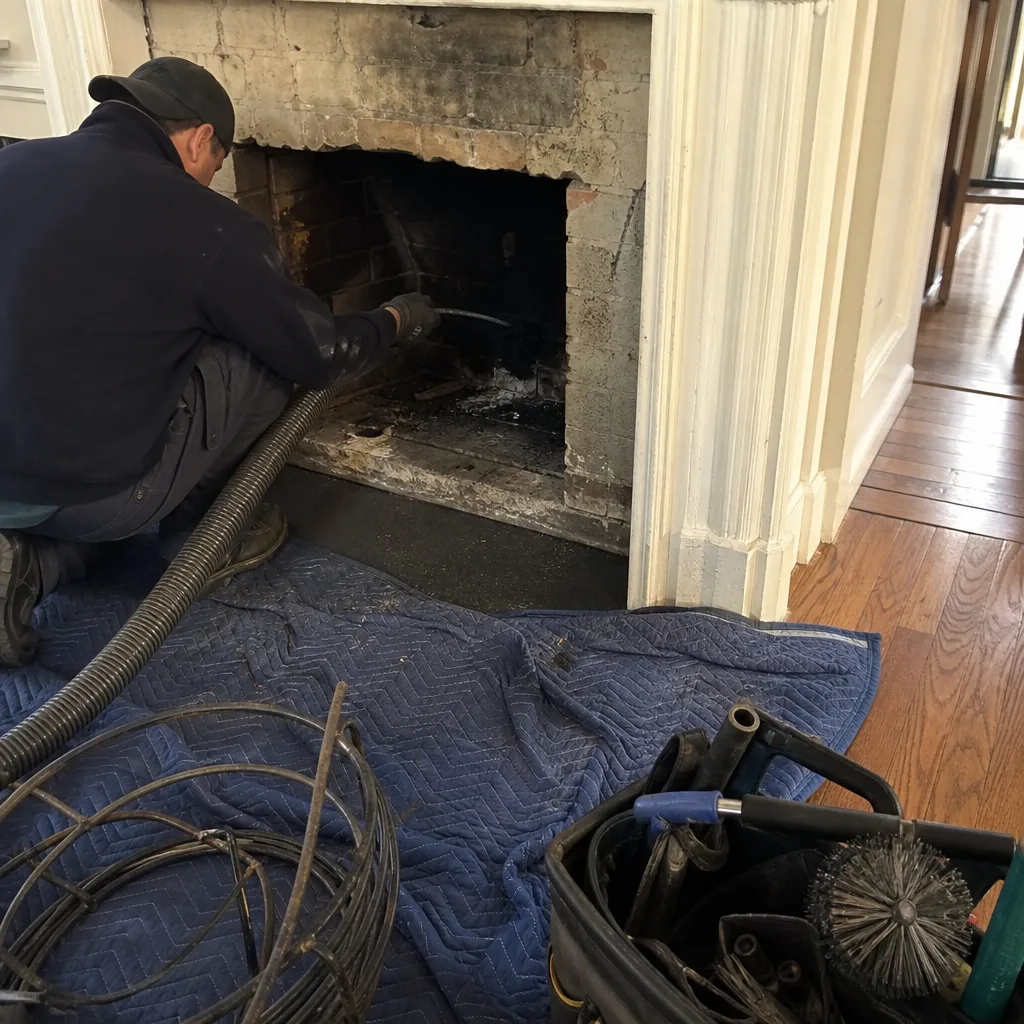 Before
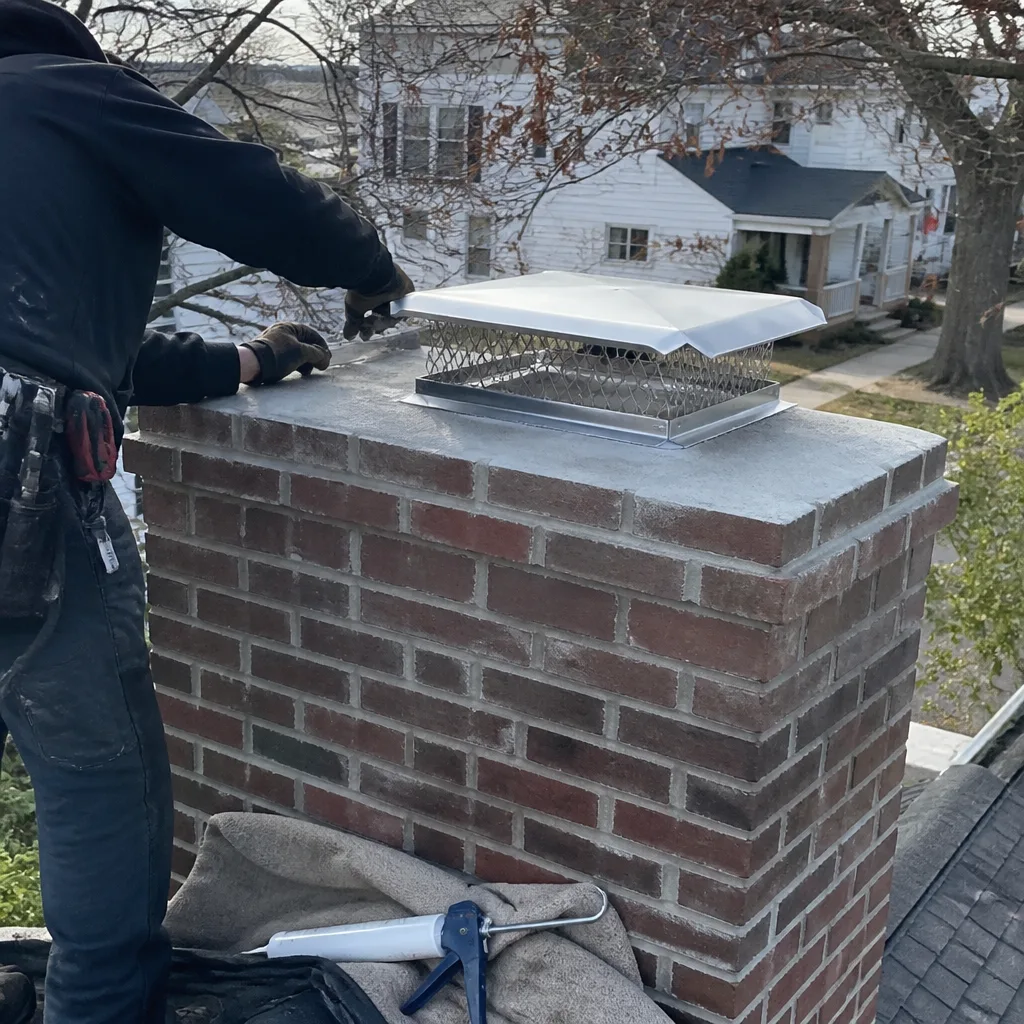 After
After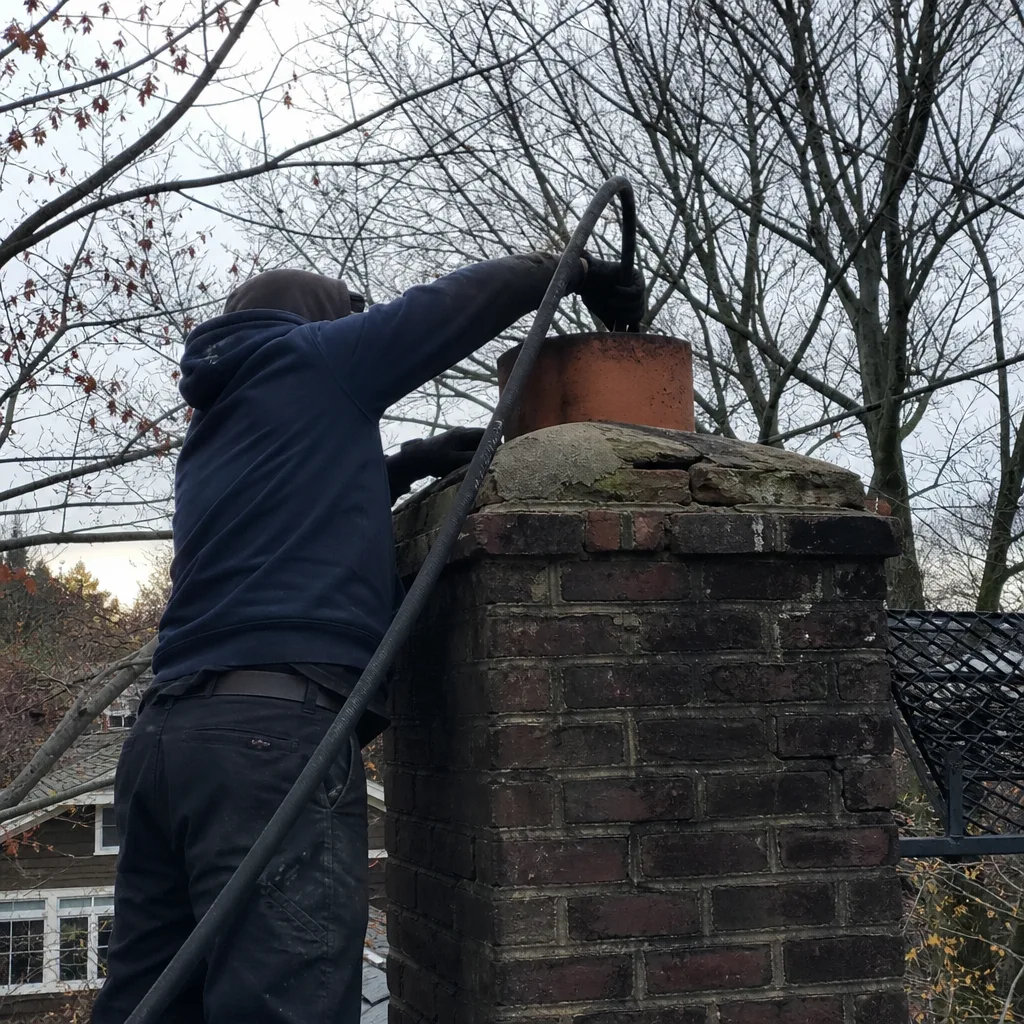 Before
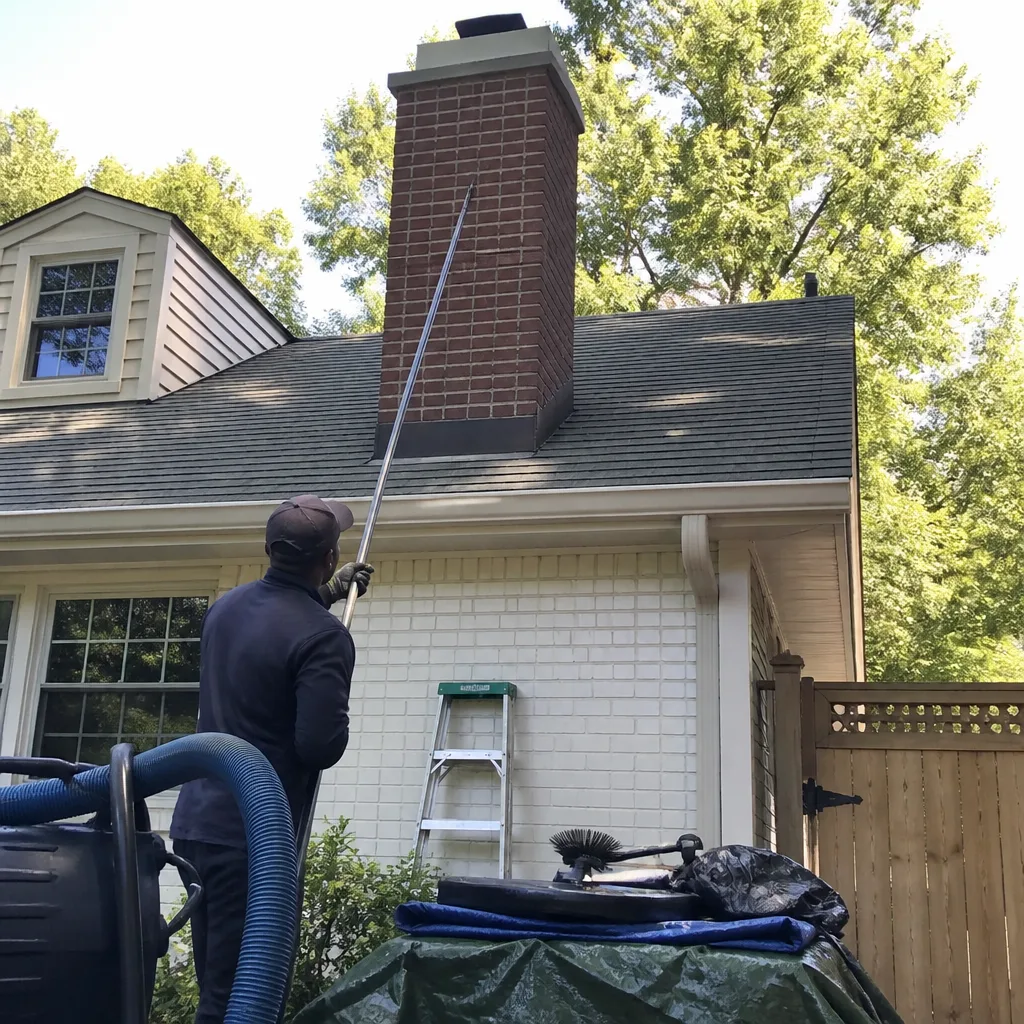 After
AfterChimney Cleaning Before & After in Washington, DC
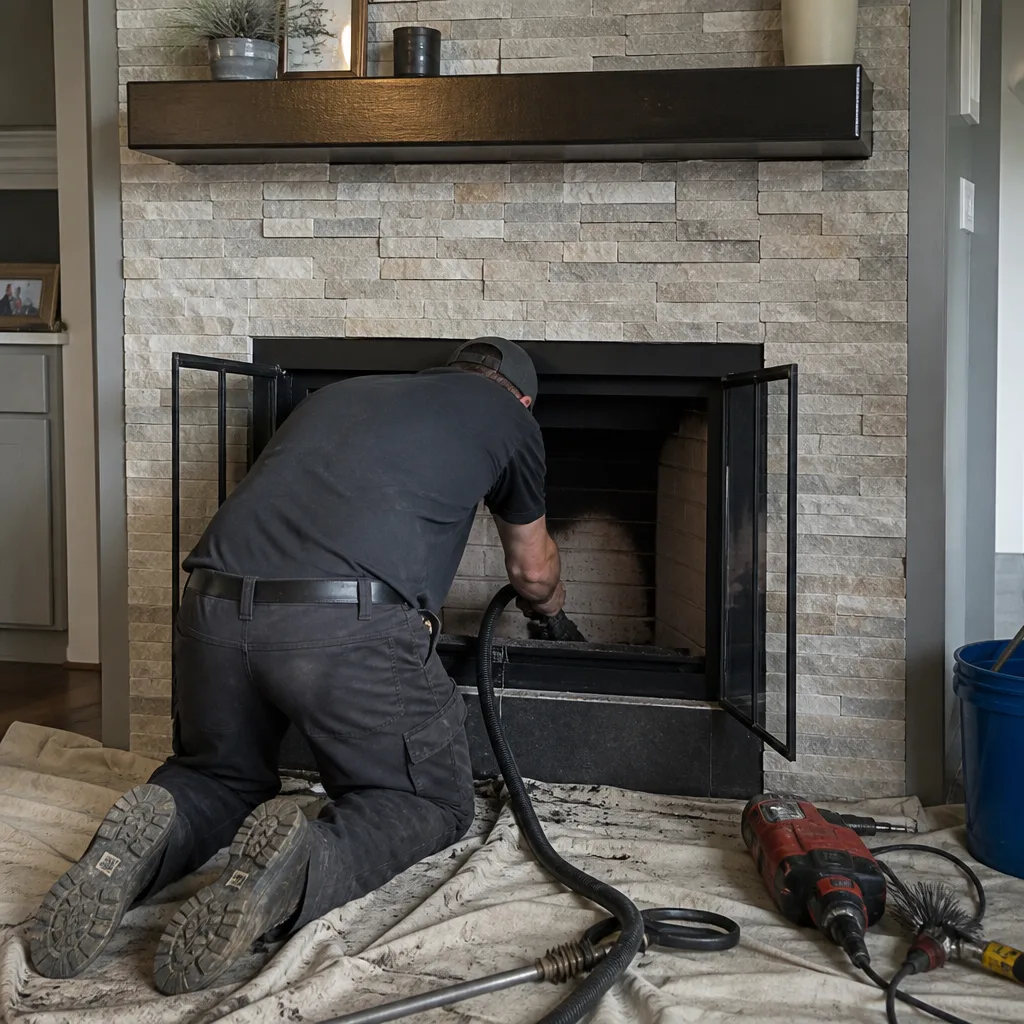
Chimney work hides its problems until someone looks. The flue is dark, the creosote looks like any other black residue, and the crown cracks read as water stains to an untrained eye. Photos change that. Every job we finish in Washington, DC includes a documented photo record under Clause 4 of the Haven Standard. Here’s what that record actually looks like, job by job.
Recent Transformations
Class III Creosote Removal in Capitol Hill

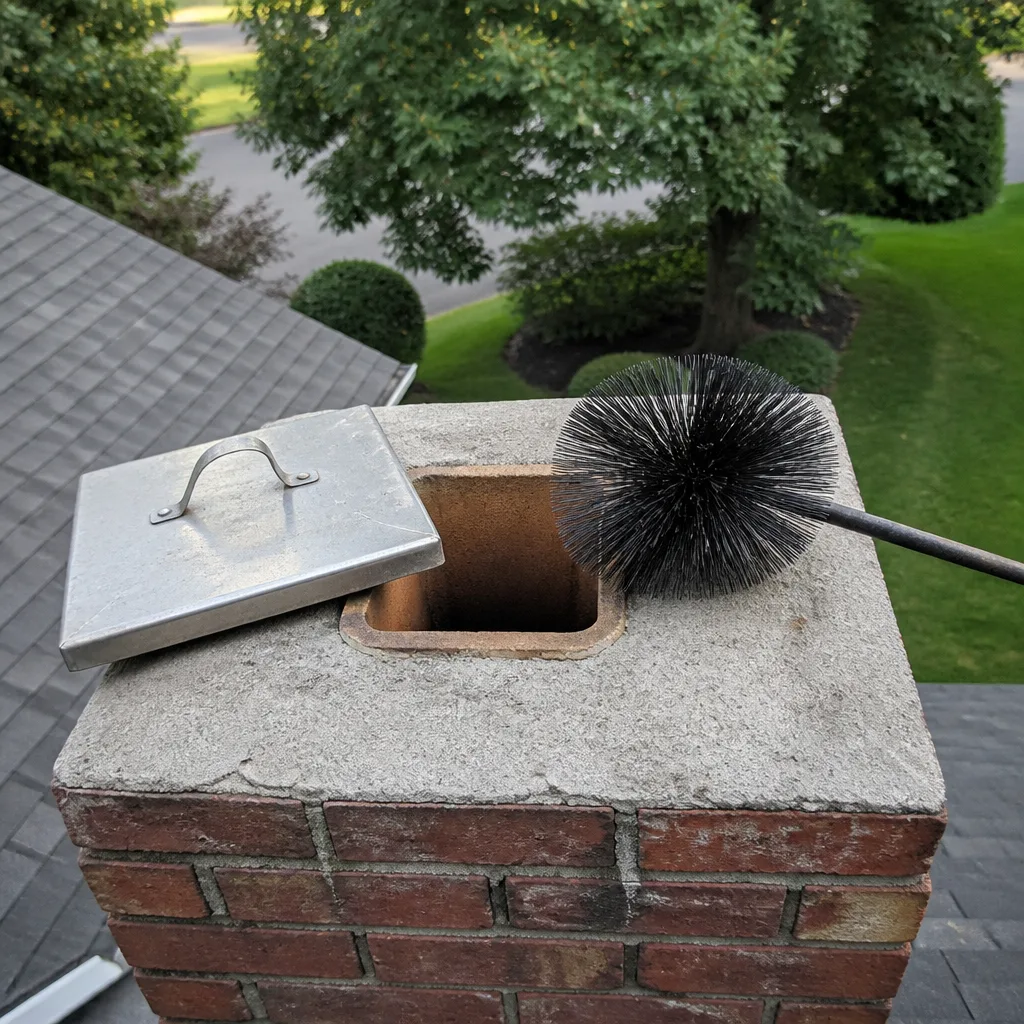
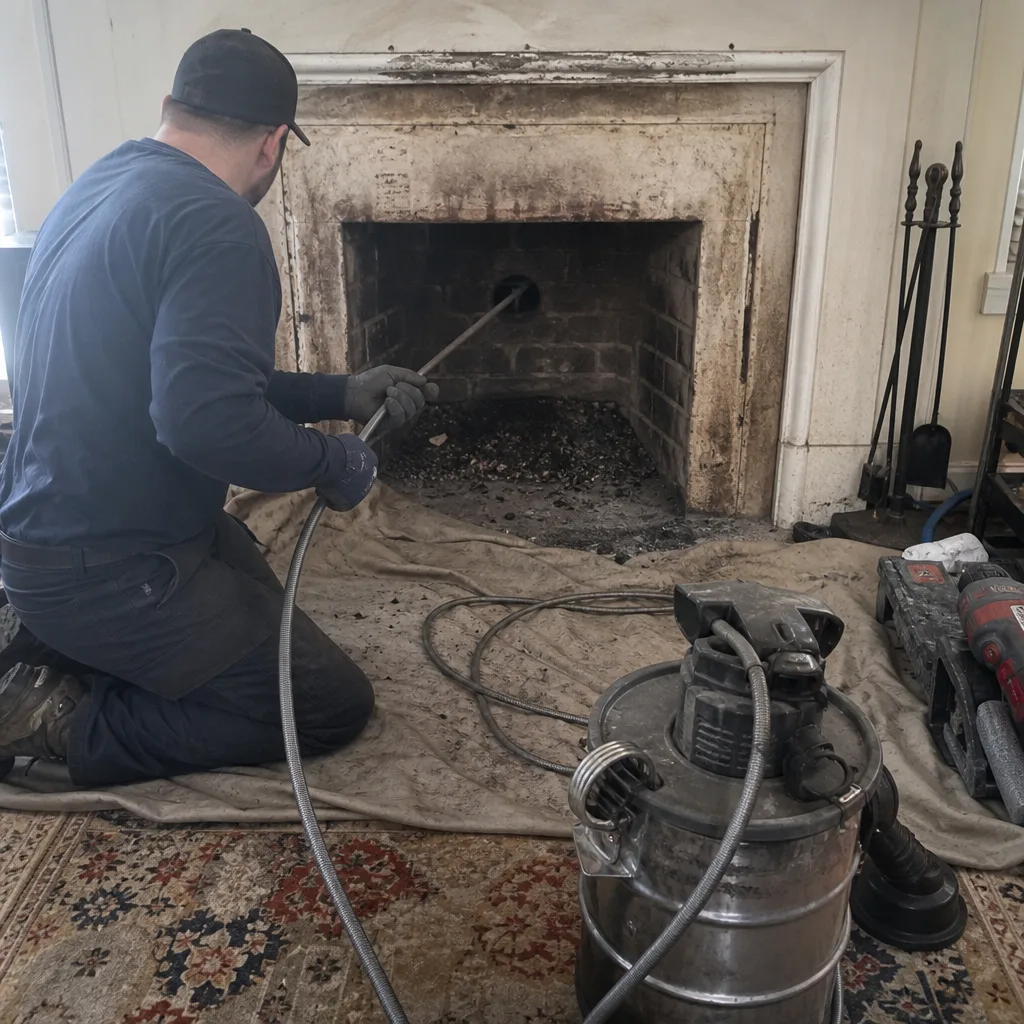
The problem: a row house fireplace that had gone eight years without a sweep. The camera scan showed Class III creosote, which is the glazed, tar-like stage that forms when incomplete burns leave volatiles to bake onto the flue wall. It looks like black lacquer and does not brush out with standard rods. We ran a rotary cleaning head with steel whips down the full liner length, then followed with a flat-wire brush for the smoke chamber. The after photo shows the terracotta flue tile exposed again, seams and all. Creosote load was zeroed on the report, and the homeowner got a written scope, the before and after frames, and a note that the throat damper hinge needed attention before the next burn season.
Smoke Chamber Parge and Flue Resurface in Georgetown

The problem: a 1920s brick flue with voids between the corbelled bricks of the smoke chamber. Camera footage showed gaps where creosote was packing into the masonry joints, and heat had begun to travel into the surrounding structure. We removed the built-up creosote, then applied a high-temperature refractory parge coat over the chamber walls so the path from firebox to flue pulled smoothly. The flue itself was resurfaced with a HeatShield cerfractory sealant. The before frames show light coming through the joint gaps, which is never supposed to be there. The after frames show a continuous, smooth chamber wall. The homeowner’s takeaway: the chimney now moves smoke the way the original mason intended, and the documented photo record will be the proof if that house is ever sold.
Spalling Crown Replacement in Brookland

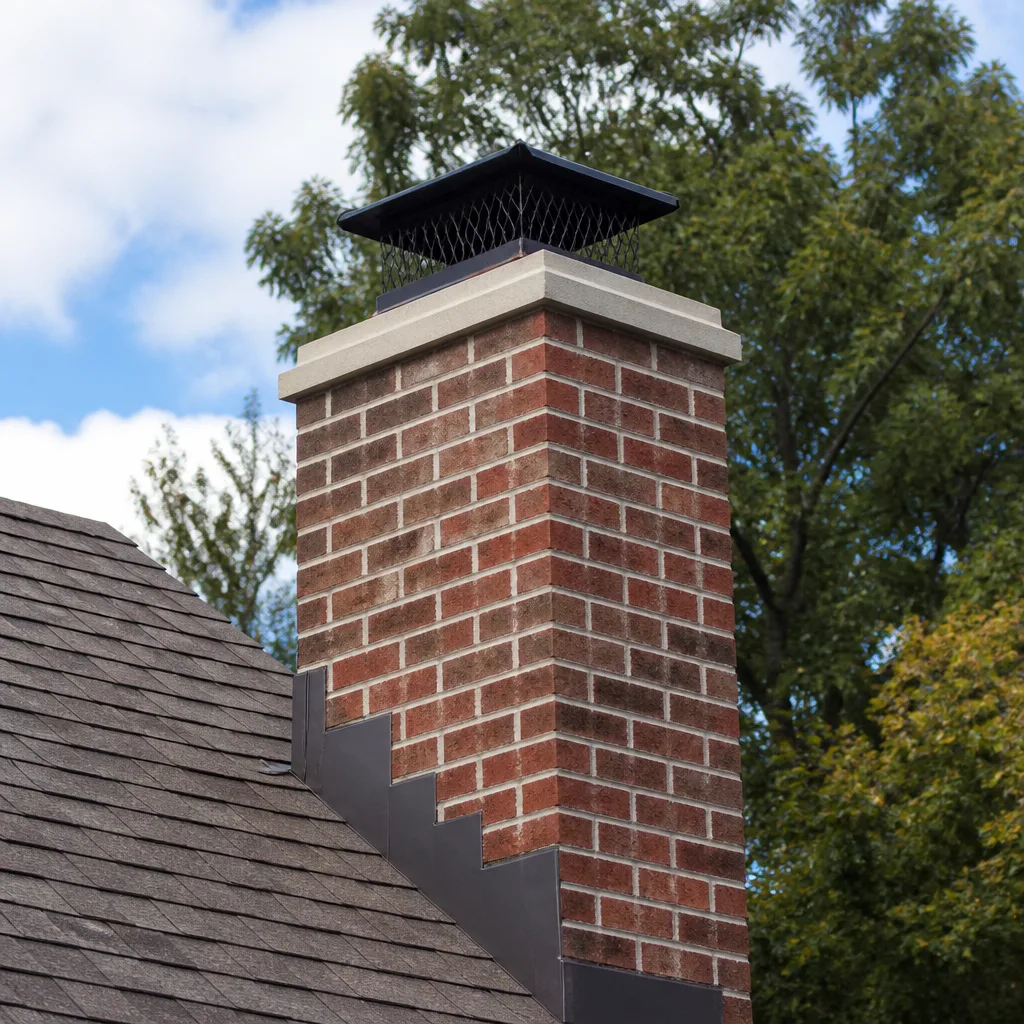
The problem: freeze-thaw cycles had chewed through the crown. Spalling, meaning the concrete surface was flaking off in sheets, had exposed the aggregate underneath, and water was getting into the flue chase. The liner itself was still serviceable, which we confirmed on camera before recommending anything. We pulled the old crown, built the form, and poured a new one with a proper drip edge and a slope away from the flue. Before photos show a crown that looks like it was left in a rock tumbler. After photos show a clean, pitched crown that carries water off the chase instead of into it. Copperfield supplied the cap, and the whole assembly now keeps rain out of a flue that was taking on water every storm.
Fireplace Smoke Chamber Clearing in Adams Morgan

The problem: the homeowners had stopped using the fireplace because every fire pushed smoke back into the living room. The camera scan showed why. Creosote had built up on the smoke shelf to the point where it narrowed the throat, and the draft collapsed under any real fire load. We cleared the shelf and chamber by hand, then brushed the flue from the top down. The before photo shows a smoke shelf that looks like a clogged drain. The after photo shows open passage from firebox to flue. The house drafts now, the smoke goes up, and the family gets their fireplace back. No liner work was needed, which the camera footage confirmed.
Rain-Damaged Flue Liner Repair in Petworth

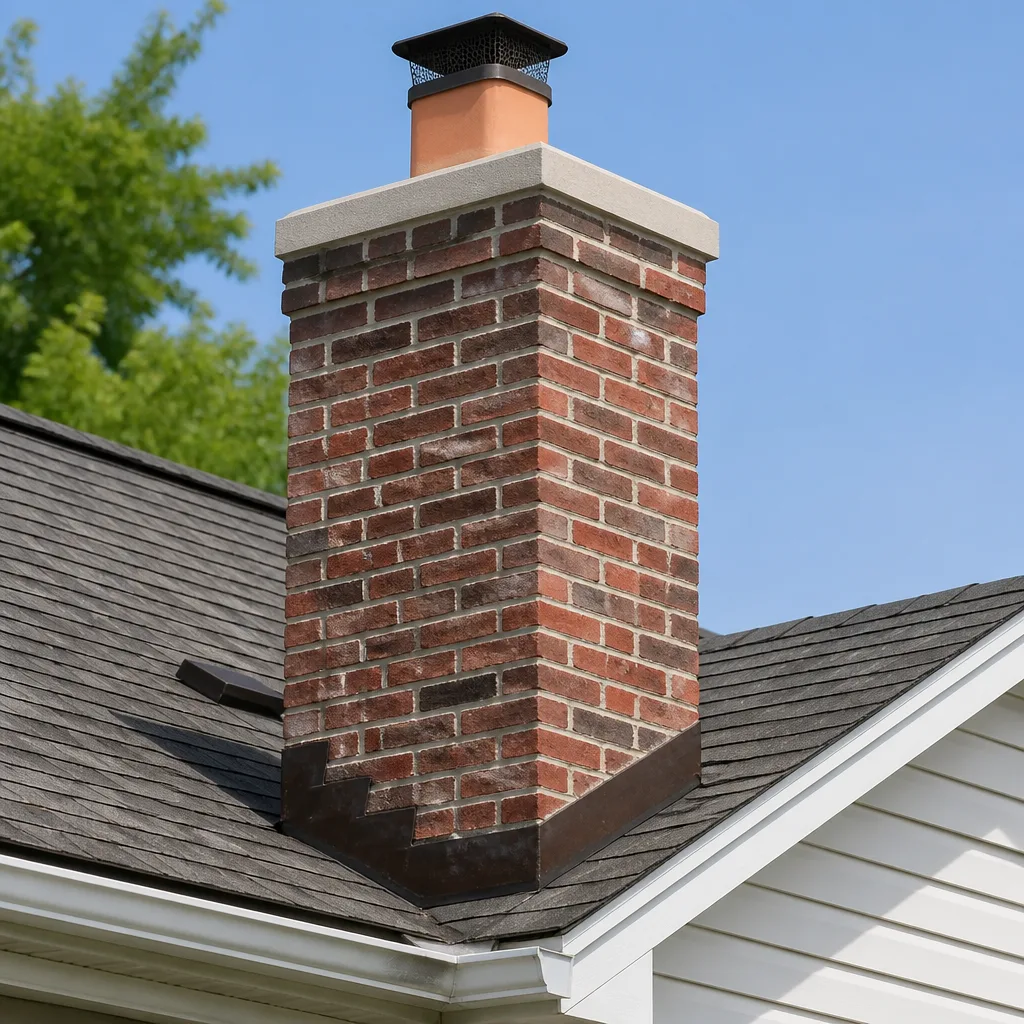
The problem: an uncapped flue had let years of rain into a clay liner. The liner showed vertical cracking and spalling at the top four feet, and the crown was the source. This is the classic DC row house pair: failed crown, no cap, liner taking the punishment. We replaced the top section of the flue liner, installed a Gelco chimney cap sized to the flue, and poured a crown repair to tie it all together. The before frames show water staining running down the liner surface. The after frames show a dry flue with a cap that has a proper screen. The homeowner was told plainly that the lower liner section was still within service limits, and that recommendation is now part of their documented record.
Full Chimney Rebuild in Chevy Chase, DC Side

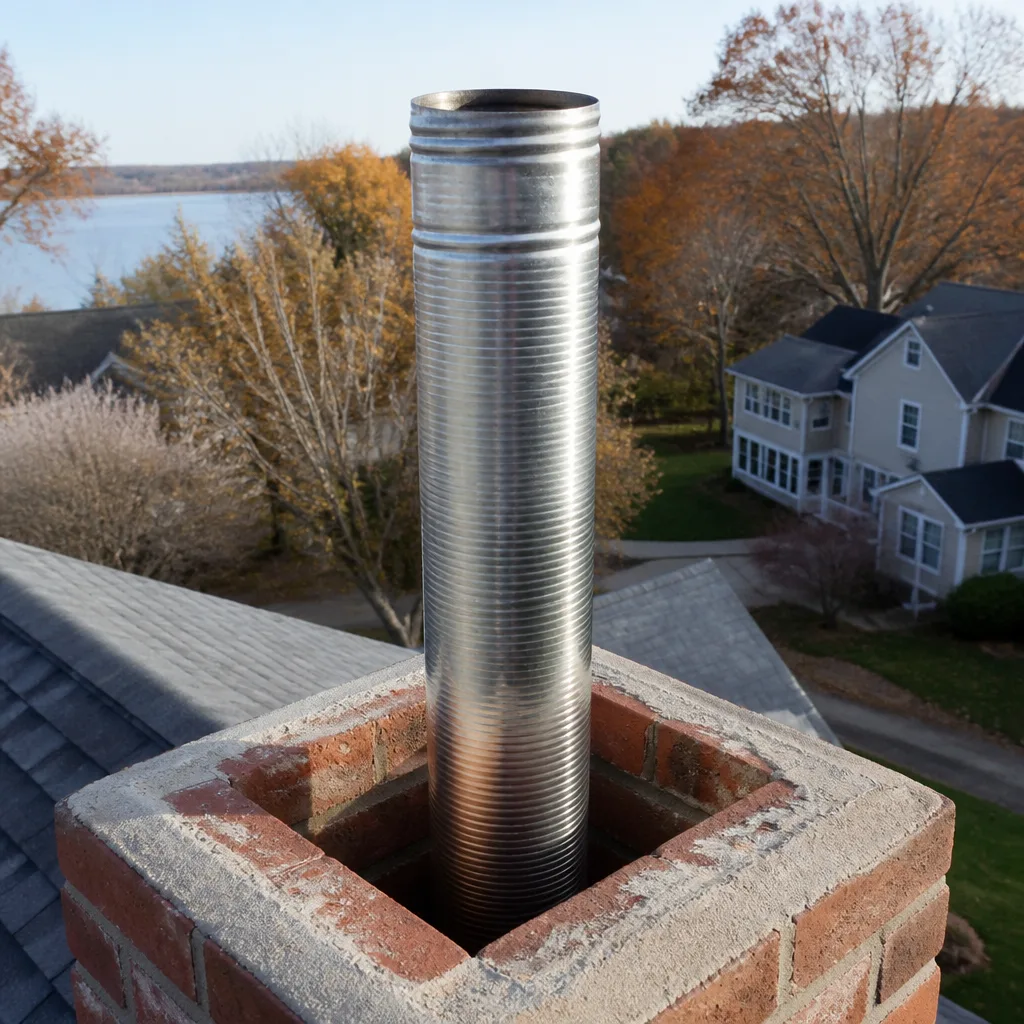
The problem: a leaning chimney stack. The camera scan showed the liner was cracked from top to bottom, the crown was gone in every useful sense, and the brick had softened so badly you could score it with a thumb. This was a teardown and rebuild, from the roofline up. We used a DuraFlex stainless liner inside a new masonry stack, a poured crown with drip edge, and a Copperfield cap. The before photos show a stack leaning to the northwest, which is the exact direction a certain DC winter wind hits that block. The after photos show a plumb stack with clean lines and a liner that carries a transferable warranty. The homeowner watched the whole teardown from the yard, and the photo record we handed them has the original lean, the pull-down, and every rebuild stage in between.
Want Results Like These?
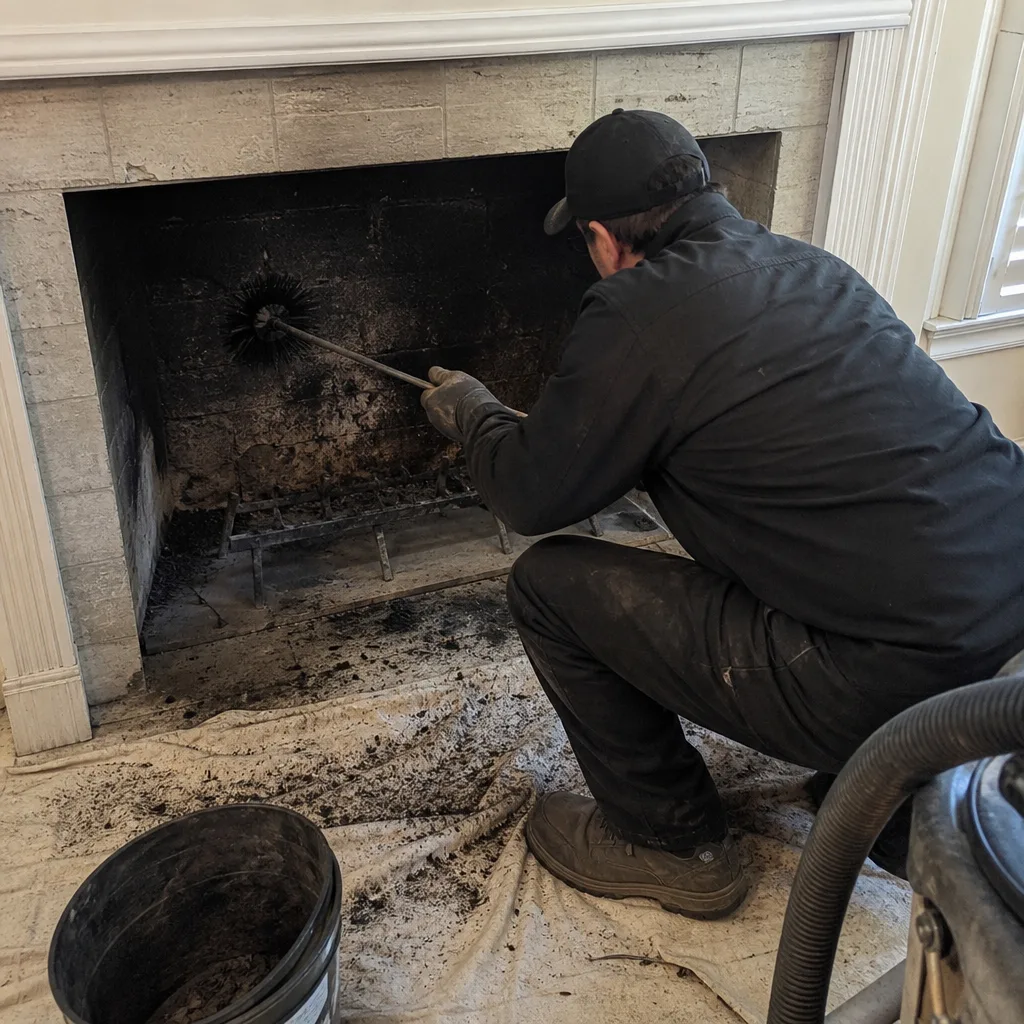
Every one of these jobs began the same way: a camera scan, a written scope, and a written price before anyone touched the ladder. No surprises after the fact. If your chimney in Washington, DC needs a sweep, a liner look, or a second opinion on a quote you already have, call (240) 621-1264. You’ll get a live person, and you’ll get the same photo record these homeowners did.
Written by Corrine Halstead, Owner at Level Two Chimney Washington, serving Washington, DC since 2009.