
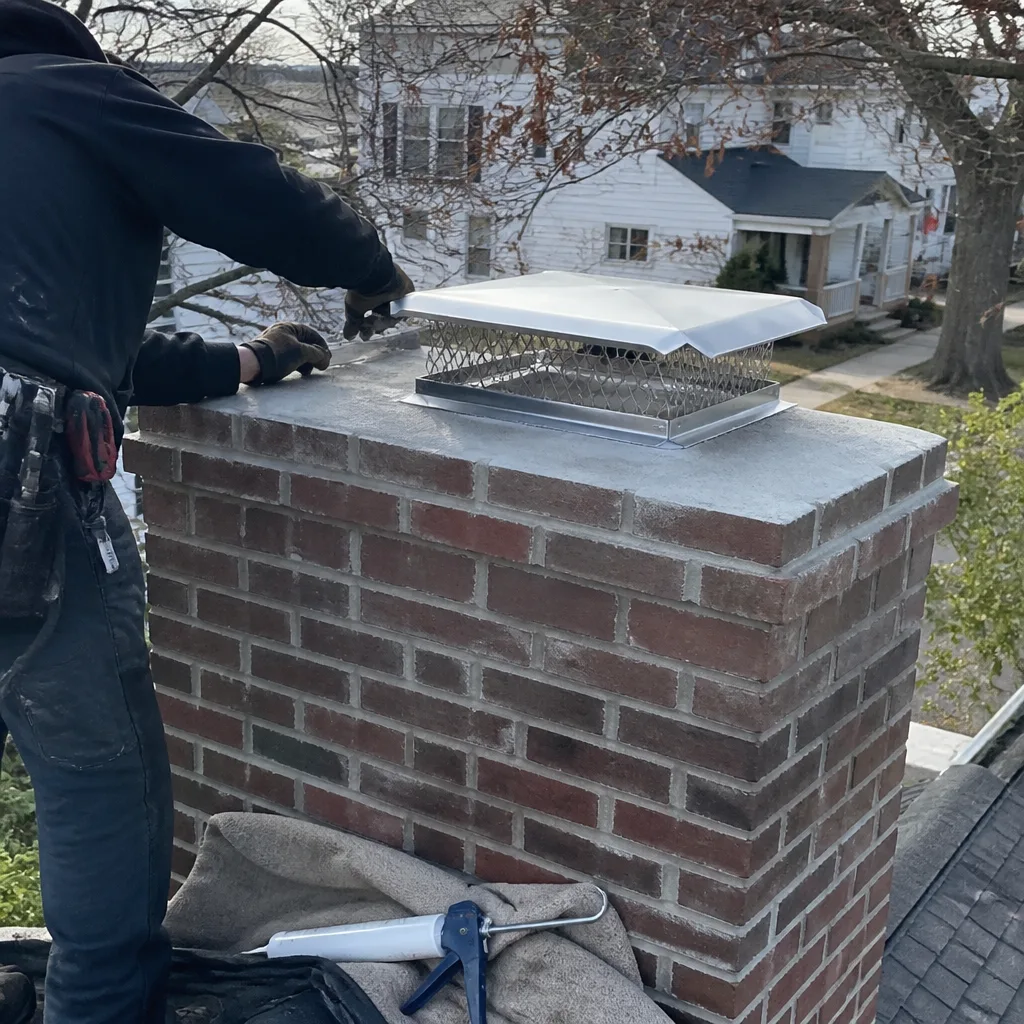
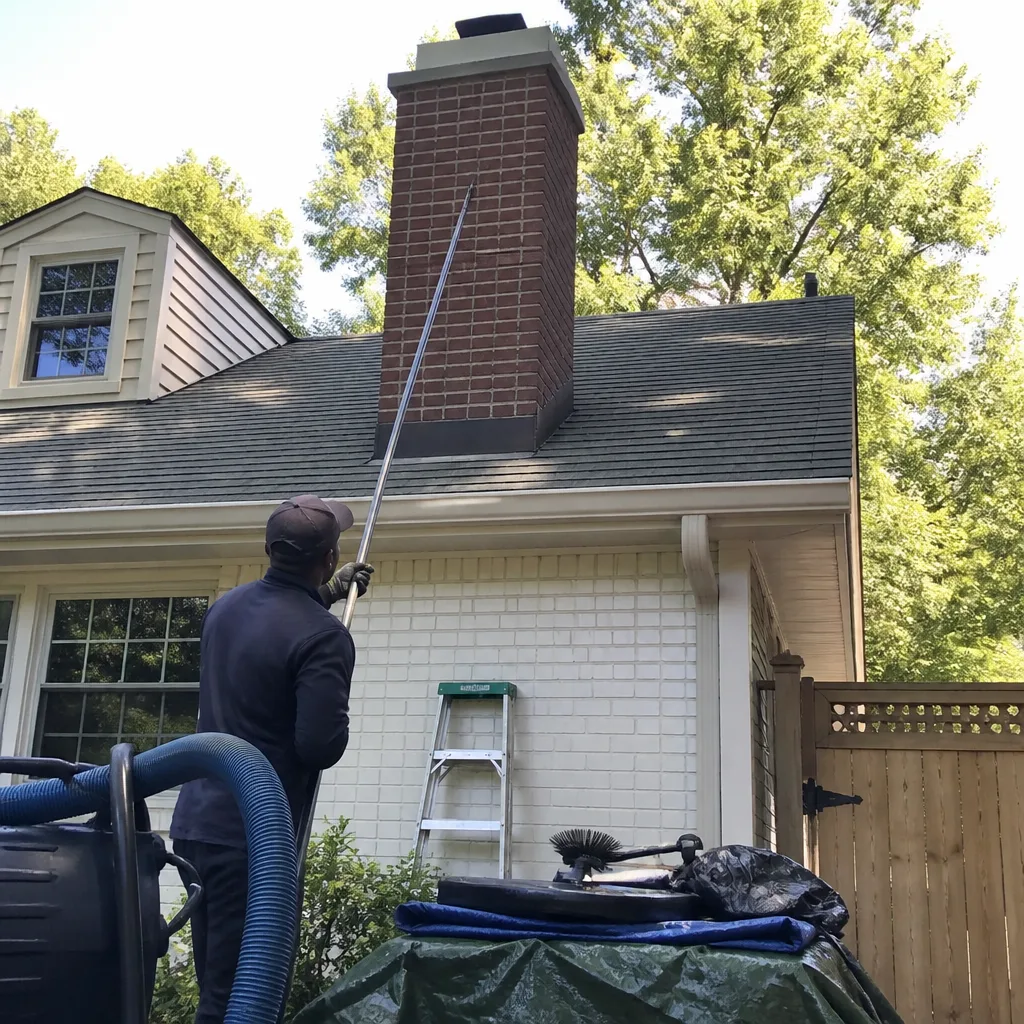
Level 1 sweep and inspection to the NFPA 211 annual standard - flue, crown, cap, and flashing checked and photographed
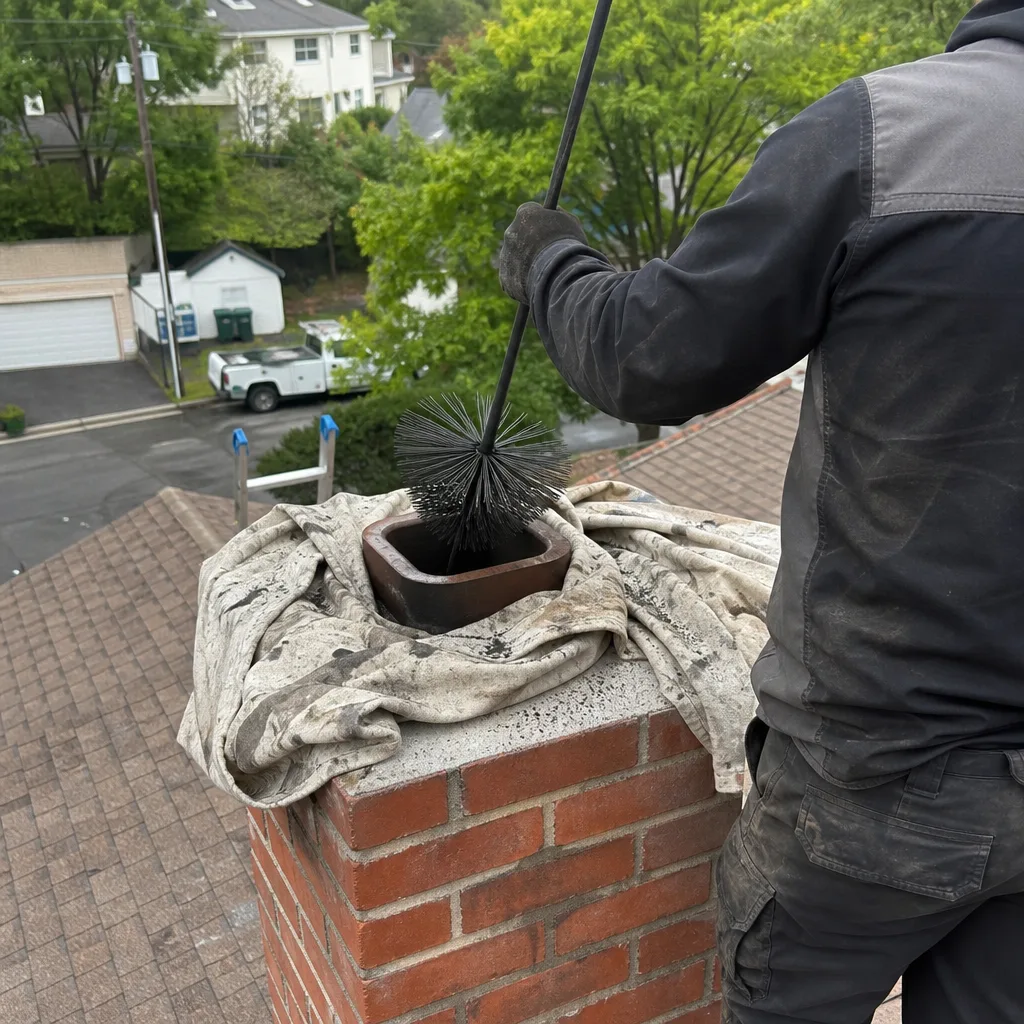
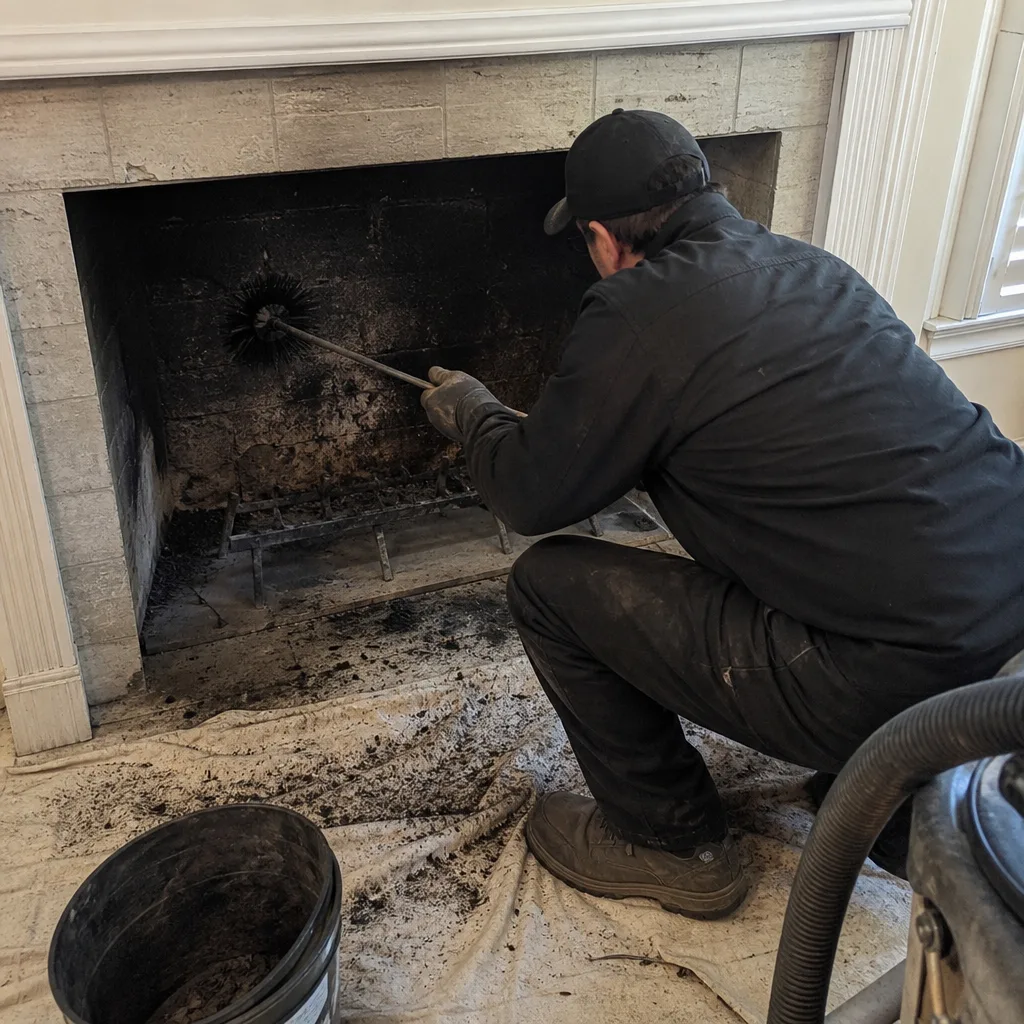
Chimney sweep logs do not sweep chimneys. They loosen some creosote - which then falls where a brush and vacuum still have to collect it.
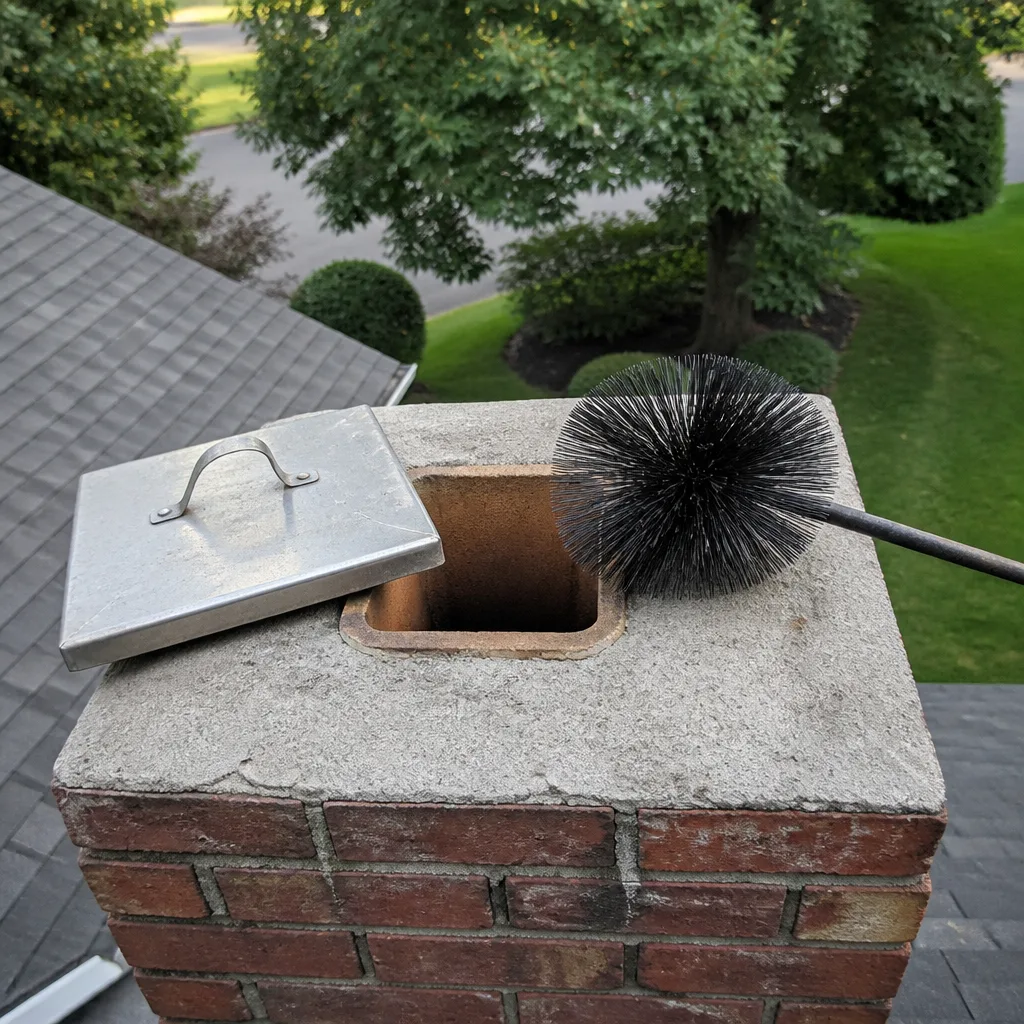
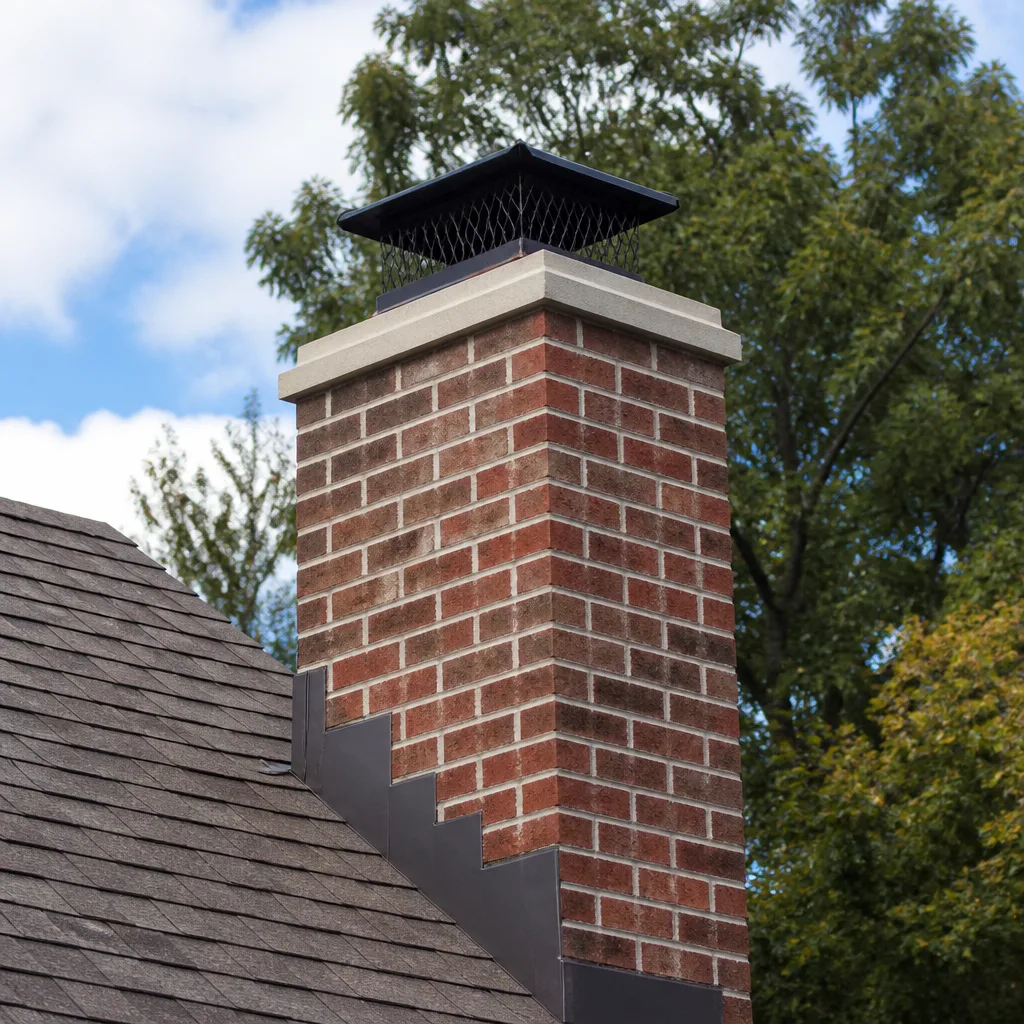
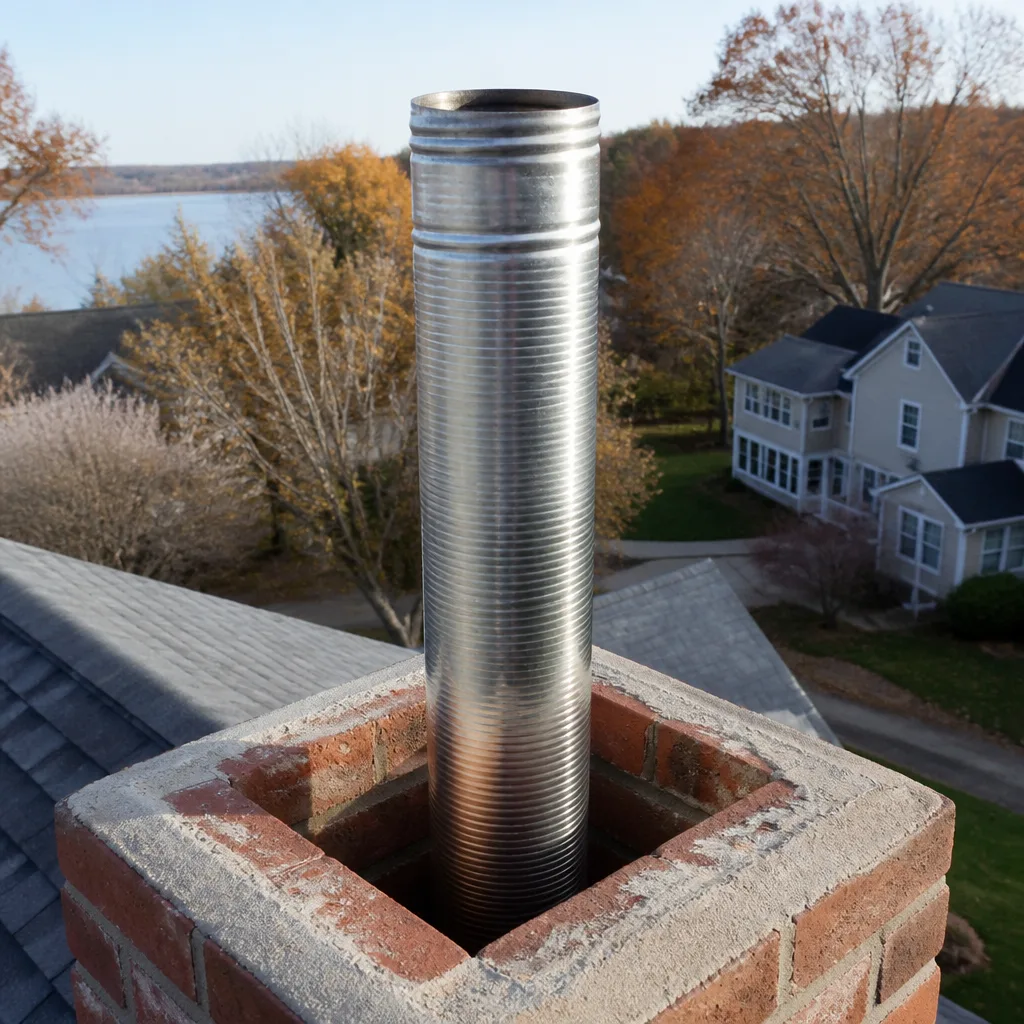
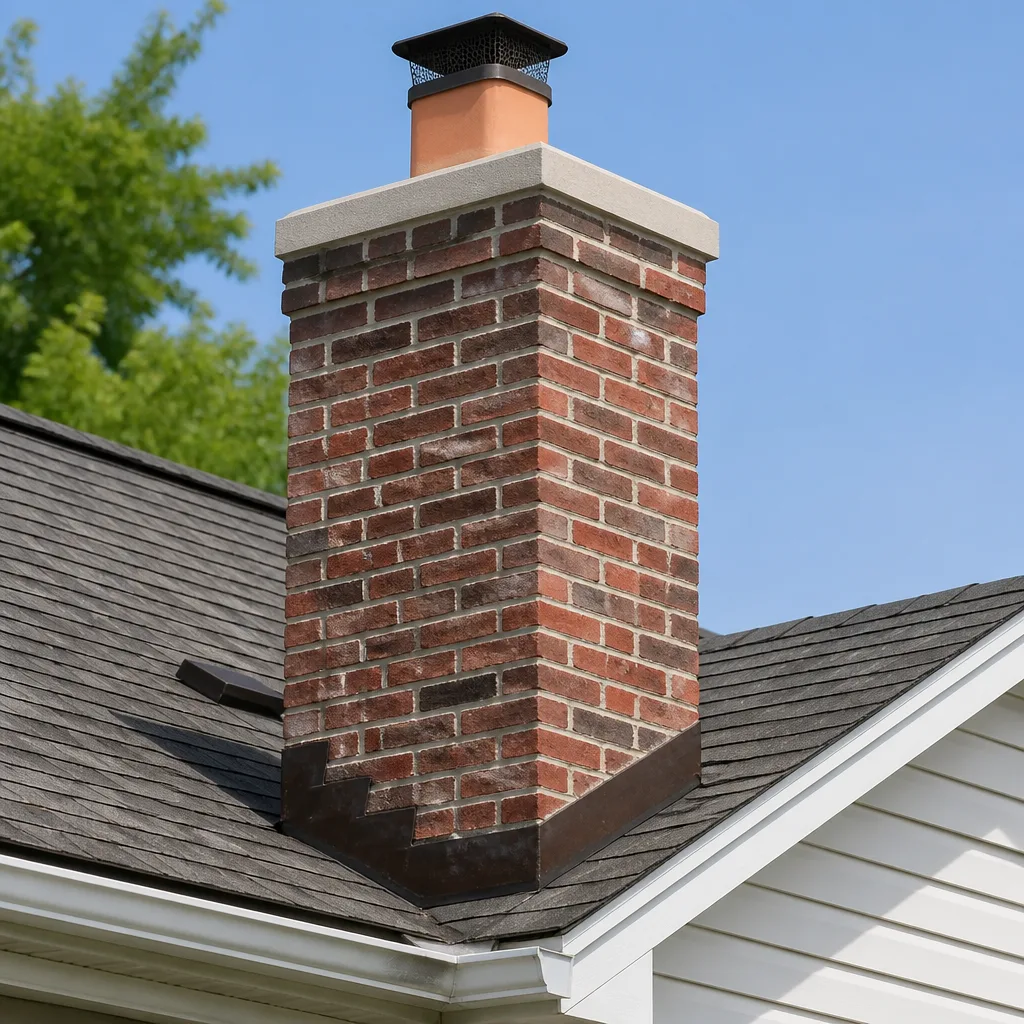
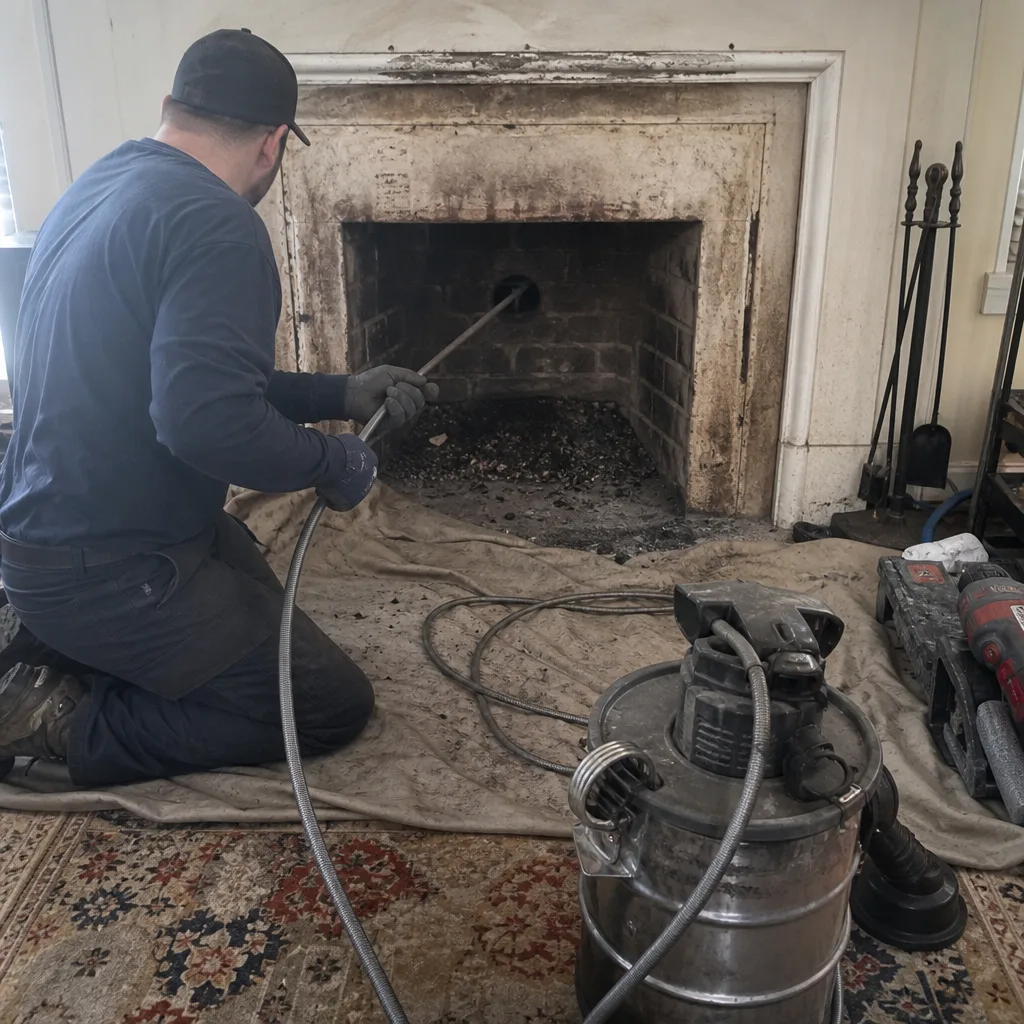 Before
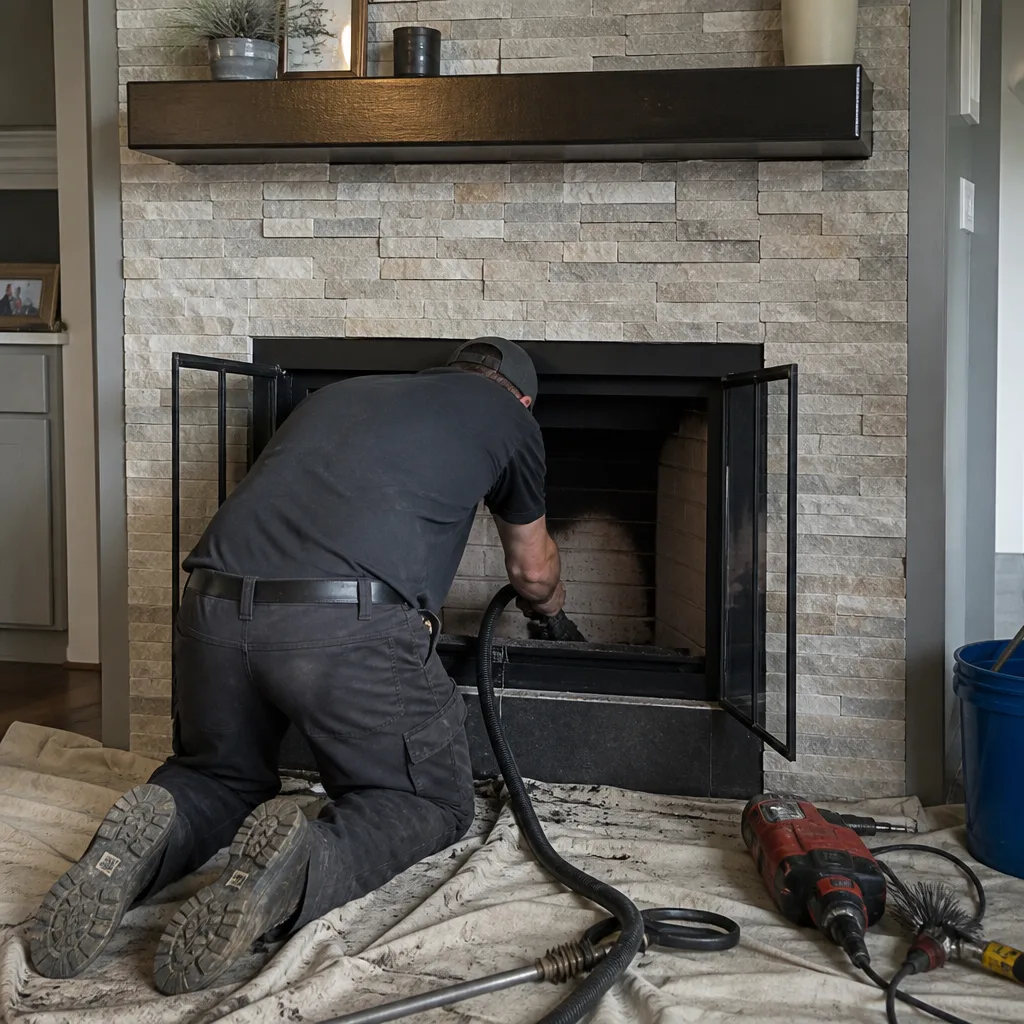 After
After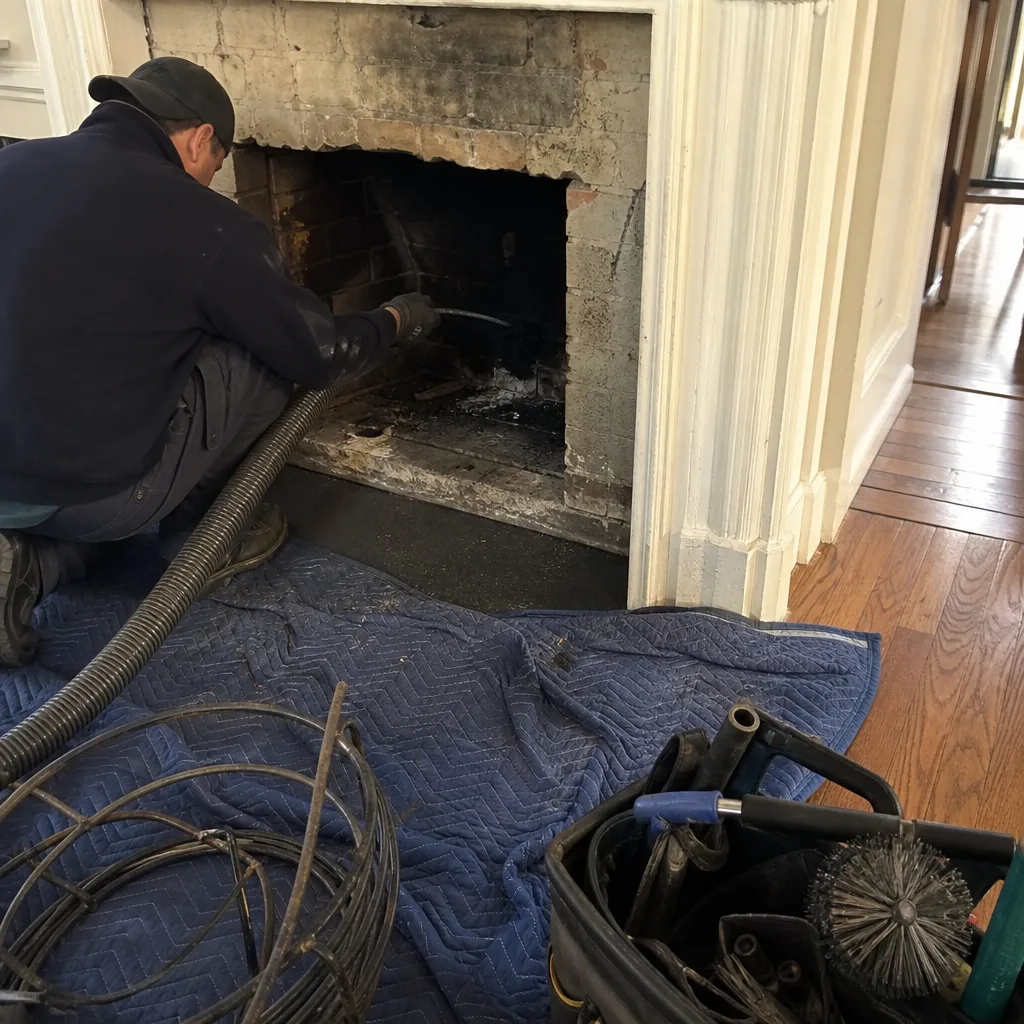 Before
 After
After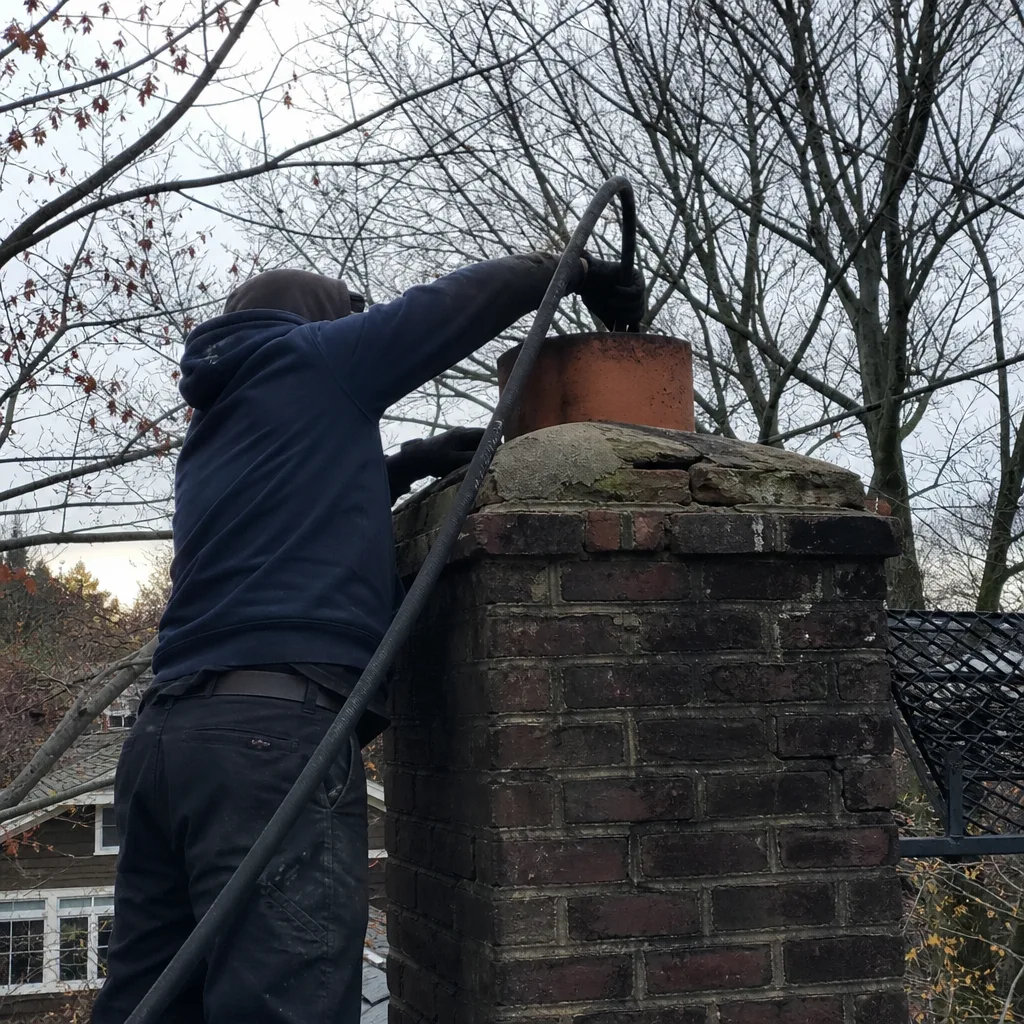 Before
 After
AfterCopperfield Chimney Cap Installation: The Washington Owner’s Guide
We stock and install Copperfield-compatible chimney caps throughout Washington, DC, with typical installed pricing between $425 and $780 depending on the series, flue size, and roof access. Most Copperfield cap replacements we handle in Washington are done within a single visit, because we keep the common sizes and mounting hardware on the truck.
Homeowners usually find us the same way they find the problem: water streaking the chimney brick after a storm, a cap that’s visibly rusted through at the seam, or a chimney sweep’s camera footage that shows the cap has pulled away from the flue. Sometimes it’s the sound, a loose cap rattling on a windy night anywhere from Petworth to Palisades. And sometimes it’s the morning after a hard rain when there’s water pooling in the firebox. The cap is the first line of defense against everything that wants to get into your flue, and in DC’s freeze-thaw winters and wet springs, Copperfield caps take a beating that galvanized hardware alone can’t always shrug off.
Which Copperfield Models This Applies To
Copperfield makes multi-flue and single-flue caps in stainless steel, copper, and a galvanized economy line, and the compatibility question is almost always about the flue dimensions, not the model name. We see the most demand around the Copperfield single-flue cap in 8×8, 8×13, and 13×13, the sizes that match the standard terra cotta flue liners in older DC rowhouses. If you have an original clay tile flue from a house built before 1960, you are almost certainly in the 8×13 range, but you’ll want a measurement, not a guess. A cap sized for a round liner on a square flue will never seat correctly, and we’ve pulled more than one “universal fit” cap off a Washington chimney because someone skipped that measurement.
One thing to know about Copperfield specifically: their stainless caps are 304-grade on the hood but use a galvanized base collar on some economy SKUs. That base is the first thing to corrode when it sits against a wet mortar crown month after month. If you’re replacing a Copperfield cap in Washington and you want the next one to outlast the first, we recommend the full stainless version, which is what we stock most often. Aftermarket equivalents from Famco and Olympia exist and can be a good fit, but they differ in mesh spacing and lid pitch, and the spark-arrestor gap is not universal. We sell and install both OEM Copperfield and quality aftermarket pieces, and we’ll tell you plainly when the aftermarket option is the smarter money and when it isn’t.
Level Two Chimney Washington is an independent service provider, not a Copperfield dealer or affiliate. We stock and install their products because they hold up here, not because there’s a partnership behind it.
Signs Your Copperfield Chimney Cap Installation Is Failing
- Water in the firebox after rain. The cap is your roof over the flue. If the cap hood has rusted through or the base seal against the crown has broken, water runs straight down the liner and into the firebox. In Washington rowhomes with exposed chimneys, this shows up fast after a nor’easter.
- Rust staining on the chimney crown or brick. A failing Copperfield cap bleeds rust down the masonry, and the stain pattern usually points to the corner. It’s not cosmetic; it’s a record of where water has been pooling and where the crown is likely softening.
- Rattling or metallic noise in wind. DC’s winter winds along the Anacostia corridor are enough to work a loosened cap free of its mounting screws. By the time you hear it, the lag bolts have usually stripped and the vibration has started widening the holes in the crown.
- Debris, nests, or animal activity in the flue. Squirrels, starlings, and raccoons in Washington don’t need much of an opening. A bent mesh panel or a cap that’s lifted a half inch on one side is an open door. We’ve pulled nests out of flues in Capitol Hill that would have gone up in flame on the first cold night.
- Visible corrosion at the seams or base. Copperfield’s rolled-seam hoods fail at the fasteners first, then at the seam joints, especially where the galvanized base meets the stainless top on economy models. Once the seam splits, the cap’s structural rigidity is gone and replacement is the only repair that makes sense.
BeforeAfterReplacement Cost & What’s Included
A Copperfield chimney cap replacement in Washington, DC typically runs $425 to $780 installed. The range breaks down like this:
- Cap and hardware: $145 to $380 depending on series, size, and stainless versus galvanized construction. Copper finishes run higher and are usually special-order.
- Installation labor: $180 to $300. This includes ladder or roof access, removal of the old cap, crown inspection, mounting, and sealant work.
- Masonry remediation if needed: $100 to $300. If the crown has spalled around the old anchor points, we re-point and seal before the new cap goes on. A new cap on a failing crown is a bill you’ll pay twice.
That installed price includes the removal and haul-away of the old cap, a written scope before work starts, and a photo record of the old cap, the crown, and the finished installation, as required under Clause 4 of the Haven Standard. Every Copperfield cap we install is backed by our 365-Day Done Right Promise: if the cap isn’t seated right, sealed right, and holding tight a year later, we come back and fix it. No charge.
DIY or Call Us?
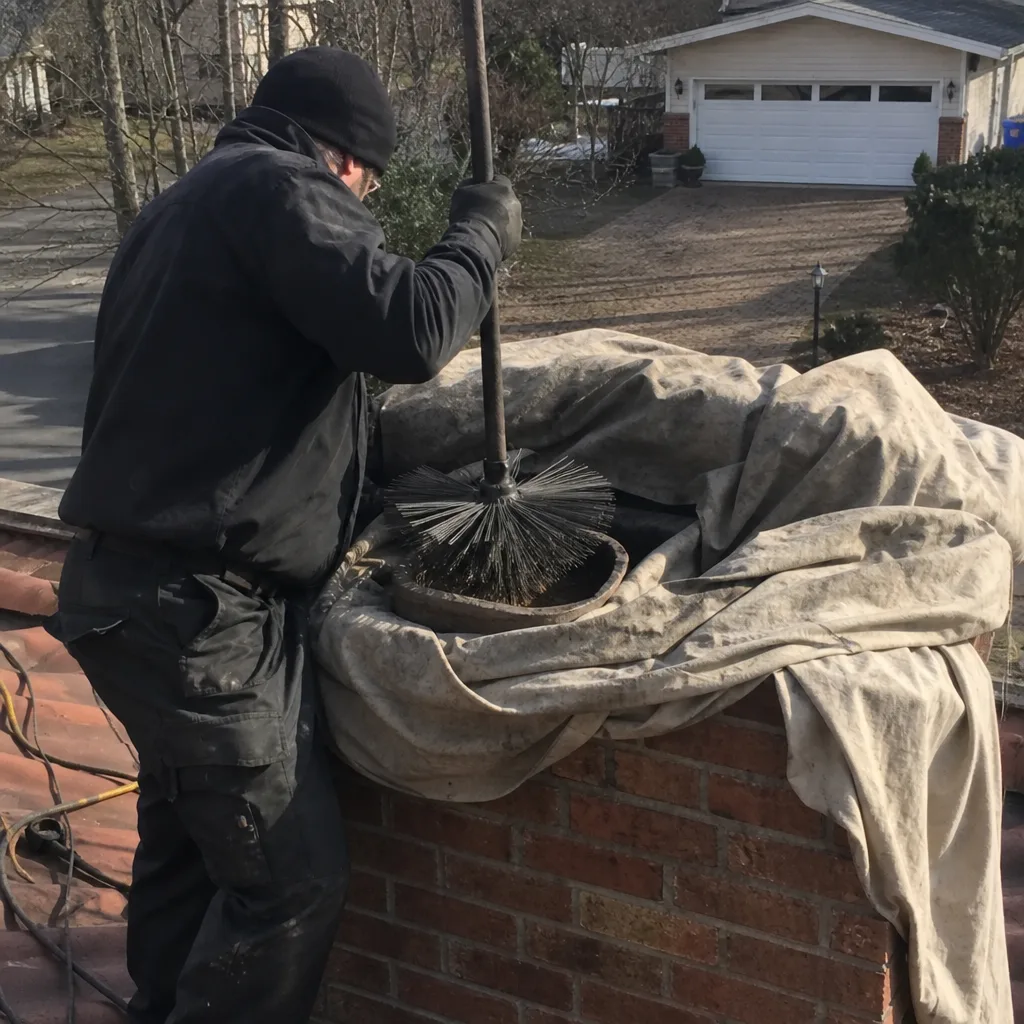
For a Copperfield cap replacement, the honest answer is that this is mostly a roof-access and measurement problem, not a mechanical one. If you have a walkable roof and you want to handle the cap yourself, the critical work is measuring the outside dimensions of the flue tile, not the inside, and reading the chimney crown carefully before you drill anchor holes. What goes wrong in DC, specifically, is freeze-thaw: a DIY cap bolted into a weakened crown will work loose by March, and the water damage starts quietly. If your chimney is taller than one story, has a steep pitch, or requires working off a ladder at height, don’t do this yourself. Ask a contractor to show you the photo of the crown before they touch a drill. If you want us to do it, call (240) 621-1264 and we’ll bring the cap, the measurements, and the camera to Washington.
FAQs
A full-stainless Copperfield cap in Washington typically lasts 12 to 18 years, while the galvanized-base economy version often shows visible corrosion by the 6- to 8-year mark. The difference is the base collar against the crown, which holds moisture in DC’s wet springs and cycles through dozens of freeze-thaw events each winter. If you’re planning to stay in the house more than a decade, the stainless version is the better math. Call (240) 621-1264 for a quote.
Most of what we see cannot be repaired in any way that’s worth the ladder time. Once the seam has split or the base has corroded through, you’re not restoring structural integrity with sealant. There are rare cases where a single bent mesh panel can be replaced on an otherwise solid cap, but in Washington’s wet climate, the failure usually starts at the base and runs upward. We’ll tell you if repair is an option, and we won’t fabricate a repair estimate when replacement is the honest answer.
We typically complete a Copperfield chimney cap swap in about an hour on site, assuming the crown is sound and we have roof access. If the crown needs repair, which is common in older Washington rowhouse chimneys, you’ll add one to two hours. Most jobs are finished the same day we arrive. Call (240) 621-1264 for an exact quote.
We keep the common Copperfield single-flue stainless sizes on our Washington trucks: 8×8, 8×13, and 13×13. Copper finishes and oversized multi-flue caps are special-order, usually a week out. When we arrive for the estimate, we measure the flue and can tell you before we leave whether the cap sits on the truck or needs to be ordered. We also stock comparable aftermarket caps from Famco and Olympia, plus chimney cap components from DuraFlex and HeatShield, if a Copperfield-specific part is backordered.
Contact Level Two Chimney Washington
If you have a failing Copperfield cap on your Washington chimney, we’ll come out, put a camera on it, and hand you a written price before any work starts. The camera doesn’t lie, and neither does the written price. Call (240) 621-1264 for a free estimate, or call just to ask what cap you have on there now, we’ll walk you through what to look for on the label. We answer the phone.
Written by Corrine Halstead, Owner, Level Two Chimney Washington at Level Two Chimney Washington, serving Washington and nearby areas.