
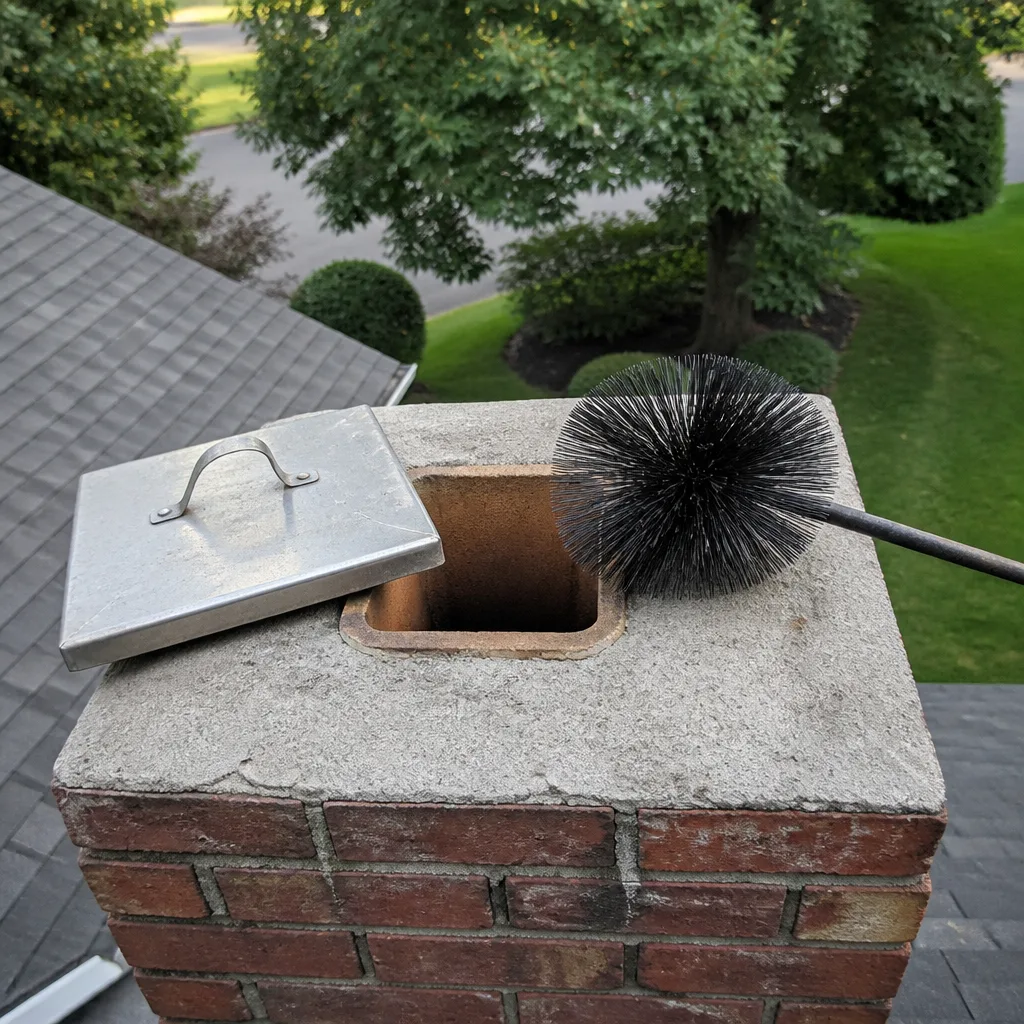
Level 1 sweep and inspection to the NFPA 211 annual standard - flue, crown, cap, and flashing checked and photographed
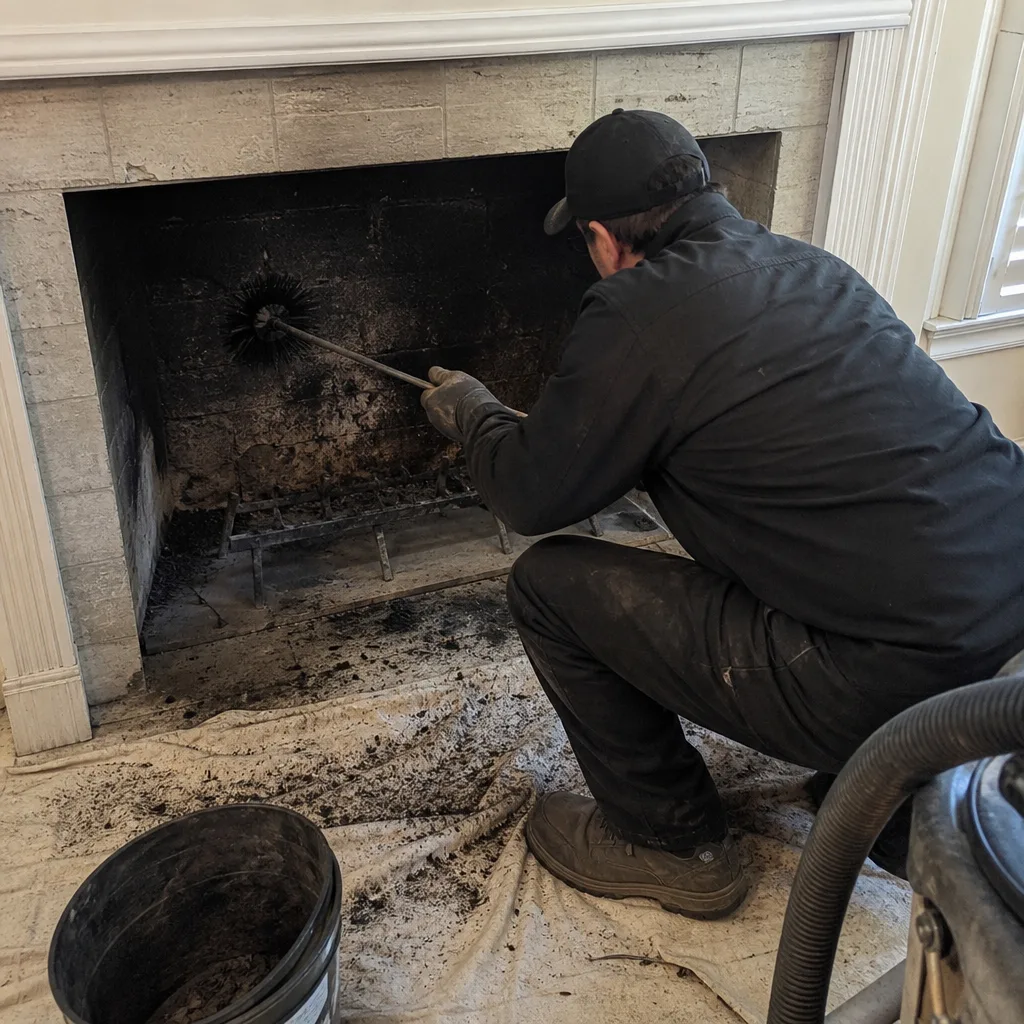
Chimney sweep logs do not sweep chimneys. They loosen some creosote - which then falls where a brush and vacuum still have to collect it.
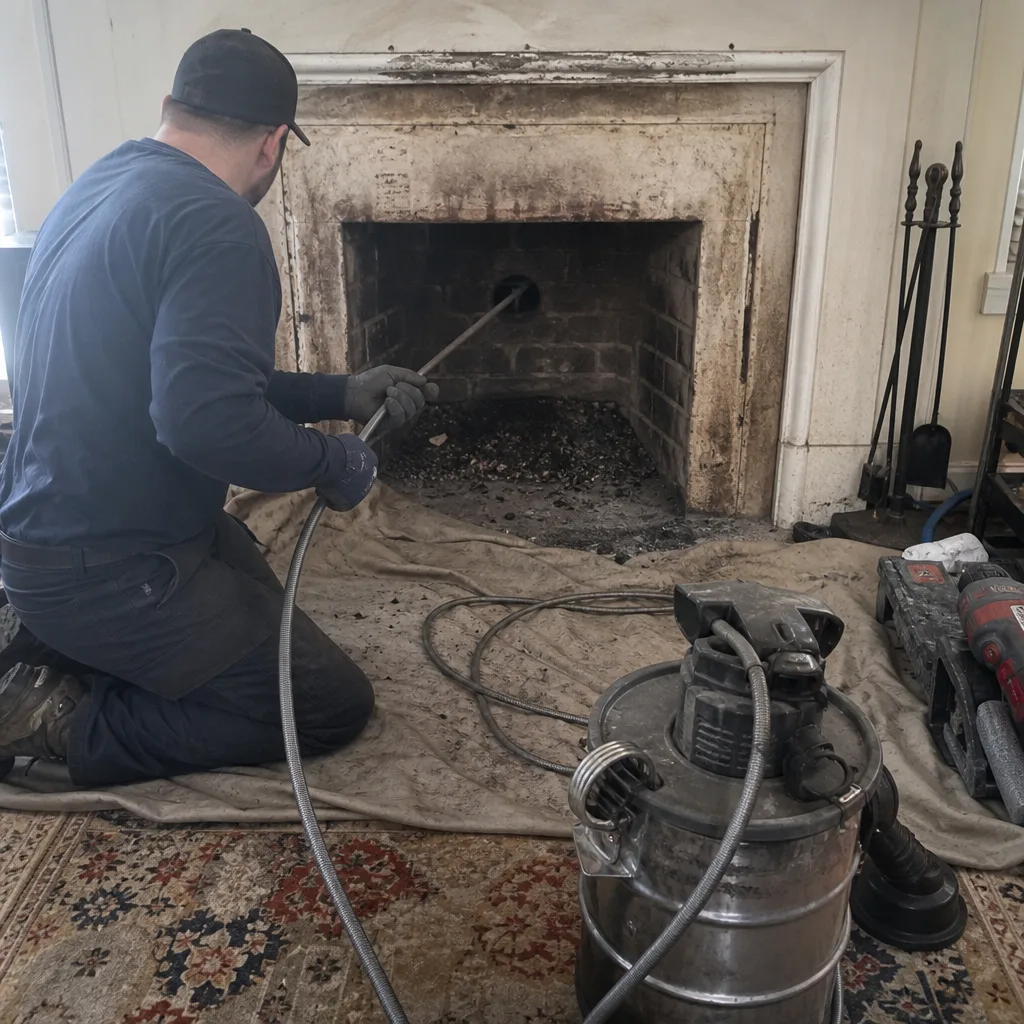 Before
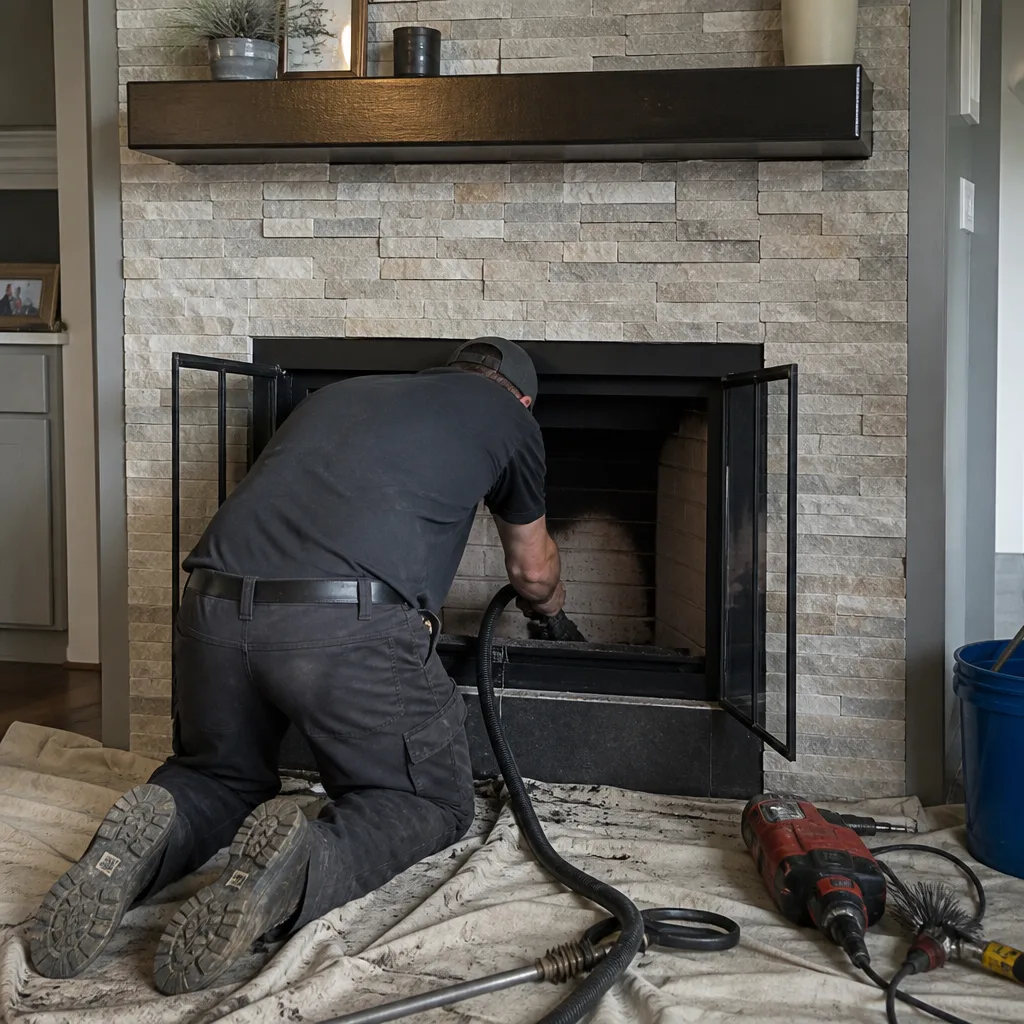 After
After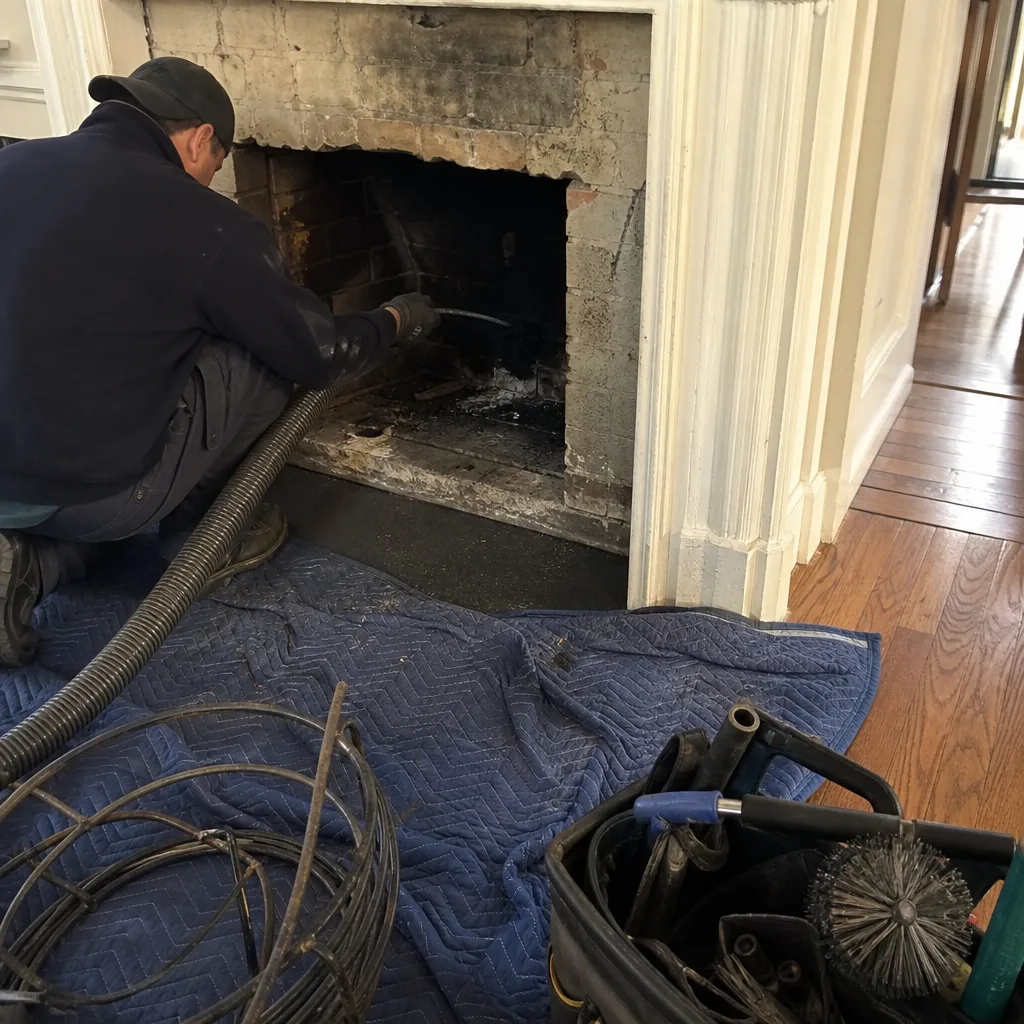 Before
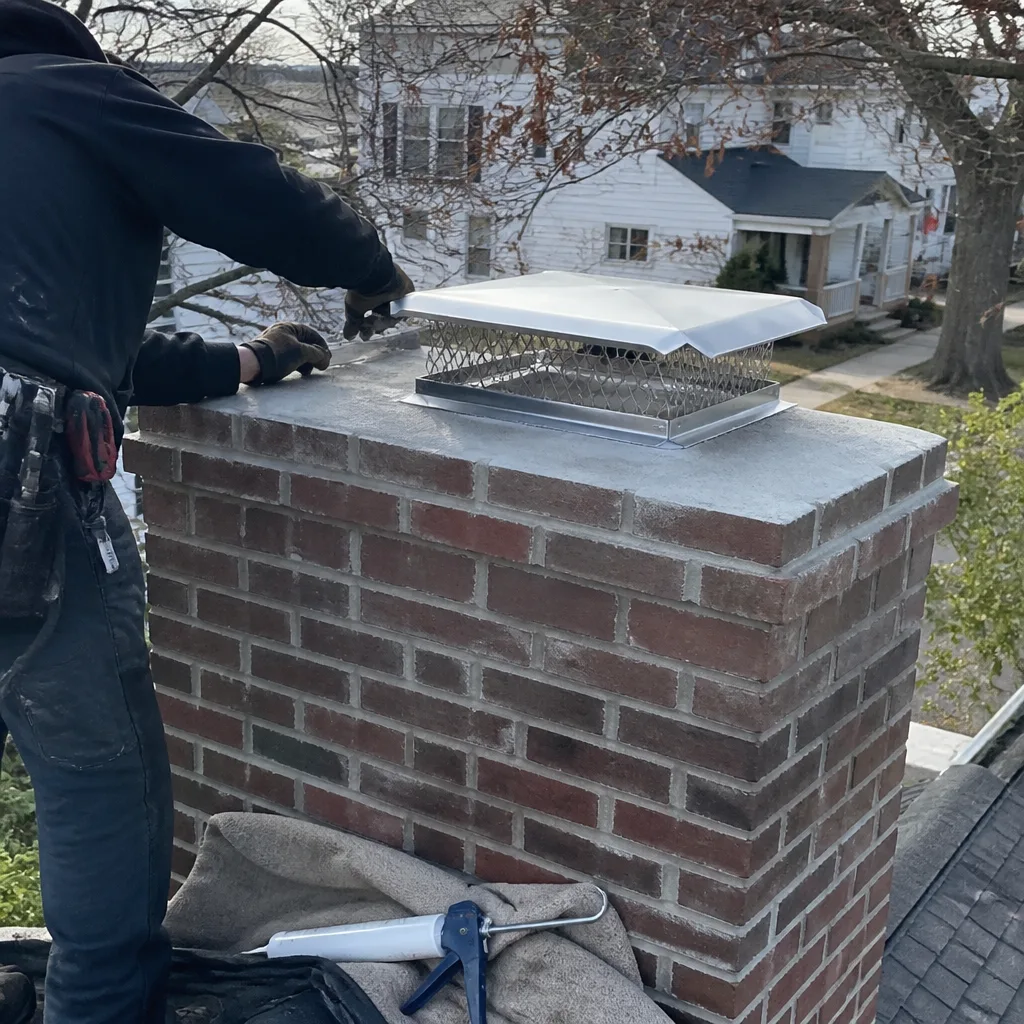 After
After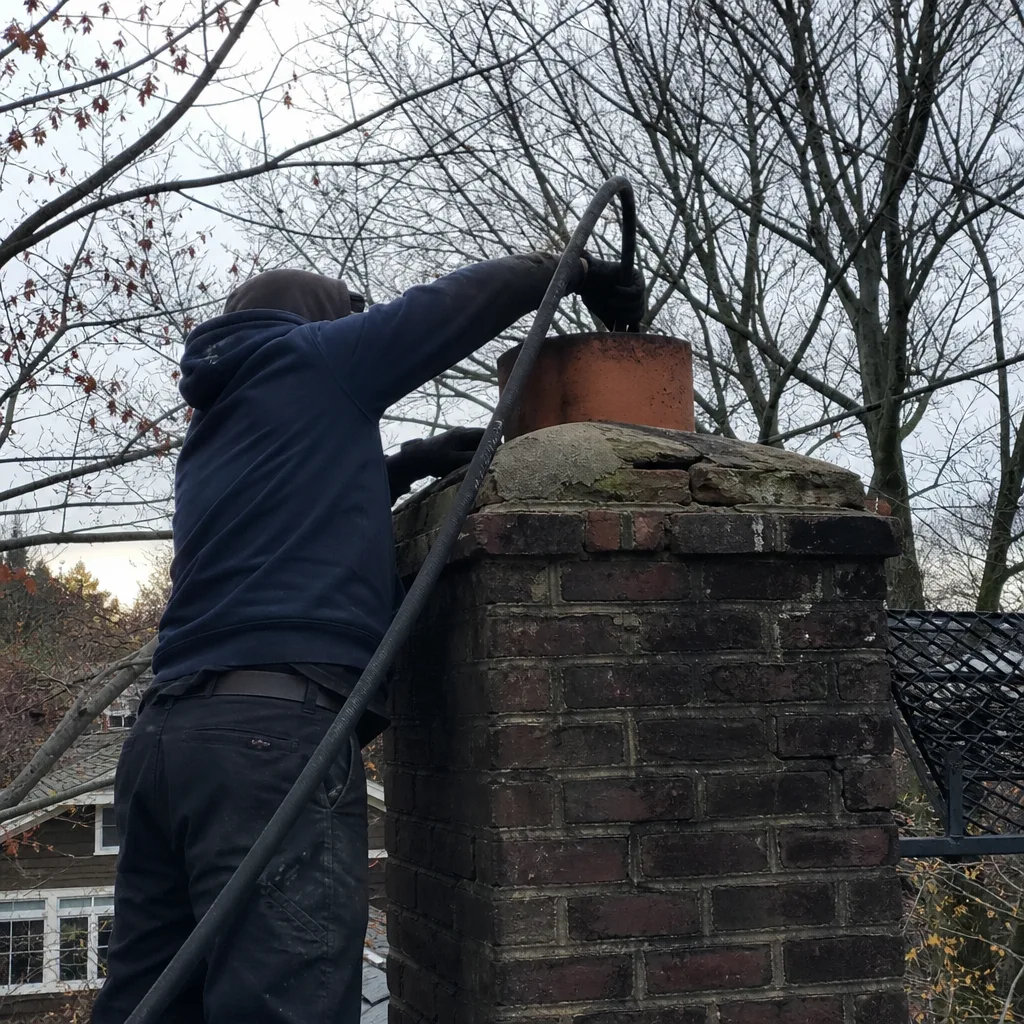 Before
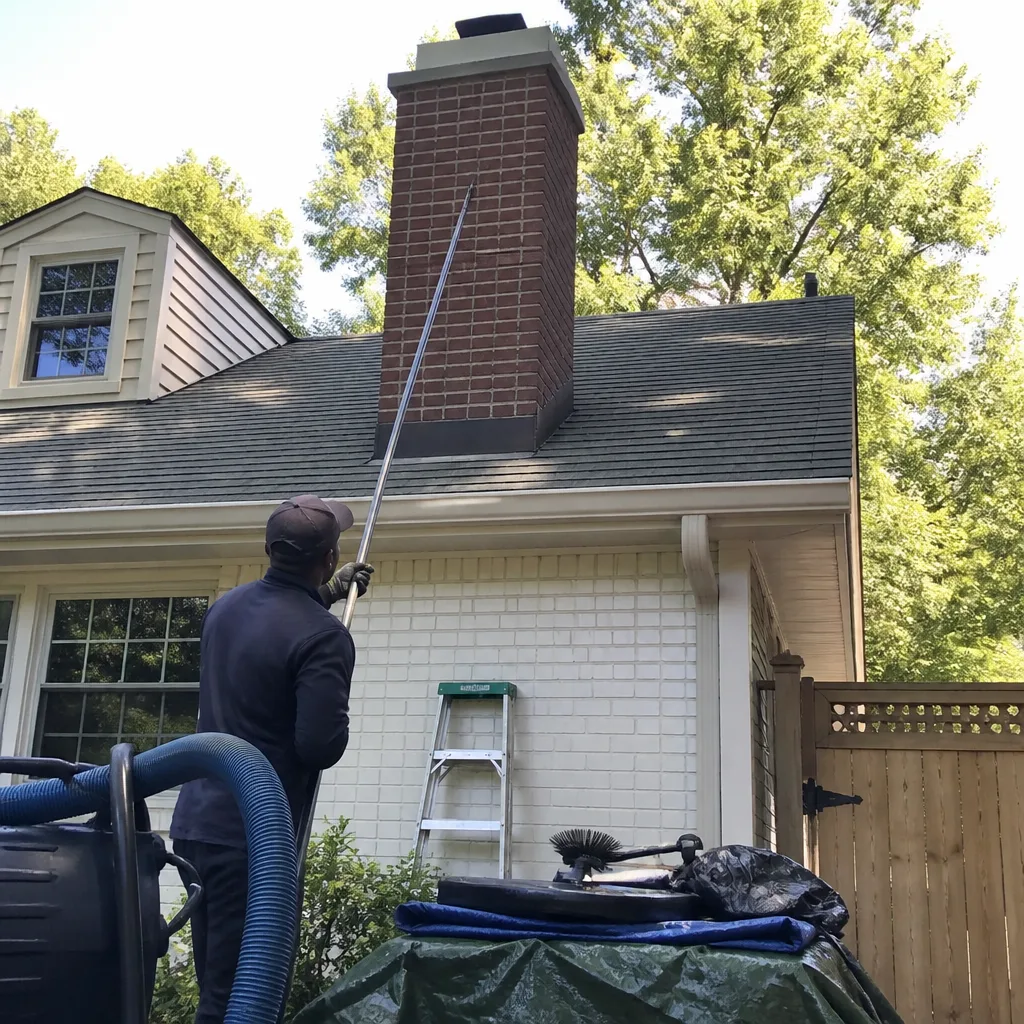 After
AfterFamco Flue Liner Replacement: The Washington Owner’s Guide
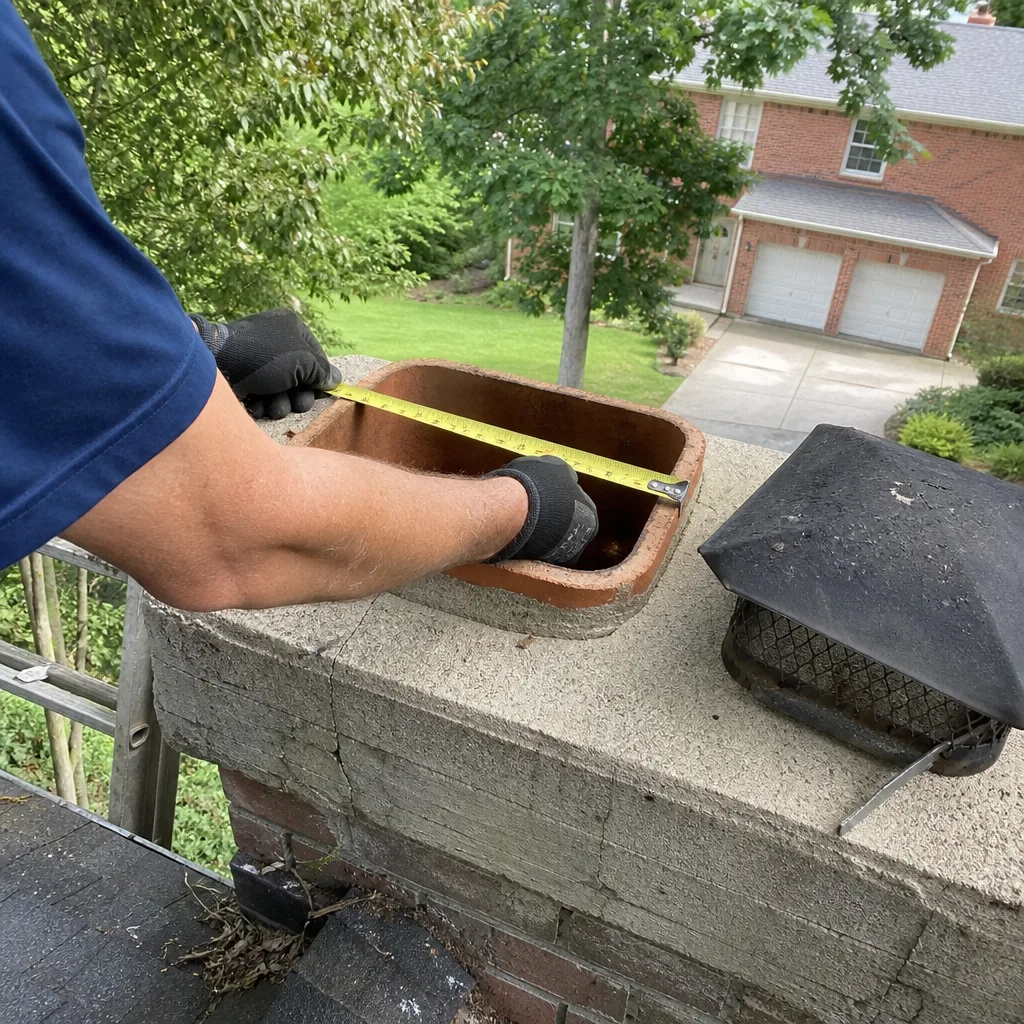
We stock Famco-compatible flue liner replacement components at Level Two Chimney Washington and install them throughout the District. A typical Famco flue liner replacement in Washington runs between $2,400 and $4,800 installed, depending on liner diameter, flue height, and access from the roof. Most homeowners discover the liner has failed during a camera-scan inspection, not because of visible smoke inside the house. The camera shows a crack, a separated seam, or corrosion that’s letting heat and combustion gases reach the masonry around the liner. By the time you smell smoke in the living room, the liner has usually been compromised for a season or more. Corrine Halstead and our crew have pulled enough corroded Famco sections out of DC rowhouse chimneys to know exactly what that degradation pattern looks like on camera before it becomes a house fire or carbon monoxide issue.
Key takeaways:
- Famco liners are galvanized steel or stainless; most DC failures we see are the galvanized versions corroding from condensation
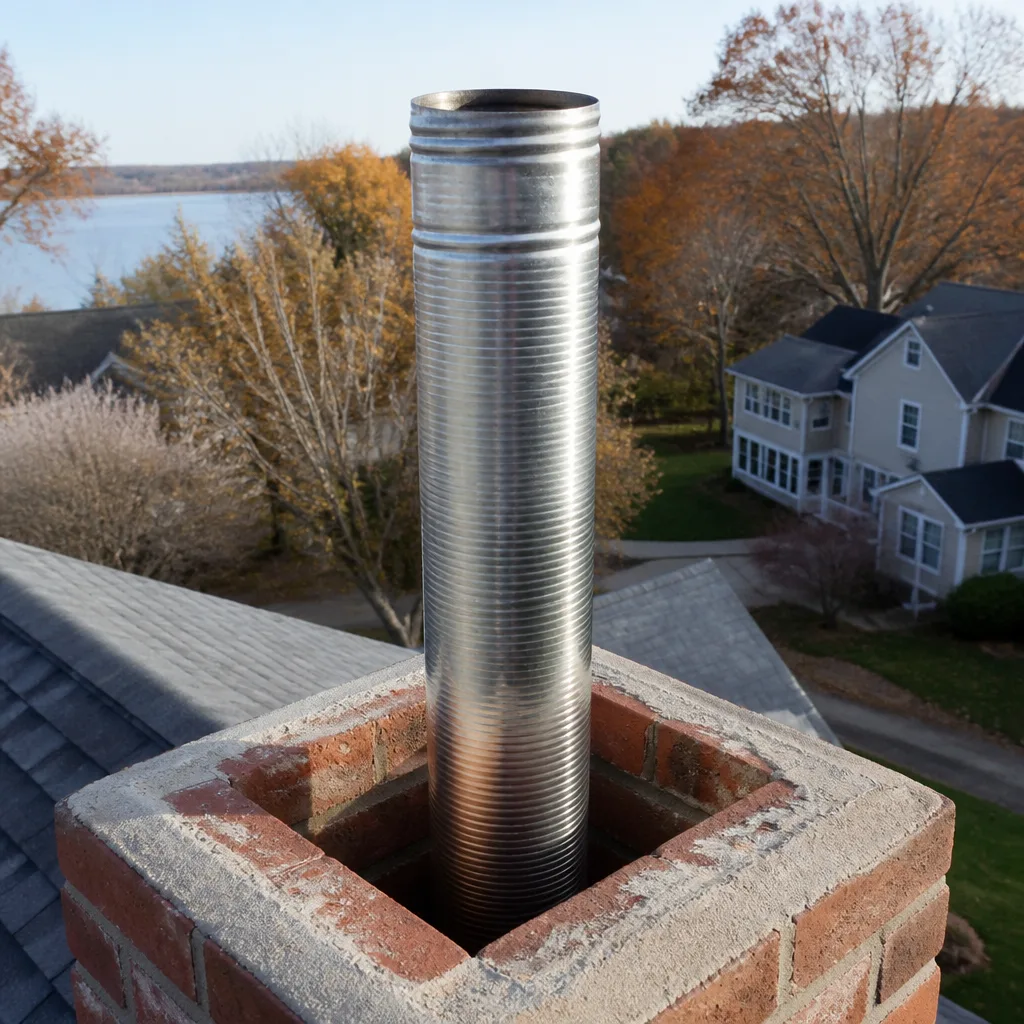
- We match diameter and gauge to your existing setup, and we document the old liner’s condition with photos before removal
- Written price before work starts, photo record when it’s done, and a 365-Day Done Right Promise on every replacement
Which Famco Models This Applies To
Famco makes rigid flue liner sections for oil and gas appliances, most commonly sold in 4″, 5″, 6″, 7″, and 8″ diameters. The compatibility gotcha with Famco is that their older galvanized sections have thinner gauge walls than what current NFPA 211 guidance favors for Washington’s climate. We see a lot of 26-gauge galvanized Famco liner in older Capitol Hill and Petworth basements where an oil furnace was converted to gas in the 1990s. That thinner galv is exactly what fails first here.
Level Two Chimney Washington is an independent service provider; we’re not affiliated with Famco. What that means in practice is we’ll match the replacement to the actual flue dimensions and appliance BTU demands, not to a brand loyalty. When the existing Famco liner is stainless and mechanically sound, we source direct-fit Famco-compatible sections. When the existing liner is galvanized and corroded, we’ll usually recommend a 316L stainless replacement from Famco or an equivalent from DuraFlex or Olympia Chimney, depending on flue diameter and whether this is an oil or gas appliance. The label you’re looking for is usually stamped near the male end of the liner section: diameter, gauge, and material. If the label is gone, we measure the inner diameter on camera before quoting anything.
Signs Your Famco Flue Liner Replacement Is Failing
- Visible rust streaks on the liner surface during a camera scan. Galvanized Famco liner corrodes from the inside out when flue gases condense. Washington’s humidity makes condensation seasons longer than in drier climates, so rust shows up earlier than the manufacturer’s nominal lifespan.
- Flaking metal or pinholes in the liner wall. This is the stage just before gases begin passing through the liner wall into the surrounding masonry. It happens faster when the chimney cap is missing or undersized, which lets rain sit against the liner.
- Carbon monoxide detector alerts near the mechanical room or utility closet. A cracked or separated liner joint can backdraft combustion gases into the basement instead of carrying them up and out. If this happens, treat it as an urgent call, not a scheduling matter.
- Unfamiliar smell from the flue when the furnace or boiler is running. That’s exhaust finding a path back into the house instead of out the chimney. It’s not subtle once the liner is compromised enough.
- Water staining or efflorescence on the chimney exterior. Moisture getting past a failing liner condenses inside the masonry and migrates outward. The stain you see on the living room wall is the last chapter of a liner leak that started months ago.
BeforeAfterReplacement Cost & What’s Included
An installed Famco flue liner replacement in Washington typically lands between $2,400 and $4,800. The spread depends on three things: the liner diameter and gauge, the number of flue sections needed (which tracks roof height), and how much of the old liner has to be dismantled to pull safely. A single-story rowhouse with a straight 6-inch run sits at the lower end. A three-story brick federal with a two-bend flue and corroded connectors sits at the upper end.
| Line Item | Typical Range (Washington) |
|---|---|
| Famco-compatible rigid liner sections (per 3-4 ft section) | $110 - $240 |
| Removal of old liner and disposal | $350 - $650 |
| Connectors, supports, and top plate hardware | $180 - $400 |
| Labor (includes camera inspection before and after, photo record) | $1,400 - $2,800 |
| Total installed | $2,400 - $4,800 |
Every quote is written before any work begins, per Haven Standard Clause 1. You get the scope in dollars, the warranty terms, and a photo record of the old liner before we remove it and the new liner after it’s seated. That’s Clause 4 of the Haven Standard, and we’ve done it that way since 2009. If you already have a written estimate from another company, bring it, and we’ll give you a free second opinion on whether it matches the actual flue condition.
DIY or Call Us?
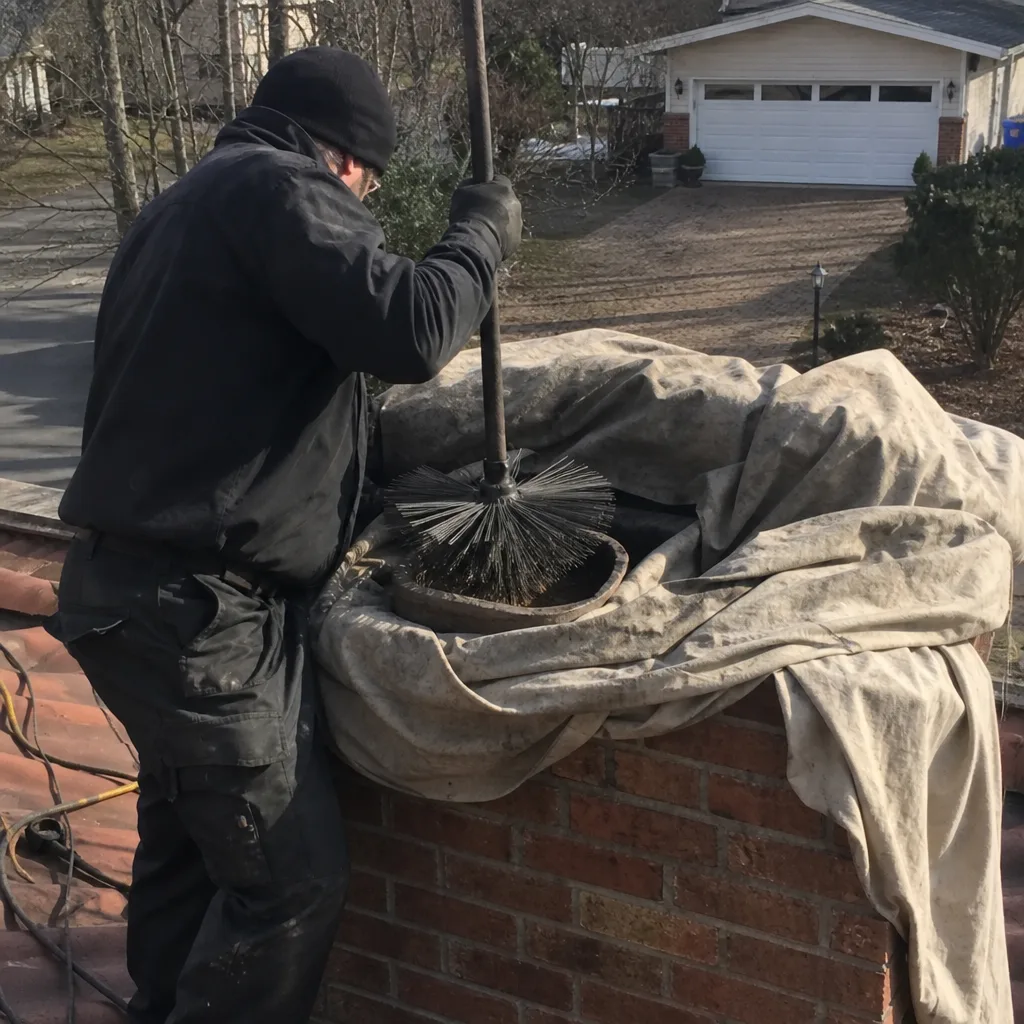
Replacing a flue liner is not a safe DIY job, and we’ll say that plainly before suggesting anything else. You’re working from the roof, above a vertical flue, sometimes on a three-story Washington rowhouse with damp brick and a pitch that doesn’t forgive a misstep. The liner sections are awkward to maneuver, the old corroded sections sometimes break apart as you pull them, and if the liner is not seated and sealed correctly at the joints, you’ve created a carbon monoxide path into your home without knowing it. This is not the place to save money with a YouTube tutorial.
What an owner can safely check is whether they see rust staining on accessible basement connector pipe, whether the chimney cap is still attached, and whether any brick spalling or white mineral deposits show on the interior chimney wall. If any of that looks off, call us at (240) 621-1264 and we’ll put a camera down the flue before recommending anything. The camera doesn’t lie, and neither does the written price.
FAQs
A galvanized Famco liner in Washington typically lasts 10 to 15 years before corrosion compromises it; a 316L stainless liner can run 25 years or more. The difference is condensation, which sits in the flue longer during our humid shoulder seasons. If the appliance was converted from oil to gas without replacing the old galvanized liner, that liner is almost always on the shorter end of the lifespan. Call (240) 621-1264 and we’ll assess yours with a camera scan and a written condition summary.
Small areas of surface rust on a galvanized section can sometimes be addressed with a resurfacing product, but any crack, pinhole, or separated seam requires replacing at least that section, and usually the full liner run. Patching a crack on a liner that’s already thin enough to crack is a short-term move that doesn’t reset the clock. We’ll show you the camera footage so you can see the actual condition and decide with evidence in front of you. Call (240) 621-1264 and we’ll schedule the scan.
A straightforward Famco flue liner replacement on a Washington rowhouse takes between half a day and a full day, assuming the old liner comes out cleanly and the masonry doesn’t need separate repair. Roof height and liner diameter affect time more than the liner brand. We’ll tell you the window, in writing, before work starts. Call (240) 621-1264 for a written estimate.
We stock the most common Famco-compatible diameters (4″, 5″, 6″, and 7″) in stainless on our service vehicles, along with equivalent sections from DuraFlex and Olympia Chimney. If your flue needs an unusual diameter or a specific gauge, we source it through our buying network, typically within a few days. Call (240) 621-1264 with your existing liner’s measurements and we’ll tell you what’s on the truck today.
Written by Corrine Halstead, Owner, Level Two Chimney Washington at Level Two Chimney Washington, serving Washington and nearby areas.