
Level 1 sweep and inspection to the NFPA 211 annual standard - flue, crown, cap, and flashing checked and photographed
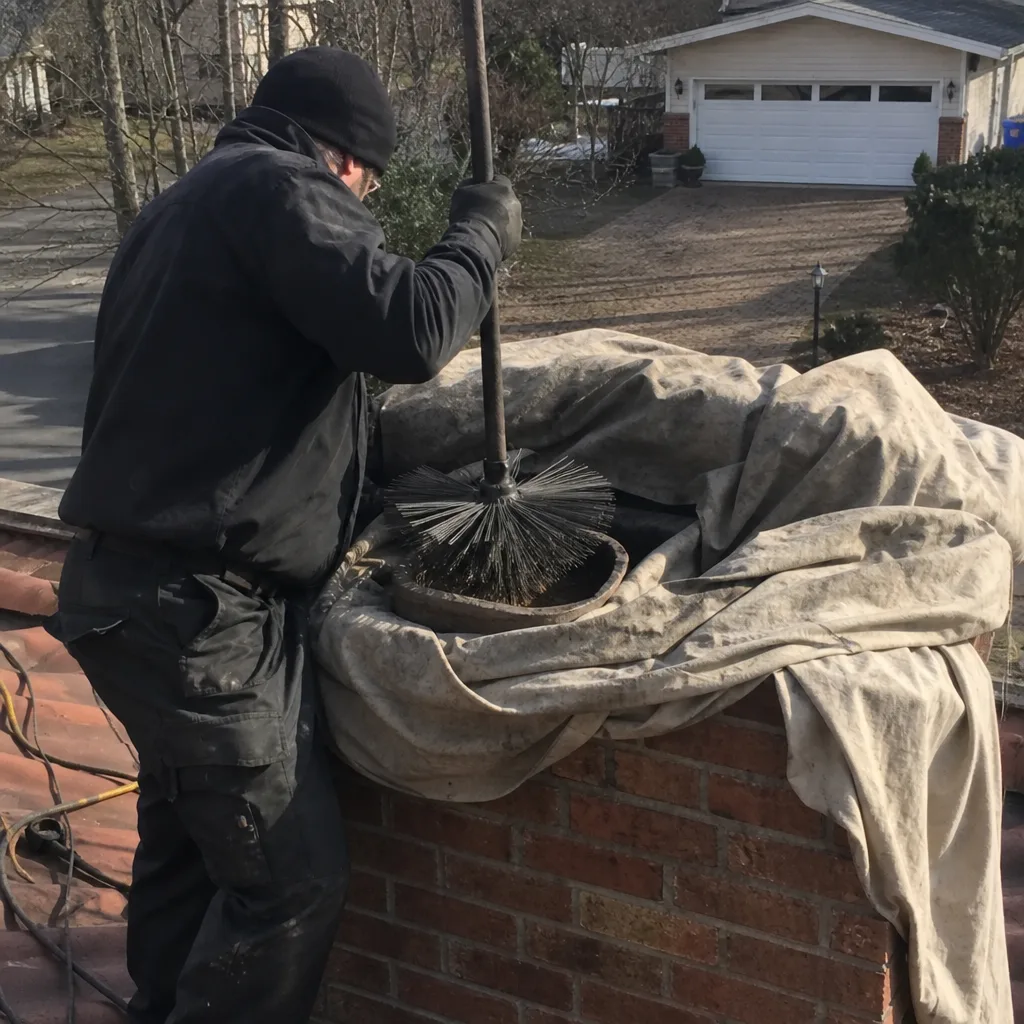
Chimney sweep logs do not sweep chimneys. They loosen some creosote - which then falls where a brush and vacuum still have to collect it.
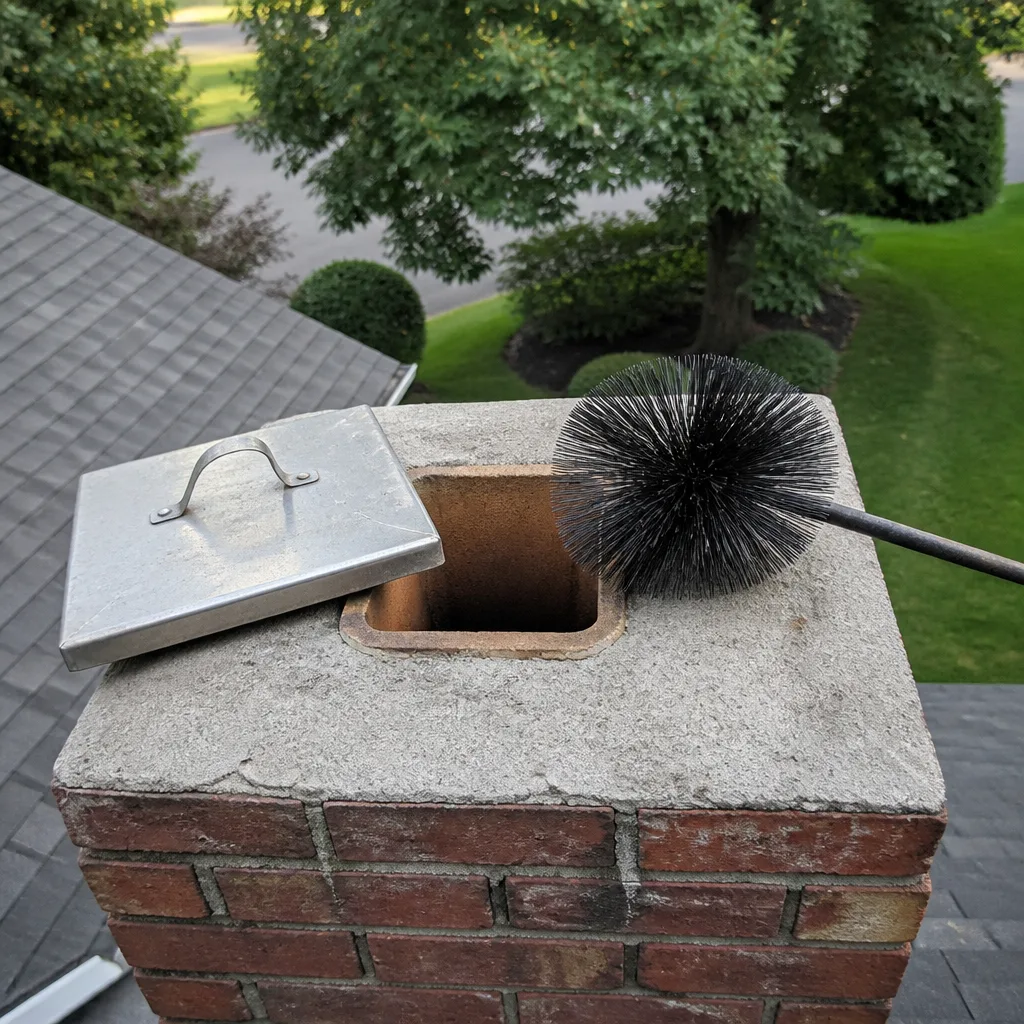
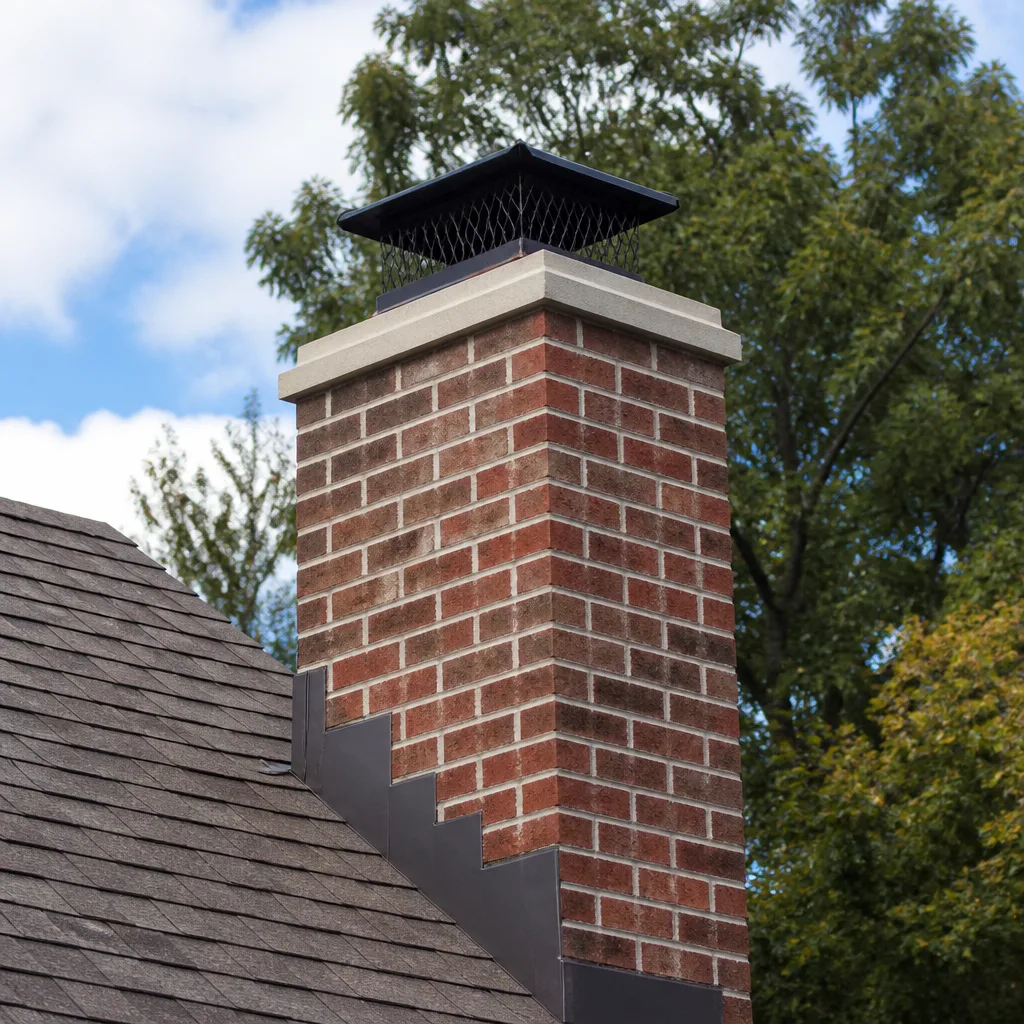
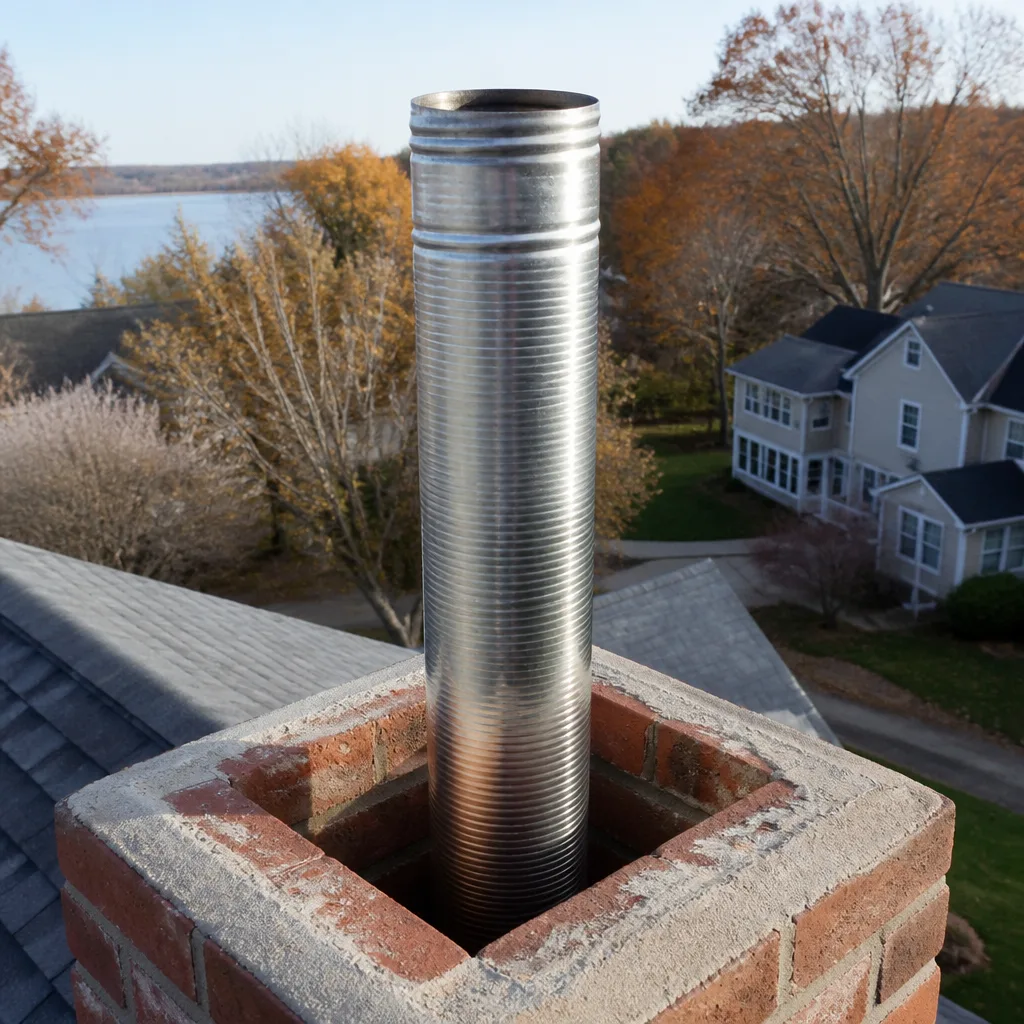
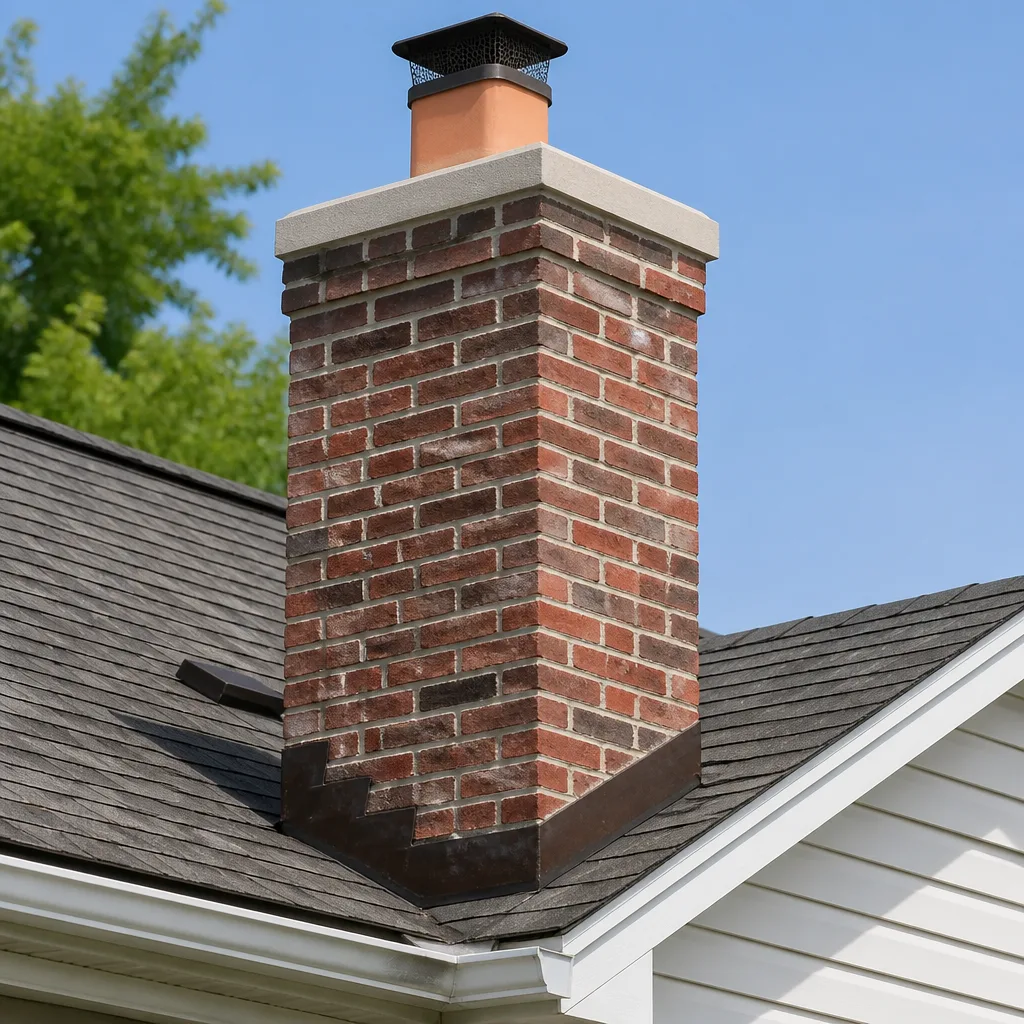
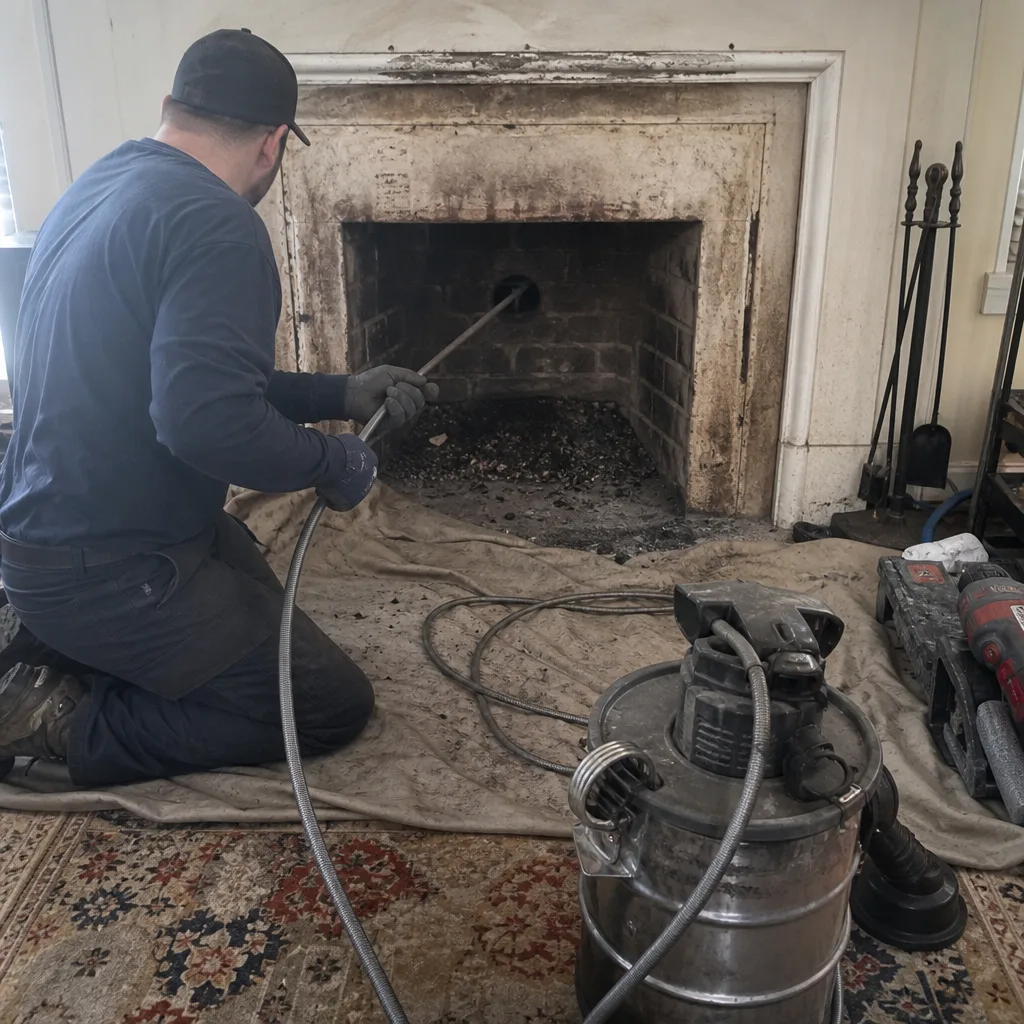 Before
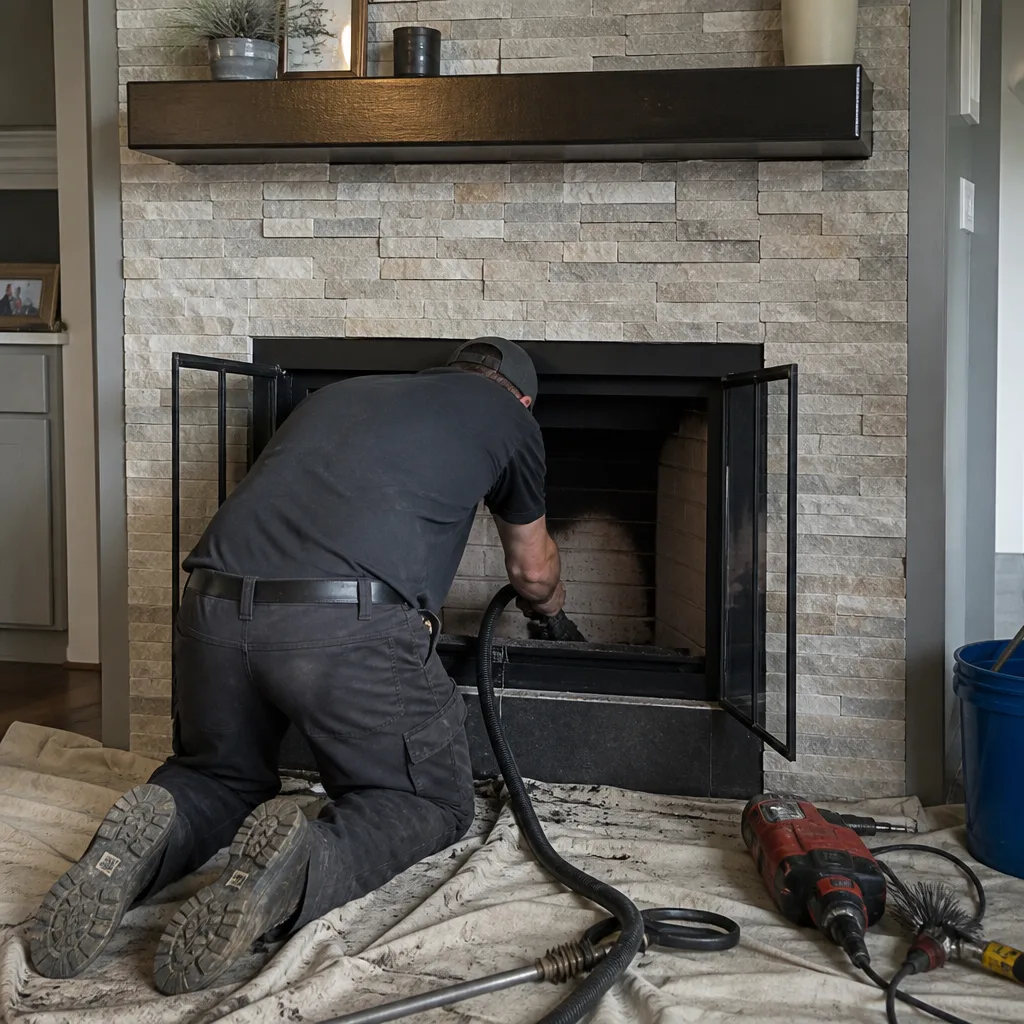 After
After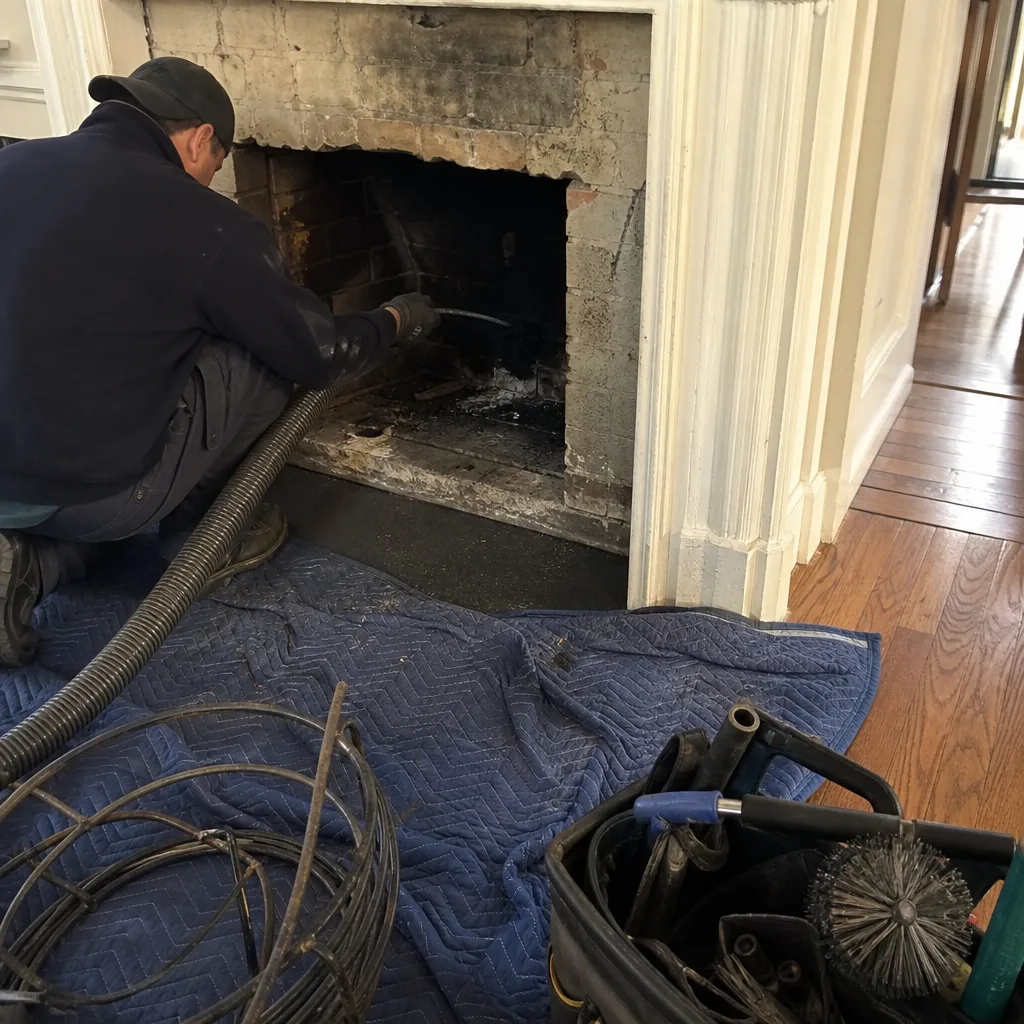 Before
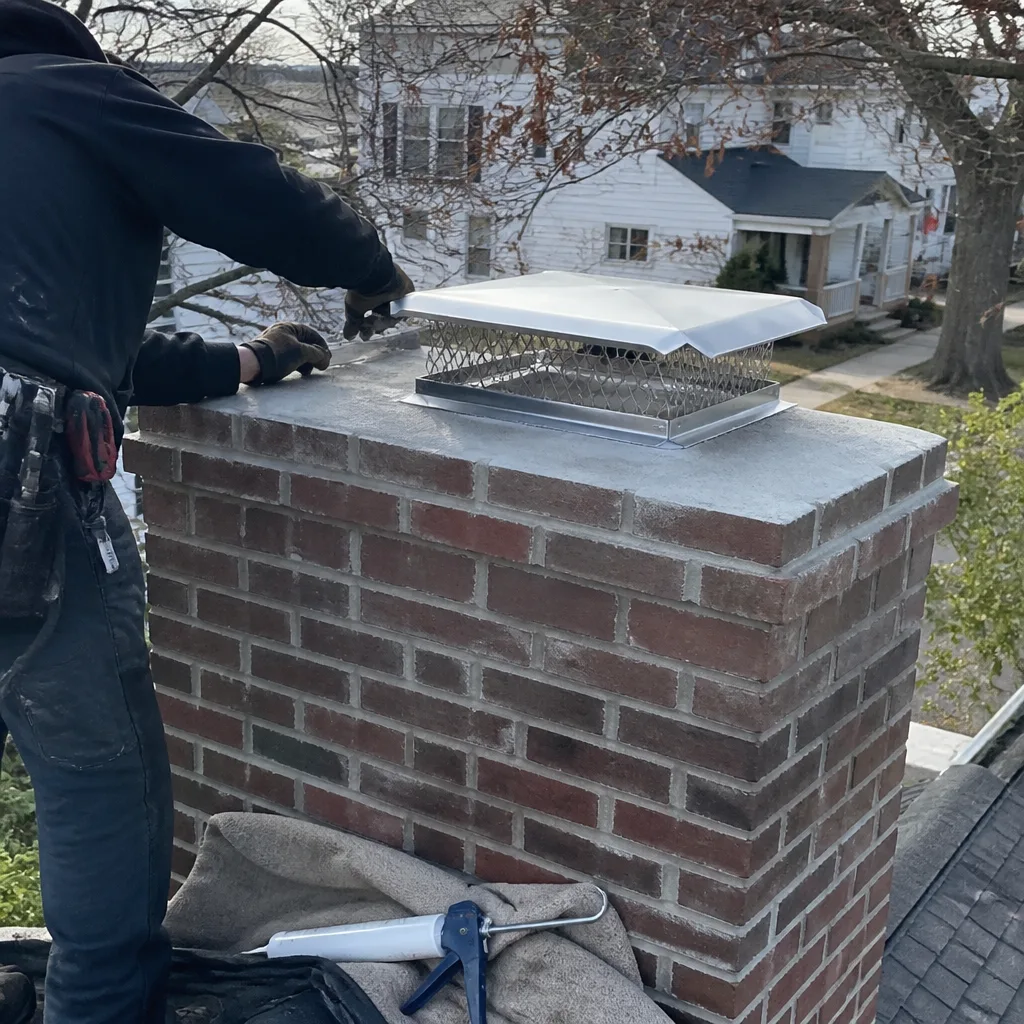 After
After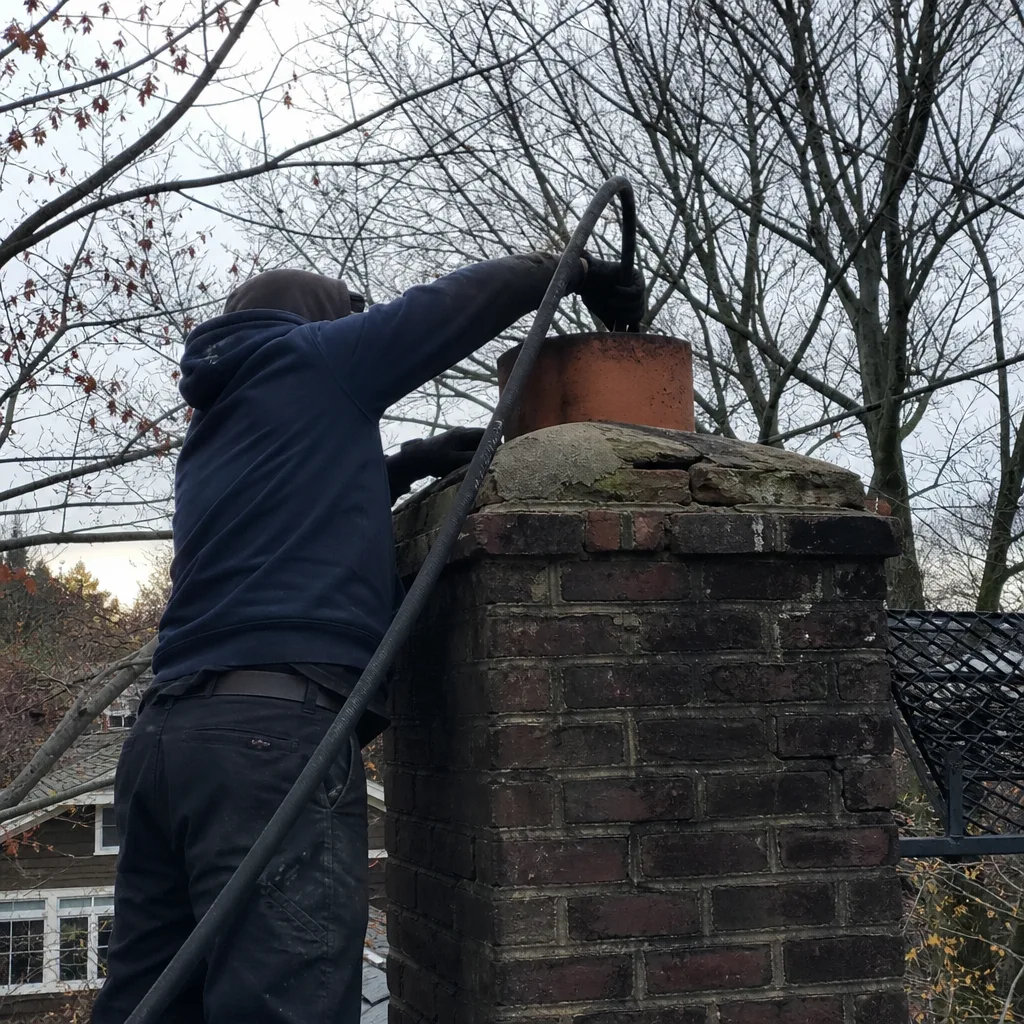 Before
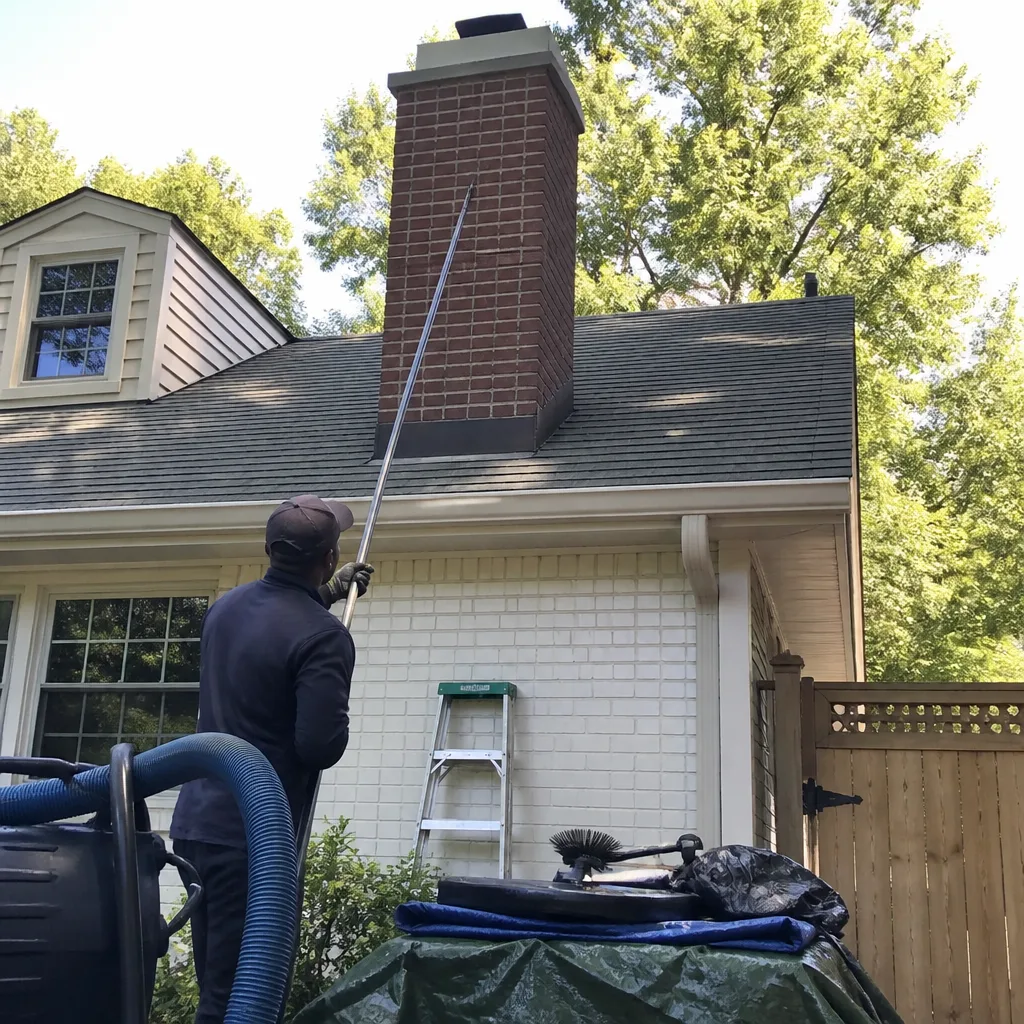 After
AfterFamco Chimney Cleaning & Sweep in Washington: What to Know First
Famco chimney cleaning and sweep in Washington typically costs $189 to $289 for a standard annual sweep with a Level 1 inspection, while homes that need a Level 2 camera scan (common in older DC rowhouses with clay tile flues) run $349 to $449. Most Famco-equipped fireplaces we service here are swept the same day the appointment is booked, and every job carries a written price before our techs touch a brush. If you own a Famco fireplace, stove insert, or chimney component in a Washington home, this page tells you exactly what we check, what breaks, what it costs, and when you can safely skip the work.
Level Two Chimney Washington is an independent Famco service provider. We’re not affiliated with or authorized by Famco, and we don’t need to be. We clean, inspect, and document the product as it actually performs in Washington flues. Call (240) 621-1264 for a written, line-item estimate before any work begins.
How Famco Products Fail - and How We Fix Them
Famco makes sturdy chimney components (caps, dampers, chase covers, and some liner accessories), but the products don’t fail on a schedule. They fail the way Washington’s climate makes them fail. Here’s what we see in DC flues:
- Famco multi-flue caps on rowhouse chimney stacks. Washington rowhouses often share a single chimney mass with two or three flues serving separate fireplaces, and Famco’s multi-flue cap is a common retrofit. The weak point isn’t the aluminum body. It’s the mounting bracket that grips the crown edge. On older Capitol Hill and Shaw rowhouses, the crown has spalled (crumbled at the top edge) and the bracket hangs on by one screw. We find this during the sweep because creosote stains streak down the outside of the flue tile right below the cap, telling us rainwater is running inside the chase. The fix: we remove the cap, repair the crown surface with a proper mortar bed, and remount the Famco cap with new anchors. The cap itself often has years of life left.
- Famco chimney dampers that seize shut from DC humidity. Washington summers push humidity into flues for months at a time. The cast-iron pivot on a Famco top-sealing damper oxidizes, and the damper cable rusts where it passes through the firebox wall. The symptom you notice is a wall lever that won’t move or a damper that stays closed even when you pull. We don’t force these, because the cable will snap and drop the damper plate into the smoke chamber. We free the pivot, replace the cable with a stainless version (not OEM steel, which rusts again), and lubricate the hinge with a high-temp graphite.
- Famco chimney caps with animal damage, not just creosote. Washington’s raccoon and squirrel pressure is real, especially in Bethesda-adjacent and Rock Creek Park-adjacent neighborhoods. A Famco cap with the standard 3/4-inch mesh doesn’t keep out small raccoon paws, and we regularly pull a torn mesh screen down from the roof with a squirrel nest woven into the crown. The fix is a replacement screen with 5/8-inch stainless mesh, which Famco does not supply standard on all caps. We source this separately and keep the cap body if it’s intact.
- Famco chase covers on wood-framed homes near Capitol Hill. A chase cover is simple: a galvanized or aluminum pan that tops a wood-frame chimney chase. On 100-year-old rowhouses that were reworked in the 1980s and 1990s, we see Famco chase covers with screw holes drilled too close to the bent edge, and water has crept between the cover and the chase framing. Below the cover, the flue is full of Class III creosote (the tar-like glazed kind) because the flue ran cold and wet. We remove the cover, measure for a new one if needed, and sweep the flue with rotary tools rated to break Class III glaze. That’s a different level of cleaning than a standard push-brush sweep.
- Famco stainless steel liner components paired with wrong sizing. This is the one we flag most during camera scans of Washington homes built before liner standards tightened. A wood stove or gas water heater was connected to a Famco liner adapter, but the liner is undersized for the BTU output, or improperly terminated at the flue cap. We can tell on camera because condensation pitting shows at the liner joints. We note the measurement (typically the liner should be 6 inches for a standard wood stove, 5.5-inch oval sometimes for a masonry tie-in), write down the correction, and give you the exact price if repair is needed. Sometimes the existing liner is fine and the issue is just a blocked termination.
Our Famco Chimney Cleaning & Sweep Process
Every Famco appliance receives the same process in Washington, whether it’s a fireplace, insert, or connected appliance. Here’s the call-to-cleanup step by step:
- 1
Call and live answer. You don’t reach a voicemail tree. You reach a person at (240) 621-1264. We ask the fireplace type, last sweep date, and address. If it’s a wood stove, we ask what you burn.
- 2
Visual assessment on arrival. Our technician checks the firebox, damper location, and the face of the chimney from the ground before getting on the roof. This tells us if the Famco component is even part of the problem.
- 3
Camera-scan inspection (NFPA 211 Level 2). Every visit includes a camera down the flue, not a flashlight look. We record the liner condition, creosote class, and any animal or blockage. Photos go on the record for you, not hidden in our files.
- 4
Sweep or cleaning matched to what’s in the flue. If the camera shows Class I or II creosote, a mechanical brush and HEPA extraction clean it. If Class III glazing is present, we use rotary tools and inform you the price is higher, because it is.
- 5
Written scope and written price before any repair. If the Famco cap needs a bracket fix, the damper cable needs replacing, or the liner needs a patch, we write down the line item price and hand it to you. You decide on the spot. No work is started until you sign the written scope.
- 6
Post-work camera and photo record. After cleaning and any service, we run the camera again and photograph the flue. You get the before, the after, and the written warranty under the 365-Day Done Right Promise.
BeforeAfterWhat Famco Chimney Cleaning & Sweep Costs in Washington
The biggest price swing is creosote class and component condition, not the Famco brand name itself. Here are the numbers we quote most often in DC, Maryland-adjacent, and Northern Virginia-adjacent service areas:
| Scenario | Typical Price in Washington |
|---|---|
| Annual Famco fireplace sweep with Level 1 inspection | $189 - $249 |
| Famco fireplace sweep plus Level 2 camera scan | $349 - $449 |
| Class III creosote removal (glazed, rotary tools) | $400 - $600 depending on flue height |
| Famco damper cable replacement | $175 - $250 including part and labor |
| Famco cap remount or bracket repair | $150 - $325 depending on roof access |
Variables that move the price: roof height and pitch (many Washington rowhouse roofs are 3-story and steep), how long since the last sweep, and whether you burn pine or construction scrap (nails and brackets kill a brush). We never quote without seeing the flue. Call (240) 621-1264 and we’ll get you a written number. Estimates are free.
Why Washington Homeowners Call Level Two Chimney Washington for Famco Work
Because we name what we found and put the number next to it, in writing, before we ask you to decide. That’s Clause 1 of the Haven Standard, and it’s been this way since 2009. We’ve inspected and cleaned more than 38,000 chimneys. Every single one got a written price before a brush touched the flue and a documented photo record when we finished. If the camera shows a Famco cap with years of life left and the flue is clean, we tell you that plainly and the job stays small. If the flue liner has condensation pitting at the joints, we hand you the photo, the measurement, and the repair price. The price on the page is a real range. The price on the written quote is exact.
Our technicians are background-checked and uniformed, and we service DuraFlex, HeatShield, and Gelco components alongside Famco, which matters because Washington chimneys often have mixed-brand installs. Corrine Halstead has been running chimney inspection and cleaning work here since before she’d ever pulled a creosote cap off a DC rowhouse flue. The camera doesn’t lie, and neither does the written price.
FAQs
Yes, in most Washington installations the Famco cap must be lifted to brush the flue properly. If we’re doing a standard sweep on a single-flue cap, removal and re-set is included in the sweep price. Multi-flue caps on rowhouse stacks take longer because the bracket and crown condition have to be checked, and if the bracket is on crumbling crown material we flag it on the photo record before touching the cap. Call (240) 621-1264 and we’ll confirm your setup.
If your Famco product is still within its manufacturer warranty period, we do not perform warrantied repairs on Famco’s behalf. But we document every issue with camera evidence and provide the written condition report you need to file a claim. For out-of-warranty components, we’re an independent Famco service provider in Washington, and we use parts that meet or exceed the original spec, always priced in writing first.
A stuck damper is dangerous if the fireplace is used. Burning with a damper that won’t open pushes smoke and carbon monoxide back into the room, which is a genuine safety emergency in occupied Washington homes. Don’t burn until we’ve opened it. What we typically find is a rusted pivot from DC humidity, and we fix it with a stainless cable and graphite lube for $175 to $250. If the damper has been forced before we get there, the repair price goes up. Call (240) 621-1264 before you burn again.
At least once per year if you burn wood more than a dozen times per season, and twice yearly if you burn pine, construction scrap, or anything green. Washington’s damp fall and early winter flues don’t stay hot enough to burn off creosote cleanly, so our camera scans here show Class II buildup faster than drier climates. If you burn only gas logs, a biennial inspection is usually enough. We’ll tell you what the camera shows, not a calendar guess.
No. Sweep logs (also called creosote sweeping logs) do not remove creosote. They change the chemistry of a thin layer of surface buildup so it flakes off, but in Washington flues where glazed Class III creosote has formed, the log doesn’t touch the material that actually ignites. A real mechanical sweep with a camera record is what keeps a fireplace safe to burn. That’s what we do on every visit.
Written by Corrine Halstead, Owner, Level Two Chimney Washington at Level Two Chimney Washington, serving Washington and nearby areas.