
Level 1 sweep and inspection to the NFPA 211 annual standard - flue, crown, cap, and flashing checked and photographed
Chimney sweep logs do not sweep chimneys. They loosen some creosote - which then falls where a brush and vacuum still have to collect it.
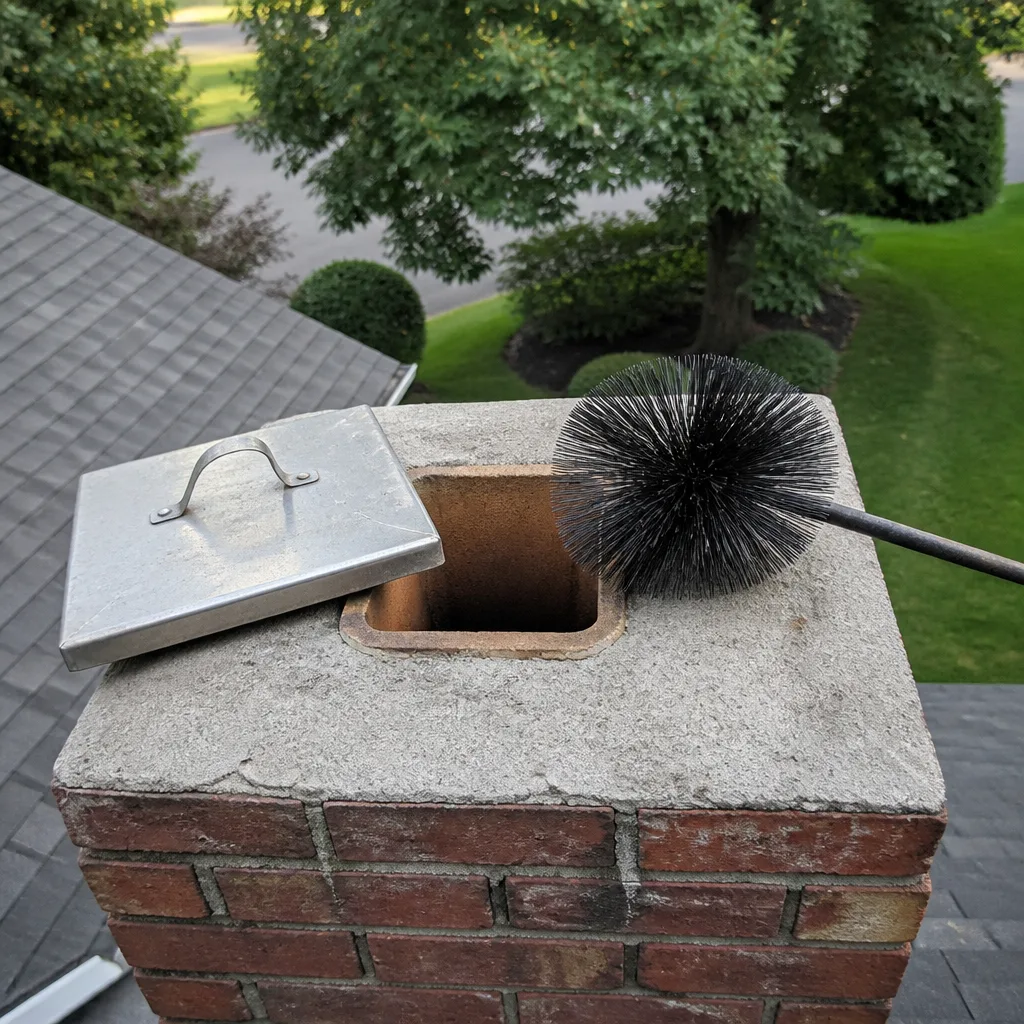
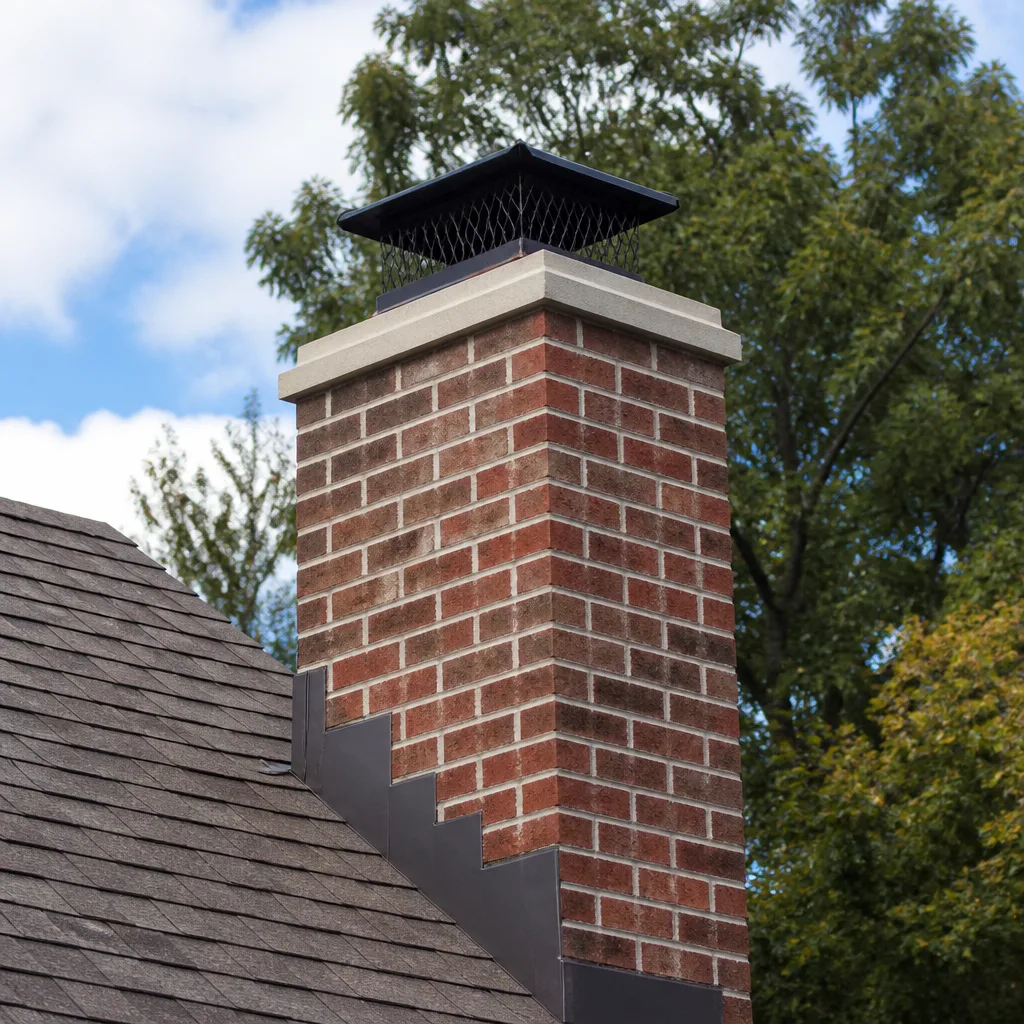
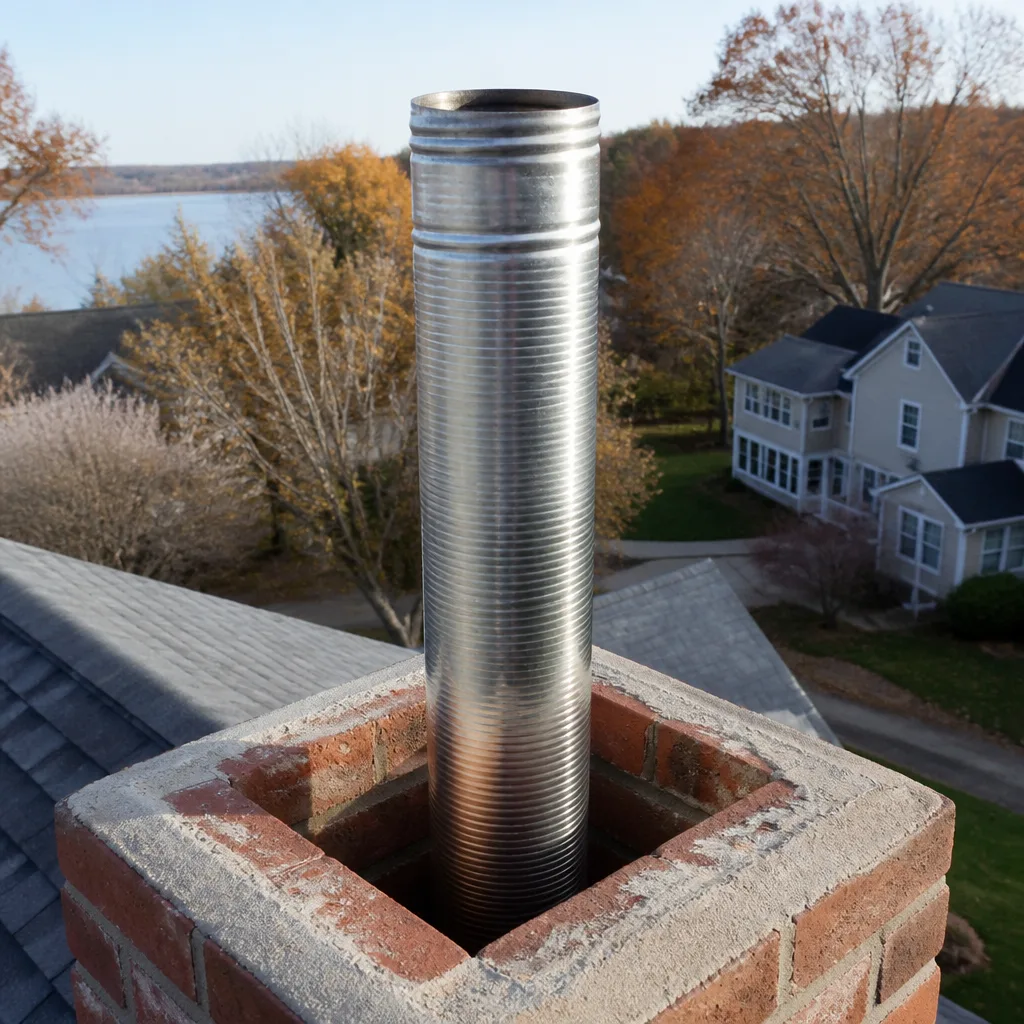
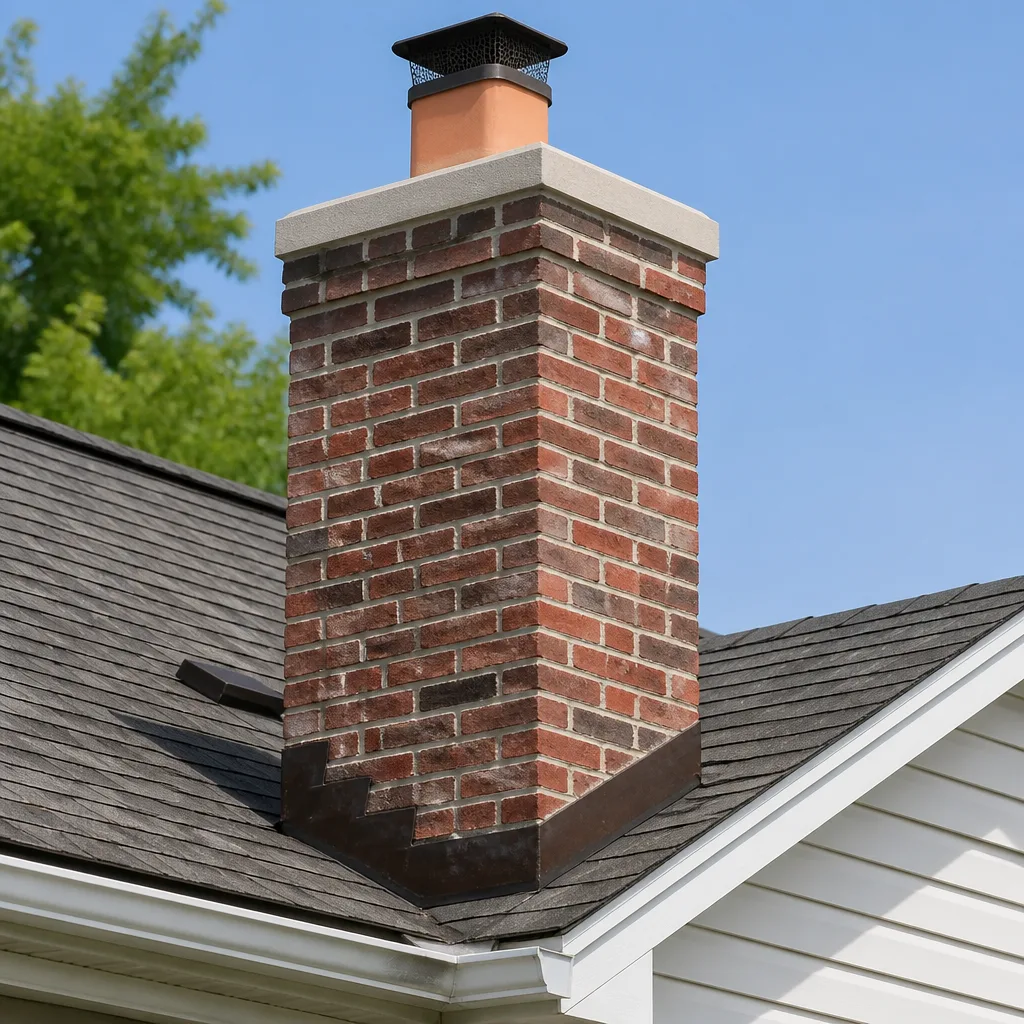
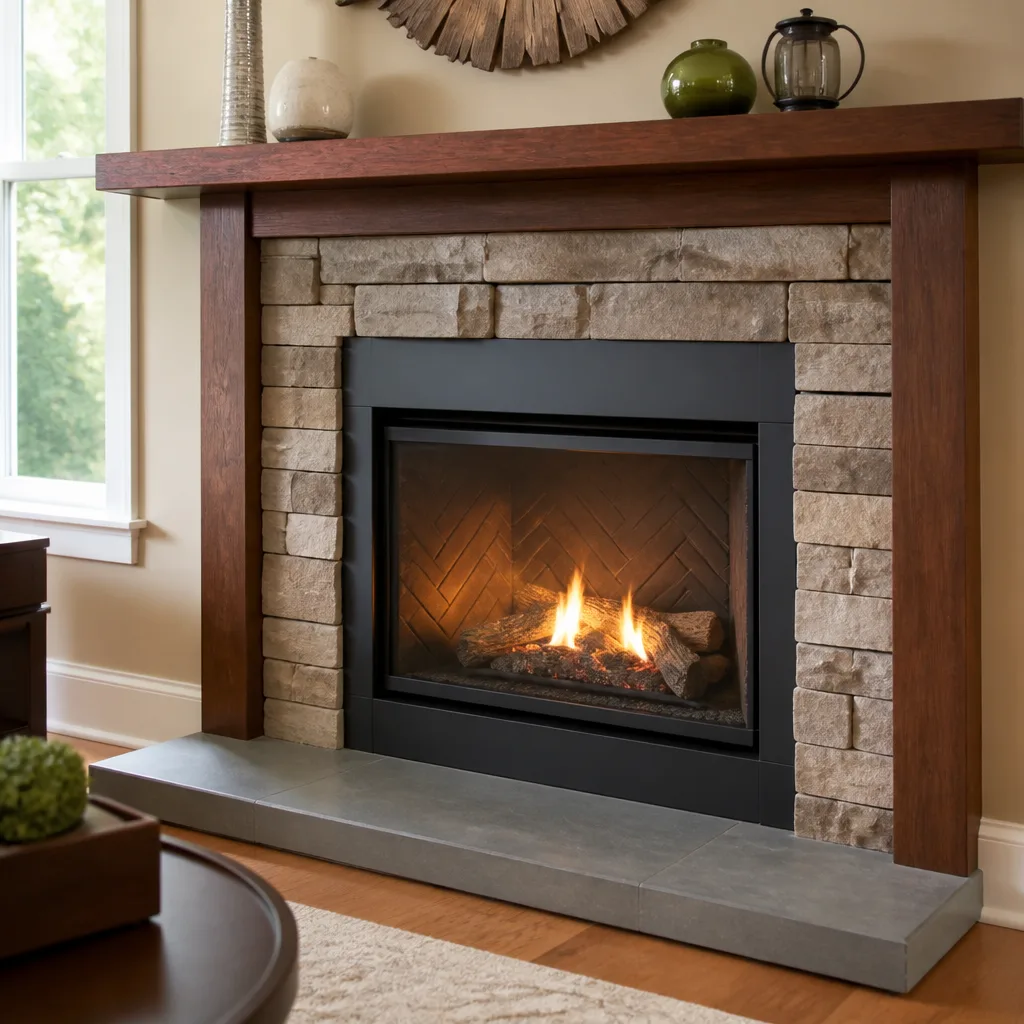
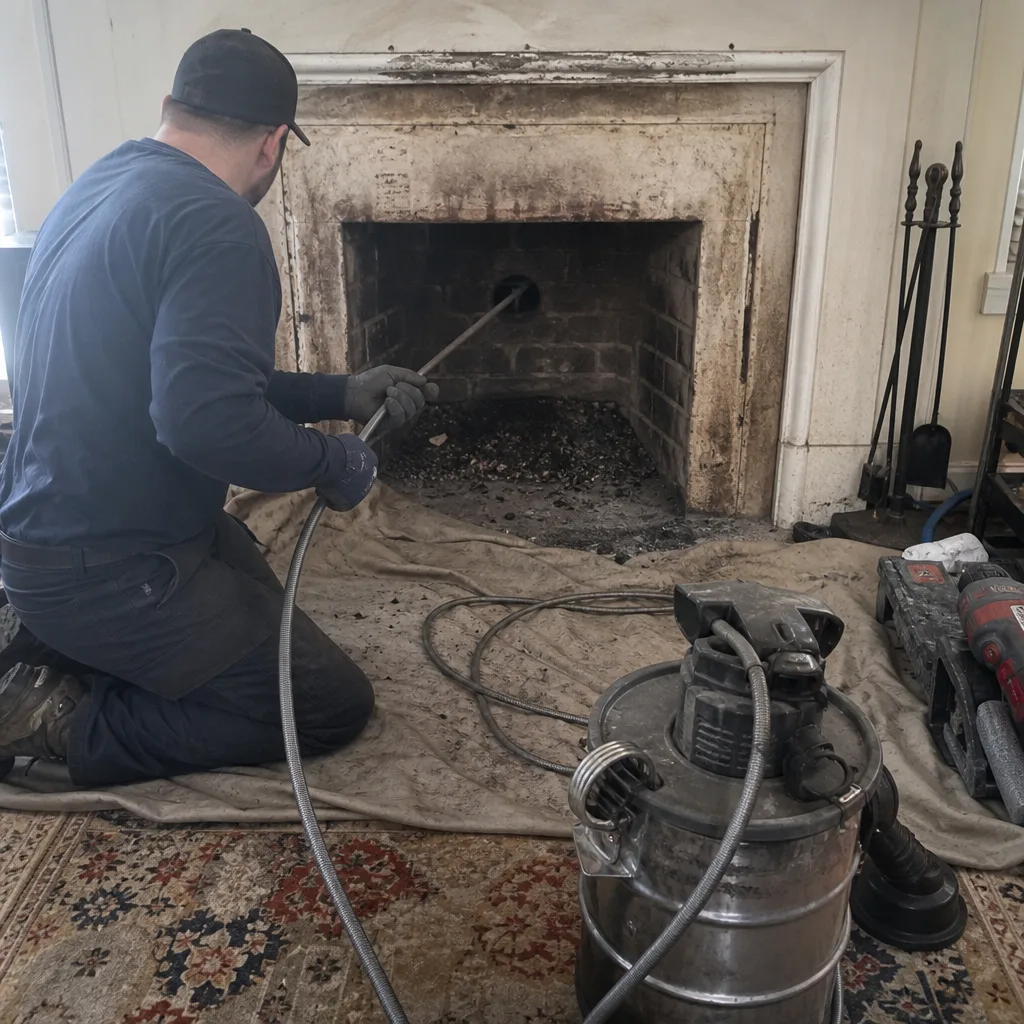 Before
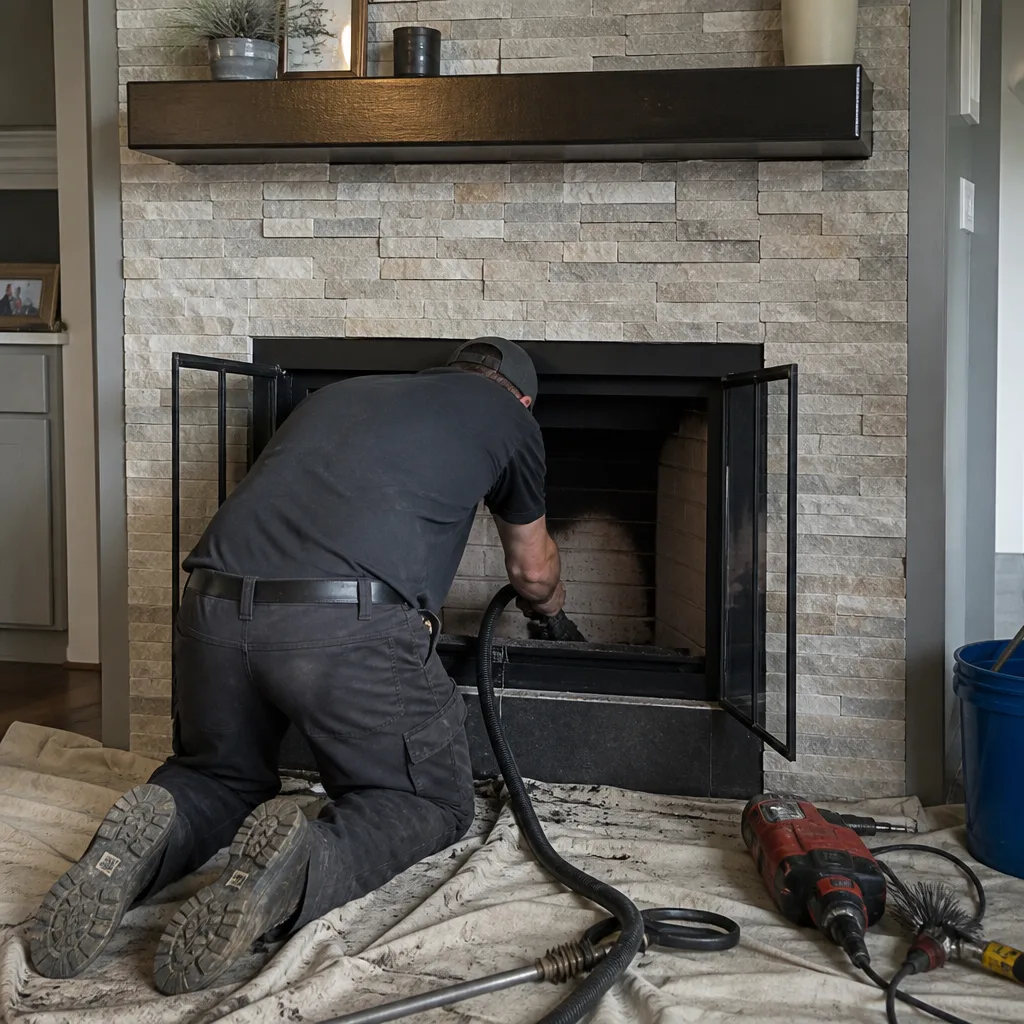 After
After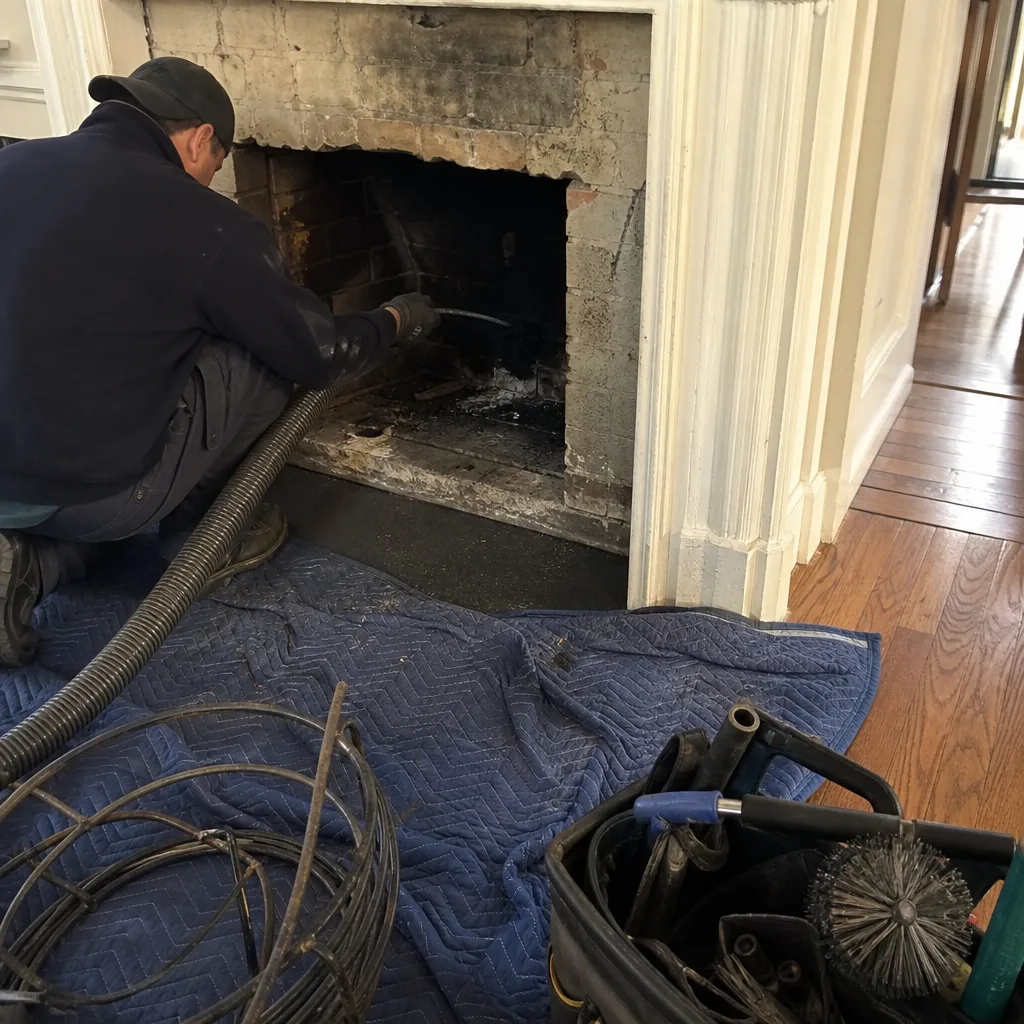 Before
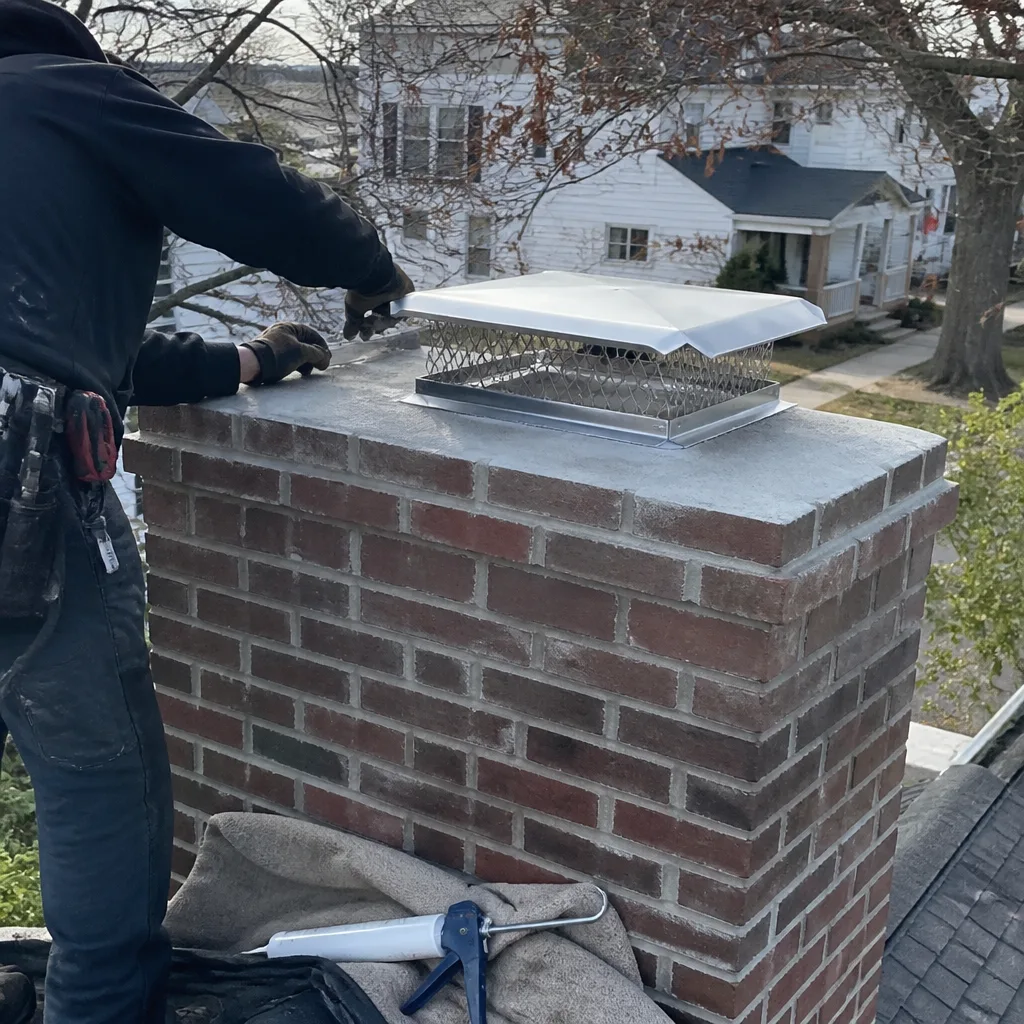 After
After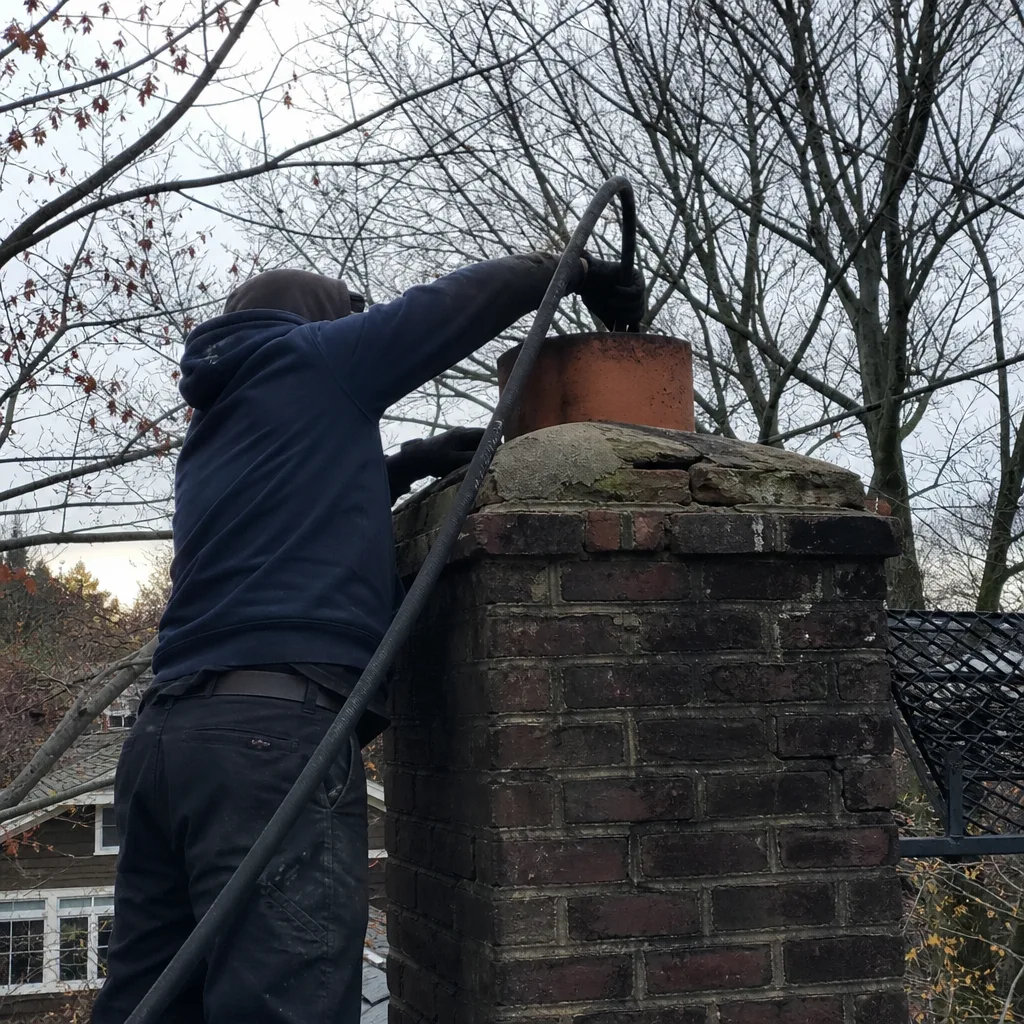 Before
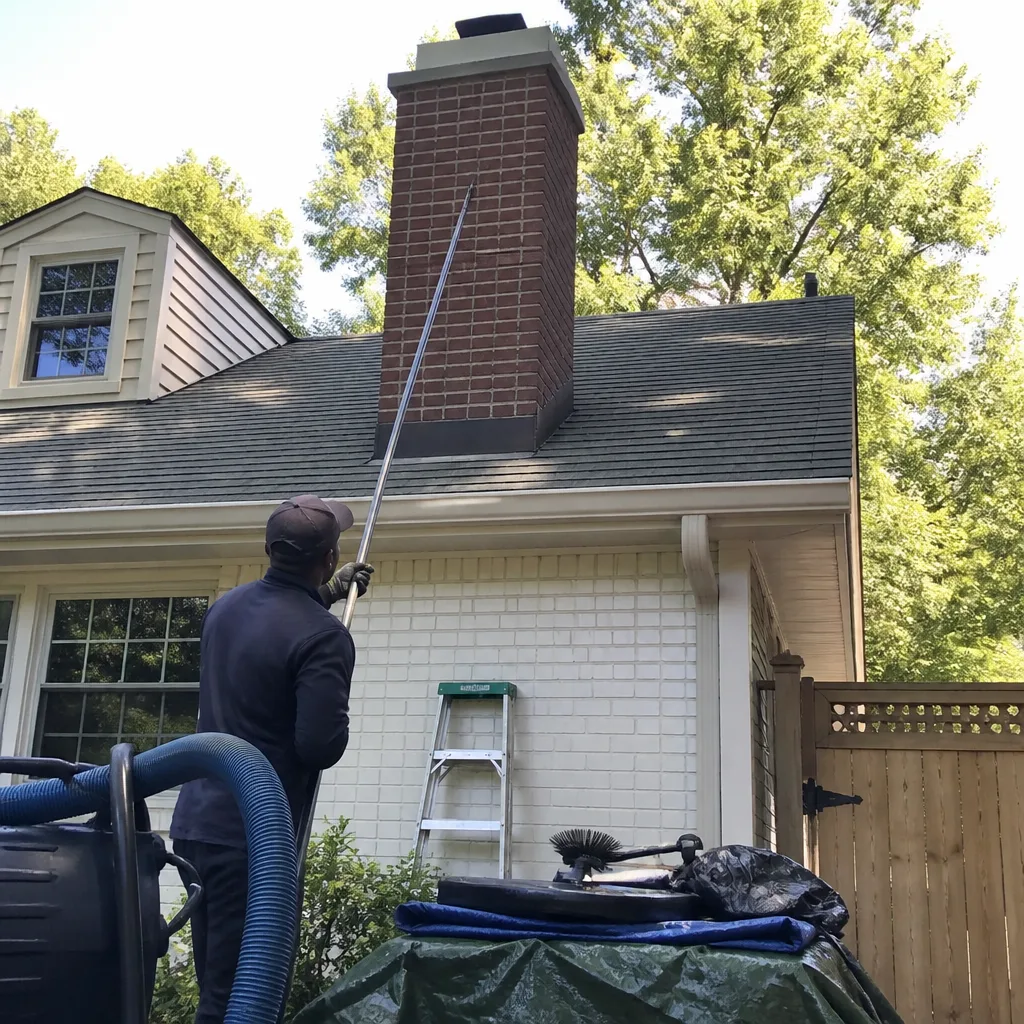 After
AfterOlympia Chimney Flue Liner Replacement: The Washington Owner’s Guide
If your Olympia Chimney flue liner has cracked, spalled, or separated at a joint, replacement in Washington typically runs $2,400 to $4,800 installed, depending on liner diameter, height, and whether we’re pulling an old clay tile system or relining over it. We stock Olympia Chimney-compatible stainless liners in common DC rowhouse sizes and can usually schedule the work within five to seven business days of a camera inspection. Most homeowners discover the failure during a Level 2 camera scan after noticing flaky tile pieces in the firebox, a persistent draft problem, or staining on interior walls near the chimney chase.
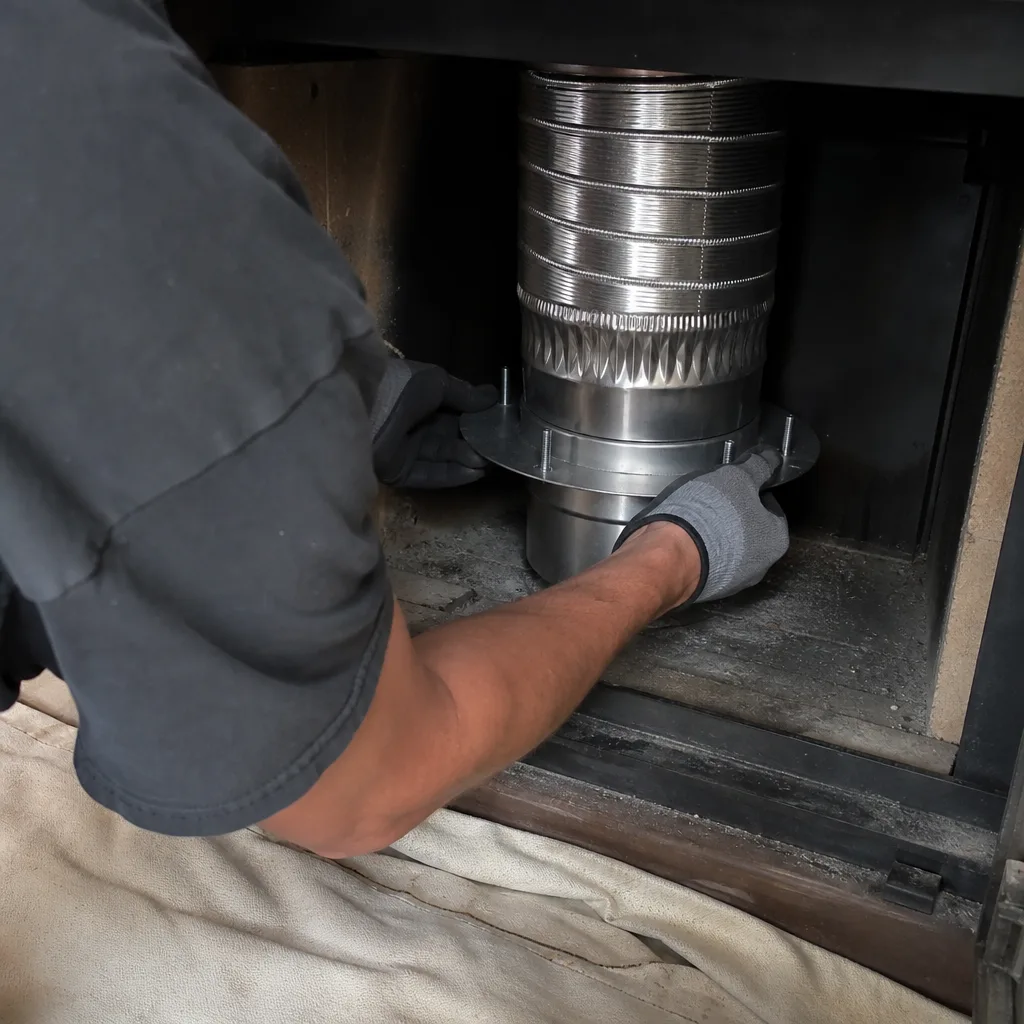
What you’re dealing with is the flue liner itself: the stainless or clay tube inside your chimney that contains heat and combustion gases. In Washington’s older housing stock, original clay tile liners crack from decades of thermal cycling, water intrusion, and the occasional chimney fire that left damage nobody could see until the camera went down. The fix is a properly sized Olympia Chimney liner, which is exactly what we install.
Which Olympia Chimney Models This Applies To
Olympia Chimney manufactures flue liners and chimney components under several lines, but in Washington service calls, we mostly see their stainless steel flexible liner systems and rigid sections, often paired with Olympia caps and top plates. The liner itself is not model-specific the way an appliance part would be; it’s sized by flue diameter and fuel type. The compatibility question is whether you need a liner rated for gas, oil, or wood, and whether you’re matching an existing Olympia system end-to-end.
Here’s the gotcha we see again and again in DC: a homeowner has an Olympia Chimney cap and top plate already in place from a prior install, and the liner below it has failed. The new liner has to mate correctly with that existing top assembly, or you’re buying a new cap on top of the liner. We carry Olympia Chimney compatible liner, top plates, and caps because mixing brands at the termination point is where leaks and recalls start. If the existing top plate is in good shape, we re-use it and credit the part cost. If it’s pitted or deformed, you’ll see the replacement line item on the written scope before any work starts.
For the record: Level Two Chimney Washington is an independent service provider. We install Olympia Chimney components because they hold up in DC’s humidity and freeze-thaw cycles, but we’re not affiliated with the manufacturer. We also stock DuraFlex, HeatShield, and Gelco lines, so if a different liner system is genuinely the better fit for your chimney, we’ll tell you and quote that instead.
Signs Your Olympia Chimney Flue Liner Replacement Is Failing
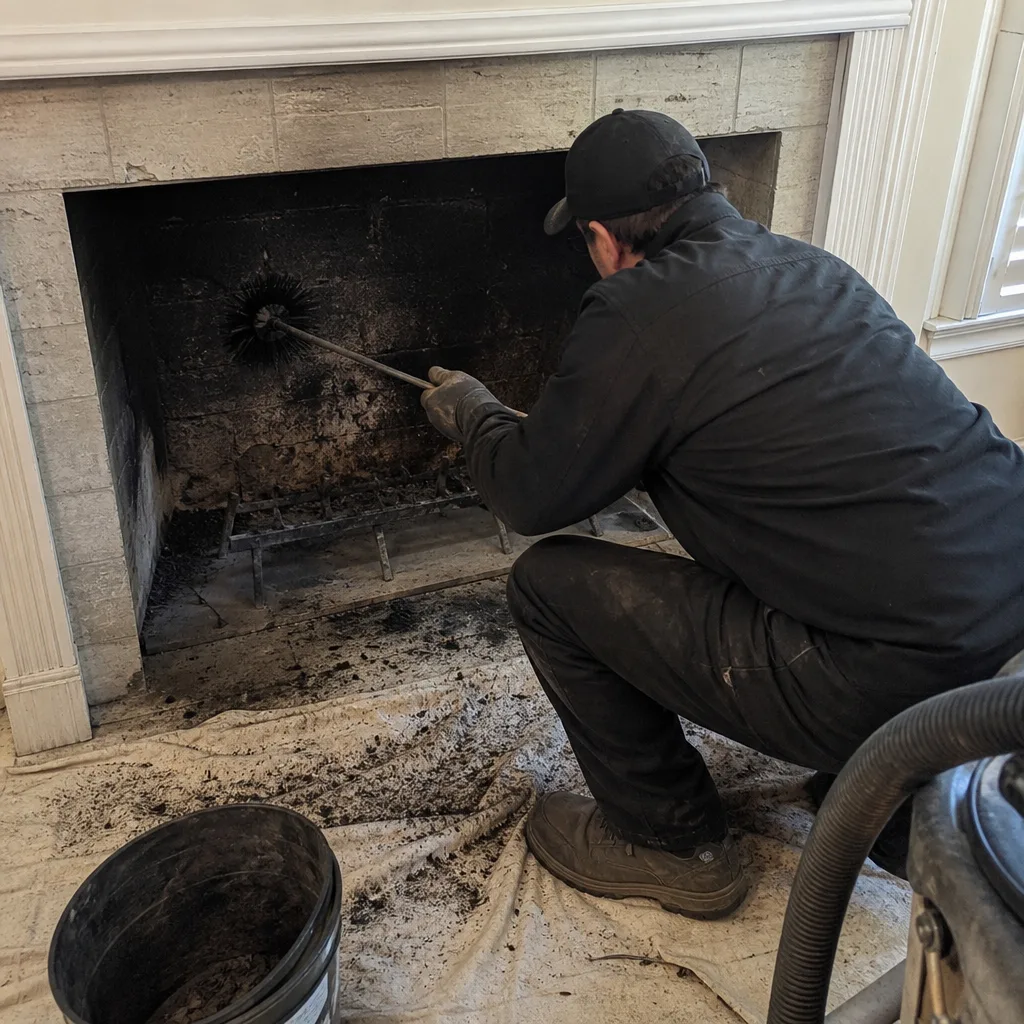
- Tile fragments or sand-like grit in the firebox. Clay liner spalling drops pieces into your fireplace. That grit means the liner’s inner surface is shedding, and it won’t heal itself.
- Draft problems that weren’t there last winter. A cracked liner lets room air get pulled into the flue instead of drawing smoke up. You’ll notice smoke rolling back into the room on startup.
- Water staining on walls or ceilings near the chimney chase. A separated liner joint lets flue gas condense inside the chase. That condensate is acidic and eats drywall, framing, and whatever else it touches.
- White efflorescence or brick spalling on the chimney exterior. This points to water infiltration, which accelerates liner joint failure from the outside in.
- A musty or “wet ash” smell after rain. Water is pooling somewhere it shouldn’t be. In a liner that’s already compromised, that means internal rust on the stainless, which is exactly what the camera confirms.
None of these symptoms tell you the full story on their own. That’s why our standard inspection is an NFPA 211 Level 2 camera scan: the camera goes down the flue and shows you in real time what we’re seeing. Clause 4 of the Haven Standard has required a documented photo record on every visit since 2009, and the liner condition is always in that file. You don’t take our word for it. You look at the frame yourself.
BeforeAfterReplacement Cost & What’s Included
In Washington, an Olympia Chimney flue liner replacement lands in a $2,400 to $4,800 range for most single-flue installations. The spread comes down to three things: the liner diameter and alloy (316L stainless for wood or oil, typically; a lower-cost alloy may be fine for a gas-only flue), the total height of the run (a three-story Capitol Hill rowhouse costs more than a single-story bungalow because of liner length and scaffolding), and whether the old clay tile liner has to be broken out or can stay in place when the new liner slides down.
What you get with that price: the liner itself, the top plate and cap if yours is end-of-life, the tee body and connector at the appliance, removal of the failed section, a camera verification after install, and the full photo record. That record is the part most Washington homeowners appreciate: before and after frames, so you can see exactly what was replaced and confirm the new liner is seated correctly. We hand you the written scope before any work starts, and the written warranty when it’s done. Our 365-Day Done Right Promise applies to every liner job: if it’s not done right, we make it right.
Every liner install also carries our Free Second Opinion policy in reverse: if you’ve got a competitor’s written quote and want to compare line items, bring it. We’ll match scope to scope so you can see what’s actually different.
DIY or Call Us?
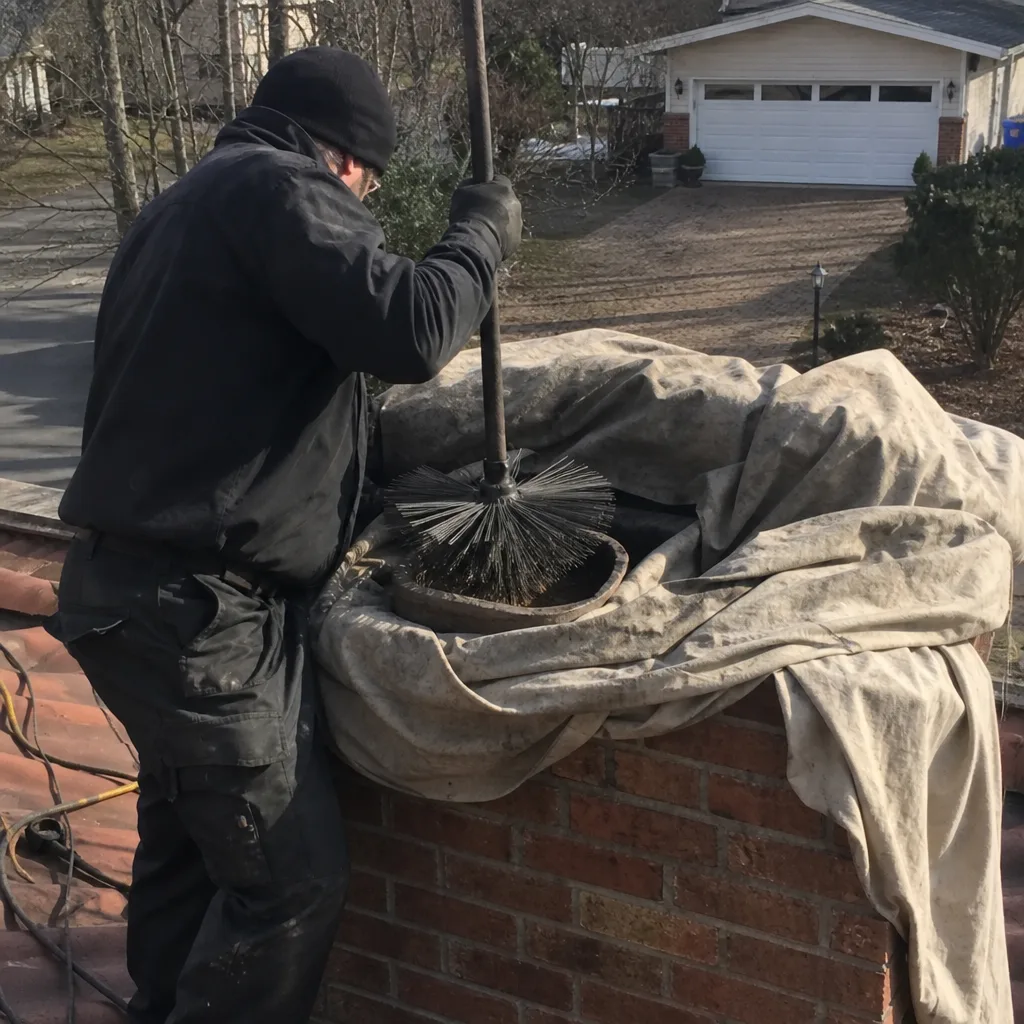
You can safely check a few things yourself: look for tile fragments in the firebox, run a flashlight up past the damper to check for obvious cracks, and inspect the exterior crown for missing mortar. What you cannot safely do is drop a replacement liner down a two-story flue from the roof without fall protection, proper termination hardware, and a way to verify the liner hasn’t kinked or separated mid-run. A kinked liner is a fire hazard. A poorly terminated liner leaks flue gas into the chase. Both are exactly what a camera scan catches, and exactly what a weekend DIY install often misses.
The camera doesn’t lie, and neither does the written price. If you suspect your Olympia Chimney liner is failing, start with the inspection. If it’s fine, you’ve got documentation that says so. If it’s not, you’ll have the same photos we have, the same measurements, and a written number before you decide anything. Call (240) 621-1264 to schedule.
FAQs
A 316L stainless Olympia Chimney liner in Washington typically lasts 20 to 30 years with annual sweeping, but the clay tile it often replaces cracks much sooner - frequently in the 15 to 25 year range, and earlier if the chimney has seen water intrusion or a chimney fire. The wildcard is our freeze-thaw cycle: condensation inside a poorly insulated chase freezes, expands, and stresses liner joints from January through March. Call (240) 621-1264 if you want a camera assessment of where your liner actually is in that lifespan.
Small liner cracks can sometimes be resurfaced with a product like HeatShield, which we also stock, but a liner with multiple separated joints or heavy spalling needs full replacement. The camera determines which one you’re dealing with. If it’s resurfaceable, we’ll tell you, and you’ll see the written price for that option next to the replacement price. Call (240) 621-1264 with what you’re seeing and we’ll talk through both.
Most Olympia Chimney flue liner replacements in Washington are done in a single day, with a half-day follow-up if the old clay tile has to be broken out first. The camera verification and photo record are done the same day as the install. Call (240) 621-1264 and we’ll give you a written schedule with the written scope.
We keep common Olympia Chimney-compatible liner diameters on the truck for gas and wood applications, and we pull from DuraFlex, HeatShield, and Gelco lines when a different spec fits the job better. If your chimney needs a non-stock diameter, the wait is typically three to five business days, and you’ll know before you commit. Call (240) 621-1264 for a written answer on your specific liner size.
Written by Corrine Halstead, Owner, Level Two Chimney Washington at Level Two Chimney Washington, serving Washington and nearby areas.