
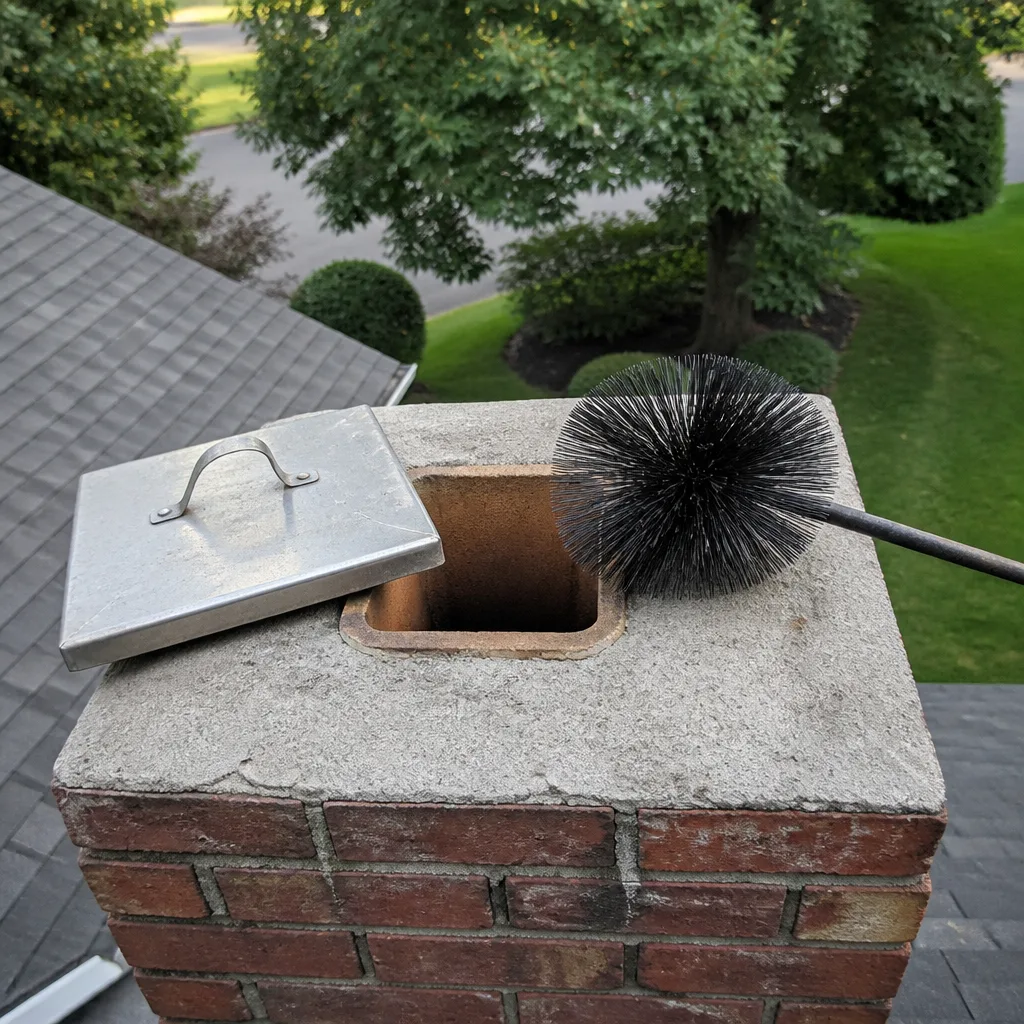
Level 1 sweep and inspection to the NFPA 211 annual standard - flue, crown, cap, and flashing checked and photographed
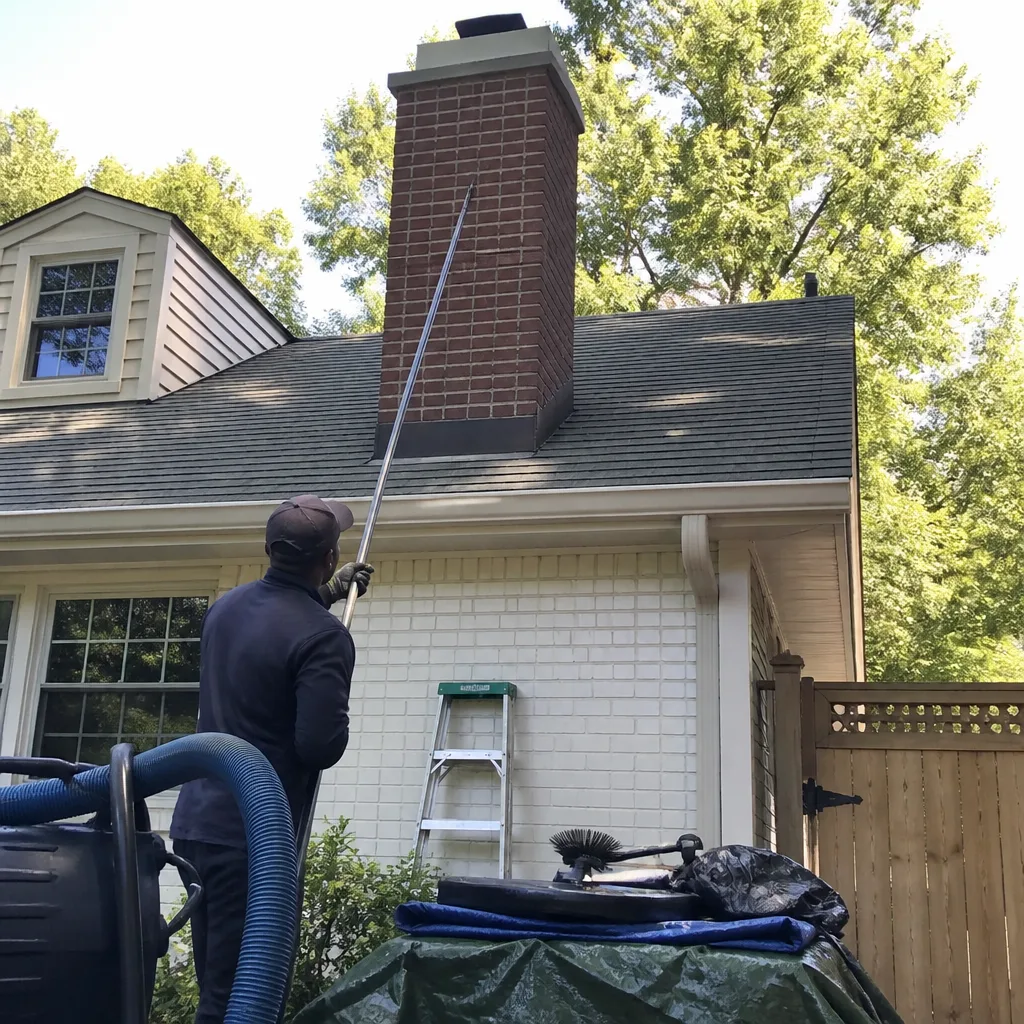
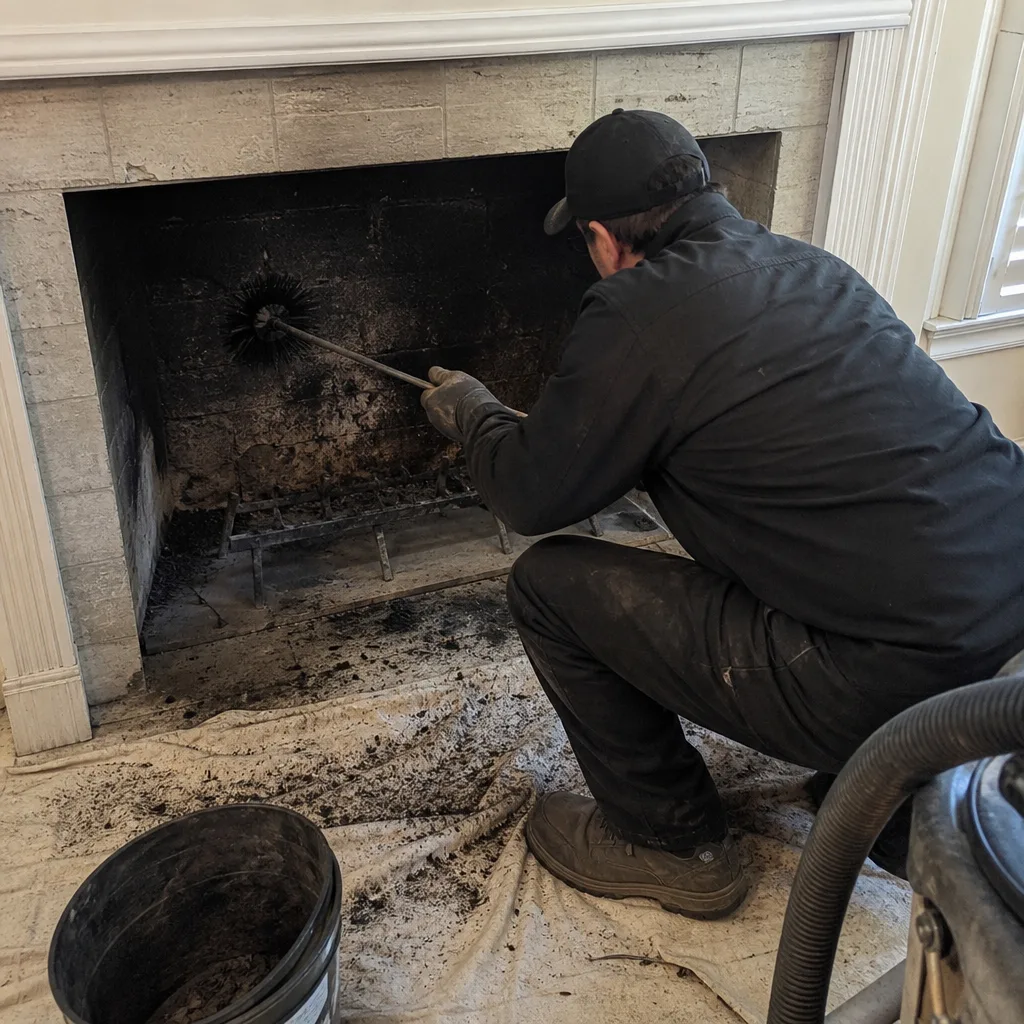
Chimney sweep logs do not sweep chimneys. They loosen some creosote - which then falls where a brush and vacuum still have to collect it.
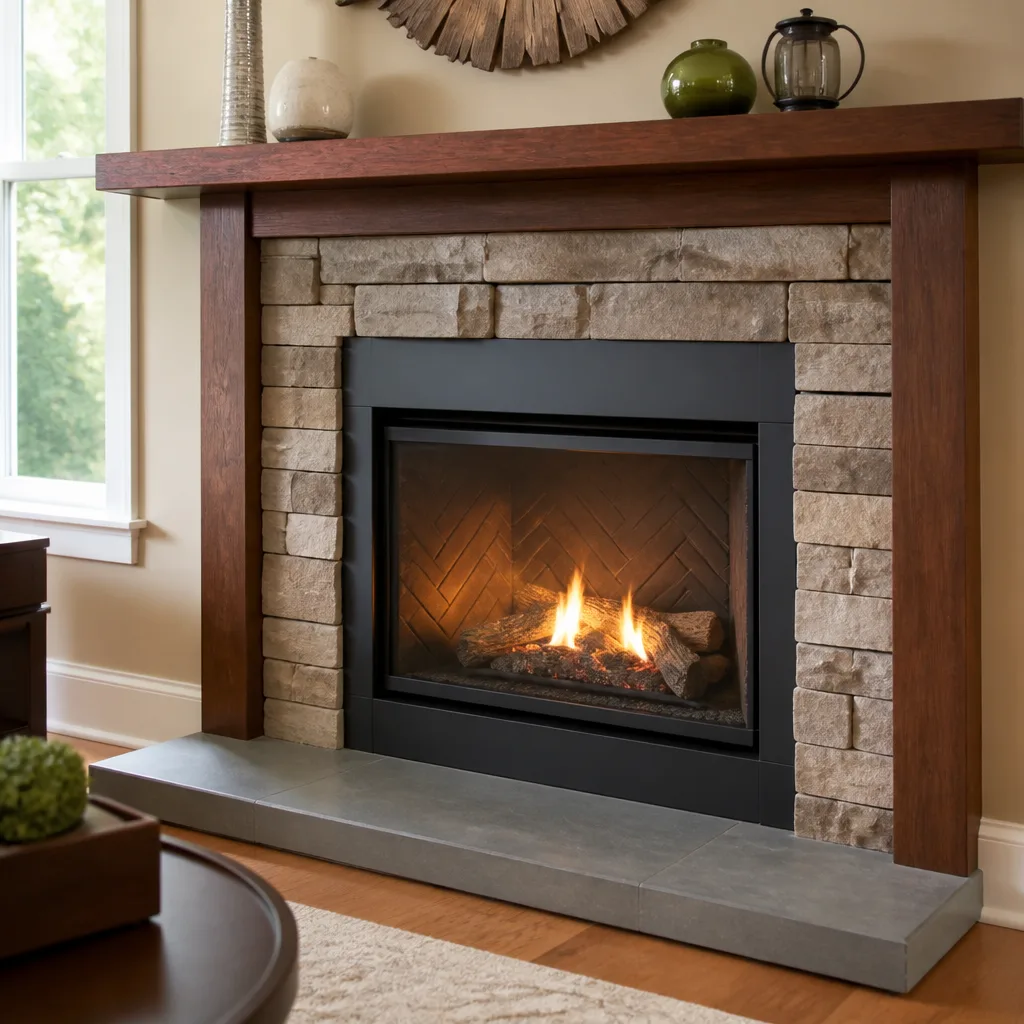
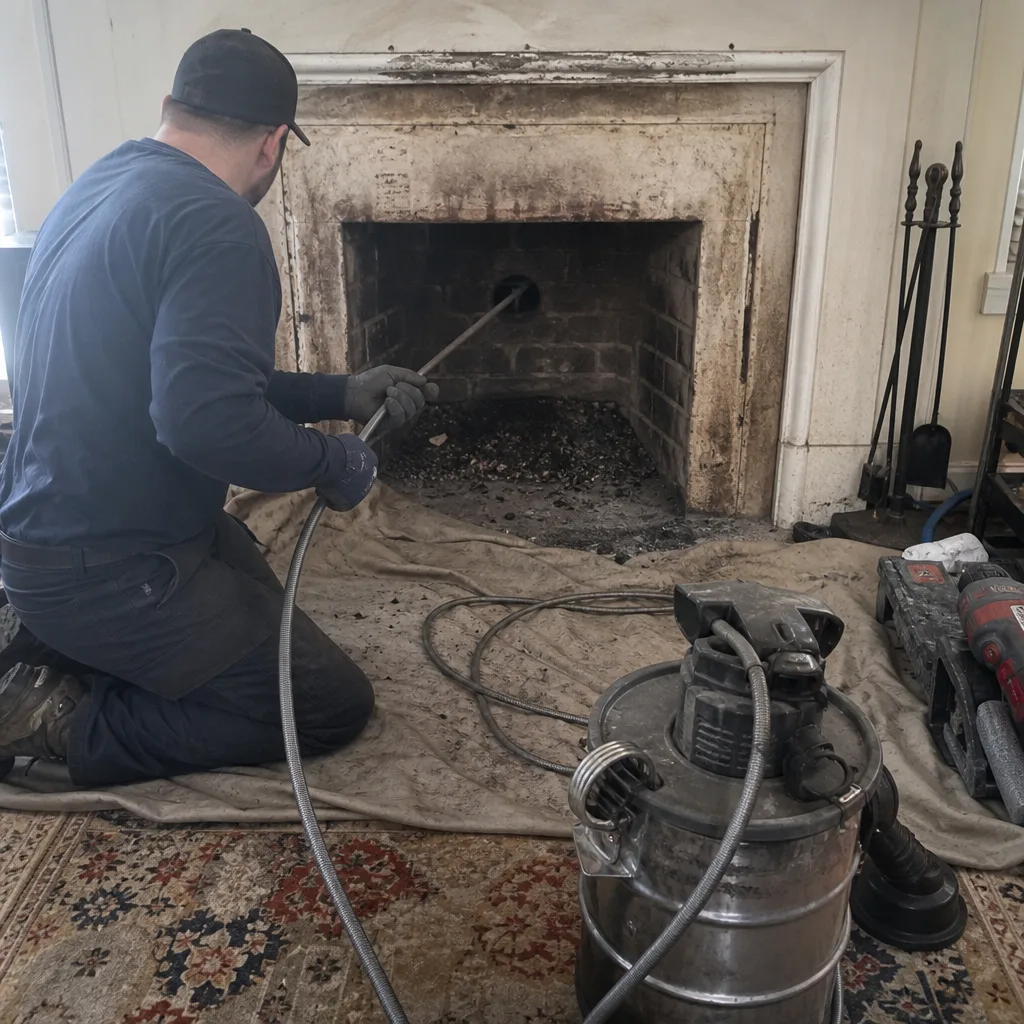 Before
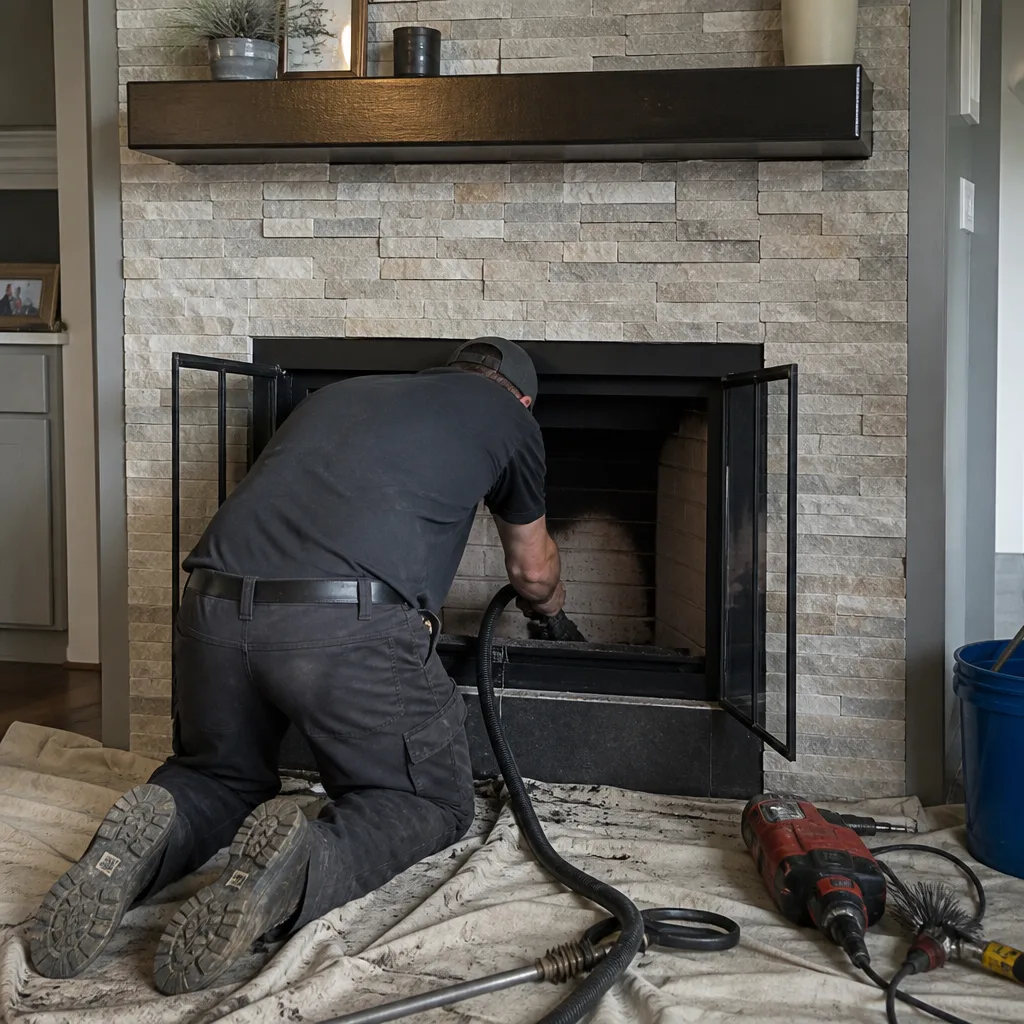 After
After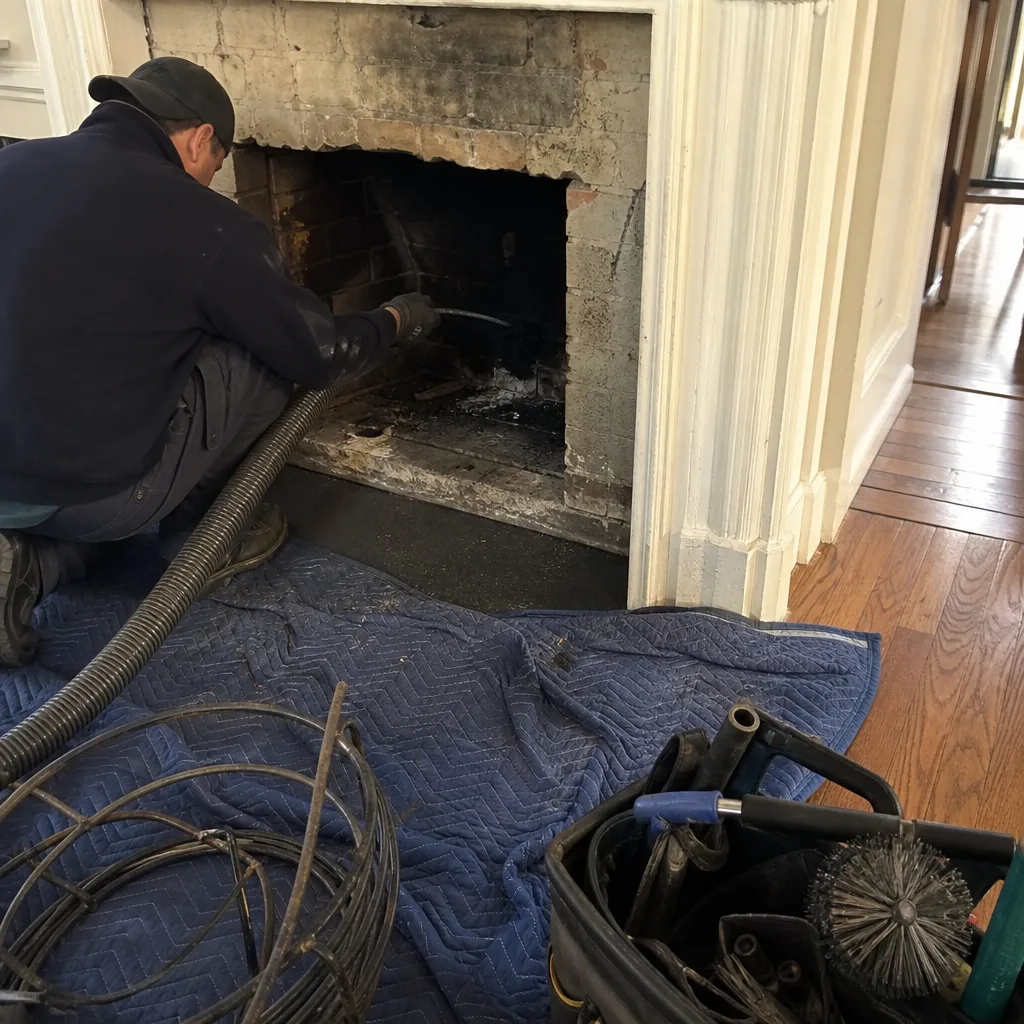 Before
 After
After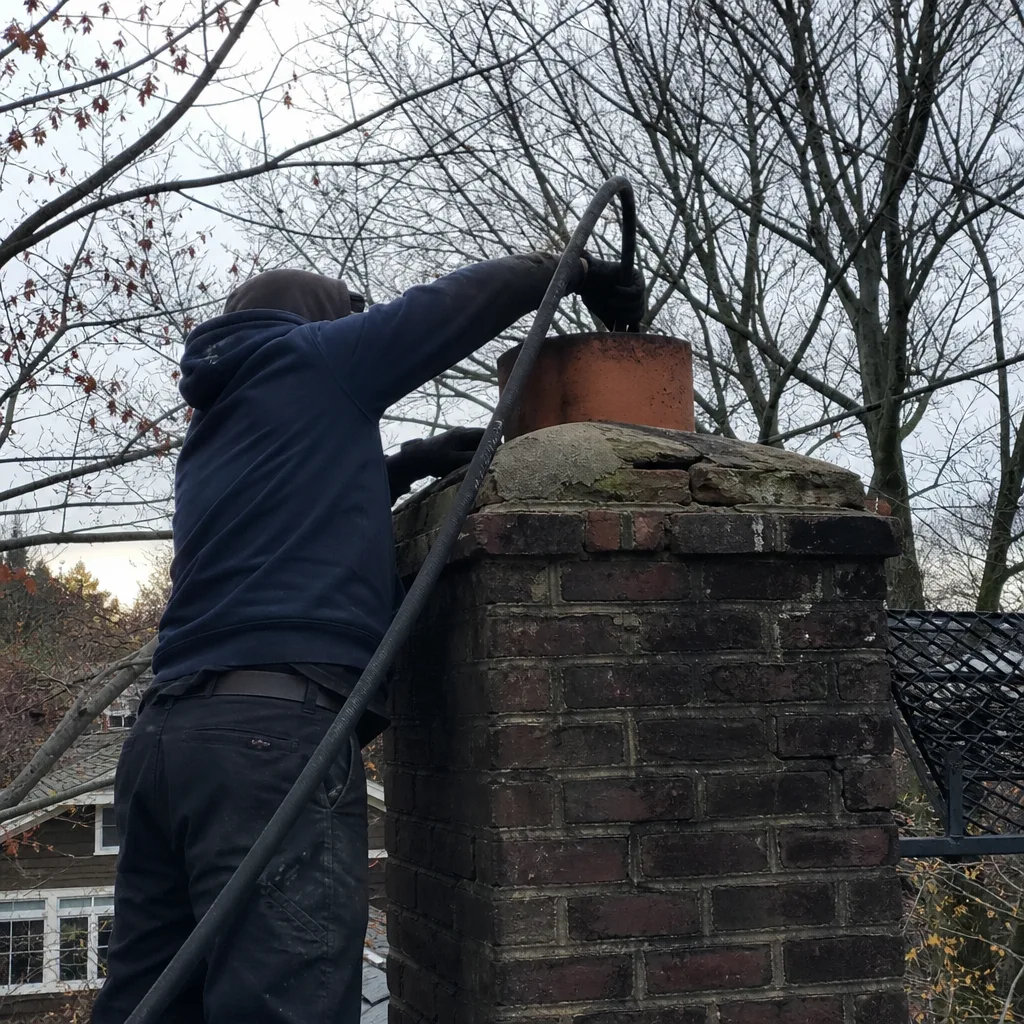 Before
 After
AfterOlympia Chimney Chimney Cap Installation: The Washington Owner’s Guide
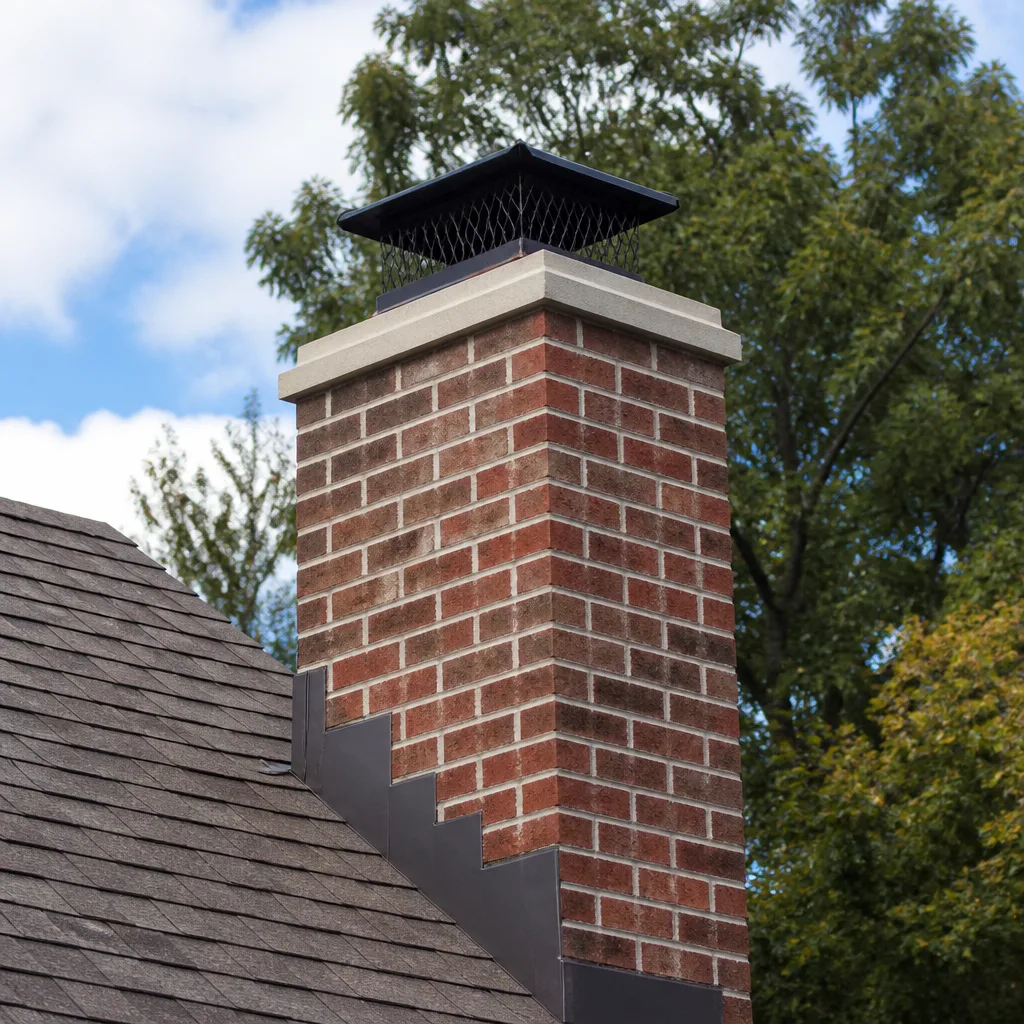
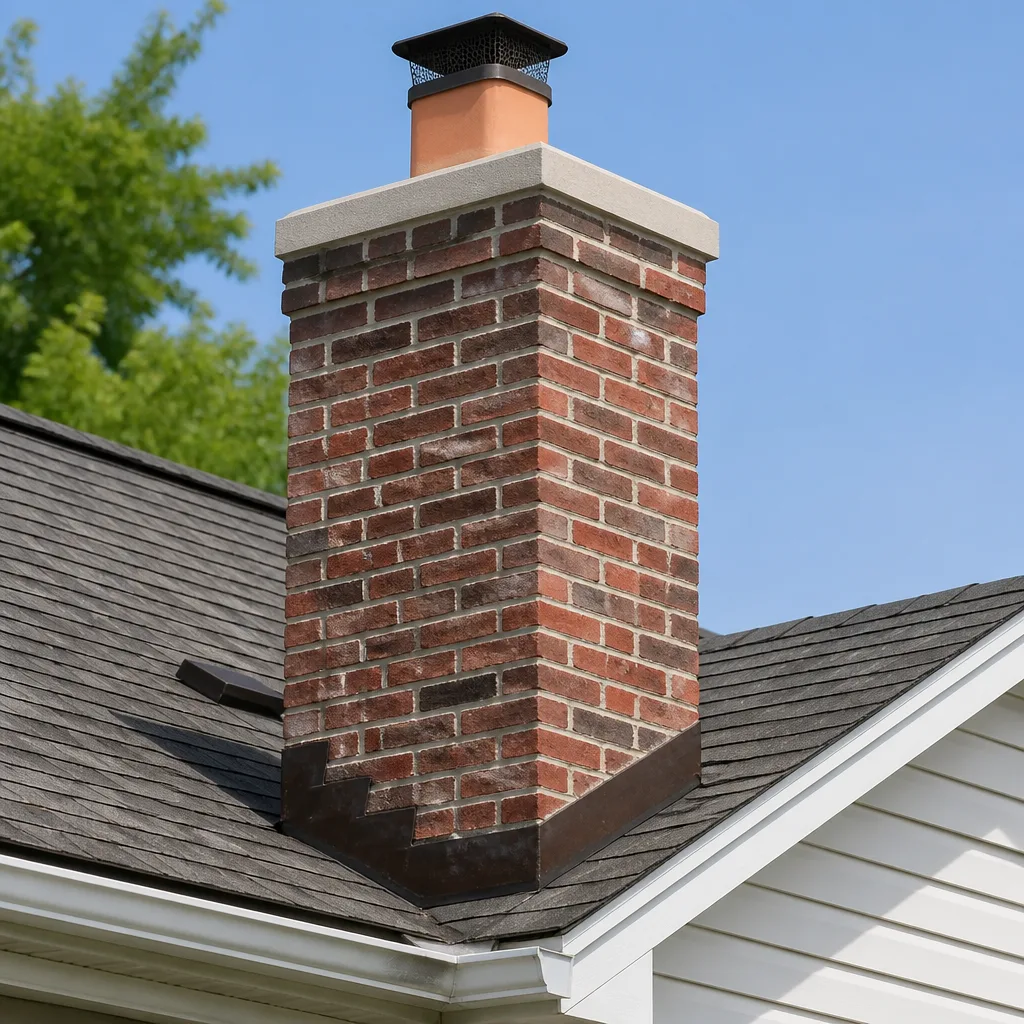
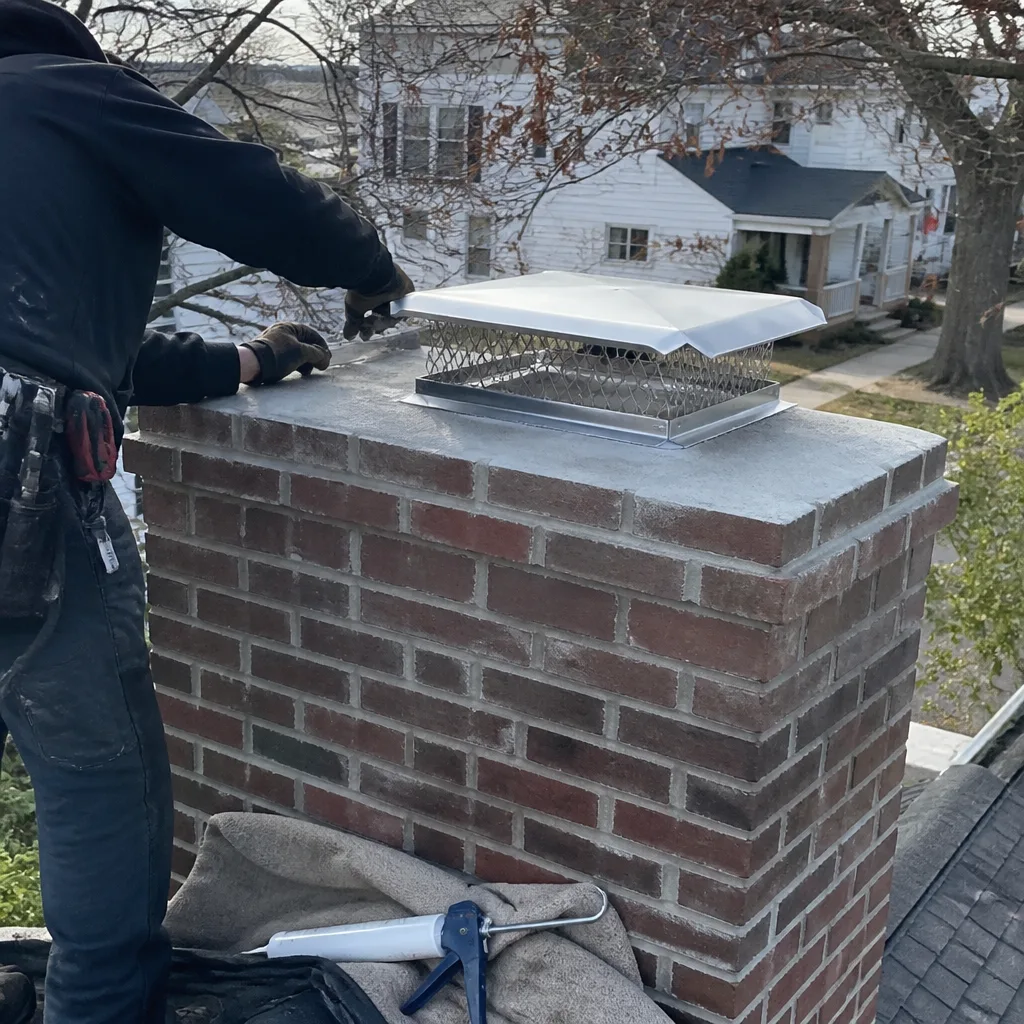
Olympia Chimney chimney cap installation in Washington typically runs $325 to $540 installed, including the cap, mounting hardware, and a camera inspection of the flue below it. We stock Olympia-compatible caps on the truck for most common flue sizes and can usually complete the swap the same visit. Most Washington homeowners discover their cap has failed the hard way: they hear scratching from the fireplace in early spring, find water staining on the ceiling near the chase, or watch a rusted piece of metal tumble past a third-floor window during a storm.
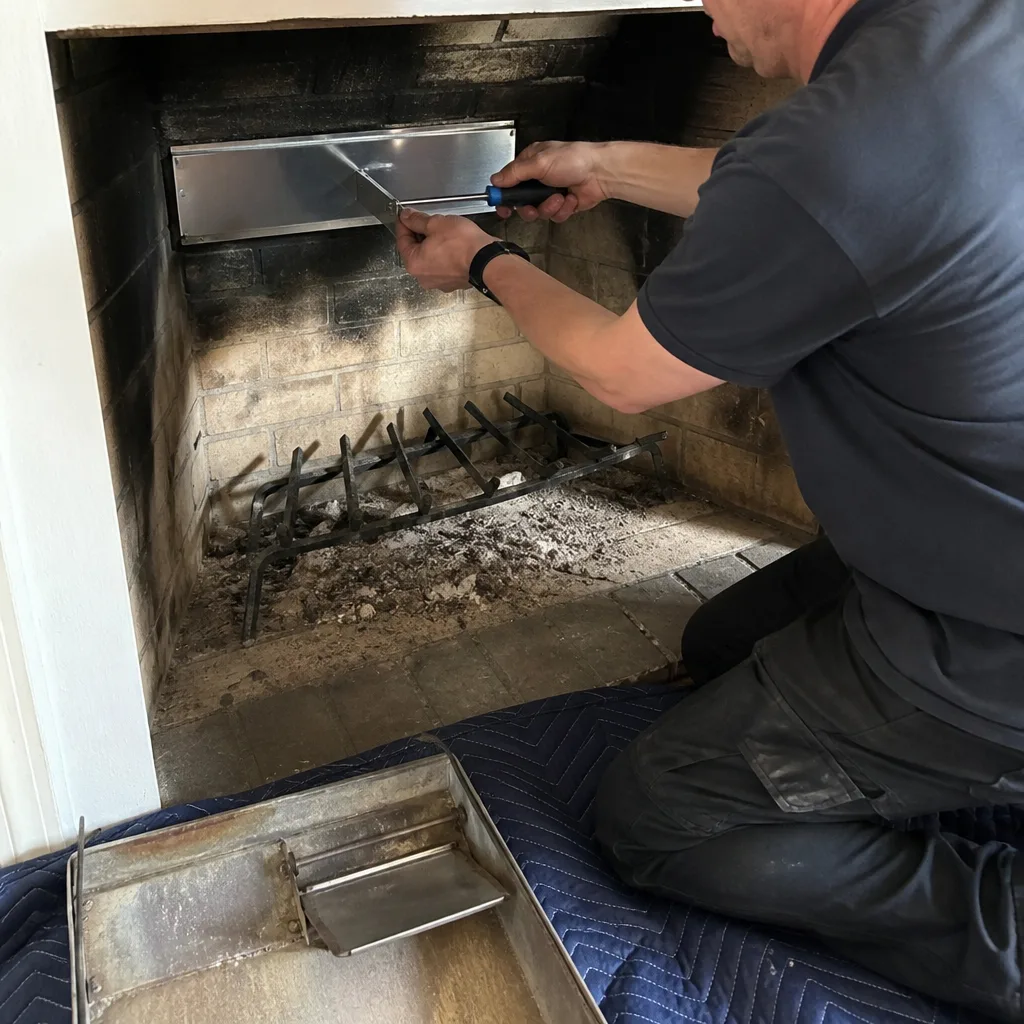
The good news is this is one of the more straightforward chimney repairs we do. The bad news is that a failed cap is rarely just a cap problem. When Corrine Halstead runs the camera down a flue that’s been open to DC weather for even one season, she usually finds the answer in the liner before she finds it on the cap. That’s why our cap installation always includes the camera pass. The cap is the roof over the chimney’s head. What happened while the roof was off is the part that matters.
Which Olympia Chimney Models This Applies To
Olympia Chimney makes caps in two primary lines that show up on Washington homes: the vacuum-stack series for factory-built and prefabricated chimneys, and the slip-in or band-clamp style for masonry flue tiles. The vacuum-stack caps slide over the top of an air-cooled chimney pipe and lock with a draw band. The masonry-style caps anchor to the flue tile with either set screws or mortar. Mixing those up is the most common installation mistake we correct. A cap sized for a prefab pipe will not hold on a masonry flue, and the reverse install leaves the flue half-blocked with the wrong base plate.
Identifying your Olympia model is easier than most owners expect. The cap itself usually has a stamped model number on the underside of the base or on the mesh collar. If the stamp has weathered away, measure the flue opening across the short and long axis with a tape measure, then note whether the top is round, oval, square, or rectangular. Those two dimensions plus the shape tell us which Olympia series we’re matching. We install OEM Olympia caps when we replace under the original sizing, and we also carry quality aftermarket equivalents for the same applications when the OEM lead time doesn’t make sense or the original cap was undersized from day one.
One DC-specific gotcha we see regularly: many Washington rowhouse chimneys have flue tiles that were sized to 8×8 inches nominal but run 7.5 by 7.75 actual. A cap spec’d for an exact 8×8 will not seat properly. We field-measure before we order or install anything. Our technicians have the Olympia sizing chart loaded on their phones and a set of field calipers in the truck.
Signs Your Olympia Chimney Chimney Cap Installation Is Failing
- Rust and flaking at the base band or mesh. The mesh on Olympia caps is steel and the frame is usually galvanized or stainless depending on the series. DC’s humid summers and salt-tinged coastal air eat galvanized mesh in about four to seven years. Once the mesh rusts through, birds and squirrels have an open door.
- Water staining on the ceiling or wall near the chimney chase. This means the cap is no longer shedding rain and the chase top or crown below it is the only thing between water and your drywall. In Washington’s freeze-thaw cycles, a loose cap lets water into hairline crown cracks every winter, and the freeze expansion widens them.
- Animal noise from the flue, especially at dawn and dusk. Squirrels and chimney swifts both enter through missing or bent cap mesh. The noise usually means the animal is in the smoke chamber between the damper and the flue. Do not light a fire to smoke them out. That’s how you get a dead animal three feet from your living room and a smell that takes two weeks to fade.
- Debris falling into the firebox. If you’re sweeping up bits of cap mesh or small pieces of flue tile in the spring, the cap has already failed and the flue is spalling. This is a situation where the cap replacement is the accessory, not the repair. The liner condition below it dictates the real scope.
- Draft smells or smoke backing up on windy days. A missing or badly seated cap changes the airflow at the top of the flue. Washington’s winter winds blow hard off the Potomac and a cap with the wrong draft design turns every gust into a backdraft. Clients in Georgetown and parts of upper Northwest feel this more because of the taller rowhome stacks and tighter wind channels between buildings.
BeforeAfterReplacement Cost & What’s Included
Olympia-compatible chimney cap installation in Washington runs $325 to $540 installed on most single-flue residential chimneys. The primary driver is flue size and access. A standard 8×8 masonry flue with roof access from a ladder or lower parapet lands at the bottom of that range. A round air-cooled pipe cap on a prefab runs toward the middle. Anything requiring a roof anchor, harness line work, or a steep-pitch setup lands at the top. What pushes it past that range is what the camera finds: if the cap failure has already damaged the flue liner or crown, the honest price includes more than a cap, and we’ll say that up front.
Every cap installation from us includes the Olympia-compatible cap or equivalent sized to your flue, the mounting hardware, a written scope before anything starts, and a written warranty on the work after it’s done. The camera scan of the flue below the cap is included under Clause 4 of the Haven Standard. You get the photo record, not a verbal summary. If the camera shows damage that changes the repair, you’ll see the photo and get the revised written price before we change anything.
Our parts come through Haven’s buying network from Olympia Chimney, DuraFlex, HeatShield, and Gelco. We buy them at scale specifically so the client price stays honest. A $180 stainless cap marked up to $700 is not how we operate. You’ll see the part cost and the labor as separate line items.
DIY or Call Us?
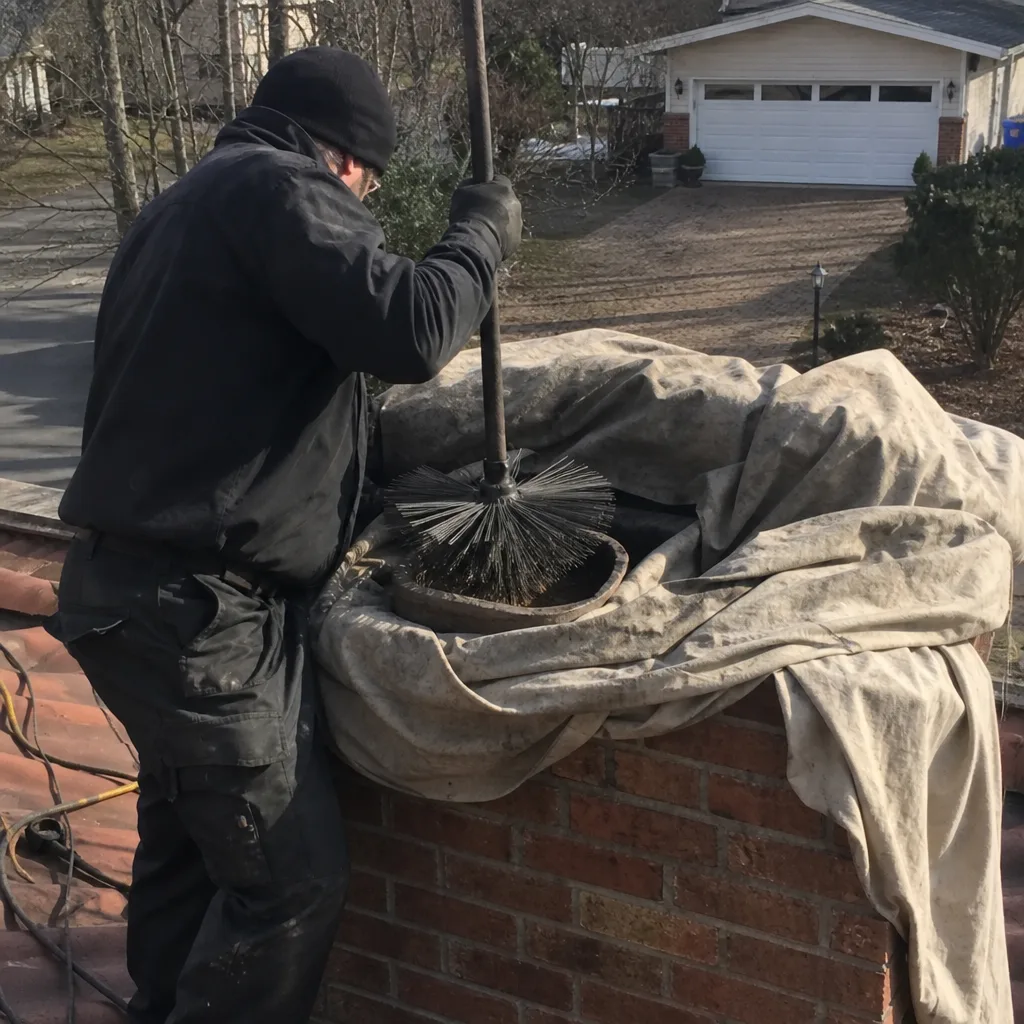
You can safely check whether your cap is rusted, loose, or missing by looking up from the ground or a safe upper window. You can also document what you see with your phone before calling us. What we don’t recommend is a DIY cap install on any Washington rowhome with a steep roof, a chase over 25 feet, or any chimney that requires a ladder transition to reach. The part is not the problem. The roof is the problem. High-angle cap work without a harness and anchor point is not a weekend project, and it’s not worth a fall that ends in orthopedics.
The other place DIY goes wrong is sizing. We replace several bad DIY cap installs a year where the homeowner measured the outside of the flue tile instead of the inside opening, and the cap sat cocked on top like a hat three sizes too big. The flue mouth stays half open, rain keeps getting in, and the cap eventually blows off in a storm and lands on a neighbor’s car. If you’ve already done the measurement legwork, call us at (240) 621-1264 with the dimensions and we’ll tell you honestly whether it’s a match before we even schedule the truck.
FAQs
An Olympia galvanized cap lasts 5 to 8 years on a DC chimney before the mesh or base band shows rust. Stainless versions typically last 12 to 18 years. The biggest Washington accelerators are humidity, winter freeze-thaw cycling on the crown below the cap, and the nest debris that traps moisture against the mesh. Call (240) 621-1264 and we’ll tell you over the phone whether yours is at the stage where replacement makes sense or whether you have another season or two.
If the damage is limited to bent mesh or a loose draw band, yes, we can often repair the cap in place. Once the mesh is rusted through in multiple spots or the base plate is warped from years of freeze-thaw movement, patching becomes a temporary fix that costs as much as a new cap and fails within a season. We’ll show you photos either way. The camera doesn’t lie, and neither does the written price.
Most single-family chimney cap installations in Washington take 45 to 90 minutes on site, including roof access, old cap removal, flue measurement, new cap install, and the camera scan. If the scope grows because the camera finds liner damage, the cap still gets done the same visit and the liner work gets scheduled as a written second scope. You’re never waiting around for a price after the tech is already on your roof.
Yes. Our Washington trucks carry Olympia-compatible caps and quality aftermarket equivalents for the most common DC flue sizes: standard 8×8 square, 8×13 rectangular, 9×13 rectangular, and round air-cooled pipe diameters from 6 to 12 inches. If your flue is an oddball size, we field-measure on the first visit, install on the second, and give you the exact cost at the time of the first measurement, in writing.
Get Your Cap Replaced Right
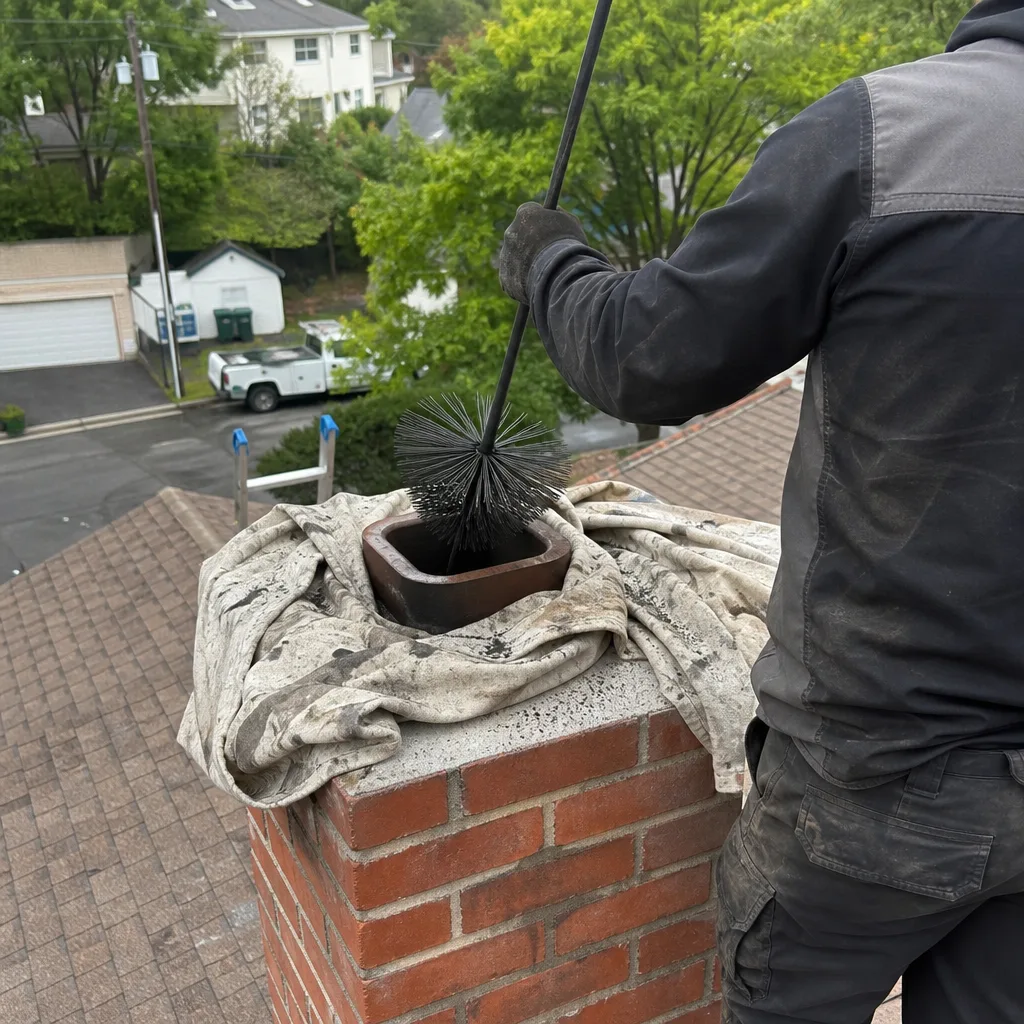
If your Olympia cap is rusted through, blown off, or letting birds into your flue, the fix is one visit and one written price. Call (240) 621-1264 and tell us what you see. We’ll give you the honest range on the phone, then put it in writing before the tech’s ladder goes up. A chimney without a working cap in DC doesn’t stay safe for long. Call us today.
Written by Corrine Halstead, Owner, Level Two Chimney Washington at Level Two Chimney Washington, serving Washington and nearby areas.