
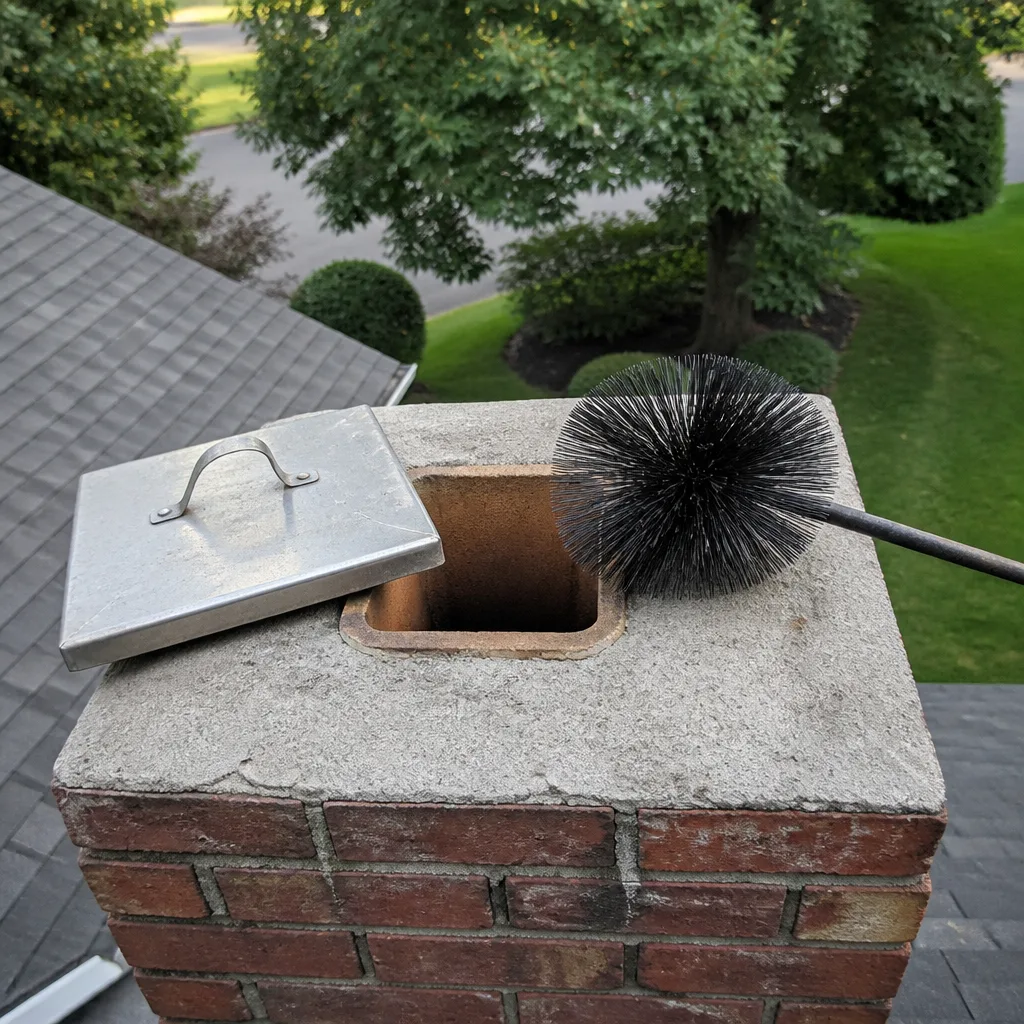
Level 1 sweep and inspection to the NFPA 211 annual standard - flue, crown, cap, and flashing checked and photographed
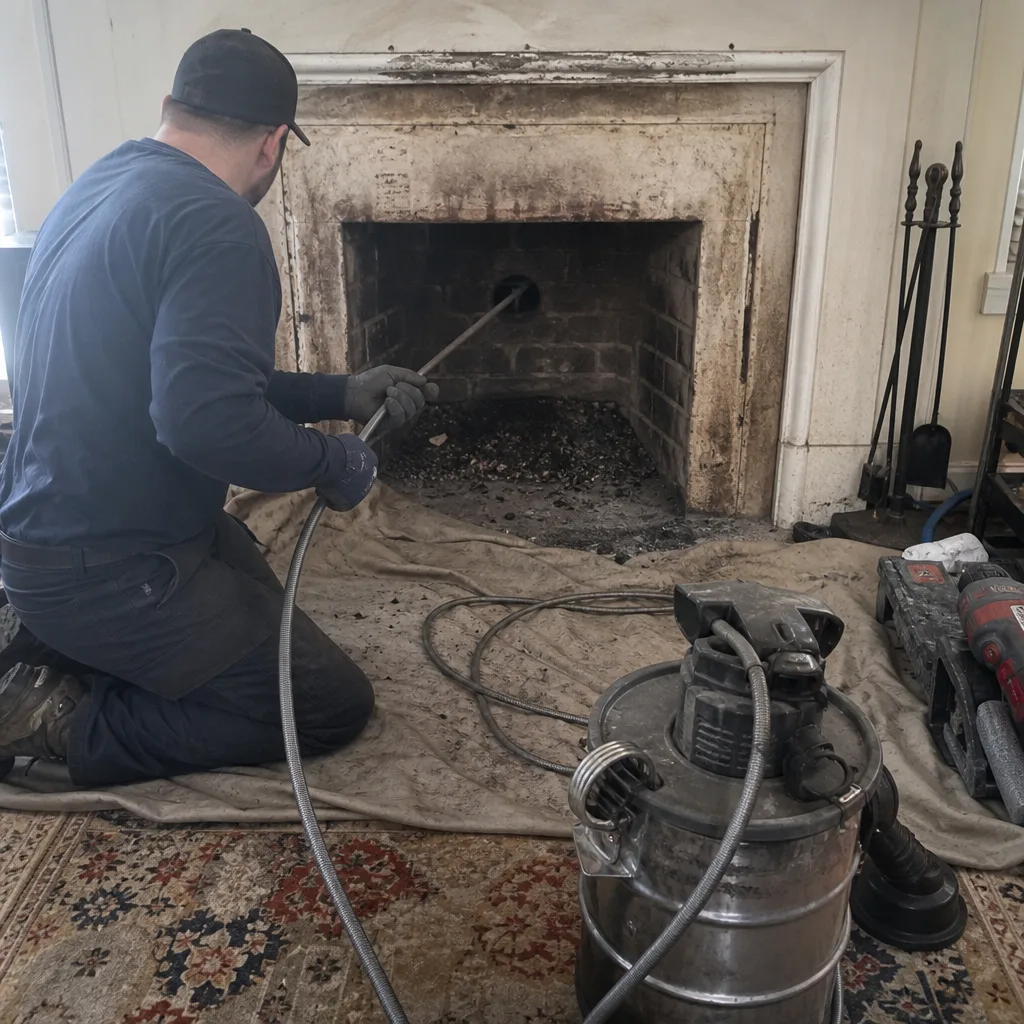
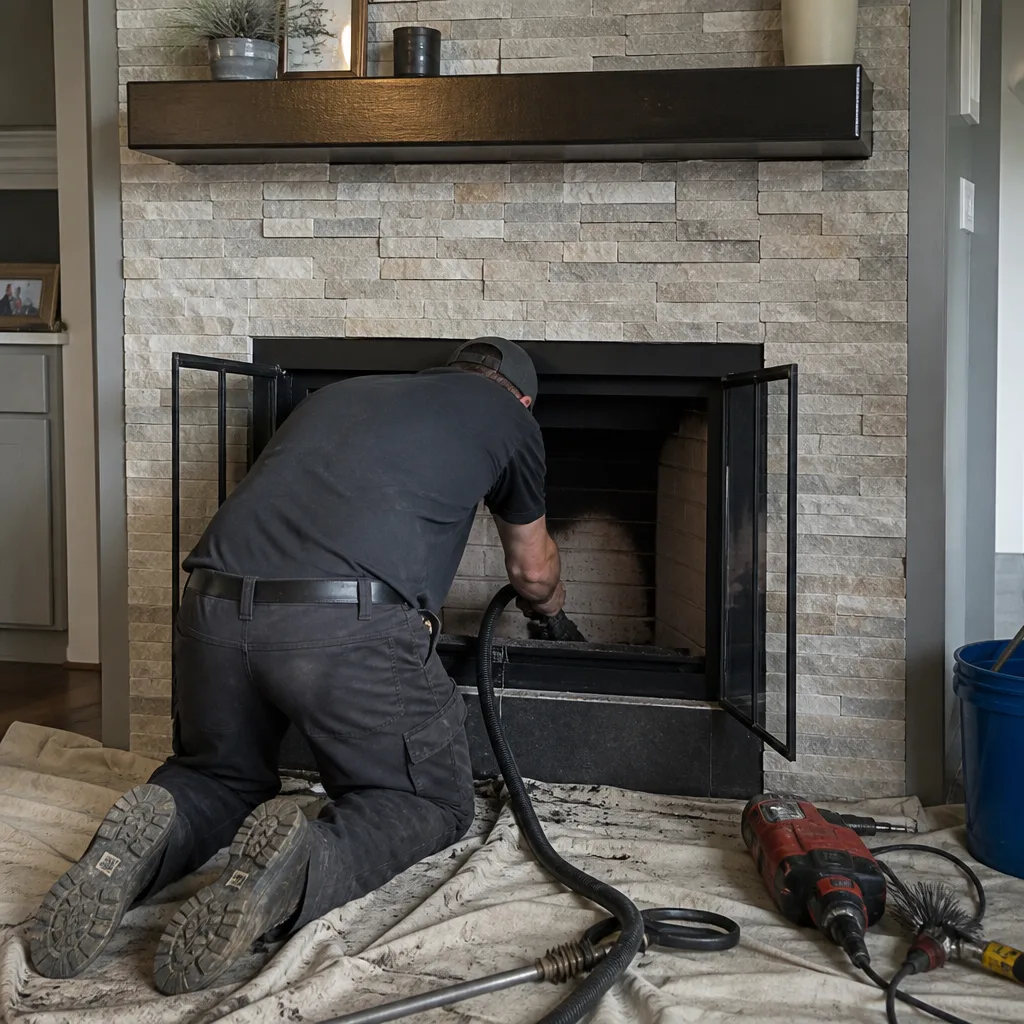
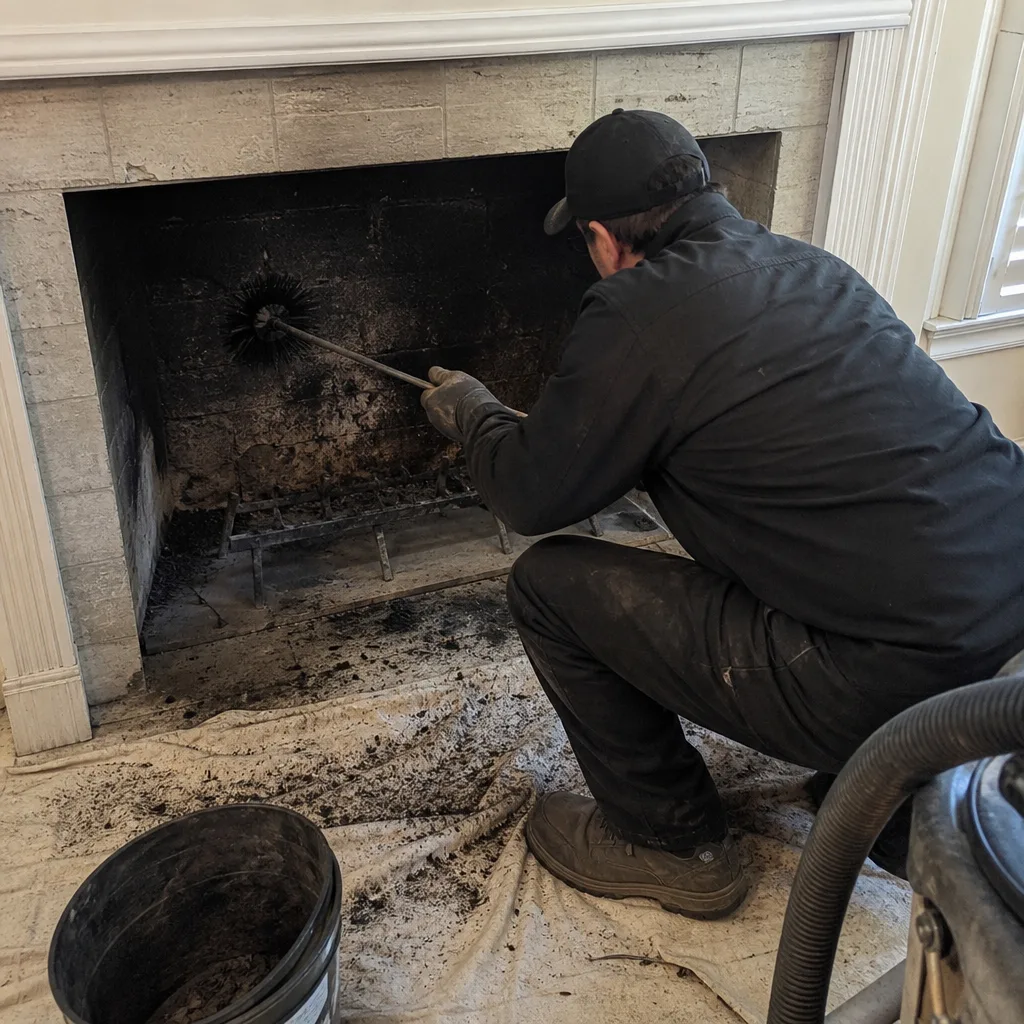
Chimney sweep logs do not sweep chimneys. They loosen some creosote - which then falls where a brush and vacuum still have to collect it.
 Before
 After
After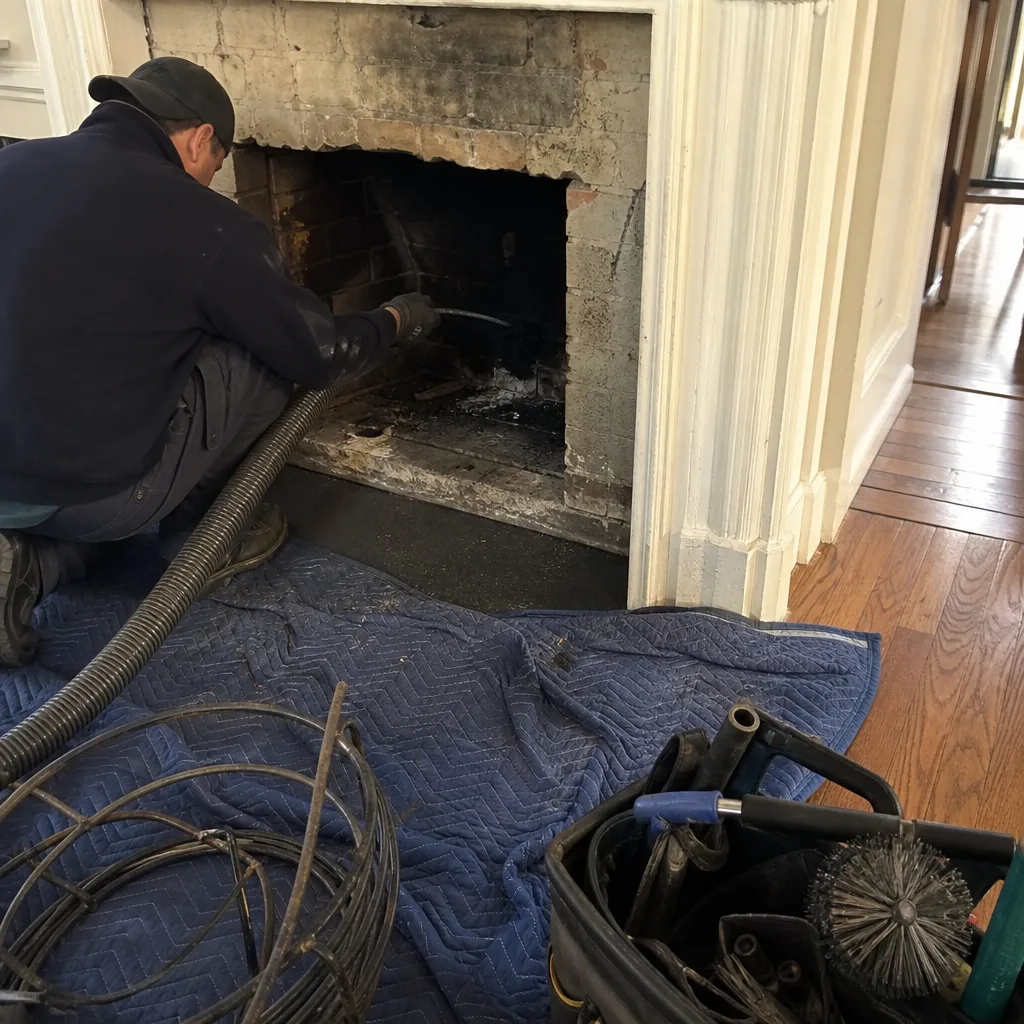 Before
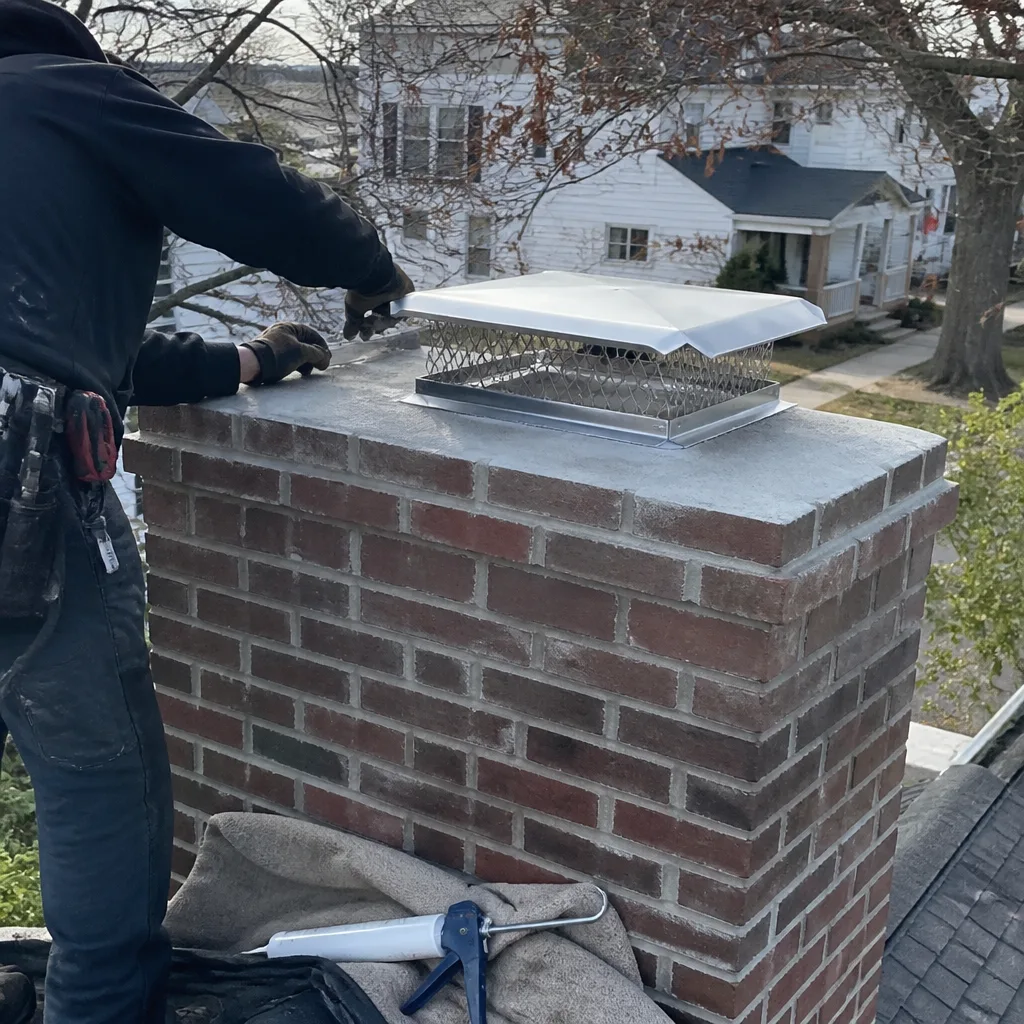 After
After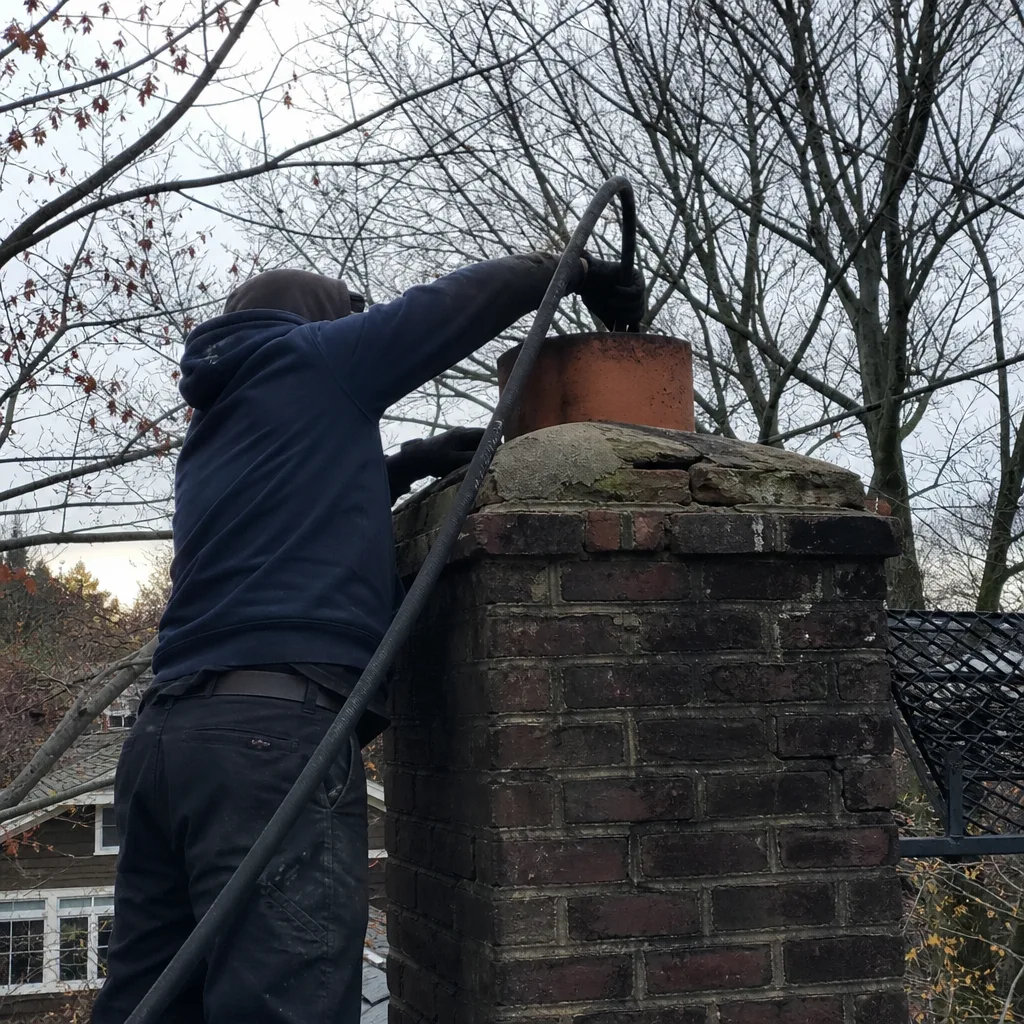 Before
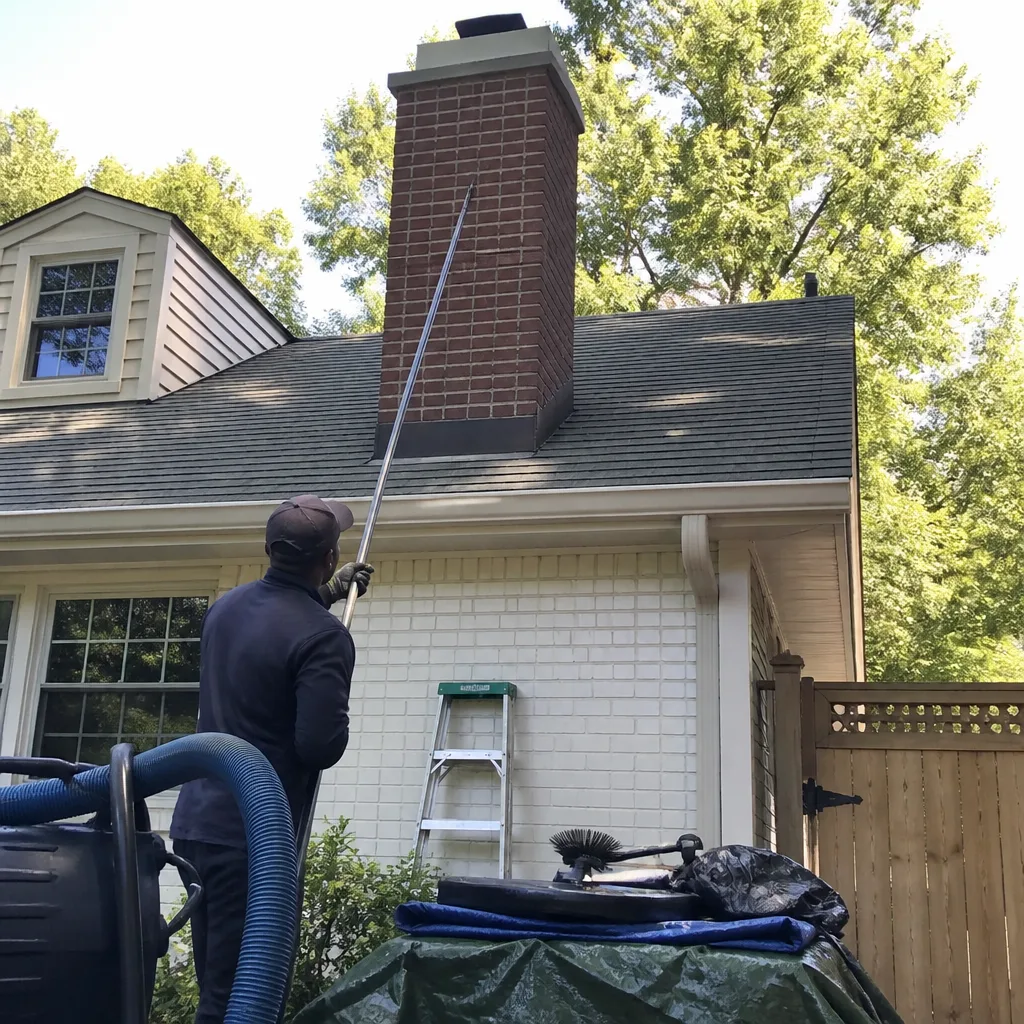 After
AfterGelco Chimney Repair in Washington: What to Know First
Gelco chimney repair in Washington typically runs $185 to $1,400 depending on whether we’re repointing mortar joints, sealing a crown, rebuilding a shoulder, or relining the flue. Most Gelco component repairs we complete in one visit, with the written price in your hand before any work begins. We are an independent Gelco service provider, not a manufacturer-authorized shop, and that matters: we recommend replacement parts based on what actually holds up in DC’s freeze-thaw cycles, not what a brand catalog insists on. This page is for homeowners in Washington who own a home with Gelco chimney components, mortar, caps, or liners, and who want to know what failed, what it costs, and whether it can wait. Call (240) 621-1264 and we’ll schedule a camera-scan inspection with a written estimate.
How Gelco Products Fail - and How We Fix Them
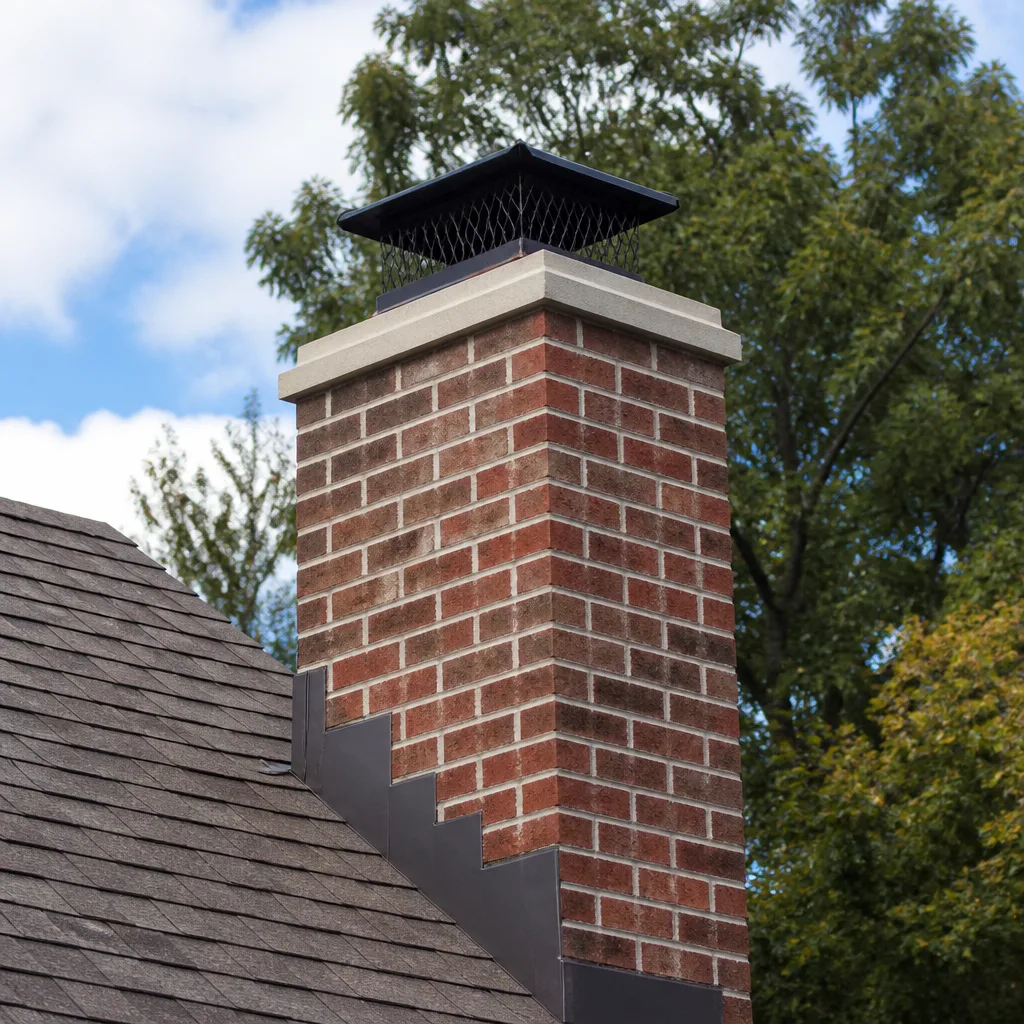
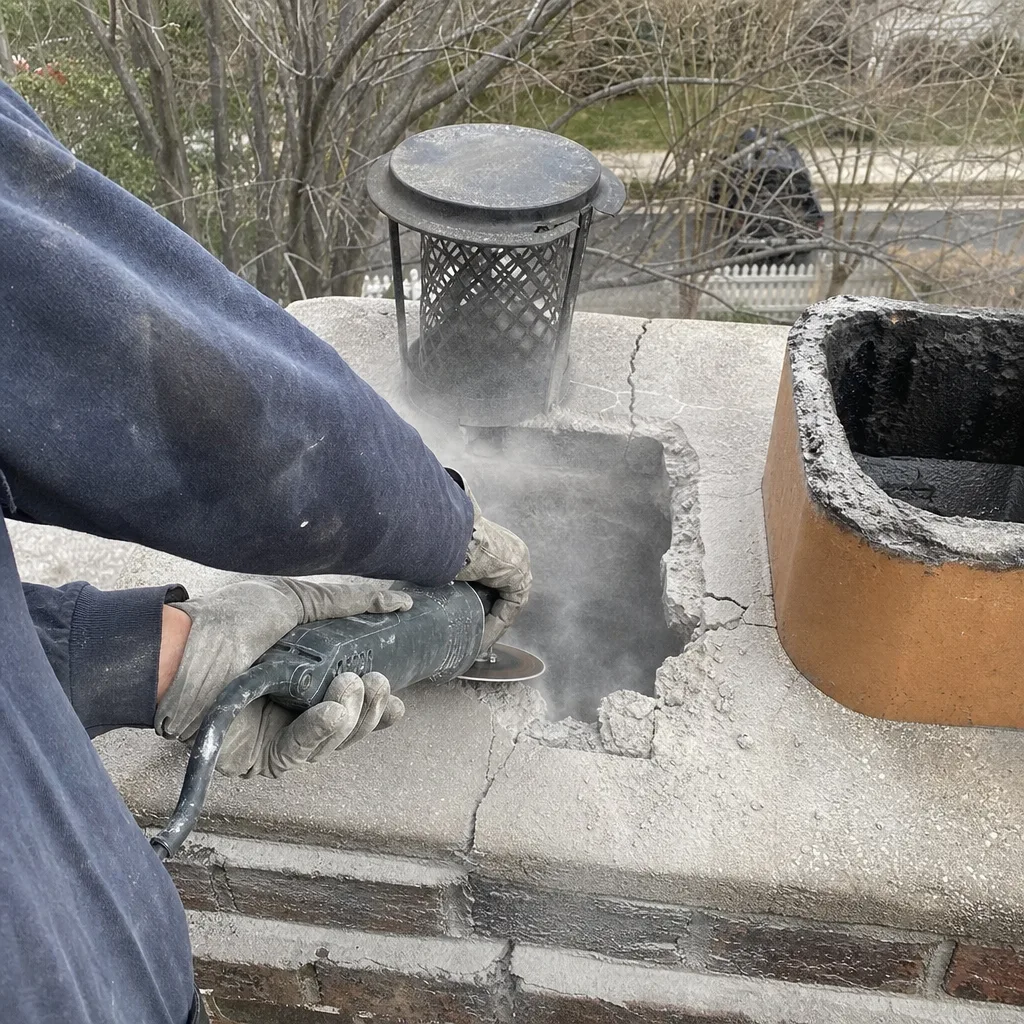
- Gelco cast-in-place chimney caps crack at the drip edge. The poured concrete caps Gelco produced for the mid-Atlantic market have a shallow overhang drip groove. In Washington, where late-winter freeze-thaw runs a dozen cycles before March, water wicks back under the cap and spalls the top course of brick. The fix is grinding out the cracked edge, re-profiling the drip groove deeper, and sealing with a siloxane waterproofing. We see this on roughly a third of Gelco caps in Capitol Hill and Foggy Bottom rowhouses.
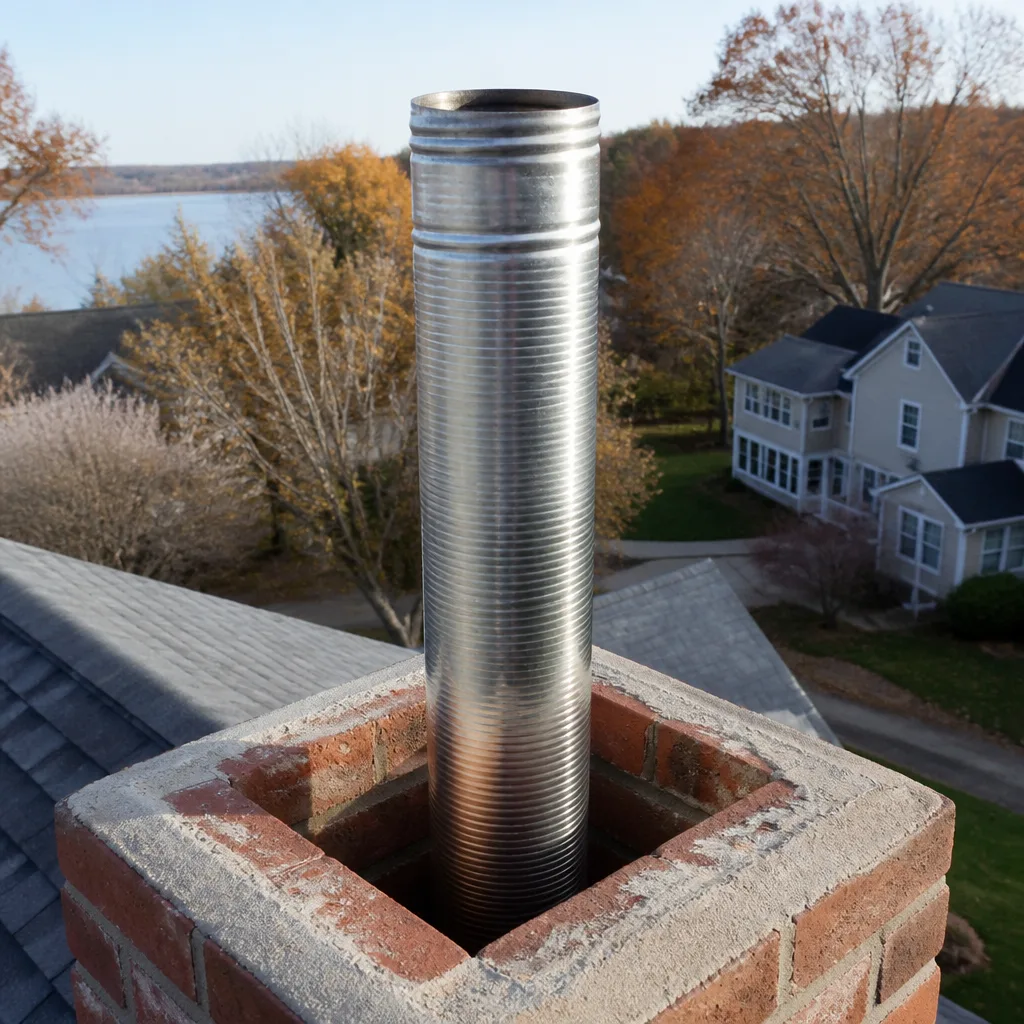
- Gelco flue tiles with pre-cast joints fail at the second and third course. Gelco’s square and rectangular flue liners use a thin refractory joint that erodes faster under acidic condensate from gas logs. Owners usually notice a fine white powder at the cleanout door. That’s flue tile spalling. We document the eroded joints with a camera, then either parge the flue with HeatShield cerfractory sealant or drop a DuraFlex stainless liner, depending on what the camera shows. If the tile is structurally sound, we don’t sell a liner.
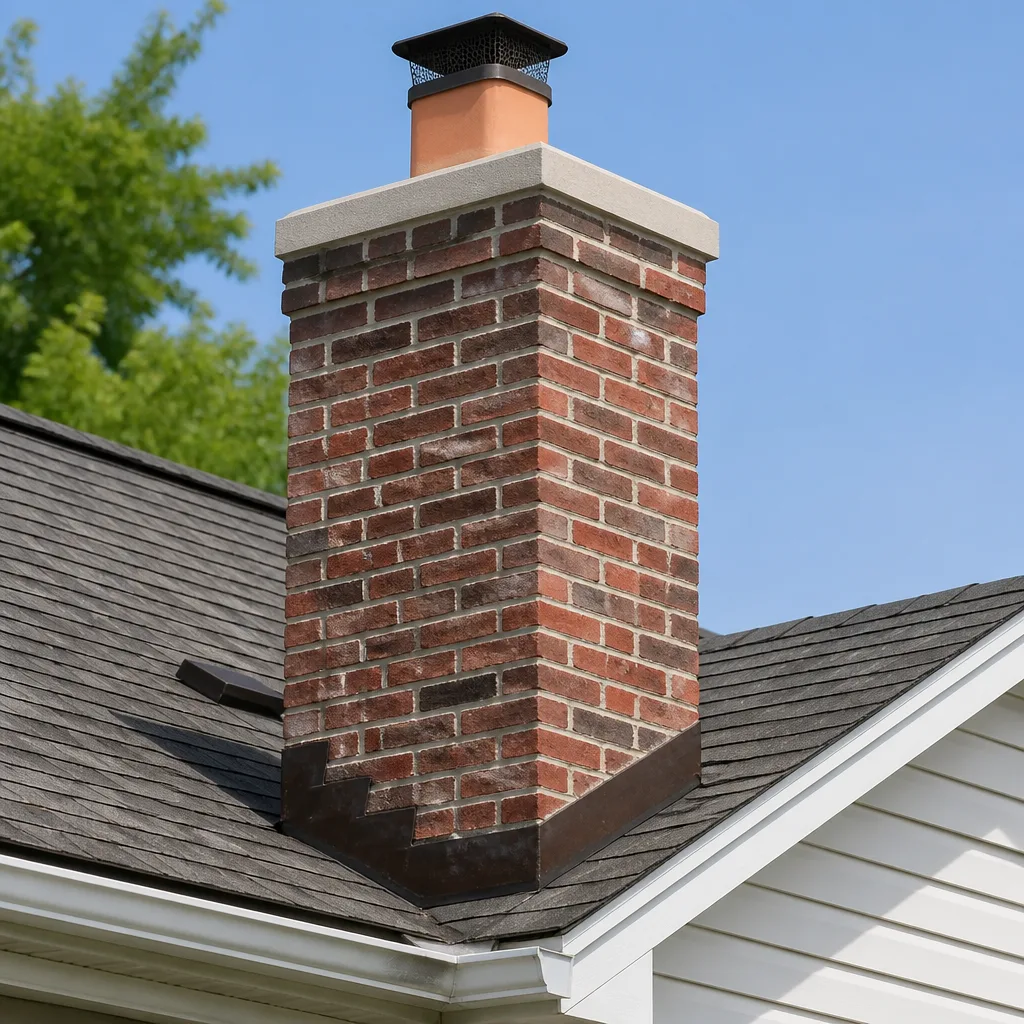
- Gelco crown-coat products delaminate from brick shoulders. The flexible crown coating Gelco sold in the 2010s bonds well to concrete but releases from brick when the underlying shoulder shifts. That’s common in Washington’s older rowhouse chimneys where the house settles unevenly. The tell is a crown that looks intact from the street but peels back like a rubber mat at the shoulder line. Our fix is mechanical removal, a fresh Portland-based crown with a proper pitch away from the flue, and a repair record with before-and-after photos.
- Gelco damper assemblies stick or warp in gas-flue conversions. Homes converted from wood to gas before 2015 often kept the original Gelco throat damper. Gas flue heat warps the damper plate, and the lever mechanism seizes. We replace the damper with a top-sealing unit when the fireplace is decorative-only, which is a permanent fix, not a lube-and-pray patch.
- Gelco stainless caps with riveted mesh screens tear at the corners. The screened caps Gelco distributed for the East Coast market use riveted corner brackets. Wind loading on exposed rowhouse chimneys in Washington’s Fort Totten and Brookland neighborhoods shakes the frames until the screen separates. Squirrels find the gap in about two seasons. We replace with a welded-mesh cap from Olympia Chimney or Copperfield and re-anchor with stainless hardware, not the galvanized screws that came off.
Our Gelco Chimney Repair Process
- 1
Call and book. A live person answers (240) 621-1264. We schedule the inspection at a time that works, and a named tech arrives in uniform with a text sent when they’re on the way, per Haven Standard Clause 2.
- 2
Camera-scan inspection. The tech runs a camera down the flue and documents the crown, shoulder, flashing, mortar joints, and damper condition. This is NFPA 211 Level 2, and Clause 4 of the Haven Standard requires a photo record on every job. That’s been our default since 2009.
- 3
The written finding. We sit down with you and go through the photos. You see exactly what we see. If the problem is a cracked cap or spalled brick, we point to the photo reference. If it’s delaminated crown coating, we show the peel. Nothing is recommended you can’t look at.
- 4
Parts decision. For Gelco components, we make a call between OEM and quality aftermarket. Where Gelco parts are structurally identical, we use them. Where an aftermarket part outperforms the original, like a welded-mesh cap over a riveted one, we say so plainly and price both options. We also carry DuraFlex and HeatShield materials when the repair crosses into relining.
- 5
Repair and test. We complete the work, then test for draft and run the camera again. You get a documented photo record of the finished repair before we leave.
- 6
Written warranty. Every job is covered by the 365-Day Done Right Promise. If it’s not done right, we make it right, in writing, stamped on the job record.
BeforeAfterWhat Gelco Chimney Repair Costs in Washington
Our Gelco repair pricing in Washington is flat and written, delivered before work starts. Here’s what we quote most often:
- Mortar repointing or tuckpointing, small to medium area: $185 to $620
- Crown repair or rebuild with proper drip edge: $390 to $1,150
- Spalling brick replacement, per brick face: $20 to $38, typical job $260 to $750
- Chimney waterproofing, full exterior siloxane, after prep: $450 to $1,100
- Flashing repair with counter-flashing and sealant: $460 to $1,400
- Shoulder or partial rebuild: $800 to $2,600
- Full chimney rebuild from roofline up: $2,800 to $7,500
What moves the price is access (three-story rowhouse vs single-story rancher), the condition of underlying brick, and whether the damage is a surface repair or a structural fix. We don’t charge a dispatch fee, and estimates are free. If you have a written estimate from another Washington chimney company, bring it. We’ll give you a Free Second Opinion on it.
Why Washington Homeowners Call Level Two Chimney Washington for Gelco Work
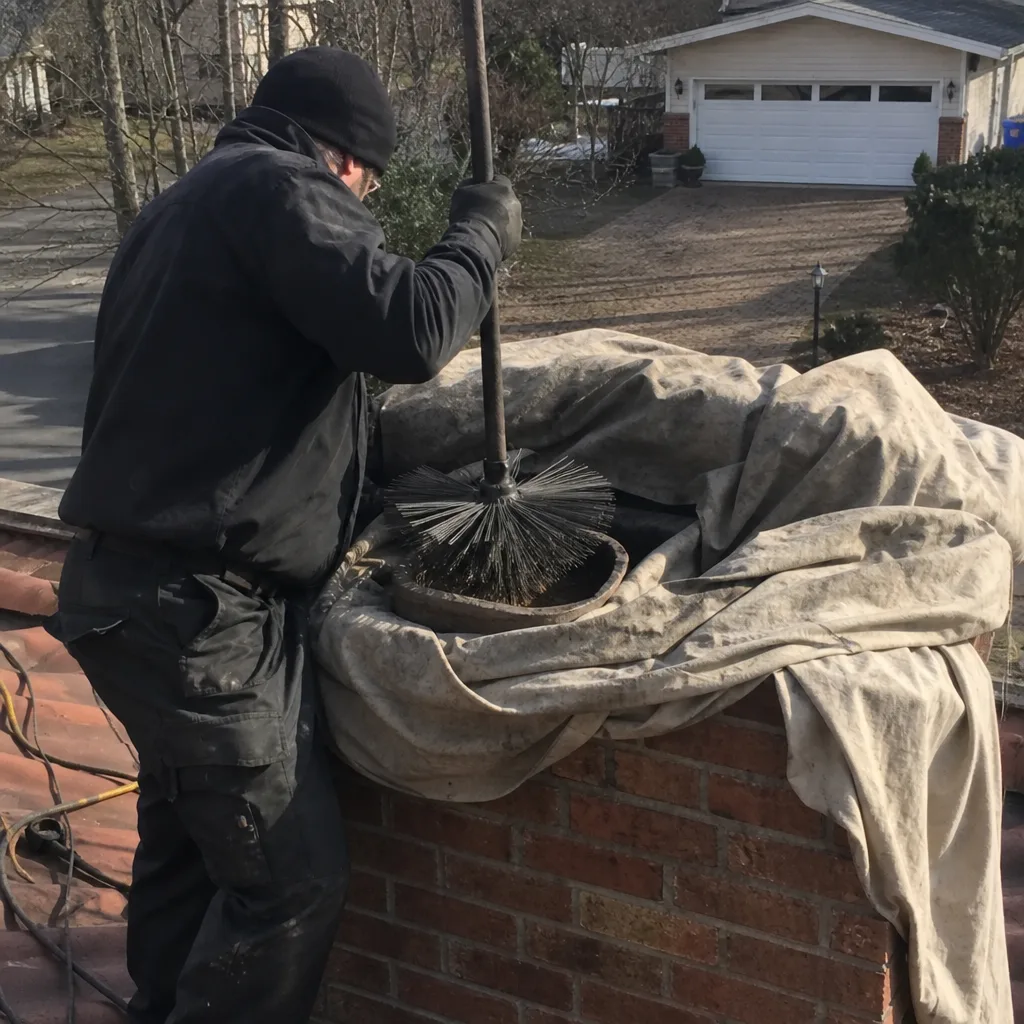
We’ve inspected and cleaned more than 38,000 chimneys since 2009, every one with a written price before work started. That practice predates any requirement. It’s just how we work. Our techs in Washington know Gelco’s failure patterns by sight: the shallow drip groove on older caps, the thin refractory joints on pre-cast flues, the riveted screen corners on stainless caps. Because we also stock and install DuraFlex liners and HeatShield cerfractory, we’re not trying to push a brand-specific parts list. When a Gelco part is the right choice, we use it. When it isn’t, we tell you and show you why in the camera footage. Corrine Halstead runs our Washington operation, and her rule is the same on every job: write down the finding, the photo reference, and the price before asking anyone to decide anything. The camera doesn’t lie, and neither does the written price.
FAQs
No, not when the repair is done with code-compliant parts and proper installation. Gelco’s warranty covers manufacturing defects in their own components. An independent contractor performing mortar repointing, crown sealing, or flashing repair does not void that warranty. What can void it is delaying a small repair until the underlying brick fails and full replacement becomes necessary. We document every repair with photos, so if you ever need to file a warranty claim on an unrelated Gelco part, you have a clean repair record, which is exactly what Clause 4 of the Haven Standard requires.
Most Gelco repairs, like mortar repointing, crown sealing, or cap replacement, are completed in one visit. Structural work, like partial rebuilds, runs two to three visits depending on weather. Washington’s wet springs mean we can’t always set fresh mortar when rain is forecast within 24 hours. Call (240) 621-1264 and we’ll give you a straight answer on scheduling for your specific repair.
Repair, unless the camera shows structural failure through more than 40% of the chimney’s height. We make that call with you looking at the footage, not our word against your gut. Repair vs. replace comes down to brick condition, flue liner integrity, and whether the mortar bed is worth saving. If it’s cheaper to rebuild from the roofline up than to repoint every joint below, we say so and show you the math.
We use both depending on the part. For caps, we usually upgrade to a welded-mesh unit from Olympia Chimney or Copperfield because the welded construction outlasts Gelco’s riveted screens in Washington wind exposure. For flue tiles that are structurally sound, we stay with the existing tile and seal with HeatShield, which means you don’t pay for a liner you don’t need. The parts decision is written into every estimate with the price difference, so there’s no surprise when you see what went on the roof.
Water keeps moving through whatever crack exists. A crown drip edge that’s spalling lets water into the top three courses of brick. One Washington winter of freeze-thaw turns hairline cracks into spalled brick faces. A torn cap screen lets animals nest, which blocks the flue and creates carbon monoxide backdraft risks. In gas-flue homes, a warped damper left alone lets conditioned air escape continually, which shows up in your utility bill. In short: it gets more expensive and becomes a safety issue. Call (240) 621-1264 for a written estimate, and we’ll show you exactly what’s happening before we ask you to spend a dollar.
Written by Corrine Halstead, Owner, Level Two Chimney Washington at Level Two Chimney Washington, serving Washington and nearby areas.