
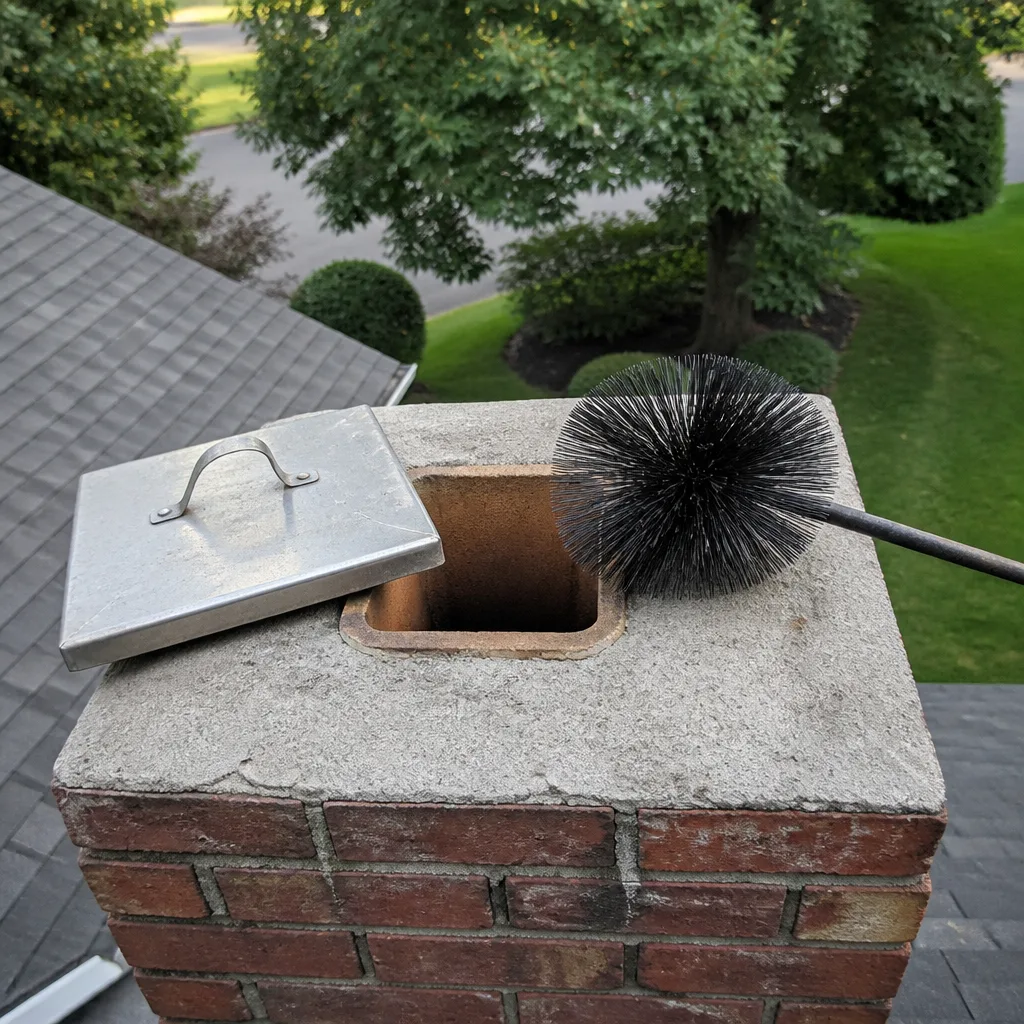
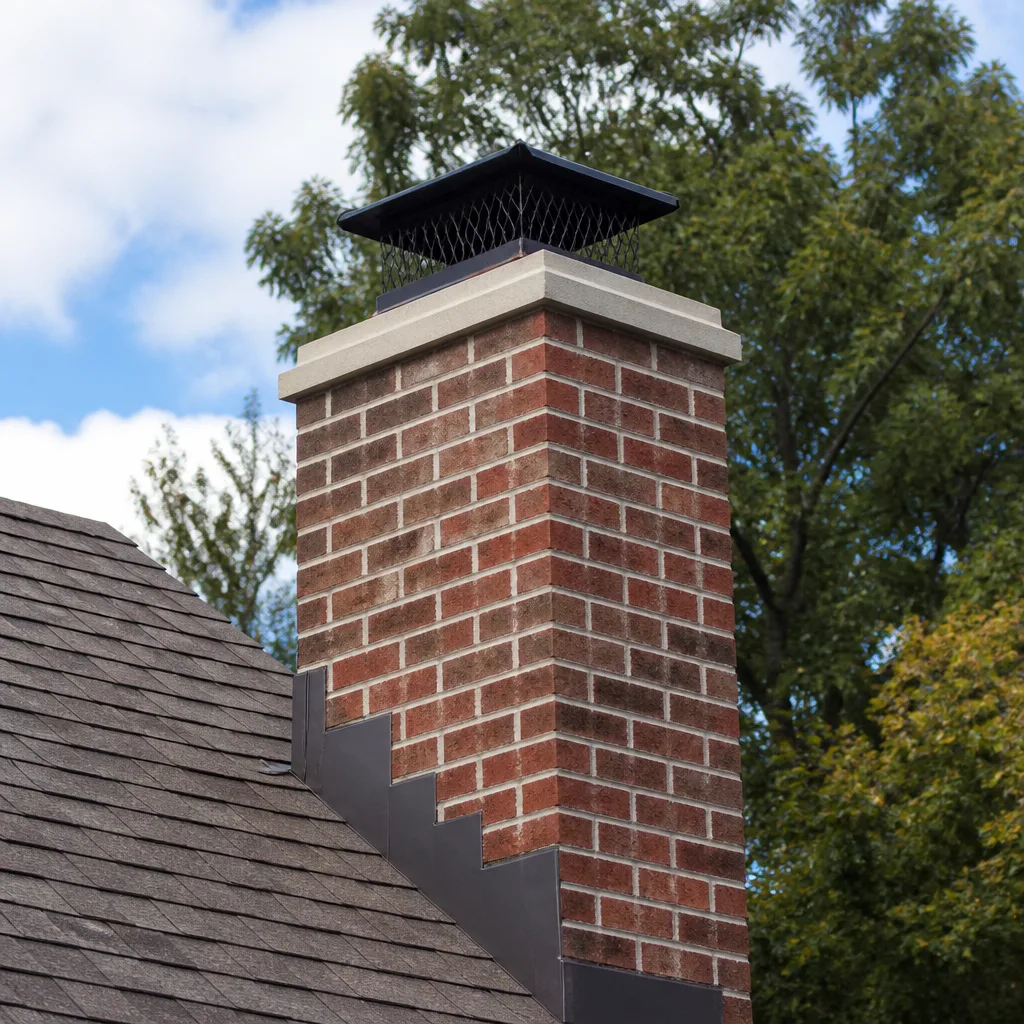
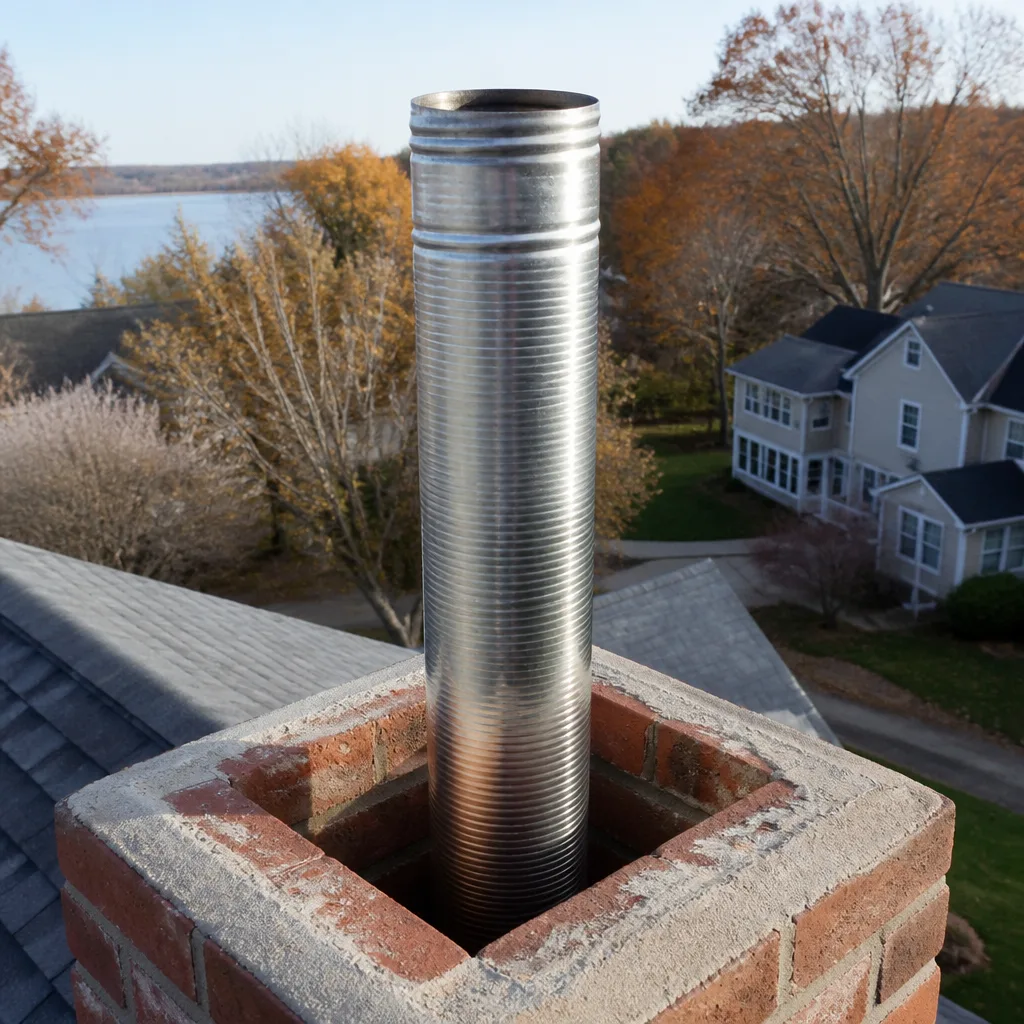
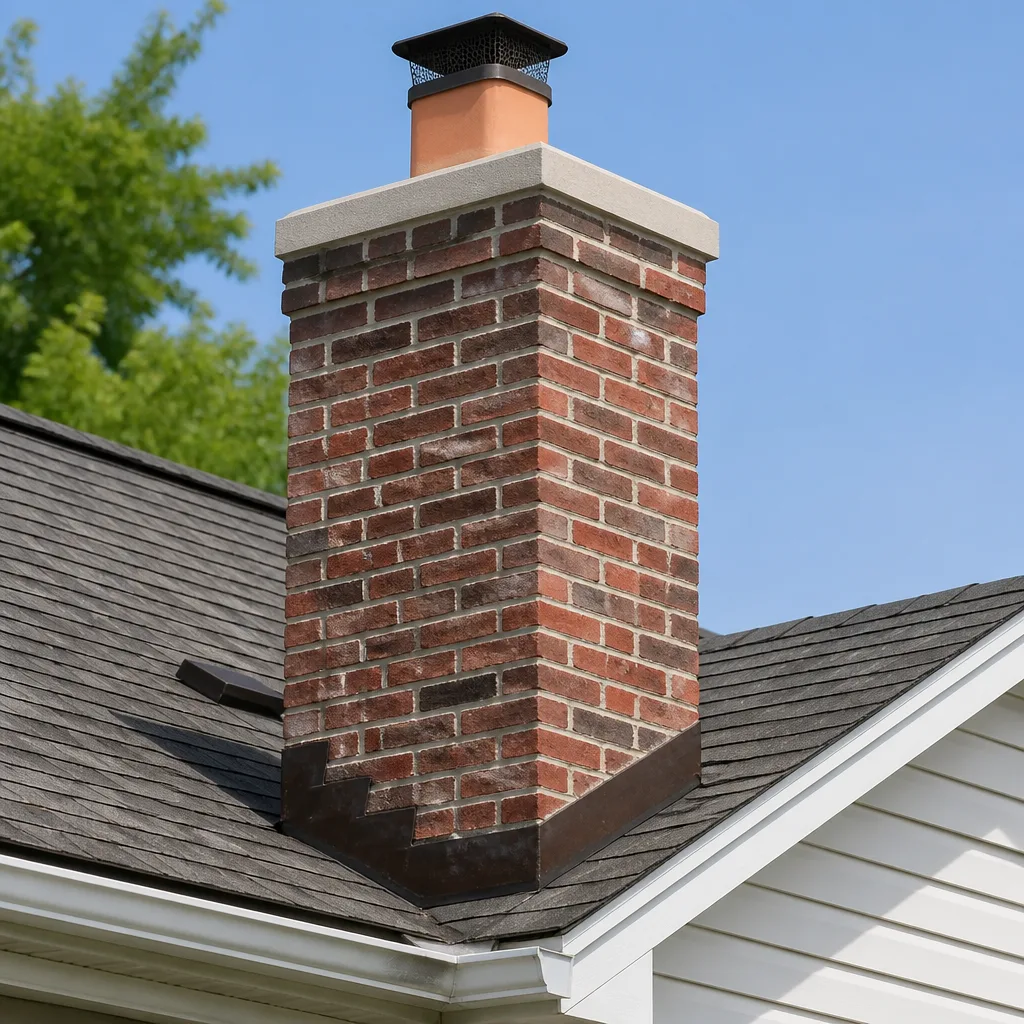
Level 1 sweep and inspection to the NFPA 211 annual standard - flue, crown, cap, and flashing checked and photographed
Chimney sweep logs do not sweep chimneys. They loosen some creosote - which then falls where a brush and vacuum still have to collect it.
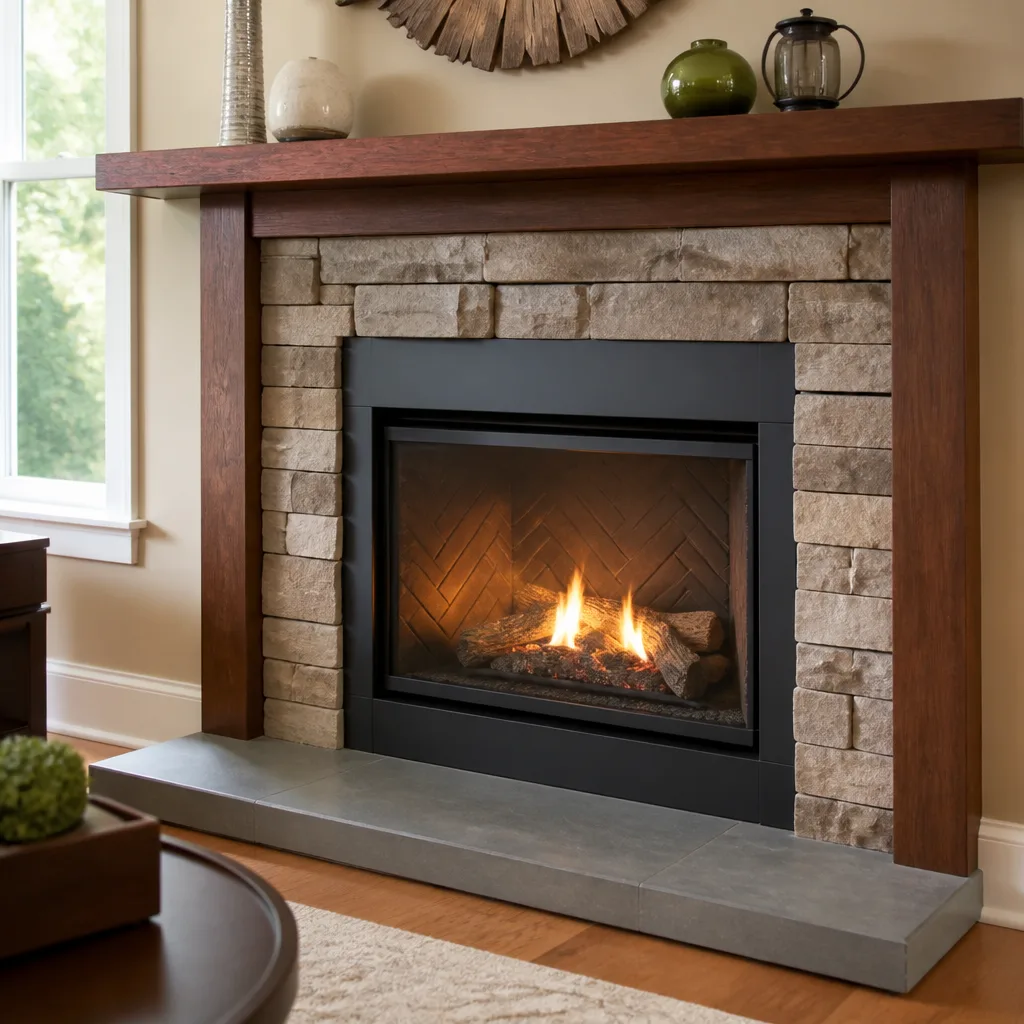
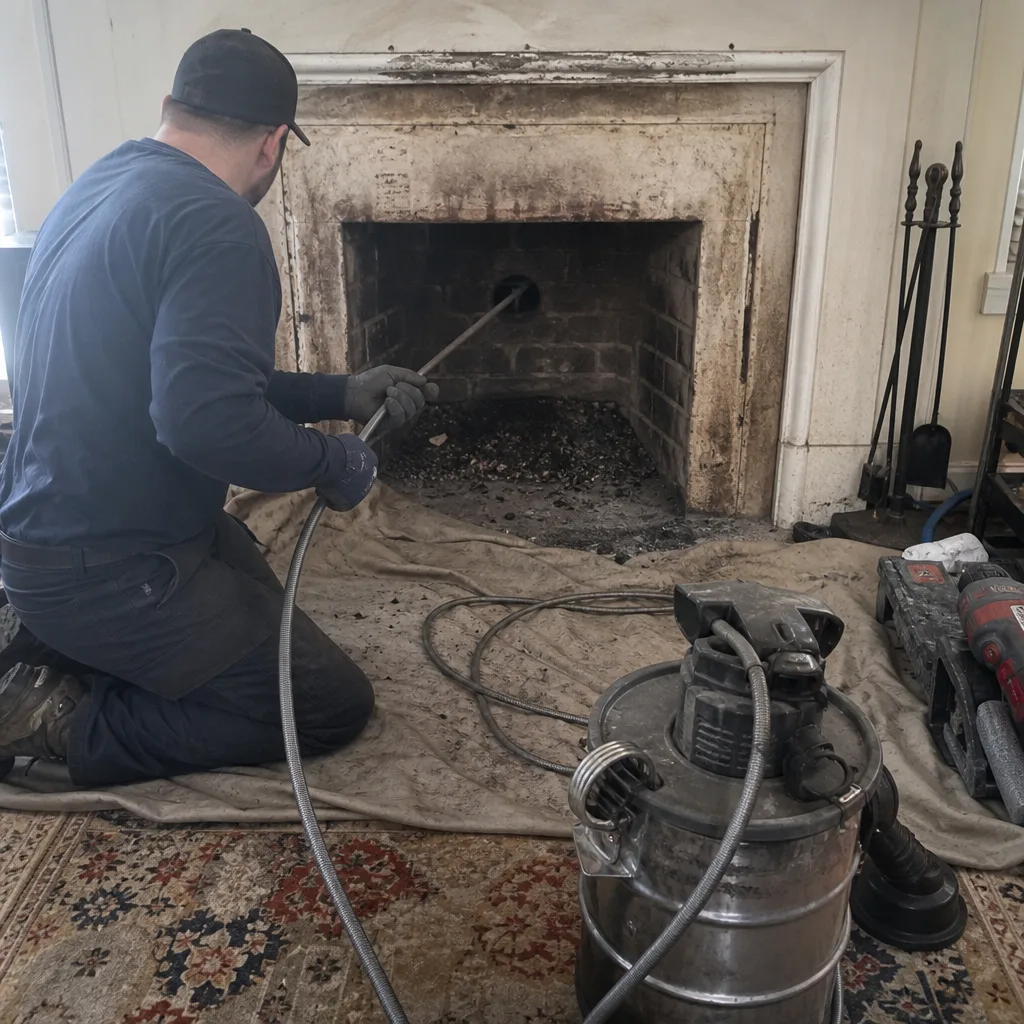 Before
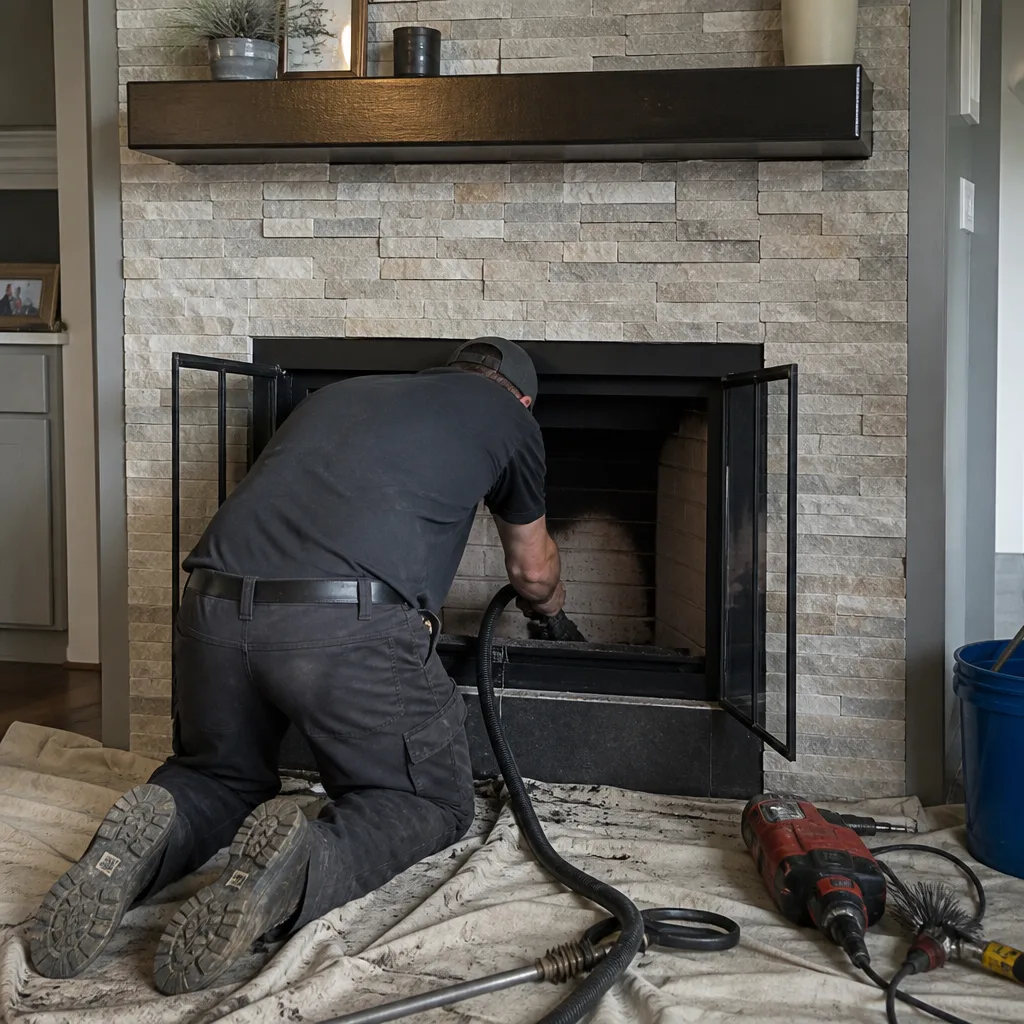 After
After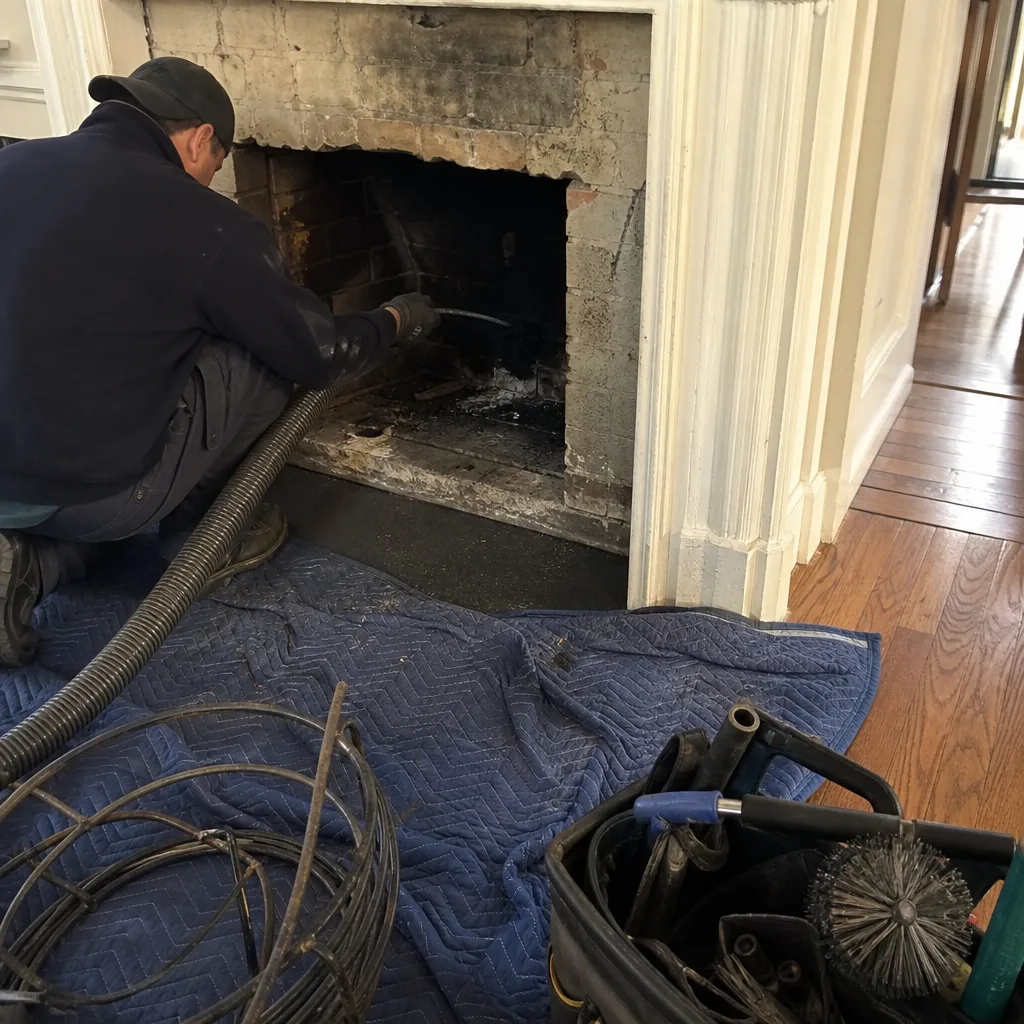 Before
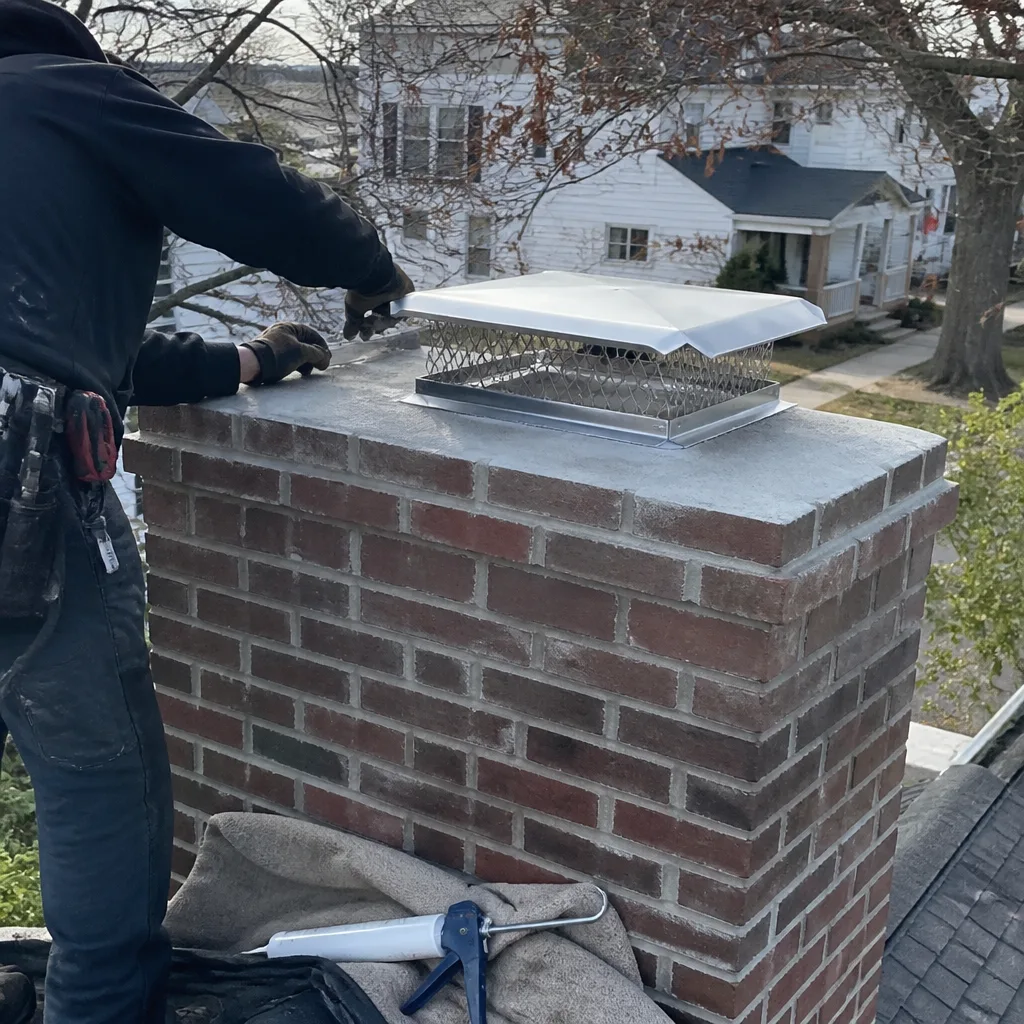 After
After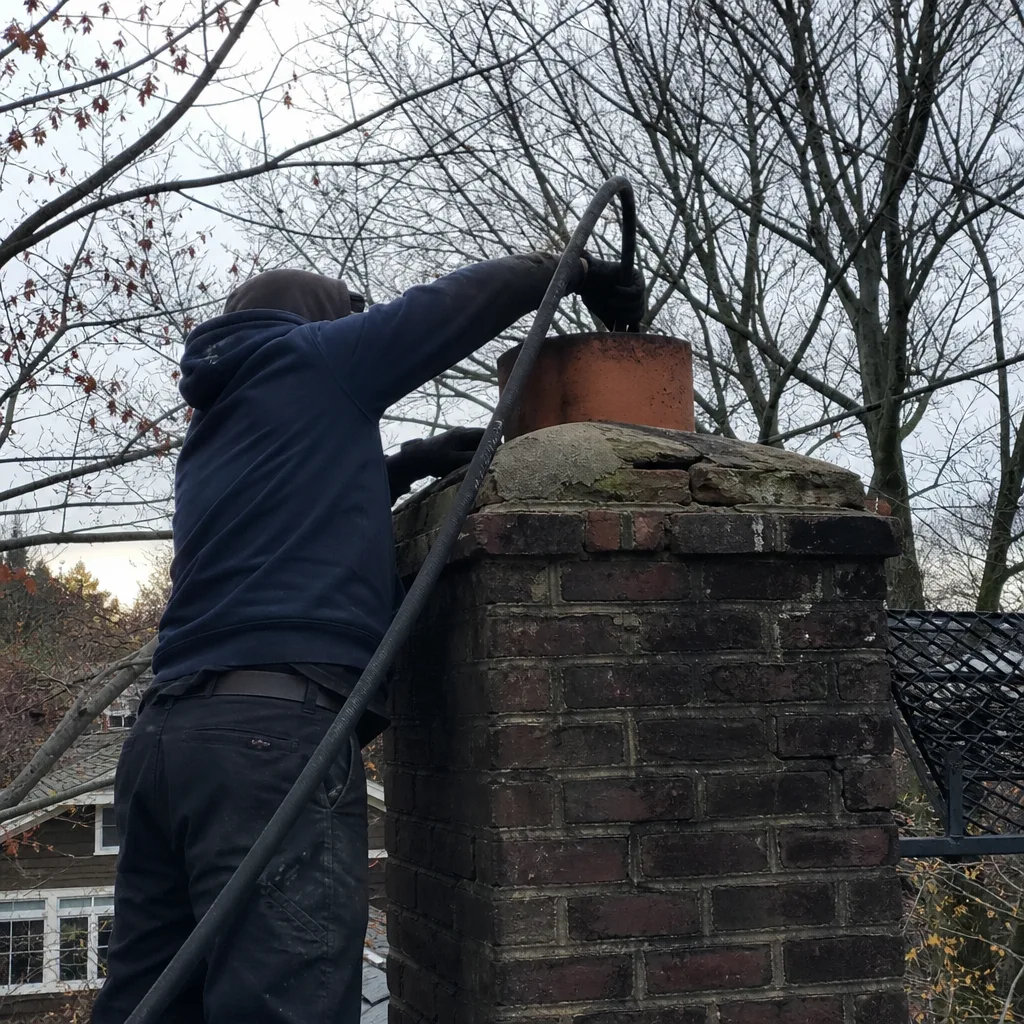 Before
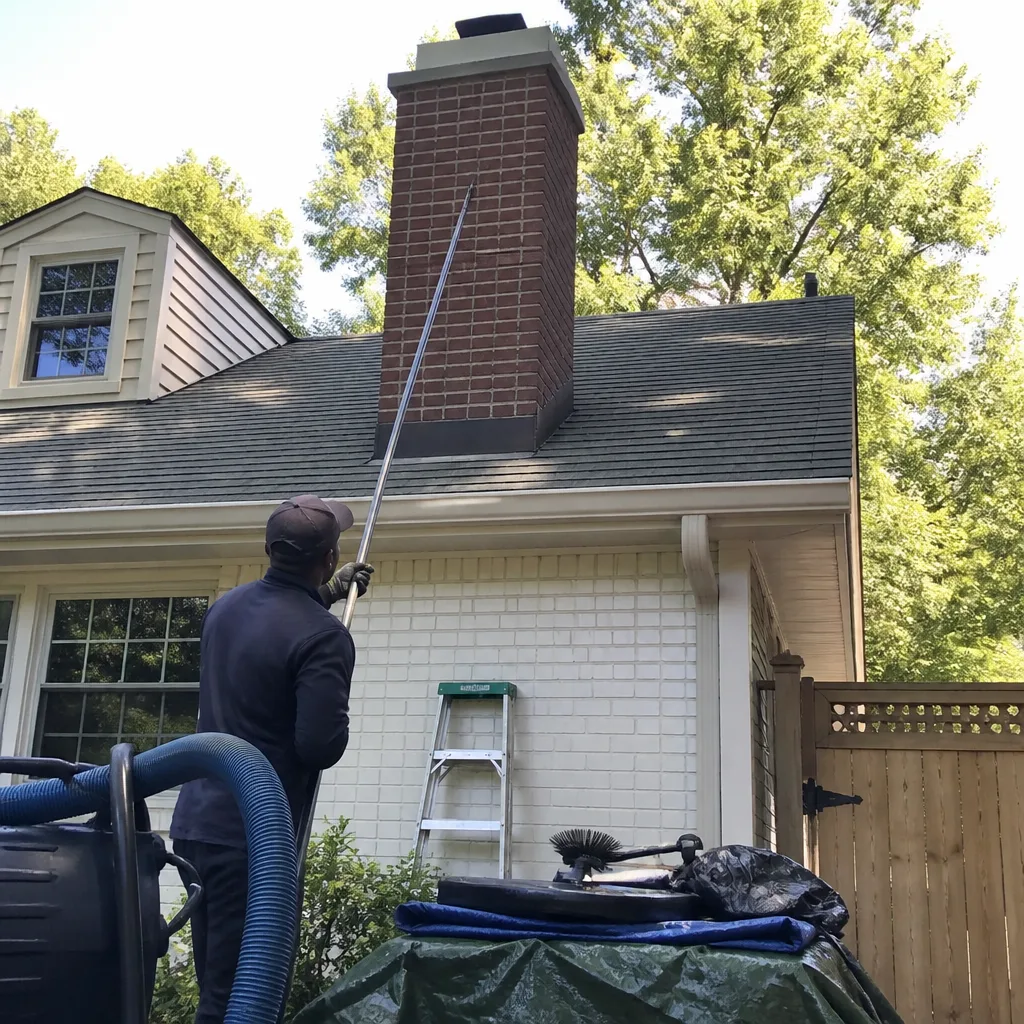 After
AfterHeatShield Chimney Cleaning & Sweep in Washington: What to Know First
We provide independent HeatShield chimney cleaning and sweep service in Washington, DC, with most jobs completed in a single visit and a written price in your hand before any brush touches the flue. A standard HeatShield sweep and Level 2 camera inspection in Washington typically runs $229 to $389, depending on creosote loading and flue condition. This page is for homeowners in Washington who own a HeatShield liner or resurfacing system and want a sweep crew that actually knows the product. Call (240) 621-1264 for a written estimate.
How HeatShield Products Fail - and How We Fix Them
- HeatShield cerfractory flue sealant delamination: On HeatShield’s CeaseFire and FireGuard resurfacing jobs, we sometimes find the cerfractory coating pulling away from the original clay tile in hairline sheets. Washington’s humidity swings make the underlying tile expand and contract, and the bond line is where it shows. Our fix starts with a camera pass to map every separation, then a mechanical cleaning at reduced RPM so we don’t peel off more material, then documentation of the exact delamination boundaries for the homeowner. If the delamination is under 30% of the flue, a re-application often holds. If it’s past that, replacement is the honest recommendation.
- CrownSeal shrinkage cracks at the flue collar: HeatShield CrownSeal is a good product, but we see shrinkage cracks at the joint where it meets the clay flue liner, especially on Washington rowhomes with full southern exposure. Water gets behind the seal and freezes in January, pushing the crack open a millimeter at a time. We clean out the loose material, verify the underlying crown is sound, and re-seal with a flexible refractory caulk rated for the same temperature range. The written quote includes exactly what we’re removing and what we’re putting back.
- Cerfractory buildup in the smoke chamber: On HeatShield resurfaced chimneys, excess cerfractory slurry can pool in the smoke chamber shoulders during application. That creates a rough, uneven profile that traps soot faster than smooth tile. When we sweep a HeatShield chimney in Washington, we camera the smoke chamber from below and above, then remove the excess with vacuum-assisted brushing. It’s a detail most sweeps miss because they don’t look for it.
- Joint pitting on older HeatShield liner installations: HeatShield liners installed before about 2012 sometimes show pitting at the butt joints where the product was applied too thin. The pitting catches creosote and makes standard brushing ineffective. We use a rotary brush with a poly line at controlled speed, then follow with a second camera sweep to confirm the joints are clear. Photos before and after are included in the record, per Clause 4 of the Haven Standard.
- Third-degree creosote glazing on HeatShield interiors: HeatShield surfaces are rougher than glazed clay tile, which means creosote adheres more readily. In Washington homes that burn unseasoned oak, we regularly find glossy third-degree creosote on the cerfractory surface. That requires a chemical treatment, usually a two-stage application of a creosote conditioner, followed by mechanical removal. This isn’t a job for a drill brush. We run it over two visits when the glaze is thick, and the written price covers both.
Our HeatShield Chimney Cleaning & Sweep Process
A HeatShield chimney isn’t a standard masonry flue, so we don’t sweep it like one. Here’s how a job goes, start to finish:
- 1
Call and written price promise: You tell us your address, chimney type, and last sweep date. We give you a written price before we schedule, covering the sweep, the camera inspection, and any known extras. That’s Clause 1 of the Haven Standard: written scope, written price, written warranty.
- 2
Arrival and setup: A named, background-checked tech arrives in uniform. You get a text before we head your way. Drop cloths go down, vacuum goes on, and the roof access gets set up.
- 3
Camera inspection first: We run the camera down the flue before we sweep. On a HeatShield system, we’re looking specifically for delamination, joint pitting, crown seal cracks, and glazed creosote. You see the footage in real time. The camera doesn’t lie.
- 4
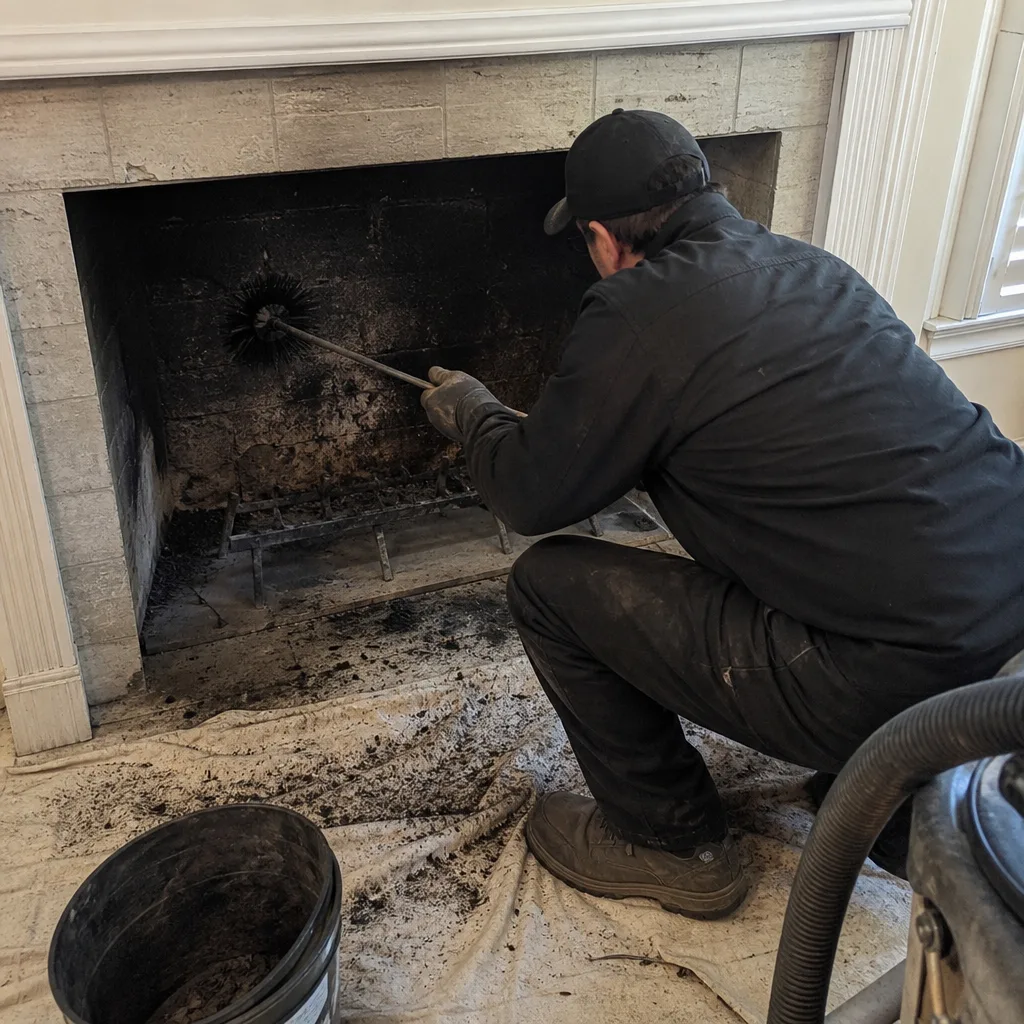
Reduced-speed mechanical cleaning: We use a rotary brush at lower RPM than we’d use on raw clay tile, with vacuum capture running the whole time. This removes creosote and soot without risking further delamination of the cerfractory surface.
- 5
Post-sweep camera pass and documentation: We send the camera down again and compare before and after side by side. You get the photo record, the written condition report, and the written warranty, all in one package before we pack up.
- 6
Cleanup and payment: We leave the firebox and hearth cleaner than we found them, review the record with you, and take payment. The 365-Day Done Right Promise applies to the entire job.
BeforeAfterWhat HeatShield Chimney Cleaning & Sweep Costs in Washington
We post our pricing because a written number before work starts is the entire point. Here’s what HeatShield owners in Washington can expect:
| Service | Typical Washington Price | What it includes |
|---|---|---|
| Standard HeatShield sweep + Level 1 inspection | $229 - $289 | Mechanical cleaning, camera pass, written record, photo file |
| HeatShield sweep + Level 2 camera inspection | $289 - $389 | Full camera documentation, smoke chamber evaluation, written condition report, photos |
| Third-degree creosote treatment (two-stage) | $150 - $300 added | Chemical conditioner, second mechanical pass, post-treatment camera confirmation |
| Partial cerfractory re-application | $800 - $1,800 | Delamination mapping, surface prep, re-application, warranty on the patch |
| CrownSeal repair at flue collar | $250 - $550 | Old seal removal, joint prep, refractory caulk, photo documentation |
What moves the price: how much creosote is packed in, whether the delamination needs re-application, and how hard the roof access is. We don’t charge extra for “difficult” flues as a line item. Call (240) 621-1264 and we’ll put the exact number in writing.
Why Washington Homeowners Call Level Two Chimney Washington for HeatShield Work
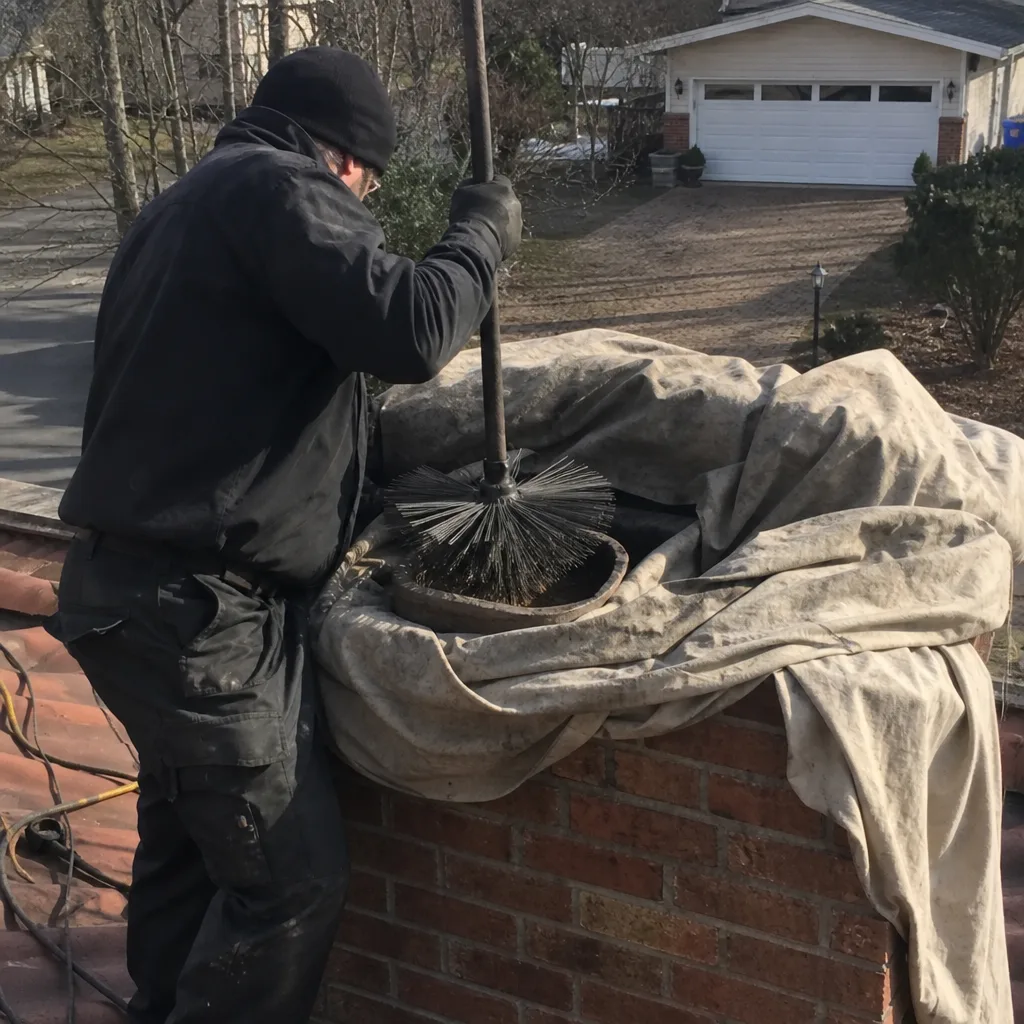
Most chimney companies in Washington sweep a HeatShield liner the same way they sweep a raw clay flue, and that’s exactly how the cerfractory coating gets damaged. We’ve been camera-documenting chimneys since 2009, which is years before most companies in this city would even show a homeowner their own flue on screen. Corrine Halstead runs our Washington operation with a simple rule: write down the finding, the photo reference, and the price before asking a homeowner to decide anything. We service HeatShield as an independent HeatShield service provider, and we keep DuraFlex and Gelco materials in the same truck, so if your liner is beyond patchwork, you get options and a written price for every one. The 365-Day Done Right Promise applies to every HeatShield job we do, no fine print.
FAQs
No, a properly performed mechanical cleaning does not void a HeatShield warranty. What voids warranties is aggressive brushing at high RPM, steel wire brushes that gouge the cerfractory surface, or chemical treatments not rated for ceramic flue coatings. We use reduced-speed rotary equipment with poly line and document every pass on camera, so your warranty record stays intact. Call (240) 621-1264 to confirm your specific liner type and what we’d use on it.
At least once per year if you burn wood regularly, and twice if you burn unseasoned oak or use the fireplace more than three times a week from November through March. Washington’s burn season runs roughly October through April, and the creosote you build up in one season is what becomes third-degree glaze by the next. We’ll tell you during the inspection if your schedule can be stretched, and we’ll put that in the written record.
Delamination under roughly 30% of the flue surface can usually be re-applied with HeatShield material and hold for years. Past that threshold, we recommend full replacement, and we’ll show you the camera footage that supports the recommendation. If you bring us a competitor’s written quote, we’ll do a Free Second Opinion on it. Call (240) 621-1264 and ask for the HeatShield delamination evaluation.
Most HeatShield sweeps in Washington are scheduled within 5 to 10 business days, depending on the season. Fall and early winter fill up first. If you’re concerned about creosote buildup or saw smoke backing up last season, call (240) 621-1264 and we’ll give you a written price and the next available slot on the same call.
You get a written condition report, the full set of before and after camera stills, and a written warranty for the work performed. That’s Clause 4 of the Haven Standard, and we’ve been doing it since 2009. If the record ever shows something we missed, the 365-Day Done Right Promise means we come back and make it right.
To schedule a HeatShield chimney cleaning or inspection in Washington, call (240) 621-1264. We’ll give you a written price, walk you through what we’ll do, and send a named tech who knows the difference between a cerfractory surface and raw clay tile.
Written by Corrine Halstead, Owner, Level Two Chimney Washington at Level Two Chimney Washington, serving Washington and nearby areas.