
Level 1 sweep and inspection to the NFPA 211 annual standard - flue, crown, cap, and flashing checked and photographed
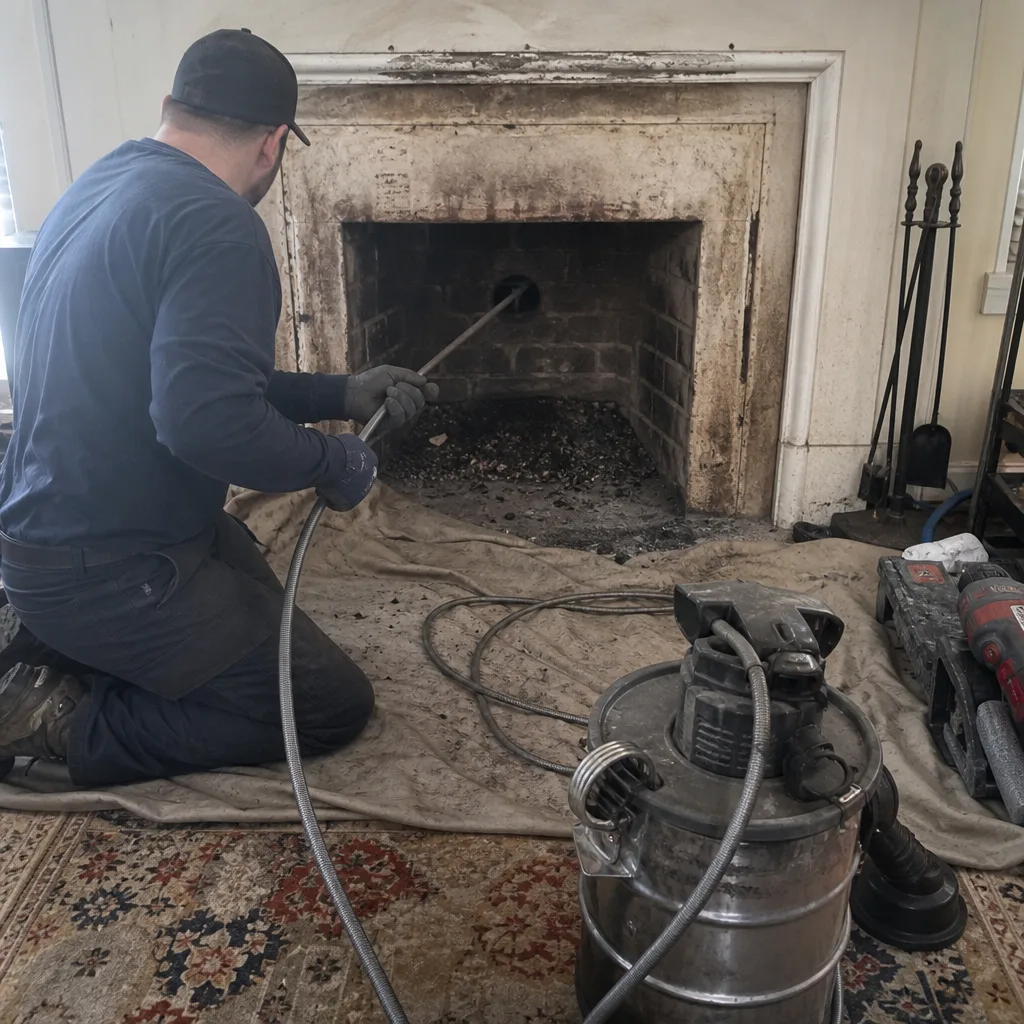
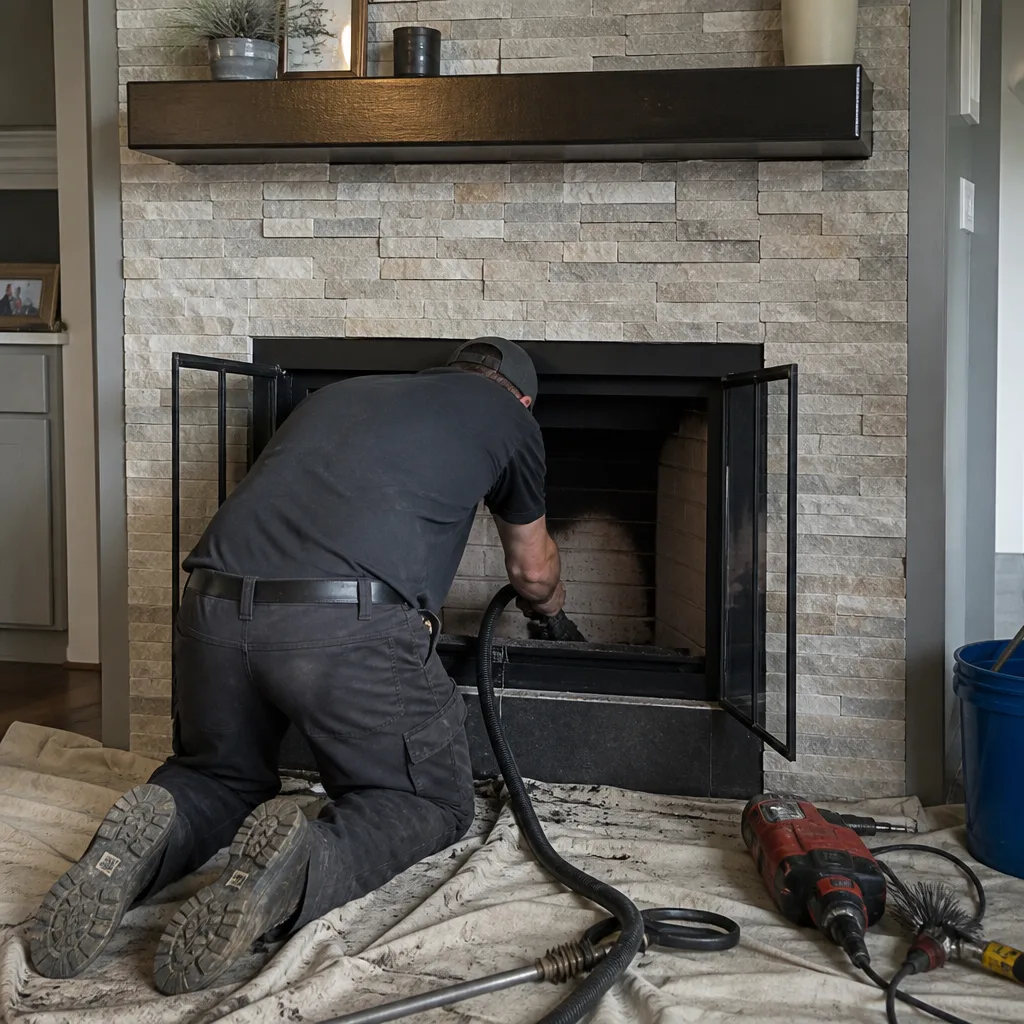
Chimney sweep logs do not sweep chimneys. They loosen some creosote - which then falls where a brush and vacuum still have to collect it.
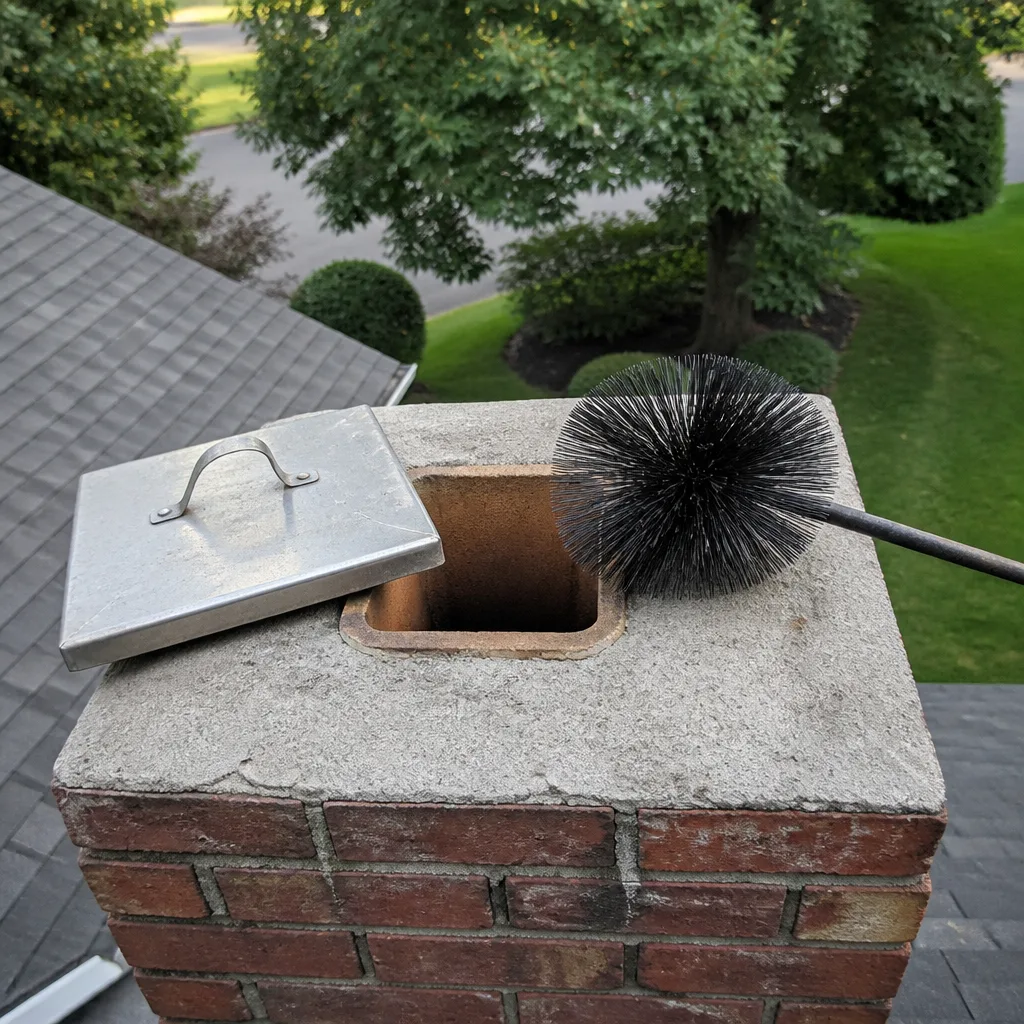
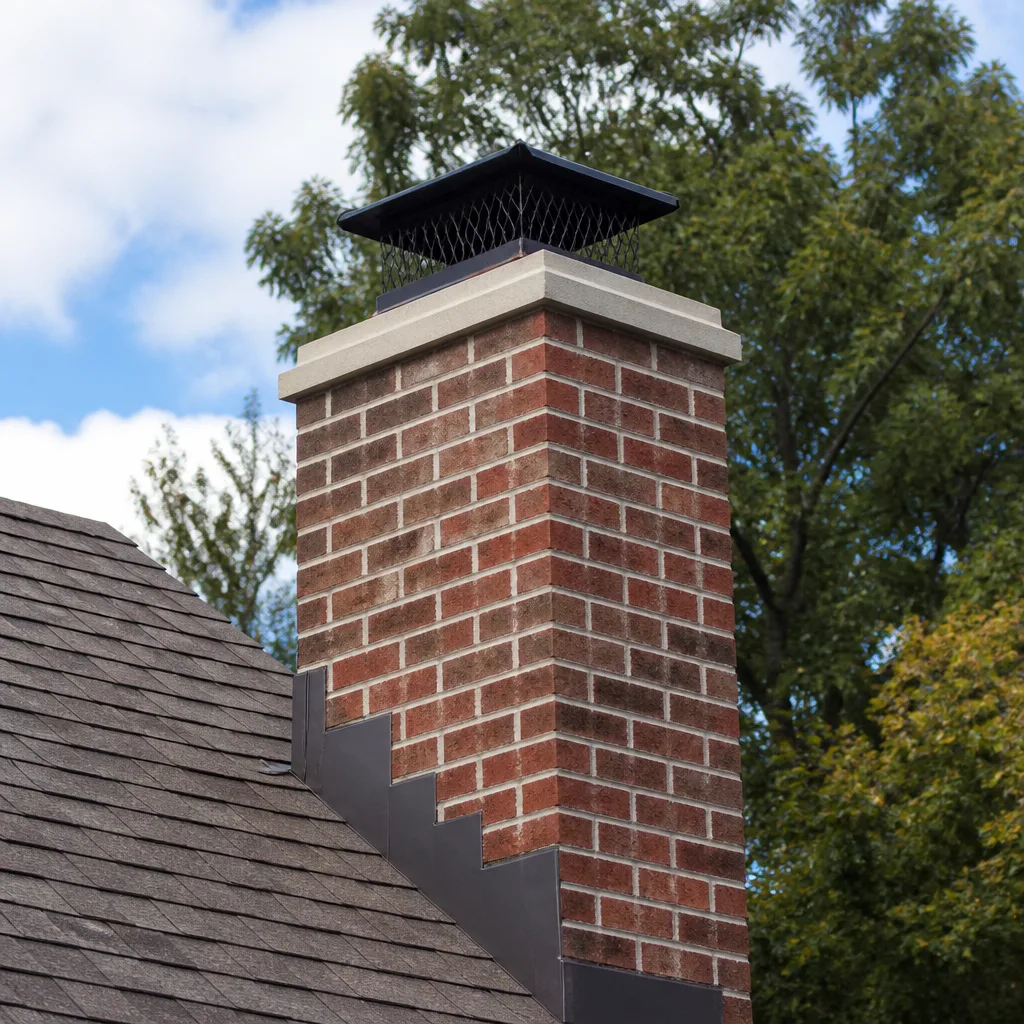
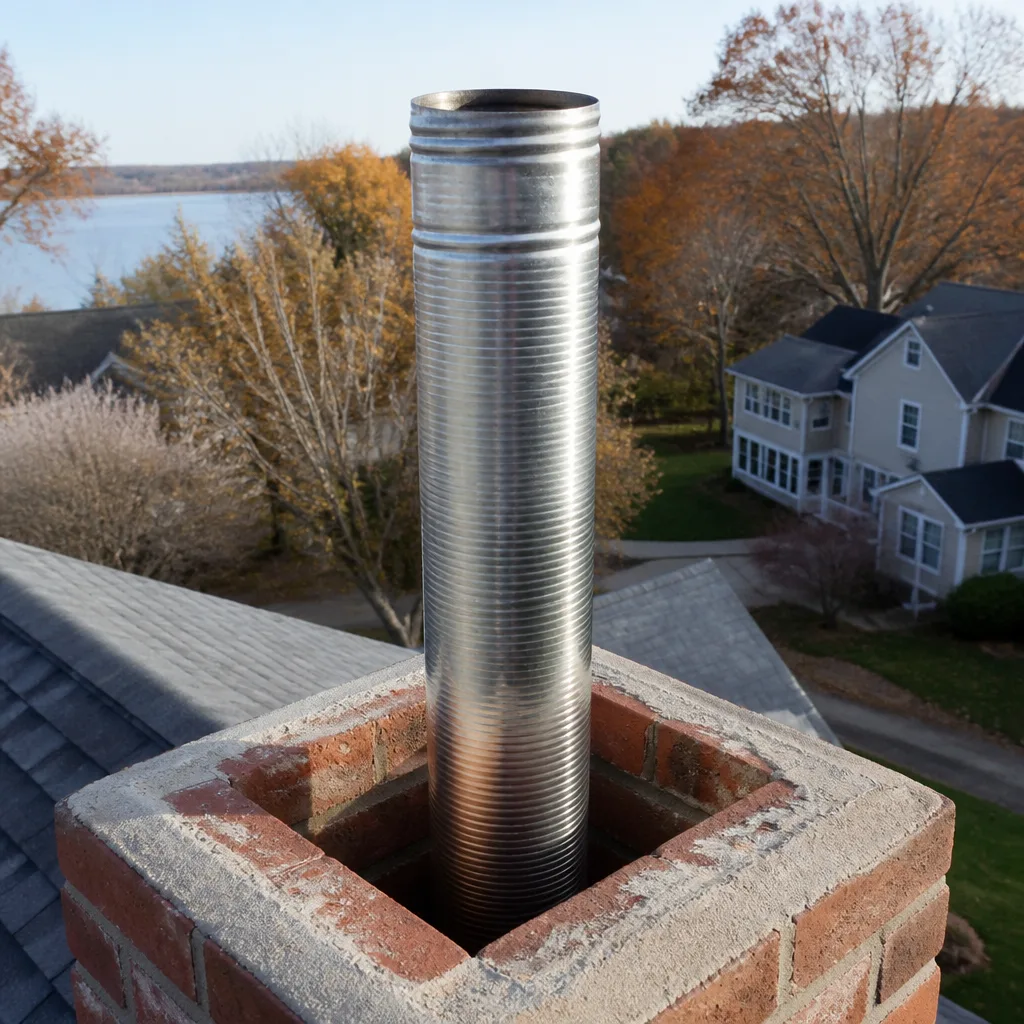
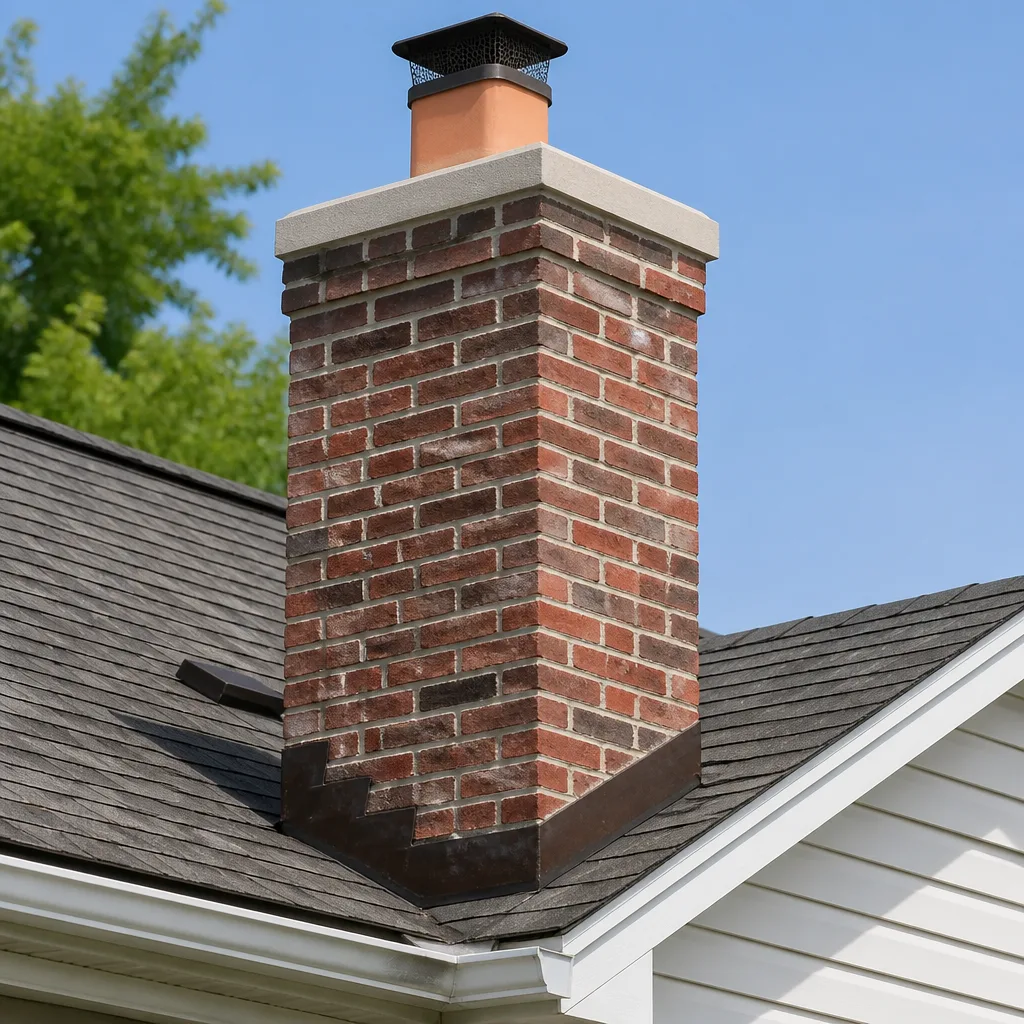
 Before
 After
After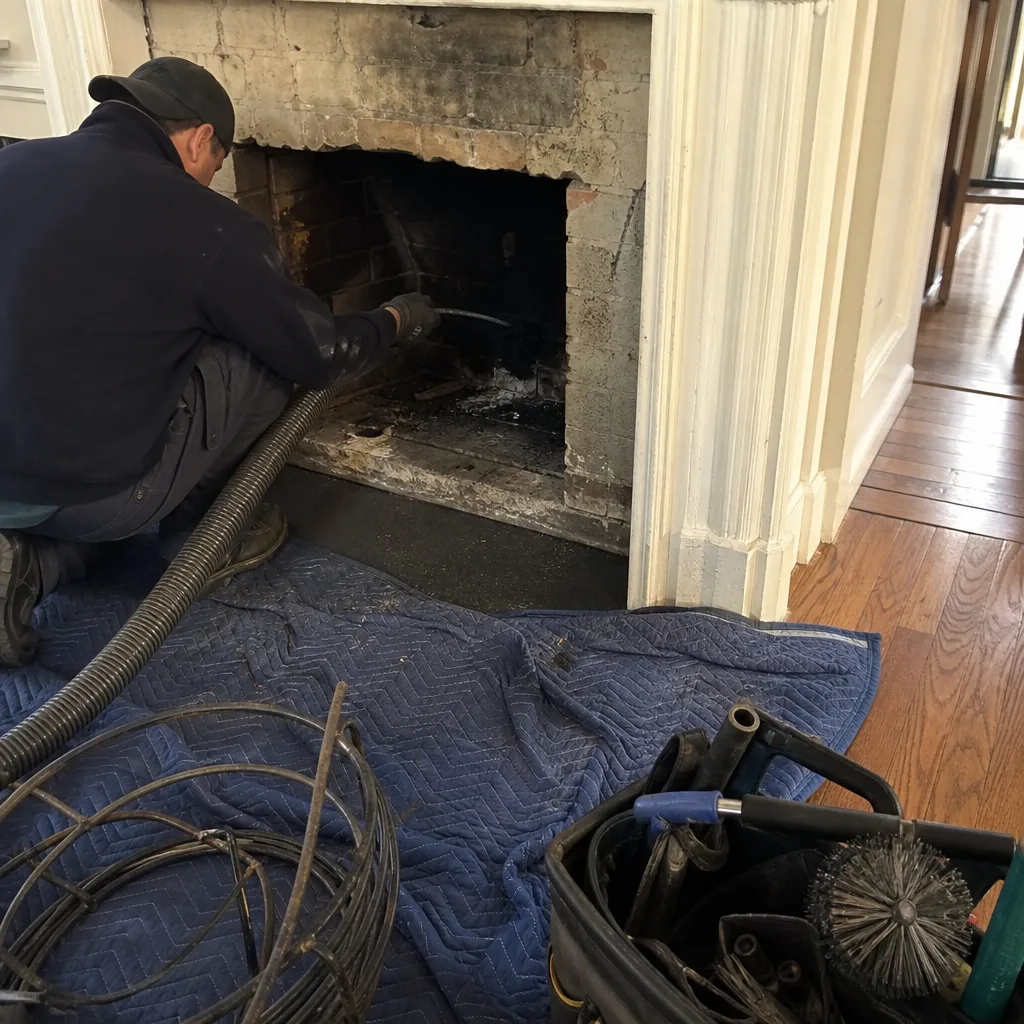 Before
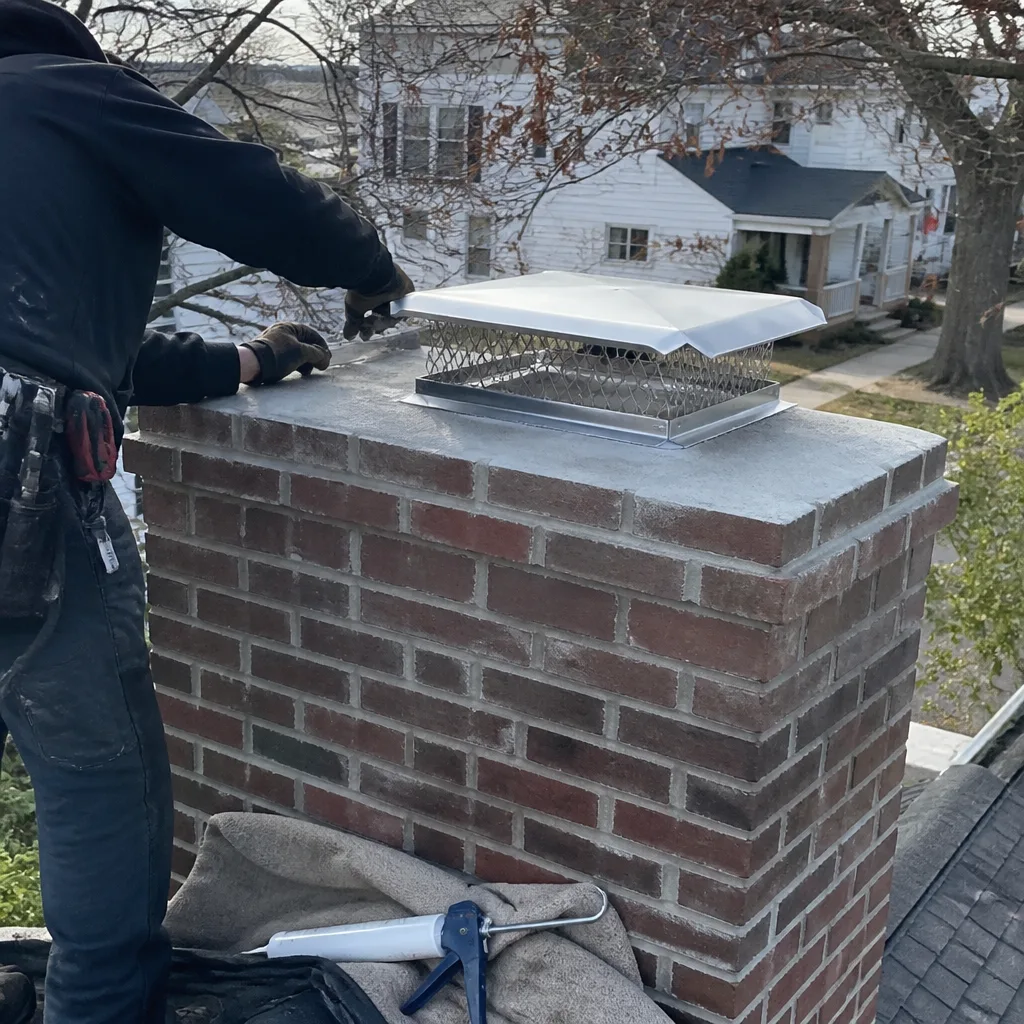 After
After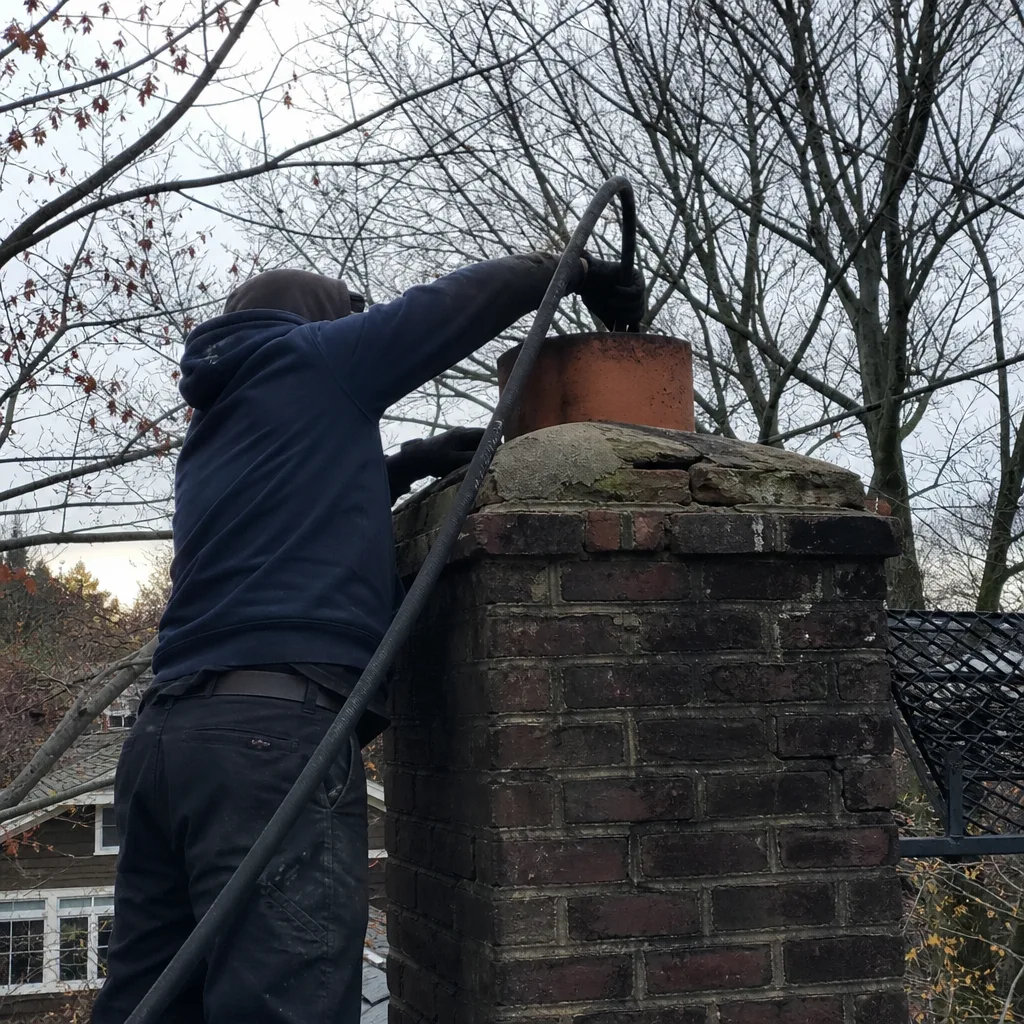 Before
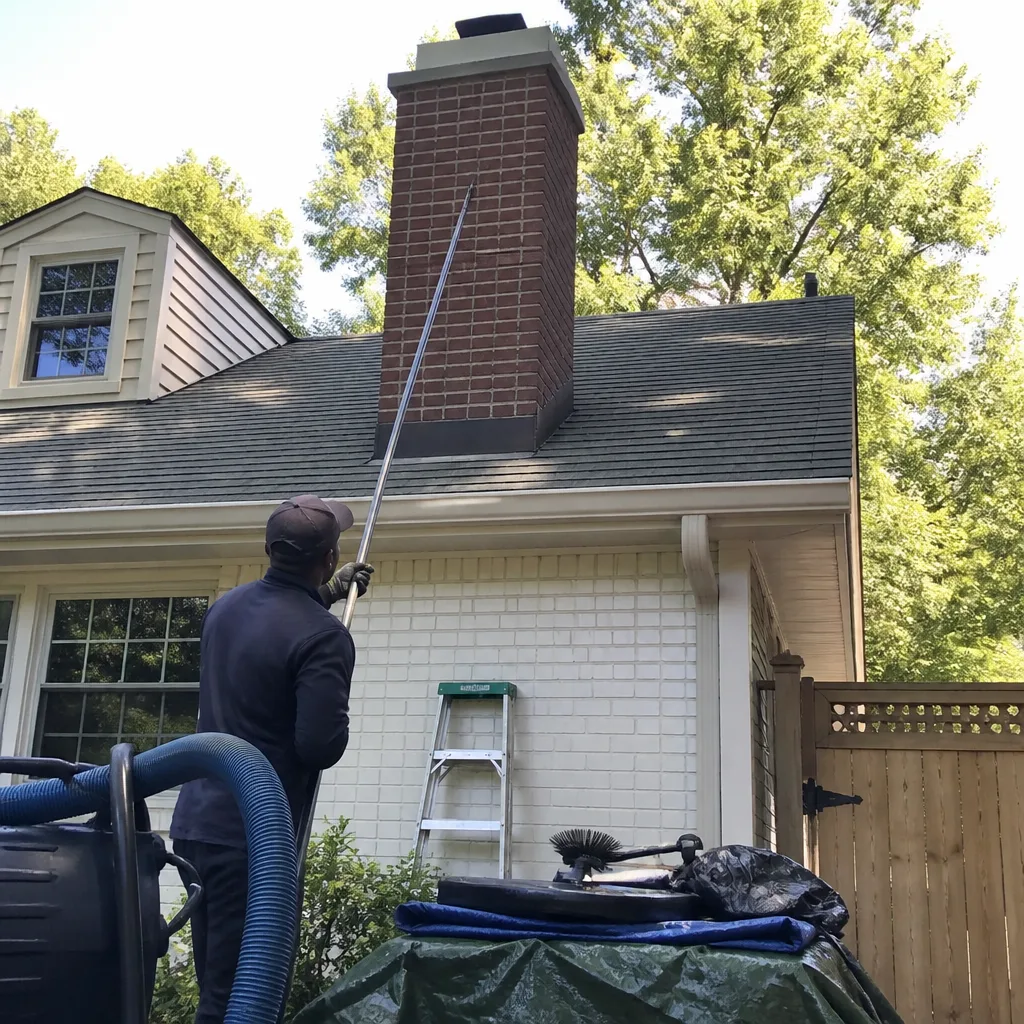 After
AfterDuraFlex Flue Liner Replacement: The Washington Owner’s Guide
We stock and install DuraFlex-compatible flue liner replacement parts for Washington homes, with most full reline jobs landing between $2,800 and $5,400 installed depending on liner diameter, run length, and access. We carry common DuraFlex 316L and AL29-4C sizes on the truck, so a straight swap on a standard DC rowhouse chimney is often done the same day we diagnose it. Most owners find out their DuraFlex liner has failed the hard way: a Level 2 camera inspection after a chimney sweep flags a crack, a separated seam, or pitting, or an upstairs CO detector trips during a burn. The liner is the only thing between combustion gases and your framing, so when the camera shows a breach, the fix isn’t optional.
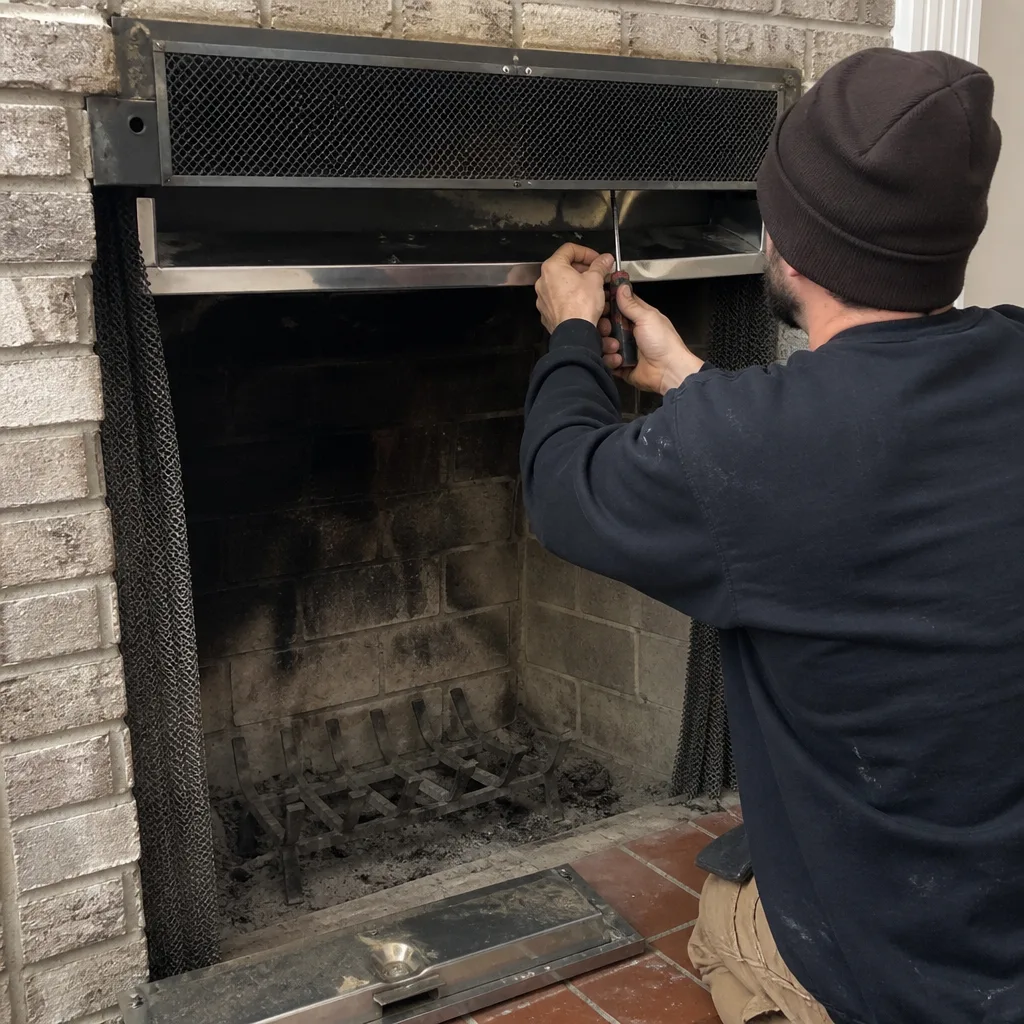
The price range above is real Washington pricing: aluminum 316Ti liner runs $60-$95 per foot installed on the low end, while AL29-4C high-temp alloy for gas or oil appliances lands higher, and a standard 25-foot single-story flue in Petworth or Brookland puts most jobs in the $3,200-$4,200 band. We write the exact number down before any work starts, on paper, with the measurements that produced it. That’s not a courtesy. It’s Clause 1 of the Haven Standard: written price, written scope, written warranty. The camera doesn’t lie, and neither does the written price.
Key Takeaways:
- DuraFlex liners are durable but not forever: stainless liners in DC’s freeze-thaw climate typically last 15-25 years before pitting or seam failure becomes visible on camera.
- We stock DuraFlex-compatible 316L and AL29-4C liner sections on the truck for same-day replacement in most Washington homes.
- Every replacement gets a documented photo record before and after, per Haven Standard Clause 4.
- Written price, scope, and warranty delivered before tools come off the truck. Every time.
Which DuraFlex Models This Applies To
DuraFlex makes both rigid stainless and flexible liner systems, but in Washington’s older housing stock what we mostly replace is the flexible 316L and AL29-4C models sold as DuraFlex SS and DuraFlex Pro. If your liner was installed before 2015 and you don’t have the paperwork, check the appliance connection or the top plate. DuraFlex stamps or tags most liner sections with a model code and diameter within the first foot of the run. The stamped number tells you the alloy and the diameter, which is the first thing we need before we can quote a replacement.
The compatibility gotcha that most owners hit: DuraFlex 316L is only rated for wood and pellet appliances up to 1,000°F intermittent, while AL29-4C is the alloy you need for gas or oil flue gases that run cooler but produce more corrosive condensate. Installing 316L where an AL29-4C liner was specified will rot the new liner in three to five seasons. We check the appliance type against the liner spec on every camera inspection, not just the liner condition. If a prior contractor put the wrong alloy in, we’ll show you the stamp and the appliance plate side by side in the photo record.
OEM DuraFlex parts are quality, but the aftermarket question doesn’t really apply the way it does for car parts. The liner itself is the part: it’s fabricated in sections and assembled on site, cut to your flue’s exact run. What matters is wall thickness, alloy grade, and UL listing, not whether the box says DuraFlex or a reputable equivalent we source through Haven’s buying network. We buy liner by the foot from DuraFlex, HeatShield, Gelco, Olympia Chimney, Famco, and Copperfield, and we’ll show you the coil stamp before we cut. You should know exactly what metal is going down your flue, and you will.
Signs Your DuraFlex Flue Liner Replacement Is Failing
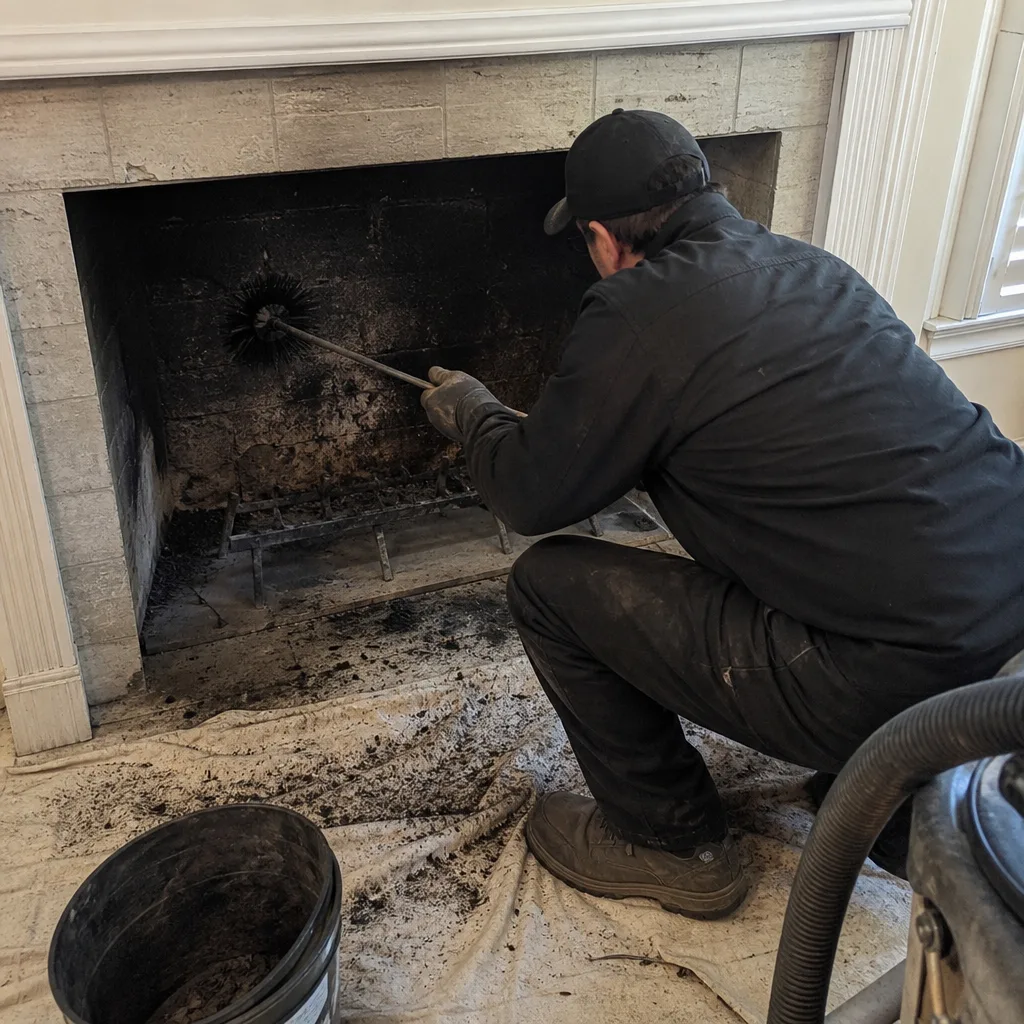
- Visible rust or pitting on the liner wall during a camera scan. Washington’s humidity and freeze-thaw cycles put condensation on stainless, and pitting is the first stage of wall loss. It’s not cosmetic; it means the liner is thinning and will eventually breach.
- Flue gas smell in rooms adjacent to the chimney chase. When a seam separates, exhaust leaks into the chase cavity and finds its way through wall penetrations. You smell it before you see it, and it means combustion gases are not exiting the house the way they should.
- CO detector activation without an obvious cause. In DC rowhomes with gas appliances, a failed AL29-4C liner is one of the more common triggers we trace. If your detector goes off during or after a burn cycle, stop using the appliance and get a camera down the flue.
- Crumbling or flaking liner material collecting at the cleanout. When stainless liner sections degrade, small fragments fall to the base of the flue. Finding metal flakes in the cleanout is not normal wear; it’s the liner coming apart.
- A chimney sweep who won’t finish the job until you sign a waiver. We hear this from Washington customers regularly. It means the sweep saw something on camera that made them not want the liability. Ask for the footage. Then call us for a second opinion with a camera scan of our own.
BeforeAfterReplacement Cost & What’s Included
Here’s what Washington homeowners should expect to pay for DuraFlex flue liner replacement, line by line:
| Line Item | Typical Range |
|---|---|
| Camera-scan inspection and measurement | $150-$300 (waived if replacement is booked same visit) |
| DuraFlex-compatible 316L flexible liner (per foot, installed) | $60-$95 |
| DuraFlex-compatible AL29-4C liner (per foot, installed) | $85-$130 |
| Top plate, cap, and termination kit | $250-$600 |
| Labor, teardown, and reassembly | $700-$1,400 depending on access |
| Documented photo record, written warranty, and cleanup | Included, always |
What drives the range: liner diameter (6-inch vs 8-inch is a big material step), run length on taller DC townhouses, whether the old liner has to be cut out in sections versus pulled clean, and roof access. A third-floor flue in a Georgetown walkup with a steep pitch costs more than a single-story bungalow in Takoma. We tell you which factors apply to your house and what the number is before you decide anything. The warranty is written on the same page as the price.
DIY or Call Us?
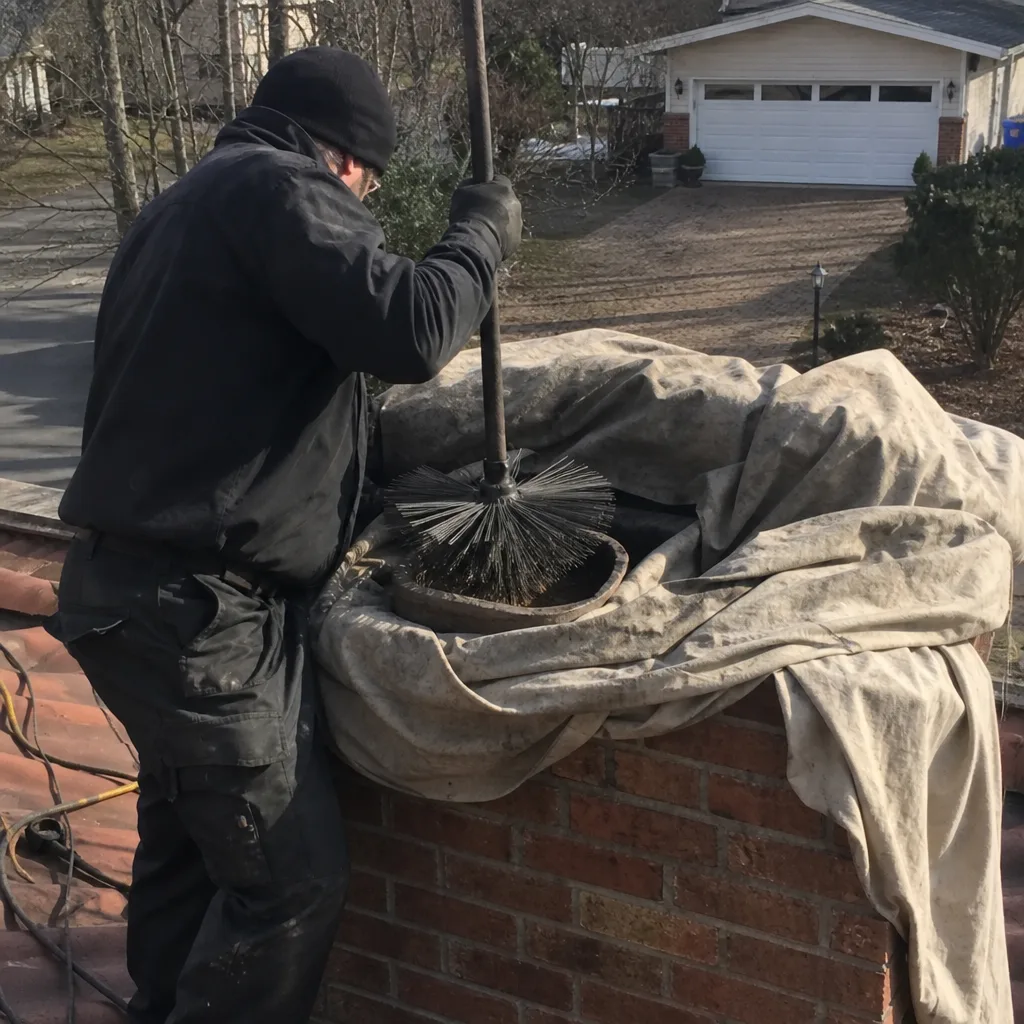
You can safely inspect your own chimney from the ground: look for rust streaks on the cap, check for missing mortar on the crown, and note any flue gas smell indoors. What you can’t safely do is pull and replace a flexible liner without the right equipment and a second person on the roof. This is height work on a sloped surface with a live flue, and a liner that has already failed can come apart while you’re extracting it. If you drop a section, you can damage the smoke chamber or worse.
We’ve also seen homeowners install the wrong alloy by matching it to the wrong appliance, which fails in a few years and costs more than the original job. If you’ve got a failed DuraFlex liner and you’re in Washington, call (240) 621-1264. We’ll put a camera down the flue, show you the footage, write the price and scope down, and if the liner swap is straightforward, we’ll do it the same day. You’ll walk away with a photo record of the new liner from top plate to appliance connection, which is what Clause 4 of the Haven Standard has required since 2009.
FAQs
A properly sized and installed DuraFlex 316L liner in a wood-burning chimney lasts 15 to 25 years in Washington, and an AL29-4C liner on a gas appliance typically lasts 20 to 30 years, with condensation and freeze-thaw being the limiting factors. Liners in rowhouse flues that run up exterior walls tend to fail earlier than interior-routed flues because they cycle through more temperature swings. The only way to know where your liner is in that lifespan is a camera scan, which shows wall thickness and seam condition, not just whether it’s still functioning today. Call (240) 621-1264 and we’ll schedule the scan, write the findings down, and give you a written recommendation.
In most cases, no. Flexible liners fail by pitting, seam separation, or collapse, and none of those are repairable in place. Patching a flexible liner with another section requires cutting the old liner and coupling it, which creates a new failure point. We’ll tell you plainly if your liner is repairable, but if we’re replacing one, it’s because we can show you camera footage of a breach that a patch won’t fix. Bring us a competitor’s written repair quote and we’ll give you a free second opinion with our own camera footage to back it up.
A straight single-story swap on a Washington rowhouse usually takes three to six hours, including teardown, liner fitting, and reassembly. Taller runs, difficult roof access, or a deteriorating smoke chamber can push it into a second day. We’ll tell you the expected timeline in the written scope before work starts, and you’ll get a text when we’re on the way.
We stock common DuraFlex-compatible 316L and AL29-4C liner sections in 6-inch and 8-inch diameters, along with top plates, caps, connectors, and termination kits. If your chimney needs an unusual diameter or a custom length, we can usually source it from our suppliers within two to three business days. Call (240) 621-1264 to check what’s on the truck for your chimney.
Written by Corrine Halstead, Owner, Level Two Chimney Washington at Level Two Chimney Washington, serving Washington and nearby areas.