
Level 1 sweep and inspection to the NFPA 211 annual standard - flue, crown, cap, and flashing checked and photographed
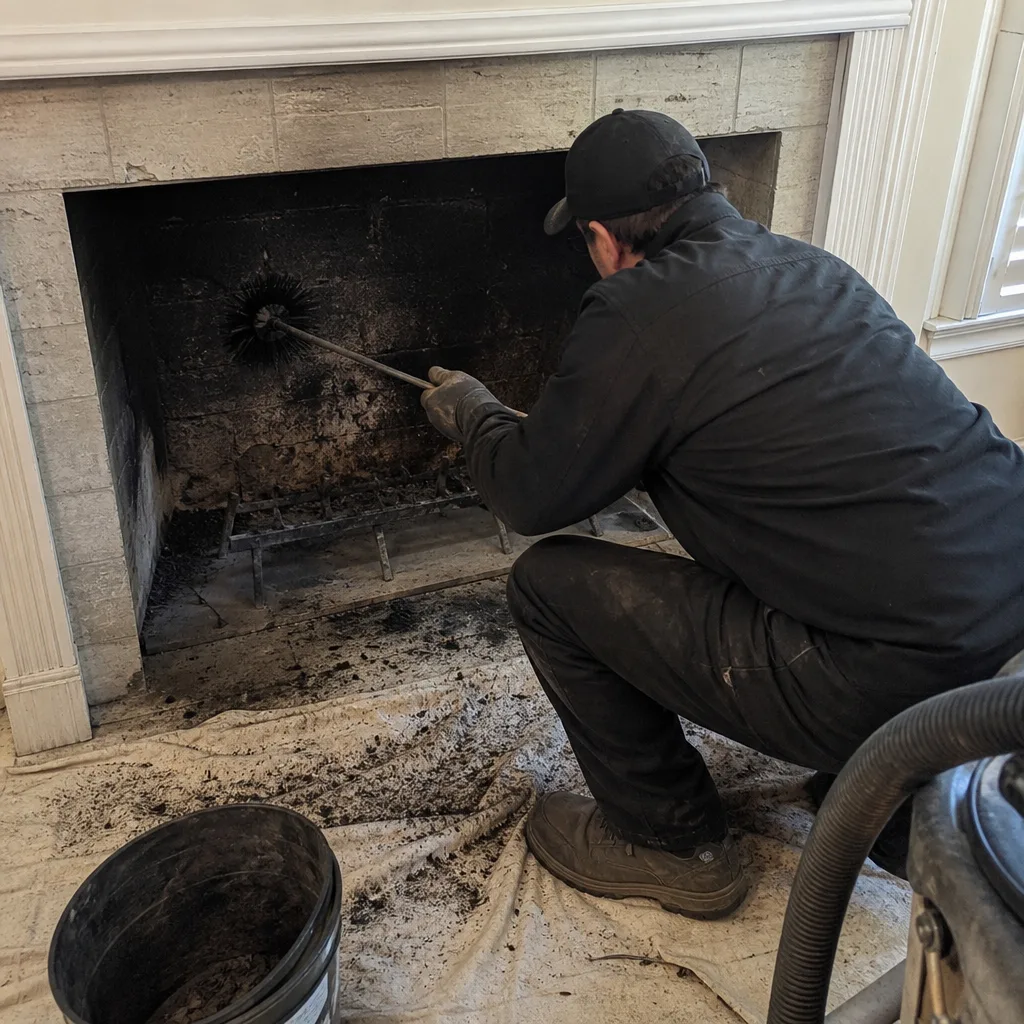
Chimney sweep logs do not sweep chimneys. They loosen some creosote - which then falls where a brush and vacuum still have to collect it.
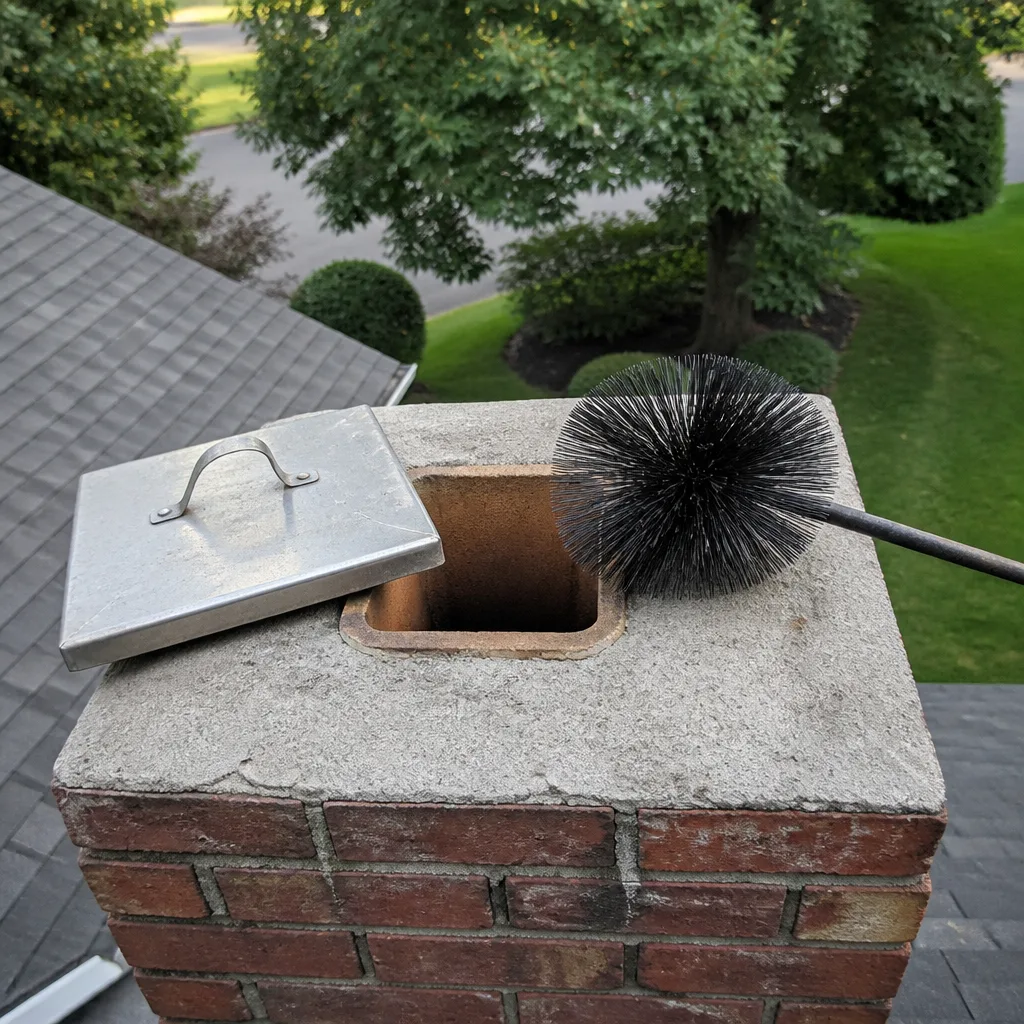
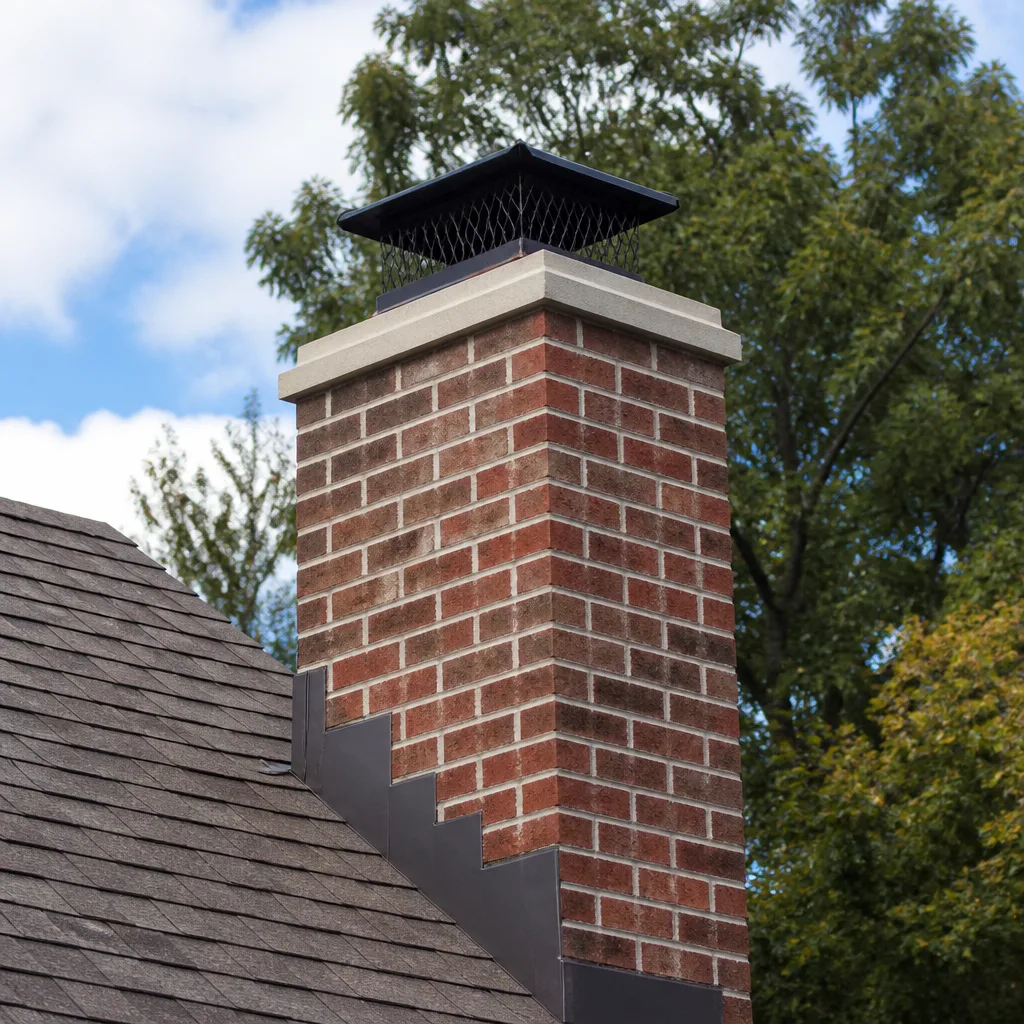
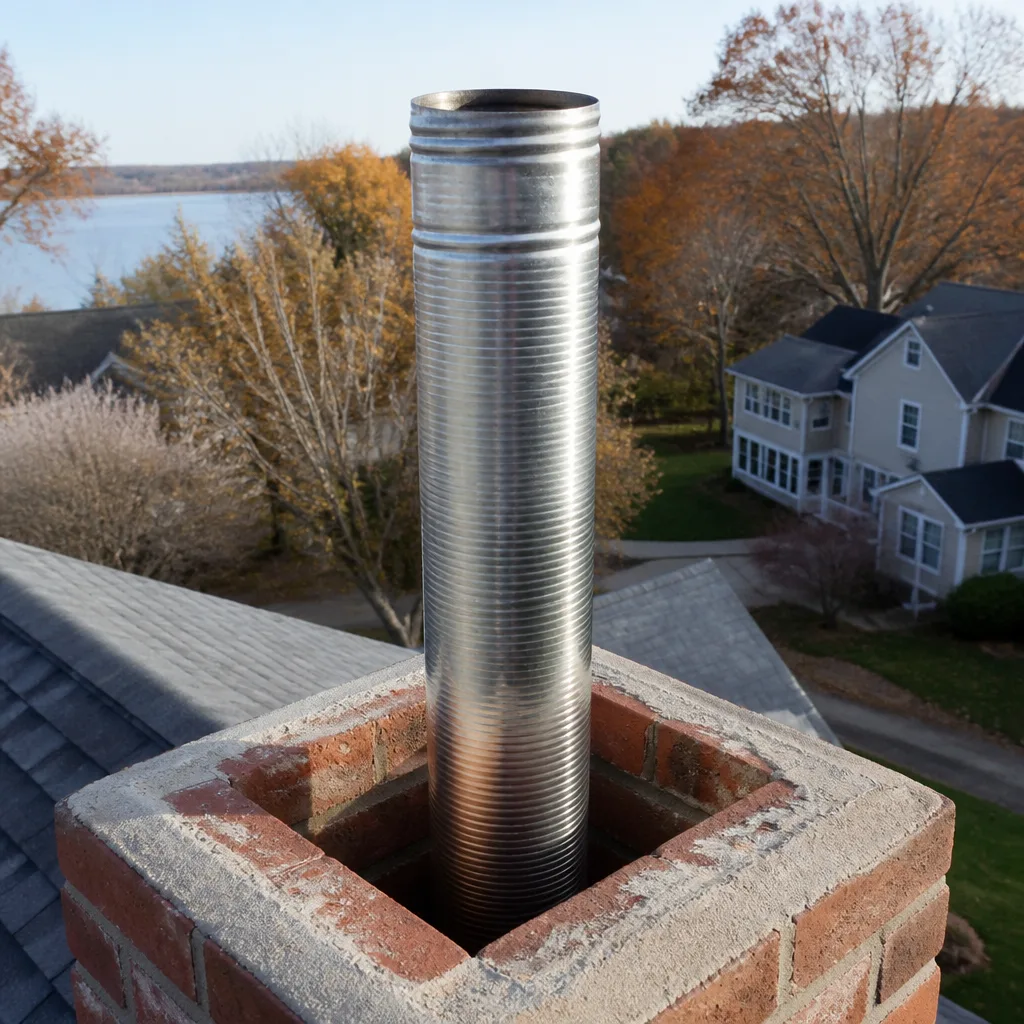
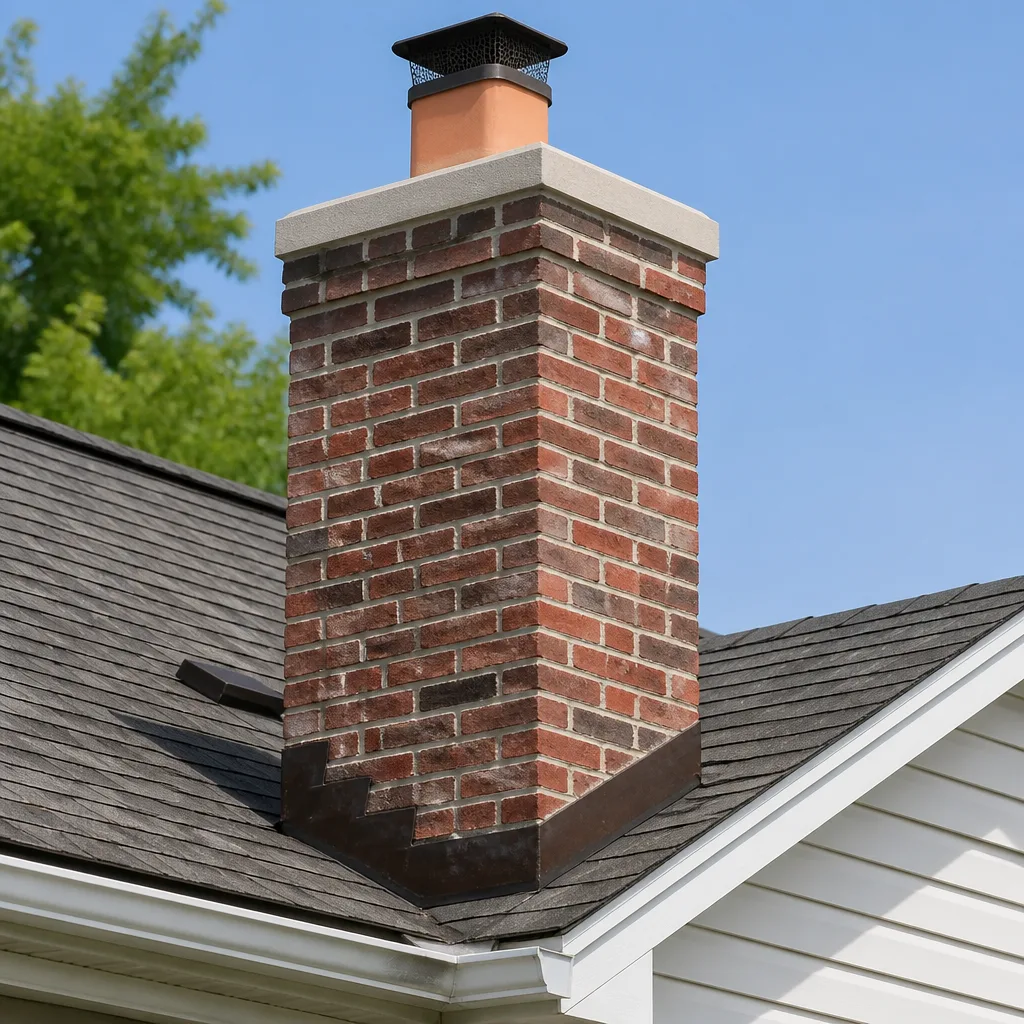
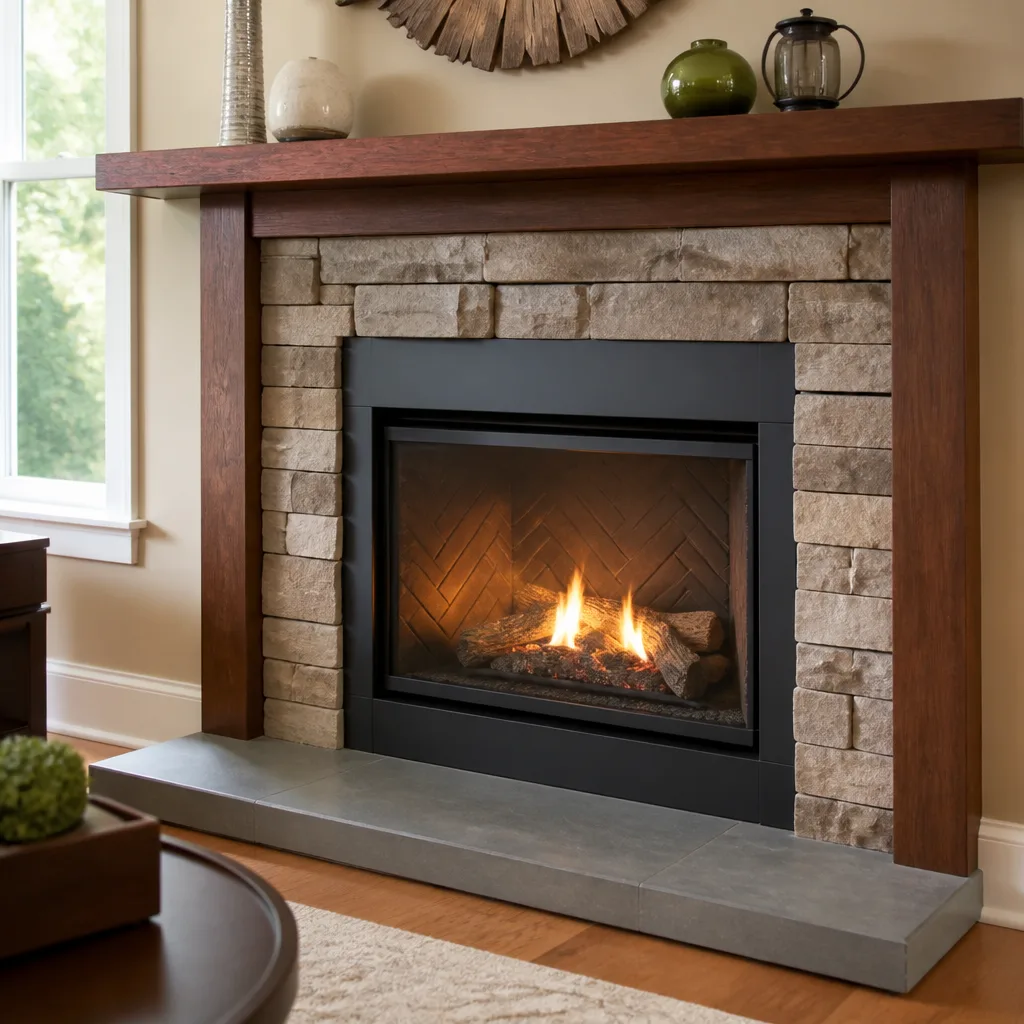
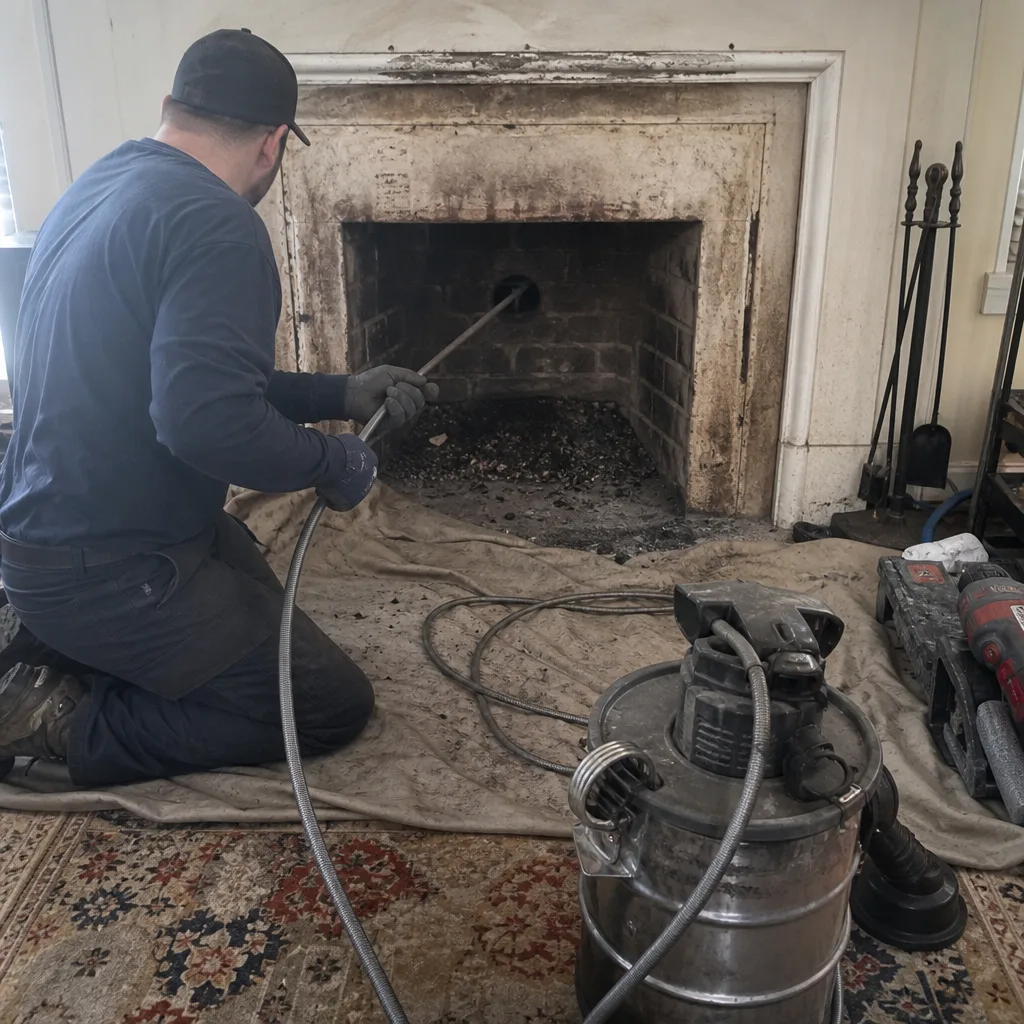 Before
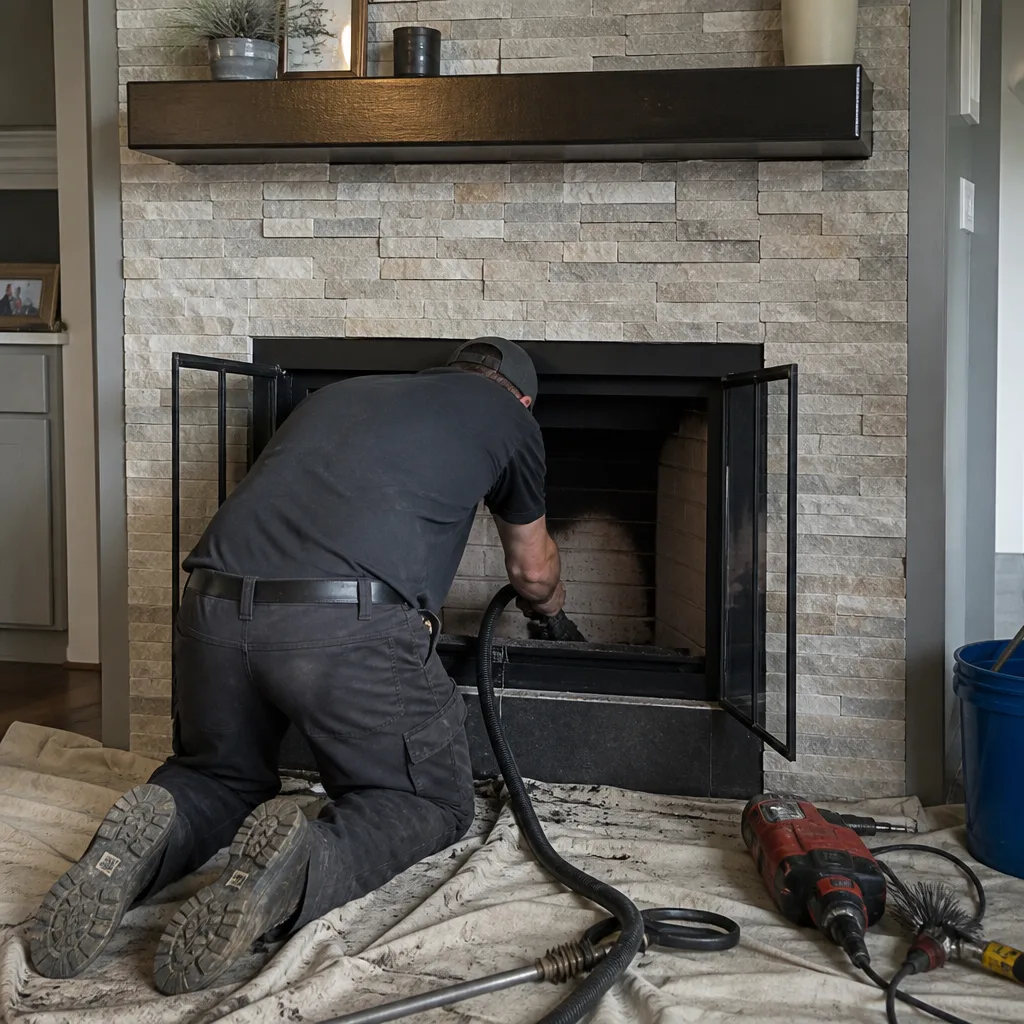 After
After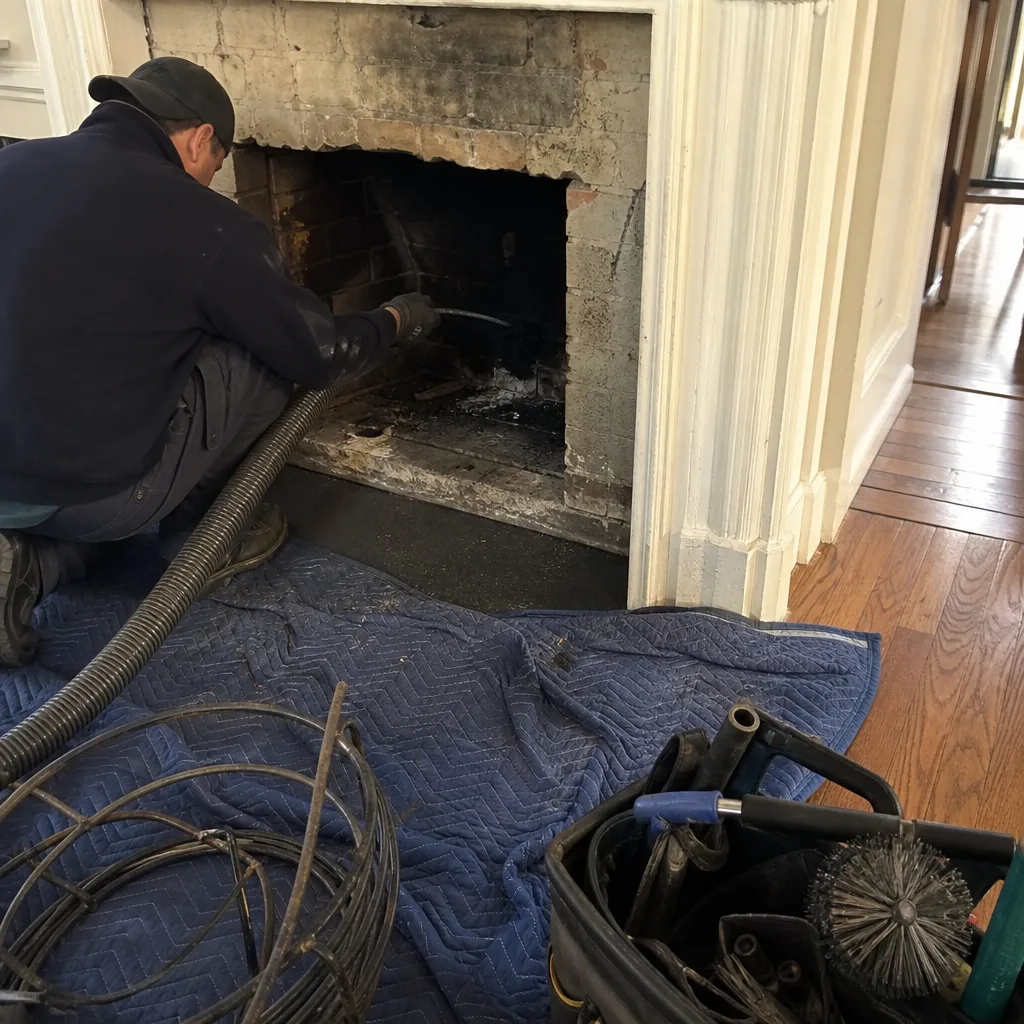 Before
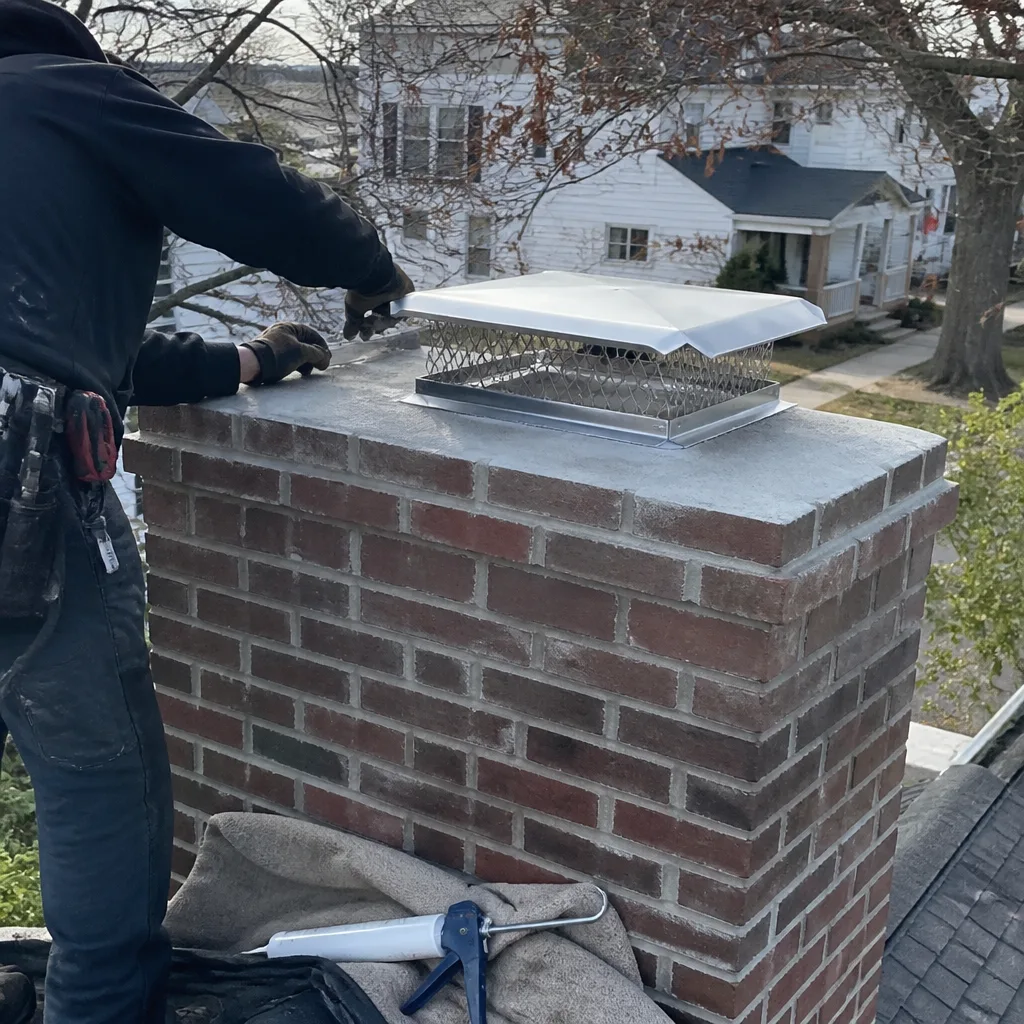 After
After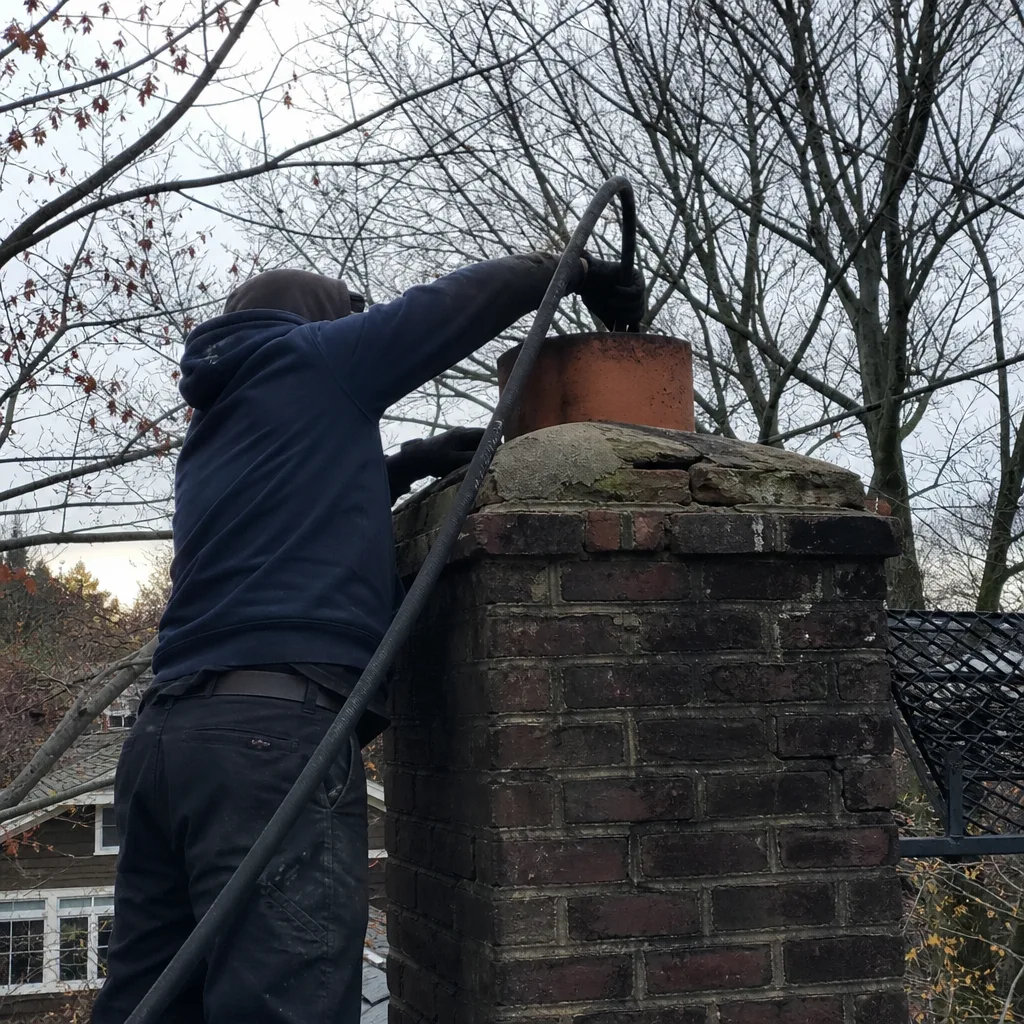 Before
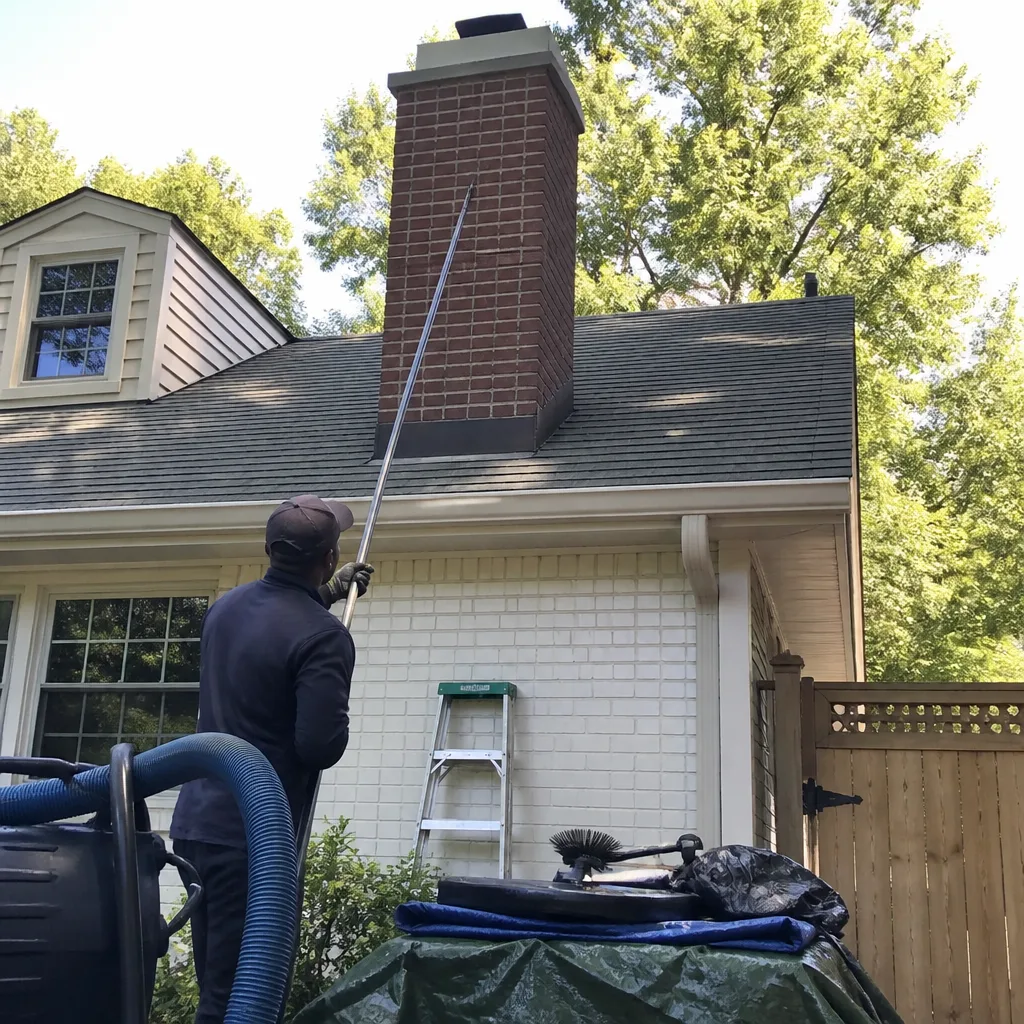 After
AfterWhy Washington Homeowners Choose HeatShield Chimney Cleaning
We provide independent Heatshield repair in Washington and chimney cleaning service across DC, focusing on the ceramic flue systems that fail in very predictable ways in this city’s older row houses. Our HeatShield work is different because we pair manufacturer-spec materials with NFPA 211 Level 2 camera inspection documentation on every job, so you see the condition of your flue before any coating goes on and after it cures. We’re not a HeatShield-authorized dealer, and we don’t pretend to be. What we are is a Washington chimney company whose techs understand exactly how HeatShield Cerfractory products behave inside 100-year-old masonry stacks subjected to mid-Atlantic freeze-thaw cycles. Call (240) 621-1264 for a written quote before any work starts.
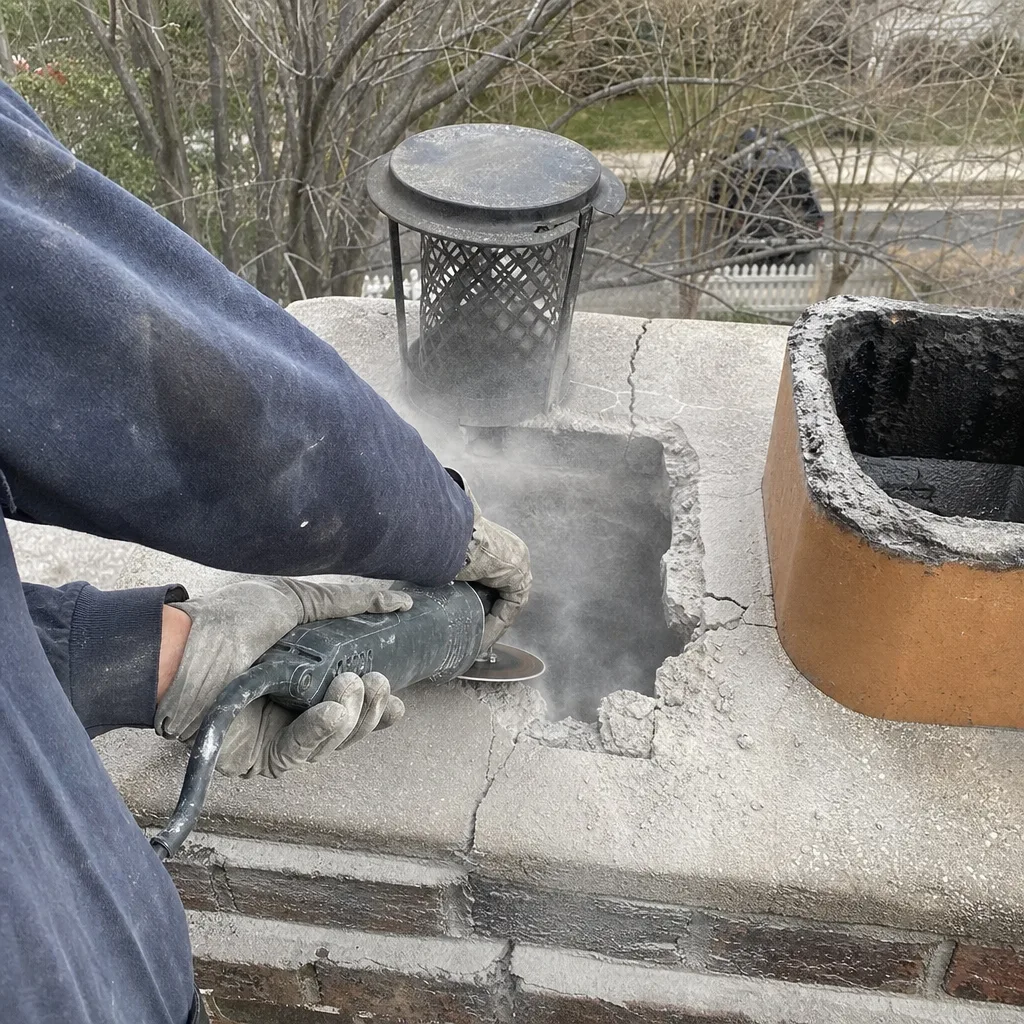
If you live in a DC brick row house built between 1880 and 1920, your chimney was engineered for coal. That matters more than most people realize. The flue dimensions, the clay tile composition, the mortar chemistry, the way the stack was parged after conversion to gas, all of it sets the stage for how a HeatShield coating will bond or fail decades later. In Capitol Hill and Shaw and Petworth, we see HeatShield systems that were installed over flue tiles that had already begun spalling, or over mortar joints that were never properly prepped. The coating then inherits the substrate’s shortcomings. Our job, as Corrine Halstead puts it, is to read what the old masonry is telling us and write down the finding, the photo reference, and the price before we ask you to decide anything.
Why Trust Level Two Chimney Washington for Your HeatShield Chimney Cleaning?
Corrine Halstead, owner of Level Two Chimney Washington, picked up her first rotary brush at a trade program through Apex Technical School in Manhattan before she’d ever seen a DC rowhouse fireplace up close. She’s spent the better part of fifteen years running our Chimney Cleaning & Sweep services and inspection work across Washington, including a stretch of older wood-framed homes near Capitol Hill where the flue liners tell stories nobody wants to read after a fire. The camera doesn’t lie, and neither does the written price.
That experience matters for HeatShield work specifically. HeatShield is not a brand you learn from a spec sheet. The Cerfractory flue sealant, the Joint Repair System, and the Resurfacing System all require surface prep decisions that depend on the condition of the original terra cotta tiles underneath. A tech who hasn’t spent time on Washington’s late-19th and early-20th century stacks won’t recognize the difference between mortar that’s ready to receive a HeatShield coat and mortar that’s quietly delaminating. We’ve inspected over 38,000 chimneys since 2009, and every one of them got a written price before work started and a documented photo record when the job was done. That’s Clause 4 of the Haven Standard, and it’s not optional on any visit we make.
We also carry genuine HeatShield materials locally in our Heatshield in Silver Spring and broader Washington service area, so we’re not waiting on a distributor in Ohio when your flue is open and the weather window is closing. And if your HeatShield system is outside what a resurfacing can honestly fix, we’ll tell you that, show you the camera footage, and write you a quote for a DuraFlex or Gelco liner instead. We’d rather you spend the right money once than the wrong money twice.
Common HeatShield Chimney Cleaning Problems We Fix in Washington
- Cracked flue tiles allowing heat and gases into the chimney chase. In DC’s row houses, the original terra cotta tiles absorb decades of thermal cycling. When a HeatShield Cerfractory coating was applied over tiles already in tension, hairline cracks in the substrate telegraph through the coating. We identify this with a Level 2 camera scan, then remove the failed section and resurface with fresh Cerfractory material matched to the flue’s temperature profile.
- Deteriorated mortar joints between flue tiles causing leaks and draft issues. Washington’s 30 to 50 freeze-thaw cycles per winter slowly powder the lime mortar in century-old stacks. HeatShield’s Joint Repair System is designed for exactly this failure, but only if the surrounding tile is sound. We camera-scan first, map the joint failures, and apply joint repair only where the substrate supports it.
- Spalling or crumbling flue tile surfaces restricting proper venting. The high summer humidity in DC drives moisture deep into already-compromised masonry, and spalling flue tile faces are what result. A HeatShield resurfacing can restore a smooth, continuous venting path, but the spalled material must be removed cleanly first. That prep work is where most rushed jobs go wrong, and it’s why we don’t rush.
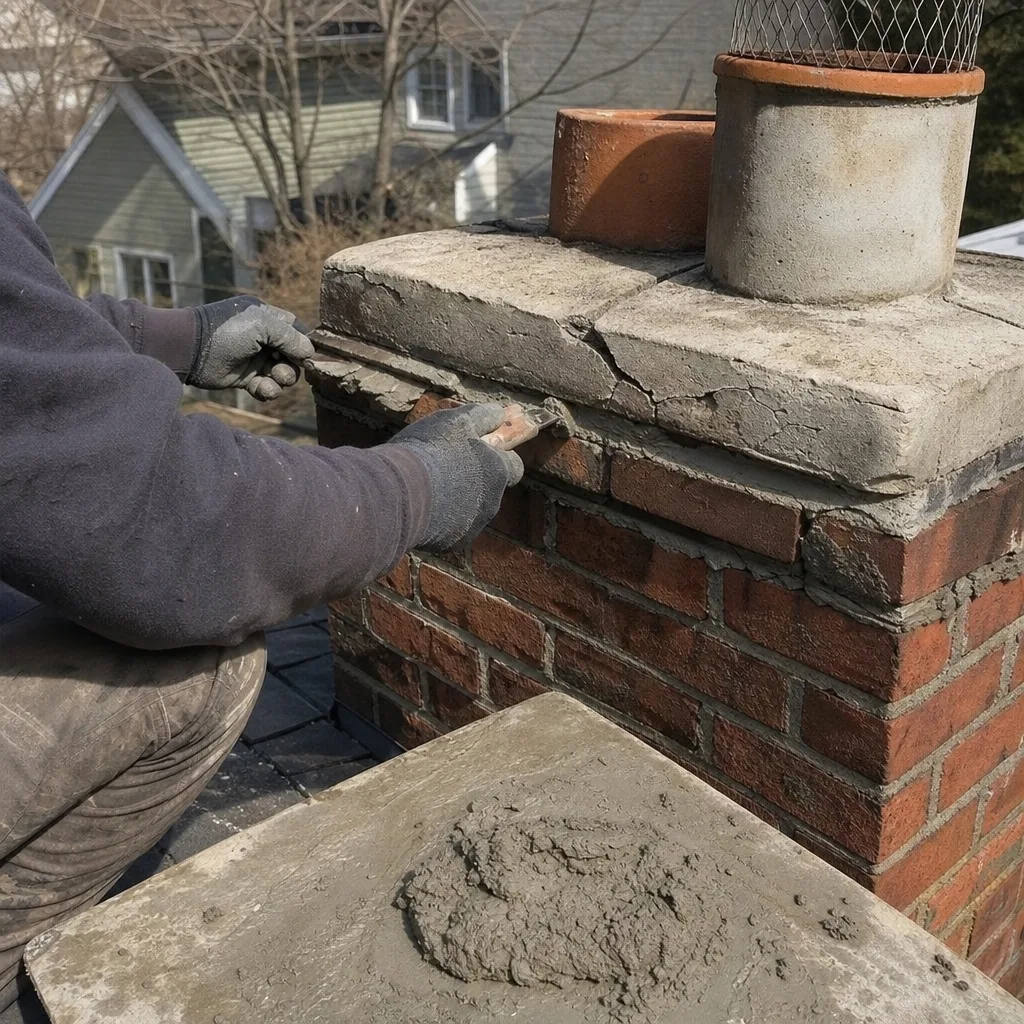
- Water intrusion through the crown accelerating HeatShield material breakdown. No flue coating outlasts a failed crown. In Washington’s historic districts, crown repair or cap replacement on a street-visible chimney may require HPO review and permits before work begins. We’ll flag that early, handle the paperwork conversation honestly, and sequence the waterproofing so you’re not repaying for a HeatShield coat that failed because water kept getting in from above.
- Creosote removal from chimneys previously converted from coal to gas, now returned to wood use. Many DC owners restoring fireplaces in renovated row houses are burning wood in flues that spent decades as gas vents. The creosote profile is different, and it often sits directly on HeatShield coatings never designed for heavy wood-burning accumulation. We remove it with rotary brushes sized to the flue, not wire wheels that scar the Cerfractory surface.
BeforeAfterHeatShield Parts & Our Repair-vs-Replace Approach
We use genuine HeatShield Cerfractory materials when repairing or resurfacing. The Cerfractory flue sealant is formulated for high-heat flue applications, and we won’t substitute a generic refractory product to shave a few dollars off a quote. That said, we are not authorized by HeatShield, and we’ll recommend a different liner material, like a DuraFlex or Gelco system, when the existing HeatShield coating is beyond what a repair can honestly restore or when you tell us you’d rather move away from ceramic coatings entirely.
Our repair-vs-replace decision is driven by three measurements: the extent of flue tile spalling, the condition of the mortar joints, and the depth of moisture intrusion we can document. If two of the three point toward replacement, we’ll say so in writing and show you the camera evidence. If a HeatShield resurfacing will buy you a decade of safe use for a third of the cost of a new liner, we’ll tell you that too. A written price, written scope, and written warranty come before anyone starts work. That’s Haven Standard Clause 1, and we’d rather lose a job than skip it. Call (240) 621-1264 if you want to talk through what your flue actually needs.
Our HeatShield Service Process - Step by Step
- 1
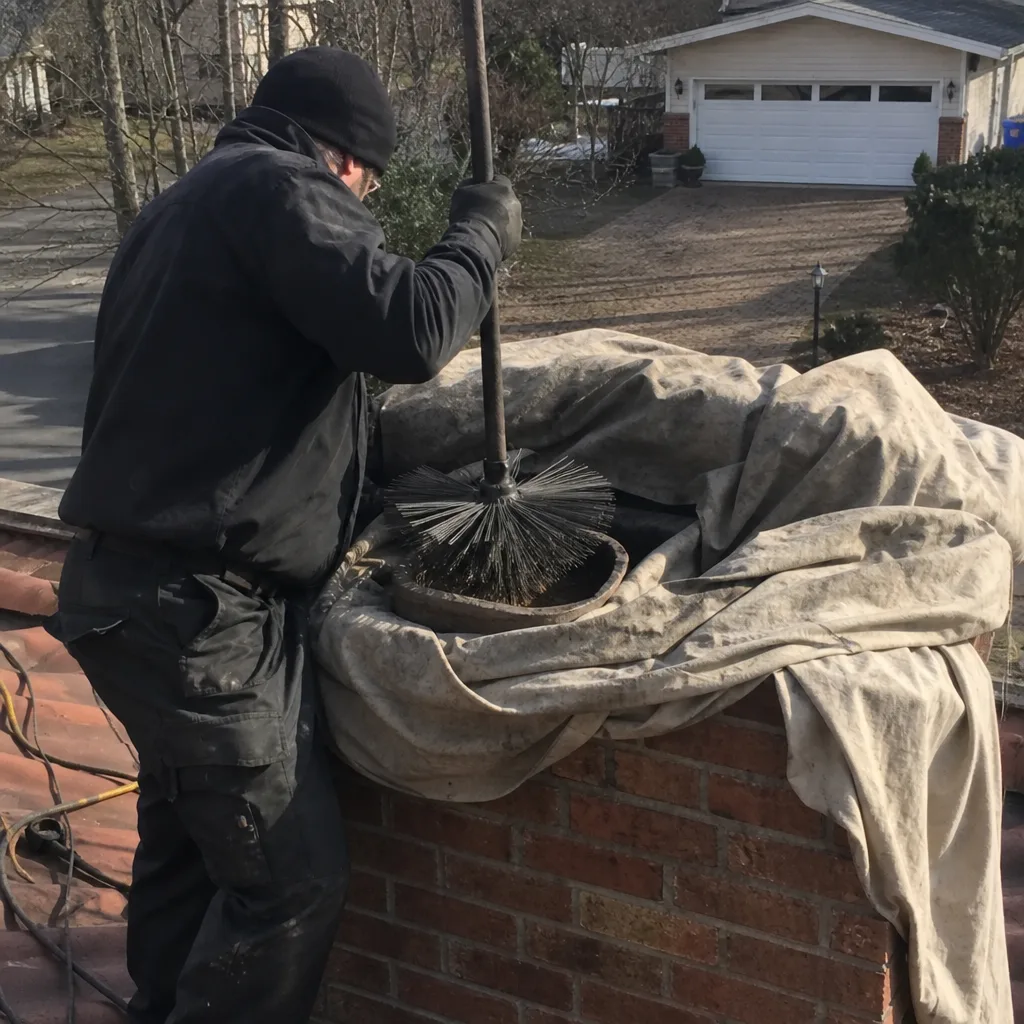
Diagnosis. We run a Level 2 camera scan down the flue and document tile condition, mortar joint integrity, and any existing HeatShield coating delamination. You get the photo record, not a summary.
- 2
Written quote. Before we touch anything, you get a written price, a written scope of work, and a written warranty. We don’t do verbal estimates on HeatShield work.
- 3
Prep and repair. We remove failed HeatShield material, clean the substrate to manufacturer spec, and apply the appropriate HeatShield product (Joint Repair, Resurfacing, or CeCure Sleeve Relining) based on what the camera showed us.
- 4
Test and document. We re-scan the flue after curing, verify draft with a pressure reading, and hand you before-and-after photos plus the written warranty. If it’s not done right, our 365-Day Done Right Promise means we make it right.
One field example from this year: our tech inspected a 1920s row house in Capitol Hill where the homeowner reported smoky odors. We found severe flue tile spalling and deteriorated mortar joints in the HeatShield Cerfractory lining. After removing creosote buildup and failed material, we resurfaced the flue with a new HeatShield coating, restoring proper draft and eliminating the odor. The homeowner walked away with a photo record showing exactly what was wrong, what we did, and what it should look like next year.
HeatShield Products We Service & Install in Washington
We service and install the full HeatShield product line: the Cerfractory Flue Sealant for minor surface sealing, the Joint Repair System for targeted mortar joint failures, the Resurfacing System for full-length flue restoration after spalling or delamination, and the CeCure Sleeve Relining System for flues that need structural reinforcement without a full tear-out. We also carry HeatShield-compatible creosote removal tools and waterproofing materials suited to Washington’s historic masonry. If your chimney has a HeatShield system installed and you’re not sure which product it is, our camera scan will tell you in about twenty minutes.
We Also Service These Brands
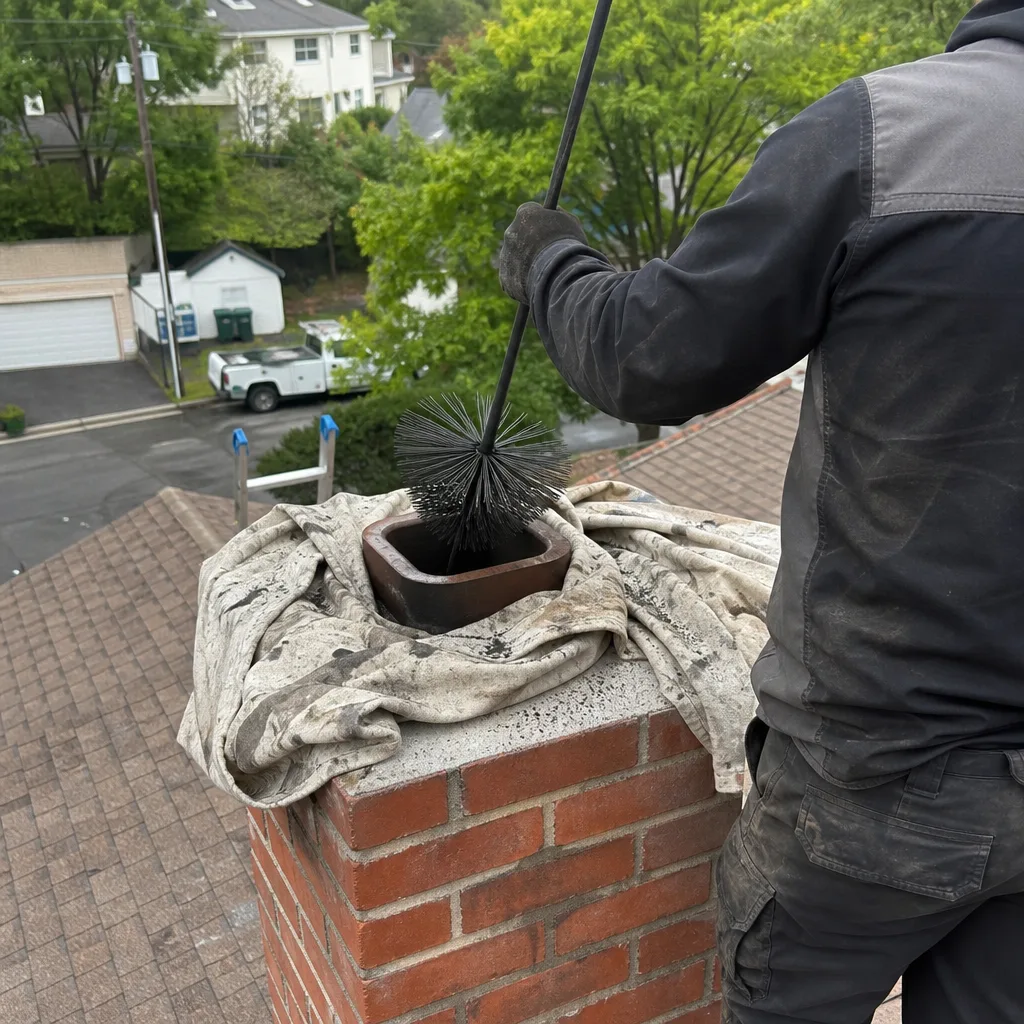
HeatShield isn’t the only chimney system we work on in Washington. We service and install DuraFlex stainless steel liners and Gelco chimney products, plus components from Olympia Chimney, Famco, and Copperfield. If you’re weighing a HeatShield ceramic coating against a stainless liner, we’ll give you straight numbers for both and let the flue condition drive the decision. Our loyalty is to the chimney, not to any single manufacturer.
FAQs - HeatShield Chimney Cleaning Service in Washington
Yes, if the cracking is limited to surface-level tile fractures and the mortar joints are still holding. The HeatShield Resurfacing System is designed to bond to the interior flue surface and create a continuous, smooth venting path without removing the old tiles. But the key word is “if.” When a tile has shifted out of plane or the mortar bed has started to powder, resurfacing over it just means the new coating inherits a failing foundation. We camera-scan before any HeatShield work and tell you in plain terms whether your cracked tiles are good candidates or whether you’re looking at a CeCure Sleeve or a full liner replacement. Call (240) 621-1264 and we’ll put a camera down your flue and show you what we see.
Most HeatShield resurfacing jobs in Washington take one to two days on site, with an additional 24 to 48 hours of cure time before the flue is ready for fire. The prep work is what takes time. Removing failed material, cleaning the substrate, and masking off the firebox properly can’t be rushed without compromising the bond. In a DC row house with a tight alley or a shared party wall, access sometimes adds a day. We’ll give you a written timeline with your written quote.
HeatShield is a ceramic coating system, not a structural liner. The Cerfractory material is troweled or sprayed onto the interior surface of an existing flue, bonding to the terra cotta tiles to create a smooth, insulated, heat-resistant surface. A stainless steel liner, by contrast, is a freestanding tube installed inside the flue, typically with insulation around it. The right choice depends on the structural condition of your existing tiles. If the tiles are largely sound but the surface is deteriorated, HeatShield works. If the tiles are shifted, heavily cracked, or the mortar joints are failing, a structural liner may be the honest answer.
Joint Repair targets the mortar joints between flue tiles, the places where heat and gases leak when the old lime mortar degrades. It’s a localized application. Full Resurfacing coats the entire interior flue surface, sealing tile faces and joints in one continuous layer. In Washington’s freeze-thaw climate, we often find that joint repair alone is insufficient because the tile faces themselves have begun to spall. That’s why we camera-scan and measure before recommending one over the other. The right call is the one the flue condition dictates, not the one that’s cheaper to quote.
Yes, in most cases. Once a stainless liner is pulled, the underlying flue tiles are usually intact enough to receive a HeatShield coating, though we always camera-scan first to document what the liner removal left behind. Sometimes the stainless liner was installed because the tiles were already compromised, which means the HeatShield application now has to address the original problem, not just the surface. We’ll tell you which situation you have before you spend a dollar on coating.
A HeatShield-serviced chimney cleaning in Washington typically runs $189 to $329 for a standard one-flue sweep with a Level 2 camera inspection and photo record. A HeatShield Joint Repair job usually falls between $750 and $1,500 depending on how many joints need work. Full HeatShield resurfacing in a DC row house chimney generally runs $2,800 to $5,500, depending on flue height, access, and the condition of the tile underneath. These are the numbers we write down before we start. Call (240) 621-1264 for an exact quote based on your flue, your photos, and your chimney’s history.
Book Your HeatShield Service in Washington, DC
We camera-scan every HeatShield flue before we quote it, and we put the price, the scope, and the warranty in writing before any work starts. If you’re in Washington, DC or nearby and need Heatshield service in Arlington, cleaning, repair, or an honest second opinion, call (240) 621-1264. We answer the phone 24/7, and we’ll bring the camera.
Written by Corrine Halstead, Owner at Level Two Chimney Washington, serving Washington, DC since 2009.