
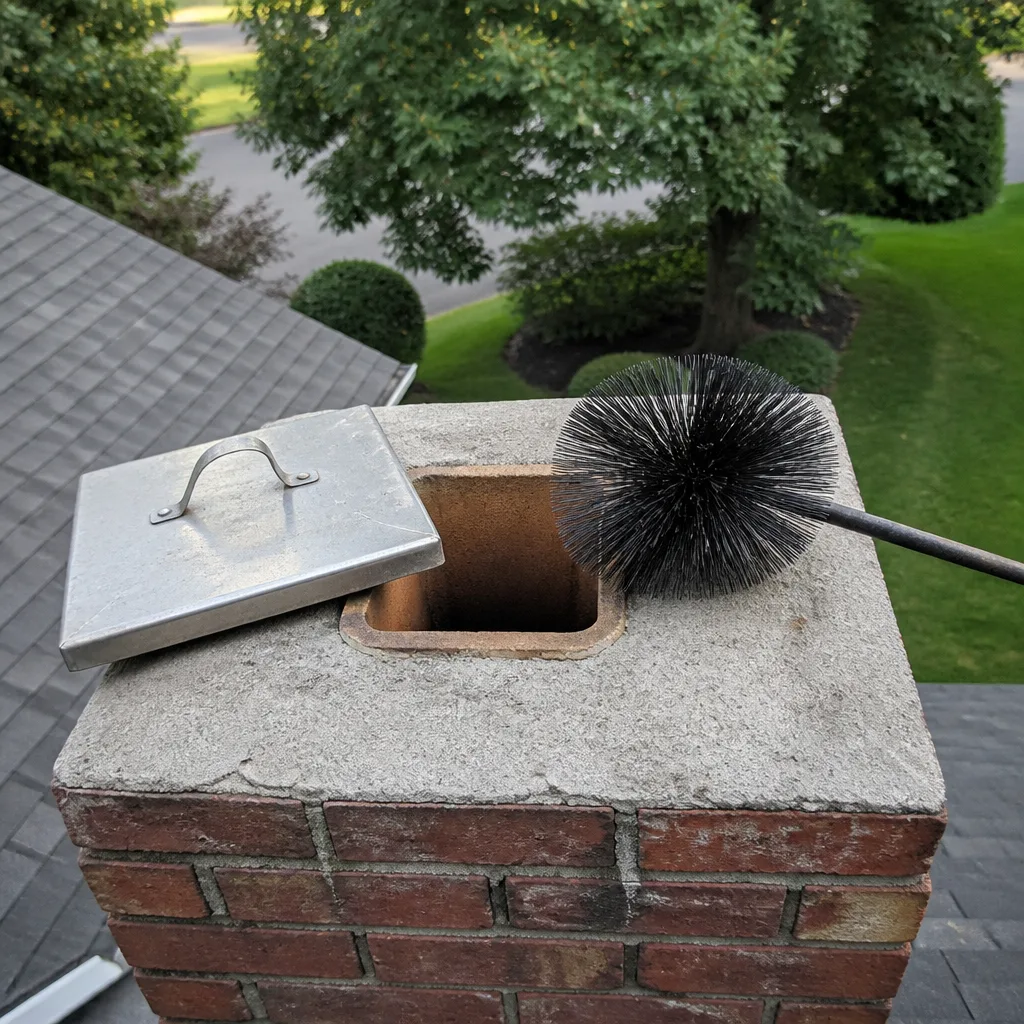
Level 1 sweep and inspection to the NFPA 211 annual standard - flue, crown, cap, and flashing checked and photographed
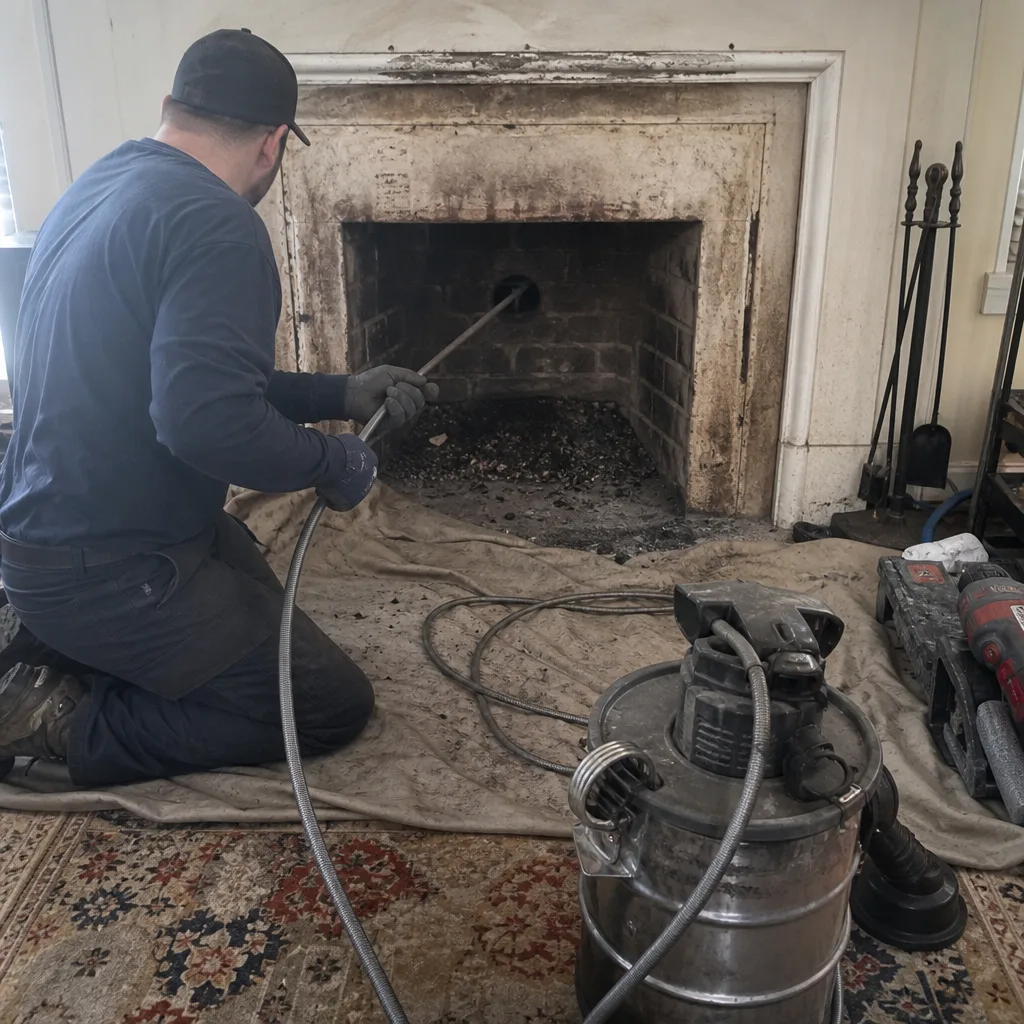
Chimney sweep logs do not sweep chimneys. They loosen some creosote - which then falls where a brush and vacuum still have to collect it.
 Before
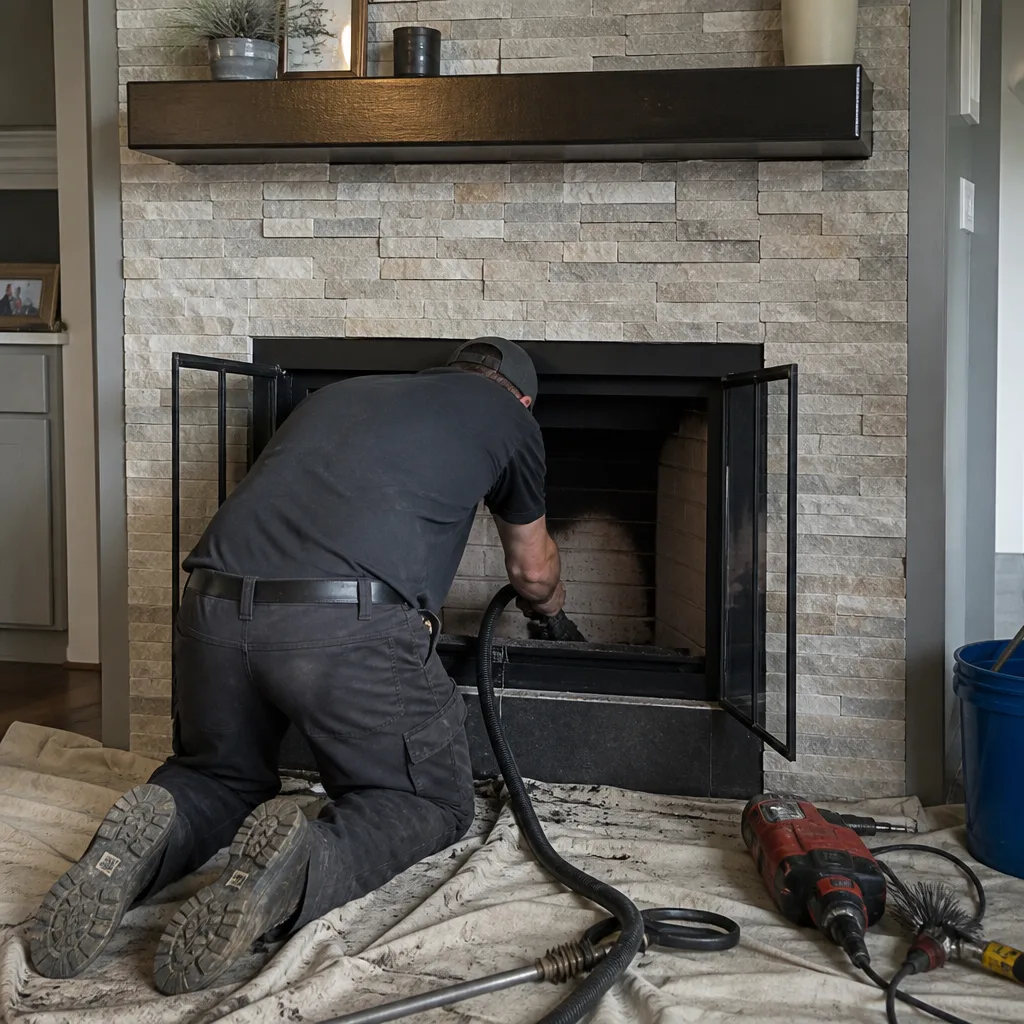 After
After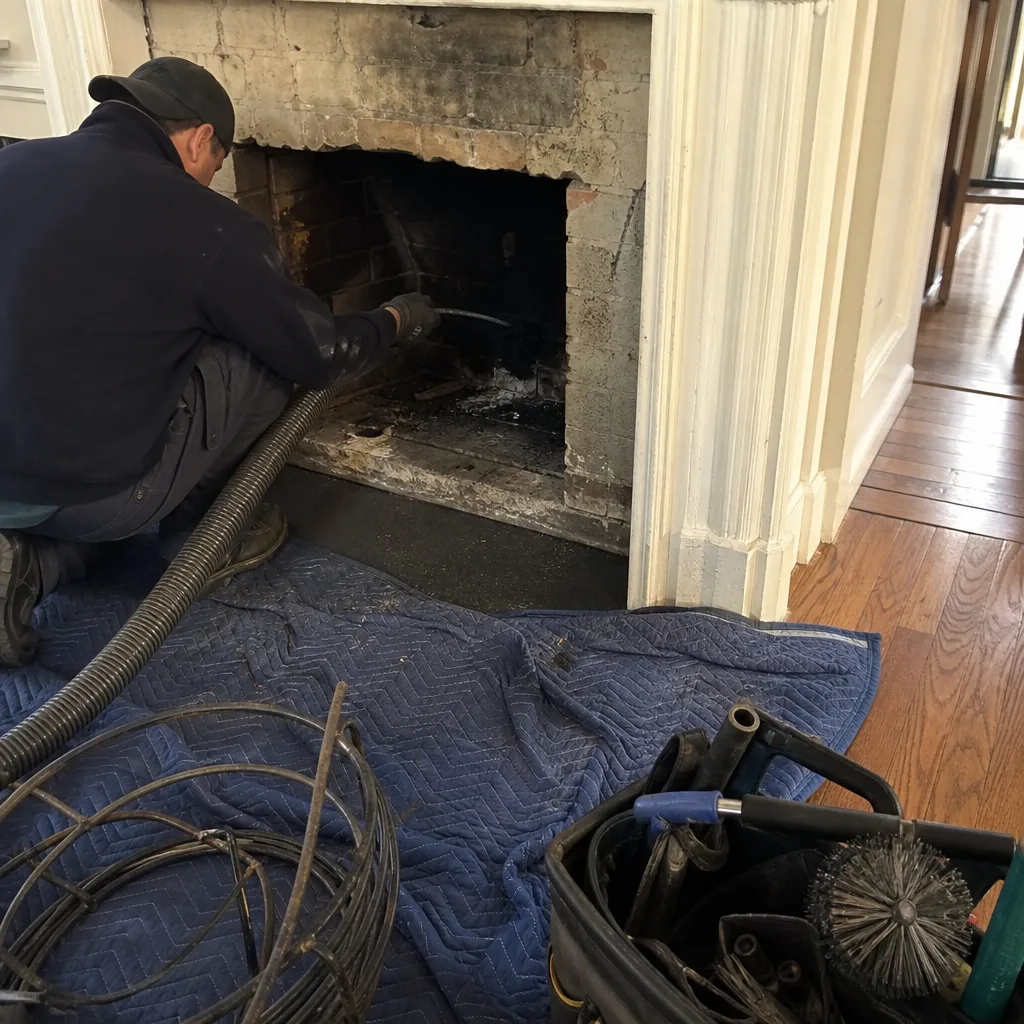 Before
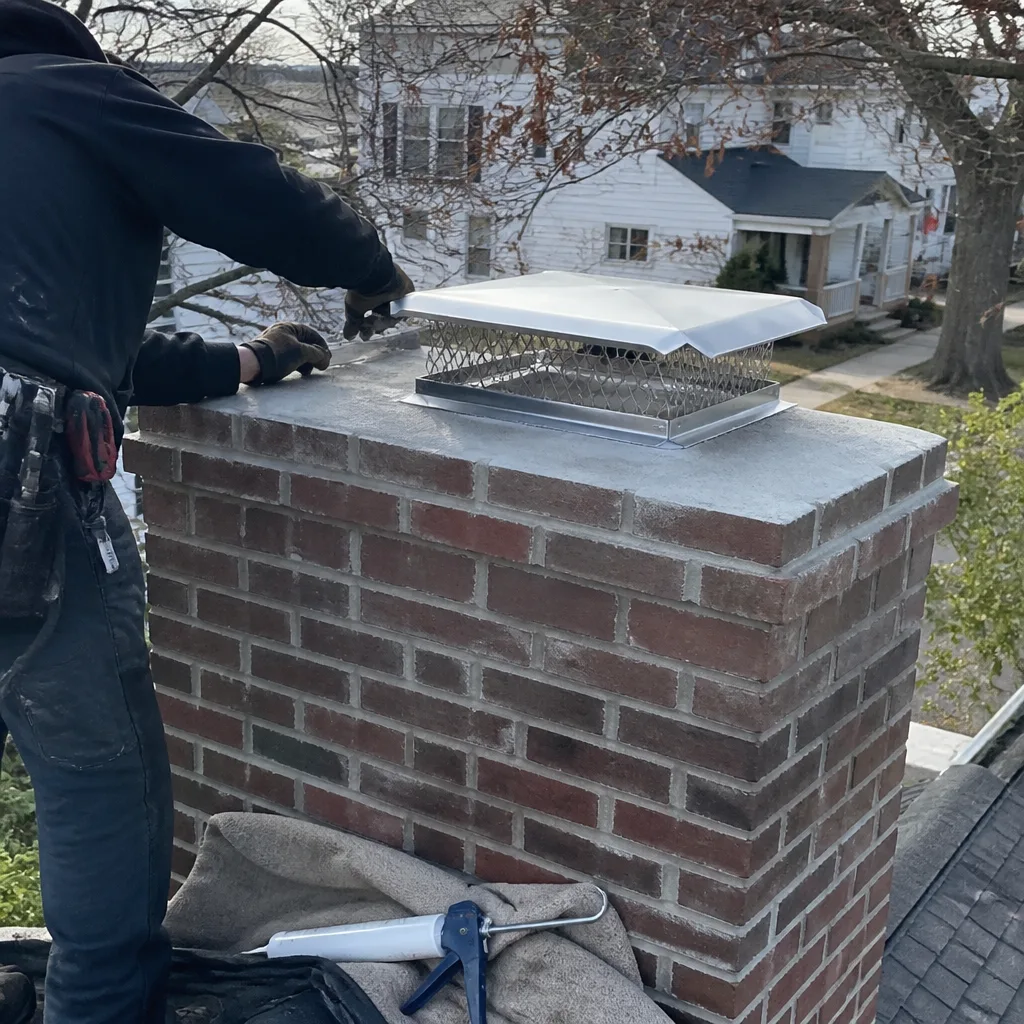 After
After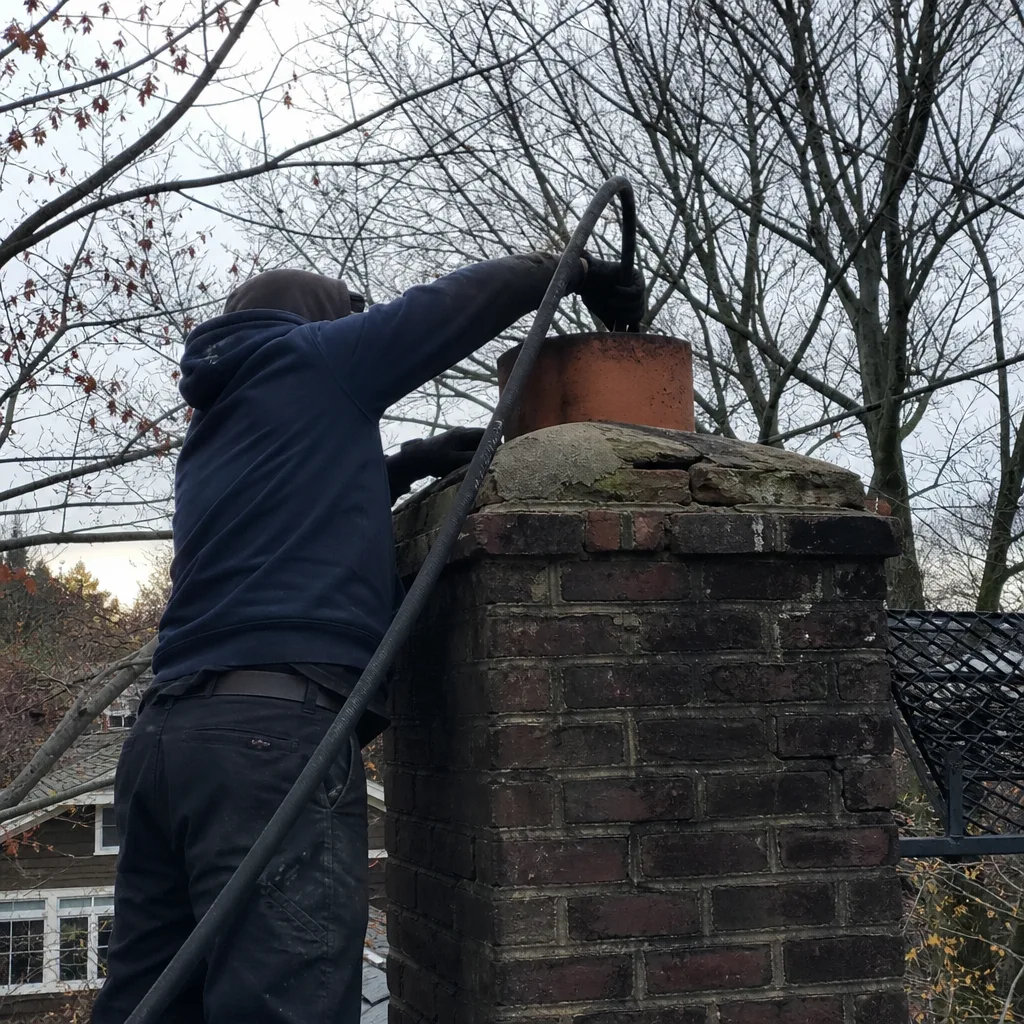 Before
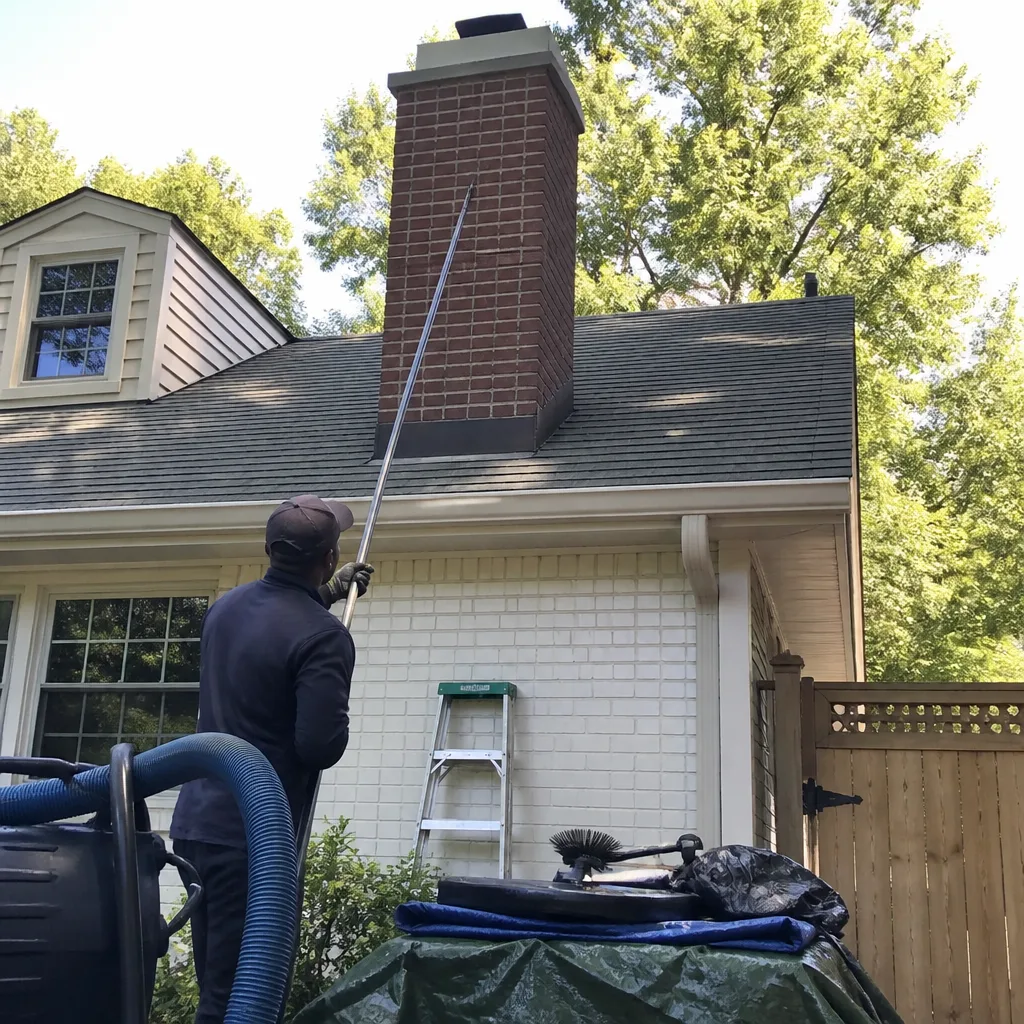 After
AfterHow Much Does Chimney Liner & Rebuild Cost in Washington, DC?
Our Chimney Liner & Rebuild services in Washington, DC typically run $1,800 to $5,500 depending on liner type, flue length, and the condition of what’s already in the chimney. A partial rebuild – repairing the smoke chamber, crown, or damaged flue sections – generally adds $600 to $3,200 on top of that. Most Washington homeowners with a standard 15-to-20-foot flue and a stainless steel liner system are looking at a total project cost somewhere between $2,400 and $4,800, with written price in hand before anyone touches the chimney.
Chimney Liner and Rebuild Cost Breakdown (2026)
Below are current price ranges reflecting actual jobs in the Washington, DC market. These aren’t national averages pulled from a database – they reflect what liner and rebuild work costs here, in a city where brick row houses in Capitol Hill and mid-century colonials in Chevy Chase have very different flue configurations, and where permit requirements and material delivery costs are distinct from suburban Maryland or Northern Virginia.
| Service | Typical Washington, DC Range (2026) | Notes |
|---|---|---|
| Stainless steel flexible liner (standard, single-story flue) | $1,800 – $2,800 | Most common liner type; used for gas and wood-burning fireplaces |
| Stainless steel flexible liner (two-story or 20+ ft flue) | $2,600 – $4,200 | Taller row houses in Georgetown, Shaw, Columbia Heights |
| Cast-in-place liner (HeatShield or poured ceramic) | $3,500 – $7,000 | Used for severely deteriorated clay tile flues or unusual flue shapes |
| Clay tile liner replacement (per section) | $300 – $700 per tile | Spot repairs when only a few tiles are cracked; full replacements are typically more than a relining |
| Smoke chamber parging (resurfacing the smoke chamber) | $400 – $900 | Often needed on DC row houses with corbelled brick smoke chambers; HeatShield product frequently specified |
| Chimney crown repair or rebuild | $350 – $1,200 | Full cast crown rebuild on the high end; crack sealing on the low end |
| Partial flue rebuild (damaged or spalled brick sections) | $800 – $3,200 | Spalling – where the brick face breaks away – is extremely common in DC’s freeze-thaw climate |
| Full chimney rebuild from roofline up | $4,500 – $12,000+ | Includes liner; older homes in Takoma DC and Petworth sometimes need this after decades of deferred maintenance |
| Level 2 camera inspection (required before liner work) | Included as standard | Haven Standard Clause 4 – documented photo record, written scope before work starts |
A few things move that number up or down quickly. The age and configuration of the flue matter most in Washington’s housing stock – a 1920s row house in Bloomingdale often has a taller, narrower flue than a 1960s split-level in Shepherd Park, and the liner diameter needed to fit it will differ. If the existing clay tile liner has separated joints or spalling tile faces (visible on camera), the cost of pulling the old material or working around it adds to the project. And if DC building permits are required for the scope of work, expect an additional $200 to $600 in permit fees that don’t show up in most out-of-market pricing guides.
All prices above reflect a written quote before work begins – no surprises after the technician is already on your roof. That’s not a marketing line; it’s how every job works under the Haven Standard.
What Affects Chimney Liner and Rebuild Pricing in Washington, DC
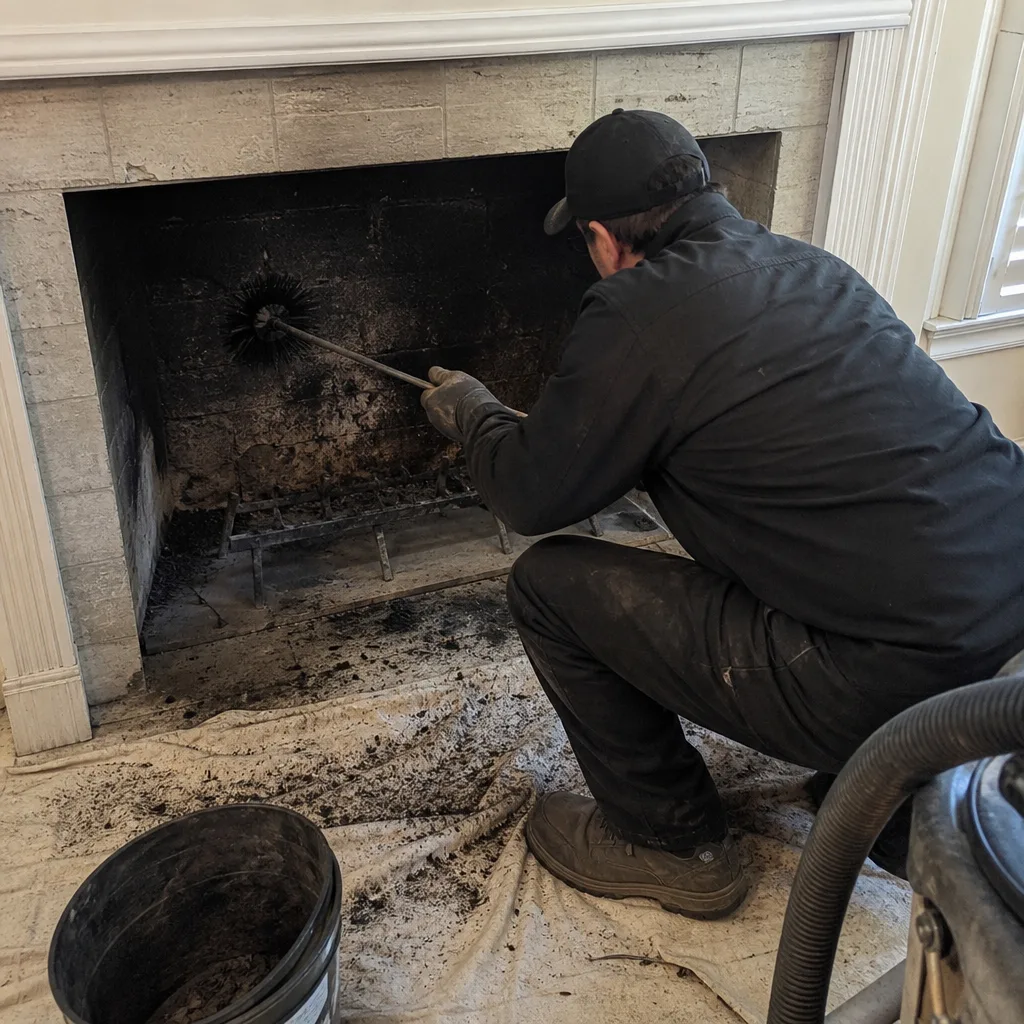
- Flue height and diameter. Washington’s older row houses – particularly in areas like LeDroit Park, Trinidad, and Brookland – frequently have 25-to-30-foot flues that require substantially more liner material than a typical suburban fireplace. Every additional foot of stainless flex liner adds to the material cost, and taller installations require more setup time.
- Liner type selected. Stainless steel flexible liners (we source from DuraFlex and Olympia Chimney) are the most common choice for wood-burning and gas applications. Cast-in-place systems like HeatShield ceramic resurfacing cost more but are sometimes the only correct answer when the flue shape is non-rectangular or the clay tile has deteriorated beyond spot repair. The liner type isn’t a preference – it’s determined by what the camera finds.
- Condition of existing clay tile liner. DC homes built before 1950 almost universally have clay tile flue liners, and many of those tiles are cracked, separated at joints, or missing entirely. When the camera shows significant damage, the scope of work expands. A liner dropped into a clean flue is a half-day job. A liner installed while working around buckled tile or removing debris is a full-day job with higher labor costs.
- Freeze-thaw spalling on the exterior stack. Washington’s winters are wet enough and cold enough to cause repeated freeze-thaw cycling in mortar joints. We see this regularly in neighborhoods like Petworth and Takoma DC, where homes have gone 15 or 20 years without a proper tuckpointing cycle. If the exterior stack needs partial or full rebuilding before a liner can be safely installed, that work runs separately and is scoped and priced in writing before anything else happens.
- Smoke chamber condition. The smoke chamber – the tapered section between the firebox opening and the bottom of the flue – is often corbelled brick in older DC construction, which is no longer code-compliant in new builds and creates turbulence and creosote accumulation. Pargeting (resurfacing with refractory mortar or HeatShield) before liner installation adds cost but is often necessary for the system to draft correctly after relining.
- Permit requirements. DC building permits for chimney liner and rebuild work vary by scope. A straight liner replacement on an existing system may not require a permit; a partial or full rebuild generally does. We pull the correct permits when required. If a contractor skips that step, the homeowner inherits the problem at resale. Permit fees are disclosed in the written quote, not added afterward.
- Access and staging. Row houses with shared walls, homes with slate roofs, and properties that require scaffolding rather than a ladder setup all affect labor cost. A chimney in Capitol Hill with a steep-pitch roof and no staging area costs more to work on than a chimney on a flat-roof townhouse in Navy Yard. The written scope includes access method and any staging cost before work starts.
BeforeAfterChimney Liner vs. Chimney Rebuild: What’s the Difference?
This comes up a lot in Washington because the two services often get conflated in contractor proposals – or one gets quoted when the other is actually what’s needed.
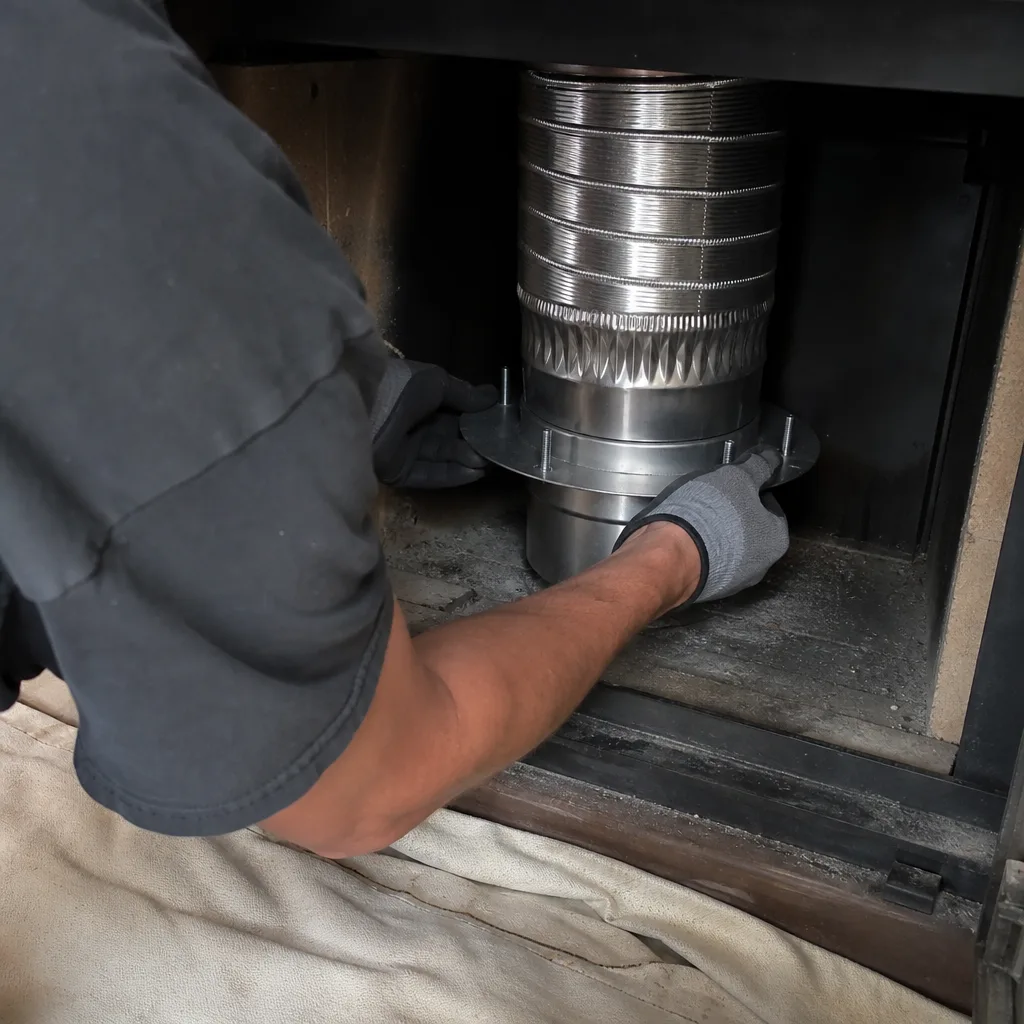
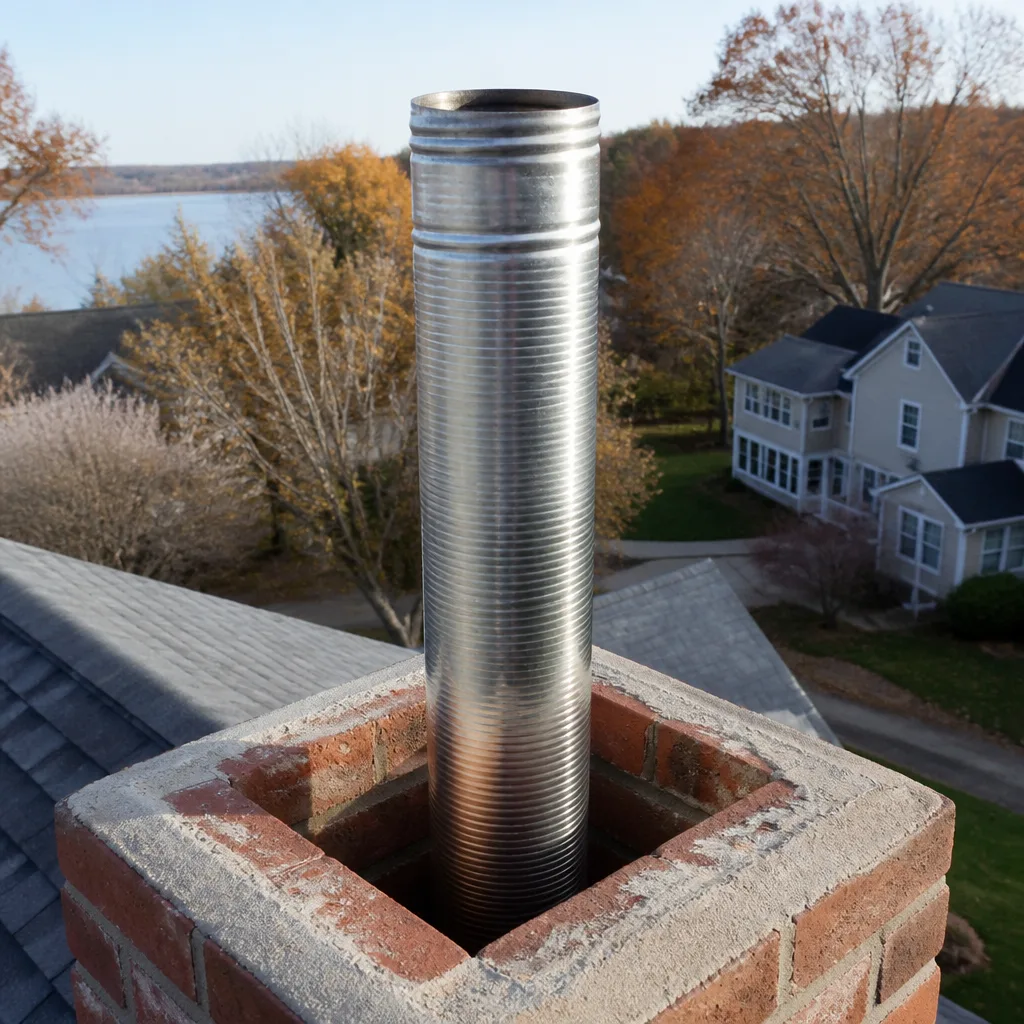
A chimney liner is the interior tube that carries combustion gases from the firebox out through the top of the chimney. Every code-compliant chimney in DC needs one. The liner protects the surrounding masonry from heat and corrosive gases, and a deteriorated liner is a carbon monoxide and fire risk. Installing a new liner – typically stainless steel flexible system or a cast-in-place resurfacing – doesn’t change the exterior masonry. It’s interior work.
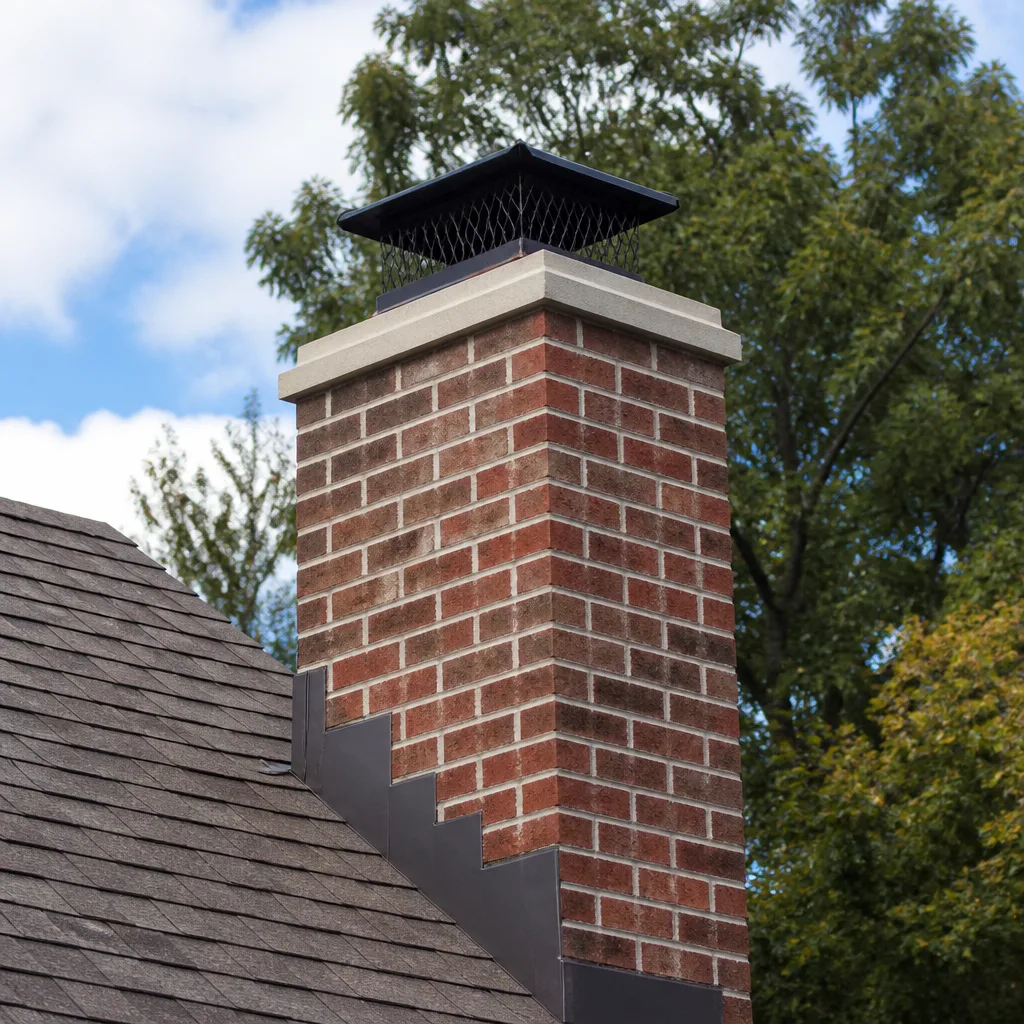
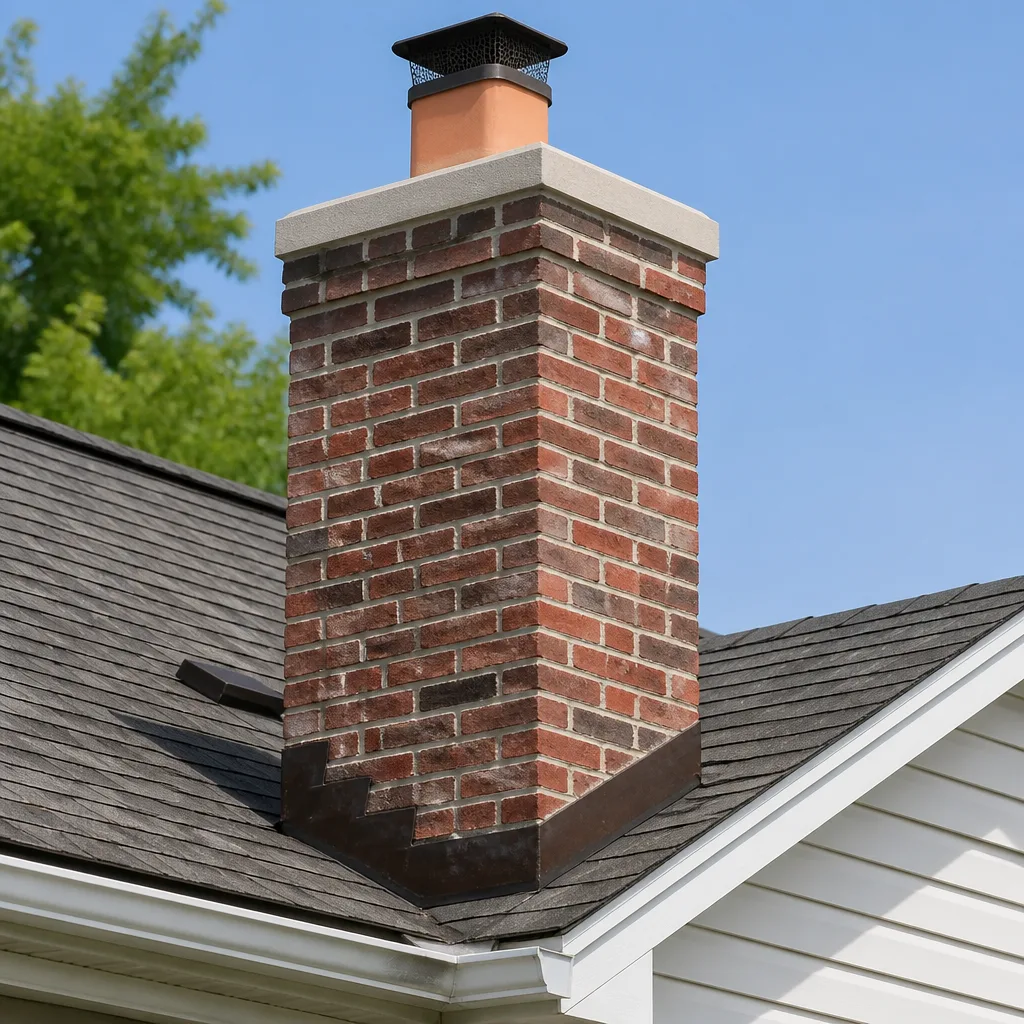
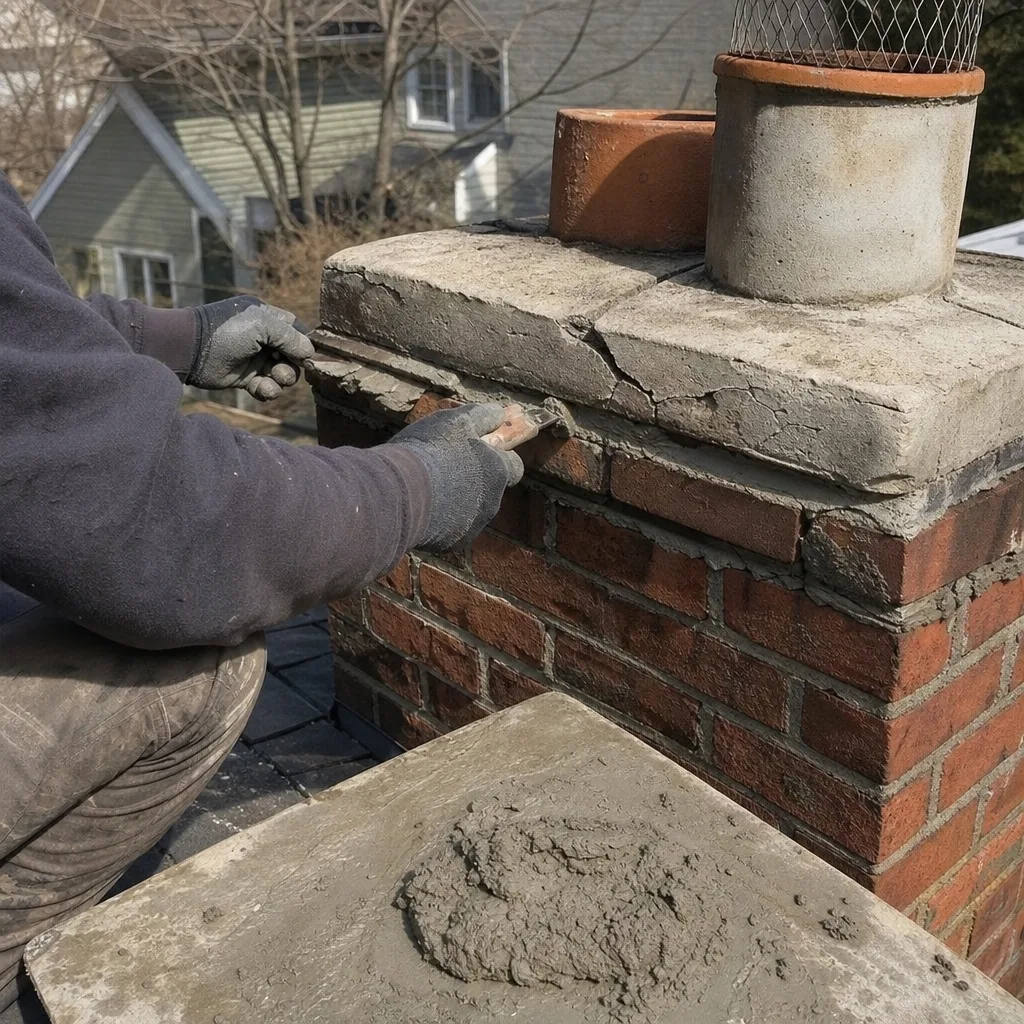
A chimney rebuild addresses the masonry itself: the brick and mortar that form the stack above the roofline, the smoke chamber, the crown, or portions of the firebox. Spalling brick, failed mortar joints, and a cracked or missing crown are all rebuild triggers. In Washington’s historic neighborhoods – Georgetown, Capitol Hill Historic District, Kalorama – any exterior masonry work on a contributing structure may require review under DC’s historic preservation guidelines. We handle that coordination; it’s not the homeowner’s problem to navigate alone.
Frequently, both are needed at the same time. The liner is failing because water got in through a compromised crown or deteriorated mortar joints, and the exterior stack also has visible damage. In that case, the correct sequence is rebuild first, liner second – and a camera inspection tells us the full picture before any scope is written.
Washington, DC-Specific Liner Issues We See Regularly
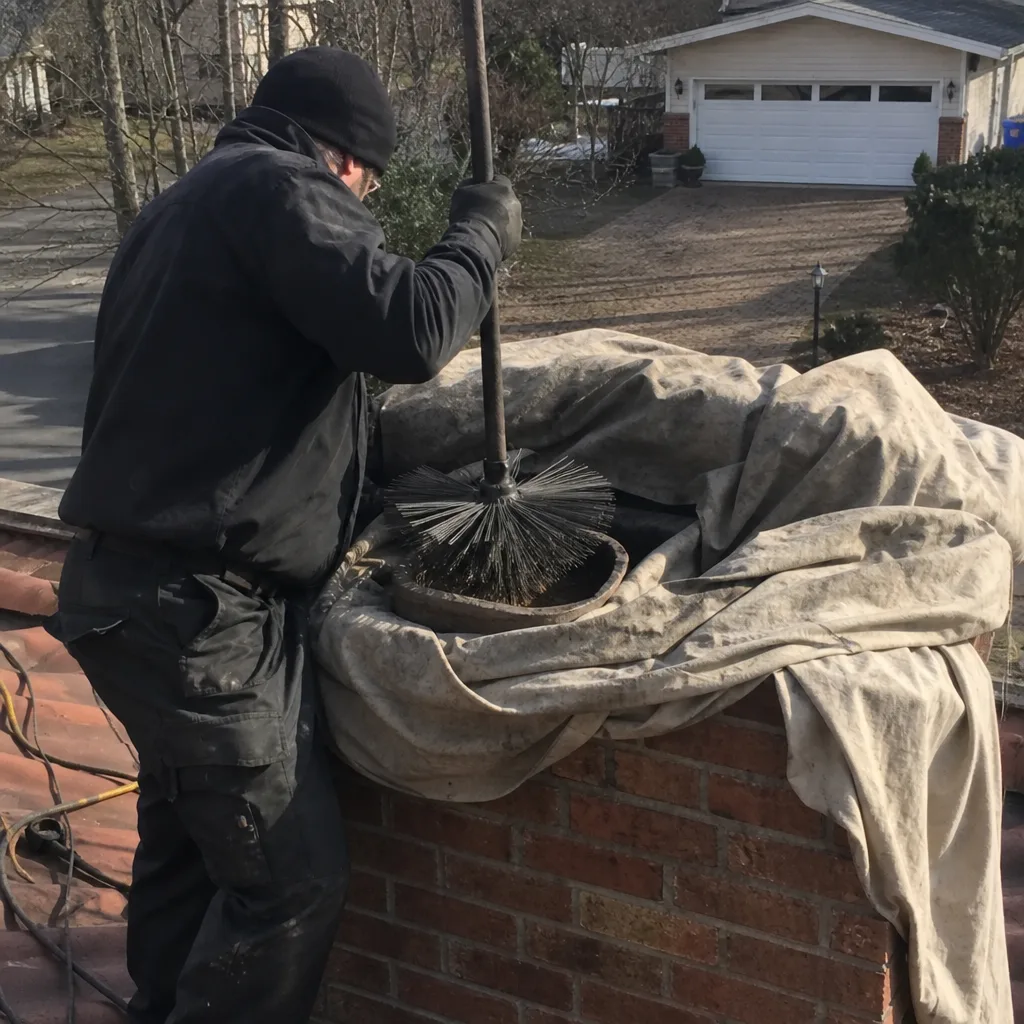
After inspecting and documenting more than 38,000 chimneys since 2009 – every one with a camera and a written record – we can say with specificity what goes wrong in Washington’s housing stock and why.
In Capitol Hill and the H Street corridor, the most common issue is separated clay tile liner joints combined with corbelled smoke chambers that were never pargetted. The combination means smoky fireplaces and elevated CO risk. Relining with a DuraFlex stainless system and pargeting the smoke chamber with HeatShield typically resolves both in a single visit.
In Petworth and Columbia Heights, older masonry stacks have often gone through multiple ownership cycles without proper maintenance. We regularly find exterior spalling so advanced that the liner work can’t proceed until at least a partial rebuild is done. Homeowners are sometimes surprised by this – they called for a liner, not a rebuild. The camera doesn’t lie, and the written scope reflects what the camera found, not what was assumed going in.
In Georgetown and Kalorama, the challenge is often a combination of narrow historical flues – sometimes oval or irregular in cross-section – and historic preservation constraints on the exterior. Cast-in-place liner systems are more likely to be specified here because flex liner may not fit or draft correctly in the original flue geometry.
In Shepherd Park, Takoma DC, and upper 16th Street NW, mid-century construction sometimes means prefabricated metal fireplaces with proprietary liner systems that are no longer manufactured. When those systems fail, the repair path is more involved and may include adapting to a universal liner system. The camera scan is especially important here because the original system type isn’t always obvious from the outside.
Safety Note on Liner and Rebuild Work
A deteriorated or absent flue liner is a genuine safety issue, not a routine maintenance item to defer. Combustion gases – including carbon monoxide – can migrate through cracked tile or open liner joints into the living space. High-tension components in chimney systems and work at roofline height also carry real injury risk for anyone who isn’t trained for it. This is not DIY territory. A chimney liner and rebuild in Washington, DC should be scoped and completed by a trained technician with a camera-verified inspection before and after – not a visual guess from the firebox opening.
If you’ve had a competitor quote liner work without sending a camera down first, that’s worth a second look. We offer a free second opinion on any written estimate.
How to Keep Chimney Liner and Rebuild Costs Down in Washington
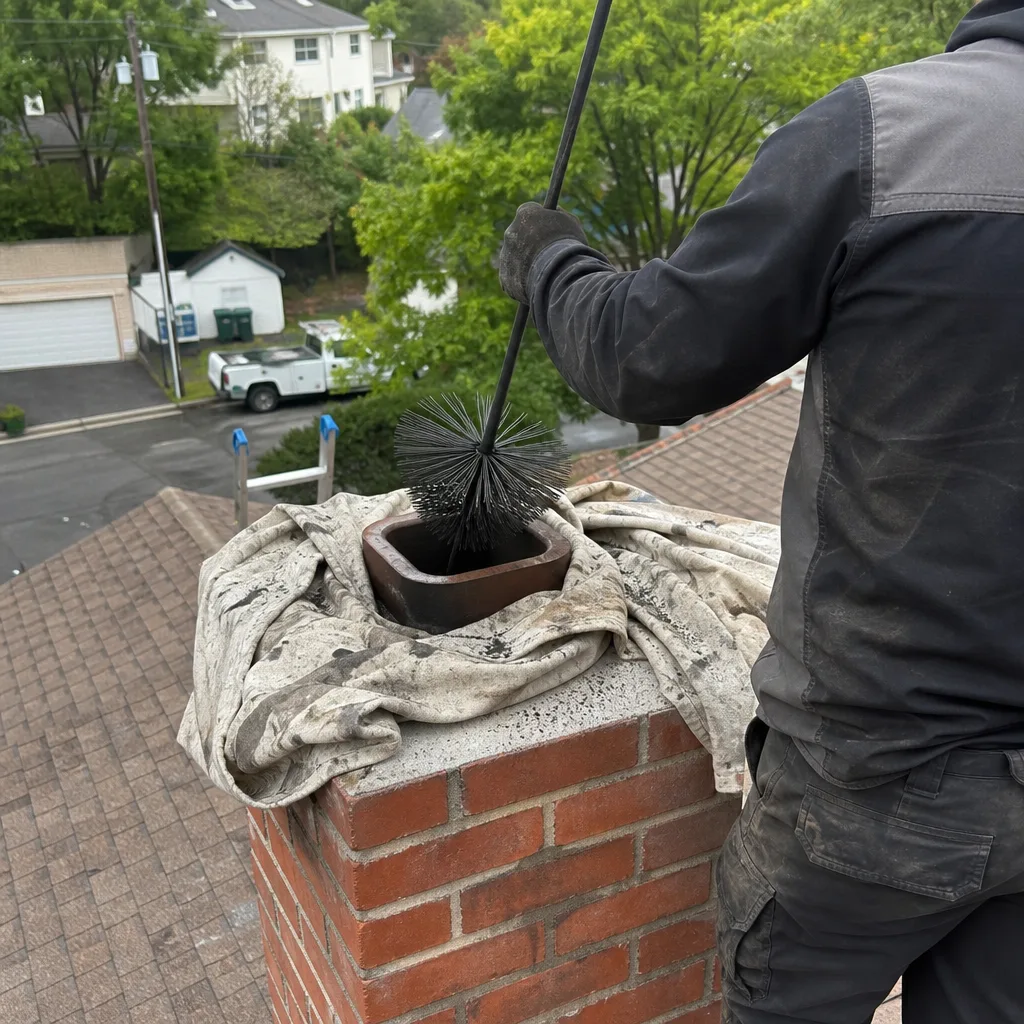
The single most effective thing a Washington homeowner can do is not wait. Liner and masonry problems don’t stay the same size. A small crack in the crown lets water in; that water freezes in January, expands, cracks the flue tile below, and by the following fall what was a $400 crown repair is now a $2,800 liner job. We see that sequence constantly in DC’s older housing stock, and it’s almost entirely preventable.
- Schedule a Level 2 inspection before buying or after any chimney-involved home transaction. The inspection is included as standard. If the camera finds a problem, you know what it costs before you’ve committed to a contractor or a price.
- Get a written scope before agreeing to anything. This is Haven Standard Clause 1 – a written price, written scope, and written warranty before work starts. If a contractor is reluctant to put the scope in writing before you agree, that’s the answer to whether you should hire them.
- Use the free second opinion. If you have a written estimate from another contractor, bring it to us. We’ll review it, tell you whether the scope matches what a camera inspection would show, and give you a written price to compare. There’s no charge for that review.
- Address crown and mortar joint issues before they become liner issues. A crown repair at $400 is the cheapest intervention in chimney maintenance. A cast-in-place liner because water got into the flue for five years is not.
- Ask specifically about materials. Liner longevity varies significantly by material grade. We source stainless liner systems from DuraFlex and Olympia Chimney through the Haven buying network, which keeps material costs honest without substituting lower-grade product. A $200 cheaper liner that needs replacement in 8 years instead of 20 is not a savings.
For a written price on your specific chimney – not a range, an actual number based on what the camera finds – call (240) 621-1264. Estimates are free and the price is in writing before any work is scheduled.
FAQs – Chimney Liner and Rebuild Cost in Washington, DC
How much does chimney liner installation cost in Washington, DC?
Most chimney liner installations in Washington, DC run between $1,800 and $4,200 for a stainless steel flexible liner in a standard single- or two-story flue. Cast-in-place liner systems for severely deteriorated or unusually shaped flues cost more, typically $3,500 to $7,000. The specific number depends on flue length, liner diameter, and what the Level 2 camera inspection finds. Call (240) 621-1264 for a written quote – there’s no charge for the estimate.
Is a chimney liner legally required in Washington, DC?
Yes. DC building and fire codes require a compliant flue liner in any chimney connected to a fuel-burning appliance. For wood-burning fireplaces, this is typically a UL-listed stainless steel liner or an approved clay tile system in sound condition. Operating a fireplace or stove with a deteriorated liner is a code violation and, more practically, a fire and carbon monoxide risk. If you’re unsure whether your current liner meets code, a Level 2 inspection with camera documentation gives you a clear, written answer.
How long does a stainless steel chimney liner last in DC?
A properly installed stainless steel flexible liner – from a manufacturer like DuraFlex or Olympia Chimney – typically lasts 20 to 25 years under normal use in the Washington, DC climate. DC’s freeze-thaw winters are harder on exposed exterior masonry than on the interior liner itself, so the stack and crown often need attention before the liner does. The liner’s longevity also depends on using the correct gauge and alloy for the application – wood-burning fireplaces require a heavier-gauge liner than gas inserts.
Can I get a chimney liner installed without a full rebuild?
Yes, frequently. If the exterior masonry and crown are in acceptable condition, a liner can be installed without any rebuild work. The camera inspection determines this. In Washington’s older housing stock, it’s common to find the flue liner in poor condition while the exterior stack is structurally sound, or vice versa. The two scopes are assessed and priced separately. If only a liner is needed, you’re only quoted for a liner – not bundled with masonry work the camera didn’t find.
What is a Level 2 chimney inspection and do I need one before liner work?
A Level 2 chimney inspection, as defined by NFPA 211, requires a camera scan of the entire flue – not just a flashlight look from the firebox. The camera shows the condition of every liner section, smoke chamber, and flue joint, and produces a documented photo record. In Washington, DC, a Level 2 inspection is required before and after any liner installation or rebuild under current standards – and it’s included as standard on every Level Two Chimney visit under Haven Standard Clause 4. You don’t pay extra for it, and you walk away with the documentation, not just a verbal summary.
How long does chimney liner installation take in Washington, DC?
A standard stainless steel liner installation in a typical Washington, DC row house or detached home takes 4 to 8 hours for the full visit, including the pre-work inspection and post-work documentation. More complex jobs – those involving smoke chamber pargeting, debris removal from a deteriorated clay tile liner, or unusual flue geometry – can run into a second day. The written scope given before work starts will specify the expected timeline. If something found during the job changes that estimate, we discuss it before proceeding.
Should I repair or replace my chimney liner?
If the existing clay tile liner has fewer than three cracked or separated sections and the overall system is otherwise intact, spot repair may be the right answer – at $300 to $700 per section. If the camera shows widespread deterioration, multiple missing sections, or a liner that has collapsed in places, a full relining with stainless steel or cast-in-place system is almost always the more cost-effective path over a 10-year horizon. Spot-repairing a liner that is structurally failing delays the inevitable and adds cost overall. The camera gives you an honest picture; the written scope reflects what it actually found.
Key Takeaways
- Chimney liner installation in Washington, DC runs $1,800 to $5,500 for most homes; cast-in-place systems can reach $7,000.
- A partial chimney rebuild adds $600 to $3,200 depending on how much masonry is affected.
- A full rebuild from the roofline up runs $4,500 to $12,000+ and is more common in older DC neighborhoods with decades of deferred maintenance.
- DC permits, historic preservation review in Georgetown and Capitol Hill Historic District, and flue height in older row houses all affect final cost.
- A Level 2 camera inspection is the only way to know accurately what liner or rebuild work your specific chimney needs – and it’s included as standard.
- Written price, written scope, written warranty before any work starts – no exceptions, no surprises after the fact.
- A free second opinion is available on any written estimate from another contractor.
For a more detailed look at what the service itself involves, the home page covers Level Two Chimney’s full scope of work and the Haven Standard that applies to every job.
Get a Written Price for Your Washington, DC Chimney Liner or Rebuild
If you’re looking at a liner quote from another contractor, have a fireplace you haven’t used in years, or just bought a DC home and want to know what the chimney actually looks like inside, call (240) 621-1264. A live person answers every call. We’ll schedule an inspection, send the camera down, and give you a written price and written scope before any work is agreed to. No verbal estimates, no surprises on the invoice, and a 365-Day Done Right Promise stamped on the job when it’s done.
Corrine Halstead leads Level Two Chimney Washington. Every job – liner, rebuild, or inspection – is documented, priced in writing, and backed by the same standard that has applied to every one of the more than 38,000 chimneys we’ve worked on since 2009.
Written by Corrine Halstead, Owner at Level Two Chimney Washington, serving Washington, DC since 2009. Pricing reflects the Washington, DC market as of 2026. Level Two Chimney Washington offers free estimates – call (240) 621-1264.
What Our Customers Say
"Found a bird nest and a blocked flue we had no idea about. Photographed everything, cleared it, and explained what the smell had been."
- Curtis V."Clean, careful, put down sheeting, and the fireplace works properly for the first time since we moved in."
- Yvette S."We were buying the house and needed a real inspection. The report had photographs, the standard it was done to, and a clear repair figure. The seller paid for the repair."
- Lorna D.